
2027 Are There Any One-Year Online Cybercrime Degree Programs Worth Considering?

Co-Founder and Chief Data Scientist
A one-year online cybercrime program can be a useful shortcut if you already have college credit, professional experience, or a related degree and want focused training in digital forensics, cyber investigations, cyber law, incident response, and threat analysis. The key is knowing what “one-year” actually means: in many cases, it refers to a certificate, graduate certificate, degree-completion pathway, or accelerated program rather than a full bachelor’s degree starting from zero.
This guide helps you evaluate whether a fast online cybercrime option is realistic for your background, budget, and career goals. It explains what kinds of programs are available, what admissions committees may expect, how costs compare with longer degree paths, and what trade-offs come with an accelerated schedule. It also highlights what to look for before enrolling so you do not confuse a short program with a complete credential that may require more time, transfer credit, or prerequisites.
Key Points About One-Year Online Cybercrime Degree Programs
- One-year online Cybercrime degrees offer intensive, focused training compared to traditional 2-4 year degrees, emphasizing practical skills in digital forensics and threat intelligence.
- Students should expect accelerated coursework, balanced with current industry tools and legal frameworks, catering to career changers or professionals seeking rapid upskilling.
- Growing demand for cybersecurity roles has increased these programs' popularity, with approximately 35% of online Cybercrime enrollees aged 25-40 pursuing career advancement.
Is It Feasible to Finish a Cybercrime Degree in One Year?
Finishing a cybercrime degree online in one year is possible only in limited situations. A traditional bachelor’s program usually requires about 120 credits and normally takes four years, so completing that entire degree from the beginning in one year is not realistic for most students. A one-year timeline becomes more achievable if you are entering with substantial transfer credits, an associate degree, prior college coursework, or a related bachelor’s degree.
The type of credential matters. Associate degrees, graduate certificates, and some degree-completion programs are much more likely to fit into a one-year plan than a full undergraduate degree. Master’s-level certificates can also be realistic for professionals who already meet prerequisites and can handle a concentrated course load.
For example, a 15-credit Cyber Criminology and Cyber Security graduate certificate at MSU is the kind of shorter credential that may fit a one-year schedule. By contrast, a full bachelor’s degree in cybercrime, cybersecurity, digital forensics, or a related area usually requires far more coursework unless the student transfers a large number of approved credits.
Before assuming a program can be finished in one year, ask the school three direct questions:
- How many credits are required after transfer evaluation? Published timelines often assume prior credits.
- Are courses offered every term? A required course that is offered only once a year can delay graduation.
- Are there labs, practicums, capstones, or in-person requirements? These can add scheduling constraints even in online programs.
Are There Available One-year Online Cybercrime Degree Programs?
True one-year online cybercrime degree programs are rare. Students are more likely to find accelerated cybersecurity, cyber forensics, information security, or criminal justice technology programs that cover many cybercrime-related topics. These options can still be valuable, but they should be evaluated carefully because “accelerated” does not always mean “one year.”
Some schools shorten the path by combining undergraduate and graduate study, accepting transfer credits, or using intensive online formats. Others offer fast degree pathways for adults who already have college credits or work experience. Students comparing broader accelerated formats can review fast degree college options for working adults for additional context.
- John Jay College of Criminal Justice: Offers an Accelerated Dual Degree in Computer Science and Information Security and Digital Forensics and Cybersecurity. This BS/MS dual admission program enables students to complete both degrees within five years and includes courses such as Data Communications & Forensic Security and Applied Cryptography.
- Illinois Institute of Technology: Provides a Bachelor of Information Technology and Management/Master of Cyber Forensics and Security accelerated program. Students can work toward both degrees at the same time while studying IT management, cyber forensics, compliance, and legal issues.
- Lindenwood University: Features an Accelerated Online Bachelor of Science in Cybersecurity completed in 24 months. Although it is not a one-year program, it covers skills relevant to cybercrime work, including network defense, ethical hacking, and cloud security.
The best approach is to search beyond the exact phrase “cybercrime degree.” Programs may use names such as cybersecurity, cyber forensics, digital forensics, information assurance, cyber investigations, or computer crime. What matters is whether the curriculum matches your intended role.
Why Consider Taking Up One-year Online Cybercrime Programs?
A short online cybercrime program can make sense when you need targeted skills quickly and already have the academic or professional foundation to keep up. These programs are often designed for adults who cannot pause their careers for a traditional multi-year degree but still need structured training in cybercrime investigation, digital evidence, cyber law, incident response, or threat behavior.
- Faster skill development: Accelerated programs focus on high-priority topics instead of spreading coursework across several years. This can help professionals build job-relevant skills sooner.
- Convenience for working professionals: Online delivery, especially asynchronous coursework, can help IT workers, law enforcement personnel, criminal justice professionals, and career changers study without relocating or leaving work.
- Better fit for degree holders: Students who already have a bachelor’s degree or significant transfer credit may not need another long undergraduate path. A certificate, completion program, or graduate-level option may be more efficient.
- Career pivot potential: Professionals in IT, compliance, fraud investigation, criminal justice, or public safety may use cybercrime coursework to move toward cyber investigations, digital forensics, or security operations.
- Possible certification alignment: Some programs include coursework that may support preparation for credentials related to ethical hacking, security fundamentals, or digital forensics. Students should confirm whether certification exams are included or only supported by the curriculum.
- Lower opportunity cost: A shorter program may reduce time away from work and can cost less than a longer degree route, depending on tuition, transfer credits, and financial aid eligibility.
The main benefit is speed, but speed is valuable only when the credential matches your goal. If you need a bachelor’s degree for employment screening, a certificate may not be enough. If you already meet degree requirements for your target jobs, a shorter cybercrime-focused credential may be a practical way to specialize.
What Are the Drawbacks of Pursuing One-year Online Cybercrime Programs?
One-year online cybercrime programs can be efficient, but they are not automatically easier. The compressed format often requires stronger time management, more independent learning, and a clearer career plan than a traditional program.
- Heavy workload: Condensed terms can require students to absorb technical, legal, and investigative material quickly. Falling behind for even a week can be difficult to recover from.
- Less time for deep technical practice: Topics such as penetration testing, malware analysis, cloud security, and forensic imaging take repetition. A short program may introduce these areas without allowing extensive mastery.
- Limited internship access: Accelerated schedules may leave little room for internships, cooperative education, or field placements, which can be important for students without related experience.
- Reduced networking opportunities: Online and fast-paced formats may make it harder to build relationships with faculty, classmates, investigators, and cybersecurity professionals unless the program intentionally supports networking.
- Work-study conflict: Even online programs can feel like full-time commitments during intensive terms. Students working full time should confirm expected weekly study hours before enrolling.
- Credential mismatch risk: A short certificate or completion program may not satisfy employers that require a specific degree level. Always compare the credential with job postings you plan to target.
To reduce these risks, choose a program with clear advising, accessible faculty, virtual lab support, career services, and transparent graduation requirements. Students should also plan their weekly schedule before the first term starts and avoid stacking certification exams on top of the heaviest courses unless they have prior experience.
What Are the Eligibility Requirements for One-year Online Cybercrime Programs?
Eligibility requirements depend on the credential level. One-year cybercrime-related programs often target students who already have transfer credits, an associate degree, a bachelor’s degree, or professional experience in IT, criminal justice, cybersecurity, public safety, or investigations. Students starting without prior college credit may have fewer true one-year options.
Because availability is limited, applicants should confirm the admissions requirements, transfer-credit rules, and completion timeline directly with each school. Students considering advanced online study beyond cybercrime may also compare broader affordability options such as the cheapest PhD programs online.
- Prior college credits: Accelerated bachelor’s completion programs usually require an associate degree or significant transferable credits, sometimes up to 90, to make one-year completion possible.
- Professional experience: Relevant work in IT, cybersecurity, digital investigations, criminal justice, or law enforcement may strengthen an application. Certifications such as CompTIA or CISSP may also support readiness, depending on school policy.
- Prerequisite coursework: Programs may expect prior study in computer science, networking, programming, statistics, criminal justice, or information systems. Missing prerequisites can extend the timeline.
- Placement exams: The GRE is generally not necessary, though some schools may require math or writing placement tests if transcripts do not show adequate preparation.
- Background checks: Some programs, especially those connected to law enforcement or sensitive investigative training, may require background checks.
- Interviews: Interviews are uncommon but may be used when admissions teams want to understand an applicant’s goals, work history, or readiness for an accelerated format.
- Bachelor’s completion requirements: These programs typically require a high school diploma or GED, official transcripts, transfer-credit evaluation, and possibly a minimum GPA.
- Master’s-level requirements: Applicants must hold a bachelor’s from an accredited institution and may need a competitive GPA, often 3.0, along with letters of recommendation, a personal statement, and official transcripts.
A strong application shows more than interest in cybersecurity. It demonstrates that the student can handle technical material, write clearly about legal and ethical issues, and commit enough time to succeed in an accelerated online format.
What Should I Look for in One-year Online Cybercrime Degree Programs?
When comparing one-year online cybercrime programs, focus on credibility, fit, and outcomes. A short timeline is not enough. The program should be properly accredited, academically rigorous, technically current, and aligned with the jobs or promotions you are pursuing.
- Accreditation: Verify institutional accreditation first. Regional or national accreditation helps ensure the credential is recognized by employers, graduate schools, and financial aid agencies. Cybersecurity-related designations such as the National Center of Academic Excellence in Cybersecurity (CAE) may also signal alignment with recognized standards.
- Curriculum match: Look for coursework in digital forensics, cyber investigations, incident response, cyber law, network security, evidence handling, and threat analysis. If you want law enforcement or investigative roles, legal and evidentiary coursework matters. If you want security operations, technical labs may be more important.
- Hands-on learning: Strong programs include virtual labs, case-based assignments, simulated investigations, forensic tools, log analysis, and incident scenarios. Cybercrime cannot be learned well through readings alone.
- Faculty expertise: Review instructor profiles for experience in cybersecurity, computer science, digital forensics, law enforcement, cyber policy, or criminal justice. Faculty with field experience can help connect theory to real investigations.
- Course delivery format: Check whether courses are asynchronous, synchronous, or hybrid. Working adults may prefer asynchronous classes, but live sessions can improve accountability and interaction.
- Credit transfer rules: If you are entering with prior coursework, ask how many credits can transfer and whether they apply to major requirements or only electives. This can determine whether one-year completion is realistic.
- Technology requirements: Confirm hardware, software, lab access, and operating system expectations. Some cyber forensics and security labs require more than a basic laptop.
- Career services: Prioritize programs that offer resume support, career advising, employer connections, interview preparation, and guidance on certifications.
- Total cost: Compare tuition, fees, lab costs, textbooks, software, and certification exam expenses. A low per-credit rate may not reflect the full cost.
- Student support: Accelerated online learners need responsive advising, tutoring, technical support, library access, and clear communication from faculty.
Students planning eventual doctoral study in a related field can also compare short doctorate programs, but a doctorate is a different goal from fast cybercrime workforce preparation. Choose the credential based on the role you want next.
How Much Do One-year Online Cybercrime Degree Programs Typically Cost?
One-year online cybercrime programs, often offered as certificates, graduate certificates, or degree-completion options, generally cost between $9,280 and $25,000. The final amount depends on the school, credential level, transfer credits, fees, and whether the student qualifies for in-state tuition or institutional aid.
Cost comparisons should be based on total program cost, not only the advertised per-credit tuition. Students should ask for an itemized estimate that includes technology fees, online course fees, lab access, books, software, graduation fees, and any certification-related expenses.
- Public vs. private institution: Public schools may offer lower rates, especially for in-state students, while private institutions may have different tuition structures or aid packages.
- Transfer credits: Approved transfer credits can reduce the number of courses required, which can lower both tuition and time to completion.
- Residency status: In-state tuition fees tend to be lower than out-of-state rates, although some online programs use flat-rate pricing.
- Program type: A short certificate may cost less than a degree-completion program or accelerated graduate option.
- Pace of study: Accelerated enrollment may compress costs into fewer billing periods, which can affect payment planning even if the total tuition is lower.
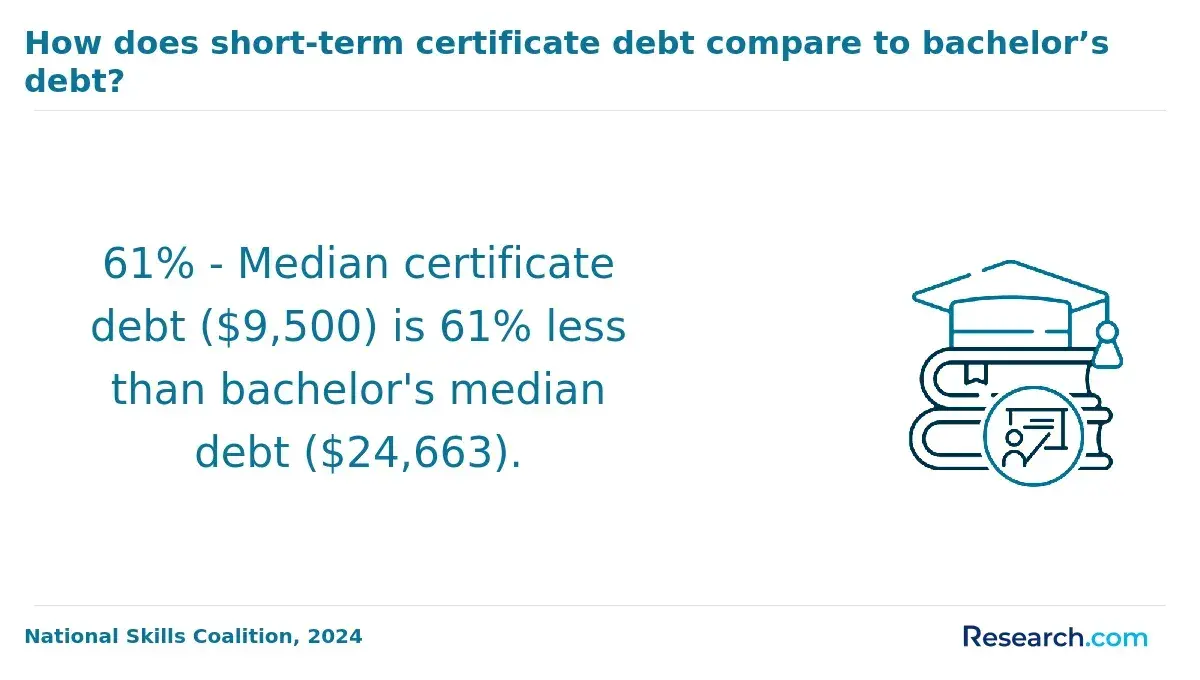
Traditional four-year cybercrime degrees are substantially more expensive, with tuition often ranging from $25,520 to $147,300. For students who already have credits or a related degree, a one-year online pathway can be a more affordable way to build specialized cybercrime expertise. For students starting from the beginning, however, the total cost of earning the necessary credential may be closer to a longer degree route.
What Can I Expect From One-year Online Cybercrime Degree Programs?
Expect a fast, structured, and demanding online learning experience. One-year cybercrime programs typically compress technical, legal, and investigative coursework into shorter terms, so students need consistent study habits and comfort with independent learning.
Students in accelerated online cybercrime master’s degree pathways should anticipate dedicating 25-35 hours weekly to asynchronous lectures, virtual lab simulations, reading, writing, and independent study. Workloads can vary by course and student background, but the pace is usually much heavier than a standard part-time online program.
Coursework may include network security analysis, incident response, digital forensics, cyber investigations, cyber law, offender behavior, victim impact, and threat response strategies. Many online programs use virtual simulations instead of physical practicums, which can be convenient but may offer less field exposure than an in-person internship or lab-intensive program.
Common outcomes include stronger foundational knowledge for information security, cyber investigation, or digital forensics-related roles. However, students should be realistic about the limits of a one-year format. Complex topics such as penetration testing, cloud security, malware analysis, and advanced forensic procedures often require additional practice beyond the classroom.
Students may also try to prepare for credentials such as CompTIA Security+ or Certified Ethical Hacker while completing coursework, but doing both at once can be demanding. If you are new to the field, it may be wiser to complete the strongest academic foundation first and then schedule certification exams strategically.
For students comparing cybercrime with other career-oriented education paths, a trade schools list of careers can help show how different training routes connect to employment opportunities.
Are There Financial Aid Options for One-year Online Cybercrime Degree Programs?
Financial aid may be available for one-year online cybercrime programs, but eligibility depends on the school, credential type, enrollment status, and whether the program qualifies for aid. Students should verify aid eligibility before enrolling, especially for certificates or nondegree programs.
- Federal and state aid: Eligible students can submit the FAFSA to apply for federal aid, including Pell Grants and federal student loans. Some states also offer grants or scholarships for residents attending approved online programs.
- Scholarships: Cybersecurity-focused scholarships may help reduce costs. For example, the WGU Cybersecurity Scholarship offers up to $6,000. Awards may be based on merit, financial need, diversity considerations, essays, GPA, or commitment to the cybersecurity field.
- Employer tuition assistance: Employers may reimburse tuition when cybercrime, cybersecurity, or digital forensics training supports the employee’s role. Students should ask about reimbursement limits, grade requirements, approved schools, and post-completion work obligations.
- Private grants and industry support: Foundations, professional associations, and industry groups may offer aid for students pursuing cybersecurity-related education.
- Payment plans: Some schools allow tuition to be paid over the term instead of in one lump sum. This is not the same as financial aid, but it can help with cash flow.
Because accelerated programs move quickly, aid deadlines and disbursement schedules can be tight. Apply early, confirm whether the program is aid-eligible, and stay in contact with both financial aid staff and program advisors.
What Cybercrime Graduates Say About Their Online Degree
Student experiences with accelerated online cybercrime programs vary based on prior background, workload, faculty support, and career goals. The strongest fit is usually for learners who are self-directed, comfortable with technology, and clear about why they need the credential.
- Jase: "Completing my one-year online Cybercrime degree was a game-changer for my career. The accelerated format meant I could quickly gain the expertise I needed without sacrificing my full-time job, and the hands-on curriculum prepared me for real-world challenges in cybersecurity. The average cost was surprisingly affordable, making it an excellent investment."
- Kyro: "Reflecting on the Cybercrime program, I appreciate how the competency-based learning allowed me to focus on mastering critical skills at my own pace. This flexibility helped me balance family commitments while advancing my knowledge in cyber forensics and threat analysis. The program's structure really enhanced my confidence and readiness for the workforce."
- Aaron: "My experience with the one-year online Cybercrime degree was very professional and efficient. The program was well-organized, and I quickly absorbed concepts related to cyber law and ethical hacking. Finishing the degree swiftly without compromising quality enabled me to pursue advanced certifications and boost my qualifications in a competitive job market."
Other Things You Should Know About Pursuing One-Yeas Cybercrime Degrees
In 2027, several reputable institutions offer accelerated online programs in cybercrime. These programs typically last one year and are designed to equip students with the critical skills needed for roles in cybersecurity and digital forensics, providing a fast-tracked pathway into the field.
One-year online cybercrime degrees are generally recognized by employers, provided they are from accredited institutions. Many employers value these programs for their focused, practical skills training, making graduates suitable for roles like cybersecurity analyst, digital forensic examiner, or network security specialist.
One-year online cybercrime programs in 2027 often emphasize skills such as network security, digital forensics, ethical hacking, and data analysis. These programs are designed to equip students with both theoretical knowledge and applied skills essential for combating cyber threats.
References
- Top 10 Best Online Master's Cybersecurity Programs (2025) - Programs.com https://programs.com/programs/online-masters-programs/
- Find the latest on cybersecurity scholarship opportunities https://cybersecurityguide.org/resources/scholarship-guide/
- Is an online degree right for you? Pros and cons to consider https://arden.ac.uk/knowledge-base/learning-styles/distance-learning/online-learning-pros-cons
- Online Master of Science in Cybercrime https://www.usf.edu/cbcs/criminology/graduate/cybercrime/
- How to Pay for a Degree in Cybersecurity | CyberDegrees.org https://www.cyberdegrees.org/resources/how-to-pay-for-a-degree/
- Bachelor of Science in Cyber Security | Cybersecurity Major | ECCU https://www.eccu.edu/online-cyber-security-degrees/bachelor-of-science-in-cyber-security/
- How to choose a bachelor's in cybersecurity | edX https://www.edx.org/resources/how-to-choose-a-bachelors-in-cybersecurity
- What to Expect from an Online Cyber Security Degree Program https://www.careerera.com/blog/expect-from-an-online-cyber-security-degree-program
- Cybercrime Online Program https://online.odu.edu/academics/programs/cybercrime
- Cybercrime Investigation and Response https://www.noroff.no/en/studies/university-college/cybercrime-investigation-response


