
2027 Human Resource Management Degree vs. Certificate: Which Should You Choose?

Co-Founder and Chief Data Scientist
Today's students and professionals face important decisions when choosing between earning a degree or a certificate in human resource management. Both educational paths offer valuable skills that can advance a career, yet they differ in duration, depth of study, and cost. Understanding these distinctions is crucial for aligning education with professional goals.
A human resource management degree typically involves comprehensive coursework covering labor laws, organizational behavior, and strategic planning, often taking two to four years to complete. Certificates, meanwhile, focus on specific skills and can be completed in months. This article compares these options to help readers make informed choices based on career ambitions and lifestyle needs.
Key Points About Human Resource Management Degree vs. Certificate Programs
- A human resource management degree offers comprehensive knowledge and higher salary potential, with median wages about 20% greater than certificate holders.
- Certificates focus on specific skills and quicker completion, ideal for professionals seeking targeted expertise or career shifts without full-time commitment.
- Degree programs support long-term growth through broad theoretical and practical training, while certificates enhance immediate job readiness and specialized skill development.
What are the differences between human resource management degree and certificate programs?
Both human resource management degrees and certificate programs offer valuable career opportunities but differ in key aspects. Knowing these distinctions helps students select the best educational path based on their professional goals and available time. Below is a comparison highlighting the main differences between the two options.
- Depth of Learning: Degree programs provide a comprehensive understanding of HR principles, including theory and practice, suitable for those seeking a broad and in-depth education. Certificates focus on specific skills or knowledge areas, ideal for learners who want targeted expertise or quick upskilling.
- Time Commitment: Degrees typically require several years of study, appealing to students prepared for a long-term investment. Certificates are shorter and more flexible, fitting professionals who need to gain credentials rapidly or balance education with work.
- Career Advancement: A degree often opens more doors for leadership and managerial positions in HR due to its thorough curriculum. Certificates mainly support entry-level roles or specialization, beneficial for those aiming to supplement existing skills without a full degree.
- Cost and Accessibility: Certificate programs generally cost less and have fewer prerequisites, making them accessible to a wider audience. Degree programs involve a higher financial and academic commitment but provide a more substantial credential.
How long does it take to complete a human resource management degree vs. a certificate program?
Completion time is one of the most important factors students consider when choosing between a human resource management degree vs. certificate program. Understanding how long each option typically takes helps prospective students align their education goals with their schedules and career plans.
- Typical Duration: A human resource management degree program length usually spans about four years for a bachelor's degree when studied full-time in the United States. A master's degree typically adds two more years, although some accelerated options can shorten this to 12-18 months for students with prior credits or relevant experience. In contrast, how long to finish HR certificate program varies significantly, with most certificates requiring five or six courses that can be completed in as little as six weeks to about four months.
- Flexibility: Degree programs often require full-time enrollment for faster completion, but many students opt for part-time study, extending their timeline by months or years. Certificate programs tend to offer greater flexibility with online or evening classes designed for working professionals, enabling quicker completion without compromising work commitments.
- Factors Affecting Timeline: Enrollment status, program design, and prior learning all influence duration. Accelerated degree programs and transfer credits can reduce degree completion times, while certificates generally do not require prior academic experience, allowing for immediate start and rapid progression.
A human resource management degree is a longer commitment but offers in-depth education, whereas certificate programs provide a faster path for upskilling or entering the HR field quickly. Students seeking an accelerated degree might explore options like the fastest bachelor's degree online to balance time and educational depth.
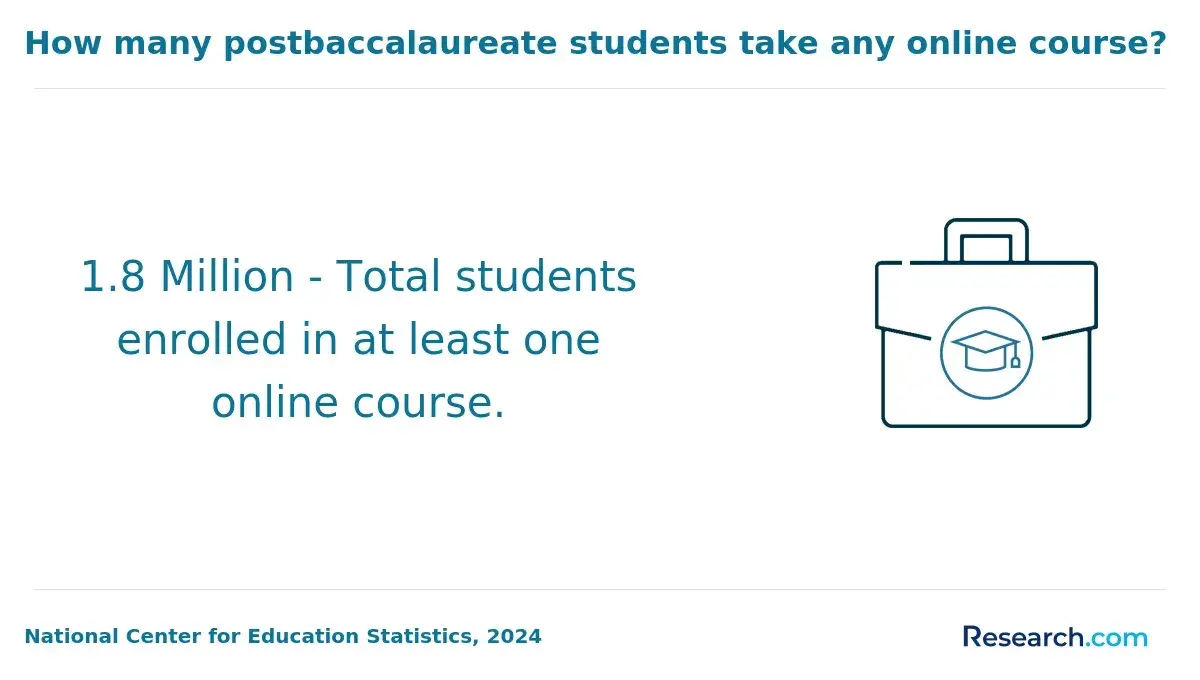
Can you complete a human resource management degree or certificate entirely online?
The growth of online education has made it increasingly feasible to pursue a human resource management degree entirely online through many accredited U.S. colleges and universities. Institutions such as UW-Green Bay, Empire State College (SUNY), and Western Governors University offer fully online bachelor's programs, ensuring students access the same curriculum and faculty as their on-campus peers.
In fact, many students turn to online human resource management degree programs for the flexibility and comprehensive study they provide. Similarly, a human resource management certificate fully online is widely available, often designed to be completed in accelerated timelines, giving students targeted skills for immediate application.
While most online human resource management degrees and certificates do not require on-campus attendance, some programs might include optional or mandatory hands-on elements like internships or capstone projects.
Many schools facilitate these experiences virtually or allow students to complete internships locally, supporting working professionals in completing their studies remotely. When selecting an online format, consider if hands-on training, industry certification, or licensure is necessary for your career goals.
For more guidance on online degree options, explore the best online degrees for seniors, which includes insights applicable to many learners. Online degrees suit those seeking in-depth advancement, while certificates offer focused skills enhancements.
What are the admission requirements for a human resource management degree vs. a certificate program?
Admission requirements are a critical consideration when deciding between pursuing a human resource management degree or enrolling in a certificate program. These requirements determine eligibility and influence how accessible each pathway is for prospective students. To help clarify your options, here is a side-by-side comparison of typical admission standards for both program types.
Admission Requirements for Human Resource Management Degree Programs
- Educational Background: Most bachelor's degree programs require a high school diploma or equivalent, while master's programs generally require a completed undergraduate degree, often in a related discipline.
- Transcripts: Official transcripts from all previous high schools, colleges, or universities attended must be submitted for both undergraduate and graduate admission.
- Standardized Test Scores: Some universities ask for ACT or SAT scores for freshman applicants, though increasingly many schools have test-optional policies.
- Minimum GPA: Transfer students and some first-time college students must meet GPA standards, typically between 2.0 and 2.25 depending on the institution.
- Prerequisite Courses: Certain programs require completion of foundational courses, such as college-level mathematics, before admission to the major.
- English Proficiency: Non-native English speakers pursuing graduate admission often must provide TOEFL or IELTS scores to demonstrate language proficiency.
- Additional Materials (Graduate): Graduate applicants may be required to submit a resume, letters of recommendation, essays, and sometimes complete interviews or online assessments.
Admission Requirements for Human Resource Management Certificate Programs
- Educational Background: Certificate programs usually require a high school diploma or equivalent, but some accept applicants without prior college education, making requirements less stringent than degree programs.
- Work Experience: While not always mandatory, many certificate programs prefer or require professional experience in human resources or a related field.
- Transcripts: Transcript submission may be requested but is generally less rigorous compared to degree program policies.
- English Proficiency: For online or post-baccalaureate certificates, non-native speakers might need to show English proficiency, though standards tend to be more flexible.
- Application Process: Certificate applications are usually simplified, with no requirement for standardized test scores or extensive supplemental materials.
The less restrictive requirements for certificate programs make them an accessible option for career changers or those seeking focused, short-term training in human resource management.
Degree programs feature more comprehensive academic and documentation standards, appropriate for their broader scope. If you are exploring advanced education paths, you may also be interested in what type of master's degree makes the most money.
How many credits do you need to complete a human resource management degree vs. a certificate?
Understanding the credit requirements for human resource management programs is essential for students to effectively plan their academic schedules and career paths. Knowing how many credits you need can clarify the time commitment and help in choosing between a full degree or a certificate.
The following comparison highlights the typical credit expectations for degree and certificate options in human resource management.
- Bachelor's degree: Usually requires 120 to 121 credits, which cover general education, core business, and HR courses, typically completed over four full-time years.
- Certificate program: Generally involves 12 to 24 credits, focusing on fundamental HR subjects such as recruitment and employment law, often completed within one to two semesters on a part-time basis.
One student pursuing a human resource management certificate shared his experience, explaining, "I needed something flexible and concise since I'm balancing work and family. The shorter credit load was definitely the right fit." He mentioned the challenge of quickly grasping key concepts but appreciated how the program concentrated on practical skills rather than extensive theory.
Reflecting on his journey, he said, "Choosing the certificate allowed me to upskill without committing to a full degree, which gave me a real boost professionally in a manageable timeframe." This focused approach helped him feel confident about entering the HR field more rapidly while still gaining valuable knowledge.
What is the average tuition for a human resource management degree vs. a certificate?
Tuition costs are a crucial factor when deciding between pursuing a human resource management degree or a certificate, as they impact both immediate affordability and future career opportunities. Comparing the average cost of a human resource management degree with certificate program tuition fees helps students make informed choices based on their finances and goals.
Below is a breakdown comparing the typical tuition ranges and other key factors for each option.
Average Tuition for Human Resource Management Degree Programs
- Tuition range: Undergraduate degree programs generally cost between $10,000 and $27,000 per year at public universities, while private schools can charge up to $26,969 annually. Graduate degrees usually have a total tuition ranging from $12,000 to $34,950.
- Influence of school type: Public universities often offer lower tuition rates for in-state residents, but private institutions charge higher fees regardless of residency.
- Online vs. on-campus: Online bachelor's programs may reduce costs significantly, with some as low as $8,100-$16,650 per year, due to fewer campus-related fees and more flexible schedules.
- Program length: Bachelor's degrees typically require 120 credits over four years, whereas master's degrees need about 30-36 credits, affecting total tuition expenses.
- Additional fees: Tuition usually excludes mandatory fees, course materials, and health insurance, which can add substantially to the overall cost.
Average Tuition for Human Resource Management Certificate Programs
- Tuition range: Certificate programs typically cost between $1,500 and $7,000 total, depending on the number of courses and whether the institution is public or private.
- Program length: Certificates usually require 12-18 credits and can be completed in a few months to a year, reducing total expenses compared to degree tracks.
- Online vs. on-campus: Many certificates are offered online, lowering costs further by eliminating transportation and facility fees.
- Public vs. private institutions: Public colleges tend to offer certificates for as low as $1,500-$3,000, while private providers often charge higher tuition.
- Financial aid availability: Certificate programs generally have fewer financial aid options, so students may need to fund most costs out of pocket.
When weighing the average cost of a human resource management degree against human resource management certificate program tuition fees, students should also consider the potential return on investment and long-term career advancement.
For those seeking affordable options, exploring accredited online colleges no application fee may help reduce initial expenses while pursuing these credentials.
Can you transfer certificate credits toward a human resource management degree later on?
Yes, certificate credits in human resource management can often be transferred toward a degree, but this depends largely on institutional policies, accreditation status, and how closely the certificate courses align with the degree curriculum. Many colleges, such as Southern New Hampshire University and Colorado Christian University, explicitly permit transferring certificate credits into their human resource management bachelor's programs.
Transferability is more likely when credits come from regionally accredited schools. However, not all programs accept every course, and the relevance of the completed coursework to the degree requirements is a critical factor in approval.
Important considerations include limits on the number of transferable credits, which typically range from 9 to 12. Most institutions require a minimum grade, commonly a "C" or better, for credits to count toward the degree. Confirming transfer policies with the receiving school before enrolling is essential, since some programs only accept credits within their own system or have specific restrictions. Students should proactively verify these details to ensure their prior learning contributes fully to their degree progression.
One student who pursued a human resource management degree after completing a certificate program shared her experience. She found the transfer process enlightening but initially challenging, having to gather detailed syllabi and communicate extensively with admissions advisors to verify which credits would be accepted.
"It was reassuring to see that most of my certificate courses counted toward the degree," she reflected. The process made her appreciate the value of thorough research and early planning, which eased the transition and maximized her investment in education.
Are certificate programs accredited the same way as human resource management degrees?
Certificate programs in human resource management are not accredited in the same manner as degree programs. Degree programs, like bachelor's or master's degrees, receive accreditation from recognized institutional or programmatic agencies such as the Higher Learning Commission, ensuring they meet comprehensive academic standards.
On the other hand, certificate programs-especially those independent of colleges-are typically accredited or endorsed by professional HR bodies, including SHRM and HRCI. These certifications focus on validating industry-specific skills rather than broad academic quality. Despite different accrediting authorities, both types of programs maintain standards relevant to their intended outcomes.
Accreditation is important because it assures quality, supports credit transfer, and influences employer acceptance. For degree programs, accreditation often affects eligibility for federal aid and graduate study options. Professional accreditation for certificates guarantees the credential is respected within the HR industry and meets up-to-date competency requirements.
Students evaluating programs should verify institutional or programmatic accreditation for degrees, and look for professional endorsements or accreditations for certificates while also considering renewal and continuing education demands. Confirming accreditation from recognized bodies is essential before committing to any program.
What jobs can you get with a human resource management degree vs. a certificate?
Both human resource management degrees and certificates offer paths to employment in HR, but they often prepare graduates for different roles and levels of responsibility. Understanding the career opportunities associated with each credential can help you decide which option aligns best with your professional goals.
Below is a comparison of typical jobs you can pursue with either a degree or a certificate in human resource management.
Jobs You Can Get with a Human Resource Management Degree
- Human resources manager: Oversees HR departments, ensuring policies and employee relations run smoothly in various organizations.
- HR generalist: Handles a wide range of HR functions such as recruiting, benefits administration, and compliance support.
- HR business partner: Works closely with leadership to align HR strategies with business goals and drive organizational performance.
- Talent acquisition specialist: Focuses on attracting and hiring skilled candidates to meet company workforce needs.
- Compensation and benefits analyst: Develops and manages employee pay structures and benefits programs to remain competitive and fair.
- Training and development manager: Designs programs that improve employee skills and foster career growth within a company.
Jobs You Can Get with a Human Resource Management Certificate
- Human resources assistant: Provides administrative support to HR teams, maintaining employee records and assisting with onboarding.
- HR coordinator: Coordinates HR activities such as scheduling interviews and managing recruitment logistics.
- Payroll clerk: Processes employee wages and ensures accuracy in payroll systems and compliance with regulations.
- Recruiting assistant: Supports recruiters by organizing candidate information and facilitating communication during hiring.
What is the average starting salary for a certificate vs. human resource management degree graduates?
Salary potential often varies between human resource management certificate holders and degree graduates, typically reflecting differences in education level and career opportunities. Understanding these differences helps prospective students make informed decisions about their investment in education. Below is a side-by-side comparison of the average starting salary for human resource management degree graduates versus certificate holders, along with key factors influencing earnings and career paths.
- Typical Salary Range for degree graduates: Graduates holding a human resource management degree in the U.S. usually start with salaries ranging from $52,000 to $74,000 per year, with a national average near $65,800.
- Starting Salary for certificate holders: Human resources certificate holder starting salary often falls between $48,000 and $73,000, depending on the role and previous experience, with average base salaries commonly between $54,000 and $73,000.
- Education Level Impact: A bachelor's degree generally opens doors to higher-paying entry-level jobs or quicker advancement, while certificates can be ideal for support roles or for those combining them with relevant work history.
- Experience and Industry: Early career professionals with 0-1 years' experience average about $48,260 annually, but salaries tend to increase significantly with experience, especially in metropolitan areas and industries like technology or finance where HR expertise is in high demand.
- Certification Boost: Earning recognized HR certifications such as SHRM-CP or PHR can enhance earning potential, especially when combined with a degree or practical experience.
- Career Outlook: While degrees generally offer broader opportunities and higher average starting pay, certificates remain valuable for career changers or professionals pursuing targeted advancement, especially through options like dual-degree programs.
Here's What Graduates of Human Resource Management Programs Say About Their Degree or Certificate
- Baker: "The human resource management certificate program was perfect for me because of its fast-paced and focused learning experience. It offered practical skills without the lengthy commitment or high cost typical of degree programs, making it ideal for quick career advancement. I appreciated how the cost was significantly lower than a degree, yet it still opened doors for me professionally."
- Matthias: "Choosing the human resource management degree program was a strategic decision for my long-term career. The in-depth curriculum and extended timeframe allowed me to develop a comprehensive understanding of the field, which a certificate couldn't offer. Although the degree was a larger financial investment, I believe the broader educational experience and credentials have significantly enhanced my opportunities."
- Wesley: "Having completed both the human resource management certificate and degree programs, I recognize the distinct advantages of each. The certificate provided an efficient introduction and skill-building, while the degree deepened my knowledge and improved my strategic thinking. Balancing cost and time, I feel both were worthwhile-the certificate for immediate impact and the degree for sustained professional growth."
Other Things You Should Know About Human Resource Management Degrees
In 2027, an HR management degree typically offers broader career opportunities, such as managerial roles, due to its comprehensive curriculum. Conversely, a certificate provides specialized knowledge, ideal for advancing within specific HR functions, but may limit access to higher-level positions. Certification can supplement a degree for career advancements.
In 2027, a human resource management degree often provides more networking opportunities than a certificate, primarily due to extended program durations and the collaborative nature of degree coursework. Degree programs frequently facilitate connections with faculty, alumni, and industry professionals, enhancing career development opportunities beyond what certificate programs typically offer.
References
- Degrees and certifications human resources managers need https://www.cmich.edu/blog/all-things-higher-ed/degrees-and-certifications-human-resources-managers-need
- HR Certification vs. Degree: Which Is Right for You? https://hrcertification.com/blog/hr-certification-vs-degree-biid1000056
- 2023 Best Value Human Resource Management Graduate Certificate Schools - Course Advisor https://courseadvisor.com/majors/business-management-and-marketing/human-resource-management/rankings/best-value/graduate-certificate/
- Are Online Human Resources Certificates Worth It? https://careercitycollege.ca/blog/are-online-certification-human-resources-programs-worth-the-investment/
- Top HR Certifications to Pair with Your HR Management Degree | UAGC https://www.uagc.edu/blog/top-hr-certifications-pair-your-hr-management-degree
- The 26 Best HR Certification Courses 2025 https://peoplemanagingpeople.com/career/hr-certification-and-courses/
- 2025 Human Resources Management/Personnel Administration Tuition https://www.collegetuitioncompare.com/majors/52.1001/human-resources-management-personnel-administration/
- 11 Best Human Resources Management Certifications for 2025 https://www.aihr.com/blog/human-resources-management-certifications/
- Should I Get an HR Certificate Before a Degree in Human Resources? https://www.snhu.edu/about-us/newsroom/business/what-is-a-human-resource-degree-and-certificate
- HRM Online Master's - Transfer Credit Information | Master of Science in Human Resource Management https://www.stonybrook.edu/commcms/online-masters-in-human-resource-management/admissions/transfer-credits.php


