
2027 Different Types of Public Health Degrees and Their Salaries

Co-Founder and Chief Data Scientist
The demand for skilled professionals in public health is rapidly increasing as communities face complex health challenges requiring expert intervention. Employment in this field is projected to grow significantly over the next decade, reflecting a national emphasis on disease prevention, health education, and policy development.
This article provides a clear overview of the various types of public health degrees and what graduates can anticipate earning, offering essential insights for informed decision-making in pursuing a career that supports population well-being and safety.
Key Points About Different Types of Public Health Degrees and Their Salaries
- Associate degrees in public health typically lead to entry-level positions such as community health workers, with median annual salaries around $40,000 to $45,000 and limited opportunities for advancement without further education.
- Bachelor's degrees in public health open doors to roles like health educators and epidemiology assistants, where the average salary ranges from $50,000 to $65,000, and demand is increasing due to growing public and private sector investment in health initiatives.
- Master's degrees, especially the MPH, significantly boost earning potential and career growth, with median salaries often exceeding $70,000, positioning graduates for leadership roles in healthcare administration, policy-making, and specialized research.
What Are the Different Types of Public Health Degrees Available?
Understanding the different types and levels of public health degrees is crucial for students before choosing a program because each degree aligns with particular career goals and educational backgrounds.
Below is an overview of the main types of public health degrees and what makes each unique:
- Undergraduate certificate in public health: Provides a basic introduction to key public health concepts and foundational practices. Coursework usually covers essential public health principles, preparing students for entry-level support roles or further academic study.
- Associate degree in public health: Focuses on foundational knowledge in biostatistics, epidemiology, and environmental health. This degree develops basic analytical and communication skills necessary for supporting community health initiatives.
- Bachelor's degree in public health (BPH, BA, BS, BHS, BSEH): Offers comprehensive training in public health theory, disease prevention, health behavior, and research methods. BA degrees typically emphasize social sciences, while BS degrees center more on natural and environmental sciences.
- Graduate certificate in public health: Designed for individuals with a bachelor's degree aiming to acquire specialized skills without committing to a full graduate program. Courses often include advanced topics like epidemiology, health policy, and program evaluation.
- Master of Public Health (MPH): Emphasizes practical and applied skills needed for professional public health practice, covering epidemiology, biostatistics, behavioral sciences, and policy development with field-based project work.
- Master of Science in Public Health (MSPH): Has a research-focused curriculum emphasizing advanced study in research methods, biostatistics, and health informatics. Students typically complete a thesis to prepare for research or academic careers.
- Doctoral degrees (PhD, ScD, DrPH in public health): Offer advanced coursework alongside extensive research opportunities. PhD and ScD programs target academic and research expertise, while DrPH programs focus on leadership and policy within public health organizations.
For those looking to explore affordable options, finding a cheap accelerated bachelor's degree online can be a practical step toward entering the public health profession.
What Specializations Are Available in Public Health Degrees?
Specialization is a crucial factor when choosing a public health degree because it directs students toward the knowledge and skills most relevant to their intended career paths.
The following are some of the most common Public Health specializations found in degree programs:
- Epidemiology: Focuses on studying the causes, patterns, and impacts of diseases within populations. This specialization develops skills in statistical analysis, disease surveillance, and research methods, preparing graduates for roles such as epidemiologist, public health analyst, or research scientist.
- Biostatistics: Emphasizes applying statistical techniques to health and biological research data. Important competencies include data analysis and modeling, enabling graduates to work as biostatisticians, data analysts, or research coordinators across academic, governmental, or private sectors.
- Environmental Health: Explores how environmental influences like pollution and chemicals affect human health. Key skills entail risk assessment and regulatory compliance, which are essential for careers as environmental health specialists or safety officers.
- Health Policy and Management: Prepares students to develop and evaluate health policies as well as lead organizations within the healthcare sector. Skills in policy analysis and organizational leadership help graduates become health services managers, policy analysts, or healthcare consultants.
- Health Promotion and Education: Involves creating programs that encourage healthy lifestyles and prevent disease. Graduates gain expertise in community engagement and health communication, leading to positions like health educator or wellness program manager.
- Global Health: Concentrates on health challenges transcending borders, such as pandemics and disaster response. This path develops skills in cross-cultural communication and epidemiological research, opening opportunities with international NGOs and government agencies.
For students wondering what is the easiest degree to get online?, some public health specializations offer more flexible paths suited for online study while still aligning with meaningful career outcomes.
How Long Does It Take to Complete Each Type of Public Health Degree?
Understanding the duration of public health degree programs is crucial for students as it helps them plan their education and career paths effectively. Knowing how long each degree takes to complete allows for better time management and financial planning.
The following list outlines the main public health degree types and their typical completion times.
- Associate Degree in Public Health: Typically completed in about two years of full-time study, associate degrees offer foundational knowledge in public health. Part-time enrollment can extend this timeline, while some programs offer accelerated tracks. Online options are often available, providing flexibility for working students.
- Bachelor's Degree in Public Health: Usually requiring four years for full-time students, this degree provides a comprehensive understanding of public health principles. Transfer credits from community colleges can shorten the duration, and many schools offer part-time or online courses to accommodate different schedules.
- Master's in Public Health (MPH): Generally takes two years to complete when enrolled full time. Accelerated programs can reduce this to 12-18 months, especially for students with relevant undergraduate degrees. Many MPH programs are available online or in hybrid formats, allowing for part-time study that may extend the length beyond two years.
- Doctorate in Public Health (DrPH or PhD): Completion times vary widely but typically range from 3 to 6 years. Factors influencing duration include full-time vs. part-time enrollment, dissertation research scope, and prior academic preparation. Some programs offer flexible pacing, and online doctoral options are increasingly common.
Are There Accelerated Public Health Degree Programs?
Accelerated public health degree programs in the United States offer an efficient pathway to earn either a bachelor's and/or master's in public health in less time than traditional formats. These programs typically shorten completion time by combining undergraduate and graduate coursework, allowing students to double-count certain classes toward both degrees.
Common formats include "4+1" or "5-year" combined bachelor's-to-master's tracks, where students begin taking graduate-level courses during their senior undergraduate year to finish advanced degrees sooner.
Additionally, some universities offer standalone accelerated master of public health (MPH) programs that condense the curriculum into intensive, year-round schedules, often delivered in block or modular formats rather than the usual semester system.
This structure frequently involves a rigorous workload without breaks, sometimes extending over 11 to 12 months, which demands full-time commitment and limits opportunities for outside employment.
Eligibility requirements for accelerated programs can be strict, generally favoring students with strong academic records (commonly requiring a minimum 3.0 GPA), relevant professional or research experience, or possession of prior graduate degrees.
The intensity and pace of coursework mean candidates must be prepared for a challenging academic environment that requires excellent time management and resilience. These programs cater to motivated individuals seeking to fast-track their public health careers, as accelerated graduates often move into roles such as epidemiologists, health policy analysts, or health educators.
Salaries in these roles tend to vary, but professionals with MPH degrees can expect to earn at the higher end of median ranges reported by the U.S. Bureau of Labor Statistics.
When asked about his experience, a graduate of an accelerated public health degree program shared that the journey was both demanding and rewarding. "The pace was relentless—every week felt like a sprint," he reflected.
Balancing overlapping coursework and absorbing complex material in a compressed timeframe required a steep adjustment, especially since there were no breaks during the year-round schedule.
Despite the pressure, he appreciated the momentum that kept him engaged and the sense of accomplishment upon completing the degree much faster than his peers.
"I had to give up part-time jobs and social events, but the focused intensity helped me develop strong discipline and sharpen my professional skills," he said.
This graduate also emphasized the value of prior work experience, which made it easier to connect theory with practice and stay motivated throughout the program. Overall, his insight reaffirms that accelerated public health degrees are indeed available to those committed to an intense but purposeful educational path.
Are Online Public Health Degrees as Credible as Traditional Ones?
Online public health degree programs uphold the same academic standards as traditional campus-based ones. Both formats typically follow identical curricula, assessment methods, and accreditation criteria. Accrediting bodies like the Council on Education for Public Health (CEPH) rigorously evaluate programs regardless of delivery mode to ensure consistent quality.
Recent systematic reviews indicate that online public health education is generally equivalent to traditional formats in knowledge and skill acquisition, sometimes even surpassing them.
Students also report similar levels of satisfaction and attitudes toward both modes. Furthermore, online programs offer cost-effective and flexible access, broadening opportunities for students without the restrictions of location or scheduling.
Employer acceptance of online public health degrees has increased significantly in recent years. A 2021 survey found that 83% of U.S. business leaders believe a degree earned online from a reputable institution holds the same value as one earned in person.
This shift is largely due to the normalization of online learning during the COVID-19 pandemic and confidence in institutional accreditation. While some concerns remain about hands-on experiences, many quality online programs incorporate practical components through virtual simulations or local internships.
Ultimately, the credibility of a public health degree depends much more on the reputation and accreditation of the awarding institution than on whether the coursework was completed online or on campus.
How Much Does Each Type of Public Health Degree Typically Cost?
Understanding the tuition differences across public health degree levels is important for effective budgeting and long-term financial planning. Since costs vary widely based on degree type, institution, residency, and program format, careful comparison is essential before making a commitment.
Below are the typical tuition ranges for each type of Public Health degree, highlighting key cost factors and common financial aid options.
- Associate Degree in Public Health: Average tuition typically ranges from $3,000 to $10,000 per year at community colleges. Public schools tend to offer lower rates compared to private ones, and in-state students benefit from significantly reduced costs. Eligible students often turn to federal Pell Grants, state aid, and work-study programs to help cover expenses.
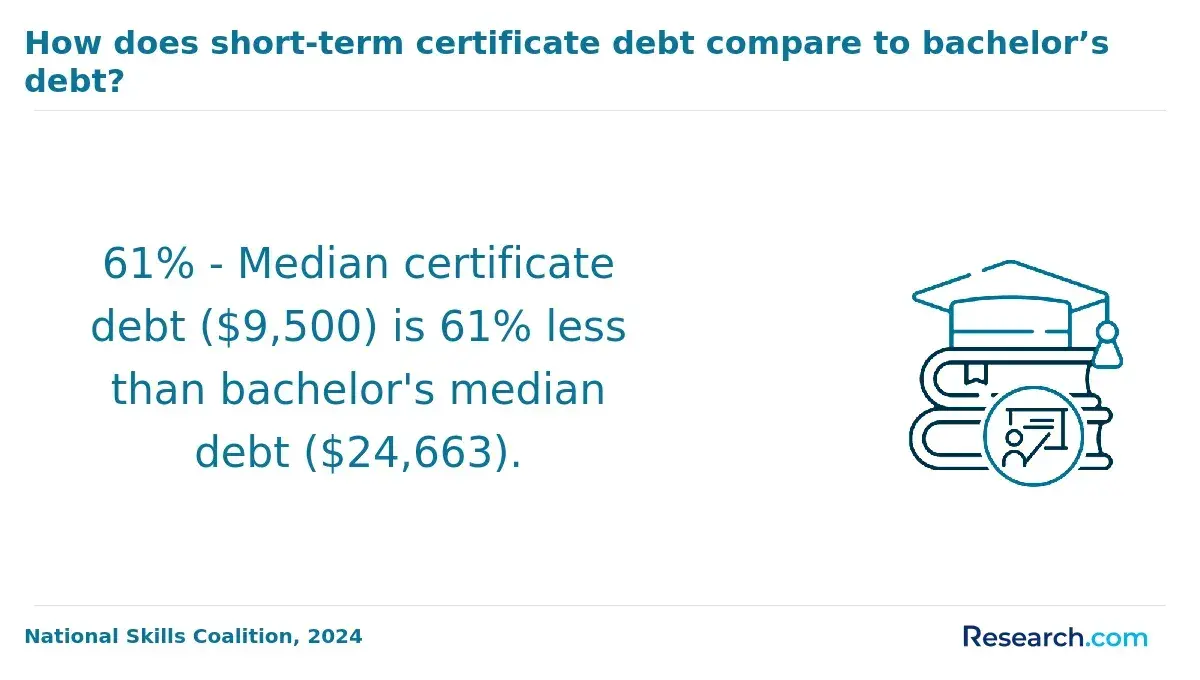
- Bachelor's Degree in Public Health: Public universities charge around $10,245 annually for in-state students versus $30,520 for out-of-state attendees. Private institutions generally ask for $30,000 to $50,000 a year. Online programs may offer lower per-credit costs, sometimes about $485 per credit. Most students rely on federal loans, scholarships, and institutional grants to finance their studies.
- Master's in Public Health (MPH): Tuition varies considerably depending on the school; public institutions usually range from $12,195 (in-state) to $24,621 (out-of-state) per year. Prestigious private schools, including Johns Hopkins and Columbia, may charge between $38,000 and $85,000 for the entire program. Online MPH options can be more affordable, with per-credit prices between $1,083 and $1,620. Graduate assistantships, scholarships, and employer tuition reimbursements are common financial support avenues.
- Doctoral Degree in Public Health (DrPH, PhD): Doctoral tuition costs often fall between $25,000 and $50,000 annually at public universities but may exceed $70,000 at elite private institutions. Many doctoral programs also provide fellowships, research assistantships, and tuition waivers to help offset costs for qualified candidates.
A graduate of a Public Health degree program shared her journey managing tuition expenses with me. She emphasized how strategic planning and proactive scholarship applications were vital in easing the financial burden.
"I applied for multiple grants early on and balanced part-time work alongside my studies," she recalled. This careful approach not only made the cost manageable but also allowed her to focus on gaining hands-on experience, which she says was invaluable in launching her career.
Reflecting on her investment, she noted that the financial challenges were outweighed by meaningful career opportunities and salary growth that followed graduation.
What Jobs Can You Get with Each Type of Public Health Degree?
Higher degree levels generally lead to more specialized and leadership positions, while entry-level degrees prepare graduates for foundational roles in community support and health promotion.
Below is a breakdown of common jobs associated with each type of public health degree.
- Associate Degree in Public Health: Graduates typically find entry-level positions such as community health worker, health services assistant, or outreach specialist. These roles focus on supporting public health initiatives, delivering basic health education, and assisting with data collection in clinics, community organizations, or local government agencies. Median salaries for community health workers are around $51,030 per year.
- Bachelor's Degree in Public Health: This degree opens opportunities for jobs like health educator, program coordinator, research assistant, or case manager. Responsibilities include designing health education campaigns, managing wellness programs, and collecting data for research in schools, nonprofits, and public health departments. Health education specialists earn a median salary of $59,990, while research analysts can make up to $91,290 annually.
- Master's in Public Health (MPH): An MPH qualifies graduates for advanced roles including epidemiologist, healthcare administrator, policy analyst, and project manager. These positions involve leadership, program management, data analysis, and policy development in hospitals, government agencies, and international organizations. Median salaries for health service managers reach $117,960, whereas epidemiologists average $78,900 per year. For students considering graduate study, finding a cheapest master's degree program can be a practical way to advance their careers without excessive debt.
- Doctorate in Public Health (DrPH, PhD): Doctoral grads pursue careers as research directors, professors, senior policy advisors, or executive administrators. These jobs require conducting high-level research, teaching at universities, or shaping health policy within government and international agencies. Salaries often exceed $120,000 annually, reflecting the advanced expertise and leadership responsibilities of these roles.
How Do Salaries Differ by Public Health Degree Type?
Degree level often influences earning potential in the field of public health, making it an important consideration for students planning their educational paths.
Below is a summary of typical salary ranges associated with different public health degrees to guide students in choosing the right program.
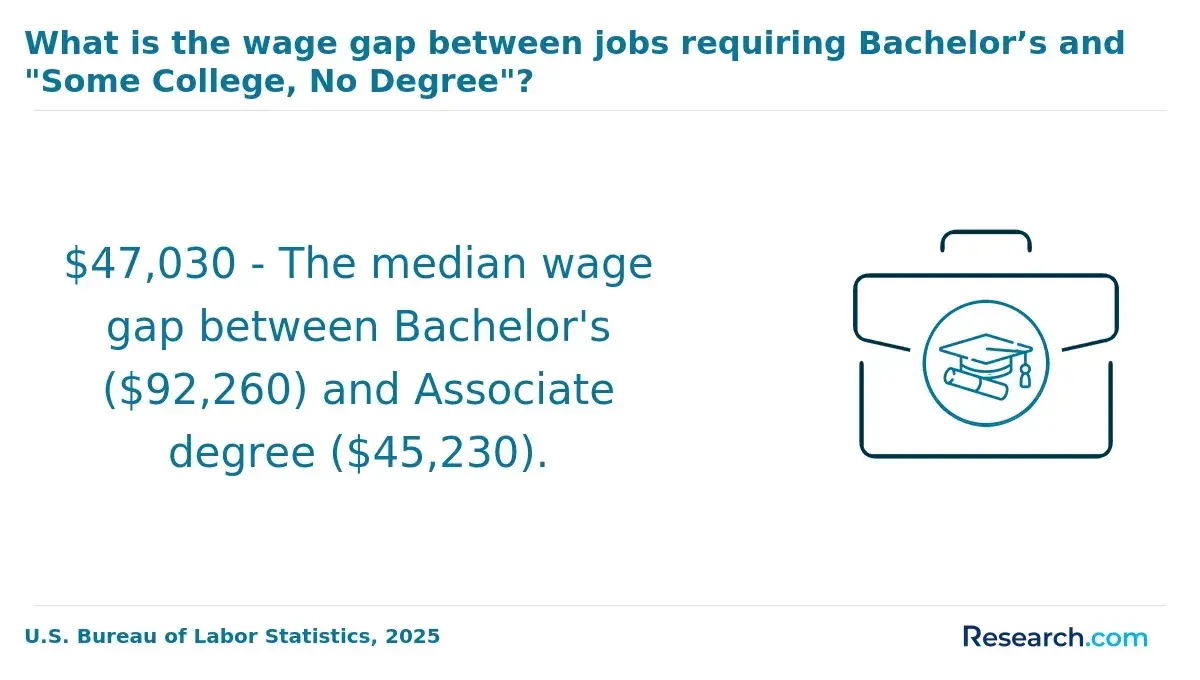
- Associate Degree in Public Health: Entry-level salaries for those holding an associate degree typically range from $40,000 to $50,000 per year. These positions are often found in support roles or community health settings where local demand and cost of living affect pay. Progression to higher salaries generally depends on pursuing further education.
- Bachelor's Degree in Public Health: Graduates with a bachelor's degree can expect starting salaries between $48,000 and $60,000. With experience, earnings may increase to $79,000 or more, especially in roles such as health educator or public health consultant. Location, employer type, and area of specialization also impact salary levels.
- Master's Degree in Public Health (MPH/MS/MHA): Those with a master's degree earn approximately $75,000 to $120,000 annually, with median starting salaries around $72,000 to $83,000 depending on the program. Higher salaries are common in management, consulting, or research roles, particularly within healthcare and insurance sectors.
- Doctoral Degree in Public Health (PhD/DrPH): Doctoral graduates have the highest earning potential, with average salaries from $112,000 to $125,000 and top roles exceeding $200,000. These positions often involve senior research, policy leadership, or academic faculty roles, with experience and sector playing significant roles in compensation.
Students interested in pursuing public health should consider accredited colleges that you apply online for free to explore flexible educational options that align with their budget and career aspirations.
Is There High Demand for Public Health Degree Holders in the Job Market?
The demand for public health degree holders in the US job market remains consistently high, driven by rapidly evolving workforce needs and advancements in technology. Employment projections highlight this growth, with health services managers expected to see a 28% increase and epidemiologist roles rising by 27% by 2032, according to the US Bureau of Labor Statistics.
Emerging fields such as health education, biostatistics, environmental health, and health policy are also expanding, fueled by ongoing global challenges like pandemics, climate change, and chronic disease management.
The rise of data analytics and digital health technologies has created new opportunities, as employers increasingly seek graduates proficient in statistical software, data analysis, and applied leadership skills, reflecting the evolving demands of the healthcare landscape.
Regional and sector-specific factors further influence demand for graduates. Although government agencies and hospitals continue to recruit public health professionals, higher-paying sectors such as healthcare consulting, pharmaceuticals, insurance, and tech are gaining prominence.
Notably, only about 12% of job postings for MPH graduates are in government roles, with the majority located in for-profit industries, academia, and healthcare settings. Median salaries vary by role and degree level, with health services managers holding a master's degree earning approximately $78,520, while bachelor's degree holders typically earn around $48,000.
Urban areas and regions with significant health disparities or workforce shortages show particularly strong demand. Students interested in expanding their qualifications might explore dual degree programs undergraduate options that combine public health with other disciplines to increase versatility in the competitive job market.
What Factors Should You Consider When Picking a Type of Public Health Degree?
Choosing the right degree level in public health is a critical decision that directly impacts your career trajectory, earning potential, and how well your education fits your personal circumstances. Understanding the key factors involved helps ensure your degree aligns with both your professional goals and life plans.
Consider these important aspects when selecting a public health degree:
- Career Goals: The degree level determines which public health roles you qualify for. Entry-level positions like health education often require a bachelor's degree, while leadership or research roles typically demand a master's or doctoral degree. Assess the type of job you want and match your degree choice accordingly.
- Salary Potential: Higher degrees usually lead to better pay. For example, master's degree holders can earn between $60,000 and $100,000 annually, while bachelor's graduates often start lower. Doctoral degrees can open doors to six-figure salaries in research or management.
- Time Commitment: Degree duration varies significantly - four years for a bachelor's, two for a master's, and four to six or more for a doctorate. Evaluate how much time you can dedicate to study based on your personal and professional situation.
- Academic Background and Experience: Graduate programs typically require a bachelor's degree and may prefer candidates with health-related experience. Relevant internships or work can strengthen applications and help determine your specialization.
- Specialization Options: Public health degrees offer various concentrations such as epidemiology or global health. Choosing the right focus helps tailor your education to your interests and career ambitions.
- Program Format and Accreditation: Consider whether you prefer online or in-person classes and ensure programs are accredited by recognized bodies like CEPH. Accreditation guarantees educational quality and supports future employment prospects.
What Public Health Graduates Say About Their Degree and Salary
- Iris: "Completing my bachelor's in public health opened doors I hadn't even considered. I was able to secure an internship with a local health department that directly led to a public health educator position. The program emphasized community engagement, which helped me develop the confidence and skills to work closely with diverse populations on critical health issues. Knowing that my work contributes to improving the well-being of families in my city fills me with tremendous pride."
- Natalie: "After earning my master's degree in public health, I found myself better equipped to tackle complex health policy challenges. The analytical courses pushed me to think critically and communicate effectively with stakeholders. Because of the professional network I built during my studies, I quickly advanced into leadership roles managing public health campaigns. It's rewarding to know my efforts help shape healthier communities on a broader scale."
- Sheanne: "Pursuing a doctoral degree in public health was both demanding and transformative. It deepened my understanding of epidemiology and allowed me to conduct research with direct implications for underserved populations. The program challenged me personally and professionally, fostering resilience and a commitment to equity. Today, I mentor young professionals and contribute to policy development that bridges gaps in healthcare access, which is deeply fulfilling."
Other Things You Should Know About Public Health Degree Programs & Salaries
Graduates with a bachelor's in public health commonly start in roles such as health educators or community health workers. Entry-level salaries typically range from $40,000 to $55,000 annually, depending on location and employer type.
Experience and certifications may increase earning potential.
An MPH degree generally leads to higher-paying positions in health policy, administration, or epidemiology. Salaries for MPH holders often start around $65,000 and can exceed $90,000 with experience and specialization.
This degree enhances leadership opportunities and salary growth compared to a bachelor's.
In 2027, entry-level salaries for individuals with a bachelor's degree in public health generally range from $40,000 to $55,000 annually. Job roles such as health educators or public health assistants are typical starting positions, and salaries may vary based on geographic location, sector, and specific job responsibilities.
References
- Are online degrees respected by employers? https://onlineprograms.uic.edu/news-stories/are-online-degrees-respected-by-employers/
- Public Health - SUM Admission https://admission.sum.edu.pl/public-health/
- What careers are there in public health? https://www.rsph.org.uk/qualifications-training/career-development/what-careers-are-there-in-public-health/
- Combined Degree and Accelerated Public Health Program (4+1) https://www.urmc.rochester.edu/public-health-sciences/educational-programs/accelerated-public-health-program
- Tuition and Expenses for all MPH Programs | Yale School of Public Health https://ysph.yale.edu/admissions-financial-aid/financial-aid/tuition-and-expenses-budgets/
- Bachelor of Science in Public Health (Completion) https://chss.uob.edu.bh/bachelor-of-science-in-public-health-completion/
- 5 Considerations for Choosing an MPH Program | University of Bridgeport https://www.bridgeport.edu/news/considerations-for-choosing-an-mph-program/
- Public Health Salaries: What Can You Earn with an MPH? https://masterspublichealth.com/masters-in-public-health-salary/
- The Rising Value of a Public Health Degree - InventUM https://news.med.miami.edu/the-rising-value-of-a-public-health-degree/
- Specializations https://manoa.hawaii.edu/publichealth/academics/specializations/


