2027 How Fast Can You Get a Homeland Security Degree Online?

Co-Founder and Chief Data Scientist
Pursuing a Homeland Security degree online offers a faster pathway compared to traditional programs, appealing to busy professionals and those seeking flexibility. The online format allows students to accelerate coursework while balancing work or family commitments. Many programs tailor content to current security challenges, equipping students with relevant skills in areas like cyberterrorism and emergency management.
Online study also provides access to specialized resources and expert faculty without geographic constraints, which is vital in a field where staying updated on emerging threats is crucial. This article explores typical program lengths, acceleration options, and factors influencing completion time in Homeland Security online degrees.
What are the benefits of pursuing a degree in Homeland Security online?
- Fast-track online homeland security degrees can be completed in as little as 18 months, enabling quicker entry into a growing job market with a projected 5% employment growth through 2031.
- Flexible online formats support working professionals or those with family commitments, offering asynchronous classes and accelerated modules tailored for time management.
- Practical curriculum and real-world scenarios enhance career readiness, allowing students to immediately apply skills in sectors like emergency management and cybersecurity.
How long does it typically take to earn a degree in Homeland Security?
The time needed to complete a homeland security degree varies based on the level of education and study format. Whether pursuing a bachelor's or graduate degree, students should consider how program structure and personal commitments impact their graduation timeline.
Typically, earning a bachelor's degree online involves about four years of full-time study, with most programs requiring around 120 credit hours completed over regular semesters.
Some universities offer accelerated options that enable students to finish in as little as 2.5 years by taking courses year-round and following intensive schedules. Transferring previously earned credits can also reduce this duration. Part-time learners balancing other responsibilities often take five to six years to graduate.
Graduate degrees in homeland security, such as master's programs, generally take between one and three years, depending on enrollment status and course load. These advanced programs require greater dedication and academic effort, with completion times flexible for full- or part-time students.
Are there accelerated Homeland Security online programs?
Accelerated homeland security degree online options provide an efficient pathway for students who want to complete their studies faster than traditional programs. These fast-track programs often offer year-round courses or shorter terms, compressing the standard curriculum without compromising accreditation or course quality.
Below are three examples of such accelerated online programs.
- ECPI University: ECPI offers a 100% online Bachelor of Science in Criminal Justice with a Homeland Security concentration, featuring an accelerated year-round format. This allows students to finish in as little as 2.5 years. The curriculum covers legal issues, security principles, and intelligence gathering, and ECPI is regionally accredited.
- Keiser University: Keiser provides an accelerated dual-degree track from Bachelor of Arts in Homeland Security (BAHS) to Master of Arts in Homeland Security (MAHS). This program emphasizes emergency management, cross-cultural management, and critical infrastructure protection. Keiser is institutionally accredited and prepares students with both broad management and advanced homeland security expertise.
- American Public University System (APUS): APUS offers an online Bachelor of Arts in Homeland Security with courses ranging from 8 to 16 weeks to support rapid progress. The curriculum aligns with U.S. Department of Homeland Security policies, focusing on intelligence, risk management, and border security. APUS holds accreditation from the Higher Learning Commission.
Students exploring accelerated Homeland Security degree online options should consider how programs align with their career goals and timelines. Additional guidance on selecting programs related to security and emergency management fields can be found by reviewing various college majors and jobs.
How do accelerated Homeland Security online programs compare with traditional ones?
The choice between accelerated online homeland security degree programs and traditional ones often comes down to pacing, structure, and flexibility. Understanding their key differences helps prospective students decide which path suits their professional and personal needs.
In comparing traditional vs accelerated homeland security degrees, several distinctions stand out:
- Pacing: Accelerated programs condense coursework into shorter terms, often 8 weeks, allowing students to complete degrees in as little as 2.5 years, compared to the typical four years of traditional 15-week semesters.
- Course Structure: Accelerated formats are modular and focused, enabling learners to concentrate on one or two subjects at a time with rapid assignment completion, while traditional programs follow a semester-based system with longer breaks between courses.
- Flexibility: Online accelerated options often offer asynchronous classes with multiple start dates yearly, accommodating working adults and family commitments. Traditional programs generally require more rigid scheduling and, in many cases, in-person attendance.
- Workload: The weekly time commitment is more intense in accelerated programs due to the faster pace, whereas traditional degrees distribute coursework over longer periods.
- Accreditation and Outcomes: Regardless of format, reputable institutions maintain the same academic standards and learning objectives, ensuring graduates meet career preparedness in areas like emergency management, cybersecurity, and counterterrorism.
For professionals looking to start their education journey with maximum flexibility, it's worth exploring options at an online open enrollment college that supports accelerated learning models.
Will competency-based online programs in Homeland Security affect completion time?
Competency-based education (CBE) in homeland security lets students move through online courses by proving their skills, which can shorten the time needed to graduate. This flexible approach enables learners to advance as soon as they demonstrate mastery, rather than following a fixed semester schedule.
Those with prior experience in fields like emergency management or military service often benefit the most.
Students pursuing a homeland security CBE program should anticipate a demanding, self-driven learning style that emphasizes practical skills such as hazard recognition, risk evaluation, terrorism response, and emergency planning.
Progress depends on successfully completing assessments at the learner's own pace, which can lead to faster degree completion for highly motivated individuals.
Ultimately, the speed of finishing a CBE program depends on its structure and the student's discipline and time management skills.
Can you work full-time while completing fast-track Homeland Security online programs?
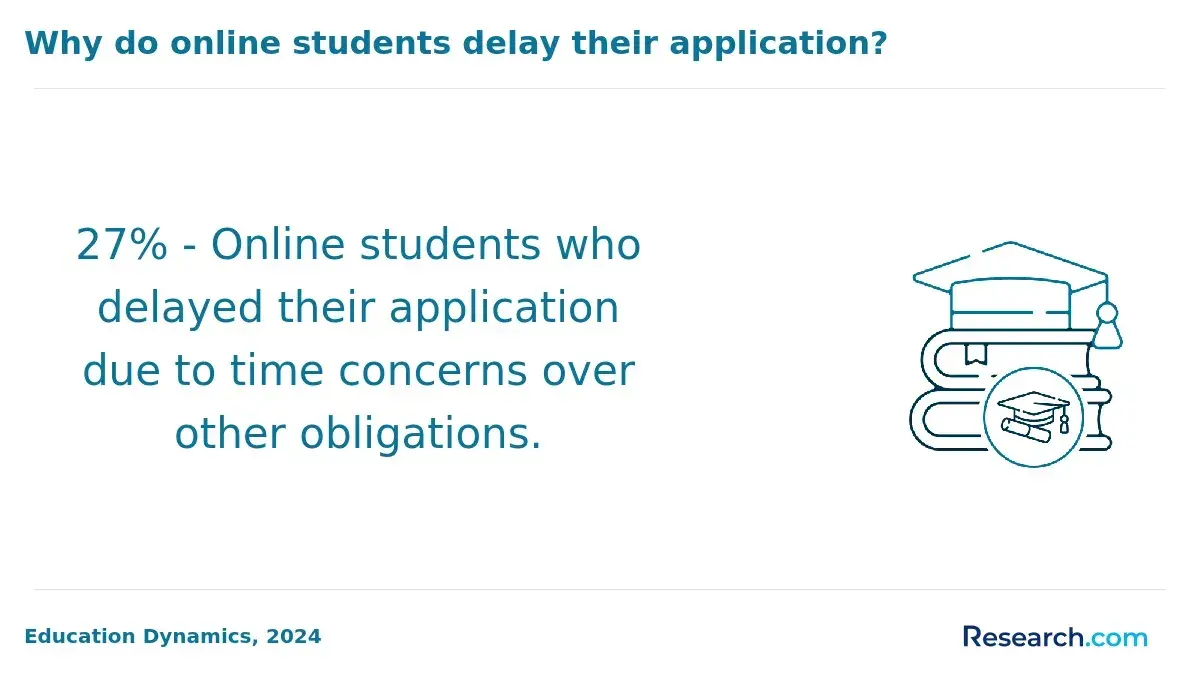
Working full-time while pursuing an accelerated online degree in Homeland Security is possible but demanding. Many programs offer flexible schedules with asynchronous or self-paced courses to fit around work commitments.
However, completing the degree in as little as 2.5 years means handling a fast-moving curriculum that requires significant dedication.
Courses typically cover areas such as intelligence analysis, emergency response, and counterterrorism, involving extensive reading, critical thinking, and practical work. Professionals already employed in related sectors may experience some overlap between their jobs and studies, which can ease the workload.
Successfully managing both requires excellent time management, strong prioritization, and a realistic evaluation of personal capacity before enrolling in an accelerated format.
Can prior learning assessments (PLAs) shorten Homeland Security degree timelines?
Prior learning assessments (PLAs) can reduce the time needed to complete an online homeland security degree by awarding credit for existing knowledge and skills. Schools often recognize professional certifications, military training, relevant job experience, or portfolios as part of their PLA evaluations.
Applicants are typically required to submit documentation such as transcripts, certificates, or a detailed portfolio for review. Accepted PLAs commonly include military service credits, industry credentials like PMP or AWS, and prior academic work related to homeland security.
The amount of credit granted varies, with most programs imposing a minimum number of on-campus or online credits to maintain academic standards. Eligibility depends on the relevance and thorough documentation of prior learning as defined by each institution's PLA policies.
Can prior college credits help you get a degree in Homeland Security sooner?
Transfer credits for online homeland security degree programs can significantly shorten the time needed to graduate, allowing students to complete their studies faster than the standard four years. Many accredited universities accept a substantial number of previously earned credits, making it possible to accelerate degree completion.
Below are key steps to determine how to finish a homeland security degree faster through transfer credits.
- Review transfer credit policies: Begin by examining the specific requirements and limits for transfer credits at your chosen institution, as policies vary widely.
- Evaluate course equivalency: Ensure prior coursework matches the Homeland Security curriculum's content and rigor to qualify for credit transfer.
- Check accreditation and grades: Credits typically must come from regionally accredited colleges with a minimum grade, often a C or higher, to be accepted.
- Identify relevant subjects: Credits in criminal justice, emergency management, or related fields are most likely to qualify for transfer.
- Calculate maximum transferable credits: Some schools, such as Southern New Hampshire University and Grand Canyon University, accept up to 90 transfer credits, while Liberty University allows up to 75% of credits to be transferred.
Although transferring credits can help avoid repeating courses and graduate sooner, transfer policies differ by institution. Confirming details with your university is essential.
Students interested in pursuing higher education can also explore avenues related to highest paid master's degrees to plan their career paths effectively.
Can work or military experience count toward credits in a degree in Homeland Security?
Professional or military experience may be eligible for college credit, helping students complete an online homeland security degree more quickly. This option allows learners to convert relevant background into academic progress, potentially shortening the time to graduation.
Many schools evaluate prior learning through military training assessments, primarily via the American Council on Education (ACE), which recommends credits based on course content and difficulty. These evaluations are documented in the Joint Services Transcript (JST), used by colleges to determine transferable credit.
Additionally, credit-by-examination programs such as CLEP or DSST can apply for relevant work or professional training. Policies differ, with institutions setting limits on transferable credits and how they apply to core or elective homeland security requirements.
It's important for applicants to verify credit acceptance rules directly with their chosen college to ensure that their experience aligns with degree requirements.
What criteria should you consider when choosing accelerated Homeland Security online programs?
Choosing the right accelerated online homeland security degree programs is essential for students aiming to complete their studies efficiently without compromising quality. Careful evaluation helps ensure that the program aligns with personal goals and industry expectations.
This approach is especially important for those seeking the fastest homeland security bachelor's degree online to maximize time and career outcomes.
- Accreditation: Ensures the program meets recognized industry and academic standards, providing credibility with employers and government agencies.
- School's reputation: Review graduation rates, student outcomes, and rankings to gauge program effectiveness and reliability in homeland security education.
- Faculty expertise: Programs led by instructors with real-world experience in law enforcement, intelligence, or emergency management offer practical knowledge and current insights.
- Course delivery format: Asynchronous, self-paced options provide flexibility for accelerated completion, while cohort-based schedules suit students preferring structure.
- Credit transfer policies: Look for schools allowing transfer of previously earned credits or credit for military/professional experience to shorten program length.
- Student support services: Comprehensive resources like career counseling, tech support, and academic advising help maintain progress in a fast-paced online environment.
- Cost and financial aid: Tuition varies widely; consider affordability and aid options to avoid interruptions. For budget-conscious students, exploring the best affordable online colleges that accept fafsa can be a smart strategy.
When investigating these criteria, prospective students will better navigate choices among accelerated online homeland security degree programs and identify those tailored to their needs.
Are accelerated online Homeland Security degrees respected by employers?
Many prospective students wonder about employer respect for accelerated or online homeland security degrees. The key concerns often center on whether these degrees hold value in the professional field and employer perception of accelerated homeland security degrees.
Generally, online degrees are recognized by employers if they come from regionally accredited institutions that align with industry standards.
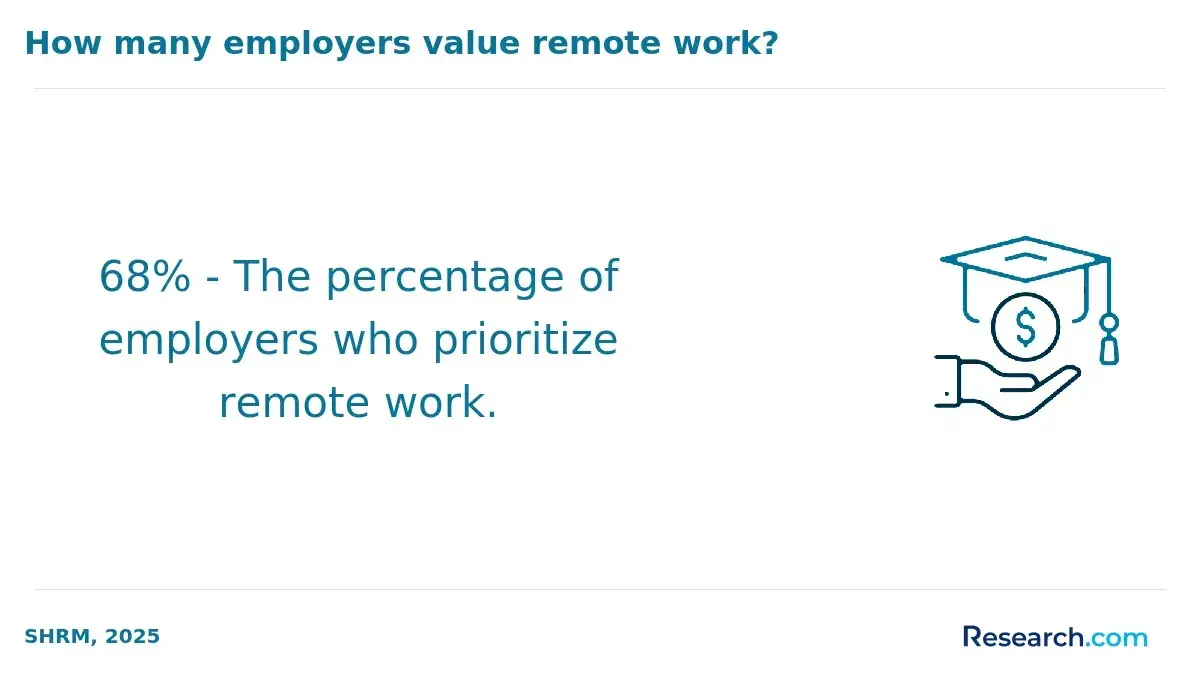
Employers prioritize the quality and credibility of the university and whether the program's curriculum meets federal and state requirements over the speed of degree completion. Programs emphasizing practical skills in emergency management, intelligence analysis, and cybersecurity tend to be especially valued in this sector.
Employers also consider candidates' prior experience and the reputation of the online program when evaluating applicants. Those seeking affordable options may explore the best affordable online universities for job holders, which may feature reputable online homeland security degrees.
What Homeland Security Graduates Say About Their Online Degree
- Hal: "The accelerated online Homeland Security program truly changed the trajectory of my career. Within just two years, I gained the crucial skills needed to advance in my current role in emergency management while balancing my full-time job. The flexible schedule and focused curriculum made it possible to complete the degree on time without sacrificing quality. "
- John: "Reflecting on my experience, the program offered a rich blend of practical knowledge and theoretical foundations that deepened my understanding of national security challenges. The interactive courses and expert instructors made every module engaging, and the reasonable tuition cost made this a smart investment for my future. I appreciated how the online format respected my pace yet maintained academic rigor. "
- Guy: "As a professional in the field, earning my degree online accelerated not just my education but also my career development. The curriculum's focus on current security threats and policy analysis prepared me for high-level strategic roles. Completing the program efficiently allowed me to capitalize on job opportunities quickly while ensuring I met the expected learning outcomes with confidence. "
Other Things to Know About Accelerating Your Online Degree in Homeland Security
Practical experience is highly recommended to complement academic learning in Homeland Security. Many programs incorporate internships, simulations, or capstone projects that provide real-world application skills. Gaining hands-on experience while studying enhances job readiness and networking opportunities in this field.
In 2027, Homeland Security students pursuing online degrees can explore federal financial aid, state programs, scholarships, and school-specific aid. Completing the Free Application for Federal Student Aid (FAFSA) is crucial to determining eligibility for grants, loans, and work-study opportunities.
You can complete an online Homeland Security degree program in as little as 18 months to 2 years, depending on whether you enroll full-time or part-time. Accelerated programs may offer faster completion, while some schools allow for transfer credits from prior learning, potentially shortening the duration.
References
- Bachelor of Science in Homeland Security & Emergency Management https://www.nu.edu/degrees/professional-studies/programs/bachelor-science-domestic-security-management/
- Homeland Security - MS https://www.udc.edu/cas/social-behavioral-sciences/homeland-security/
- Bachelor of Arts in Homeland Security https://www.desales.edu/programs/undergrad/homeland-security
- Establishing a Fixed Time Period of Admission and an Extension of Stay Procedure for Nonimmigrant Academic Students, Exchange Visitors, and Representatives of Foreign Information Media https://www.federalregister.gov/documents/2025/08/28/2025-16554/establishing-a-fixed-time-period-of-admission-and-an-extension-of-stay-procedure-for-nonimmigrant
- Details: Homeland Security, Major https://www.wichita.edu/academics/majors/homeland_security_bs_363.php
- Homeland Security Master's Degree Online - Penn State World Campus https://www.worldcampus.psu.edu/degrees-and-certificates/penn-state-online-homeland-security-masters-degree
- Who Is a Good Fit for the Online Homeland Security Master's Program? https://onlinewilder.vcu.edu/blog/who-is-a-good-fit-for-the-online-homeland-security-masters-program/
- How To Work For Homeland Security - Troy Today https://today.troy.edu/news/how-to-work-for-homeland-security/
- Duration of Status Proposed Rule https://iss.ucmerced.edu/proposeddurationofstatusrule
- Criminal Justice: Concentration Homeland Security https://www.apsu.edu/programs/graduate/criminal-justice-homeland-security-ms.php