
2027 Different Types of Esports Business Degrees and Their Salaries

Co-Founder and Chief Data Scientist
Choosing an esports business degree is not just a question of liking competitive gaming. It is a career decision about which business skills you want to build, how much time and money you can invest, and whether a program gives you real access to the esports industry through projects, internships, events, and employer connections.
Esports organizations need people who understand revenue models, sponsorships, digital communities, live and online events, team operations, media rights, analytics, and player-facing business issues. A degree can help, but the right credential depends on your starting point. Some students need a fast certificate or associate degree to enter the field. Others need a bachelor’s degree for management-track roles or a master’s degree for senior strategy, operations, or business development positions.
This guide explains the main esports business degree types, common specializations, completion timelines, accelerated and online options, typical costs, job outcomes, salary differences, and the practical factors to compare before enrolling.
Key Points About Different Types of Esports Business Degrees and Their Salaries
- Master's degrees or specialized graduate programs in esports business often lead to senior leadership or strategic roles including brand development and analytics, where professionals can expect salaries exceeding $90,000, reflecting higher expertise and expanded career opportunities in the competitive U.S. market.
- Bachelor's degrees in esports business open doors to mid-level roles such as esports team management, sponsorship coordination, or media relations, where salaries commonly range from $50,000 to $75,000 and demonstrate stronger long-term growth potential.
- Associate degrees in esports business typically provide foundational skills suitable for entry-level positions in event management or gaming marketing, with average starting salaries around $35,000 to $45,000 annually in the U.S. gaming industry.
What Are the Different Types of Esports Business Degrees Available?
Esports business degrees are offered at several academic levels, from short certificates to graduate degrees. The best option depends on whether you want entry-level experience, a full business foundation, a management credential, or advanced training for leadership roles.
Most programs combine standard business coursework with esports-specific topics such as tournament operations, sponsorship strategy, fan engagement, team management, gaming culture, digital media, and event production. Students comparing traditional and online routes may also review flexible options such as accelerated bachelor’s programs if speed is a priority.
- Associate Degree in Esports Management: An associate program is usually the shortest degree path and is often designed for students seeking entry-level work or a lower-cost transfer route into a bachelor’s program. Coursework typically introduces business basics, accounting, digital marketing, event planning, and management in an esports context. It can be a practical choice for students who want hands-on exposure before committing to a four-year degree.
- Bachelor of Science in Esports Management: This degree usually provides the most direct undergraduate preparation for esports business careers. Students study marketing, finance, operations, event planning, leadership, team management, media, production, and esports technology. It is a strong fit for students aiming for roles in team operations, tournament management, partnerships, or esports marketing.
- Bachelor of Business Administration with Esports Concentration: A BBA with an esports concentration gives students a broader business education while adding focused esports coursework. It may appeal to students who want flexibility to work in esports, sports, entertainment, gaming, or general business. Common topics include sponsorships, player development, strategic planning, global business, and organizational management.
- Bachelor of Science in Sports and Esports Management: This option blends traditional sports management with competitive gaming. It is useful for students who want to understand both industries and may want to work across sports organizations, esports teams, venues, media companies, or event firms. Courses often cover sport finance, leadership, operations, event management, and organizational strategy.
- Master’s Degree in Esports Management or Related Fields: Graduate programs are designed for students who already hold a bachelor’s degree and want advanced preparation in leadership, strategy, ethics, media relations, organizational growth, and business decision-making. Some are fully focused on esports, while others offer esports concentrations within sports management, business, or management programs.
- Graduate Certificate in Esports Management: A graduate certificate is a shorter, targeted credential for students or professionals who want esports-specific skills without completing a full master’s degree. It can help build knowledge in industry operations, marketing, events, or management while also expanding professional networks.
What Specializations Are Available in Esports Business Degrees?
Specializations matter because esports is not one job market. A tournament organizer, sponsorship manager, analyst, social media strategist, and team operations coordinator all need different strengths. Before choosing a concentration, compare the coursework with the roles you actually want after graduation.
Common esports business specializations include:
- Esports Business Management: This track focuses on the operational and strategic side of esports organizations. Students build skills in leadership, budgeting, financial planning, staff coordination, player and team support, and contract negotiation. It can lead to roles such as team manager, operations director, or business development manager.
- Esports Business Marketing: Marketing specializations train students to reach gaming audiences through branding, social media, community engagement, influencer partnerships, sponsorship campaigns, and digital advertising. Graduates may pursue work as marketing specialists, community managers, sponsorship managers, or brand coordinators.
- Esports Business Event Management: This specialization prepares students to plan and operate live, hybrid, and online tournaments. Coursework often emphasizes logistics, production schedules, venue coordination, registration, broadcasting support, safety planning, vendor relations, and partner communication. Relevant jobs include event coordinator, tournament organizer, and production manager.
- Esports Business Analytics: Analytics-focused students learn to collect, interpret, and present data related to audiences, business performance, player trends, sponsorship value, and in-game performance. This path is useful for students who are comfortable with numbers and want roles with teams, publishers, platforms, agencies, or consulting firms.
- Esports Business Communications: This track supports careers in journalism, public relations, broadcasting, content strategy, social media, and digital storytelling. Students develop skills in writing, media production, audience messaging, brand voice, and public-facing communication. Possible roles include esports journalist, social media strategist, broadcaster, and communications coordinator.
Students who are returning to school while working or managing family responsibilities should pay close attention to course format, internship requirements, and weekly workload. A specialization is only useful if the program structure lets you complete it consistently.
How Long Does It Take to Complete Each Type of Esports Business Degree?
Completion time depends on the credential level, enrollment status, transfer credits, course availability, and whether the program uses accelerated terms. Full-time students usually finish faster, while part-time and online students may trade speed for flexibility.
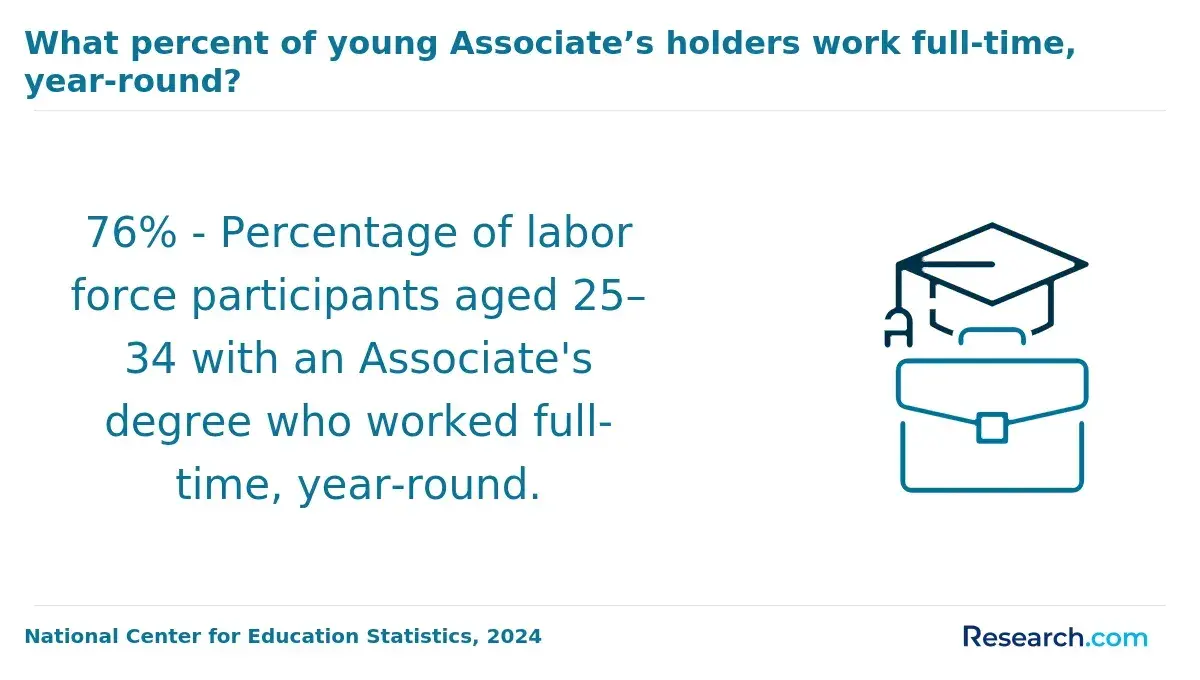
- Associate Degree in Esports Business: An associate degree typically requires about two years of full-time study. Students may finish sooner if they transfer prior college credits, use dual-credit coursework, or enroll in an accelerated format. Part-time and online study can make the degree easier to manage with work, but it may extend the timeline.
- Bachelor’s Degree in Esports Business: A bachelor’s degree usually takes four years of full-time study. Students may shorten the timeline by taking summer courses, carrying heavier course loads, or transferring credits from an associate program. Online bachelor’s programs can be flexible, but self-paced or part-time schedules may take longer than the traditional four-year route.
- Master’s Degree in Esports Business: A master’s program generally takes one to two years after a bachelor’s degree. Full-time students in accelerated tracks may finish more quickly, while working professionals often choose part-time or online formats that spread coursework over a longer period.
- Certificate Programs in Esports Business: Certificates are usually completed in several months to one year. They are designed for focused skill development rather than broad academic preparation. Online and part-time options are common, which can help working students but may affect the total completion time.
When comparing timelines, look beyond the advertised program length. Ask how often required courses are offered, whether internships are mandatory, whether credits transfer, and whether the program allows year-round enrollment.
Are There Accelerated Esports Business Degree Programs?
Yes. Accelerated esports business degree programs are available in the United States, including formats that shorten the path to graduation or combine undergraduate and graduate study. Some programs allow students to complete both a bachelor’s and a master’s degree in about five years instead of the traditional six or more years when pursued separately.
Universities such as Saint Peter’s and Tiffin offer combined BS-to-MBA or BS-to-MSA pathways tailored for esports business students. These routes may save time and tuition by letting eligible students apply certain credits toward both credentials. Full Sail University also offers a game business and esports bachelor’s degree that can be finished in roughly half the time of a conventional program.
Accelerated programs usually rely on compressed terms, heavier course loads, summer enrollment, transfer credits, or dual-credit options. That structure can be attractive for motivated students who want to enter the esports workforce quickly, but it is not the best fit for everyone.
When an accelerated program may make sense
- You already have transfer credits or strong academic preparation.
- You can handle shorter deadlines and fewer breaks between terms.
- You want to reach an internship, promotion, or graduate credential faster.
- You are comfortable managing multiple business, production, marketing, or analytics assignments at once.
When a standard pace may be safer
- You need to work substantial hours while enrolled.
- You are new to college-level business coursework.
- You want more time for internships, networking, competitions, or portfolio projects.
- You are concerned about burnout from condensed schedules.
Many accelerated options have eligibility requirements, such as minimum GPA standards or completion of foundational esports or business courses before admission. Students should also compare total cost, financial aid rules, refund policies, and the availability of required courses before choosing a faster pathway.
A graduate of an accelerated esports business degree program described the pace as demanding but valuable. He said that “the compressed semesters meant no time for downtime, and every assignment counted.” He also noted that the format helped him “stay completely immersed in esports industry trends and build strong networks quickly.” His experience highlights the main trade-off: accelerated programs can create momentum, but they require disciplined time management and a clear reason for finishing early.
Are Online Esports Business Degrees as Credible as Traditional Ones?
Online esports business degrees can be as credible as campus-based degrees when they come from accredited institutions, use rigorous coursework, and provide meaningful industry exposure. Employers are generally more likely to care about the school’s reputation, accreditation, curriculum quality, internships, projects, and your demonstrated skills than whether every class was completed online.
Online and on-campus programs often cover the same core business areas, including management, marketing, finance, accounting, operations, and strategy. Strong esports programs also include industry-specific coursework in digital marketing, event management, sponsorships, esports media, game-related business models, and sometimes game design or production.
The main difference is not academic legitimacy by itself. It is access. Campus programs may offer easier face-to-face networking, live event work, student esports facilities, and direct collaboration with faculty and peers. Online programs may offer more flexibility for students who work, live far from campus, or need to control commuting and housing costs.
How to judge credibility before enrolling
- Check accreditation: Make sure the institution is properly accredited and that credits are likely to transfer if you continue your education.
- Review the faculty and curriculum: Look for instructors with relevant business, esports, sports, media, event, or gaming industry experience.
- Ask about experiential learning: Credible programs should help students build portfolios through internships, event work, consulting projects, analytics projects, or partnerships with esports organizations.
- Evaluate employer connections: Programs with active industry relationships may provide better networking and career support.
- Compare outcomes carefully: Salary and placement claims should be specific, transparent, and tied to actual graduates whenever possible.
For cost-conscious students, an online esports business program can be a practical alternative to relocating for school. Students still comparing broader business options may also consider whether a business degree online with esports electives, internships, or gaming-related projects offers a better balance of affordability and career flexibility.
For context, esports business graduates typically start with annual salaries averaging just over $41,000, with experienced managers earning upwards of $96,000 per year. Those figures should be treated as general guidance, not a guarantee, because salary outcomes vary by role, employer, location, experience, network, and specialization.
How Much Does Each Type of Esports Business Degree Typically Cost?
Esports business degree costs vary widely by credential level, public or private status, residency, online format, transfer credits, and fees. Tuition is only part of the total price. Students should also budget for technology, textbooks, travel to events or internships, housing if applicable, and lost work hours if the program is intensive.
- Associate Degree in Esports Business: These programs usually cost between $10,000 and $20,000 for the full degree. They are commonly offered by community colleges or online schools. Public institutions and online delivery can reduce costs, and many students may use federal Pell Grants and need-based scholarships to help pay for school.
- Bachelor’s Degree in Esports Business: Tuition varies substantially. Public universities often charge $8,000 to $15,000 per year for in-state students, while private or specialized schools may charge annual fees between $27,000 and $31,100. Total program costs can reach around $72,500 at some private institutions. Online bachelor’s programs may offer more affordable options near $18,000 total, and students may qualify for merit scholarships, federal aid, and institutional grants.
- Certificate in Esports Business: Short-term undergraduate certificates typically cost about $10,500. They are designed for focused training and faster workforce preparation. Depending on the school and program structure, students may be able to use federal student loans or short-term scholarships.
- Master’s in Esports Business: Graduate-level programs are rare and generally cost between $36,000 and $38,000 at private schools. Some public universities offer more affordable tuition ranging from $15,000 to $25,000. Graduate students may use federal Direct Unsubsidized Loans, assistantships, and competitive merit scholarships to manage costs.
Questions to ask before committing
- Is tuition charged per credit, per term, or as a flat program cost?
- Are online students charged different fees than campus students?
- Will transfer credits reduce the total cost?
- Are internships paid, unpaid, local, remote, or travel-based?
- Does the program publish clear financial aid and graduation information?
One graduate of an esports business degree program described the financial decision this way: “I remember feeling uncertain about the upfront costs, especially since I chose a private university. Thankfully, the financial aid office was incredibly helpful, guiding me toward assistantships and merit-based awards that significantly eased the financial burden. It wasn’t easy, but the investment paid off quickly by opening doors to industry connections and career opportunities I hadn’t imagined before.” Her experience points to a practical lesson: start financial aid conversations early and compare net price, not just listed tuition.
What Jobs Can You Get with Each Type of Esports Business Degree?
The jobs available to esports business graduates depend on degree level, experience, technical skills, portfolio quality, and professional network. A credential can help you qualify for interviews, but esports employers often look closely at evidence of practical work: tournaments supported, campaigns built, analytics projects completed, sponsorship materials created, or teams managed.
- Certificate in Esports Business Operations: Graduates may qualify for entry-level roles such as event assistant, marketing coordinator, or operations support specialist. These positions are often found in esports organizations, gaming venues, tournament companies, campus esports programs, or event firms. Typical responsibilities include helping with tournament logistics, supporting marketing campaigns, managing schedules, coordinating communications, and assisting team operations.
- Associate Degree in Esports Business: An associate degree can support roles such as esports event coordinator, junior team manager, sponsorship assistant, or social media assistant. Work settings may include gaming arenas, event management firms, esports startups, and college esports programs. Duties often involve organizing competitions, maintaining social channels, supporting partnerships, helping with player relations, and coordinating event-day operations.
- Bachelor’s Degree in Esports Business or Management: Bachelor’s graduates may qualify for mid-level or growth-track roles such as esports team manager, marketing specialist, content creator, analyst, sponsorship manager, or operations coordinator. These roles can involve overseeing team logistics, developing campaigns, negotiating sponsorship support, managing talent, analyzing audience data, or coordinating media and event production. According to UND, esports managers and marketing specialists have starting salaries ranging from $40,000 to $60,000 annually depending on location and company size.
- Master’s Degree in Esports Business/Management: A master’s degree can support senior or strategic roles such as director of esports operations, business development lead, senior partnerships manager, program director, or consultant. Professionals in these positions may work for major esports organizations, publishers, agencies, universities, or consulting firms. They often shape business strategy, manage teams, guide partnerships, and support organizational growth. Experienced individuals may earn salaries that exceed $80,000 annually. Students seeking a faster graduate pathway may compare options such as the shortest master’s degree online while checking whether the curriculum fits esports career goals.
Students should also remember that many esports business roles overlap with broader fields such as sports, entertainment, media, marketing, analytics, and technology. A program that builds transferable business skills can reduce career risk if esports hiring is competitive.
How Do Salaries Differ by Esports Business Degree Type?
Salary in esports business is affected by degree level, but education is only one factor. Location, employer size, role type, sponsorship revenue, league or publisher relationships, technical skills, experience, and portfolio strength can all influence pay. Students should treat salary ranges as planning estimates rather than guaranteed outcomes.
- Associate Degree in Esports Business: Graduates with an associate degree usually pursue entry-level roles such as IT support or esports event assistant. Starting salaries commonly range from $35,000 to $51,000 annually, depending on employer size, location, and responsibilities. Advancement may require additional experience, a bachelor’s degree, or specialized skills in marketing, production, analytics, or operations.
- Bachelor’s Degree in Esports Business: A bachelor’s degree can open roles such as esports manager, marketing coordinator, sponsorship assistant, content strategist, or business analyst. Average starting salaries fall between $50,000 and $97,500, with esports managers often earning near $97,500 on average in the U.S. Pay can vary sharply by company size, region, and specialization.
- Master’s Degree in Esports Management or Business: A master’s degree may prepare graduates for senior management, operations, or business development roles. Salaries average between $168,960 and $174,053 annually. Senior roles like business development managers can exceed $140,000, with executive-level positions earning even more, especially in major markets or leading organizations.
- Professional Degrees and MBAs with Esports Focus: Advanced business degrees, including MBAs with an esports focus, may support access to executive or strategic roles such as director of operations, VP of business development, or senior strategy lead. Salaries frequently surpass $140,000 and may include bonuses or equity, depending on the company’s structure and success.
Students weighing cost against potential earnings may want to compare affordable online college programs that include esports business, sports management, marketing, analytics, or entertainment business pathways. The lowest tuition is not always the best value, but reducing debt can make early-career salaries more manageable.
Is There High Demand for Esports Business Degree Holders in the Job Market?
Demand exists, but the esports job market is competitive and uneven. The industry’s growth has created opportunities in marketing, partnerships, events, finance, legal contracts, content, broadcasting, analytics, team operations, and business development. At the same time, many applicants are drawn to esports, so a degree alone is rarely enough to stand out.
As the sector is projected to surpass $4.8 billion in global revenue by 2025, employers need professionals who understand both business fundamentals and the specific economics of competitive gaming. That includes sponsorship value, fan communities, tournament operations, creator ecosystems, streaming platforms, publisher relationships, and international audiences.
Technology is also changing hiring needs. Virtual reality, improved networking capabilities, and advanced broadcasting platforms are reshaping esports operations and viewer experiences. Candidates who combine business knowledge with technical literacy, analytics ability, content fluency, or production experience may be more competitive.
Language and cultural skills can also matter because esports is global. Employers may value bilingual candidates and applicants with cultural awareness, especially those with proficiency in languages like Spanish, Korean, Japanese, or Portuguese.
Regional hiring patterns vary. Cities like San Mateo in the US and Seongnam in South Korea have shown early signs of stronger hiring activity. However, by March 2025, approximately 12,498 positions were open, and the supply of qualified graduates was outpacing demand, especially in North America and Western Europe. Entry-level roles remain limited, and many employers prefer applicants who already have internships, event experience, community management work, portfolio projects, or volunteer tournament experience.
Students considering this field should build practical proof of skill while enrolled. That may include running campus tournaments, producing social campaigns, building sponsorship decks, analyzing viewership data, supporting local events, or interning with teams and gaming organizations. This is similar to other career paths where technical skills and business knowledge improve prospects, including some high paying trades.
What Factors Should You Consider When Picking a Type of Esports Business Degree?
The right esports business degree should match your career goal, budget, schedule, experience level, and tolerance for risk. Because esports hiring can be competitive, students should choose programs that build transferable business skills as well as esports-specific knowledge.
- Career Goals: Start with the job you want, then work backward. Entry-level event, marketing, or operations roles may be reachable with a certificate or associate degree plus experience. Management-track roles often require a bachelor’s degree. Senior strategy, consulting, or leadership roles may benefit from a master’s degree or MBA.
- Industry Specialization: Some programs emphasize coaching, athlete development, event management, analytics, marketing, or operations. A specialized curriculum can help if you have a clear target role. A broader business degree may be safer if you want flexibility beyond esports.
- Time Commitment and Cost: Bachelor’s degrees generally require four years and cost between $15,000 and $40,000 per year in the US. Certificates and associate degrees are shorter and may cost less, but they may not provide the depth or credential strength needed for long-term advancement.
- Practical Experience and Networking: Internships, live event work, team projects, industry partnerships, and portfolio-building assignments are especially important in esports. A program with weak employer connections may be less valuable, even if the course titles sound relevant.
- Program Credibility and Industry Recognition: Esports education standards vary. Look for accredited institutions, transparent curriculum details, experienced faculty, active esports partnerships, and clear career services. Avoid choosing a program based only on gaming facilities or promotional language.
- Transferability of Skills: Choose coursework that also applies to sports, entertainment, media, marketing, analytics, technology, or general business. Transferable skills can protect you if esports hiring slows or if you later decide to move into a related industry.
- Online vs. Campus Fit: Online programs can offer flexibility and lower relocation costs. Campus programs may provide more direct event experience and networking. The better choice depends on your learning style, schedule, location, and access to internships.
A strong final test is this: by graduation, will you have both a recognized credential and concrete proof that you can help an esports organization solve business problems? If the answer is unclear, keep comparing programs.
What Esports Business Graduates Say About Their Degree and Salary
- Carlos: "The unique challenges I faced while earning my esports business degree taught me adaptability and innovative problem-solving. The hands-on projects simulated real-world scenarios, giving me confidence to navigate the fast-paced esports ecosystem. Since graduating, I've helped launch grassroots initiatives that support emerging talent, which has been incredibly fulfilling. My education equipped me to not only advance my career but also positively impact the esports community on a broader level."
- Linh: "After finishing my master's in esports business, I found not only a stable career path but also a deep sense of purpose. The program challenged me to think strategically about the rapid growth of the esports market while cultivating my leadership skills. I now manage a team that shapes the future of online gaming tournaments, focusing on inclusivity and player well-being. Reflecting on my journey, the degree enhanced both my personal and professional resilience in an evolving industry."
- Ravi: "Completing my bachelor's degree in esports business opened doors I never imagined. The curriculum's mix of marketing, event management, and digital media prepared me to jump straight into a role with a top esports organization. What truly stood out was the collaborative environment that encouraged networking with industry professionals early on, which proved invaluable for career growth. It's rewarding to know that my efforts help build communities centered around positivity and competitive spirit."
Other Things You Should Know About Esports Business Degree Programs & Salaries
Entry-level salaries in esports business typically range from $40,000 to $60,000 annually, depending on the role and location. Positions such as esports marketing coordinators or event assistants often start on the lower end, while business analysts or sponsorship managers may earn closer to the higher range.
In 2027, an esports business degree provides graduates with specialized knowledge in the growing field of esports management, marketing, and operations. With the industry's rapid expansion, graduates can expect opportunities in team management, event planning, and sponsorship coordination, with entry-level salaries starting around $50,000 per year, depending on location and company size.
In 2027, esports business degrees vary from Bachelor's in Esports Management, focusing on administrative roles, to MBAs with esports specialization aimed at leadership positions. Salaries range widely; entry-level roles average $40,000, while experienced managers and executives might earn over $90,000 annually, depending on location and company.
References
- Department of Business Administration https://www.saintpeters.edu/academics/undergraduate-programs/business/esports-business/
- Esports and Sports Management Degree Career Paths https://www.baker.edu/about/get-to-know-us/blog/esports-and-sports-management-degree-career-paths/
- Esports https://www.staffs.ac.uk/course/esports-ba
- What Can You Do With an Esports Degree? Top Career Paths | University of North Dakota https://und.edu/blog/what-can-you-do-with-an-esports-degree.html
- Esports jobs in 2025: Here’s how to make gaming your career https://esportsinsider.com/esports-jobs-careers-explained
- Esports.edu: An Inventory and Analysis of Global Higher Education Esports Academic Programming and Curricula https://www.ijesports.org/article/59/html
- Online Bachelor of Business Administration and Digital Innovation with Sports and eSports Management https://www.global-business-school.org/programs/bachelor-europe-bachelor-of-business-administration-online/online-bachelor-of-business-administration-and-digital-innovation-with-sports-and-esports-management/
- Esports BA (Hons) Degree – University Centre Farnborough https://www.ucfarnborough.ac.uk/course/ba-hons-in-esports-with-business/CSPT/
- Esports Academic Program https://www.brazosport.edu/esports/esports-academic-program/
- Everything you need to know about the job of Esport Manager: missions, training, salary https://www.monaco.edu/en/faq-all-the-answers-to-your-questions-3/everything-you-need-to-know-about-the-job-of-esport-manager-missions-training-salary/


