
2027 Online vs On-Campus Technology Management Degree Programs: Pros & Cons

Co-Founder and Chief Data Scientist
Online technology management degree programs have surged in popularity, with recent data showing that over 40% of higher education students now enroll in at least one online course. This shift reflects growing demand for flexible learning options that accommodate diverse lifestyles and work commitments. However, the choice between online and on-campus programs involves weighing complex factors. This article examines the advantages and disadvantages of both formats, focusing on flexibility, cost, learning experience, and career outcomes to help prospective students make informed decisions about their educational paths in technology management.
Key Benefits of Online vs On-Campus Technology Management Degrees
- Online technology management degree programs offer flexible scheduling, allowing 67% of students to balance work and study more efficiently compared to traditional formats.
- Many online programs reduce overall costs by up to 40%, including savings on commuting, housing, and materials, making technology management degrees more accessible.
- On-campus technology management degrees provide enhanced networking opportunities, with students benefiting from face-to-face interactions that have been shown to improve job placements by 25% in some studies.
Are Online vs. On-Campus Technology Management Programs Structured the Same Way?
Online and on-campus technology management degree programs differ fundamentally in how they are structured, reflecting each format's unique approach to learning and student needs. While on-campus programs focus on fixed schedules and face-to-face interactions, online options prioritize flexibility and digital engagement.
This section breaks down key structural differences between the two formats in areas such as scheduling, course delivery, and student engagement.
- Course Delivery: Online programs utilize digital platforms, offering asynchronous modules that let students access lectures and assignments on their own schedule, or synchronous sessions via video conferencing. In contrast, on-campus programs require physical attendance, with in-person classes held at set times that support direct, real-time interaction.
- Class Schedules: Online students benefit from flexible timing, with many programs allowing coursework to be completed at any hour or through scheduled virtual meetings without commuting. Conversely, on-campus courses follow fixed timetables, requiring students to be present on campus at specific hours for lectures and labs.
- Interaction and Collaboration: On-campus students engage in spontaneous networking, group projects, and live discussions, fostering immediate connections with peers and faculty. Online students collaborate through forums, video calls, and chats, which can broaden networking globally but may reduce informal, face-to-face engagement.
- Learning Environment: Online formats encourage self-motivated, independent learners comfortable with virtual communication, while on-campus settings favor those who thrive on hands-on activities, immediate feedback, and a structured academic atmosphere.
- Student Engagement: Campus-based programs often include extracurricular activities, live events, and physical resources that strengthen community ties. Online programs may offer virtual communities and events but rely more heavily on individual initiative to stay engaged.
Are Admission Requirements the Same for Online vs On-Campus Technology Management Degree Programs?
Colleges and universities strive to maintain consistent academic standards for both online and on-campus technology management programs, ensuring comparable quality and rigor. However, they may differ in how they assess applicants' readiness for online learning environments, which require greater self-motivation and technical preparedness.
Below is a comparison of key similarities and differences in admission requirements between online and on-campus technology management programs, highlighting how these criteria reflect the diverse needs of prospective students in each format.
- Academic qualifications: Both online and on-campus programs generally require a high school diploma or equivalent for undergraduate admission and a bachelor's degree for graduate admission. Minimum GPA standards tend to be similar, though some online programs offer flexibility for candidates with non-traditional education or significant work experience.
- Work experience: Undergraduate programs usually do not mandate prior industry experience, but certain online or hybrid programs may favor applicants with relevant technical backgrounds, especially for transfer or upper-division entry. Graduate online programs often consider work experience as an indicator of readiness for independent study.
- Application materials: Transcripts and completed applications are standard for both formats. Online programs may waive standardized testing requirements or accept digital document submissions, streamlining the process for remote applicants. Letters of recommendation and personal statements remain common, with online programs putting extra focus on applicants' time management and self-learning capabilities.
- Technical readiness: While not always formalized for on-campus admissions, many online programs assess applicants' comfort with technology through questionnaires, essays, or interviews to ensure they can succeed in virtual classrooms.
- Transfer credits and flexibility: Both formats accept transfer credits, but online programs tend to be more accommodating toward prior professional certifications or military training, appealing to adult learners and working professionals.
- State authorization and residency: Online programs must comply with state regulations, which can affect admission eligibility based on the applicant's state of residence-a consideration typically absent in on-campus admissions.
These differences highlight important distinctions in technology management degree admission requirements online vs on-campus, reflecting the tailored approaches institutions take to serve diverse student populations. For those seeking accelerated and flexible options, exploring the top associate degrees in 6 months online may offer valuable pathways.
Do Online Technology Management Students Receive the Same Academic Support as On-Campus Students?
Universities have significantly expanded their academic support systems to ensure that online technology management students receive comparable resources and assistance as their on-campus peers. This development reflects a strong commitment to providing equitable opportunities regardless of the learning format. Below is a comparison of the main academic support services typically available to both online and on-campus technology management students.
- Tutoring Services: Both online and on-campus students have access to tutoring, with online learners often benefiting from 24/7 virtual support platforms, enabling flexibility for those balancing work and study. On-campus students can utilize in-person tutoring centers, ensuring timely help and improved academic outcomes for all.
- Career Counseling: Career services are offered through resume workshops, job fairs, and personalized counseling in both formats. Online students connect via video calls and digital career portals, sometimes gaining access to a broader, global network, while on-campus students may engage more directly through face-to-face events.
- Library Access: Digital library resources, including e-books, journals, and research databases, are equally accessible to both groups. Online learners often use virtual research consultations and remote document delivery options, maintaining parity with physical library offerings on campus.
- Faculty Interaction: On-campus students typically meet professors during office hours, whereas online students communicate through email, discussion boards, and scheduled video meetings. Universities emphasize prompt faculty responsiveness in both settings to foster strong academic relationships.
- Technology and Academic Advising Support: Dedicated technical support and virtual academic advising services help online students navigate digital platforms and degree requirements. This specialized assistance supports retention and successful program completion, which is essential in fields like technology management.
How Long Does It Take to Complete an Online vs an On-Campus Technology Management Degree?
The length of time required to complete a technology management degree can vary widely depending on the program delivery format, student pace, and scheduling flexibility. These factors influence how quickly students can meet graduation requirements while balancing other commitments. Below is a comparison of average completion times for online and on-campus technology management programs to help prospective students understand their options.
Key differences in degree duration and flexibility include:
- Online technology management degree: Typically, full-time students finish these bachelor's programs in about four years, similar to on-campus options. However, the online format often permits accelerated pacing or self-directed study, enabling some students to graduate faster by taking summer courses or heavier workloads; part-time students may take six years or longer due to flexible scheduling designed for working professionals.
- On-campus technology management degree: These programs usually follow a fixed academic calendar, with a four-year span for bachelor's degrees and 18 to 24 months for master's programs. Course times and terms are less flexible, limiting chances for acceleration, although the structured environment with scheduled classes and in-person resources may aid some students' progress. Part-time enrollment extends completion times similarly to online programs.
Reflecting on this, a professional who completed an online technology management degree shared his experience with the timeline. He noted that balancing full-time work and family meant he opted for a self-paced approach, which took him closer to five years-longer than the standard four years but shorter than typical part-time durations. "The flexibility was a double-edged sword," he explained. "It allowed me to study when I could focus best, but also required a lot of self-discipline to keep on track." Despite occasional challenges like managing deadlines around work projects, he appreciated being able to accelerate when workload allowed, taking extra courses in some semesters. In the end, he felt the duration matched his life situation well, enabling him to gain the degree without sacrificing income or family time.
Are Online Technology Management Programs Cheaper Than On-Campus Ones?
When comparing online and on-campus technology management programs, tuition, fees, and other expenses can vary significantly. While online options often present lower costs, the full picture includes additional factors like living expenses and technology needs that influence affordability.
Here is a breakdown of the main cost factors shaping the total price of online versus on-campus programs, highlighting where online students may save money or face added costs in this cost comparison online vs on-campus technology management degree.
- Tuition and Fees: The average tuition for online technology management programs tends to be lower, with annual costs around $12,216 compared to $18,981 for on-campus studies. However, nearly 40% of institutions charge higher tuition for online courses, making it important to check individual program pricing carefully.
- Living Expenses: Online students generally avoid campus housing and meal plans, which can reduce annual living costs by about $744 or more compared to on-campus students. This difference often represents a major savings factor for distance learners.
- Technology Costs: Additional expenditures for online learners include reliable computers, high-speed internet, and sometimes specific software or proctoring fees. Some schools offset these costs by including digital textbooks in tuition, but technology expenses can still add up.
- Financial Aid Availability: Both formats usually qualify for federal aid and employer assistance, but certain scholarships or campus-based awards may only be available to on-campus students, potentially affecting net affordability.
Prospective students should compare total expenses carefully, considering hidden fees and technology-related costs, to determine which format best fits their budget and learning style. For more information about affordable options, consider exploring the best degrees for seniors online.
What Are the Financial Aid Options for Online vs On-Campus Technology Management Programs?
Both online and on-campus students pursuing technology management degrees in the U.S. may qualify for various financial aid opportunities, though eligibility and accessibility can differ depending on program format and the institution type. These variations make it important for prospective students to understand how aid options apply to their specific enrollment status.
The following bullet points outline and compare the main financial aid options available for both online and on-campus technology management students, highlighting key differences in access and eligibility.
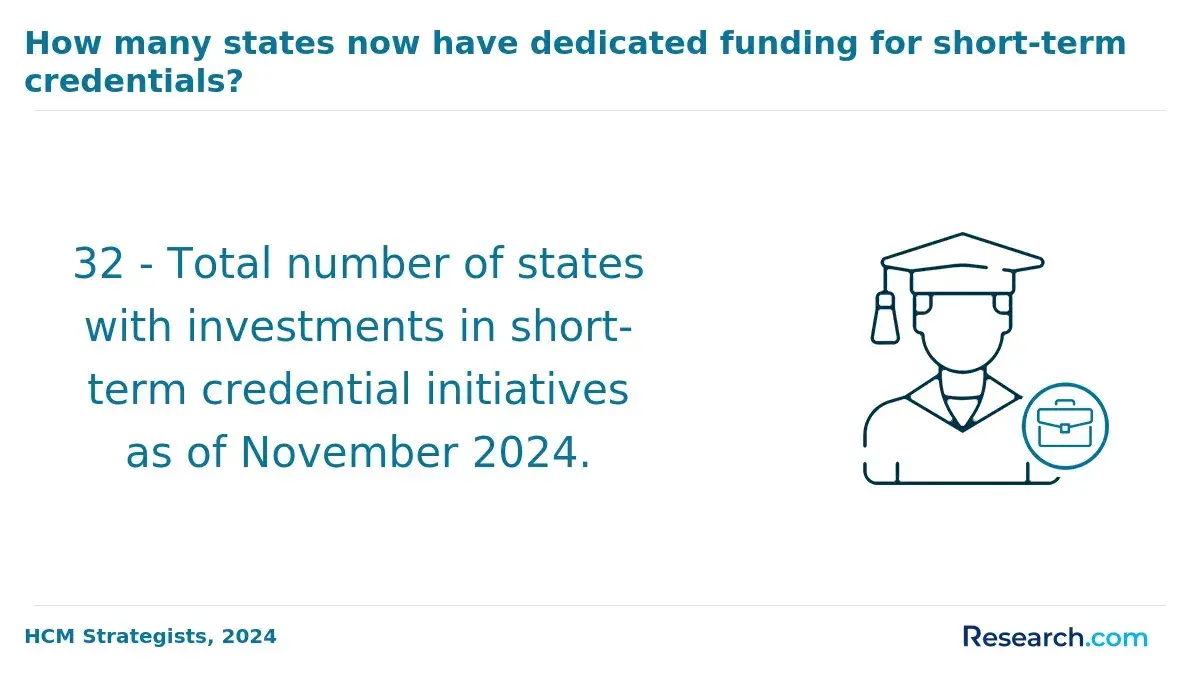
- Federal Financial Aid: Both online and on-campus students are eligible to apply for federal aid such as Pell Grants, Direct Loans, and Graduate PLUS Loans by submitting the FAFSA. The program must be accredited and Title IV eligible; most online technology management programs meet these requirements, but students should verify to ensure access.
- State Grants and Aid: Many states offer grants or scholarships for residents attending in-state institutions, often covering both online and on-campus formats if the program is state-approved. However, some state awards may require full-time or on-campus enrollment, which could limit part-time or fully online students from qualifying.
- Scholarships and Grants: Institutional, private, and professional scholarships such as those from AFCEA or FITE often support technology management students regardless of modality. Some awards prioritize on-campus students, while others are open to online, part-time, or non-traditional learners, providing a range of options.
- Employer Tuition Reimbursement: Many employers offer tuition assistance that applies equally to online and on-campus degrees. Online programs tend to offer greater flexibility for working professionals, making them attractive choices for those leveraging employer tuition reimbursement benefits.
- Private Student Loans: Private loans are accessible to both online and on-campus students based primarily on creditworthiness and enrollment in accredited programs. The mode of instruction typically does not affect loan approval.
Students interested in accelerated learning paths may also explore fast paced master's degree programs to combine financial aid options with efficient degree completion strategies.
Are Online Technology Management Programs as Credible as On-Campus Ones?
Accreditation, faculty qualifications, and curriculum standards play a crucial role in establishing the credibility of both online and on-campus technology management programs. Accredited online programs, such as those from well-known universities, undergo the same rigorous evaluation by regional or national accrediting bodies that oversee traditional degrees. This ensures that academic rigor and quality remain consistent across both formats. Faculty teaching online courses often include the same experts who instruct on campus, maintaining instructional quality. Curriculums are carefully designed to meet industry standards and often include core competencies in business management alongside advanced technology concepts, with many programs requiring capstone projects or internships to provide hands-on experience.
Employer and institutional perceptions of online versus on-campus technology management degrees have evolved significantly. Surveys from the Society for Human Resource Management indicate that over 60% of employers now regard accredited online degrees as equivalent to those earned in person, especially when the issuing institution carries a strong reputation. Academic institutions and licensing bodies also typically make no distinction on transcripts between delivery formats. Advances in virtual learning, such as interactive labs and real-time collaboration tools, as well as strengthened partnerships with industry, continue to narrow any perceived credibility gaps. These innovations, combined with flexible scheduling and often lower costs, enhance the appeal and legitimacy of online programs, supporting comparable employment outcomes and career advancement opportunities for graduates.
Do Employers Prefer Online vs On-Campus Technology Management Degrees?
Employers in the United States generally perceive online and on-campus technology management degrees as largely comparable in value, though some nuances remain. According to recent surveys, including data from the Graduate Management Admission Council, over half of employers globally view graduates from both formats as equally qualified, but a slight preference for on-campus candidates persists among some U.S. employers, particularly in relation to communication and leadership skills. Key factors influencing hiring decisions include university reputation and program accreditation, which employers consistently rate as more important than the delivery mode of the degree. For technology management roles, demonstrated skills, comprehensive project portfolios, and relevant real-world experience often outweigh whether the education was completed online or on campus. This shift reflects the increasing acceptance of online education quality, especially when programs are rigorous and offered by reputable institutions.
Changing workplace norms, most notably the widespread adoption of remote and hybrid work models, have further enhanced the credibility and appeal of online degrees. Employers value the flexibility and digital fluency developed through online study, which align closely with current job demands in technology management fields. While there remains some skepticism about the soft skills fostered by in-person education, the gap is narrowing as online programs incorporate more interactive and collaborative components. Research shows that starting salaries for graduates from both online and on-campus programs are comparable, underscoring the growing parity in employer outcomes. With evolving hiring trends, candidates who can showcase relevant expertise and professional competencies tend to gain the strongest consideration regardless of their degree format.
When I spoke with a professional who completed her technology management degree entirely online, she reflected positively on her career trajectory post-graduation. She mentioned that although she initially worried about employer bias against online education, her comprehensive hands-on projects and internships spoke louder than the diploma format. "Employers focused on what I could deliver," she shared, emphasizing that her program's practical structure helped build confidence in managing real-world technology challenges. She recounted securing a role quickly after graduation and noted that the flexibility of her online studies allowed her to balance work and education effectively, a benefit she believes enhanced her appeal as a self-motivated candidate. Her experience highlights that while degree format may prompt questions early on, demonstrated skills and professionalism ultimately drive hiring success in technology management careers.
Do Online vs On-Campus Technology Management Program Graduates Earn the Same Salaries?
Salary comparisons between online and on-campus technology management graduates are increasingly shaped by factors such as employer perception, program reputation, and candidate experience rather than the learning format itself. As a result, the distinction between online and on-campus degrees often has less impact on earning potential than these other considerations. The following points outline the current salary trends and key factors influencing outcomes for graduates of both formats, providing valuable insights for those researching technology management graduate salaries: online vs on-campus.
- Employer Perception and Degree Credibility: Many employers view online degrees from regionally accredited institutions as equivalent to on-campus degrees. The reputation of the institution where the degree was earned often matters more than whether it was completed online, minimizing salary differences between formats.
- Field Experience and Professional Background: Graduates who combine their degree with relevant work experience or internships tend to command higher salaries regardless of program delivery. Practical skills and proven results are prioritized by technology management employers over the mode of education.
- Academic Support and Networking: While on-campus programs offer direct networking opportunities, many online programs now provide strong virtual career services and alumni networks. This reduces previous gaps by enabling online learners to build valuable industry connections that can impact salary potential.
- Program Reputation and Cost: The prestige and quality of the technology management program significantly affect salary prospects. Online options often have lower tuition costs, such as those averaging $15,700-$47,300, making them accessible while leading to leadership roles with robust salaries. Prospective students can also explore options for online classes financial aid 2025.
- Regional Demand and Industry Trends: Local job markets and industry growth influence salary offers more than degree format. Graduates targeting high-demand regions benefit regardless of whether they studied online or on campus, reflecting broader trends in technology management graduate salaries.
How Do You Decide Whether an Online vs On-Campus Technology Management Program Is Right for You?
Choosing between an online and an on-campus technology management program depends largely on your personal learning preferences, lifestyle, and professional goals. Both options offer valuable education, but understanding their differences can help you align your choice with your needs and aspirations. Below are key factors to consider when deciding which format fits you best.
- Learning style: On-campus programs benefit those who thrive in structured settings with face-to-face interaction and immediate feedback. Conversely, online programs demand strong self-motivation and independence, allowing you to study at your own pace.
- Flexibility needs: If you require a schedule that adapts around work or family commitments, online technology management degrees provide greater flexibility through asynchronous learning. On-campus programs often have fixed class times, which may not be ideal for busy professionals balancing multiple responsibilities.
- Budget and costs: Online students often save on commuting, housing, and campus fees, reducing overall expenses. This aspect can be crucial for many, especially when comparing the affordability of on-campus technology management degree benefits for career advancement.
- Networking opportunities: On-campus study offers rich, in-person networking through classroom discussions, events, and student organizations. Although online programs typically feature virtual networking, forums, and alumni access, the immediacy and depth of these connections can vary.
- Access to campus resources: Being on campus allows direct use of libraries, labs, career centers, and faculty office hours. Online learners generally rely on digital alternatives like virtual advising and online tutoring but might miss some hands-on experiences.
For those aiming to identify the best online technology management degree program for working professionals, it is important to weigh these factors carefully to ensure the program complements your lifestyle and goals. Additionally, exploring resources such as best double degrees can provide further insights into program options that align with your aspirations.
Here's What Graduates of Online vs On-Campus Technology Management Programs Have to Say About Their Degree
- Eric: "Completing my technology management degree entirely online allowed me to balance a full-time job and family commitments without sacrificing the quality of my education. The flexibility of the program meant I could engage with cutting-edge technology topics at my own pace, which truly enhanced my ability to apply what I learned directly to my current role in IT project coordination. This degree opened doors to leadership opportunities I had only dreamed of before, especially in tech-driven industries. I'm now passionate about supporting others who juggle similar challenges and advocating for accessible education for all. "
- Max: "Attending the technology management program on campus was a transformative experience in ways beyond academics. The immersive environment fostered deep connections with professors and peers, giving me a strong network that continues to support my career in technology strategy. Being part of a vibrant learning community motivated me to develop my professional skills and leadership abilities through face-to-face collaboration and internships. This degree gave me a solid foundation and confidence to lead diverse tech teams and contribute meaningfully to innovation. "
- Terri: "The hybrid format of my technology management degree perfectly suited my learning style, combining the best aspects of both online convenience and in-person engagement. This approach allowed me to stay actively involved in my local tech scene while accessing a broader range of academic resources. The hands-on projects during on-campus sessions enriched my problem-solving skills and made my resume stand out. As a result, I have secured a management role where I'm shaping technological solutions that improve community services. The flexibility and practical experience from this degree truly accelerated my career growth."
Other Things You Should Know About Online & On-Campus Technology Management Degree Programs
Online technology management programs offer flexibility, allowing students to balance work and study without commuting. They often provide access to a wider range of programs regardless of location. Additionally, online formats enable self-paced learning and can be cost-effective by reducing travel and housing expenses.
In 2027, on-campus programs often offer more direct access to labs and in-person collaboration for hands-on learning. Online programs increasingly use virtual simulations and interactive platforms, but may lack the same physical immediacy. However, advancements in VR and AR are narrowing this gap, enhancing practical learning remotely.
References
- Online Vs On-Campus Learning: Which Mode Of Study Suits You Better? https://www.unicaf.org/online-university-vs-on-campus/
- Online Degree vs On-Campus Degrees https://www.online.drexel.edu/news/online-degree-vs-traditional-degree.aspx
- Technology Management Online Degree | SEMO https://semo.edu/academics/programs/online/undergrad-online/technology-management-online
- What Do Employers Think about Online IT Degrees? https://www.cbtnuggets.com/blog/career/career-progression/what-do-employers-think-about-online-it-degrees
- How Credible Are Online Degrees? - Bay Atlantic University - Washington, D.C. https://bau.edu/blog/online-degrees-credibility/
- Are online degrees respected by employers? https://onlineprograms.uic.edu/news-stories/are-online-degrees-respected-by-employers/
- Online Degree vs. Traditional | University of Arkansas Grantham https://www.uagrantham.edu/blog/pros-cons-online-degree-vs-traditional-university/
- Technology Management (Online) | Become a Graduate Student https://www.mun.ca/become/graduate/programs-and-courses/technology-management-online/
- Online Vs On-Campus - What Are The Pros and Cons? https://notgoingtouni.co.uk/blogs/online-vs-on-campus-what-are-the-pros-and-cons-322
- How Credible Are Online Degrees? And are they worth it? https://potomac.edu/are-online-degrees-taken-seriously-by-employers/


