
2027 Credit Requirements for an Economics Degree Explained

Co-Founder and Chief Data Scientist
Many students pursuing an economics degree struggle to understand the complex credit requirements necessary for timely graduation. Nearly 35% of economics majors in the U. S. delay graduation due to unmet credit or course prerequisites. This issue can hinder entry into economics-related fields, where employment is expected to grow 14% over the next decade. Navigating credit allocations, transfer policies, and course sequences is essential to avoid costly delays.
This article explains the typical credit structures, transfer rules, and academic strategies for economics degrees, enabling students to plan effectively and complete their programs without unnecessary obstacles.
Key Things to Know About Credit Requirements for Economics Degrees
- Total credit requirements for economics degrees typically align with undergraduate timelines, balancing core courses and electives essential for workforce readiness in a competitive job market.
- Many programs accept transfer credits or recognize prior learning, allowing students to shorten degree duration and reduce overall tuition costs.
- Credit structures influence academic progression, affecting how quickly students complete prerequisites and graduate, impacting both educational expenses and entry into the economics labor force.
How Many Credits Are Required for a Economics Degree?
Careful academic planning is essential to successfully navigate the credit load and time commitment required to earn an economics degree. Being aware of typical credit expectations helps students manage course schedules and predict how many semesters are needed to graduate. Below is an overview of common credit hour requirements by degree level for economics programs.
- Bachelor's degree: Typically requires about 120 to 130 semester credits. These usually include 30 to 40 credits of general education covering foundational subjects, 40 to 50 credits of core economics coursework such as microeconomics, macroeconomics, and econometrics, and the remainder from electives or minor courses.
- Master's degree: Generally consists of 30 to 45 semester credits focused on advanced economic theory, quantitative methods, and research. Graduate programs emphasize depth over breadth, with fewer general education courses compared to undergraduate programs.
- Doctoral degree: Credit requirements vary widely but often include coursework combined with extensive research hours. This phase extends beyond traditional credit counts and focuses on original research contributions.
Understanding the economics degree credit hour requirements at each level enables students to make informed decisions and track progress. Students interested in specialized fields and efficient pathways may also explore related opportunities, such as BCBA online programs, which can complement their academic goals.
Knowing the total credits needed for economics degree completion aids in balancing general education and major-specific classes, ensuring an effective and timely academic journey.
How Many Core and Elective Credits Are Required for a Economics Degree?
Balancing core and elective credits is a crucial part of academic planning for students pursuing an economics degree, as it impacts both timely graduation and career preparedness. Research indicates that about half to two-thirds of coursework in economics degrees is devoted to core classes, shaping foundational expertise.
Here is an overview of the typical distribution of credits among core courses and electives:
- Core courses: Generally accounting for 30 to 40 credits within a 60 to 70 credit program, these classes cover essential subjects such as microeconomics, macroeconomics, econometrics, and statistics. This core coursework develops critical analytical and quantitative skills needed for research and professional roles.
- Electives: Usually comprising 20 to 30 credits, electives allow students to tailor their education by exploring specialized areas like behavioral economics, international trade, environmental economics, or finance. This flexibility in elective credit requirements for economics degrees helps students align their studies with specific career goals and interests.
Students who strategically select their electives alongside economics degree core course credits often achieve better job readiness and employment outcomes. For those interested in a related technical path, exploring an online engineering degree can offer complementary skills in data analysis and modeling that enhance competitiveness in the job market.
Do Online Economics Programs Require the Same Number of Credits?
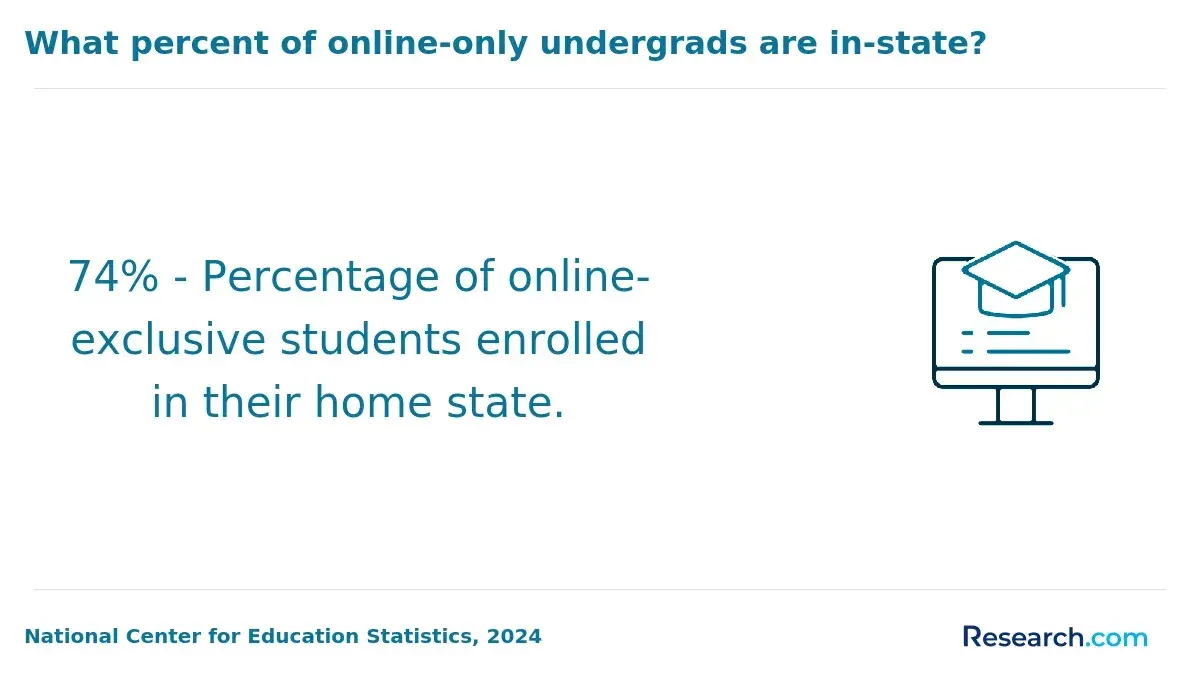
Knowing how credit requirements compare between online and on-campus economics programs helps students plan their studies effectively and make informed comparisons between different formats. With online undergraduate economics enrollment rising by over 20% in recent years, this insight is increasingly valuable. The following points clarify key aspects of credit expectations across delivery methods.
- Credit Range Consistency: Online economics degrees typically demand between 120 and 130 credit hours, aligning with traditional campus programs to maintain academic standards and accreditation.
- Course Design and Pacing: While the total credits remain stable, online courses often feature modular or asynchronous formats, allowing students more control over pacing but requiring strong time management skills.
- Workload and Study Approach: Online learners may face a heavier emphasis on self-directed study and independent assignments, which can alter the day-to-day workload compared to in-person classes.
- Alignment with Graduation and Career Goals: Credit requirements are structured to ensure timely graduation and equip students with essential knowledge for economics-related careers or advanced education.
To gain perspective on whether online economics programs truly match their on-campus counterparts in credit demands, I spoke with a graduate of an online economics degree. He described the experience as "challenging but rewarding," noting that although managing deadlines independently required discipline, the clear credit milestones helped him stay on track.
He appreciated the flexibility in scheduling while fulfilling all necessary credits, emphasizing that the program's rigor was on par with traditional classes and ultimately prepared him well for his career ambitions.
How Many Credits Are Required in Accelerated Economics Programs?
Knowing the credit requirements in accelerated economics programs is crucial for students who want to finish their degree faster than usual. This awareness helps in effective academic planning and managing workload during an intensive study period.
Below is an overview of key factors concerning credits in these accelerated programs.
- Credit Load Expectations: Undergraduate accelerated economics degrees commonly require between 120 to 150 credits, similar to standard programs but completed over fewer semesters. Graduate accelerated options typically range from 30 to 45 credits, designed to cover advanced material in a condensed format.
- Distribution Between Core and Electives: Core courses usually make up 60% to 70% of the total credits, focusing on essential theories and principles of economics. Electives fill the remainder, giving students flexibility to pursue specialized topics or complementary disciplines.
- Effect of Accelerated Schedule: The faster pace means students take more credits per term, which intensifies the workload. This demands strong time-management skills and often reduces breaks between terms to maintain steady progress.
- Role of Transfer Credits: Many accelerated programs accept transfer credits from prior college work or advanced placement exams. Utilizing these can significantly shorten time to degree completion, so it's important for students to verify transfer policies early.
How Many Transfer Credits Are Accepted Toward a Economics Degree?
Knowing how many transfer credits will be accepted is crucial for students looking to streamline their economics degree path and potentially graduate sooner. Nearly 40% of economics undergraduates now transfer credits from other institutions, making it vital to understand typical acceptance rates and policies. The following outlines common transfer credit allowances across degree levels and how these credits apply within programs.
- Associate Degrees: These programs often accept up to 75% of total credits from other schools, offering flexible options for students beginning their studies elsewhere. Transferred credits usually satisfy general education and elective requirements.
- Bachelor's Degrees: Credit acceptance typically ranges between 60% and 70%, depending on course relevance and institutional policies. Core economics courses undergo stricter evaluation to ensure academic standards are met, while elective credits are more readily transferable.
- Master's and Professional Degrees: Graduate programs generally accept less than 50% of transfer credits. Institutions prioritize completion of core graduate-level economics courses within their own curriculum to maintain program integrity.
- Doctoral Programs: Transfer credits are rarely accepted due to the specialized nature of research and coursework. PhD candidates are usually required to complete nearly all credits at the awarding institution.
- Accelerated Programs: These may allow transfer credits to cover foundational or prerequisite courses but maintain strict requirements for core advanced economics subjects to uphold academic rigor.
When I spoke with a graduate of an economics degree about her experience transferring credits, she shared how complex and sometimes frustrating the process was. "It wasn't just about how many credits transferred, but which ones would actually count toward my major requirements," she explained. Navigating different institutions' policies required careful planning and ongoing communication with academic advisors.
Despite the challenges, she found that understanding these nuances early on helped her avoid surprises and stay on track to graduate. "It felt rewarding once everything was approved and I saw how my previous courses contributed to my degree goals," she reflected, emphasizing the importance of persistence and proactive research in managing transfer credits.
Can Work Experience Count Toward Economics Degree Credits?
Prior learning assessment (PLA) or credit for experience allows students to earn academic credit toward an economics degree based on relevant professional work experience. Typically, eligible experience involves roles closely related to economics principles, such as financial analysis, economic research, or policy advising. This process can shorten the time needed to graduate while recognizing practical skills. Below are key aspects of how work experience credit works in economics programs.
- Assessment and Documentation: Universities require comprehensive documentation that may include portfolios of job duties, employer verification, and sometimes competency exams or interviews. This ensures the professional experience aligns with course learning outcomes and maintains academic standards.
- Credit Limits: Most institutions cap credits earned through PLA, usually up to 30 credits. This limits how much work experience can substitute for traditional coursework, especially core economics classes.
- Program Types: Both online and campus-based economics degree programs often offer PLA options. This flexibility benefits working adults or career changers seeking to use prior learning credit for economics degree progress.
- Impact on Degree Progression: Utilizing work experience credit can significantly reduce time-to-degree and lower tuition expenses, but students should carefully evaluate credit applicability within their specific program requirements.
- Relevant Work Roles: Experience in business, government, nonprofit economic functions, or data analysis is most likely to qualify as prior learning credit.
Students researching options for work experience credit can find parallels in other fields; for example, economics candidates might also consider options similar to those outlined for affordable online psychology masters programs. Integrating prior learning assessment for economics credits helps maximize academic progress while leveraging professional backgrounds effectively.
Do Licensure Requirements Affect Credit Hours in a Economics Degree?
Licensure credit hour requirements for economics degrees can significantly influence the total number of credits students must complete. Specialized paths in economics that prepare students for professional certification or public sector roles often include additional coursework beyond the typical curriculum. These may involve classes in economics regulation, ethics, or advanced quantitative methods, along with supervised practical experiences or internships.
Because accreditation bodies ensure that programs maintain academic and industry standards, programs aligned with licensure standards might mandate these extra credit hours, which commonly extend enrollment time and increase tuition costs.
The impact of professional licensure on economics degree credits also varies between online and campus programs, with state licensing boards imposing unique standards that affect credit hour demands. This variation can create transfer challenges for students changing institutions, especially in distance education, where course credits might not fully satisfy licensure requirements.
Despite these challenges, aligning degree credits with licensure demands facilitates smoother certification processes and enhances workforce readiness. Prospective students considering economics degrees influenced by licensure should carefully plan their coursework to avoid unnecessary extension of their studies. For students aiming to maximize career outcomes, exploring degrees that make the most money may offer useful insights on how economics fits into broader career considerations.
How Do Universities Calculate Credits for a Economics Degree?
A credit hour is typically defined as one hour of classroom or direct faculty instruction plus two to three hours of out-of-class student work per week over a standard term. Understanding how credits accumulate is essential for students planning an economics degree to meet graduation requirements efficiently.
- Lecture Courses: These generally award one credit per hour of weekly instruction. For economics degree credit calculation process, lectures form the foundation, contributing significantly to total credit requirements.
- Labs, Practicums, and Clinical Sessions: Since these involve hands-on learning, two or three hours of lab or practicum time usually equate to one credit hour. They often complement core lecture credits by providing applied experience.
- Capstone or Project-Based Courses: Credits are assigned based on workload, combining classroom time and independent research. These courses integrate knowledge and are crucial for completing degree requirements.
Credit calculations may vary between undergraduate and graduate economics programs. Graduate courses typically demand more work per credit and might include thesis or intensive research credits. Similarly, the measurement of credits can differ between online and on-campus formats; students should verify if synchronous sessions or self-paced activities affect credit allocations.
Accreditation agencies ensure standardized credit hour definitions, allowing students to track progress accurately and transfer credits when needed. For example, a bachelor's degree in economics often requires around 120 credit hours, with full-time students completing approximately 15 credits per term.
Prospective students interested in transfer or comparative options may also explore options among associate degrees as stepping stones toward a full economics program.
How Do Economics Degree Credit Requirements Affect Graduation Timelines?
Typically, completing a bachelor's degree in economics involves earning between 120 and 130 total credits, covering general education, major courses, and electives. This total credit requirement plays a critical role in how long students will take to finish their degree. Several important factors influence these graduation timelines, including:
- Core credits: These compulsory courses-such as microeconomics, macroeconomics, statistics, and econometrics-form the foundation of the major. Staying on track with these classes is essential for timely progress.
- Elective requirements: While electives offer students the chance to explore diverse topics, selecting too many or poorly planned electives can delay completion by increasing the credit load.
- Transfer credits: Credits earned from previous postsecondary institutions may reduce the number of courses needed, potentially accelerating graduation if smoothly applied.
- Accelerated formats: Online and some on-campus programs sometimes provide condensed or fast-paced courses, enabling students to complete credits more quickly if they can maintain the pace.
- Prior learning assessment (PLA): This option lets students earn credit for knowledge gained outside formal education, such as work experience or training, which can lessen total credit requirements and shorten time to degree.
Both traditional and online economics programs usually have similar credit demands, but online students often enjoy flexible scheduling that can either speed up or slow down their coursework depending on how they manage their study time. Effectively balancing these factors can help students create a more efficient path to graduation.
Do More Credits Lead to Better Career and Salary Outcomes for Economics Graduates?
Taking additional academic credits beyond the essentials can improve career advancement, leadership chances, and access to specialized or higher-paying roles in some industries. However, the benefits depend greatly on how those extra credits are applied within one's educational and professional path.
- Specialized Concentrations: Extra credits in focused areas like econometrics or financial economics build in-demand expertise that appeals to analytical and technical job markets.
- Licensure and Certification Preparation: Completing coursework aligned with professional credentials can lead to better positions and greater earning potential.
- Technical Skill Development: Additional credits in data analysis, programming, or quantitative methods help qualify graduates for roles requiring advanced technical abilities.
- Extended Networking and Experience: More time in academic programs may provide increased internship and networking opportunities valuable for career growth.
- Unfocused Credit Accumulation: Simply adding courses without a clear objective or specialization rarely results in higher salaries or improved job prospects.
- Entry-Level Career Tracks: For jobs valuing foundational economic theory, the standard credit requirements usually meet employer expectations.
- Labor Market Preference for Skills: Employers often prioritize practical experience, certifications, and transferable skills over a larger number of credits.
- Academic vs. Professional Degrees: Professional programs such as MBAs that emphasize applied knowledge often yield better financial outcomes than extra undergraduate credits alone.
Ultimately, employers focus on completion of core competencies rather than volume of credits. Prospective students benefit most by efficiently fulfilling degree requirements while selectively pursuing electives that bolster marketable skills aligned with their career ambitions.
What Graduates Say About The Credit Requirements for Their Economics Degree
- Eli: "As a professional who pursued a traditional economics degree before supplementing it with online credits, I found the cost savings per credit in the online portion to be quite significant. The ability to complete extra credits remotely fit perfectly with my busy schedule and allowed me to specialize further in areas that benefitted my career in policy analysis. This blend of traditional and online studies has truly enhanced my expertise and credibility in the field. "
- Alexis: "The economics degree program I enrolled in was not only affordable but incredibly flexible, especially when it came to fulfilling the required credits online. I appreciate how earning extra credits helped me deepen my understanding without extending my study time drastically. Reflecting on my career growth, I can clearly see how this extra academic effort improved my analytical skills and made me a more valuable consultant. "
- Esteban: "Completing my economics degree online was a game changer for me. The flexibility to earn extra credits at my own pace allowed me to balance work and study effectively, and the cost per credit was significantly lower than traditional programs, which really helped manage my expenses. Since graduating, the additional knowledge and skills I've gained through those extra credits have opened doors to advanced roles in finance. "
Other Things You Should Know About Economics Degrees
In 2027, the average credit load for economics majors typically ranges from 15 to 18 credits per semester. This ensures that students meet the graduation requirements within four years, balancing core courses, electives, and general education requirements.
In 2027, students pursuing an economics degree typically need to complete 12 to 15 credits per semester. This ensures students meet the standard requirement of around 120 credits over four years, allowing for a balanced course load and timely graduation.
Many economics programs permit credits from related disciplines like mathematics, political science, or finance to count toward degree requirements. However, the applicability of these credits varies by institution and usually requires departmental approval. Interdisciplinary credits can help fulfill elective requirements or support students' specialized interests within economics.
References
- Top 15 Highest Paying Jobs for Economics Majors 2025 (Inc Salaries) | Nexford University https://www.nexford.edu/insights/highest-paying-jobs-for-economics-majors
- Studying Economics Increases Wages a Lot - Marginal REVOLUTION https://marginalrevolution.com/marginalrevolution/2020/10/studying-economics-increases-wages-a-lot.html
- Online Bachelor’s Degree in Economics | Rome Business School https://romebusinessschool.com/online-bachelor-degree-in-business-economics/
- Career paths in economics - Economics - University of Victoria https://www.uvic.ca/socialsciences/economics/undergraduate/career-paths-in-economics/index.php
- Economics: Payback of the Best Kind https://economics.emory.edu/undergraduate/career-post-grad/economics-payback-of-the-best-kind.html
- How Do University Credits Work? – Complete Guide https://peachyessay.com/blogs/how-do-university-credits-work/
- Reducing a Barrier to Entry: The 120/150 CPA Licensing Rule https://www.thecgo.org/research/reducing-a-barrier-to-entry-the-120-150-cpa-licensing-rule/
- Transfer of grades – Undergraduate Studies | SGH | Szkoła Główna Handlowa w Warszawie https://www.sgh.waw.pl/en/transfer-grades-undergraduate-studies
- Transfer Credits https://economics.yale.edu/academics/undergraduate-program/transfer-credits
- Economist Earnings by Job Title and Degree in 2023 | INOMICS https://inomics.com/advice/economist-earnings-by-job-title-and-degree-in-2023-1544246


