2027 Admission Requirements for Physical Education Degree Programs

Co-Founder and Chief Data Scientist
Competition for college admissions continues to intensify, with acceptance rates steadily declining across many fields. Recent data shows that the overall acceptance rate for four-year colleges in the U.S. dropped to under 65%, reflecting growing selectivity. For students aiming to pursue a degree in physical education, understanding the admission landscape is crucial to navigating this competitive environment successfully. This article provides a clear and authoritative overview of the essential admission requirements for physical education degree programs, equipping prospective students with the knowledge needed to prepare strong applications and make informed decisions about their academic paths.
Key Benefits of Physical Education Degree Programs
- Knowing admission requirements helps applicants target programs where the average acceptance rate is around 60%, improving their chances of enrollment in physical education degrees.
- Understanding prerequisites such as coursework in biology or kinesiology aligns with industry standards, reflecting that 70% of accredited programs expect foundational science knowledge.
- Being aware of requirements like minimum GPA or physical fitness assessments allows candidates to prepare effectively, matching the US trend where institutions report a 5% increase in program selectivity for physical education majors over the past five years.
What GPA Do You Need to Get Into a Physical Education Program?
GPA remains one of the most important factors in college admissions because it provides a standardized measure of academic readiness and persistence, allowing admissions committees to gauge an applicant's potential for success. However, requirements can vary widely depending on the institution, the level of the program, and the competitiveness of physical education programs.
Below are typical GPA expectations and influencing factors to keep in mind when considering admission, especially as minimum GPA requirements for physical education majors can vary significantly by region and institution.
- Minimum GPA Requirements: Most undergraduate physical education programs require a minimum cumulative GPA ranging from 2.2 to 2.75 on a 4.0 scale. Some schools may admit applicants conditionally if other qualifications are strong, even if the GPA falls slightly below the minimum.
- Competitive GPA Range: More selective programs or those with teacher certification often expect GPAs between 2.7 and 3.0 or higher, particularly in required courses. Graduate programs usually require at least a 3.0 GPA for admission and continued enrollment.
- Major-Specific GPA: Certain universities emphasize a higher GPA specifically within physical education or kinesiology courses, often requiring at least a 3.0, which highlights sustained performance over general academic averages.
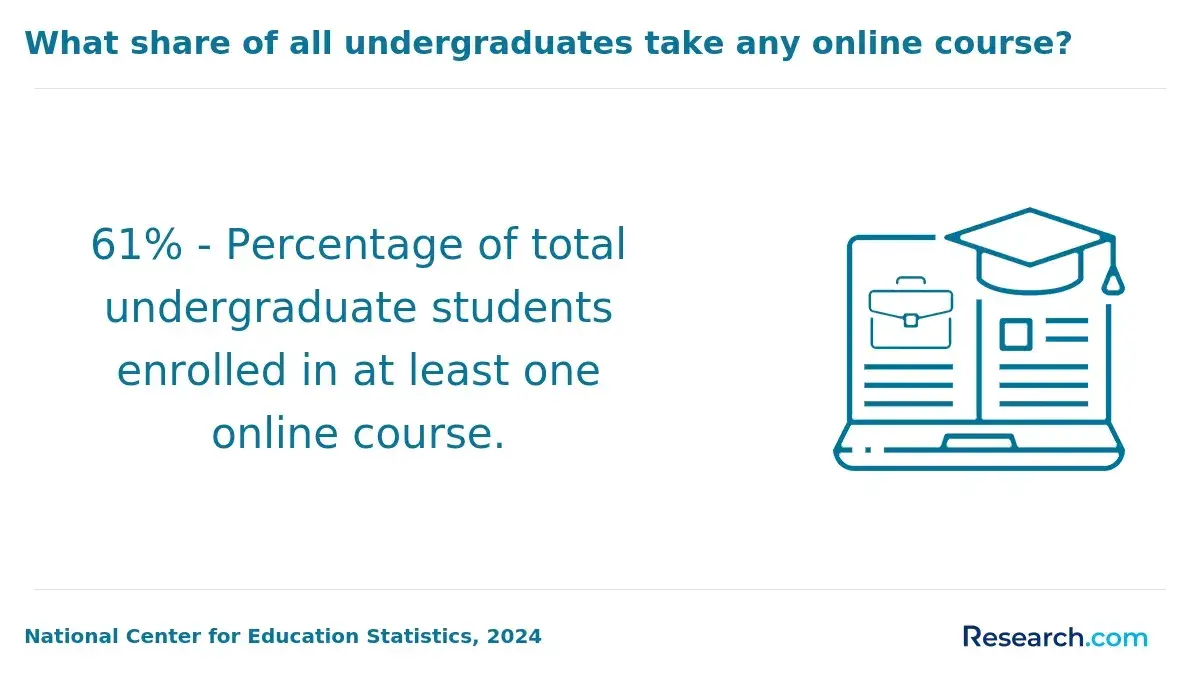
- Transfer and Online Program Differences: Transfer students might be evaluated on their most recent credits or overall coursework, whichever is higher. Online programs adhere to similar GPA standards as on-campus programs but may provide added flexibility for adult learners or those returning to school.
- Strengthening Your Application: Applicants with GPAs near minimum thresholds should highlight upward academic trends, good grades in relevant courses, and relevant experience such as coaching or fitness instruction. Retaking courses or submitting strong personal statements can also help improve your chances.
- Ongoing GPA Requirements: Many programs require maintaining a certain GPA (often between 2.7 and 3.0) after admission to progress toward student teaching or advanced coursework.
Because physical education program GPA requirements by state and institution can differ, applicants should always verify current standards directly with their target programs. Additionally, exploring options like 6 month online certificate programs high paying jobs may provide alternative pathways in related fields.
What Prior Education Is Required for a Physical Education Program?
Prior education plays a crucial role in determining eligibility for physical education degree programs, ensuring students have the foundational knowledge and skills necessary for success. Requirements vary significantly depending on the program level, whether undergraduate, graduate, or professional.
The following list summarizes common education prerequisites for physical education programs across these levels:
- Undergraduate Prerequisites: Most undergraduate physical education programs require applicants to have a high school diploma or equivalent, often with preferred coursework in biology, health, or physical science. While specific subject requirements are generally flexible, a background in science and physical activity can strengthen an application and support future coursework.
- Bachelor's Degree Requirements for Physical Education: Entry to teacher preparation or credential programs typically demands a bachelor's degree, often in physical education, kinesiology, exercise science, or related areas. Some institutions accept degrees in other fields if candidates complete supplemental coursework or bridge programs to meet subject-specific competencies.
- Education Prerequisites for Physical Education Teacher Programs in California: Candidates without a degree in physical education may need to demonstrate subject matter competency through state-approved exams like the CSET: Physical Education. This pathway allows diverse academic backgrounds to transition into teaching by proving knowledge through standardized tests.
- Graduate-Level Expectations: Graduate programs usually require a bachelor's degree in a relevant field, but those with unrelated undergraduate degrees might complete prerequisite courses before admission. Increasingly, a master's degree is preferred or required for specialized or advanced teaching roles.
- Alternative and Bridge Programs: Many universities offer alternative certification or post-baccalaureate programs for individuals switching to physical education after earning a degree in another area. These programs often combine coursework with supervised teaching experiences to facilitate licensure without repeating undergraduate studies.
For applicants seeking accessible academic paths, researching easy PhD options can provide insight into flexible program structures and admission criteria aligned with career goals.
Do Physical Education Programs Require GRE, GMAT, or Other Standardized Tests?
Standardized tests such as the GRE (Graduate Record Examination) and GMAT (Graduate Management Admission Test) have traditionally served as key components in graduate admissions, measuring academic readiness and analytical skills. However, changing educational trends and concerns about accessibility have led many institutions to reconsider the necessity of these tests, especially for fields like physical education.
As a result, the landscape of testing requirements in physical education programs is evolving. Below is a summary of current expectations around standardized testing for these graduate degrees:
- Growing Number of Test-Optional Programs: Many universities have opted to waive GRE and GMAT requirements for physical education and related graduate programs. This shift is largely motivated by efforts to increase accessibility and prioritize holistic application reviews.
- Program-Specific Variability: Testing requirements differ widely; some programs still mandate GRE scores while others do not require any standardized tests. For example, Central Connecticut State University's master's program in physical education does not require GRE or GMAT scores, whereas the University of Nevada, Reno includes these scores in their application materials for certain graduate degrees.
- Emphasis on Alternative Credentials: Admissions committees increasingly focus on undergraduate GPA, letters of recommendation, personal statements, and relevant experience instead of test scores. This represents a broader move toward assessing candidates with a more comprehensive, holistic approach.
- Ongoing Changes and Exceptions: The admissions environment remains flexible, with universities frequently updating their policies. Applicants should review the most current information on each institution's official website to ensure compliance with program-specific requirements.
What Materials Do You Need to Submit for Physical Education Admission?
Applying to physical education degree programs at the college or graduate level usually involves submitting several documents that highlight your academic readiness, relevant experience, and fit for the program. These requirements can vary depending on the institution, the program's level, and whether you are applying to an online or on-campus option. Understanding what to prepare can help you navigate the admissions process smoothly.
Below are the most common application materials you may need to submit:
- Official Transcripts: Programs typically require transcripts from all previously attended schools to verify your educational background. Graduate programs often expect proof of a bachelor's degree, while undergraduate programs require a high school diploma. Online applicants usually submit digital transcripts, whereas on-campus programs might ask for sealed paper copies.
- Standardized Test Scores: Some programs request SAT, ACT, or GRE scores, especially for first-time undergraduates or graduate applicants. However, many schools have adopted test-optional policies recently, so it's important to check each program's requirements before submitting scores.
- Personal Statement or Essay: This 1-2 page document allows you to explain your motivation for pursuing physical education, relevant experiences, and career goals. Admissions committees use this statement to evaluate your communication skills and dedication, with online programs often focusing on your ability to work independently.
- Résumé or Statement of Experience: Highlight your education, work, and volunteer activities, particularly those related to teaching, coaching, or youth leadership. For online applicants, experience with virtual instruction or technology can be an added advantage.
- Letters of Recommendation: Most programs request 2-3 letters from professionals familiar with your skills and character, such as supervisors or teachers. Letters from those who have observed your teaching or leadership abilities are especially valuable.
What Are the Admission Requirements for International Students Applying to Physical Education Programs?
International students applying to physical education degree programs in the United States encounter additional admission requirements that go beyond academic qualifications. These include demonstrating language proficiency, verifying academic records, and providing financial proof, all of which ensure that applicants are adequately prepared for U.S.-based coursework and comply with institutional and federal visa policies. Understanding and meeting these demands is essential for a smooth admission process.
Below are the key admission requirements international applicants should prepare for:
- English Proficiency Proof: Most physical education programs require non-native English speakers to submit standardized test scores such as TOEFL (typically a minimum score of 79 iBT), IELTS (minimum 6.5), or Duolingo (minimum 105). Requirements may be more stringent for graduate programs and can differ between online and on-campus formats, so applicants should verify specific criteria on the program's website and consider preparing for multiple test formats to enhance eligibility.
- Credential Evaluation: Applicants must provide official transcripts from all prior post-secondary education, often sent directly by the issuing institutions. Some schools also require third-party credential evaluations to confirm that international degrees are equivalent to U.S. standards. Ensuring that transcripts are accurately translated into English and submitted within deadlines is critical.
- Financial Documentation: U.S. universities require proof of sufficient financial resources to cover tuition and living expenses for at least one academic year. Common documents include bank statements, letters of sponsorship, or affidavits of support. Providing these documents is necessary both for university admissions and the subsequent visa application process.
- Visa-Related Forms: After acceptance, international students must obtain a visa, usually an F-1 student visa, which involves submitting the university-issued Form I-20 and completing government-required paperwork. Early preparation is important due to variable processing times.
Do You Need Professional Experience to Get Into a Physical Education Program?
Professional experience can play a crucial role in admission decisions for physical education programs, especially at the graduate level, where schools often value applicants with a relevant background in teaching, coaching, or similar fields. While some programs list work experience as "recommended" rather than "required," others incorporate it as a fundamental admission criterion, reflecting the importance of practical skills.
Understanding how professional experience factors into admissions for both online and on-campus physical education programs helps applicants prepare effectively. Key considerations include:
- Minimum Experience Requirements: Many bachelor's programs require applicants to complete a specific number of observation or field experience hours-commonly around 30-to ensure initial exposure to classroom settings. Graduate programs usually demand prior roles such as teaching or coaching to demonstrate readiness.
- Experience as a Competitive Edge: Even if not mandatory, relevant activities like coaching or volunteering in youth sports can enhance applications. Schools value these experiences when reviewing resumes, personal statements, and letters of recommendation to distinguish strong candidates.
- Integration with Practicum and Internship: Practicum and internship components are common in physical education programs, and prior experience often helps students secure placements and succeed. Some programs, such as those offering teacher certification, may require clinical experience as part of admission.
- Graduate-Level Expectations: Master's and certification programs frequently prioritize applicants with substantial work experience. In fact, up to 70% of admitted students in some programs have previous teaching or coaching backgrounds, highlighting the importance of experience at this level.
- Documentation and Application Materials: Applicants must be prepared to provide detailed resumes, supervisor recommendations, and reflective essays to effectively communicate relevant skills and practical achievements during the admission process.
Do Physical Education Programs Have Different Admission Requirements by Concentration?
Many universities tailor their admission requirements for physical education programs based on the specific concentration or specialization applicants choose. While core admission standards such as GPA and standardized test scores tend to remain consistent, research-heavy or technical tracks often require additional prerequisites, specialized coursework, or relevant professional experience. This ensures students are prepared for the demands of their chosen focus.
Admission requirements for physical education concentrations can vary significantly depending on the track. Below are some key differences applicants might encounter among popular specializations:
- Adapted physical education: These concentrations typically require applicants to show experience or coursework related to working with individuals with disabilities. Candidates may need to complete specific prerequisite classes or demonstrate practical experience in inclusive settings, sometimes accompanied by supplemental essays or interviews emphasizing commitment to diverse populations.
- Teaching licensure tracks: Programs preparing students for teacher certification generally expect higher GPAs (often 2.7 or above), standardized test completion like Praxis I, and formal applications to educator preparation. References, background checks, and adherence to state education department criteria are commonly required. Online applicants must often document equivalent field experience and access to local schools for practicum placements.
- Strength and conditioning or coaching concentrations: These technical tracks usually expect prior coursework in anatomy, physiology, or kinesiology, along with professional certifications such as CPR/AED or personal training credentials. Applicants without this background may need to finish remedial courses before advancing to core content.
- Leadership and management concentrations: Applicants focusing on administration or sports management are often expected to demonstrate leadership experience-such as coaching, captaincy, or supervision. Statement of purpose essays and résumés carry significant weight, and online programs may require proof of current employment in relevant roles.
For prospective students interested in affordable options, exploring an associates degree online cheap can be a practical starting point before advancing to specialized physical education teacher education admission criteria at higher degree levels.
Are Admission Requirements the Same for Online and On-Campus Physical Education Programs?
Most universities align their admission standards across online and on-campus physical education programs to maintain academic consistency and uphold program quality. However, some variations arise due to differences in student demographics, instructional methods, and the nature of experiential learning components. These factors influence how admission criteria are applied for each format.
Below are key points that outline the main overlaps and distinctions in admission requirements between online and on-campus physical education programs:
- Core Academic Standards: Both formats generally require similar GPA thresholds and standardized test scores to qualify for admission. Yet, online physical education program admission criteria may offer greater flexibility for non-traditional students, allowing those with relevant work experience to compensate for slightly lower academic metrics.
- Professional Experience Expectations: On-campus programs often prioritize hands-on athletic involvement or coaching experience during the admission process. In contrast, online programs typically attract working professionals in fitness or wellness fields, where prior professional experience can replace traditional athletic background requirements.
- Interview and Assessment Requirements: Many on-campus programs mandate in-person interviews or physical fitness assessments. Online programs usually conduct virtual interviews and may waive physical evaluations, though some require submission of independent fitness documentation.
- Residency and Orientation Mandates: On-campus programs require full-time campus attendance, whereas certain online programs enforce limited residency, such as mandatory on-campus orientations or capstone courses, impacting admission timelines and planning.
- Accreditation and Licensing Verification: Both learning modes require institutional accreditation to qualify for federal financial aid. Prospective students should verify specialized accreditation from bodies like the Council for the Accreditation of Educator Preparation to meet state licensing standards, especially if intending to teach physical education professionally.
For students exploring options, researching the best non profit accredited online university programs can provide additional insights into reputable institutions that balance flexibility and academic rigor in physical education degrees.
Can You Apply for Financial Aid Before Being Accepted into a Physical Education Program?
Most financial aid applications in the United States, including the FAFSA, can be completed before receiving formal acceptance into a physical education program. This early application process benefits prospective students by allowing them to understand their potential funding options and estimate out-of-pocket educational expenses in advance. Submitting a financial aid application early also helps applicants meet important institutional or state priority deadlines, which often precede the federal deadline of June 30.
By applying promptly, students increase their chances of qualifying for limited funds such as state grants and campus-based aid, which are typically awarded on a first-come, first-served basis. For those seeking the best educational opportunities, exploring options among the top colleges with national accredited status can further inform strategic planning during the financial aid application for physical education majors.
Despite these advantages, there are some important limitations to keep in mind. While many general aid applications and the FAFSA can be submitted before acceptance, certain scholarships or grants tied specifically to physical education programs may require proof of admission prior to eligibility. The final determination and disbursement of financial aid funds typically takes place only after official program acceptance and verification of enrollment status by the school.
Applicants are advised to list multiple schools on their FAFSA to expand their opportunities for receiving aid offers from all institutions under consideration. Additionally, synchronizing the financial aid process with program admission timelines is crucial to avoid missing deadlines that could reduce financial support or cause lost scholarship opportunities when applying for scholarships before physical education program acceptance.
When Should You Start Applying to Physical Education Programs?
Timing is one of the most important factors in the physical education application process because most programs have strict deadlines and limited seats. Starting early not only increases the chances of acceptance but also improves eligibility for financial aid. In fact, over 30% of college applicants miss priority deadlines each year, which can negatively affect both admission and scholarship opportunities.
To successfully navigate the application process for physical education programs, whether online or on-campus, students should plan their timeline carefully. Researching schools should begin at least 12 months before the intended start date. This research phase includes reviewing program requirements, application deadlines, and available financial aid options. Many graduate programs open applications as early as October, with priority deadlines as soon as February for summer or fall admission. Undergraduate programs often set scholarship or priority deadlines in fall or early winter, several months before the final application cutoff.
Key milestones include preparing transcripts, maintaining or improving GPA, and requesting recommendation letters at least three to four months before deadlines. Personal statements and essays require careful drafting and revision, so starting these early is essential to submit strong, tailored materials. Additionally, filing the FAFSA or other financial aid applications should be timed to align with program deadlines. While the federal FAFSA deadline is typically June 30, many institutional awards are distributed on a first-come, first-served basis.
Early preparation gives applicants greater flexibility, reduces last-minute stress, and increases the likelihood of meeting both priority and regular deadlines, ultimately enhancing chances of admission and financial support.
Here's What Graduates of Physical Education Programs Have to Say About Their Degree
- Kellan: "Completing my physical education degree was a transformative experience that opened doors I hadn't imagined. It gave me both the scientific knowledge and practical skills to foster healthy habits in young people, which I now apply daily as a school teacher. The stability and demand in this field are reassuring, but what truly motivates me is seeing the growth and confidence in my students. I'm proud to contribute to a healthier, more active community through my work."
- Zareen: "The journey through my physical education degree challenged me to think critically about health, fitness, and the broader impacts of wellness on society. It wasn't just about sports; I learned to design inclusive programs that meet diverse needs, which has been invaluable in my role as a community fitness coordinator. This career has pushed me to keep growing professionally while making a tangible difference in people's lives. The personal fulfillment I get from helping others maintain an active lifestyle is unmatched."
- Everett: "Starting a career with a physical education degree gave me unique opportunities to blend my passion for athletics with education and leadership. I was able to coach youth teams while also developing curriculum that emphasizes lifelong fitness, promoting both physical and mental well-being. The degree prepared me for unexpected challenges like adapting programs for virtual learning during tough times, which strengthened my problem-solving skills. Knowing I'm shaping future generations to value their health drives my career forward every day."
Other Things You Should Know About Physical Education Degree Programs
Most physical education degree programs require applicants to have completed a high school diploma or equivalent with a satisfactory GPA. Some programs may also ask for prerequisite courses in biology, health, or basic physical education. Standardized test scores like the SAT or ACT might be requested but are becoming less common.
Yes, field experience is often considered in 2027 admission requirements for Physical Education Degree Programs. Applicants typically need to demonstrate practical involvement in sports or physical activity through coaching, internships, or volunteer work, which supports both their personal statements and aligns with program expectations.
Not all Physical Education Degree Programs require standardized tests like the SAT or ACT for 2027 admissions. Some universities may have test-optional policies or require alternative assessments. Check specific program requirements to determine if standardized tests are necessary for your application.
For 2027, a significant number of physical education degree programs require personal statements and may conduct interviews as part of the admission process. These components allow applicants to demonstrate their passion for the field and provide insight into their skills and experiences.
References
- Physical Education https://www.ualberta.ca/en/undergraduate-programs/bachelor-of-education-in-secondary-education-after-degree-physical-education.html
- Physical Education MA (Hons) - Undergraduate programmes https://study.ed.ac.uk/programmes/undergraduate/352-physical-education
- Physical Education https://www.ulethbridge.ca/future-student/program/physical-education
- Physical Education - Concurrent On-Campus (5 Year) - Elementary, Secondary https://www.ucalgary.ca/future-students/undergraduate/explore-programs/education/physical-five-year-campus
- Bachelor of Science in Exercise Science - Physical Education and Health Education Concentration https://catalog.nsu.edu/undergraduate/education/health-physical-exercise-science/exercise-science-health-physical-education-bs/
- Physical Education Degree Plan | College of Education https://www.tamuv.edu/education/undergraduate/kinesiology/physical-education-degree-plan/
- Bachelor of Physical Education | Undergraduate Admissions and Programs https://www.mun.ca/undergrad/programs/human-kinetics--recreation/bachelor-of-physical-education/
- Bachelor’s Degree in Education: P.E. - Salem University https://www.salemu.edu/degrees/bachelor-physical-education/
- Education—Physical Education K–12 Licensure, BA - New England College https://www.nec.edu/programs/education-k-12-physical-education-b-a
- Undergraduate Programs https://www.uaeu.ac.ae/en/catalog/undergraduate/programs/bachelor-of-education-in-health-and-physical-education.shtml