
2027 Different Types of Reading & Literacy Degrees and Their Salaries

Co-Founder and Chief Data Scientist
The demand for skilled professionals in reading & literacy continues to rise as education systems emphasize early intervention and lifelong learning. The Bureau of Labor Statistics projects a steady growth in related roles, reflecting an increasing need for experts who can support literacy development across diverse populations. Choosing the right educational path in this evolving field is crucial for aligning career goals with market opportunities. This article offers a clear overview of the various types of reading & literacy degrees and provides insight into the earning potential graduates can expect in each area, helping readers make informed decisions about their academic and professional futures.
Key Points About Different Types of Reading & Literacy Degrees and Their Salaries
- Individuals with an associate degree in reading & literacy often qualify for entry-level positions such as literacy tutors or teaching assistants, earning median salaries around $30,000 to $40,000 annually, reflecting more limited career advancement without further education.
- Bachelor's degrees in reading & literacy significantly expand job opportunities, allowing graduates to become certified teachers or literacy specialists with average salaries ranging from $50,000 to $65,000, while also providing a solid foundation for pursuing advanced degrees.
- Master's degree holders in reading & literacy typically access higher-level roles like reading coordinators or intervention specialists, with median salaries exceeding $70,000 and better long-term growth prospects due to increased demand for specialized expertise in education.
What Are the Different Types of Reading & Literacy Degrees Available?
Understanding the different types and levels of reading & literacy degrees is important for students to make an informed choice that fits their career goals and educational backgrounds. Each degree option offers a distinct approach, focusing on varied aspects of literacy theory, practice, or research, which shapes the expertise and skills graduates will bring to the educational field.
Below is an overview of the main types of reading & literacy degrees and what makes each unique to help guide your decision:
- Master of Education (M.Ed.) in Reading/Literacy: This degree centers on practical literacy instruction and curriculum development tailored for classroom teachers and educational leaders. Coursework typically covers reading assessment, instructional strategies, and interventions for diverse learners.
- Master of Arts (MA) or Master of Science (MS) in Reading/Literacy: Emphasizing research and theory, this degree usually requires a thesis or capstone project. Students study reading processes, literacy development, and current literacy issues, preparing for doctoral work or research roles.
- Reading Specialist/Endorsement Programs: Designed for licensed teachers, these programs focus on diagnosing reading difficulties and implementing targeted interventions. Coursework includes literacy assessment, curriculum design, and strategies for working with struggling readers.
- Doctor of Education (Ed.D.) in Reading & Literacy: Concentrating on leadership, policy, and advanced literacy practice, this doctorate involves literacy theory, curriculum administration, and research methods to prepare graduates to lead large-scale literacy initiatives.
- Doctor of Philosophy (Ph.D.) in Reading/Literacy: Focused on original research, this degree develops skills in literacy theory, research methodologies, and scholarly writing, equipping students for academic and research careers.
Choosing the right degree can also affect earning potential, as literacy specialists and instructional coordinators earned a median salary of $66,490 in 2022 according to the U.S. Bureau of Labor Statistics. For those considering further credentials, exploring certifications for high paying jobs might be beneficial.
What Specializations Are Available in Reading & Literacy Degrees?
Specialization is a key factor when choosing a reading & literacy degree because it shapes the educational experience and aligns students with specific career objectives. Tailoring a degree toward a particular focus allows graduates to develop targeted skills that meet the demands of their chosen profession and improve employability.
Below is a list of common reading & literacy specializations that illustrate the variety of paths available for students, each preparing them for distinct roles and challenges in literacy education and support.
- Reading & Literacy Specialist: Focuses on diagnosing reading difficulties, designing individualized intervention programs, and supporting literacy development across diverse grade levels. Graduates gain expertise in assessment and collaboration with educators and often work in schools, clinics, and policy organizations.
- Reading & Literacy Coach: Emphasizes mentoring teachers to enhance literacy instruction and implementing evidence-based best practices. Coaches lead professional development and help align curricula, typically serving in school districts and educational leadership roles.
- Reading & Literacy Curriculum Developer: Specializes in creating evidence-driven literacy programs, instructional materials, and district-wide standards. This specialization demands skills in curriculum design and program evaluation, opening career opportunities in district leadership and educational publishing.
- Adult Reading & Literacy Education: Concentrates on improving literacy skills among adult learners, including workplace literacy and GED preparation. Professionals in this field teach communication and reading strategies to diverse adult populations, working in social service agencies, community colleges, and corporate training settings.
- Early Childhood Reading & Literacy: Prepares educators to build foundational reading skills in young children through developmentally appropriate and play-based methods. Graduates are skilled in early literacy assessment and instruction, with careers in preschools, elementary schools, and early intervention programs.
- Reading & Literacy Interventionist: Trains professionals to provide targeted, intensive support to students facing significant reading challenges using diagnostic and evidence-based strategies. These specialists often work in elementary schools, special education, and tutoring centers.
With these diverse options, students can choose a path that best fits their interests and career goals, and those looking to complement their skills might also explore online certification courses that pay well to enhance their qualifications.
How Long Does It Take to Complete Each Type of Reading & Literacy Degree?
Understanding the duration of Reading & Literacy degree programs is crucial for students as it helps them plan their education and career trajectories effectively. Knowing how long each type of program typically takes ensures better time management and financial planning.
The following list outlines common Reading & Literacy degree types along with their average completion times and influencing factors.
- Associate Degree in Reading & Literacy: Usually completed in about two years of full-time study, associate degrees provide foundational knowledge. Students may accelerate completion by transferring credits from prior education or opting for summer courses, while part-time enrollment can extend the timeline. Some community colleges offer online options to increase flexibility.
- Bachelor's Degree in Reading & Literacy: Typically requiring four years of full-time study, bachelor's degrees cover comprehensive coursework and practical experiences. Transfer credits from associate degrees can shorten this period, and part-time attendance often adds additional semesters. Online and accelerated degree programs are increasingly available to accommodate diverse student needs.
- Master's in Reading & Literacy: Most master's programs take one to two years to complete, depending on whether students enroll full-time or part-time. Accelerated tracks and online formats are common, allowing working professionals to balance study with employment. The availability of thesis or non-thesis options can also affect program length.
- Doctorate in Reading & Literacy: Doctoral programs typically require three to six years post-master's, encompassing coursework, research, and dissertation phases. Part-time study or working while enrolled may prolong completion, whereas focused research topics and prior credits may shorten it. Online and hybrid doctoral programs have become more prevalent but still demand significant time commitment.
Are There Accelerated Reading & Literacy Degree Programs?
There are accelerated reading & literacy degree programs available in the United States that help students complete their credentials faster than traditional routes. These programs often shorten the usual timeframe by offering condensed coursework, year-round enrollment, and opportunities for credit transfer. For instance, some allow students to finish both a bachelor's and master's degree in reading education in just five years.
Similarly, accelerated master's degrees like the MA in Reading at Montclair State University can be completed in as little as 15 months, making them accessible even for full-time professionals. Other options include online literacy education degrees with compact 7-week courses and multiple start dates annually, enabling completion in as few as two years. Many accelerated programs also offer hybrid or fully online formats, allowing students to balance studies with employment.
Additionally, some universities accept prior learning credits or teaching credentials to advance students' progress, such as Indiana University's allowance of up to 6 prior learning credits, which can cut a master's degree down to one year if the student already holds relevant endorsements.
While accelerated programs offer significant time savings, they demand a highly intensive workload and exceptional time-management skills. Applicants usually need a valid teaching certificate and at least one year of classroom experience, reflecting the programs' professional orientation.
These degrees prepare graduates for careers like reading specialist, literacy coach, interventionist, or literacy director, with median salaries commonly reported between $60,000 and $70,000 annually. The accelerated format suits motivated students ready to commit fully to an intensive study schedule while possibly juggling professional responsibilities.
Are Online Reading & Literacy Degrees as Credible as Traditional Ones?
Both online and traditional reading & literacy degree programs maintain high academic standards through accredited curricula, qualified faculty, and thorough assessments. Traditional programs focus on in-person learning environments, allowing direct interaction between students and instructors, hands-on teaching practice, and collaborative classroom experiences. On the other hand, online programs from reputable universities provide access to extensive digital resources, interactive coursework, and hybrid teaching placements, especially for degrees that require licensure.
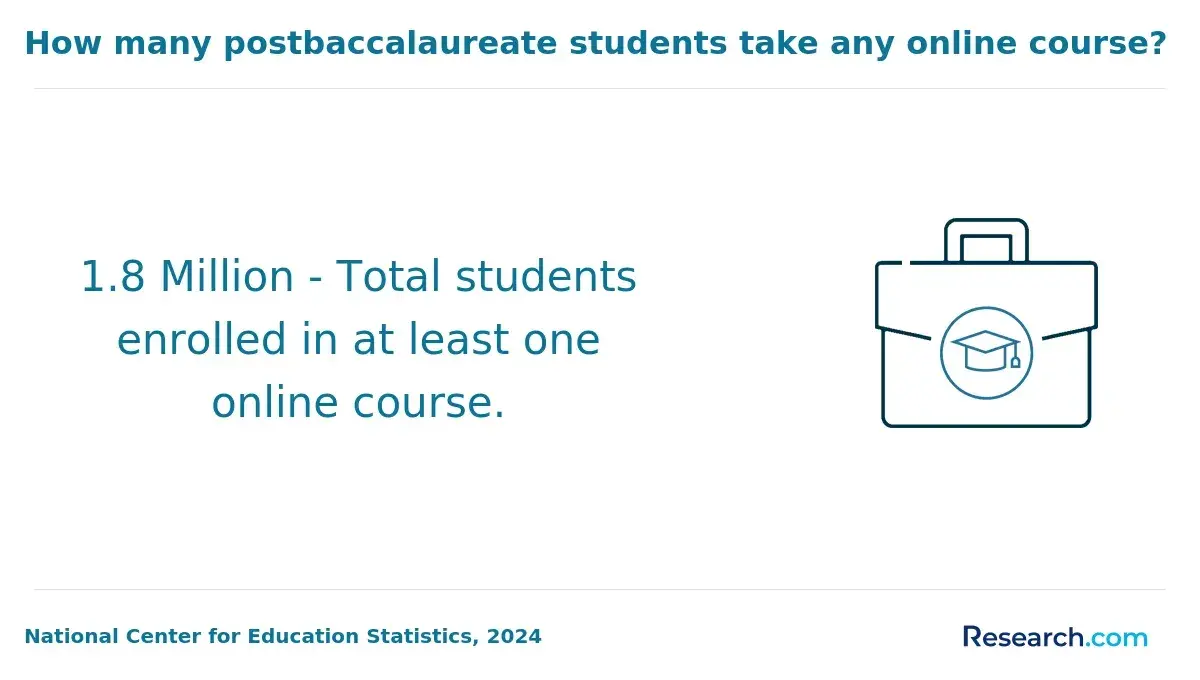
Studies indicate that retention rates for online degrees range from 25% to 60%, surpassing the 8% to 10% typical in traditional programs. Additionally, 77% of academic leaders surveyed by the Babson Survey Research Group report that learning outcomes in online programs are often comparable to or better than those in traditional settings.
Employer acceptance of online reading & literacy degrees has grown significantly in recent years. Many school districts and educational organizations now recognize accredited online degrees as equally valid for professional advancement and licensure. Graduates of reputable online teacher education programs qualify for the same certifications and salary levels as those who attend traditional programs.
Data from Learning House and Aslanian Market Research also highlight that 44% of online students benefit from lower costs compared to traditional students, making online degrees a viable option for working adults aiming to advance their careers.
Ultimately, the credibility of a reading & literacy degree-whether earned online or in person-relies much more on the reputation and accreditation of the institution than on the instructional format. Employers and licensing authorities prioritize institutional quality to ensure graduates meet the professional standards necessary for educational careers.
How Much Does Each Type of Reading & Literacy Degree Typically Cost?
Understanding the tuition differences across various reading & literacy degree levels is crucial for effective budgeting and realistic financial planning. These costs can vary widely based on factors such as the type of degree, the institution's public or private status, and whether the program is offered online or on campus.
Below is a breakdown of typical tuition ranges for each major reading & literacy degree type to help guide prospective students in their decision-making process.
- Associate Degree in Reading & Literacy: Tuition at public community colleges typically ranges from $3,000 to $8,000 per year, with private colleges charging up to $15,000 annually. Costs tend to be lower for in-district students, and many learners benefit from federal Pell Grants, state scholarships, and work-study programs that help offset expenses.
- Bachelor's Degree in Reading & Literacy: Annual tuition at public universities usually falls between $9,000 and $13,000 for in-state students, while out-of-state and private institutions often exceed $25,000. Online options may provide reduced rates and greater flexibility. Financial aid opportunities include federal and state grants, university scholarships, and loan forgiveness programs targeted to teacher education.
- Master's in Reading & Literacy: Tuition varies broadly, ranging from roughly $7,000 to $32,000 for the full program, depending largely on school type and delivery format. Online master's programs often cost between $6,000 and $13,000 annually, whereas some private universities may charge up to $31,644. Common financial aid sources include federal loans, TEACH Grants, merit scholarships, and employer tuition reimbursements.
- Doctorate in Reading & Literacy (Ed.D./Ph.D.): Doctoral program costs can fluctuate significantly, with public institutions typically charging $20,000 to $60,000 for the degree, and private institutions often higher. Many doctoral candidates secure funding via assistantships, research grants, or tuition waivers, substantially reducing net costs.
What Jobs Can You Get with Each Type of Reading & Literacy Degree?
Degree level significantly influences career opportunities and the types of roles graduates in reading & literacy are qualified for. Higher degrees tend to open doors to specialized, leadership, and research-focused positions within education and related fields.
Below is a list outlining common jobs associated with each reading & literacy degree type.
- Associate Degree in Reading & Literacy: Graduates typically find entry-level roles such as teacher's aide, instructional assistant, or preschool literacy assistant. These positions focus on supporting certified teachers, assisting with lesson preparation, and working closely with students to build foundational reading skills, usually in early childhood centers, elementary schools, or community programs.
- Bachelor's Degree in Reading & Literacy: Those with a bachelor's degree are often qualified for elementary or secondary school teacher roles, emphasizing literacy instruction. Other roles include reading tutors and paraprofessionals in schools or literacy organizations. Responsibilities usually involve classroom teaching, developing literacy lesson plans, and assisting students with diverse reading challenges. According to recent data, the average salary for a reading teacher is about $45,468 per year.
- Master's Degree in Reading & Literacy: A master's degree prepares graduates for specialized positions such as reading specialist, literacy coach, reading interventionist, or adult literacy educator. These roles provide advanced instructional support, designing and implementing reading interventions, coaching educators, and working in clinical or community settings. Salaries often range from $50,947 to $53,488 per year. Graduates may also explore careers in curriculum development, educational publishing, or consulting. For those interested, exploring affordable online masters programs can be a practical step.
- Doctoral Degree (PhD or EdD) in Reading & Literacy: Doctoral graduates are suited for university faculty positions, educational researchers, or district-level curriculum directors. These roles involve conducting literacy research, teaching at universities, developing educational policies, and leading district-wide reading initiatives. Employment settings include higher education, research institutions, and school district offices, with salary varying by role and location.
How Do Salaries Differ by Reading & Literacy Degree Type?
Degree level often plays a significant role in determining earning potential in reading & literacy careers. Understanding these salary differences can help students make informed decisions about their education and future career paths.
Below is an overview of typical salary ranges by reading & literacy degree type to guide students considering various educational options.
- Associate degree in reading & literacy: These programs are uncommon and generally prepare graduates for paraprofessional or support roles like teacher assistants or reading aides. Starting salaries typically range from $25,000 to $35,000 annually, with limited potential for salary growth unless additional education is pursued.
- Bachelor's degree in reading & literacy: Graduates often qualify for entry-level teaching positions or roles such as adult literacy or GED instructors. Average starting salaries fall between $38,000 and $52,000 per year, varying by location and institution funding. Urban and well-funded areas tend to offer higher pay, while rural regions often pay less.
- Master's degree in reading & literacy: This degree is common among reading specialists, literacy coaches, and lead teachers. Median salaries usually range from $50,000 to $65,000, with some roles like instructional coordinators or library/media specialists earning up to $74,000 annually. Advanced degrees also boost long-term earning potential, especially for experienced professionals in high-demand regions.
- Doctoral degree in reading & literacy: Doctorate holders typically work as curriculum directors, university faculty, or researchers, roles that come with the highest salary potential. Starting salaries often range from $70,000 to $90,000 or more, influenced by institution, region, and experience.
When exploring degree options, students may benefit from considering programs offered by non profit accredited online colleges, which can provide flexible pathways to advance their education while managing work and life commitments.
Is There High Demand for Reading & Literacy Degree Holders in the Job Market?
The demand for reading & literacy degree holders in the U.S. job market remains sustained but varies significantly by region and credential level. Key factors driving this demand include persistent literacy challenges; for instance, 25 million children cannot read proficiently and 43% of adults are functionally illiterate. Many school districts require at least a bachelor's degree and teaching license to qualify for reading specialist or interventionist roles, whereas a master's in literacy opens doors to advanced positions like curriculum specialist or instructional coach.
According to projections from the U.S. Bureau of Labor Statistics, instructional coordinators-a category encompassing many literacy roles-are expected to experience 10% job growth through 2030, with around 20,400 annual job openings. Salaries range from about $45,468 for reading teachers to $52,070 for reading specialists, with master's degree holders often seeing additional salary increases up to $10,777 annually compared to bachelor's degree holders.
These figures highlight that reading & literacy graduates are finding steady opportunities, especially when equipped with advanced qualifications and specialized skills.
Emerging technologies and evolving educational policies also influence workforce needs for literacy professionals. The integration of digital tools in classrooms requires experts who can guide technology use in literacy instruction and help teachers adapt to shifting standards. Additionally, increasing populations of English language learners-who grew by half a million between 2010 and 2018-increase the demand for specialists skilled in diverse student needs.
Regional differences further shape demand; states with teacher shortages or higher populations with low literacy rates typically show stronger hiring trends. While some data indicate a decline for traditional literacy specialist roles, broader roles like literacy coaches and instructional coordinators are expected to grow. For prospective students interested in stable career paths, reading & literacy degrees align with steady, regionally varied opportunities linked to evolving education challenges and workforce demands.
Those exploring options may also consider looking at high paying jobs trade school data to evaluate broader career prospects.
What Factors Should You Consider When Picking a Type of Reading & Literacy Degree?
Choosing the right degree level in reading & literacy is a critical decision that directly influences your career opportunities and personal circumstances. Aligning your education with your long-term career goals and available resources ensures a more successful and fulfilling professional path.
Consider these key factors to evaluate before selecting a program:
- Career Goals: Your desired role-such as classroom teacher, reading specialist, literacy coach, or postsecondary educator-dictates the degree you need. For example, public school teaching usually requires a bachelor's degree plus certification, while specialist or coaching roles often require a master's degree or additional licensure.
- State Licensure Requirements: Each state has unique certification standards that may include master's degrees, supervised practicum hours, and passing specific exams. Early research on your state's requirements prevents unexpected delays in becoming certified.
- Time Commitment: Degree programs vary in length, with bachelor's degrees typically taking four years, master's adding one to two years, and doctorates requiring two to six additional years. Consider your availability and whether full-time, part-time, or online options better suit your life balance.
- Program Focus and Specializations: Some programs offer concentrations like early childhood literacy or bilingual education. Choosing a specialization aligned with your interests can enhance your skills and job prospects.
- Cost and Financial Aid: Tuition varies widely, with doctoral degrees generally costing the most. Investigate financial aid, scholarships, and employer tuition assistance to help manage expenses.
- Salary Potential: Higher degrees often lead to increased earning potential. Reading specialists and literacy coaches with master's degrees earn median salaries between $60,000 and $70,000, while postsecondary educators with doctorates earn nearly $84,000 on average annually.
What Reading & Literacy Graduates Say About Their Degree and Salary
- Avalee: "Completing my bachelor's degree in reading & literacy was a transformative experience that opened doors I never imagined. The program's strong emphasis on evidence-based instructional strategies prepared me exceptionally well to support struggling readers in diverse classroom settings. I now thrive as an elementary literacy coach, guiding teachers to adopt effective practices that truly make a difference. Beyond career readiness, this degree deepened my passion for fostering lifelong learning among children and supporting families in my community."
- Jamir: "After earning my master's in reading & literacy, I immediately noticed how my career trajectory shifted. The advanced coursework equipped me with critical assessment skills that employers highly seek, giving me a significant edge in securing a position as a reading specialist at a public school. This degree didn't just expand my knowledge; it provided real tools to influence literacy outcomes positively across multiple grade levels. Reflecting on my professional growth, I now feel more confident advocating for literacy initiatives on a district level."
- Chiara: "Pursuing a doctorate in reading & literacy has been both challenging and deeply rewarding. The research opportunities have allowed me to contribute to new understandings of literacy development in multilingual learners, an area I'm passionate about. Balancing academic rigor with community engagement, I've also developed programs that support immigrant families adjusting to new educational environments. This journey has sharpened my leadership skills and empowered me to influence policy decisions related to equitable literacy access."
Other Things You Should Know About Reading & Literacy Degree Programs & Salaries
In 2027, someone with a reading and literacy degree can expect an average salary ranging from $50,000 to $75,000 annually. Salaries may vary based on location, experience, and institution type, with higher earnings possible for advanced positions or in high-demand areas.
In 2027, a reading specialist can expect an average annual salary ranging from $55,000 to $75,000. This varies based on geographical location, level of experience, and the educational institution or district's budget priorities. Advanced certifications and additional responsibilities often lead to higher earnings.
References
- Accelerated Online Elementary Reading Education Degree B.S.Ed./M.S. https://und.edu/programs/elementary-education-ms-reading-education/index.html
- Is an Online Degree as Good as a Traditional One? https://scs.georgetown.edu/news-and-events/article/8050/is-an-online-degree-as-good-as-a-traditional-one
- 8 Elements of Reading & Literacy Instruction https://www.hmhco.com/blog/8-elements-of-reading-literacy-instruction
- Redesigned Master’s Degree Program Addresses a National Need for Reading and Literacy Specialists - Bank Street College of Education https://www.bankstreet.edu/news-events/news/redesigned-masters-degree-program-addresses-a-national-need-for-reading-and-literacy-specialists/
- Reading & Literacy Instruction (MSEd or EdS) Master's Degree Online https://www.baypath.edu/academics/graduate-programs/reading-literacy-instruction-msed-eds/
- M.Ed. in Curriculum and Instruction: Reading and Literacy https://www.ashland.edu/program/curriculum-and-instruction-reading-and-literacy-masters
- Reading Specialization (M.S.) https://www.hood.edu/graduate/academics/programs/reading-specialization-ms
- 4 Jobs for MSE in Reading Graduates https://degree.astate.edu/online-programs/education/master-of-science/reading-literacy/4-jobs-for-mse-in-reading-graduates/
- Online M.Ed. | Reading and Literacy Online | Teaching, Learning & Culture https://tlac.tamu.edu/academics/online-m-ed-emphasis-in-reading-and-literacy/
- Digital Literacy vs. Literacy: History, Skills & Ways to Level Up https://www.futuresavvy.co.uk/l-d-insights/literacy-vs-digital-literacy-what-are-the-differences


