
2027 Most Popular Concentrations in Business Development Degrees

Co-Founder and Chief Data Scientist
Choosing a business development concentration is not just a course-planning decision. It affects the roles you qualify for, the industries where your skills are most relevant, and how clearly employers can connect your education to their growth needs.
Business development sits at the intersection of sales, strategy, market research, partnerships, finance, operations, and customer growth. Because the field is broad, a general business degree may not be specific enough for students targeting roles in areas such as digital marketing, sales strategy, technology commercialization, international expansion, or corporate growth. Recent studies show that 68% of employers prioritize candidates with targeted skills in areas like digital marketing, sales strategy, or international business, which makes concentration choice especially important for students who want a sharper career signal.
This guide explains the most common business development concentrations, the skills they build, how admission and accreditation can differ, what to expect from online and campus formats, which paths may be more difficult, and how each specialization connects to careers and salary potential. Use it to compare options based on your strengths, target industry, preferred work style, and return on investment.
Key Benefits of Popular Concentrations in Business Development Degrees
- Specialized concentrations enhance career prospects by aligning skills with high-growth sectors where business development roles have increased by 15% over five years.
- Focused training sharpens analytical, negotiation, and strategic planning skills crucial for securing and expanding market opportunities.
- Industry-specific expertise meets employer demand for professionals adept at navigating unique challenges, boosting employability and long-term job security.
What Are the Most Popular Business Development Concentrations in 2027?
The most popular business development concentrations tend to focus on one of five outcomes: growing revenue, improving operations, launching new ventures, using technology to create competitive advantage, or expanding into new markets. The right choice depends less on which concentration sounds impressive and more on which type of business problem you want to solve.
- Strategy and Corporate Finance: This concentration is best for students who want to evaluate markets, competitors, investments, acquisitions, and long-term growth opportunities. It fits roles such as strategy analyst, corporate strategist, business analyst, and growth planning specialist, especially in technology, finance, healthcare, and consulting environments.
- Operations Management: Students who prefer systems, process improvement, logistics, and execution often choose this track. It is useful in manufacturing, retail, consumer packaged goods (CPG), supply chain, and service operations where business development depends on scalable delivery and cost control.
- Entrepreneurship and Innovation: This concentration prepares students to identify opportunities, build business models, pitch ideas, evaluate funding options, and manage early-stage growth. It is relevant for startup founders as well as employees leading new products, markets, or internal ventures inside established companies.
- Technology and Digital Transformation: This path focuses on how companies use digital tools, data systems, automation, and technology adoption to improve growth. It is a strong fit for students interested in technology sales, product strategy, platform partnerships, data-informed decision-making, or future leadership roles connected to technology and information systems.
- Co-Creation and AI-Driven Development: This emerging area emphasizes customer collaboration, AI-supported research, lead generation, personalization, and innovation workflows. It is especially relevant in B2B services, software, consulting, and industries where customers increasingly expect to participate in shaping products and services.
These concentrations also vary by industry. Tech-focused business development often rewards technical fluency and partnership strategy. CPG business development may emphasize distribution, retail relationships, pricing, and channel growth. B2B services usually require consultative selling, relationship management, and a deep understanding of client pain points. Geography can matter as well, since the top states for business development career opportunities include Georgia, South Carolina, Texas, and North Carolina.
If you are still comparing broader academic pathways, reviewing different college majors can help you decide whether business development, marketing, finance, management, entrepreneurship, or another business-related major is the better foundation for your goals.
What Skills Are Required for the Top Business Development Concentrations?
The top business development concentrations require a mix of analytical, commercial, technical, and interpersonal skills. Employers usually look for candidates who can do more than discuss growth in broad terms. They want professionals who can identify opportunities, measure risk, build relationships, and turn strategy into revenue or operational results.
- Strategic positioning and financial acumen: Strategy and finance-heavy concentrations require competitive analysis, market sizing, portfolio evaluation, budgeting, pricing awareness, and merger-and-acquisition frameworks. These skills help professionals judge whether a growth opportunity is realistic, profitable, and aligned with organizational goals.
- Operational efficiency expertise: Operations-focused tracks require process mapping, project management, supply chain awareness, workflow improvement, and performance measurement. These skills matter when growth depends on delivering products or services faster, cheaper, or at higher quality.
- Sales and relationship-building ability: Sales-oriented concentrations require prospecting, negotiation, account planning, presentation skills, customer discovery, and long-term client management. This is where strategic planning and client relationship management become practical daily skills rather than abstract business concepts.
- Market research and data analysis skills: Strong business development professionals know how to interpret customer data, competitor signals, financial statements, survey results, and campaign metrics. Coursework in statistics, analytics, accounting, or research methods can be especially helpful for students pursuing data-informed growth roles.
- Technical fluency: Technology and AI-related concentrations increasingly expect students to understand data tools, customer relationship management platforms, automation, digital channels, and basic technology adoption issues. You do not always need to be a programmer, but you should be able to work effectively with technical teams and evaluate technology-enabled opportunities.
The strongest candidates usually combine one hard skill area with one relationship skill area. For example, a student who pairs financial analysis with negotiation is prepared for corporate development, while a student who combines analytics with customer discovery may be well suited for growth marketing or product-led business development.
Students who need flexible entry points or scheduling may compare college open enrollment programs, especially if they are working while building business development skills.
Do Different Business Development Concentrations Have Different Admission Requirements?
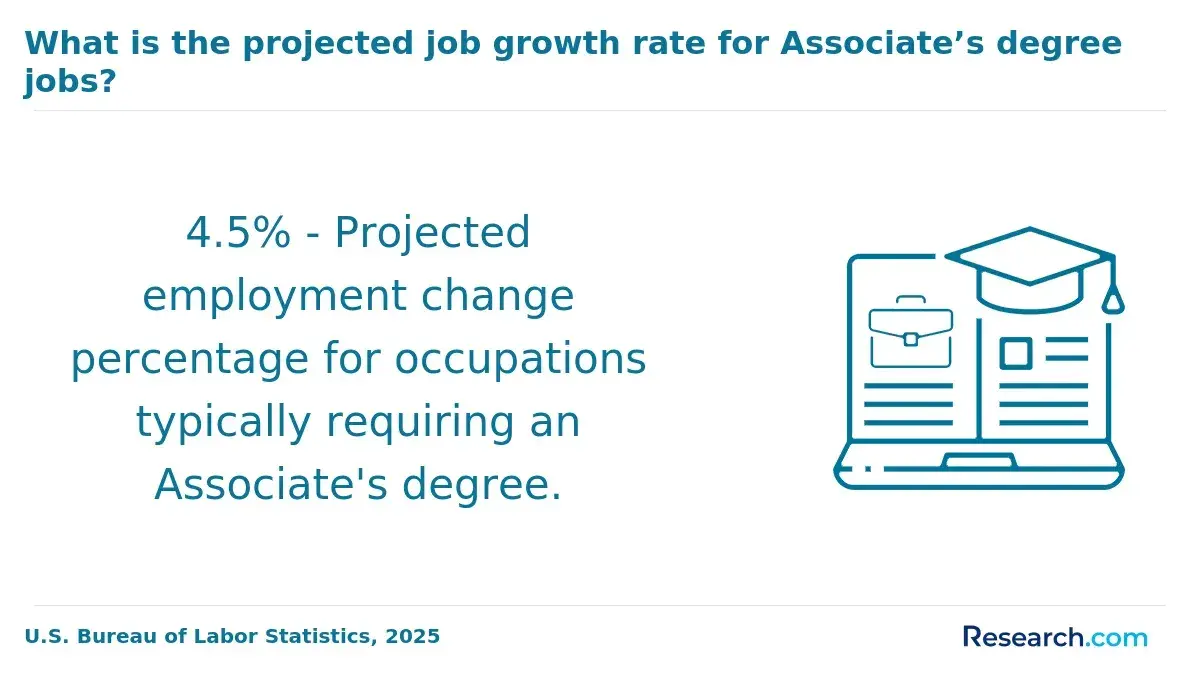
Yes. Different business development concentrations can have different admission requirements, especially at the graduate level or in programs with quantitative, technical, or executive-style tracks. Most programs share baseline requirements, such as a bachelor's degree and a minimum GPA, often between 2.5 and 3.0, but specialized tracks may ask for additional preparation.
Finance, analytics, technology, and operations concentrations are more likely to expect prior coursework or demonstrated strength in mathematics, statistics, accounting, economics, or data analysis. This is not just an admissions filter; these subjects often appear early in the curriculum, so students without the right background may struggle with the pace.
Programs with MBA concentration prerequisites and GPA standards may also evaluate standardized test scores, prerequisite courses, resumes, recommendations, and professional experience. Some programs require GMAT or GRE results unless applicants have substantial relevant work history. Others waive tests but look more closely at undergraduate performance or work experience.
Sales management, corporate strategy, and executive business development tracks often prefer applicants with industry experience because class discussions and projects rely on real business scenarios. Entrepreneurship and innovation concentrations may ask for a portfolio, venture concept, personal statement, or evidence of leadership, initiative, or prior project work.
Before applying, compare requirements concentration by concentration rather than assuming all tracks inside the same business school use identical standards. If you are weighing business development against other fields, researching a major that makes the most money can also help you understand how admissions effort, tuition, and expected career outcomes fit together.
Do Specific Business Development Concentrations Require Accredited Programs?
Business development does not usually require a license in the way fields such as nursing, accounting, or teaching may. Even so, accreditation matters because it affects quality assurance, credit transfer, graduate school eligibility, employer confidence, and sometimes access to certifications or tuition assistance.
- Licensure and certification: Business development itself typically lacks mandatory licensure, but some specialized credentials, employer training programs, or advanced certificates may prefer or require coursework from accredited institutions.
- Employer confidence: Employers often view accredited programs as a safer signal because the curriculum has been reviewed against recognized academic and professional standards. This can matter more for online programs, lesser-known institutions, and career-changing applicants.
- Curriculum quality: Accredited programs are expected to maintain current coursework in areas such as strategic management, stakeholder engagement, finance, analytics, ethics, and performance measurement.
- Credit transfer and graduate study: Degrees and credits from accredited institutions are generally easier to transfer and more likely to be recognized by graduate schools and professional development providers.
- Global mobility: Internationally recognized accreditations like AACSB and ACBSP can support cross-border recognition by signaling consistent business education standards.
Students should verify both institutional accreditation and any business-school-specific accreditation before enrolling. Institutional accreditation is especially important for federal financial aid eligibility, transfer pathways, and degree recognition. Programmatic business accreditation can add value, but it should be considered alongside curriculum fit, faculty experience, career services, tuition, and graduation outcomes.
Is the Quality of Online Business Development Concentration Tracks the Same as On-Campus Programs?
Online business development concentration tracks can be comparable in quality to on-campus programs when they come from accredited institutions, use the same academic standards, and provide meaningful faculty interaction, career support, and applied projects. Format alone does not determine quality; program design does.
- Curriculum consistency: Strong programs align online and on-campus learning objectives, major assignments, case studies, and assessment standards so students build the same core competencies.
- Accreditation standards: Accreditation helps confirm that both formats meet recognized expectations for academic quality and institutional accountability.
- Faculty expertise: Quality online tracks use qualified faculty who are actively involved in teaching, feedback, discussion facilitation, and course design rather than relying only on static recorded materials.
- Technology and collaboration: Effective online programs provide reliable learning platforms, virtual teamwork tools, simulations, discussion formats, and access to business databases or software where relevant.
- Student support services: Advising, tutoring, library access, disability services, technical support, and career coaching should be available to online students, not only campus-based students.
- Assessment approaches: Comparable programs use consistent grading standards, projects, presentations, exams, and applied assignments to evaluate whether students can use business development concepts in realistic scenarios.
Online tracks may be better for working adults who need flexibility, while on-campus tracks may appeal to students who want face-to-face networking, campus recruiting, and structured classroom interaction. Hybrid programs can offer a middle ground, but students should confirm residency requirements, synchronous meeting times, travel expectations, and group project demands before enrolling.
When I spoke with a graduate from a popular business development concentration who completed a hybrid program, she said her biggest surprise was that the online courses were not easier. "At first, I worried that the online courses wouldn't be as challenging or engaging," she explained, "but the faculty's commitment was clear-they brought real-world insights and stayed connected through lively discussions." She noted that curriculum reviews helped keep workload and content depth consistent across formats. The experience required self-discipline, but it also helped her become more adaptable, which she later found useful in employer interviews.
Which Business Development Concentration Is the Hardest to Complete?
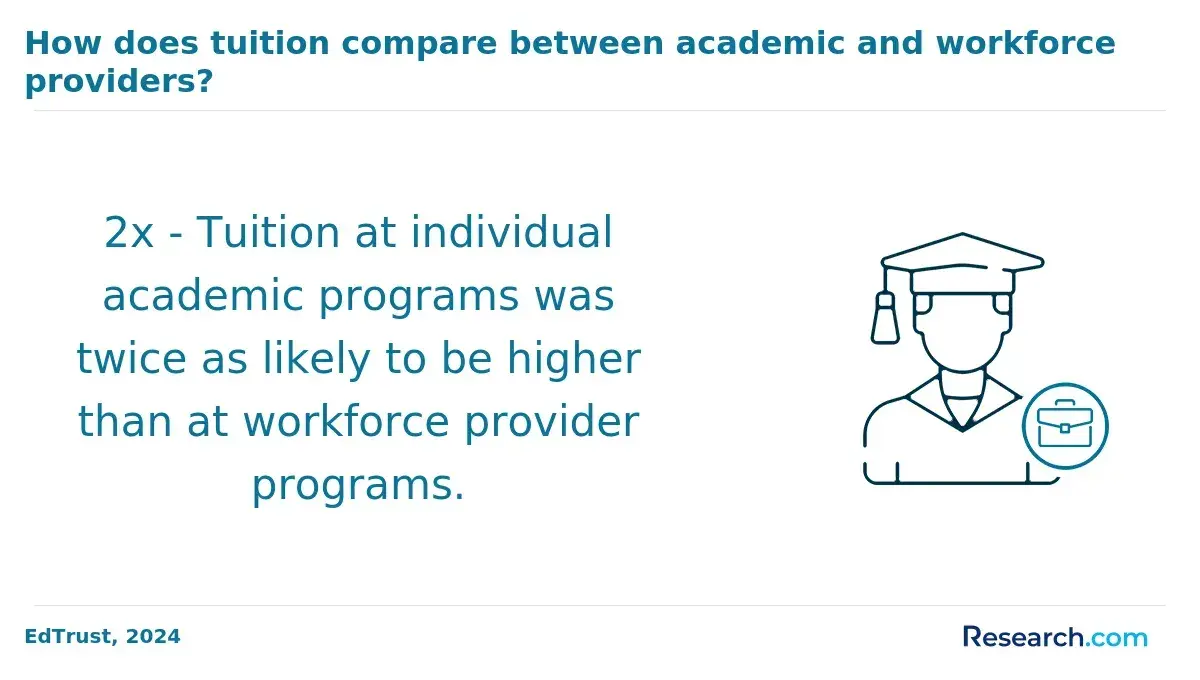
The hardest business development concentration is usually the one that combines quantitative analysis, technical tools, and applied business decision-making. For many students, this means finance, analytics, technology, or operations-oriented tracks are more demanding than concentrations centered mainly on general management or relationship-based sales.
- Intensive quantitative focus: Courses may involve calculus, statistics, accounting, forecasting, modeling, and programming. Students who have been away from math-heavy coursework may need extra preparation before entering these tracks.
- Advanced technical application: The difficulty comes not only from learning formulas or software but from applying them to ambiguous business problems, such as pricing a new market entry, evaluating risk, or deciding whether a growth initiative is financially defensible.
- Competitive salary outcomes: Quantitative and technical concentrations can lead to higher-than-average salaries within business disciplines because employers value professionals who can connect data, technology, and growth strategy.
- Employment market constraints: Some technical business development pathways are specialized. Despite solid compensation, job availability is limited, with only around 1,000 bachelor's graduates entering this field annually, indicating a niche but competitive market.
Difficulty also depends on your background. A student with strong math skills may find analytics manageable but struggle with negotiation or public speaking. Another student may excel in client-facing courses but find financial modeling difficult. Before choosing a concentration, review course descriptions, prerequisites, capstone expectations, and software requirements. If possible, speak with current students or advisors about workload rather than relying only on the concentration title.
What Careers Can You Get with Each Business Development Specialization?
Each business development specialization points toward a different set of roles. Some prepare students for direct revenue generation, while others focus on strategy, operations, marketing, partnerships, or venture creation. The table below shows how common concentrations often translate into career directions.
| Specialization | Common Career Paths | Best Fit for Students Who Enjoy |
| Entrepreneurship and Small Business Management | Startup founder, small business owner, venture development associate, innovation program coordinator, new market launch specialist | Building from scratch, testing ideas, managing uncertainty, pitching, and leading small teams |
| Sales and Business Development Management | Business development representative, account executive, sales manager, partnerships manager, revenue growth specialist | Prospecting, negotiation, client relationships, presentations, and measurable revenue goals |
| Marketing and Consumer Behavior | Marketing manager, market analyst, advertising specialist, growth marketing associate, customer insights analyst | Understanding customers, analyzing campaigns, shaping messaging, and improving demand generation |
| Leadership and Organizational Development | Operations manager, management analyst, organizational development specialist, department manager, senior leadership-track roles | Managing teams, improving internal systems, leading change, and aligning people with strategy |
Entrepreneurship and Small Business Management is strongest for students who want to launch ventures or help organizations develop new products, services, or markets. Sales and Business Development Management is the most direct route into revenue-facing positions in finance, technology, manufacturing, and professional services. Marketing and Consumer Behavior is useful for students who want to connect business development with customer research, branding, advertising, and demand generation. Leadership and Organizational Development fits students who want to improve how teams, departments, and organizations execute growth strategies.
A professional I spoke with who specialized in entrepreneurship and small business management said the concentration helped him see more than one career route. At first, he felt torn between launching a startup and joining a growing company. "The challenge was balancing my passion for innovation with practical business realities," he said. Networking, trial projects, and early customer research helped him realize that the same skills could support founder roles, product expansion roles, and internal innovation positions.
What Market Trends Are Shaping the Top Business Development Concentrations in 2027?
Market trends are changing what employers expect from business development graduates. The strongest concentrations now tend to combine traditional growth skills with data, digital tools, customer collaboration, and faster feedback loops.
- Agentic AI and automation: AI is moving beyond basic task automation into systems that can support lead research, outreach prioritization, customer segmentation, proposal development, and forecasting. This increases the value of concentrations that combine technology fluency with business strategy.
- Community-driven growth and tribe-led development: Companies are paying more attention to engaged communities, user groups, brand advocates, and peer networks. This trend supports concentrations in customer engagement, digital marketing, partnerships, and community-led growth.
- Co-creation and customer collaboration: Business development increasingly involves customers earlier in product planning, service design, and market validation. Concentrations that teach research, partnership management, customer discovery, and collaborative strategy are well aligned with this shift.
- Customer experience excellence: Buyers expect faster responses, smoother onboarding, personalized service, and consistent support across channels. Business development professionals who understand retention, customer success, and experience strategy can contribute beyond initial sales.
Students should treat trends as signals, not guarantees. A concentration tied to AI or automation may be valuable, but only if the curriculum teaches usable business applications rather than vague technology concepts. Likewise, community-led growth and customer experience tracks are strongest when they include analytics, experimentation, and measurable outcomes.
What Are the Average Salaries for Popular Business Development Concentrations?
Salaries in business development vary widely by title, industry, location, experience level, and compensation structure. Commission, bonuses, equity, and performance incentives can make total compensation very different from base salary, especially in sales-heavy or technology-focused roles.
- Business development specialist: Entry-level specialists typically start at around $52,000 annually, with the average compensation reaching $137,000. The median salary is approximately $114,000, but the top 10% of earners make over $250,000 per year. Earnings depend heavily on experience, geographic location, and commission or bonus structures, with tech hubs like San Francisco offering significantly higher pay.
- Business development professional: This broader category has an average salary of $75,499 in the United States. Those in the 25th percentile earn about $50,000, while the 75th percentile reaches $89,500. Professionals with extensive experience and strong client relationships can exceed $122,500, especially when commission-based compensation is factored in.
- Business development manager: Managers in this role, particularly in areas like San Jose, California, earn an average of $179,356, with salaries ranging between $156,153 and $203,840. This senior concentration reflects greater responsibility and strategic influence, and geographic location remains a key factor in earnings.
Students comparing an MBA business development salary United States should look beyond averages. Ask whether reported figures include commissions or bonuses, whether they reflect a specific metro area, and whether the role is entry-level, mid-career, or senior. Understanding the business development specialist average compensation is useful for early-career planning, but your actual earnings will depend on the market you enter and how directly your role affects revenue.
Cost should be part of the decision as well. A nonprofit accredited online university may help some students control expenses while earning a recognized credential. Students focused on minimizing undergraduate business education costs can also compare options for the cheapest online bachelor's degree business administration before committing to a concentration path.
How Do You Choose the Best Concentration in a Business Development Program?
Choose the best business development concentration by working backward from your target role, preferred industry, strengths, and budget. A concentration should make your degree more focused, not simply add a label to your transcript.
- Career aspirations and target roles: Identify the job titles you want after graduation. Entrepreneurship is appropriate for venture creation and innovation roles. Sales and business development management fits revenue-facing roles. Corporate strategy and finance support planning, market analysis, and investment decisions. Marketing and consumer behavior can lead to growth, brand, and customer insights roles.
- Industry demand and market trends: Research whether your target industry values the concentration. Technology employers may value data fluency, product knowledge, and partnerships. CPG employers may emphasize channel strategy and retail execution. Professional services firms may prioritize consultative selling and relationship management.
- Skill development priorities: Be honest about the skills you need most. Finance and analytics build quantitative judgment. Sales and partnerships build negotiation and client management. Operations builds execution and process improvement. Leadership tracks build team management and organizational change skills.
- Program flexibility and electives: Review how many electives you can choose and whether the program allows cross-disciplinary combinations. Institutions like National University and Indiana University provide options to tailor coursework to better meet your unique goals and interests.
- Personal interests and compatibility: A concentration should match how you like to work. If you enjoy analysis and structured decision-making, finance or analytics may fit. If you prefer persuasion and relationship-building, sales or partnerships may be better. If you like ambiguity and experimentation, entrepreneurship may be a stronger match.
Before enrolling, compare curriculum maps, faculty backgrounds, internship options, capstone projects, career services, tuition, transfer policies, and alumni outcomes. Also consider your work style. For example, students who prefer independent analytical work may want to review careers discussed in guides to the best highest paying jobs for introverts when deciding how a business development concentration fits their personality.
What Graduates Say About Their Popular Concentrations in Business Development Degrees
- : "Pursuing the marketing concentration within my business development degree was an eye-opening experience. The curriculum was comprehensive, and although the average cost of attendance hovered around $15,000 per year, the investment felt worthwhile considering the practical skills I gained. This program has truly enhanced my confidence in launching creative campaigns and has opened doors to new career opportunities. — Iker"
- : "Choosing a concentration in strategic management gave me a much deeper understanding of business planning and leadership. Reflecting on my journey, I appreciate how the moderate tuition fees around $14,000 annually made this degree accessible, helping me progress into a managerial role more smoothly than I expected. It was a challenging but rewarding path that reshaped my career trajectory. — Hayden"
- : "The finance concentration within business development was a professional game-changer for me. Though the cost-typically about $16,000 per year-was significant, I weighed it against the salary increase and networking opportunities it afforded. This focused education gave me the analytical tools to succeed in corporate finance environments, confirming my decision to specialize early on. — Caleb"
Other Things You Should Know About Business Development Degrees
In 2027, emerging concentrations in business development degrees include digital transformation, sustainable business practices, and global market strategy. These concentrations address the growing demand for expertise in digital innovation, environmental sustainability, and global commerce, reflecting the evolving landscape of business demands.
Yes, students often have the option to combine business development concentrations with other disciplines such as marketing, finance, or entrepreneurship. This interdisciplinary approach can create a broader skill set and increase career flexibility. Dual majors or minors are common ways to achieve this integration.
In 2027, many business development programs include certifications as part of their degree concentrations. This integration enables students to acquire specialized knowledge and practical skills in areas like project management or digital marketing, enhancing their employability and career prospects. Certifications often complement the core curriculum, providing added value to the educational experience.
References
- Online vs. Traditional Doctoral Programs: Pros and Cons https://snatika.com/single-blog/online-vs-traditional-doctoral-programs%3A-pros-and-cons
- The 9 Most Important Skills for Business Development https://www.aceproject.com/blog/the-9-most-important-skills-for-business-development-9387815/
- Business Development Degree Guide By All Bachelor Degrees https://allbachelordegrees.com/degrees/business-development-degree/
- Global Standard for Business Development Certification | BDA® https://bda-global.org/en/certifications/
- Top Skills Required for Business Development - Blog - National Skills Agency https://www.nationalskillsagency.co.uk/blog/blog/top-skills-required-for-business-development
- Top 10 MBA Programs for Strategy or Business Development in 2025 | FIND MBA https://find-mba.com/lists/top-business-schools-for-strategy-or-business-development
- Business Administration Concentrations: How to Cater Your BBA to Your Career Goals https://www.umassglobal.edu/blog-news/business-administration-concentrations-cater-your-bba-your-career-goals
- A Guide to MBA Concentrations https://www.collegeessayguy.com/blog/mba-concentrations
- Five Business Concentrations To Consider Now https://poetsandquantsforundergrads.com/news/five-business-concentrations-to-consider-now/
- Top Five Trends in Global Business Dynamics - Euromonitor.com https://www.euromonitor.com/article/top-five-trends-in-global-business-dynamics


