2027 How Fast Can You Get a Photography Degree Online?

Co-Founder and Chief Data Scientist
If you are considering an online photography degree, the main question is not only how fast you can finish. It is whether the program gives you enough time, feedback, technical training, and portfolio development to compete for real work after graduation. Photography is a skills-driven field, so speed only helps when it does not weaken your creative process or your professional body of work.
Online photography programs can be a strong fit for students who need flexibility, already have some visual or media experience, or want to keep working while building formal credentials. Many programs use digital critique, editing software, virtual collaboration, portfolio reviews, and project-based assignments that reflect how photographers often work with clients, editors, art directors, and creative teams.
This guide explains how long online photography degrees usually take, how accelerated formats work, when prior credits or experience may reduce your timeline, and what to check before choosing a fast-track program.
What are the benefits of pursuing a degree in Photography online?
- Fast-track online Photography degrees often allow completion in 1 to 2 years, accelerating entry into a competitive creative industry with expanding digital media demand.
- Online formats provide flexible schedules, enabling students to balance coursework with jobs or personal commitments, promoting steady progress without geographic constraints.
- Practical, project-based learning with virtual critiques and portfolio development equips students with relevant skills tailored to real-world photographic careers.
How long does it typically take to earn a degree in Photography?
The time it takes to earn an online photography degree depends mainly on the credential level, required credits, transfer credits, course load, and whether the school offers accelerated terms. A faster schedule can reduce calendar time, but photography courses often require substantial project work outside class, including shooting, editing, critique, revision, and portfolio preparation.
A bachelor's degree generally requires about 120 credit hours and can be completed in roughly four years by full-time students. Some accelerated tracks may shorten this period to around 3.3 years by using intensive schedules, shorter terms, or year-round enrollment.
A master's degree in photography usually requires between 30 and 60 credit hours. Full-time students commonly finish in about two to three years, while part-time students may take longer because graduate-level studio work, research, critique, and thesis or portfolio requirements can be time-intensive.
Associate degrees and certificate programs are usually faster options because they focus on foundational technical and creative skills rather than the broader general education and advanced studio requirements of a bachelor's degree. These programs may suit students who want entry-level training, portfolio development, or a stepping stone toward a later degree.
Common ways students shorten the timeline
- Transfer eligible college credits: General education and elective credits are often easier to apply than specialized photography courses.
- Choose accelerated or condensed terms: Shorter academic sessions can help students complete more courses in a year.
- Enroll year-round: Taking courses during summer or other available terms may reduce downtime between classes.
- Use prior learning assessments: Some schools award credit for documented college-level learning from work, military training, or professional experience.
- Maintain full-time enrollment: Taking a heavier course load can speed completion, but it requires enough time for shooting, editing, and critique work.
Before enrolling, ask the admissions or academic advising office for a written degree plan showing the earliest realistic graduation date based on your transfer credits, weekly availability, and required course sequence.
Are there accelerated Photography online programs?
Yes. Some online photography programs allow students to move faster through condensed courses, flexible pacing, year-round scheduling, or shorter credential options such as certificates and associate degrees. These programs can be useful for students who already have creative experience, need a portfolio quickly, or want formal training without committing immediately to a longer on-campus program.
However, “accelerated” does not always mean easier. Photography courses usually require regular production work: planning shoots, managing lighting, selecting images, editing files, preparing critiques, and revising portfolios. Students should compare program speed with the amount of feedback, access to instructors, and portfolio support provided.
Examples of fast-track photography degrees online include:
- Southern New Hampshire University: Southern New Hampshire University offers an online AA in photography requiring 60 credit hours across 20 courses. The curriculum includes design theory, image composition, lighting and coloring practices, and post-production editing. The school is accredited by the New England Commission of Higher Education, and the online format supports flexible pacing for students who can handle a more focused schedule.
- Rocky Mountain College of Art and Design: Rocky Mountain College of Art and Design offers an online bachelor's degree in photography with coursework focused on portfolio development, visual storytelling, cinematography, lighting, and business operations for creative professionals. Multiple portfolio reviews help students prepare for fields such as advertising, photojournalism, fashion photography, and digital retouching.
- Sessions College: Sessions College offers several online photography programs ranging from 8 months to 4 years, including certificates and a BFA degree. Tuition is $350 per credit. The programs include mentorship from creative professionals and combine technical training with creative development for students seeking accelerated online photography programs.
Students comparing short credentials may also want to review options such as the best 6 month course with high salary, especially if they are looking for a faster route into a marketable skill area. For photography specifically, the best short program is usually the one that helps you produce strong, review-ready work, not simply the one with the shortest advertised timeline.
How do accelerated Photography online programs compare with traditional ones?
Accelerated online photography programs and traditional programs can lead to similar academic goals, but they differ in pace, structure, workload, and student experience. The right choice depends on how quickly you need to finish, how much weekly time you can commit, and whether you learn best through independent online work or scheduled in-person studio interaction.
- Program pace: Accelerated online programs use condensed courses, shorter terms, or more frequent start dates to help students finish sooner. Traditional programs usually follow longer semesters and a more gradual course sequence.
- Flexibility: Online programs are often better for students balancing work, caregiving, military service, or geographic limits. Traditional programs may offer more predictable studio access and face-to-face critique.
- Workload intensity: A shorter timeline usually means more weekly work. Students may need to complete shoots, editing assignments, discussion posts, and portfolio revisions within compressed deadlines.
- Studio and equipment experience: Traditional programs may provide easier access to campus studios, lighting equipment, printers, and labs. Online students should confirm what equipment and software they must supply themselves.
- Critique and feedback: Both formats can offer strong critique, but online students need to be comfortable uploading work, receiving written or video feedback, and revising independently.
- Accreditation and outcomes: Quality depends on the school and curriculum, not only the delivery method. Accredited programs with rigorous portfolio review and industry-relevant assignments are generally stronger choices than programs that emphasize speed alone.
Students comparing a traditional vs online photography degree timeline should also consider their learning style. If you need frequent in-person demonstrations and studio access, a traditional format may be better. If you are self-directed and can organize shoots around your schedule, an accelerated online option may be more practical.
For students asking what is the easiest 2 year degree to get?, photography should not be judged only by course length. Even shorter photography programs require creative discipline, technical repetition, and a strong portfolio to be useful after graduation.
Will competency-based online programs in Photography affect completion time?
Competency-based education can shorten a photography degree timeline when students already have relevant skills and can prove mastery quickly. Instead of advancing only after a fixed number of weeks in a course, students progress by demonstrating that they understand and can apply required competencies.
In photography, competency may be shown through portfolio submissions, technical assignments, project work, lighting demonstrations, editing tasks, or other evidence of college-level skill. Students who are already comfortable with camera operation, image composition, lighting, color correction, and editing workflows may move through introductory material faster than beginners.
That said, competency-based programs are not automatically faster for everyone. The pace depends on the student's existing skill level, motivation, time management, and ability to produce acceptable work consistently. A student with professional or serious hobbyist experience may benefit more than a student starting from scratch.
Who benefits most from competency-based photography programs?
- Experienced photographers: Students who already shoot regularly and understand basic technical concepts may complete foundational requirements faster.
- Self-directed learners: CBE formats require discipline because progress depends heavily on completing assessments and projects.
- Portfolio-focused students: The model can work well when assessments align with real professional outputs.
- Students with limited schedules: Flexibility helps, but only if the student can dedicate consistent time to production and revision.
Before choosing a competency-based photography program, ask how competencies are assessed, whether faculty provide detailed critique, and whether completed projects can be used in a professional portfolio.
Can you work full-time while completing fast-track Photography online programs?
You can work full-time while completing a fast-track online photography program, but it is demanding. The main challenge is not logging into online classes. It is finding enough uninterrupted time to plan shoots, coordinate subjects or locations, experiment with lighting, edit images, participate in critiques, and revise work based on feedback.
Accelerated programs compress deadlines, so students working full-time need a realistic weekly schedule before enrolling. Photography assignments may also depend on daylight, location access, equipment availability, or other people, which can make last-minute work difficult.
When full-time work and fast-track study may be manageable
- You have a predictable work schedule and can reserve regular blocks for shooting and editing.
- You already own or can access the required camera, lighting, computer, and editing software.
- You have prior photography experience and do not need extra time to learn basic tools.
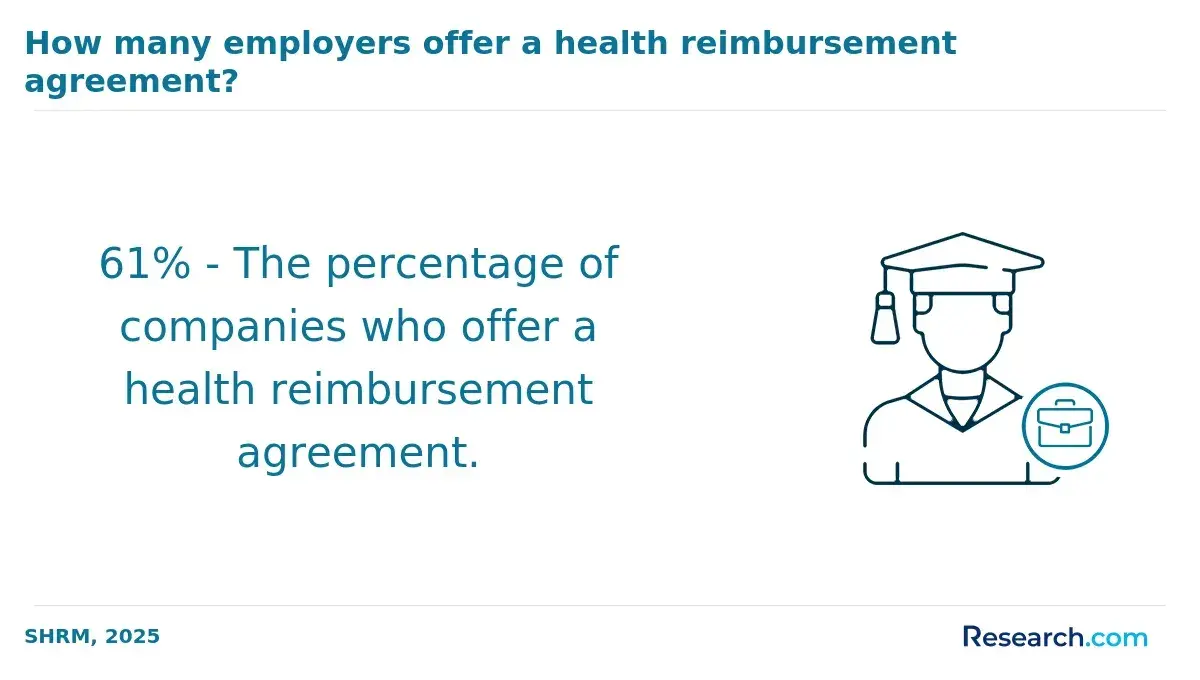
- Your employer offers flexibility during major project deadlines or portfolio reviews.
- You are comfortable studying asynchronously and meeting deadlines without frequent reminders.
When part-time enrollment may be the better choice
- You are new to photography and need more practice with camera settings, lighting, and editing.
- Your job schedule changes often or includes long shifts, travel, or overtime.
- You are building a portfolio from the ground up and need more time for revision.
- You have family or caregiving responsibilities that limit weekend or evening work.
For many working adults, a part-time path may take longer but produce better work. In photography, graduating faster is less valuable if the pace prevents you from building a portfolio that reflects your best technical and creative ability.
Can prior learning assessments (PLAs) shorten Photography degree timelines?
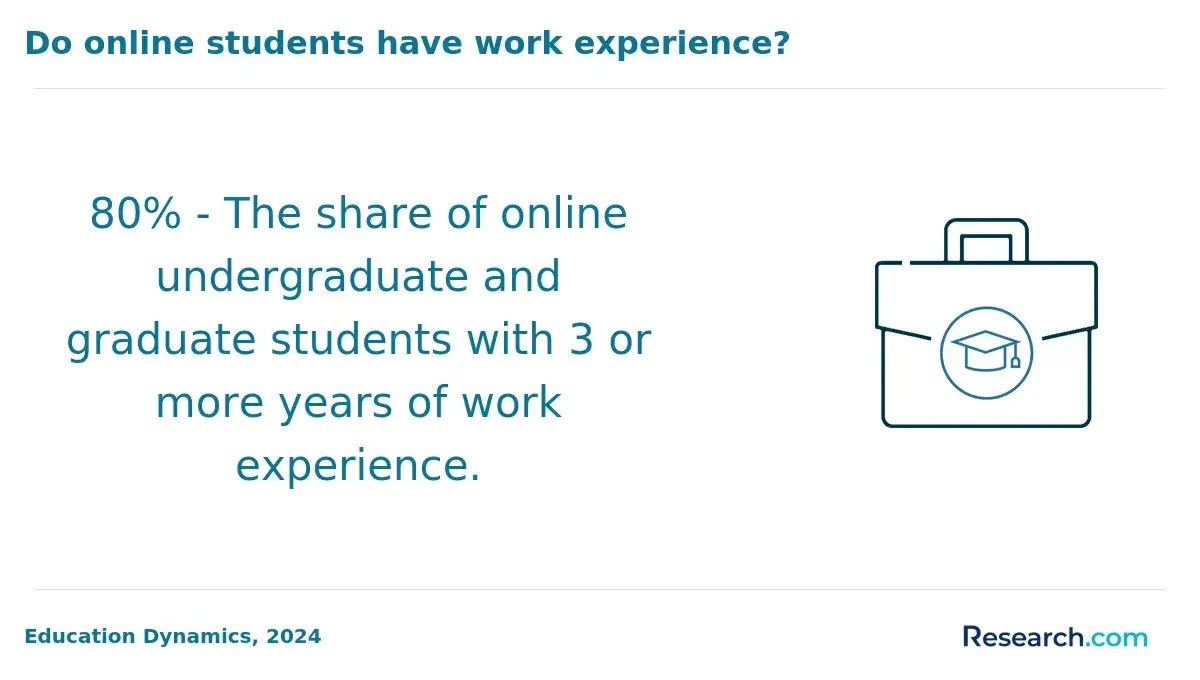
Yes. Prior learning assessments can shorten an online photography degree if the school awards academic credit for college-level learning gained outside traditional classes. This may include professional photography work, military media training, independent study, workshops, or other documented experience that matches course outcomes.
Students typically complete a specialized assessment process or course and submit a portfolio showing relevant skills. Evidence may include technical work samples, client or employer documentation, professional materials, project descriptions, updated résumés, and written explanations connecting the experience to specific college-level competencies.
Bachelor's students may earn up to 30 credits through PLAs, while associate students can receive up to 18. In both cases, this can represent about 25% of program requirements. Applicants must have already applied to the Photography program and provide comprehensive portfolios and updated résumés. Faculty decisions usually take two weeks.
When PLA credits are combined with transferred credits, students can apply up to half of their degree credits this way. That can reduce both time and cost, but approval is not automatic. Faculty evaluators must determine whether the submitted evidence is equivalent to college coursework.
How to make a PLA request stronger
- Match evidence to course outcomes: Do not submit random samples. Show how your work demonstrates specific skills taught in the program.
- Include process documentation: Contact sheets, lighting diagrams, editing notes, and project briefs can help evaluators understand your technical decisions.
- Use professional-quality samples: Choose work that shows consistency, not just one successful image.
- Explain your role clearly: If the work was collaborative, document what you personally planned, shot, edited, or directed.
- Ask about limits early: PLA policies vary by school, and some core studio courses may still be required.
Can prior college credits help you get a degree in Photography sooner?
Prior college credits can help you finish a photography degree sooner if your new school accepts them toward the program. Transfer credit is one of the most common ways to reduce the number of courses you still need to complete, especially for general education, electives, and introductory coursework.
Transfer policies vary widely, so do not rely only on a general admissions estimate. Ask for an official or preliminary transcript evaluation that shows exactly which credits apply to your photography degree requirements.
- Check accreditation requirements: Many programs prefer or require credits from regionally accredited institutions.
- Review transfer credit limits: Most bachelor's programs cap transfer credits between 60 and 90, roughly half the total degree credits needed.
- Verify minimum grade criteria: Courses typically need a grade of "C" or better to qualify for transfer.
- Ask how studio courses transfer: General education and elective credits usually transfer more easily than specialized photography, studio, or technical core courses.
- Submit full documentation: Transcripts, course descriptions, syllabi, and portfolios may help the school evaluate older or specialized coursework.
- Confirm residency requirements: Many schools require students to complete a certain portion of credits through the institution awarding the degree.
Schools such as Sessions College and flexible universities such as Southern New Hampshire University or Arizona State University may support transfer students through pathways that can shorten completion time. Still, each institution makes its own decision about accepted credits.
Students focused on long-term career value may also want to compare photography with related creative, media, design, and business programs listed among the highest paying bachelor degrees. The fastest degree is not always the best investment unless it supports your target career path and portfolio goals.
Can work or military experience count toward credits in a degree in Photography?
Work or military experience can sometimes count toward credits in a photography degree, but it depends on the school, the type of experience, and how closely that experience matches course outcomes. Relevant backgrounds may include photography, videography, visual journalism, media production, digital imaging, public affairs, marketing content creation, or related technical training.
Many colleges use American Council on Education (ACE) recommendations to evaluate military training and determine whether it may be eligible for transfer credit. However, ACE recommendations do not guarantee acceptance. The school still decides how, or whether, those credits apply to the degree.
Credit-by-examination options such as CLEP or DSST may also help students meet some general education requirements, although they are less commonly used for specialized photography topics. In many cases, experience-based credit applies more easily to electives or general requirements than to advanced studio courses, because core photography classes often require institution-specific critique, portfolio development, and sequential skill building.
What to ask before assuming experience will count
- Does the program accept ACE-recommended military credits?
- Can professional photography work be reviewed through a prior learning assessment?
- Which credits can apply to the major, and which apply only as electives?
- Is a portfolio required for credit evaluation?
- Will awarded credits reduce the actual time to graduation, or only the total number of credits?
The safest step is to contact the registrar or transfer credit office before enrolling and request a formal review of transcripts, military records, work samples, and any other required documentation.
What criteria should you consider when choosing accelerated Photography online programs?
When choosing an accelerated online photography program, look beyond the advertised completion time. The best program is one that helps you graduate efficiently while producing a credible portfolio, learning industry-standard tools, and receiving enough critique to improve your work.
- Accreditation and recognition: Accreditation affects transferability, financial aid eligibility, graduate school options, and employer confidence. Verify the school’s accreditation status through official sources.
- Program length and course sequence: Ask whether accelerated completion is available to all students or only to those with transfer credits, year-round availability, or a heavier course load.
- Transfer and PLA policies: Programs that accept prior college credits, military training, or professional learning may shorten your path, but limits and documentation rules vary.
- Portfolio development: A strong photography program should require repeated portfolio review, revision, and project-based work rather than only quizzes or lecture content.
- Faculty credentials: Instructors with professional photography, media, design, or visual arts experience can provide more useful feedback on industry expectations.
- Technology and equipment requirements: Confirm whether you need to purchase a camera, lenses, lighting, storage, calibration tools, or editing software such as Adobe Lightroom before classes begin.
- Online learning format: Asynchronous courses offer flexibility, while synchronous critiques may provide more interaction. Choose the format that fits your schedule and learning style.
- Student support: Fast programs require responsive academic advising, technical support, library access, tutoring, and clear communication about deadlines.
- Career preparation: Look for coursework in client communication, business operations, visual storytelling, editing workflow, and portfolio presentation.
- Total cost: Compare tuition, fees, equipment, software, printing, and portfolio expenses. A short program can still be expensive if it shifts major costs to the student.
Students pursuing fast track photography degree options should map each program to a specific goal, such as freelance work, commercial photography, photojournalism, fashion photography, digital retouching, or preparation for a higher degree. General resources on quick degrees that pay well can help you evaluate speed and value, but photography programs should also be judged by portfolio quality and practical skill development.
Are accelerated online Photography degrees respected by employers?
Accelerated online photography degrees can be respected by employers when they come from an accredited institution and produce graduates with strong technical skills, visual judgment, and a professional portfolio. In photography, employers and clients often care less about whether coursework was completed online and more about whether the graduate can consistently create, edit, present, and deliver high-quality images.
The degree format matters most when it affects training quality. A credible accelerated program should still include hands-on assignments, lighting practice, image editing, critique, visual storytelling, and portfolio development. Programs such as those offered by Southern New Hampshire University emphasize skills including digital camera operation, lighting, and editing software, which align with common industry expectations.
Some entry-level photography roles may not require a degree at all, while specialized positions may prefer or expect a bachelor's degree with relevant coursework. For freelance and client-based work, a portfolio, references, professional communication, editing speed, and reliability may carry more weight than the credential alone.
How to make an online photography degree more credible
- Build a focused portfolio: Show the kind of work you want to be hired for, not every image you have made.
- Document technical range: Include examples that show lighting control, composition, editing, and consistency across projects.
- Seek critique from professionals: Feedback from instructors, working photographers, editors, or art directors can strengthen your work.
- Learn business basics: Contracts, pricing, licensing, client communication, and file delivery matter in many photography careers.
- Verify accreditation: When comparing schools, review resources on online schools with national accreditation and confirm whether the institution’s accreditation fits your academic and career plans.
In short, employers are more likely to respect an accelerated online photography degree when the program is rigorous, accredited, portfolio-centered, and connected to the practical realities of professional image-making.
What Photography Graduates Say About Their Online Degree
- : "Pursuing my Photography degree online allowed me to fast-track my education without sacrificing quality. The program's flexible schedule fit perfectly with my full-time job, and I was able to launch my own photography business within a year of graduating. The average cost was very reasonable, making it a smart investment for my career growth. — Kaya"
- : "The accelerated Photography program was a deeply rewarding experience. It challenged me to hone my skills quickly while providing extensive creative guidance and professional feedback. Reflecting on my time in the program, I'm grateful for the balance of theory and practical work that has truly shaped my artistic vision. — Jace"
- : "The structured online Photography degree gave me a professionally paced learning pathway that matched industry demands. Completing the program faster than traditional routes helped me enter the competitive market earlier, equipped with a comprehensive portfolio and technical confidence. I highly value how the curriculum's focus on real-world applications prepared me for today's photographic challenges. — Owen"
Other Things to Know About Accelerating Your Online Degree in Photography
In 2027, typical completion timelines for an online photography degree can vary. A standard bachelor's program may take about 3 to 4 years, while accelerated options can be finished in 1 to 2 years, depending on the student's pace and program intensity.
Many fast-track Photography degree programs emphasize portfolio development as a key component of the curriculum. Students often compile a body of work throughout their studies that showcases their technical and creative skills. This portfolio can be critical when seeking employment or freelance opportunities in the photography industry after graduation.
Financial aid options such as federal student loans, grants, and scholarships are generally available to students enrolled in accredited accelerated online Photography degrees. Eligibility for aid depends on the institution offering the program and the student's financial situation. Prospective students should contact the financial aid office of their chosen school to explore specific funding opportunities for fast-track programs.
References
- How Long Does A Photography Degree Take? | Guide By ABD https://allbachelordegrees.com/degrees/arts-and-design/digital-photography/how-long-does-a-photography-degree-take/
- Photography BA(Hons) (Online) https://www.falmouth.ac.uk/study/online/undergraduate/photography
- 2-Year Photography Program https://www.nyfa.edu/certificates/photography/two-year/
- How Prior Learning Assessments Can Cut College Costs https://www.yahoo.com/news/prior-learning-assessments-cut-college-141113058.html
- Photography https://uap.edu.pl/admission/study-in-english/programmes/photography/
- 14 days to try NYIP risk-free https://www.nyip.edu/
- What can I do with a degree in Photography? https://student.kent.ac.uk/careers/career-planning/what-can-i-do-with-a-degree-in/photography
- Photography career paths: accelerated bachelor options https://www.raremomentsphotography.co.uk/what-career-paths-open-with-an-accelerated-bachelor-in-photography/
- How Employers View Online Degrees and Distance Learning Programs https://londongatecollege.com/how-employers-view-online-degrees-and-distance-learning-programs/
- Are you experienced? Tips for starting college later in your career. - Mount Wachusett Community College https://mwcc.edu/blog/are-you-experienced-tips-for-starting-college-later-in-your-career/