
2027 How to Become a Certified Relationship Coach: Education, Salary, and Job Outlook

Co-Founder and Chief Data Scientist
Relationship coaching can be a meaningful career for people who want to help individuals and couples improve communication, rebuild trust, set boundaries, and make healthier decisions in their personal lives. It is not the same as licensed therapy, and it does not qualify you to diagnose or treat mental health conditions. However, with the right training, ethical boundaries, and practical experience, certified relationship coaches can support clients through common relational challenges and refer them to licensed professionals when clinical care is needed.
This guide explains what it takes to enter the field: credentials, skills, career paths, earning potential, internships, work settings, challenges, and signs that this career fits your strengths. It is designed for aspiring coaches, career changers, wellness professionals, and students comparing education and certification options.
What are the benefits of becoming a certified relationship coach?
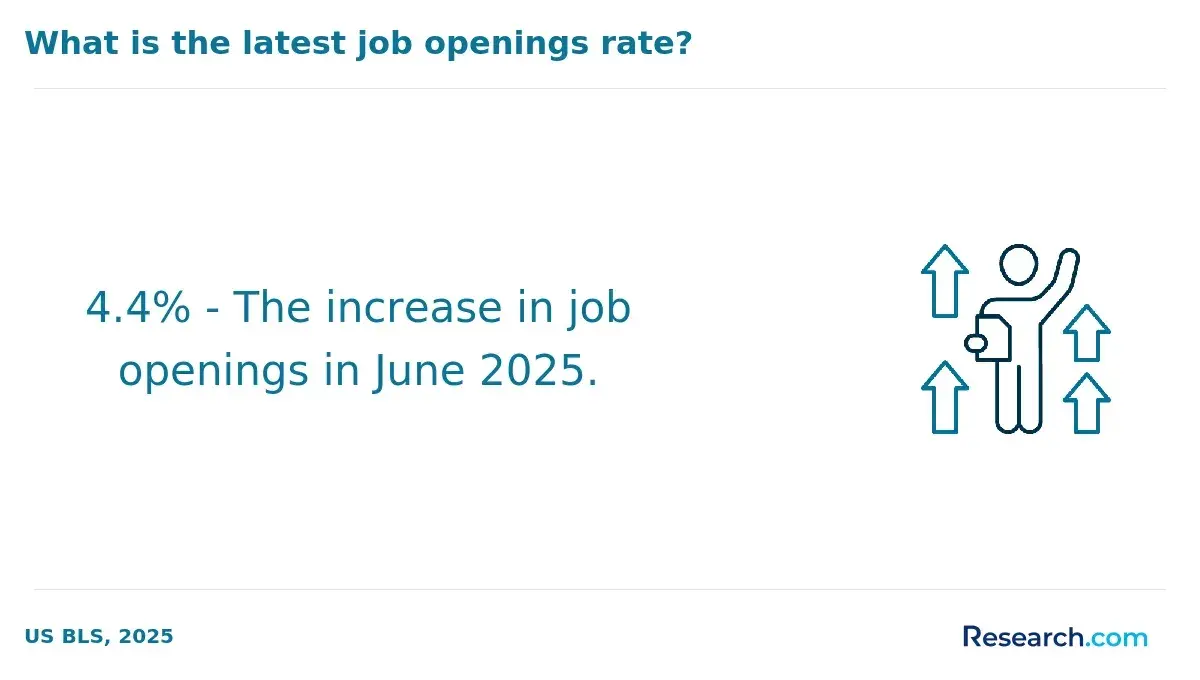
- The job outlook for certified relationship coaches is projected to grow approximately 12% by 2025, driven by rising demand for mental health and interpersonal support services.
- Average annual salaries range from $50,000 to $80,000, with experienced coaches in private practice or corporate settings earning higher incomes.
- Emerging trends like virtual coaching and AI-assisted client analysis make this career adaptable and attractive to students seeking future-proof professions.
What credentials do you need to become a certified relationship coach?
There is no single government-issued license required to call yourself a relationship coach in most settings, but credible practice depends on formal training, supervised coaching experience, ethical standards, and relationship-specific education. Certification helps clients, employers, and referral partners understand that you have completed structured preparation rather than relying only on personal experience.
Core credentials to consider
- ICF accreditation: The International Coaching Federation is widely recognized in the coaching field. Its credentials require 60 to 200+ hours of coursework plus over 100 hours of supervised coaching for entry-level certification, while master-level designations require up to 2,500 hours. ICF training is not relationship-specific by itself, but it provides a strong foundation in professional coaching ethics, client agreements, goal setting, and coaching competencies.
- Certified Relationship Coach Certificates: Relationship-focused programs may offer credentials such as Certified Relationship Coach for Singles (CRCS), Certified Relationship Coach for Couples (CRCC), and master-level distinctions. These programs typically focus on communication patterns, intimacy, dating, partnership dynamics, conflict cycles, and client goal planning.
- Advanced mental health certification: Some programs sit closer to therapy than coaching. For example, the Gottman Institute's full therapist certification requires a master's degree in mental health or related fields. This distinction matters: a coach without a clinical license should not present themselves as a therapist or treat mental health disorders.
- Prerequisites and practicum: Many stronger programs expect previous coaching education, active practicum participation, recorded or observed sessions, and coaching session submissions for evaluation. These requirements help verify that you can apply coaching tools safely and effectively with real clients.
- Licensing and ethical standards: Licensing is not mandatory for most relationship coaching roles, but ethical practice is essential. Coaches should use written client agreements, protect confidentiality, avoid dual relationships, stay within scope, and refer clients to licensed clinicians when issues such as abuse, trauma, addiction, self-harm, or severe mental health symptoms appear.
How to choose a certification path
A practical route is to start with a reputable general coaching certification, then add relationship-specific training. If you plan to work with couples, look for programs that include supervised practice, conflict de-escalation, referral protocols, and clear scope-of-practice guidance. If you want to work in clinical environments, you may need a counseling, psychology, social work, or marriage and family therapy background rather than coaching certification alone.
Formal degrees are not always required for coaching certification, but higher education can strengthen your credibility and prepare you for graduate-level mental health training later. If you are still building your educational foundation, researching the fastest bachelor's degree online can help you compare flexible options before pursuing advanced credentials.
What skills do you need to have as a certified relationship coach?
A certified relationship coach needs more than a warm personality and good advice. The work requires disciplined listening, structured coaching methods, cultural awareness, and the judgment to know when a client needs therapy, legal support, crisis help, or another professional referral.
- Active listening: Coaches must hear not only what clients say, but also what they avoid, repeat, minimize, or express through tone and body language. Strong listening helps uncover patterns without rushing to conclusions.
- Powerful questioning: Effective coaches ask questions that help clients clarify needs, assumptions, boundaries, values, and choices. The goal is not to tell clients what to do, but to help them see their options more clearly.
- Digital communication coaching: Many relationship problems now unfold through texts, dating apps, social media, and remote communication. Coaches need to help clients build healthier habits around response timing, tone, privacy, conflict by text, and online boundaries.
- Assessment tool proficiency: Coaches may use validated instruments or structured questionnaires to evaluate relationship dynamics and track client progress. These tools should support the coaching process, not replace professional judgment.
- Goal visualization and planning: Clients often arrive with broad concerns such as “we fight too much” or “I keep choosing the wrong partners.” Coaches help translate those concerns into specific goals, behaviors, timelines, and accountability steps.
- Cultural competency: Relationship norms vary across cultures, religions, family systems, identities, and relationship structures. Coaches should work respectfully with LGBTQ+ clients, blended families, cross-cultural couples, single clients, and non-traditional relationship structures without imposing personal beliefs.
- Conflict resolution: Coaches need to help clients slow down reactivity, identify recurring conflict cycles, practice repair attempts, and prepare for difficult conversations. Safety should always come before communication technique.
- Ethical decision-making: Confidentiality, informed consent, recordkeeping, boundaries, and referral decisions are central to trust. Coaches must be clear about what they do and do not provide.
- Empathy and tact: Relationship coaching often involves shame, grief, betrayal, fear, and disappointment. Coaches must be direct enough to be useful while remaining respectful and nonjudgmental.
- Business and client management: Many relationship coaches are self-employed, so scheduling, pricing, marketing, client screening, contracts, and follow-up systems are part of the job.
What is the typical career progression for a certified relationship coach?
Career progression in relationship coaching usually moves from supervised practice to independent client work, then into specialization, leadership, training, or business ownership. Advancement depends on credentials, client results, niche focus, referrals, and the ability to maintain ethical standards as your caseload grows.
- Entry-Level Coach: An entry-level coach may hold an Associate Certified Coach (ACC) credential from the International Coaching Federation (ICF), which requires 60+ training hours and 100+ client coaching hours. Common titles include Relationship Coach or Junior Relationship Coach. At this stage, coaches typically focus on foundational communication skills, dating support, goal setting, and basic relationship education. This stage usually lasts one to two years.
- Mid-Level Coach: With advanced certification such as the Professional Certified Coach (PCC), obtained after 125+ training hours and 500+ coaching hours, coaches may move into Senior Relationship Coach or Lead Coach roles. They may work with more complex client goals, lead group programs, mentor newer coaches, and design workshops. Experience ranges from three to five years at this level.
- Master-Level Coach: Master Certified Coach (MCC) status can support leadership roles such as Director of Coaching, Program Lead, or Executive Coach. Coaches at this level may oversee teams, develop curricula, train other coaches, consult with organizations, or build a recognized specialty. Some deepen their niche as Dating Coaches, Couples Coaches, or Attachment Specialists.
- Future Trends: AI-driven coaching tools, virtual and hybrid programs, and corporate or therapeutic-adjacent models are changing how relationship coaching is delivered. Coaches who can combine human judgment with responsible technology use may have more flexible service options.
Common paths after certification
- Independent practice: Build a private coaching business serving individuals, couples, or groups.
- Platform-based coaching: Join online coaching platforms that handle some marketing, scheduling, or payment functions.
- Workshop facilitation: Offer communication, dating, premarital, or conflict-resolution workshops.
- Corporate coaching: Apply relationship and communication skills to workplace teams, leadership, and organizational culture.
- Education or training: Teach future coaches, design programs, or supervise practice sessions after gaining substantial experience.
How much can you earn as a certified relationship coach?
Earnings vary widely because relationship coaches work in different settings: private practice, online platforms, wellness centers, corporate programs, group coaching, and digital education. Income also depends on reputation, niche, location, marketing skill, credentials, and whether the coach works part time or full time.
How much can you earn as a certified relationship coach? The average relationship coach salary in the US for 2025 is projected around $80,705 annually, with entry-level clinicians earning about $28,000 and top performers exceeding $140,500. Established coaches typically report incomes between $50,000 and $110,000, while those focusing on high-demand niches or diversifying their offerings with online courses, group coaching, and digital memberships may realize earnings over $150,000, sometimes reaching $250,000 per year.
What affects relationship coach income?
- Experience and client results: Coaches with a proven record, strong testimonials, and consistent referrals can usually charge more than new coaches.
- Certification and education: Recognized training can improve credibility, especially when working with couples, corporate clients, or referral partners.
- Niche specialization: Marriage coaching, breakup recovery, dating coaching, attachment-focused coaching, blended families, or communication repair may support stronger positioning than broad “relationship advice.”
- Service model: One-on-one coaching is time-limited. Group coaching, workshops, memberships, and online courses may create additional revenue streams, though they require marketing and program design skills.
- Remote delivery: Online sessions can expand your client reach, but they also increase competition because clients can compare coaches nationally or globally.
When reviewing relationship coach hourly rates 2025 forecasts, treat salary figures as estimates rather than guarantees. A coach with strong credentials but weak marketing may earn less than expected, while a coach with a clear niche and reliable referral network may outperform general averages. If you are early in your education journey, exploring the easiest associates degree to get may help you identify accessible starting points before pursuing coaching certification.
What internships can you apply for to gain experience as a certified relationship coach?
Internships and supervised placements help aspiring relationship coaches practice communication skills, observe relational dynamics, and learn professional boundaries. Because coaching is distinct from therapy, you should read each opportunity carefully: some internships are clinical mental health placements intended for students in counseling, psychology, social work, or marriage and family therapy programs.
- Thrive Couple & Family Counseling Services: Provides a relationship coaching internship program with a focus on Emotionally Focused Therapy. Interns participate in both in-person and online therapy sessions, gaining extensive supervision and training in attachment-focused modalities.
- Council for Relationships, Philadelphia: Offers clinical mental health counseling internships that enhance therapy skills for individuals, couples, and families. These internships provide diverse clinical experiences and valuable supervision to deepen understanding of relationship dynamics.
- Pathways Mental Health Services: Delivers comprehensive training and opportunities for international collaboration, broadening the scope of clinical mental health counseling internships and enriching skills relevant to relationship coaching.
What to look for in an internship or practicum
- Supervision: Choose programs that provide regular feedback from qualified professionals, not only observation hours.
- Client exposure: Look for opportunities to observe or support work with individuals, couples, families, or groups, depending on your intended niche.
- Ethics training: Strong placements teach confidentiality, mandated reporting boundaries, crisis referral, informed consent, and scope of practice.
- Skills practice: Prioritize programs that let you practice intake conversations, goal setting, communication exercises, and session documentation when appropriate.
- Fit with your credential path: If you are pursuing coaching certification, confirm whether the hours can count toward practicum or supervision requirements.
Relationship coaching internships may continue expanding beyond counseling-related environments into corporate wellness, education, and community development. If your long-term goals include research, teaching, or clinical leadership, reviewing options such as the cheapest PhD online programs can help you think through advanced education costs and career planning.
How can you advance your career as a certified relationship coach?
Career advancement usually comes from becoming more credible, more specialized, and more visible. Relationship coaching is a trust-based profession, so growth depends on both skill and reputation. The best long-term strategy is to deepen your expertise while building systems that attract the right clients and protect ethical practice.
- Specialized Certification Programs: Advanced credentials through reputable bodies such as the International Coach Federation or niche-focused certifications, such as attachment theory or divorce coaching, can help you serve clients with specific needs and justify higher fees. Choose specialization based on demand, your strengths, and the type of clients you are prepared to support.
- Continuing Education: Relationship challenges evolve with technology, social media, family structures, and cultural expectations. Training in communication psychology, boundary-setting, trauma-informed coaching, conflict repair, and referral protocols can make your services safer and more useful.
- Strategic Networking: Professional coaching organizations, institutes, wellness centers, therapists, attorneys, clergy, and HR professionals can become referral partners when they understand your scope and trust your standards. Institutes like the Relationship Coaching Institute may also connect certified coaches with training and workshop facilitation opportunities.
- Building a Specialized Niche: A clear niche helps clients decide whether you are the right coach. Examples include introverted men, couples seeking communication improvement, post-divorce dating, premarital preparation, blended families, or long-distance relationships. A niche should be specific enough to guide your marketing but not so narrow that it limits demand.
- Developing scalable offers: Experienced coaches may add group programs, workshops, memberships, courses, or organizational training. These can increase income, but they work best after you understand client needs from direct coaching experience.
- Measuring outcomes: Use client goals, progress check-ins, feedback forms, and session notes to evaluate whether your methods are helping. Outcome awareness strengthens both client service and business decisions.
Where can you work as a certified relationship coach?
Certified relationship coaches can work independently or in collaboration with wellness, education, community, and organizational settings. The right workplace depends on your credentials, comfort with entrepreneurship, preferred clients, and whether you want to coach individuals, couples, groups, or teams.
- Private Practice and Digital Platforms: Many coaches build a private client base or join platforms like Love2Coach. Remote sessions can make scheduling easier and expand client reach, but coaches still need clear contracts, privacy practices, and client screening procedures.
- Healthcare and Wellness Centers: Coaches may partner with hospitals, mental health clinics, or employee assistance programs (EAPs) to support communication, stress management, or relational wellness. In these settings, it is especially important to distinguish coaching from therapy and refer clinical concerns appropriately.
- Education and Youth Programs: K-12 schools, universities, and youth nonprofits may use relationship education to teach communication, emotional literacy, peer conflict management, and healthy boundaries. Programs like PAIRS can support structured relationship education work.
- Corporate and Organizational Settings: Coaches may consult with HR departments, leadership teams, or workplace groups on communication, trust, team conflict, and morale. Specialized certifications such as CRR Global's ORSC™ may be relevant for organization and relationship systems work.
- Workshop Facilitation and Group Coaching: Community centers, religious groups, online platforms, and adult education programs may host workshops for singles, couples, or groups. Certifications such as those from Transformation Academy may support this type of structured coaching delivery.
Emerging niches include coaching for blended families, LGBTQ+ partnerships, cross-cultural relationships, and digital-era dating challenges. If education costs are part of your planning, comparing most affordable online schools that accept FAFSA may help you identify programs that fit your budget while you prepare for certification.
What challenges will you encounter as a certified relationship coach?
Relationship coaching can be rewarding, but it is not easy work. Coaches often sit with conflict, disappointment, shame, uncertainty, and major life decisions. They also have to operate in a competitive market where clients expect professionalism, evidence-informed methods, and clear value.
- Emotional strain: Coaches may support clients through breakups, betrayals, loneliness, dating frustration, and communication breakdowns. Without boundaries, supervision, peer support, and self-care, the work can become emotionally draining. Digital relationship issues, including social media conflict and dating app behavior, add another layer of complexity.
- Balancing workload: Many coaches manage their own scheduling, billing, marketing, sales calls, client notes, continuing education, and session delivery. The business side can surprise people who enter the field mainly because they enjoy helping others.
- Rising competition: Online coaching has lowered barriers to entry. To stand out, coaches need credible training, a clear niche, strong communication, ethical marketing, and evidence that their process helps clients make progress.
- Regulatory evolution: Coaching standards, ethical expectations, and licensing boundaries may become more closely examined as the field grows. Coaches must stay informed about what they can legally and ethically provide in their location and work setting.
- Scope-of-practice limits: Clients may bring issues involving abuse, trauma, addiction, depression, anxiety, or family violence. Coaches must recognize when coaching is not enough and refer to licensed professionals or emergency resources when appropriate.
- Adapting to innovation: AI-assisted tools, virtual coaching platforms, digital assessments, and hybrid programs may change service delivery. Coaches who use technology responsibly while protecting privacy and human judgment will be better positioned than those who treat tools as substitutes for skill.
What tips do you need to know to excel as a certified relationship coach?
To excel as a certified relationship coach, focus on competence before visibility. Marketing can bring clients in, but skill, ethics, and outcomes determine whether they stay, refer others, and trust your guidance.
- Select an ICF-accredited training program if you want education aligned with recognized coaching standards and stronger professional credibility.
- Gain at least 50 hours of supervised coaching practice so you can receive feedback on real conversations, not only learn theory.
- Practice staying neutral. Relationship coaches must avoid taking sides, rescuing one partner, or projecting their own relationship values onto clients.
- Use clear coaching agreements that explain confidentiality, fees, cancellation rules, scope of services, and when referrals may be necessary.
- Commit to continuous learning through workshops, advanced certifications, and updated training in neuroscience, communication methods, digital relationships, and ethical practice.
- Join professional networks, coaching forums, and conferences to find mentors, referral partners, peer consultation, and continuing education opportunities.
- Protect confidentiality carefully, especially in remote coaching, shared devices, online scheduling systems, and digital payment platforms.
- Develop marketing and personal branding skills through social media, podcasts, articles, webinars, or workshops, but avoid exaggerated promises or guaranteed outcomes.
- Track client progress using goals, reflection questions, action steps, and periodic reviews. Progress tracking helps clients see change and helps you refine your methods.
- Know your referral network before you need it. Build connections with therapists, attorneys, financial counselors, domestic violence resources, and medical professionals.
How do you know if becoming a certified relationship coach is the right career choice for you?
Becoming a certified relationship coach may be a good fit if you are energized by deep conversations, comfortable with emotional complexity, and willing to build both coaching and business skills. It may not be ideal if you want guaranteed income, a highly structured job, or work that avoids conflict and uncertainty.
- Personal qualities: Empathy, patience, emotional steadiness, strong communication, and a genuine interest in helping people improve relationships are essential. You also need enough directness to challenge clients respectfully.
- Work environment and flexibility: Many certified relationship coaches work independently or remotely. This can support autonomy and work-life flexibility, but it may also mean irregular income, self-promotion, and administrative responsibilities.
- Career growth potential: Coaches who use evidence-informed methods, continue training, specialize thoughtfully, and adapt to digital service delivery may find room for growth and creative work models.
- Emotional readiness: If you can remain calm during conflict and help people think clearly under stress, the work may suit you. If emotionally charged conversations overwhelm you, another helping profession or a less conflict-focused coaching niche may be better.
- Ethical maturity: The right coach knows when not to coach. You must be willing to refer clients out, decline inappropriate cases, and avoid presenting coaching as therapy.
- Entrepreneurial interest: If you plan to work independently, you must be prepared to market, sell, schedule, document, and manage finances. Coaching skill alone does not automatically create a sustainable practice.
For those considering if relationship coaching is a good career in 2025, the best test is whether the daily work matches your strengths: listening deeply, guiding change, managing boundaries, and building trust over time. If you prefer quieter or more independent work, resources on best jobs for introverts may help you compare career options that fit your personality and work style.
What Professionals Who Work as a Certified Relationship Coach Say About Their Careers
- : "Pursuing certification as a relationship coach has significantly enhanced my job stability and income potential. The growing demand for relationship support in both private and corporate settings ensures a steady client base. It's rewarding to combine my passion for helping others with a financially sustainable career. Emmanuel"
- : "The relationship coaching industry presents unique challenges that keep me engaged and continually growing. Each client's story is different, pushing me to innovate and develop tailored strategies. The dynamic nature of the work has bolstered my professional growth in ways I never anticipated. Gage"
- : "Becoming a certified relationship coach opened doors for continuous professional development through advanced training programs and workshops. The opportunity to expand my skill set while working in diverse environments-from counseling centers to online platforms-has shaped a fulfilling career path. I highly recommend this route for those seeking both personal and career growth. Isaac"
Other Things You Should Know About Becoming a Certified Relationship Coach
In 2027, certified relationship coaches often need to engage in continuing education to stay current with industry trends and maintain their credentials. This may involve attending workshops, seminars, and online courses focused on the latest coaching methodologies and relationship dynamics.
Emerging technologies are increasingly integrated into relationship coaching, offering new tools such as video conferencing, AI-driven assessments, and digital client management platforms. These advancements can improve accessibility, personalize client experiences, and streamline administrative tasks, potentially transforming how coaches deliver services in the near future.
Becoming a certified relationship coach generally takes between six months to two years. This timeline depends on the specific certification program you choose, the number of hours required, and your commitment to completing the coursework and practical requirements.
References
- Relationship Counseling Internship Programs at Cumberland | TheRelationshipHouse https://www.therelationshiphouse.org/internship-program
- Become a Certified Relationship Coach – Relationship Coaching Institute https://www.relationshipcoachinginstitute.com/become-a-certified-relationship-coach/
- Become an Relationship Coach: Career Path Guide | Skills U https://skillsu.com/role/relationship-coach
- Fully Accredited Professional Relationship Coach Diploma https://www.udemy.com/course/fully-accredited-professional-relationship-coach-diploma/
- 4 Steps to Relationship Coach Certification https://lauradoyle.org/blog/relationship-coach-certification/
- Certified Life Coach Salary: What to Expect https://www.theknowledgeacademy.com/blog/certified-life-coach-salary/
- How to Become A Relationship Coach (Best ICF Accredited Programs 2025) – Dr. Wyatt Fisher https://www.drwyattfisher.com/pages/how-to-become-a-relationship-coach
- 15 Top Relationship Coach Certification Programs [2025 Rankings] https://entrepreneurshq.com/relationship-coach-certification/
- How to Become a Relationship Coach: A 6-Step Guide https://paperbell.com/blog/how-to-become-a-relationship-coach/
- Why I Joined the Ranks of Certified Life and Relationship Coaches https://motivatedtomarry.com/why-i-trained-to-join-the-ranks-of-certified-professional-life-and-relationship-coaches/


