
2027 Online Corrections Degree Programs Costs: Tuition & Fees

Co-Founder and Chief Data Scientist
The cost of pursuing an online degree in Corrections can vary widely, impacting students' financial decisions significantly. Tuition and fees often represent the largest expense, but additional costs such as technology fees and course materials also contribute. Understanding these expenses is crucial for effective budgeting and long-term financial planning.
Online Corrections programs typically reflect the broader trends in criminal justice education, with some institutions charging more due to specialized faculty or resources. This article will explore typical tuition ranges, detailed cost components, affordability comparisons across schools, and the financial aid options available to prospective students. These insights aim to help students make informed decisions.
Key Points About Online Corrections Degree Costs
- The average tuition for online Corrections degree programs ranges from $10,000 to $30,000, varying by institution, program length, and residency status.
- Costs often depend on credits required, technology fees, and whether the school is public or private.
- Investing in an online Corrections degree can lead to higher earning potential and advancement in criminal justice careers, offsetting upfront expenses.
What Is the Average Cost of an Online Corrections Degree?
The typical tuition for an online Corrections bachelor's degree in the U.S. ranges from $10,000 to $13,700 per year at public universities. Many programs charge per credit, usually between $100 and $553, with around 120 credits needed to complete the degree. These costs generally cover tuition alone, excluding books and additional fees.
Costs vary depending on whether the school is public or private, and whether the student is in-state or out-of-state. Public schools usually offer the most affordable rates, sometimes as low as $107 per credit for in-state learners. Conversely, private universities can charge upwards of $18,000 annually. Graduate-level Corrections degrees typically carry a higher price per credit and may require different credit totals.
Compared to other online criminal justice or legal studies programs, Corrections degrees maintain similar tuition structures. Additional expenses, such as technology or graduation fees, may increase the overall cost. Financial aid options like scholarships and grants can help reduce the financial burden for eligible students.
What Is Typically Included in the Tuition for an Online Corrections Degree?
Tuition for online Corrections degree programs typically covers essential academic expenses, including access to course content and digital learning platforms. Most programs offer support services designed to help students succeed throughout their studies. Additionally, tuition often includes access to the school's technology systems that facilitate remote learning and communication.
Many programs now encompass instructional materials such as e-textbooks and other digital resources, though availability can differ by institution and degree level. Below are common components generally included within online Corrections degree tuition:
- Access to virtual classes and course modules: All required online lessons and coursework are provided.
- Use of learning management systems and library resources: Students can utilize digital platforms and academic databases.
- Academic and technical support services: Tutoring, advising, and help desk assistance are usually available.
- Digital textbooks and resources: Some schools include these materials within the tuition to reduce additional costs.
However, several expenses may not be part of the stated tuition. These often include administrative or resource fees each term, costs for graduation or official transcripts, and fees related to proctored exams or background screening for practicum requirements. It is important for students to carefully examine each program's tuition details to understand any additional charges beyond the base tuition amount.
What Factors Influence the Cost of Pursuing an Online Corrections Degree?
The cost of pursuing an online Corrections degree is influenced by several key factors. These can vary widely depending on the institution, program format, and student residency status. Understanding these factors helps students plan their education budget effectively.
- Type of School and Residency Status: Public institutions generally offer lower tuition rates for in-state residents, whereas private schools and out-of-state tuition can be substantially higher. For example, in-state graduate tuition may average around $11,442 annually, while out-of-state costs can reach $41,196. This difference highlights the impact of in-state vs out-of-state online Corrections program costs.
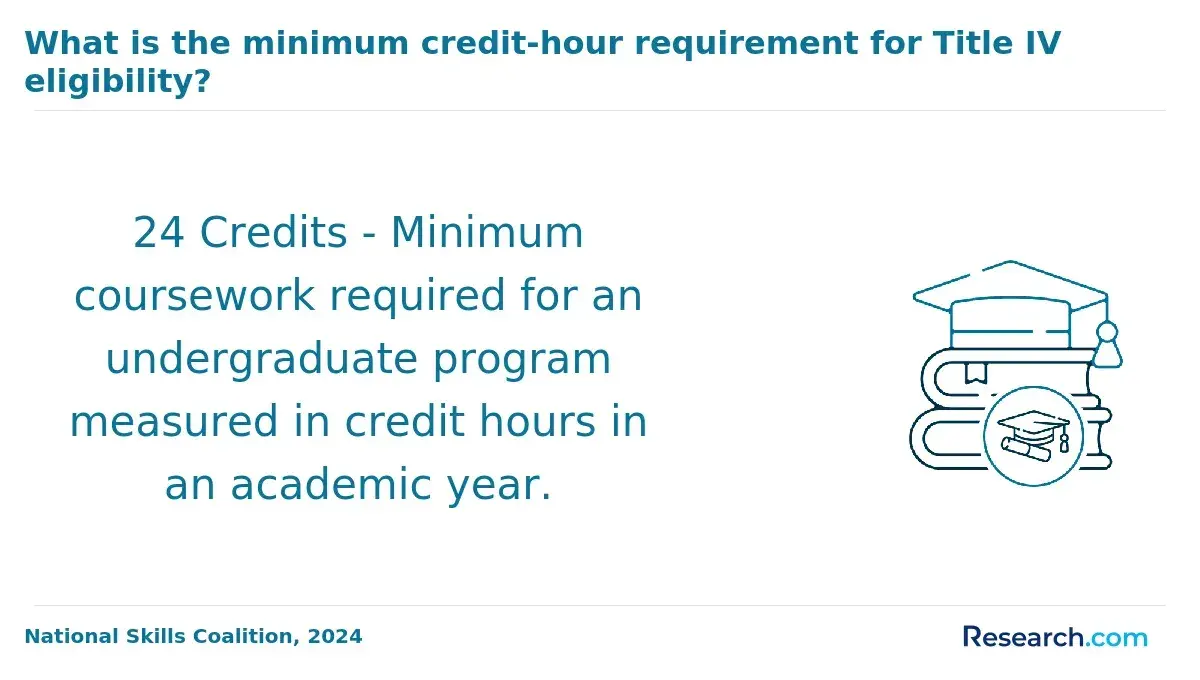
- Credit-Hour Requirements and Program Length: Most online Corrections programs require completion of 30 to 36 credit hours for graduate students, with undergraduate requirements being higher. The per-credit cost ranges from about $145 (in-state) to nearly $600 (out-of-state). Typical program lengths of two years for full-time master's students also affect total tuition, with part-time enrollment sometimes leading to higher fees over time.
- Technology and Course Fees: Online students frequently pay additional fees such as technology fees, infrastructure fees, and course-specific costs. These can range from approximately $62.50 to $125 per semester beyond tuition. Textbooks and specialized materials may add to overall expenses.
- Student Support Services and Faculty Credentials: Programs with extensive student support, career counseling, and highly qualified faculty often charge premium tuition. Investment in these areas can improve educational quality but increase the total cost.
- School Reputation and Accreditation: Highly ranked or accredited institutions usually have higher tuition rates, reflecting their reputation and potential career advantages for graduates. Evaluating these factors alongside tuition helps students assess value.
Students should carefully consider these factors that affect online Corrections degree tuition before enrolling. For those exploring shorter options, reviewing 12 month certificate programs that pay well might provide alternative pathways to career advancement.
Are Online Corrections Programs Cheaper Than Traditional Programs?
Online Corrections degree programs are generally less expensive than traditional on-campus programs in the United States. This cost difference can be significant for students comparing their options for pursuing a degree in criminal justice or related fields. Understanding these cost dynamics can help prospective students make informed decisions.
Online vs traditional corrections degree cost comparison shows that online associate degrees, such as Ashworth College's program costing about $7,196, are notably cheaper than comparable on-campus programs at institutions like Purdue Global or University of Phoenix, which range from $24,050 to $33,390.
Similarly, online bachelor's programs average around $13,676 annually for social science degrees, usually lower than private or out-of-state campus tuition. These savings make online formats attractive for many students.
The cost differences are explained by factors including lower overhead since online programs avoid campus facility and housing expenses. Additionally, flexible payment plans and transfer credit options can reduce total costs. While some online programs have technology or graduation fees, these often remain below traditional campus fees.
However, students in corrections degrees should still budget for supplies like textbooks or specialized field kits. For those exploring more options, considering easiest college majors may provide further insight into online degree affordability.
Are There In-state and Out-of-state Tuition for Online Corrections Programs?
Tuition costs for online Corrections degree programs can vary significantly depending on a student's residency. Many public universities apply different rates for in-state and out-of-state online learners, affecting the overall expense of earning a degree.
For instance, Indiana University-East charges $239 per credit for in-state students but $347 per credit for non-residents in its online criminal justice offerings that include corrections courses. This difference can amount to thousands more for out-of-state participants. However, some schools like Dalton State College in Georgia offer a uniform tuition rate of about $100 per credit for all online students, regardless of residency.
Exceptions to residency-based pricing include regional tuition agreements such as the Academic Common Market or Western Undergraduate Exchange, which provide in-state rates to students from participating states. Additionally, private and for-profit institutions frequently set a single tuition rate for all online students with no residency distinctions. Because policies vary widely, it's important to review each program's specific tuition structure before enrolling.
Which Schools Offer the Most Affordable Corrections Degree Programs?
Several accredited institutions offer cost-effective pathways to earning a Corrections degree online, making this field accessible to many prospective students. Understanding tuition structures can help identify the most affordable options for those pursuing corrections-focused criminal justice studies.
Here are examples of some of the cheapest online Corrections degree programs in the US, balancing quality education and affordability for remote learners:
- Dalton State College: Located in Georgia, Dalton State offers a bachelor's in criminal justice with a corrections focus at a flat rate of $107 per credit, totaling about $12,840 for 120 credits. This price applies equally to in-state and out-of-state online students, making it among the most affordable online Corrections degree programs nationwide.
- Utah Valley University: This public university's online criminal justice degree, including corrections coursework, charges out-of-state students $260 per credit while in-state students pay $442 per credit. The 120-credit program also features extensive online learner support.
- Indiana University-East: Offering customizable criminal justice electives with corrections topics, this program costs $239 per credit for in-state and $347 per credit for out-of-state students. The online platform provides multiple scholarship opportunities through a streamlined process.
Additional affordable options include the University of Colorado Denver and University of Memphis, each with yearly tuition ranging between approximately $7,900 and $8,200 for their online programs. Many of these institutions enable federal aid eligibility, further reducing costs.
For students exploring graduate-level possibilities, it is also worth investigating are there phd programs without a dissertation.
Which Schools Offer the Most Expensive Corrections Degree Programs?
Among accredited U.S. institutions, the most expensive online Corrections degree programs are known for their specialized curriculum, experienced faculty, and robust student support services. Students looking into these programs should carefully consider how tuition reflects access to advanced training and resources that may enhance career prospects. Here are some examples of institutions with the highest tuition corrections degree universities in the US.
- Strayer University offers a Bachelor of Science in Probation and Parole costing approximately $61,000 for the full degree, with each course priced at $1,525. This high cost is partly due to its nationwide reputation, curriculum focusing on advanced rehabilitation strategies, and access to specialized faculty. Strayer also provides eligibility for the first ten general education courses at no cost alongside multiple financial aid options.
- Walden University charges around $46,000 for its online Bachelor of Science in Corrections and Human Services. The program stands out with dual learning options including an accelerated 'Tempo' track and personal academic coaching, emphasizing corrections topics such as probation, parole, and restorative justice.
- Southern New Hampshire University (SNHU) offers a more moderate rate at $330 per credit hour, amounting to about $39,600 for a 120-credit degree. SNHU's curriculum emphasizes rehabilitation and offender management supported by extensive online student resources.
The factors contributing to tuition differences include school prestige, the depth of the specialized corrections curriculum, faculty expertise, and additional support services available to students. For budget-conscious applicants, it is worth exploring the best cheap online colleges that accept FAFSA to find alternative pathways to a Corrections degree.
How Long Does It Take to See a Return on an Online Corrections Degree?
Graduates earning an online degree in Corrections often see financial benefits within a few years after starting their careers. The timeframe for recouping education costs varies depending on multiple factors, including salary and debt levels.
Typically, a return on investment occurs between 2 to 5 years after entering the workforce. Correctional officers and jailers earn a median salary of approximately $57,970 annually as of 2024, which often exceeds starting salaries in several other fields. Many entry-level positions offer wages above $40,000, helping students repay tuition costs more quickly, especially when combined with employer tuition aid or minimal student loans.
Factors influencing how fast one recovers expenses include job demand, starting pay, and opportunities for advancement into supervisory roles. While the number of correctional officer openings steadily arises from workforce turnover, moving into specialized jobs can boost earning potential and shorten the payback period. Students bearing higher loan debt may require additional time to realize a full financial return on their degree.
Are Online Corrections Students Eligible for Financial Aid?
Online Corrections degree students in the U.S. are generally eligible for financial aid if their program is accredited and they meet standard requirements. Students can apply for aid through the Free Application for Federal Student Aid (FAFSA), which determines eligibility for various federal assistance programs. Understanding FAFSA eligibility for online corrections programs is essential to accessing these financial resources.
Financial aid options can help cover tuition, fees, and living expenses for students pursuing an online degree in corrections or related criminal justice fields. Aid may come from federal grants, loans, state programs, institutional scholarships, or work-study opportunities. Some aid is specifically targeted to criminal justice majors, making it more accessible for those focused on corrections careers.
- Federal Pell Grants: These grants are available to undergraduate students with financial need and do not require repayment, providing valuable support for eligible online corrections students.
- Federal Supplemental Educational Opportunity Grants (SEOG): Targeted at students with exceptional financial need, these grants offer additional financial assistance beyond Pell Grants.
- Federal Direct Loans: Both subsidized (need-based) and unsubsidized loans are accessible, allowing students to borrow funds to cover education costs which must be repaid after graduation.
Other forms of aid include work-study programs that enable students to earn money through part-time jobs, and scholarships from organizations such as the Alpha Phi Sigma Honor Society. Graduate students might qualify for assistantships offering tuition waivers and stipends.
Employer tuition assistance is sometimes available for those working in law enforcement or corrections. Eligibility often requires at least half-time enrollment, satisfactory academic progress, and meeting GPA or major requirements.
For those aiming for public service careers in corrections, federal loan forgiveness programs may reduce debt after fulfilling service and payment conditions. Students exploring affordable career paths might also consider options in the highest paying trade school careers, which sometimes offer competitive financial aid similar to corrections programs.
Are Online Corrections Programs Expected to Increase in the Coming Years?
Online degree programs in Corrections offer flexible learning options for those interested in criminal justice careers. Understanding the costs associated with these programs is essential for prospective students planning their education budgets.
Tuition rates for online Corrections degrees vary depending on the institution and program level. Community colleges typically offer lower per-credit costs, making associate degrees more affordable. Bachelor's and master's programs at public universities tend to charge higher tuition, especially for out-of-state students. Additionally, some schools provide flat-rate tuition per semester for online learners, while others calculate fees based on credit hours.
Recent trends show gradual increases in tuition fees across the board, although many schools offer financial aid and scholarships specifically for online students. As demand grows for flexible, remote education, institutions may continue to adjust pricing strategies to stay competitive. Prospective students should compare multiple programs and consider additional expenses such as technology fees and textbooks when estimating total costs for an online Corrections degree.
What Students Say About The Cost of Pursuing Online Corrections Programs
- Westley: "Pursuing my Corrections degree online was a game-changer for my career. The program cost was very reasonable compared to traditional schools, making the return on investment clear as I secured a promotion shortly after graduation. I highly recommend this path to anyone aiming to advance in corrections."
- Felicity: "After weighing the costs and benefits of an online Corrections degree, I realized the financial commitment was manageable and worth every penny. The affordability helped me stay focused, and now I have a deeper understanding of the justice system that's invaluable in my day-to-day work. It's been a rewarding journey both personally and professionally."
- Mikhael: "Enrolling in an online Corrections program was a strategic decision for my career growth. Although it required an upfront investment, the cost was relatively low for the quality and flexibility offered, resulting in solid returns through expanded job opportunities. Reflecting on the experience, I'm confident the degree was well worth the financial effort."
Other Things You Should Know About Corrections Degree Program Costs
In 2027, online Corrections degree programs might include additional fees beyond tuition, such as technology fees, online service fees, and possibly textbook costs. These additional costs can vary by institution, so it’s important to consult each program for specific fee details.
The cost of online Corrections programs generally varies by degree level, with bachelor's programs typically less expensive than master's or doctoral programs. Graduate-level programs often have higher per-credit tuition rates and may include additional fees for research or specialized training. Prospective students should compare costs based on the specific degree they intend to pursue.
References
- Resale Articles https://resale-articles.rky.pl/a/Reference_Education/College/87045.html
- Online Bachelor's Degree in Criminal Justice https://www.coloradotech.edu/degrees/bachelors/criminal-justice
- Criminal Justice - Corrections | Lethbridge Polytechnic https://lethpolytech.ca/programs-and-courses/criminal-justice-corrections
- Online Medical Coding and Billing Professional - MedCerts https://medcerts.com/programs/healthcare/medical-coding-and-billing-professional-online-training
- Online Bachelor of Science in Criminal Justice – Faulkner University https://www.faulkner.edu/online/online-bachelor-degrees/criminal-justice/
- Prison Education Program (PEP) - Prison Education Program (PEP) - Adams State University https://www.adams.edu/academics/pep/print-based/
- AAPC Exam Preparation Courses for certifciations, Get Certified https://www.aapc.com/training-and-events/exam-preparation
- Online Criminal Justice Degrees (Types, Benefits & FAQ) https://www.allcriminaljusticeschools.com/criminal-justice/criminal-justice-online-degree/
- Financial Aid For Online Colleges https://www.affordablecollegesonline.org/financial-aid/financial-aid-for-online-colleges/
- Financial Aid Tips for Criminal Justice Students https://www.criminaljusticeprograms.com/financial-aid/


