
2027 Is an Instructional Design Online Degree Worth It?

Co-Founder and Chief Data Scientist
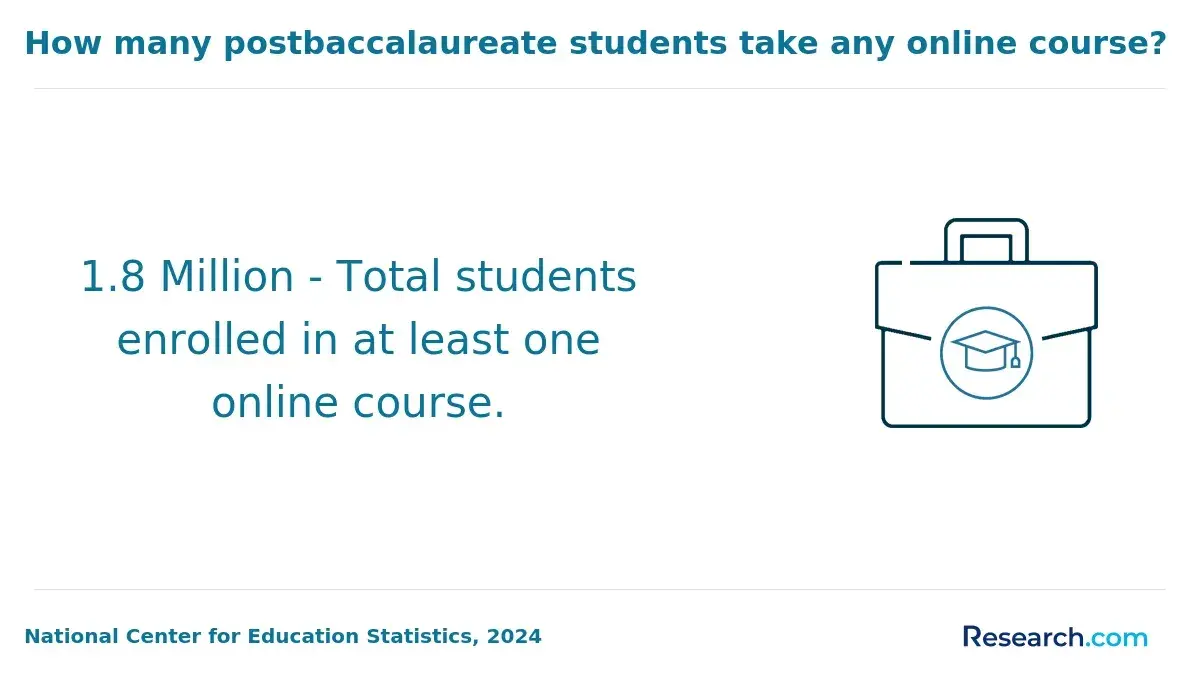
Online education continues to expand rapidly, with over 40% of graduate students now enrolled in at least one online course. Instructional design stands out as a growing field, driven by increased demand for digital learning solutions across industries.
This article explores whether an online instructional design degree is worth it by examining key factors like program cost, flexibility, accreditation, job-market trends, and employer perception. Our goal is to provide clear insights to help students make a well-informed decision about their educational investment.
Key Benefits of Online Instructional Design Degree
- Online instructional design degrees offer flexible schedules suited for working professionals, enabling students to balance career advancement with education without geographic constraints.
- Programs typically emphasize practical skills like curriculum development and e-learning technology, aligning with industry demands and enhancing employability in education and corporate training sectors.
- Graduates often see positive long-term outcomes, with instructional design roles projected to grow 9% through 2031, reflecting strong career stability and salary potential.
Who Should Choose an Online Instructional Design Degree Program?
Online learning has become a practical solution for many students due to its flexible, asynchronous format that fits around busy schedules. This adaptability makes it ideal for those juggling work, family, and education simultaneously.
The following groups find online instructional design degree programs especially beneficial.
- Educators seeking career advancement: Teachers and academic professionals aiming to shift into roles focused on learning design or digital curriculum development appreciate how these programs build on their existing knowledge while fitting their professional lives.
- Corporate training professionals: Those involved in employee development benefit from acquiring targeted skills that help them design engaging and effective workplace training programs without interrupting their career progress.
- Career changers with relevant experience: Individuals from backgrounds in education, training, or content creation can formalize their expertise through instructional design credentials while maintaining their current roles.
- Higher education professionals: University staff engaged in developing online courses and implementing learning technologies find these programs align with their goals to stay current in evolving educational methods.
- Healthcare and military personnel: Professionals in these sectors seeking to enhance training outcomes gain specialized knowledge tailored to their unique organizational needs through flexible study options.
What Are the Pros and Cons of an Online Instructional Design Degree?
Online instructional design programs have grown increasingly popular as they offer working professionals and career-changers flexible pathways for career advancement in educational technology.
These programs also provide practical exposure to the digital learning environments graduates will design, making them a valuable alternative to traditional campus-based degrees.
Pros of an Online Instructional Design Degree
- Flexibility and Accessibility: Online programs let students complete coursework during evenings or weekends, making advanced education feasible without disrupting work schedules. Most master's programs require around 30 credits and can be completed within one year of full-time study, quickly positioning graduates for jobs in the expanding education technology field.
- Exposure to Real-World Technology: Students gain hands-on familiarity with learning management systems and e-learning tools within the same platforms they will design professionally. This practical immersion enhances your understanding of instructional design software.
- Cost-Effective Options: Many in-state online programs charge as low as $498 per credit, reducing overall debt burden compared to residential programs. Those interested may also explore affordable options like associate online degrees in 6 months for quicker entry into the field.
- Innovative Learning Communities: Online cohorts often attract trend-setters and early adopters who foster dynamic peer networks focused on cutting-edge instructional design practices.
Cons of an Online Instructional Design Degree
- Limited In-Person Networking: Online programs often lack the genuine relationship-building opportunities that campus-based cohorts provide, which can limit professional connections that lead to job opportunities.
- Technology Dependency and Access Issues: Reliable internet and adequate hardware are essential; poor access can hinder your ability to engage with coursework and collaborative projects fully.
- Self-Directed Career Services Navigation: Remote students must proactively seek internships, interview preparation, and networking instead of benefiting from organic campus engagement, which requires discipline and initiative.
- Theory-Practice Gap: Some programs emphasize learning theory without fully preparing students for real-world corporate constraints, tight deadlines, and stakeholder management challenges found in professional instructional design roles.
How Do AI-Enhanced Virtual Classrooms Work in Online Instructional Design Programs?
AI technologies have become central to modern online education by enhancing engagement and customizing learning paths. For instructional design students, these innovations create more dynamic and effective study environments.
The following list highlights key features of AI-powered virtual learning environments:
- Adaptive Learning Tools: AI customizes coursework and pacing based on individual student needs, enabling personalized learning experiences for online students. This flexibility supports diverse learning styles and busy schedules.
- Automated Content Creation: These systems generate and modify lesson materials automatically, saving instructors time and ensuring up-to-date content relevant to current instructional design trends.
- Interactive Collaboration: AI facilitates live discussions and small-group work with expert faculty mentors, blending synchronous and asynchronous learning to deepen peer interaction and practical application.
- AI-Powered Assessment: Advanced analytics track student progress and learning impact, helping to adjust support and promote equitable outcomes throughout the program.
- Accessibility Enhancements: AI transforms materials by resizing, translating, and repurposing content, ensuring lessons meet diverse learner needs and accessibility standards.
Students interested in exploring further can review the easiest doctorate programs to find options that may complement their instructional design studies.
Breakdown of All 4-Year Online Title IV Institutions

What Technology Do You Need for an Online Instructional Design Degree?
Having the right technology setup is essential for success in modern online instructional design programs. It ensures students can fully engage with the hands-on projects and collaborative tasks that define these degrees.
Below is a list of essential technology requirements for online instructional design programs that students should prepare before enrolling.
- Reliable Computer (PC or Mac): A laptop or desktop with a recent operating system is critical since many authoring and multimedia tools are incompatible with devices like Chromebooks. Using a PC or Mac ensures smooth access to industry-standard software and video conferencing platforms needed for assignments and virtual collaboration.
- High-Speed Internet Connection: A stable broadband connection supports streaming lectures, attending live discussions, and submitting large multimedia projects on time. Unstable internet can disrupt teamwork and delay project completion, making this a must-have for online learning environments.
- Multimedia Creation Tools: Programs such as Adobe Creative Cloud (Photoshop, Illustrator, Premiere Pro) or free alternatives like Canva and Audacity enable students to design graphics, edit audio, and produce professional instructional videos. Mastering these applications aligns coursework with real-world skill requirements.
- eLearning Authoring Software: Tools like Articulate 360, Storyline, or Adobe Captivate are used to develop interactive modules, simulations, and scenarios, central to instructional design projects. Familiarity with these programs is vital for meeting course expectations and building relevant expertise.
- Webcam and Microphone: Clear audio and video equipment are necessary for participating in synchronous classes, recording presentations, and contributing to group assignments. This technology helps students maintain professional communication during remote collaboration.
- Learning Management System Access: Platforms such as Canvas, Blackboard, or Moodle organize course materials, assignments, and instructor feedback. Comfort with these environments enhances workflow and supports efficient communication throughout the program.
- Cloud Storage Solutions: Services like Google Drive or Dropbox facilitate easy sharing and collaborative editing of large files. These tools are especially helpful for group projects requiring version control and simultaneous access from multiple users.
Investing in this computer and software needed for instructional design degree programs not only supports academic success but also prepares students for professional instructional design roles.
For those interested in pursuing higher education efficiently, exploring the cheapest PhD online programs can help align technological readiness with budget considerations.
How Long Does It Take to Finish an Online Instructional Design in 2027?
Program length plays a crucial role in deciding when students can start or advance their careers in instructional design. Online formats vary widely, offering different timelines depending on course structure and student pacing.
Below is an overview of typical completion times for online instructional design programs.
- Master's Programs: Most online master's degrees take between 1.5 to 2 years, though some accelerated options allow dedicated students to finish in under a year by leveraging competency-based learning models.
- Certificate Programs: Certificates generally require 4 to 18 months, influenced by the intensity and how quickly students progress through course material.
- Full-Time Study: Full-time learners often complete a master's degree within 10 to 18 months, depending on the institution's pacing and course availability.
- Part-Time Enrollment: Working professionals or part-time students typically take closer to two years, benefitting from flexible, asynchronous course formats and multiple start dates.
- Flexible and Accelerated Options: Many modern programs support personalized degree plans, self-paced progress, and accelerated pathways that recognize prior experience to shorten overall time.
Can You Work Full-Time While Completing an Online Instructional Design Degree?
Balancing full-time employment with online study is a common worry for many considering an instructional design degree, as the demands of work and academics can feel overwhelming.
Key points to consider when working full-time while enrolled in an online instructional design program include:
- Flexible Scheduling: Many programs offer fully asynchronous courses, allowing students to study at times that suit their personal schedules. This flexibility is vital for fitting coursework around work hours and family commitments.
- Program Pacing: Accelerated courses may shorten the overall time to completion but require greater weekly dedication, while standard pacing spreads out the workload more manageably.
- Workload Management: Expect to devote around five to six hours weekly to studies; effective integration of this time into daily routines, such as early mornings or weekends, is essential for consistency.
- Employer Support: Some workplaces provide tuition assistance or scheduling flexibility, which can ease pressure, though this varies widely.
- Time Management Skills: Prioritizing tasks and creating visual plans of weekly commitments help identify dedicated study windows and maintain balance.
One student working full-time during her online instructional design studies described her experience as a "healthy balance" between job and school. She shared that neither role detracted from the other because she planned carefully and set realistic goals.
"I mapped out my weeks visually and blocked out study times like appointments," she explained, adding that having this structure prevented burnout and kept both responsibilities manageable.
Her story demonstrates that with discipline and strategy, it is possible to succeed in an online instructional design degree alongside full-time work.
How Do Online Instructional Design Degree Programs Help with Internships?
Internships play a vital role in providing hands-on experience that prepares students for careers in instructional design by connecting theory with practical work.
Online instructional design programs use various methods to help students secure and successfully complete these important practicum opportunities. Key strategies offered by these programs include:
- Virtual Placement Coordination: Programs often collaborate with businesses and nonprofits to create remote internship opportunities, enabling students to work on real projects with guidance from seasoned professionals.
- Dedicated Internship Advisors: Specialized coordinators assist students in finding placements that match their interests and career goals, streamlining the search and application process.
- Career Services and Job Boards: Access to exclusive online listings tailored to instructional design helps students discover relevant internships and network within the field.
- Mentorship and Feedback: Regular interaction with experienced instructional designers provides constructive feedback and professional development throughout the internship.
- Online Progress Tracking: Students document their work digitally while supervisors verify achievements, ensuring meaningful and verifiable skill-building experiences.
What Is the Average Tuition Cost of an Online Instructional Design Program?
Planning for an online instructional design degree requires a clear understanding of tuition costs to set realistic financial expectations and make informed choices.
Below is an overview of typical expenses and fees that students might encounter when enrolling in such programs.
- Average Tuition Per Credit: Public universities generally charge around $538 per credit hour, while private institutions can range from $680 up to $1,037 per credit. This gap influences total program costs, with private schools often being noticeably more expensive.
- Flat-Rate Tuition Models: Some schools, like Western Governors University, offer a flat fee-about $4,950 for a six-month term-allowing students to take unlimited courses within that period, potentially speeding up graduation and reducing overall expenses.
- Total Program Cost: Full master's programs at public universities typically cost between $16,600 and $23,200. Certificate programs usually fall at the lower end of the spectrum, making them a budget-friendly alternative for some.
- Additional Fees: Online students should factor in tech fees averaging $130 per course, semester fees near $422, and registration fees around $30 each term. Textbooks and exam proctoring costs may also add to the total financial plan.
- Institutional Variability: Tuition rates vary widely across institutions and states. Some public universities, including Penn State and University of Georgia, offer competitive pricing for in-state students, while out-of-state learners may face higher charges.
When I spoke with a student pursuing an online instructional design degree, he shared how managing tuition was a balancing act alongside work and family responsibilities. He emphasized that while upfront costs seemed daunting, scholarships and employer tuition assistance helped ease the burden substantially.
"Knowing I could progress course by course without overwhelming debt made the decision easier," he reflected.
His experience highlights that understanding tuition intricacies can empower students to plan effectively and pursue their goals with confidence.
What Is the Average Salary for Someone with an Online Instructional Design Degree in 2027?
Understanding the earning potential is essential when evaluating whether an online instructional design degree is a worthwhile investment. Knowing typical salaries helps students and professionals make informed decisions about the return on investment.
Here are key salary insights to consider:
- Average Entry-Level Salary: Instructional designers starting their careers typically earn around $65,000 annually. Those with a master's degree, commonly earned through online programs, report an average salary of $83,800, reflecting the value of advanced education.
- Mid-Career Salary by Experience Level: Mid-career instructional designers with four to eight years of experience can expect salaries near $88,000, increasing further with nine to fifteen years in the field. This progression highlights how experience directly impacts earning potential.
- Salary by Industry: Corporate instructional design roles tend to pay more, averaging $85,452 per year, while self-employed designers earn slightly less, around $84,796. Salaries vary widely depending on the employer and industry sector.
- Regional Variations: Location significantly affects income, with instructional designers in major tech hubs like San Francisco and San Jose earning upwards of $93,000, well above the national average of about $79,711.
- Advanced Degree Impact: Instructional designers holding doctorates earn closer to $93,500, illustrating the premium placed on higher education credentials within the field.
When considering where to pursue your degree, it's helpful to explore an online school that accepts FAFSA, which can make financing your education more accessible.
This financial perspective combined with knowledge about instructional designer salary United States 2025 data empowers prospective students to make strategic career choices.
Which Industries Hire Graduates From Online Instructional Design Programs?
An online instructional design degree offers graduates versatile skills suited to a variety of fields, providing strong foundations in curriculum development, digital learning technologies, and project management.
Key industries that hire instructional design graduates include:
- Education: Institutions from K-12 schools to universities seek instructional designers to create engaging curricula and online learning experiences. Higher education employers value the ability to develop effective digital content that enhances student learning outcomes and support faculty training.
- Healthcare: Hospitals and health networks rely on instructional designers to develop training for clinical staff and patient education, ensuring compliance and improved care delivery. Organizations like CVS Health exemplify this growing need for instructional design expertise.
- Business and Corporate Training: Corporations in finance, manufacturing, and retail hire instructional designers to develop onboarding, compliance, and professional development programs, supporting workforce skill enhancement and operational efficiency.
- Government and Military: Public agencies use instructional designers to build training modules for employees, including simulation and eLearning programs critical to workforce readiness and public service effectiveness.
- eLearning and EdTech: This rapidly expanding sector includes roles in software development and AI-powered educational platforms. Companies such as Blackboard highlight the importance of instructional design skills in advancing educational technology.
Graduates of online instructional design programs benefit from skills that allow smooth transitions across these industries. The U.S. Bureau of Labor Statistics projects an 11% growth in related job opportunities from 2020 to 2030, underscoring strong demand.
For students exploring education options, the most popular trade colleges online can offer further pathways to build on instructional design competencies.
What Graduates of Online Instructional Design Programs Say About Their Degree
- Ava: "The flexibility of the online instructional design degree program allowed me to balance my full-time job while advancing my education at my own pace. The comprehensive curriculum not only deepened my skills but also helped me secure a promotion within six months of graduation. Considering the average cost of attendance was reasonable, the investment truly paid off financially and professionally."
- Janine: "Pursuing an online instructional design degree gave me a unique opportunity to reflect on my learning style and apply practical skills immediately in my role. Though the cost was higher than I initially expected, the knowledge gained and the networking possibilities have been invaluable for my long-term career growth. This program was a transformative experience that reshaped how I approach educational content."
- Melissa: "As a professional seeking to specialize in e-learning development, the online instructional design degree was worth every penny. The program's structure was rigorous but efficient, allowing me to complete coursework without sacrificing quality. The cost was competitive compared to traditional programs, and the career advancement I achieved after graduating made the investment incredibly worthwhile."
Other Things You Should Know About Instructional Design Degrees
Yes, many employers recognize online instructional design degrees as legitimate qualifications, especially if the program is accredited by reputable organizations. Accreditation ensures the curriculum meets industry standards, which is crucial for hiring managers.
Employers increasingly value demonstrated skills alongside credentials, so portfolios and practical experience also play key roles.
Online instructional design programs stay relevant by regularly updating their curricula to reflect current educational technologies and methodologies. They often collaborate with industry professionals to ensure practical, real-world applications. Additionally, many programs incorporate the latest tools and software to prepare students effectively for contemporary instructional challenges.
Yes, well-designed online instructional design degrees regularly update their curriculum to incorporate emerging technologies and best practices in the field.
Many programs integrate content on learning analytics, mobile learning, and multimedia development. This adaptability helps graduates stay relevant in a rapidly evolving educational landscape.
References
- Best AI Tools for Instructional Designers https://blog.cathy-moore.com/ai-tools-for-instructional-designers/
- The Use of Generative AI to Support Inclusivity and Design Deliberation for Online Instruction https://olj.onlinelearningconsortium.org/index.php/olj/article/view/4458
- Online Masters of Science (M.S.) in Instructional Technology & Learning Design | Nevada Online https://nevadaonline.unr.edu/academics/graduate/instructional-technology-and-learning-design
- Bachelor of Arts in Instructional Design https://uagc.edu/online-degrees/bachelors/instructional-design-v2
- Is Instructional Design a Good Career? The Pros and Cons https://www.idolcourses.com/blog/pros-cons-instructional-design-career
- The 143 Cheapest Online Master's in Educational Technology https://www.geteducated.com/online-college-ratings-and-rankings/best-buy-lists/affordable-online-educational-instructional-technology-masters-degrees/
- Do You Really Need an Instructional Design Degree? https://www.articulate.com/blog/do-you-really-need-an-instructional-design-degree/
- The Pros and Cons of Instructional Design — Dr. Luke Hobson https://drlukehobson.com/blog1/the-pros-and-cons-of-instructional-design


