
2027 Accelerated vs. Traditional Dental Assistant Degrees: Pros & Cons

Co-Founder and Chief Data Scientist
Choosing between accelerated and traditional dental assistant degrees involves weighing distinct pros and cons. Accelerated programs appeal to working adults or career changers aiming for quick completion, often finishing in under a year. Meanwhile, traditional degrees provide a more flexible pace and allow for deeper academic exploration. Notably, enrollment in accelerated health care training programs has grown by over 25% in recent years in the U.S.
This article will explore differences in time commitment, learning experiences, career outcomes, and essential factors to consider when selecting between these two pathways. Understanding these distinctions can help students make informed decisions aligned with their goals and circumstances.
Key Points About Accelerated vs. Traditional Dental Assistant Degrees
- Accelerated dental assistant programs offer flexibility for working adults and fast-track career entry, often reducing total costs by up to 30% compared to traditional paths.
- Traditional degrees enable deeper academic engagement, fostering comprehensive understanding and allowing more time for mastering clinical skills through extended practical experience.
- Students in traditional programs benefit from stronger peer networks and a balanced pace that supports sustained skill development and professional confidence.
What Are the Differences Between Accelerated vs. Traditional Dental Assistant Programs?
The structure of accelerated and traditional dental assistant degree programs differs significantly in pacing, scheduling, and learning intensity. These variations shape how students engage with material and their overall academic experience. Below is a comparison of key elements that distinguish these two formats.
Understanding these distinctions can help prospective students evaluate an accelerated dental assistant program vs traditional options based on their personal learning preferences and life circumstances.
- Course Intensity: Accelerated programs compress coursework into a shorter timeframe, demanding rapid absorption of material and frequent practical labs. This pace suits motivated individuals comfortable with heavy workloads, while traditional programs spread learning over a longer period, allowing more time to master skills gradually.
- Class Format and Flexibility: Accelerated formats often offer evening or weekend classes, plus hybrid models with online components, accommodating those balancing work or family responsibilities. Traditional programs tend to require daytime campus attendance with less scheduling flexibility.
- Hands-on Training: Accelerated programs may involve partnerships with local dental offices, sometimes using older equipment due to budget constraints, which can affect the quality of hands-on experience. Conversely, traditional programs usually have dedicated facilities with more consistent access to current dental technology.
- Support and Networking: Accelerated tracks focus on early career placement and resume development to expedite workforce entry. Traditional programs emphasize peer interaction and mentorship over a longer period, supporting deeper professional networking.
For students considering dental assistant degree duration and cost comparison, these structural differences are key in choosing the best pathway. Some may also explore related education options, such as a masters degree in one year, to complement their career goals.
How Fast Can You Finish an Accelerated vs. Traditional Dental Assistant Program?
Program length varies significantly between accelerated and traditional dental assistant degrees. Accelerated programs condense coursework into shorter terms, requiring concentrated study, while traditional paths follow a standard academic pace with longer durations. Understanding how long is a traditional dental assistant program versus an accelerated dental assistant program length helps prospective students plan their education and career timelines.
Here is a comparison of key factors affecting program completion speed for both formats:
- Program format: Accelerated dental assistant programs are designed for full-time, intensive study, often lasting 8 to 12 weeks. In contrast, traditional programs, especially those at community colleges, may take 12 to 24 months for an associate degree or about one year for a certificate.
- Transfer credits: Students with prior coursework can shorten their study time by applying transfer credits, especially in traditional programs that include general education classes, allowing faster progress toward completion.
- Full-time vs. part-time enrollment: Full-time students in accelerated tracks can finish quickly, while part-time students, common in traditional programs, generally need more time to complete requirements.
- Course intensity and scheduling: Accelerated programs condense essential skills into a short timeframe, demanding a significant weekly commitment. Traditional programs spread coursework over longer terms, providing more flexibility but requiring more total time.
- Externships and hands-on training: Both program types include clinical experience, but how externships are scheduled affects overall duration and the ability to graduate promptly.
For those seeking the easiest way to get associate's degree, accelerated dental assistant program length offers a faster path but with a more demanding schedule compared to traditional tracks.
What Are the Admission Requirements for Accelerated vs. Traditional Dental Assistant Programs?
Admission requirements for accelerated and traditional dental assistant programs often share common standards such as GPA minimums, test scores, and prerequisite coursework. However, these programs can differ significantly in how they assess academic readiness and professional experience. Understanding these differences is crucial for prospective students evaluating their options.
Below are key distinctions in dental assistant program admission requirements for accelerated versus traditional formats:
- Academic Performance: Accelerated dental assistant program prerequisites typically include a higher recent GPA requirement (often 2.3 or above) and completion of specific high school science courses like biology or chemistry. Traditional programs generally have more flexible GPA standards and allow a broader timeframe for completing prerequisite courses, accommodating students with varied academic backgrounds.
- Work Experience: Accelerated programs often emphasize prior dental or healthcare experience, awarding points for completed shadowing hours or related education. In contrast, traditional programs focus more on basic academic qualifications and are less likely to weigh professional experience heavily.
- Information Sessions and Testing: Applicants to accelerated programs usually must attend up-to-date program information sessions and pass placement tests in English and math. Traditional programs may offer these requirements as recommendations rather than mandatory steps.
- Academic History Evaluation: Accelerated formats often deduct admission points for recent course withdrawals or failures, enforcing stricter academic reviews. Traditional programs may not apply such point systems, offering more leniency to applicants with imperfect records.
- Physical and Communication Skills: Both program types require competency in essential physical and communication tasks, but accelerated programs often request earlier demonstration or documentation of these skills to ensure readiness for fast-paced curricula.
These distinctions reflect the targeted student profiles: accelerated programs seek individuals prepared for intensive study, while traditional routes accommodate those needing foundational development. For a comprehensive guide on accelerated degree options, including dental assistant pathways, visit the associate degree fast track.
How Are Accelerated Dental Assistant Courses Structured Compared to Traditional Ones?
Accelerated dental assistant courses compress the same core curriculum into a much shorter period, often between 4 to 12 weeks, unlike traditional programs that span several months or longer. This condensed structure results in notable differences in pacing, workload, and how the instruction is delivered.
Below are the key distinctions between accelerated and traditional dental assistant programs:
- Pacing: Accelerated courses follow an intensive, fast-paced schedule that demands students quickly grasp material through tightly packed classes and clinical sessions. Traditional tracks spread learning over a longer timeline, offering a gentler progression better suited for those wanting a steadier approach.
- Weekly Workload: Students in accelerated programs face a heavier weekly workload, often dedicating full days or evenings to coursework and hands-on practice, requiring strong time management skills. Conversely, traditional programs distribute the workload more evenly, helping those balancing work or personal commitments.
- Delivery Format: Many accelerated programs blend online lectures with in-person labs and externships, providing flexibility to meet diverse student needs. Traditional courses usually emphasize fixed, in-person schedules with more direct mentorship opportunities.
- Ideal Candidates: Accelerated paths are ideal for motivated learners aiming to enter the workforce quickly, such as career changers or recent grads. Traditional options better accommodate students preferring a gradual pace and more time for absorption.
Both formats uphold academic standards by adhering to state dental board accreditation requirements and typically include externships to ensure clinical competence regardless of program duration.
How Much Do Accelerated Dental Assistant Programs Cost Compared to Traditional Programs?
Tuition and overall costs vary notably between accelerated and traditional dental assistant programs, mainly due to differences in duration and credit requirements. Accelerated programs, which can be completed in just 10 to 13 weeks, generally have lower total costs compared to traditional programs that span from several months to two years.
Here are some key cost factors that distinguish these two options:
- Tuition Rate per Credit: Accelerated programs often charge a higher price per credit but require fewer total credits, resulting in a more affordable overall tuition. Traditional programs usually have a lower per-credit cost but demand more credits, increasing the total expense.
- Program Duration and Total Cost: Shorter lengths of accelerated programs reduce tuition and ancillary fees, such as housing or supplies. Traditional programs' longer timelines typically lead to higher cumulative costs.
- Opportunity Cost: Students in accelerated courses enter the workforce faster, potentially earning income months earlier than those in traditional tracks, which can offset upfront tuition differences.
- Financial Aid Availability: Traditional programs, especially at community colleges, often have broader access to federal financial aid. Accelerated programs frequently depend on school-based financing or payment plans, limiting aid options.
- Additional Expenses: While both pathways incur costs for textbooks, uniforms, and certifications, accelerated courses usually bundle these into one fee, simplifying expenses for students.
What Financial Aid Is Available for Accelerated vs. Traditional Dental Assistant Degrees?
Students enrolled in both accelerated and traditional dental assistant degree programs in the U.S. may qualify for financial aid, but eligibility requirements and timing can vary due to differences in program length and enrollment status. These factors influence how and when students receive funding throughout their studies.
Below is a comparison of financial aid options available to each type of program:
- Federal Aid Eligibility: Both program types must be accredited and participate in Title IV funding for students to access federal loans and grants. Accelerated programs may face challenges with federal aid disbursement because funding schedules are typically structured around longer semesters.
- Scholarship Timelines: Scholarships from entities like the Pacific Dental Services Foundation and the Dental Assisting National Board are open to students in both tracks, but accelerated students should plan carefully to meet application deadlines within a compressed timeframe.
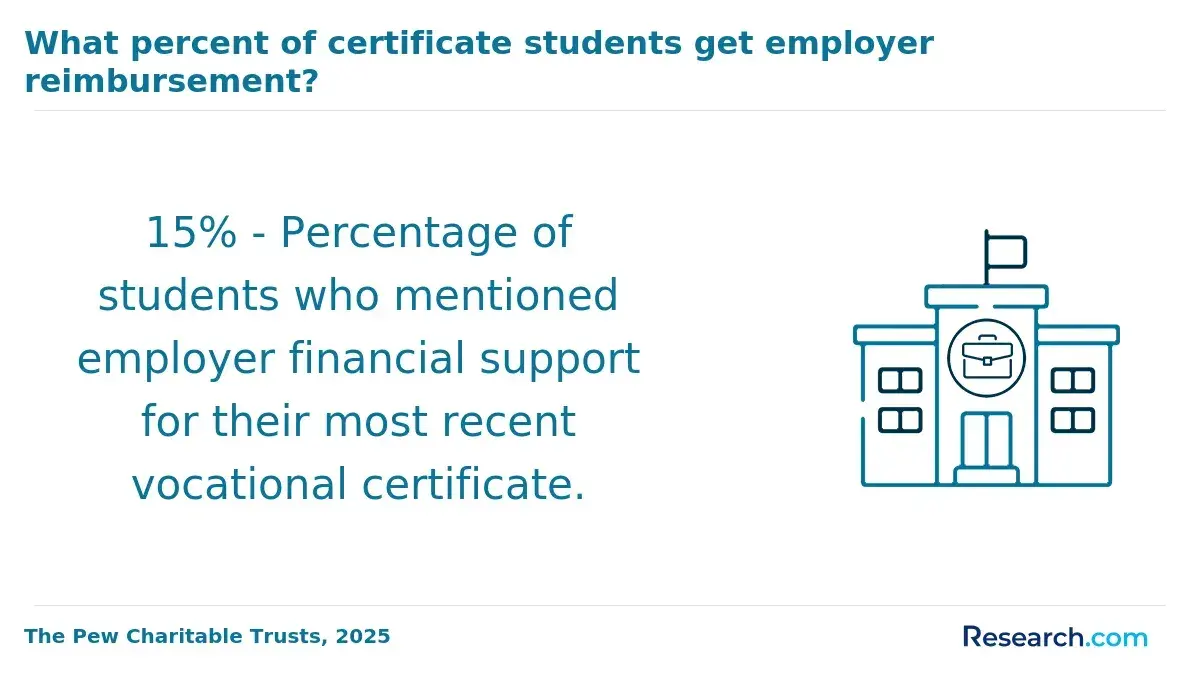
- Employer Tuition Assistance: Flexible or accelerated formats often better accommodate working students who rely on employer-sponsored tuition help or work-study opportunities, which may be less accessible in traditional settings.
- Aid Disbursement and Renewal: Traditional programs generally have predictable renewal cycles for loans and grants aligning with semester schedules, while accelerated students need to coordinate closely with financial aid offices due to shorter terms.
I spoke with a professional who opted for an accelerated dental assistant degree. He shared that navigating financial aid required extra diligence, especially with shorter semesters affecting loan timing. "I had to submit my FAFSA earlier and stay in close contact with the aid office to ensure funds arrived when needed," he explained. Despite these hurdles, the quicker program completion meant he could enter the workforce sooner, making the effort worthwhile. "The financial aid helped me manage tuition without pausing my career, which was a huge relief," he reflected. His experience underscores the importance of proactive planning for students in accelerated programs seeking financial support.
What Kind of Student Support Do Accelerated vs. Traditional Dental Assistant Programs Offer?
Student support is key to academic achievement, and the type, timing, and delivery of these services often vary between accelerated and traditional dental assistant programs. Both formats offer distinct approaches to aiding student success. Here's a comparison of common support systems typically found in each program type.
Academic Advising: Accelerated programs provide concise and targeted advising to keep up with the fast pace, though advisor availability may be limited. Traditional programs generally feature more frequent and comprehensive advising, allowing personalized planning over a longer period.
Tutoring: In accelerated tracks, tutoring tends to be brief and focused on urgent learning needs. Conversely, traditional programs offer wider tutoring options, including peer mentoring and regular group sessions throughout the course.
Career Services: Accelerated programs prioritize swift job placement and externships to transition students quickly into the workforce. Traditional programs emphasize long-term career development with services like resume workshops, interview prep, and support through extensive alumni networks.
Peer Interaction: While traditional programs often foster ongoing peer collaboration via study groups and clubs, accelerated formats may have fewer opportunities due to condensed schedules but encourage practical, hands-on interaction during training.
Do Graduates from Accelerated vs. Traditional Dental Assistant Programs Get Hired More Quickly?
Employment outcomes are a major factor for students deciding between accelerated and traditional dental assistant programs. Both types offer solid career prospects, though the speed at which graduates secure jobs can differ based on several elements. Below is a comparison of hiring patterns and influences for graduates from these program formats.
Key insights include:
- Employer Perception: Employers may regard traditional program graduates as more thoroughly prepared, yet they increasingly appreciate the adaptability and motivation demonstrated by accelerated and online learners.
- Career Readiness: Accelerated programs often emphasize current dental technologies and updated clinical skills, potentially boosting graduates' ability to respond effectively in fast-paced dental environments.
- Industry Demand: With over 50,000 dental assistant job openings projected by 2032, both groups experience strong hiring prospects, though accelerated program grads typically enter the workforce sooner due to shorter course durations.
- Reported Data: Surveys indicate high satisfaction among online program alumni, who frequently secure employment within weeks, reflecting outcomes similar to traditional program graduates.
When asked about her experience, a professional who completed a traditional dental assistant degree recalled the hiring process as both challenging and rewarding. She described how her comprehensive training gave her confidence during interviews, though it took diligent effort to find the right position. "The thorough education helped me stand out," she shared, "but I also had to be patient and proactive, applying to several offices before landing a role." Her journey highlights that while hiring speed may vary, persistence combined with strong preparation leads to successful employment.
Are Accelerated Dental Assistant Degrees Accredited the Same Way as Traditional Programs?
Accreditation ensures academic quality and legitimacy for both accelerated and traditional dental assistant programs, regardless of pacing or delivery format. This recognition guarantees that institutions meet rigorous standards required by accrediting agencies, which impacts federal financial aid eligibility, credit transferability, and employer recognition. Programs accredited by the Commission on Dental Accreditation (CODA) maintain consistent quality whether offered as accelerated or traditional degrees. Consequently, students can trust that their education will be respected across states and professional settings. Confirming accreditation status is crucial before enrolling, especially for those seeking financial aid or professional certification.
The process of CODA accreditation for accelerated dental assistant programs typically applies equally to both accelerated and traditional formats, although course design may differ to accommodate compressed schedules. Institutions may adjust curricula while still meeting all CODA standards, demonstrating flexibility in educational models without compromising quality. Regional or programmatic accrediting bodies ensure that all educational programs adhere to national benchmarks, making it essential for prospective students to verify their program's accreditation. Understanding the accreditation differences between accelerated and traditional dental assistant degrees means recognizing that while delivery might vary, the standards remain consistent. For more information on affordable program options, consider exploring cheap online degree resources to find accredited institutions that fit your needs.
How Do You Choose Between an Accelerated vs. Traditional Dental Assistant Degree?
Choosing between an accelerated and a traditional dental assistant degree depends largely on your career goals, schedule flexibility, and preferred learning pace. Both options provide distinct advantages that fit different personal circumstances, making it important to understand which path aligns best with your needs. Below are key factors to evaluate when deciding which program suits you.
Consider these elements carefully before choosing a program to ensure it matches your priorities and lifestyle.
- Time Commitment: Accelerated programs typically last 10-12 weeks, allowing students to enter the workforce quickly, while traditional programs take 1-2 years, offering a slower, more comprehensive pace. If you want rapid completion, an accelerated path is ideal; if you prefer gradual immersion, traditional works better.
- Learning Style: Accelerated dental assistant degrees require intensive study and strong time-management skills to handle a fast-paced curriculum with little time for review. Traditional programs provide extended hands-on practice and more time to absorb material, suiting learners who benefit from repetition and a less pressured environment.
- Career Goals: Your professional objectives influence your choice. Accelerated programs focus on quick workforce entry, making them good for immediate employment, while traditional programs emphasize deeper skill development, ideal if you seek a thorough foundation for long-term career growth.
When you want thorough guidance on the best dental assistant program for career goals and want to compare accelerated vs traditional dental assistant degree paths, consider exploring resources like the best online trade schools to find programs that match your priorities and budget.
What Students of Accelerated vs. Traditional Dental Assistant Programs Say About Their Degree
- Leonardo: "Reflecting on my traditional dental assistant degree, I see the value in the slower, more detailed approach to learning. The program's cost was reasonable, but the extended time commitment was a challenge balancing work and school. Overall, it gave me confidence and practical skills that have helped my career progress steadily. "
- Santos: "The accelerated dental assistant program was intense and demanding, but it fit perfectly with my need to enter the job market fast. The fast pace meant less time paying tuition, which was a big plus because the cost was a bit higher upfront. It wasn't easy juggling the workload, but the career jumpstart was worth it for me. "
- Arden: "I chose the traditional dental assistant program because I valued a steady learning pace and thorough hands-on experience. While it took longer than I initially hoped, the comprehensive curriculum really prepared me for the workforce, and I appreciated that the overall cost was manageable compared to other fields. It's definitely a solid choice for anyone wanting to build a strong foundation in dental assisting. "
Other Things You Should Know About Traditional vs. Accelerated Dental Assistant Degrees
Students should consider the curriculum intensity, duration, and learning preferences for 2027 dental assistant programs. Accelerated programs may demand higher study intensity but benefit those who wish to start working earlier. Traditional programs offer thorough training and more time for clinical practice, suitable for students who prefer paced learning.
In 2027, accelerated programs may offer condensed clinical experiences compared to traditional ones. While traditional programs often provide more extensive hands-on practice due to longer durations, accelerated programs focus on intense, shorter practical sessions. Students in accelerated paths must be prepared for rapid learning and application of skills within limited clinical hour frames.
In 2027, employers may view graduates from accelerated programs as highly motivated and able to manage intense workloads. However, some may prefer traditional program graduates for their comprehensive training period. Ultimately, both types are valued, depending on the specific skills and adaptability required by the workplace.
References
- Why Accelerated Academyâs 10-Week Dental Assisting Program Is a Great Alternative to CODA Programs in Applicable States | Accelerated Academy https://www.acceleratedacademy.us/blog-articles/accelerated-academy-10-week-dental-assisting-best-alternative
- How Long Is a Dental Assistant Program in Canada? https://risiodental.com/how-long-is-a-dental-assistant-program-in-canada/
- Accelerate Your Dental Assisting Career https://www.hdas.biz/benefits-of-10-week-accelerated-dental-assistant-program/
- How Much Does Dental Assistant Certification Cost? - Greentestprep https://greentestprep.com/how-much-does-dental-assistant-certification-cost/
- Pros and Cons of Accelerated Dental Assistant Programs - Dental Assistant Programs in San Diego https://dentalassistantprogramssandiego.com/pros-and-cons-of-accelerated-dental-assistant-programs/
- Fast-Track to Dental Assisting: A Smart, Economical Path to Certification — Dental Careers Foundation https://www.dentalcareersrockford.com/knowledge-center/fast-track-to-dental-assisting-a-smart-economical-path-to-certification
- How Long Is a Dental Assistant Program? Exploring Fast-Track and Traditional Options https://gdap.net/how-long-is-a-dental-assistant-program-exploring-fast-track-and-traditional-options/
- 5 Reasons College is NOT the Only Option to Succeed – Accelerated Assisting https://acceleratedassisting.com/5-reasons-college-is-not-the-only-option-to-succeed/
- Understanding the Career Pathway for Dental Assistants https://columbia.ca/understanding-career-pathway-dental-assistants/
- Comparison of NCLEX-RN Pass Rates between Accelerated and Traditional Prelicensure BSN Programs https://www.gavinpublishers.com/article/view/comparison-of-nclex-rn-pass-rates-between-accelerated-and-traditional-prelicensure-bsn-programs


