
2027 Can You Complete an Online Nonprofit Management Degree Program While Working Full-Time?

Co-Founder and Chief Data Scientist
Working full-time while pursuing an online nonprofit management degree can seem overwhelming, especially when balancing job responsibilities, family time, and coursework. Nearly 70% of online students in the U.S. are adults juggling work and study, reflecting the growing demand for flexible education. This combination presents real challenges in time management and maintaining focus across multiple priorities.
This article will explore practical strategies and factors full-time professionals should consider to determine if an online nonprofit management degree fits their lifestyle. By assessing course load, program structure, and support options, readers can make informed decisions about advancing their education without compromising their work or personal life.
Key Benefits of Completing an Online Nonprofit Management Degree Program While Working Full-Time
- Flexible scheduling allows full-time workers to study during evenings or weekends, aiding balance between job duties and coursework in nonprofit leadership and fundraising strategies.
- Online programs often include practical, real-world projects that integrate with current nonprofit roles, enhancing skill application and career growth without job interruption.
- Many institutions report over 60% of nonprofit management students work full-time, showcasing successful degree completion alongside professional responsibilities.
How Long Does It Take to Complete an Online Nonprofit Management Degree While Working Full-Time?
The time required to complete an online nonprofit management degree while working full-time varies significantly, typically ranging from 16 months to three years. This variation depends on several key factors related to study pace and program structure.
Here are the main factors that influence how long does it take to finish a nonprofit management degree online:
- Enrollment Status: Full-time students can often complete the degree within 12 to 16 months, while part-time students may take 2 to 3 years or longer. For example, the University of Oregon notes that full-time students finish in about 12 months, but working professionals typically need 2-3 years part-time to balance coursework and employment.
- Course Format: Programs offering asynchronous courses provide flexibility that can shorten completion times, sometimes to as little as 16 months. Accelerated or eight-week course formats, such as those at Bushnell University, allow faster completion timelines-12 months full-time or 24 months part-time.
- Prior Academic Credits: Transfer credits or relevant prior coursework may reduce the time needed to complete the degree. However, full-time professionals should still account for additional program requirements like capstone projects or internships.
- Work Schedule and Study Hours: The pace largely depends on how many courses a student can handle each term without overwhelming their professional responsibilities. Most working students should plan for two to three years unless they pursue accelerated formats.
- Program-Specific Requirements: Elements such as capstone projects, practicums, or internships can extend completion time if they require scheduling outside regular coursework, especially for those balancing a full-time job.
If you're seeking options for a faster path, consider exploring one year graduate programs, which many universities now offer with flexible online formats.
Is an Asynchronous or Synchronous Online Nonprofit Management Program Easier for Students Working Full-Time?
The asynchronous online nonprofit management program format is generally easier for students working full-time because it offers greater flexibility to balance coursework with job and family responsibilities. Full-time professionals benefit from accessing lectures and assignments on their own schedules, which helps them avoid conflicts with work demands and personal emergencies.
This format's flexibility is often critical for students managing the complexities of a busy career. Choosing the best online nonprofit management program format for working professionals can make a significant difference in successfully completing a degree.
In comparison, synchronous programs require students to attend live classes at set times, which may be challenging for those with unpredictable hours or overtime. However, synchronous courses offer live interaction and immediate feedback, fostering engagement and networking, which are key in nonprofit management projects and stakeholder relations.
Asynchronous programs allow study early mornings, late nights, or weekends, which is advantageous for professionals juggling urgent events or evening meetings. For full-time workers, asynchronous nonprofit management degree flexibility often outweighs the benefits of live sessions.
For those seeking an accessible degree, programs like the easiest bachelor of science degree also prioritize such flexible formats.
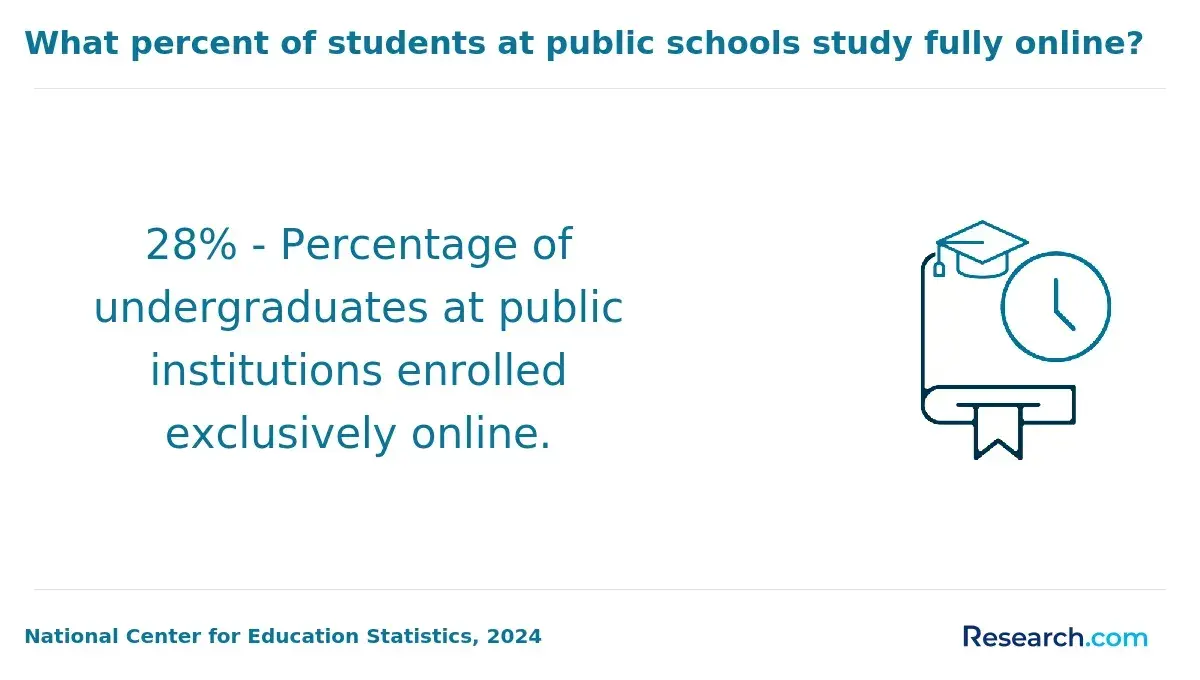
What Time Management Strategies Help Online Nonprofit Management Students Working Full-Time?
Balancing a full-time job with an online nonprofit management program requires strong time management to prevent burnout and stay on top of deadlines. Effective strategies can help students navigate these competing demands successfully.
Here are several practical, research-backed techniques:
- Create a Written Plan and Schedule: Map out weekly work hours, study sessions, and personal time, allowing flexibility for unexpected tasks to maintain balance and reduce stress.
- Prioritize Tasks and Set Milestones: Break larger assignments into manageable steps using to-do lists, focusing first on urgent academic deadlines during busy periods.
- Leverage Productivity Tools: Use digital calendars and task management apps like Google Calendar to organize commitments and receive reminders.
- Set Boundaries and Minimize Distractions: Designate study hours, inform colleagues and family about these priorities, and disable notifications to stay focused.
- Review and Adjust Regularly: Allocate time weekly to assess progress and tweak plans, improving efficiency based on what's working.
When asked about her experience, a student who completed an online nonprofit management degree while employed full-time shared how unpredictability at work often disrupted her study routine. She explained, "I learned to accept that some days wouldn't go as planned, so I adjusted my schedule nightly."
She emphasized how breaking tasks into smaller chunks helped her feel less overwhelmed and that communicating clear boundaries with family created an environment conducive to focused study. Reflecting on the journey, she noted that flexibility combined with deliberate task management was key to persisting through challenges and completing her degree successfully.
What Are the Biggest Challenges Full-Time Workers Face in Online Nonprofit Management Programs?
Full-time professionals pursuing an online nonprofit management degree often face difficulties balancing their job duties with academic requirements. The commitment needed to succeed in both areas can strain their time and energy.
Below are key challenges these students frequently encounter:
- Time Management and Work-Life Balance: Juggling a full-time job alongside coursework demands careful scheduling, especially since nonprofit roles sometimes involve unpredictable hours or urgent tasks. This balancing act can increase stress and risk of burnout, negatively impacting both work and study performance.
- Limited Access to Real-Time Support: Online learning often relies on asynchronous formats, meaning students might not receive immediate feedback or assistance from instructors and peers. This delay can be particularly challenging when handling complex nonprofit scenarios that require timely advice.
- Applying Theory to Practice: Successfully mastering nonprofit management requires linking academic theories with hands-on experiences, such as fundraising or strategic initiatives. Full-time workers may struggle to find opportunities or time to engage in these practical components, potentially hindering their professional growth in the sector.
How Do Online Nonprofit Management Programs Handle Internships for Full-Time Workers?
Balancing internships with full-time work presents significant challenges, yet these practical experiences remain a cornerstone in many online nonprofit management programs. Internships develop crucial skills and professional connections, making them integral despite the increased demands on working students.
The following outlines common strategies these programs use to accommodate full-time professionals:
- Flexible Scheduling: Students often can complete internship hours during evenings, weekends, or spread across longer periods. This flexibility allows professionals to maintain employment without compromising their academic progress.
- Credit for Relevant Employment: Some programs permit students already working in nonprofit roles to count their current job towards internship requirements, provided new learning goals are set and aligned with program aims, ensuring ongoing growth.
- Remote and Hybrid Options: Many programs approve virtual or hybrid internships, enabling students to complete placements without relocating, which is ideal for those balancing work and personal commitments.
- Customized Internship Plans: Faculty often collaborate with students to tailor internship experiences by adjusting hours, dividing them over terms, or aligning tasks with individual schedules, helping to reduce conflict with full-time jobs.
- Reduced Internship Hours: Prior nonprofit experience can lead to lowered or waived internship hours, recognizing existing expertise while maintaining academic standards.
In speaking with a student pursuing an online nonprofit management degree while working full-time, he highlighted how the program's adaptability made all the difference. He explained, "The flexibility to complete my internship remotely on weekends allowed me to keep my day job without feeling overwhelmed." He also appreciated that his prior nonprofit work was partly credited, which eased the required hours.
"Navigating both felt manageable because the advisors helped customize my internship plan. It wasn't just about checking boxes—it truly supported my career growth." His experience shows that thoughtfully designed internship structures let professionals pursue further education while sustaining their careers.
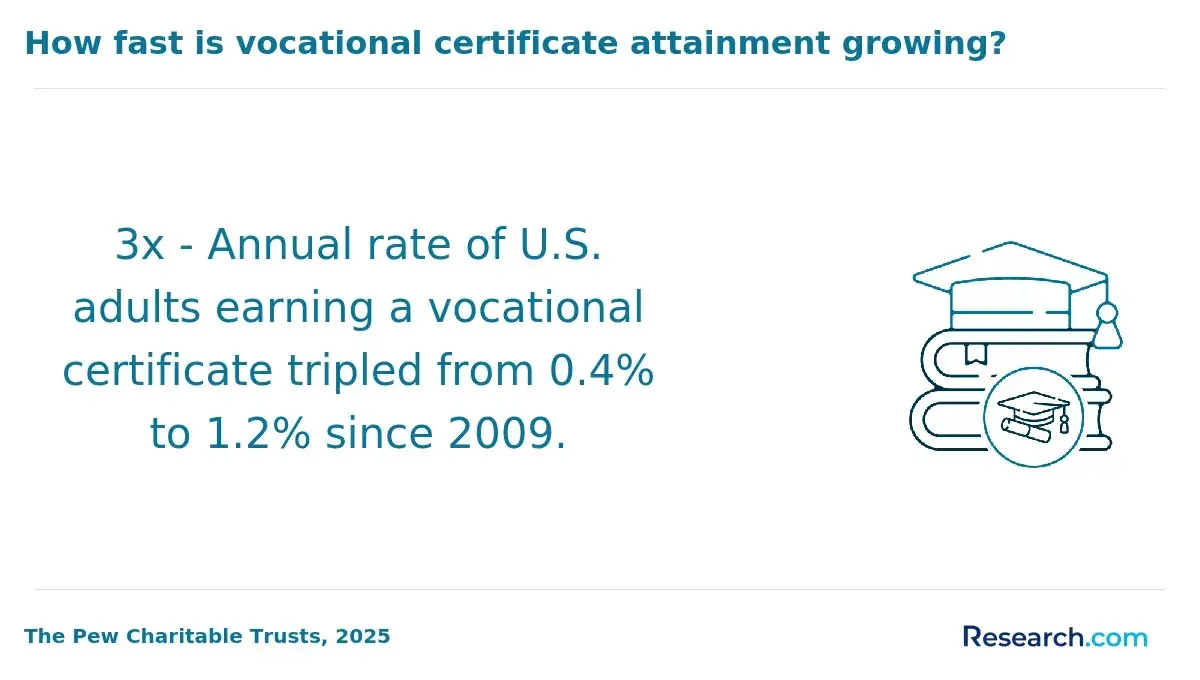
What Technology Do You Need for an Online Nonprofit Management Degree While Working Full-Time?
Having the right technology is essential for full-time professionals balancing their job responsibilities with online coursework. Below are the core technology requirements for working adults pursuing an online nonprofit management degree.
- High-Performance Computer: A laptop or desktop with a current operating system such as Windows, Mac, or Linux is vital. Ideally, the device should feature an Intel Core i7 or AMD Ryzen 7 processor, 16GB of RAM, and at least 512GB SSD storage. These specifications help manage complex coursework and software without lag.
- Reliable High-Speed Internet: At least 5Mbps download and 1Mbps upload speeds are necessary to ensure smooth video conferencing, quick access to course materials, and timely submission of assignments. Consistent connectivity supports participation in live lectures and virtual meetings.
- Webcam, Headphones, and Microphone: Video participation is often required in discussions, networking sessions, and project presentations. Using quality peripherals mimics real-world nonprofit board meetings and stakeholder communication.
- Office Productivity Suite: Microsoft Office 365, frequently offered for free to students, is crucial for preparing budgets, grant proposals, and strategic plans. Proficiency in Word, Excel, and PowerPoint supports academic success and nonprofit administration tasks alike.
- Antivirus and Security Software: Protecting sensitive donor data and financial records used in case studies requires comprehensive security solutions. Many internet providers offer antivirus software for free, helping students secure their coursework and personal information.
Choosing the best computer for working professionals in online nonprofit management programs directly impacts productivity and learning efficiency. Students aiming to maximize their career prospects may also explore the best paying master's degrees to supplement their skills and earnings potential.
Can You Qualify for Financial Aid If You Study Online and Work Full-Time?
Financial aid is often a key factor for full-time professionals seeking to advance their careers through an online nonprofit management degree while maintaining their jobs. Balancing work schedules and tuition costs means financial support can be the difference between enrolling or postponing education.
Here are five important considerations regarding financial aid eligibility for working students pursuing an online nonprofit management program.
- Federal Financial Aid (FAFSA): Accredited online nonprofit management programs generally accept federal financial aid. Full-time employment does not automatically disqualify candidates from filing the FAFSA, which bases eligibility on income, household size, and attendance costs rather than work hours.
- Income and Need-Based Aid: Though working full-time usually increases income, some students still qualify for federal loans or need-based grants, especially with dependents or significant expenses. For example, many graduate students qualify for Direct Unsubsidized Loans regardless of income, while Pell Grants tend to target lower-income applicants.
- Employer Tuition Assistance: Many nonprofits and related employers offer tuition reimbursement or educational assistance as benefits to full-time staff. Such programs can be combined with federal aid to minimize out-of-pocket tuition costs. Checking with your HR department can clarify available options.
- Program and Enrollment Status: Eligibility can vary whether studying full-time or part-time and based on credential type. While most degree programs qualify for federal aid, some certificate offerings might not. Enrolling full-time can also increase financial aid eligibility.
- Scholarships and Alternative Funding: Numerous scholarships target working professionals in nonprofit management or related sectors. Universities and independent organizations may provide specific awards or discounts, including those for first responders or nonprofit employees.
Working professionals wondering can you get financial aid for an online degree while working full-time should also explore options at the best inexpensive online colleges, which often highlight flexible financial aid packages. Being aware of these financial aid eligibility factors can empower you to pursue an online nonprofit management degree while successfully balancing a full-time career.
Do Employers Support Employees Pursuing Online Nonprofit Management Degrees in 2027?
Employer support has become an important factor for full-time professionals considering an online nonprofit management program, as balancing work and graduate studies requires significant flexibility. Workplace policies can greatly influence a student's ability to manage academic demands alongside job responsibilities.
The following outlines key ways employers support employees pursuing these degrees.
- Tuition Assistance and Reimbursement: Some employers offer partial or full tuition reimbursement, reducing financial barriers for students. This employer tuition reimbursement for online nonprofit management degree programs is often seen in larger nonprofits that invest in leadership development.
- Flexible Work Schedules: Allowing compressed workweeks or flexible hours helps employees attend synchronous classes and meet coursework deadlines. Such workplace support for employees earning nonprofit management degrees enables better time management and reduces stress.
- Professional Development Leave: Paid or unpaid educational leave is sometimes provided, allowing focused study during exam periods or important projects. This benefit, although less common, is usually more accessible in organizations with formal HR policies.
- Career Advancement Incentives: Employers may link degree completion to promotions or increased responsibilities, motivating employees to pursue further education with clear professional growth paths.
- Concerns About Performance Impact: Some employers remain cautious about academic commitments affecting job performance and availability. This can limit support or require rigorous communication and scheduling transparency.
For those exploring options, understanding how employers may respond to continuing education is valuable. Working professionals might also find helpful information about trade school careers and related support programs at trade school careers.
Does Completing an Online Nonprofit Management Degree While Working Full-Time Improve Your Salary?
Completing an online nonprofit management degree can positively impact salary, influenced by factors like industry demand, degree level, employer attitudes, and relevant work experience. The nonprofit sector offers roles such as fundraising manager, social services manager, and executive director with median salaries typically ranging from $45,000 to over $125,000, sometimes exceeding $160,000 depending on location and experience.
Higher qualifications, such as a master's or MBA in nonprofit management, generally correspond with increased earnings, often between $75,000 and $115,000 in nonprofit and government roles. Employers have become more accepting of online degrees, especially when paired with meaningful professional experience, which remains a key factor in salary outcomes.
Continuing full-time work while studying online may further improve career prospects by enabling quicker promotions, greater job security, and the chance to apply newly acquired skills immediately. This combination often accelerates salary growth and professional development.
However, outcomes vary based on the specific nonprofit field, employer preferences, and broader economic trends. Some organizations prioritize experience over formal education, while others highly value advanced degrees for leadership positions. Balancing ongoing work with education remains a valuable strategy in a competitive job market.
What Should Full-Time Workers Look for When Choosing an Online Nonprofit Management Program?
For busy working adults, selecting the right online nonprofit management program is vital because the program's format and support system can significantly influence their ability to juggle work, studies, and personal life. A schedule that fits a full-time professional's demands often determines whether they succeed or struggle in completing the degree.
Key considerations can help ensure a better fit and smoother experience.
- Flexible Course Schedules: Programs offering asynchronous classes, multiple start dates, and shorter terms like 8-week sessions allow students to manage coursework around hectic work hours. This flexibility is essential for professionals managing unpredictable workloads and family commitments.
- Accreditation and Credibility: Choosing a program accredited by recognized bodies such as SACSCOC ensures academic standards and boosts employer recognition, which is critical for career advancement in the nonprofit sector.
- Support Services and Faculty Expertise: Access to experienced instructors, mentorship, and advising helps students apply theory to practice while maintaining motivation. Personalized guidance is especially important for those balancing graduate studies with demanding jobs.
- Financial Aid and Transparent Costs: Clear information about tuition, discounts for nonprofit workers, and fees helps professionals plan finances without surprises, reducing barriers to completion.
- Career-Focused Curriculum: Curricula that emphasize practical skills like fundraising, volunteer coordination, and grant writing align well with nonprofit roles, enhancing career development and job readiness.
What Graduates Say About Completing an Online Nonprofit Management Degree While Working Full-Time
- Sam: "Balancing a full-time job while pursuing an online nonprofit management degree was challenging, but the program's flexible pace made it manageable. The coursework was engaging and directly relevant to my career goals, helping me secure a leadership role shortly after graduation. Considering the average cost was reasonable, I found this investment well worth it for the professional growth it provided."
- Lin: "Enrolling in an online nonprofit management degree program while working full-time required a lot of discipline, but it allowed me to reflect deeply on my career path. The flexibility to learn at my own speed was invaluable, and the affordable tuition made it accessible without overwhelming my finances. This experience expanded my understanding and prepared me for the complexities of the nonprofit sector."
- Theodore: "Pursuing an online nonprofit management degree while maintaining a full-time position demanded strong time management, but the structured yet flexible learning environment supported my success. The program's cost was competitive, and I appreciate how it enhanced both my strategic thinking and practical skills in the nonprofit world. This degree truly elevated my professional credibility and opportunities. "
Other Things You Should Know About Nonprofit Management Degrees
In 2027, full-time workers can balance an online nonprofit management degree by scheduling dedicated study times, prioritizing tasks with a planner, and using productivity tools like calendars and reminders. Establishing a routine and setting boundaries with work and personal time helps maintain focus and progress.
In 2027, many online nonprofit management programs offer career support tailored for full-time workers, including access to virtual career counseling, online job portals, and networking events. These resources are designed to help students transition successfully into new roles or advance within their current organizations.
References
- Business Management: Nonprofit Management Option (B.S.) https://cps.unh.edu/online/program/bs/business-management-nonprofit-management-option
- Master of Arts in Nonprofit Management https://caps.washu.edu/programs/graduate-programs/master-of-arts-in-nonprofit-management/
- MBA – Not-for-Profit Management https://www.regent.edu/program/mba-not-for-profit-management/
- Associate Degree in Nonprofit Management https://www.ccu.edu/ccu/nonprofit-management/associate/
- Graduate Certificate in Nonprofit Management and Leadership | UGA Online | Online Degrees, Certificates and Courses https://online.uga.edu/degrees-certificates/graduate-certificate-nonprofit-management-leadership/
- Nonprofit Management | An Opportunity to Change the World https://www.tuw.edu/school-news/benefits-of-working-in-nonprofit-management/


