
2027 Different Types of Educational Psychology Degrees and Their Salaries

Co-Founder and Chief Data Scientist
The demand for skilled professionals in educational psychology continues to rise as schools and organizations prioritize evidence-based strategies to support diverse learners. According to the U.S. Bureau of Labor Statistics, employment in this field is projected to grow faster than average over the next decade, reflecting increased investment in student development and learning outcomes. Choosing the right educational pathway is crucial for individuals seeking to maximize their impact and earning potential. This article provides a comprehensive overview of the different types of educational psychology degrees available and outlines the salary expectations for graduates from various programs, helping readers make informed decisions about their academic and career futures.
Key Points About Different Types of Educational Psychology Degrees and Their Salaries
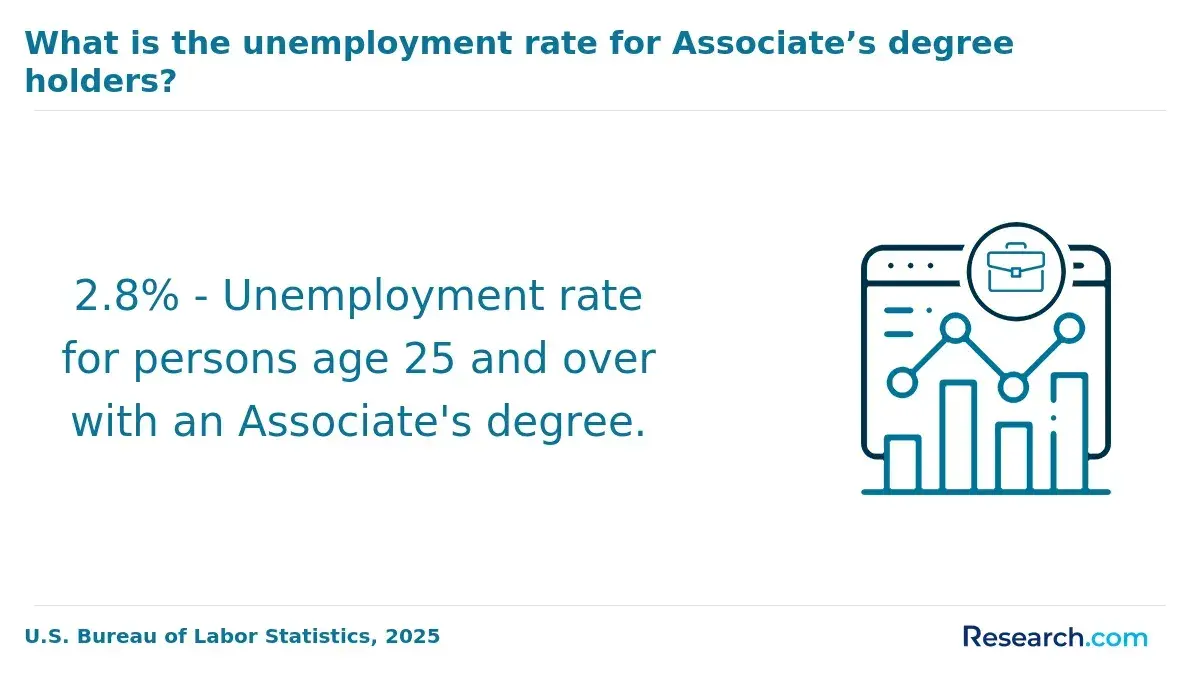
- An associate degree in educational psychology typically offers limited career opportunities primarily in support roles within schools, with average salaries around $30,000 to $40,000 annually, reflecting its position as an entry-level qualification in the U.S. job market.
- Graduates holding a bachelor's degree in educational psychology can pursue specialized positions such as educational assistants or intervention specialists, earning median salaries near $45,000 to $60,000 and benefiting from higher employability compared to associate degree holders.
- Master's and doctoral degrees in educational psychology open doors to advanced career paths including school psychologist, research analyst, or university faculty roles, with salaries often exceeding $70,000 to $90,000 and demonstrating strong long-term growth aligned with increased expertise and responsibilities.
What are the different types of educational psychology degrees available?
Understanding the different types and levels of educational psychology degrees is crucial for students because each program caters to different career objectives and educational backgrounds. This knowledge helps prospective students align their choices with their long-term goals and job market potential. To provide clarity, here is an overview of the main types of educational psychology degrees and what makes each unique.
These options range from foundational studies to advanced clinical or research-focused training, covering a variety of educational and professional needs.
- Bachelor's Degree in Psychology: This degree provides foundational knowledge in psychology, including basic theories, general education, and introductory research methods. Coursework covers major psychological concepts, statistics, and behavioral science, serving as a stepping stone for further study in educational psychology.
- Master's Degree in Educational Psychology (M.A. or M.S.): Focused on advanced theories of learning, assessment techniques, and instructional strategies, this degree involves research and study of how cognitive and social factors influence educational outcomes.
- Education Specialist (Ed.S.) in School Psychology: Emphasizing applied training, this degree prepares students through coursework in psychological assessment, counseling, and internships aimed at school-based mental health intervention.
- Doctor of Philosophy (Ph.D.) in Educational Psychology: This research-intensive degree concentrates on the generation of new knowledge with advanced coursework in statistics and research methods, culminating in an original dissertation.
- Doctor of Education (Ed.D.) in Educational Psychology: Offering study in educational practices and leadership, this degree covers educational policy, program evaluation, leadership, and applied research.
- Doctor of Psychology (Psy.D.) in Educational or School Psychology: Focused on clinical practice, it highlights psychological assessment, intervention, and supervised practicum experience, with less emphasis on research than a Ph.D.
Knowing these differences allows students to pick a program that fits their academic interests and future aspirations, which can influence salary expectations. For example, educational psychologists with master's degrees earn an average of $72,000 per year, while those holding doctoral degrees can earn $85,000 or more annually. Interested students may also benefit from exploring the best college degrees for employment to make informed decisions about their educational paths.
What specializations are available in educational psychology degrees?
Specialization is a crucial consideration when choosing an educational psychology degree because it shapes the skills you acquire and the career paths available after graduation. Picking the right focus allows students to align their education with specific professional goals, ensuring they gain expertise that meets employer demands.
Common educational psychology specializations include the following:
- Applied Behavior Analysis in Educational Psychology: This specialization concentrates on behavior assessment and intervention techniques aimed at enhancing learning and classroom management. Students develop skills in designing evidence-based strategies and often pursue careers as board-certified behavior analysts or behavior therapists in special education settings.
- Gifted and Talented Education in Educational Psychology: Focused on recognizing and supporting advanced learners, this track trains students in curriculum differentiation and talent development strategies. Graduates frequently become gifted program coordinators, instructional specialists, or consultants developing enrichment programs for schools.
- Quantitative Methods in Educational Psychology: Emphasizing statistical analysis, research design, and educational measurement, this specialization prepares students to evaluate educational programs and policies. Common roles include education data analyst, research scientist, or academic faculty members with median salaries around $84,000. This concentration is ideal for those exploring which bachelor degree is easy to study with a strong research focus.
- Special Education in Educational Psychology: Addressing the needs of students with disabilities, this track covers legal frameworks, assessment methods, and intervention strategies. Career options include special education teachers, school psychologists, and advocates promoting inclusive education.
- Human Development in Educational Psychology: Students study cognitive, social, and emotional growth across the lifespan, preparing for careers in education, counseling, child welfare, or policy analysis. This specialization supports learners at various developmental stages with a holistic perspective.
How long does it take to complete each type of educational psychology degree?
Understanding how long it takes to complete various educational psychology degrees is crucial for students as they plan their academic and professional futures. Knowing the typical duration helps in setting realistic timelines for education, career entry, and financial planning. The following list outlines the main types of educational psychology degrees and their average completion times.
- Associate Degree in Educational Psychology: Typically requires about two years of full-time study. This degree often serves as a foundational stepping stone, with part-time enrollment or transfer credits potentially extending or shortening the timeline. Some community colleges may offer accelerated programs or online courses to accommodate flexible scheduling.
- Bachelor's Degree in Educational Psychology: Usually completed in four years of full-time study. Factors such as taking summer courses, part-time study, or transferring previously earned credits can affect the duration. Online and hybrid programs are increasingly available, offering flexible options that can sometimes shorten the time to degree completion.
- Master's Degree in Educational Psychology: Generally takes two years beyond the bachelor's degree when studying full-time. Part-time study options can extend this to three or four years, though some programs offer accelerated or online formats that allow completion in as little as one year.
- Doctoral Degree (PhD or EdD) in Educational Psychology: Often requires between four to seven years to complete after the master's degree. The timeline varies greatly depending on the research focus, dissertation progress, and enrollment status. Many programs offer flexible pacing, but completing in under four years is uncommon.
Are there accelerated educational psychology degree programs?
Yes, there are accelerated educational psychology degree programs available in the United States that enable students to complete their studies more quickly than traditional routes. These programs often shorten the overall completion time by allowing undergraduates to begin graduate-level coursework while still working on their bachelor's degree.
This dual-credit approach, combined with condensed courses and year-round terms-including summer sessions-helps students earn both degrees in as little as five years, compared to six or more when pursued separately. Some master's programs offer self-paced online formats that can be completed in about 15 months, depending on the student's schedule and transfer credits.
Transfer credit policies also play a significant role in accelerating progress, as students can apply prior academic work or relevant experience toward degree requirements, reducing the time needed to graduate.
Key considerations for students interested in these accelerated tracks include the intensity of the workload and eligibility criteria. Accelerated programs demand heavy course loads and quick progression, which may challenge students' time management and learning styles. Admission to combined programs typically requires a strong academic record, including a minimum GPA, faculty recommendations, and a clear statement of purpose.
These programs are often competitive, and not every undergraduate is eligible to participate. Despite these challenges, graduates with accelerated degrees in educational psychology often enter careers in schools, research, or related organizations, benefiting from competitive salaries and potential job security.
When discussing whether accelerated educational psychology degree programs are right for students, one graduate shared that juggling undergraduate and graduate coursework simultaneously was intense but ultimately rewarding. He described the experience as a "fast-paced balancing act"-managing overlapping deadlines, learning complex material in condensed sessions, and adapting quickly to varied teaching formats.
He appreciated the ability to move at his own speed through online modules but noted that staying disciplined was essential. Reflecting on the journey, he said, "It was stressful at times, especially when courses overlapped, but it also made me more resilient and motivated." His advice to prospective students was to carefully assess their capacity for an accelerated workload before committing but to also embrace the opportunity if ready, as it "opened doors in my career sooner than expected."
Are online educational psychology degrees as credible as traditional ones?
Online and traditional educational psychology degree programs both uphold rigorous academic standards, especially when offered by regionally accredited institutions. They typically share the same curriculum, learning objectives, and assessment methods, ensuring that the quality of education remains consistent regardless of delivery format.
Research from 2019 to 2023 comparing undergraduate courses in both formats indicates that although completion rates tend to be slightly higher in traditional settings, overall learning outcomes are similar when online programs use best practices. Online programs also enhance flexibility and provide interactive resources and collaborative opportunities through technology, but they require strong self-regulation and motivation from students to perform at the same level as in-person cohorts.
Employer acceptance of online degrees has improved significantly in recent years. Whereas skepticism existed about online credentials a decade ago, current surveys and employer reports reveal growing recognition, particularly when the degree comes from an accredited and reputable institution.
A meta-analysis by the US Department of Education found that students in online programs often perform as well or better than those attending traditional settings. Salary outcomes for educational psychology graduates generally do not differ based on whether the degree was earned online or in person; instead, employer decisions are influenced more by the reputation and accreditation of the school, as well as the graduate's experience.
Ultimately, the credibility of an educational psychology degree hinges more on the institution's standing than on the method of delivery.
How much does each type of educational psychology degree typically cost?
Understanding the tuition differences between various educational psychology degree levels is essential for effective budgeting and long-term financial planning. Costs can vary widely depending on factors such as institution type and delivery method, so having clear expectations helps students and families prepare accordingly.
Below is a breakdown of typical tuition ranges for each type of educational psychology degree to aid in this planning.
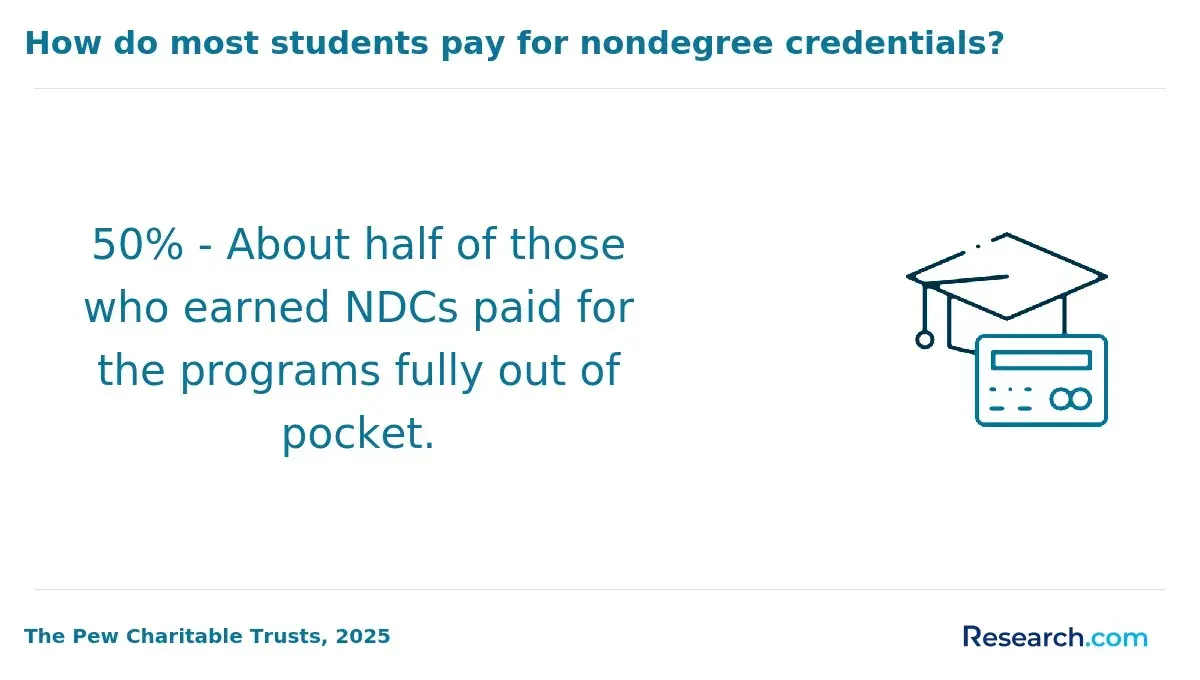
- Bachelor's Degree in Educational Psychology: Tuition usually ranges from $9,000 to $12,000 per year at public in-state universities, while private institutions often charge between $35,000 and $45,000 annually. Online programs present a more affordable option, averaging around $12,000 per year. Financial aid such as federal grants, scholarships, and work-study opportunities are commonly available to help offset these costs.
- Master's in Educational Psychology: Public universities typically charge between $10,000 and $25,000 per year for master's degrees, whereas private schools may range from $30,000 up to $50,000 or more annually. Online and accelerated programs can be significantly less expensive, sometimes costing as little as $8,957 to $17,400 in total. Graduate assistantships, scholarships, and federal student loans often support students financing these programs.
- Doctorate in Educational Psychology (Ph.D. or Psy.D.): Doctoral tuition varies from $12,000 to $30,000 per year at public universities and $25,000 to $60,000 at private ones. Many Ph.D. students receive tuition waivers and stipends through research or teaching assistantships, greatly reducing expenses. Psy.D. students typically rely more on scholarships and loans, with programs lasting between 4 and 7 years.
A graduate of an educational psychology degree program shared her experience managing the costs of her master's degree. She candidly recalled, "Balancing work and school was challenging, but securing a graduate assistantship made a huge difference in relieving financial pressure."
She emphasized how important it was to explore every aid avenue early on, explaining that the combination of scholarships and part-time employment allowed her to complete the program without overwhelming debt. Reflecting on her career benefits, she noted that the investment paid off as opportunities expanded significantly after graduation, affirming that thorough financial planning and perseverance were key to her success.
What jobs can you get with each type of educational psychology degree?
The level of educational psychology degree you earn greatly influences your career opportunities and determines the types of roles you are qualified to pursue. Entry-level degrees often lead to support roles, whereas advanced degrees open doors to specialized research, consulting, and licensed practice.
Below is a detailed list outlining common jobs associated with each educational psychology degree type.
- Bachelor's degree in educational psychology: Graduates with a bachelor's degree typically enter human services, mental health, or education support roles, such as case worker, youth court advocate, or program assistant. They may also work as learning technologists or content developers in schools and private organizations, with salaries ranging between $35,000 and $50,000 depending on location and employer.
- Master's degree in educational psychology: Master's degree holders often become instructional designers, learning specialists, or educational researchers. These roles involve designing curricula, evaluating programs, and conducting research within schools, corporations, or nonprofits, with median salaries around $60,000 to $75,000 annually.
- Doctoral degree (Ph.D., Ed.D., Psy.D.) in educational psychology: Doctoral graduates qualify for advanced positions such as educational psychologists, university professors, senior researchers, and policy advisors. These positions focus on research, higher education teaching, consulting, and licensed practice, with salaries frequently exceeding $90,000 and often reaching six figures for faculty and private consultants.
If you are exploring your options in the field, understanding how degree levels correspond to careers and earnings is essential. For more information on related educational pathways, you might also consider reviewing the associates degree online cost to plan your academic journey effectively.
How do salaries differ by educational psychology degree type?
Degree level often plays a significant role in determining earning potential within the field of educational psychology. Understanding these salary differences can help students make informed educational and career decisions. Below is a summary of typical salary ranges for each educational psychology degree type.
- Bachelor's degree in educational psychology: Entry-level roles with a bachelor's degree usually offer modest earnings, averaging around $44,000 annually. Jobs often include research assistant or support positions, with limited opportunities to become licensed psychologists. Location and employer type can impact salaries, but advancement typically requires further education.
- Master's degree in educational psychology: Holding a master's degree opens doors to roles such as instructional designers, learning specialists, or policy analysts, with salaries generally ranging from $65,000 to $85,000 per year. Specialized settings like government agencies or private contractors can offer salaries above $100,000. Geographic factors and industry choice notably affect compensation.
- Doctoral degree (PhD or PsyD) in educational psychology: Doctoral graduates often work in research, university faculty, or advanced clinical positions, earning a median salary near $100,770. Experienced professionals and tenured professors may earn $150,000 or more. This degree level provides the highest long-term earning potential, particularly in metropolitan areas with high demand for research expertise.
Students interested in pursuing educational psychology degrees and financial aid options can explore a variety of online FAFSA schools to find programs that fit their goals and budget.
Is there high demand for educational psychology degree holders in the job market?
There is currently high demand for educational psychology degree holders in the US, especially for those specializing as school psychologists. This demand is influenced by several key factors, including emerging technologies that expand the role of professionals into remote behavioral assessments and virtual counseling.
Workforce needs have increased due to a growing mental health crisis among students, which was further intensified by the COVID-19 pandemic. The shortage of school psychologists is particularly acute, with an average ratio of one professional for every 1,127 students, more than double the recommended ratio of 1:500.
Regional differences play a significant role, with rural areas and Southern states experiencing the most severe shortages. Federal and state initiatives are actively working to expand the pipeline of qualified professionals through retraining and new master's-level and hybrid graduate programs to better address these disparities and meet rising needs.
According to projections from the U.S. Bureau of Labor Statistics, employment for psychologists, including educational and school psychologists, is expected to grow by about 6% from 2024 to 2034, which is faster than the average for all occupations. Salaries for school psychologists typically range from $60,000 to $90,000 annually, with higher pay available in administrative or specialized consulting roles and in states facing the greatest shortages.
For students exploring trade school career options, educational psychology offers strong potential due to its expanding opportunities and competitive salaries. Overall, the outlook for educational psychology degree holders is robust, particularly for those willing to work in underserved areas or pursue advanced specializations, making it an attractive field for new graduates entering the workforce.
What factors should you consider when picking a type of educational psychology degree?
Choosing the right degree level in educational psychology is a critical decision that shapes your future career opportunities and personal circumstances. It ensures that your education aligns with both your professional goals and your readiness for further study. To make an informed choice, consider these key factors:
- Career Goals: The degree level determines the type of positions you qualify for. A bachelor's degree may lead to entry-level roles or prepare you for graduate study, while a master's opens doors to specialized careers like school psychologist or educational consultant. Doctoral degrees are necessary for academic, high-level research, or private practice roles. Assess which career paths fit your aspirations before choosing.
- Salary Expectations: Higher degrees typically correlate with increased earning potential. School psychologists with a master's or doctorate can earn median salaries around $81,500 annually, with top professionals exceeding $115,000. Entry-level bachelor's positions usually offer lower pay, ranging between $40,000 and $55,000. Balance your financial goals with the investment in education.
- Time Commitment: Degree programs vary from four years for a bachelor's to two to three years for a master's, and five to six years for doctorates. Consider how much time you can realistically dedicate, especially balancing personal and financial obligations alongside studies.
- Program Focus and Accreditation: Programs differ in emphasis-some focus on research and theory, others on practical applications in education. Accreditation is critical for licensure, particularly in clinical or school psychology roles. Confirm curriculum and accreditation status to meet your career requirements.
- Cost and Financial Aid: Graduate and doctoral programs can be costly beyond tuition, including living expenses. Explore scholarships, assistantships, and loan options to ensure your chosen path is financially manageable and sustainable.
What Educational Psychology Graduates Say About Their Degree and Salary
- Jamal: "Completing my doctorate in educational psychology was a transformative experience that opened doors I never imagined. The depth of research training equipped me to contribute to innovative learning interventions, and my career as a school psychologist has been both stable and incredibly fulfilling. I feel proud knowing my work supports the well-being of diverse student populations daily. This degree truly paved the way for a lifelong commitment to educational equity and professional growth."
- Sonia: "Getting my master's in educational psychology gave me unique insight into how students learn differently, which is invaluable in my current role as an instructional coordinator. It wasn't just about gaining knowledge but also about expanding my leadership skills and confidence. Reflecting on my journey, I'm grateful for the challenges that pushed me to advocate more effectively for inclusive teaching practices. This degree empowered me to create meaningful change in my community's schools and maintain a passionate connection to educational development."
- Diego: "After earning my bachelor's degree in educational psychology, I was excited to begin working directly with children who have learning differences. The practical focus of the program helped me quickly adapt to diverse classroom environments and address unique challenges with creativity and compassion. Professionally, the degree laid a solid foundation for my ongoing development and opened opportunities for certifications that further my career. Personally, I've grown in empathy and purpose, motivated by the impact I make every day."
Other Things You Should Know About Educational Psychology Degree Programs & Salaries
In 2027, average salaries for educational psychologists vary by region. For instance, in the Northeast, salaries tend to be higher, averaging around $85,000, whereas in the Midwest, they average about $75,000. This difference is influenced by the cost of living and demand for educational psychologists in each area.
Yes, salaries in educational psychology differ significantly by region due to cost of living and demand. Urban areas and states with high education funding tend to offer higher salaries. Conversely, rural or less populous states often have lower average wages for these professionals.
References
- Facts & Figures https://www.eur.nl/en/master/educational-psychology-learning-and-performance/facts-figures
- Educational Psychology Specialization (EP) | UMD College of Education https://education.umd.edu/academics/departments/hdqm/hd/educational-psychology-specialization-ep
- 5 Key Courses In A Master’s In Educational Psychology Program - GradSchoolHub.com https://www.gradschoolhub.com/lists/5-key-courses-masters-educational-psychology-program/
- How to Become an Educational Psychologist - Graduate Programs for Educators https://www.graduateprogram.org/blog/how-to-become-an-educational-psychologist/
- 8 Useful Career Options for Educational Psychology Graduates | The Enterprise World https://theenterpriseworld.com/educational-psychology-graduates/
- Educational Psychology Career Opportunities https://www.bsu.edu/academics/collegesanddepartments/educational-psychology/academic-programs/careers
- Educational Psychology: Which degree to purse. https://www.degreeforum.net/mybb/Thread-Educational-Psychology-Which-degree-to-purse
- Educational Psychology Degrees https://education.arizona.edu/educational-psychology-degrees
- What Type of Degree is Needed to Be an Educational Psychologist? https://www.onlinepsychologydegree.info/faq/what-type-of-degree-is-needed-to-be-an-educational-psychologist/
- Psychology (Educational Psychology Specialization) | ISPA https://en.ispa.pt/cursos/psychology-educational-psychology-specialization


