
2027 Different Types of Cloud Computing Degrees and Their Salaries

Co-Founder and Chief Data Scientist
The demand for skilled cloud computing professionals continues to rise sharply as businesses increasingly rely on cloud technologies to drive innovation and operational efficiency. According to recent labor market analyses, employment in cloud-related roles is projected to grow significantly faster than the average for all occupations, reflecting the expanding importance of cloud infrastructure across industries.
Selecting the right educational path in this evolving field is critical for maximizing career opportunities and earning potential. This article provides a comprehensive overview of the various cloud computing degree options available and offers insights into the salary expectations for graduates, equipping readers with the knowledge to make informed decisions about their future in this dynamic sector.
Key Points About Different Types of Cloud Computing Degrees and Their Salaries
- Associate degrees in cloud computing typically provide foundational skills and can lead to entry-level positions such as cloud support specialists, with average starting salaries around $55,000 per year in the U.S., making them a cost-effective option for quick workforce entry.
- Bachelor's degrees in cloud computing open doors to more advanced roles like cloud engineers and architects, where median salaries range between $90,000 and $120,000 annually, reflecting stronger career growth and demand among employers.
- Master's degrees in cloud computing significantly boost earning potential and leadership opportunities, with graduates often securing senior positions that pay upwards of $140,000 per year, benefiting from specialized knowledge in cloud infrastructure and security trends shaping the U.S. tech industry.
What Are the Different Types of Cloud Computing Degrees Available?
Understanding the different types and levels of cloud computing degrees is crucial for students to select a program that aligns with their educational background and career goals. Each degree option is designed to focus on specific skills and knowledge areas, catering to various roles within the cloud computing industry. Below is an overview of the main types of cloud computing degrees and what distinguishes each one.
These degree types not only vary in their curriculum but also impact potential earnings, making it essential to consider the right path carefully.
- Associate Degree in Cloud Computing: This foundational degree introduces the basics of IT and cloud concepts, covering coursework in networking fundamentals, operating systems, and an overview of cloud platforms and services. It prepares students primarily for entry-level roles such as support technicians or junior system administrators.
- Bachelor's Degree in Cloud Computing: Offering a comprehensive curriculum, this degree delves into networking, security, cloud infrastructure, and software development. Students engage in practical labs and projects focused on deploying, managing, and securing cloud environments, building a broad technical skill set.
- Master's Degree in Cloud Computing: Targeted at those seeking advanced technical expertise, this degree covers complex subjects like cloud architecture, project management, and large-scale system integration. Coursework often includes research-oriented projects and in-depth problem-solving related to cloud migration and optimization.
- Cloud Computing Certifications: Although not degrees, professional certifications such as AWS Certified Solutions Architect or Microsoft Azure credentials validate specialized cloud skills. These certifications emphasize practical knowledge of specific platforms and tools, supporting career advancement and often leading to better salary prospects. For those looking for the best certifications for high paying jobs, pursuing industry-recognized credentials is a smart choice.
What Specializations Are Available in Cloud Computing Degrees?
Specialization is a critical factor when choosing a cloud computing degree because it allows students to focus their education on specific technical areas, making them more competitive in the job market. Aligning your studies with clear career goals helps develop targeted skills that meet employer demands and increase earning potential.
Below are some common Cloud Computing specializations that students can consider to tailor their education effectively:
- Cloud Computing Architecture: Focuses on designing and managing scalable, secure, and efficient cloud systems. Students gain expertise in cloud platforms like AWS and Azure, systems integration, and solution design. Graduates often pursue roles such as cloud architect and solutions architect.
- Cloud Security: Concentrates on protecting cloud environments from cyber threats. Key skills include security protocols, risk management, and compliance. Careers include cloud security analyst and information security engineer, with median salaries around $96,000.
- Cloud and Network Engineering: Emphasizes deployment and management of cloud-based network infrastructure. Students develop skills in network design, automation, and virtualization. Common job titles include cloud network engineer and systems support specialist.
- Cloud Application Development: Specializes in developing and maintaining cloud software applications. Programming languages such as Python, Java, and JavaScript, along with DevOps practices, are core skills. This specialization leads to high-paying roles like cloud developer and software engineer.
- Virtualization and Cloud Infrastructure: Focuses on efficient data center operations using virtualization technologies such as VMware and Hyper-V. Graduates become virtualization engineers or cloud infrastructure managers.
Students seeking the easiest bachelor's degree to get in cloud computing should understand how these specializations impact career paths and should choose one that aligns with their interests and salary goals.
How Long Does It Take to Complete Each Type of Cloud Computing Degree?
Understanding the duration of various cloud computing degree programs is essential for students as they plan their education and career goals. Knowing how long each program typically takes helps manage expectations and align timelines with personal and professional commitments. Below is an overview of common cloud computing degree types and their usual completion times.
- Associate Degree in Cloud Computing: This program generally takes about two years of full-time study to complete. Part-time enrollment can extend the timeline, while transfer credits may shorten it. Many community colleges offer online and accelerated options to provide more flexibility for busy students.
- Bachelor's Degree in Cloud Computing: Typically lasting four years, this degree is the standard for many entering the field. Some students may finish sooner by taking summer courses or transferring previously earned credits. Online programs and accelerated tracks are increasingly available to accommodate working professionals.
- Master's in Cloud Computing: This graduate degree usually requires one to two years beyond the bachelor's level. Factors like part-time study and thesis requirements can affect the duration. Online master's programs are common, offering options for accelerated completion based on intensive coursework.
- Doctorate in Cloud Computing: PhD programs vary greatly but often take three to five years of full-time study. The research component and dissertation process typically extend the timeline, though some programs offer part-time options for working students.
Are There Accelerated Cloud Computing Degree Programs?
Accelerated cloud computing degree programs are designed to help students complete their education faster than traditional routes by employing various strategies to shorten the usual timeline. Common formats include condensed courses or year-round enrollment, which means students take classes continuously without the typical long breaks.
This approach allows completion within as little as 16 months for some second-degree students or roughly 2.5 years for others pursuing a full bachelor's degree. Transfer credits and recognition of prior learning also play an important role, enabling students to leverage previous academic work or professional certifications to reduce redundant coursework.
Additionally, some universities offer integrated undergraduate and graduate pathways, allowing motivated students to begin graduate-level courses while finishing their bachelor's, thus streamlining the total time and cost to earn both degrees.
Key considerations for prospective students in accelerated cloud computing programs include the intense workload, as these courses often require managing multiple demanding subjects simultaneously.
Admission standards can be rigorous, frequently requiring a strong academic record-typically a minimum GPA of 3.0 or higher for master's pathways. It is also essential to confirm eligibility for transfer credits and alignment with industry certifications, which can significantly influence the program's duration and overall cost.
For many, accelerated degree options are strategically valuable, offering a faster path to entering a field with lucrative career prospects, where median salaries routinely exceed $120,000 annually for roles such as cloud architects or engineers.
When asked about his experience as a graduate of an accelerated cloud computing degree program, he reflected on the challenges and rewards of this condensed path. "The pace was definitely intense," he shared, "balancing multiple courses with hands-on projects required strict time management and focus every day."
He valued the year-round schedule because it kept momentum high, though it felt like there was little downtime to recharge. Prior credits from my previous studies helped reduce the load, which was a relief." He also noted that "starting graduate-level classes early through the integrated program gave me a head start on my career goals."
Despite the pressure, he felt a strong sense of accomplishment and confidence entering the workforce sooner than he originally expected, emphasizing that for motivated students ready to handle an accelerated pace, these programs offer both a challenging and rewarding route into cloud computing careers.
Are Online Cloud Computing Degrees as Credible as Traditional Ones?
Online cloud computing degree programs today maintain academic standards comparable to traditional ones through rigorous accreditation and advanced instructional technologies.
Accredited online programs must meet the same curriculum requirements, faculty qualifications, and assessment methods as their on-campus counterparts. Many universities now offer identical cloud computing courses in both formats, often taught by the same instructors and using the same resources such as virtual labs, collaborative projects, and industry-aligned certifications.
Studies indicate that academic outcomes for online students are equal to or better than those of in-person learners, with 77% of academic leaders agreeing with this assessment. Additionally, online courses tend to have higher retention rates, ranging from 25% to 60%, compared to 8% to 10% in traditional classrooms. The flexibility of online learning allows students to balance work and study more effectively, further supporting their academic success.
Employer acceptance of online cloud computing degrees has grown significantly, fueled by the rise of remote learning and increasing demand for digital skills. Employers recognize that online education demonstrates important attributes like self-discipline, time management, and technical proficiency, which are essential in cloud computing roles.
However, the credibility of any degree-online or traditional-relies more heavily on the reputation and accreditation of the issuing institution than on the mode of delivery. Degrees awarded by reputable, non-profit, and accredited universities are respected by employers regardless of format.
Prospective students are best advised to prioritize programs that hold strong accreditation and institutional standing to ensure career success and recognition in the workforce.
How Much Does Each Type of Cloud Computing Degree Typically Cost?
Understanding the tuition differences across various cloud computing degree levels is crucial for effective budgeting and long-term financial planning. Prospective students need to consider how varying costs can affect their investment and future earning potential. To help guide these decisions, here is a summary outlining the typical tuition ranges for each type of cloud computing degree.
- Associate Degree in Cloud Computing: Tuition generally ranges from $3,000 to $10,000 per year for in-state students, with higher costs for out-of-state attendance. Community colleges frequently offer these programs, some with special funding options such as "G3 Eligible" status that may cover all tuition and fees. Students can often access financial aid including Pell Grants and state scholarships to offset expenses.
- Bachelor's Degree in Cloud Computing: Costs vary widely, typically between $8,600 (in-state public) to $20,500 (out-of-state public) per year, while private and online programs may total $30,000 to $80,000 for the entire degree. Public institutions generally provide more affordable tuition with options to transfer credits from lower-cost colleges. Financial aid opportunities include scholarships, grants, and work-study programs.
- Master's in Cloud Computing: Graduate tuition tends to be higher, with programs charging approximately $1,200 per credit for online master's degrees, translating to $36,000 to $48,000 for a full program. Costs can be steeper at private universities, but many students explore federal loans, assistantships, employer tuition reimbursement, and merit-based scholarships to manage expenses.
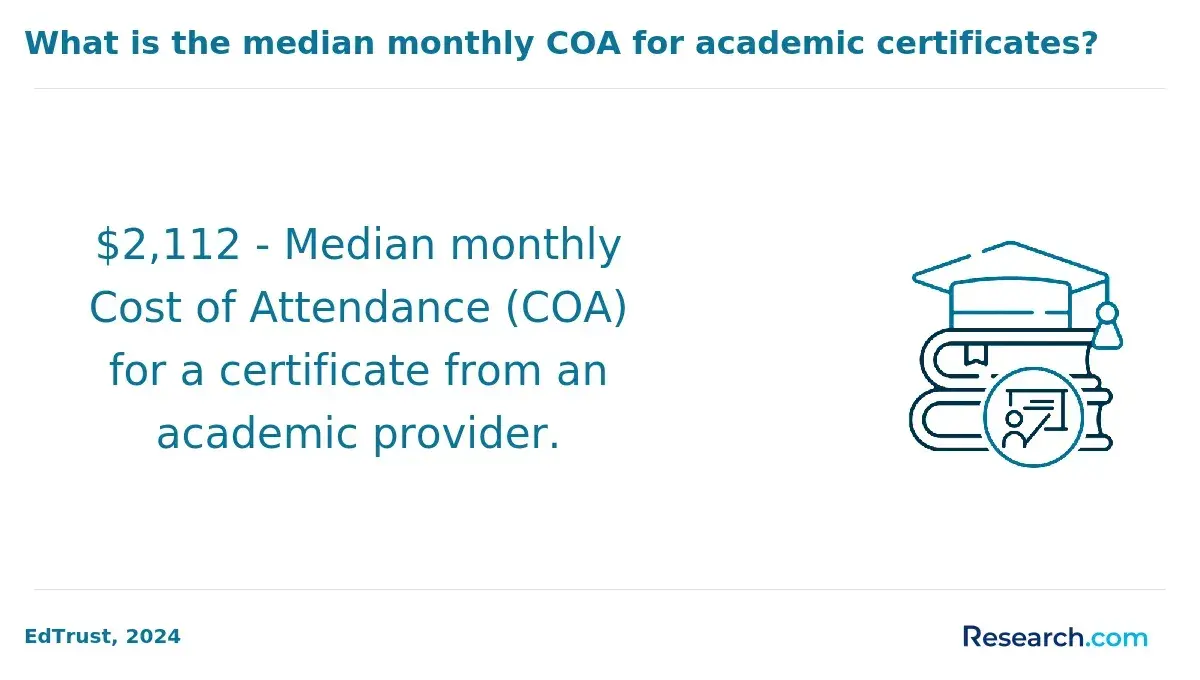
- Certificate and Diploma Programs: These are often the most affordable cloud computing education options, averaging around $17,100 in total tuition. Typically offered by technical colleges or online platforms, these programs are shorter and intended for rapid skill acquisition. Financial aid may include workforce development grants or employer sponsorships.
When discussing these costs with a graduate of a cloud computing degree program, she shared how she carefully navigated tuition challenges by combining scholarships and part-time work, emphasizing the value of planning early. She reflected, "It wasn't just about the numbers but also about finding the right program that balanced cost and quality."
Her experience underscores that while tuition can be a significant consideration, leveraging available financial resources and choosing a program aligned with career goals can lead to rewarding outcomes. Today, she credits her degree not only for advancing her technical skills but also for opening doors to well-paying roles, affirming that the investment in her education was worthwhile.
What Jobs Can You Get with Each Type of Cloud Computing Degree?
The level of education in cloud computing significantly influences career opportunities, determining the types of roles graduates qualify for and the responsibilities they can assume. Higher degrees typically open doors to specialized, senior, and better-paid positions, while entry-level qualifications prepare students for foundational roles in IT and cloud support. Below is an overview of common jobs associated with various cloud computing degree levels to help prospective students understand their options.
Here are typical career paths linked to each level of cloud computing education:
- Associate Degree in Cloud Computing: Graduates mostly begin in support-oriented jobs such as cloud support technician or IT help desk specialist. Responsibilities generally include troubleshooting user issues, maintaining basic cloud systems, and assisting with updates. These roles are often found in business IT departments or managed service providers, offering a foundation to advance with further experience and certifications.
- Bachelor's Degree in Cloud Computing: This degree commonly leads to positions like cloud administrator, cloud engineer, or network and data center administrator. Job duties focus on managing cloud platforms, configuring services, and ensuring system security and reliability. Bachelor's graduates may find opportunities in large corporations, cloud service companies, or data centers. According to ECPI University, roles in network support and storage technology management are also common, with average salaries for cloud network engineers reaching approximately $80,917 per year.
- Master's Degree in Cloud Computing or Related Fields: Advanced degrees prepare professionals for senior and specialized roles such as cloud architect, cloud security analyst, or cloud platform engineer. These individuals design cloud strategies, oversee security measures, and optimize architectures aligned with business goals. Master's graduates usually occupy leadership, consulting, or research positions, with cloud architect salaries ranging from $117,000 to $184,000. Students interested in affordable advanced education might consider exploring the cheapest online master degrees available to enhance their qualifications.
- Professional Certifications in Cloud Computing: Certificates like AWS Certified Solutions Architect or Microsoft Certified: Azure Fundamentals enable candidates to enter roles such as cloud solutions architect, cloud security engineer, or DevOps engineer more quickly. Certified individuals bring current, vendor-specific expertise and often work in consulting, technical advocacy, or specialized engineering teams.
How Do Salaries Differ by Cloud Computing Degree Type?
Degree level often influences earning potential in cloud computing, with higher degrees generally leading to greater salary opportunities and career advancement. Understanding these differences can help students make informed decisions about their educational pathways and future careers. The following list outlines typical salary ranges for each cloud computing degree type, giving prospective students a clearer picture of what to expect in the workforce.
- Associate Degree in Cloud Computing: Entry-level positions for graduates with an associate degree typically start around $57,000 to $80,000 per year. These roles often include junior cloud support specialists and technicians. Salary potential may be lower compared to bachelor's or higher degrees, but experience, location, and industry (such as finance or technology) can positively impact earnings.
- Bachelor's Degree in Cloud Computing: The average starting salary for graduates with a bachelor's degree is approximately $81,969 per year, with mid-level professionals earning up to $98,000 annually. Bachelor's holders can access a wider range of roles, such as cloud administrator or engineer, and salaries increase notably with experience, technical certifications, and work in high-demand cities like San Jose or Seattle.
- Master's Degree in Cloud Computing: Graduates with a master's degree can expect higher starting salaries, typically ranging from $110,000 to $145,000 per year. Roles may include cloud architect or senior engineer, with advanced skills and leadership responsibilities. Earning potential is often significantly greater, especially in industries like pharmaceuticals, finance, and energy, where median salaries for cloud professionals exceed $140,000.
- Doctorate in Cloud Computing or Related Field: Those holding a PhD or equivalent rarely start in entry-level positions; typical salaries can exceed $150,000, particularly in research, executive, or specialized development roles. Long-term earning potential is highest at this level, with top professionals in advanced cloud roles and leadership positions earning $162,000 to $400,000 or more, depending on expertise and employer.
Students interested in exploring affordable options may also benefit from fast degree programs that pay well, which can accelerate entry into the workforce with competitive salaries.
Is There High Demand for Cloud Computing Degree Holders in the Job Market?
The demand for cloud computing degree holders in the US job market continues to grow rapidly, driven by widespread technology adoption and evolving business requirements. Key factors influencing this demand include the increasing migration of enterprises to cloud-based platforms, which raises the need for specialized skills in cloud infrastructure, security, and application development.
Emerging technologies such as artificial intelligence, data analytics, and automation further accelerate this growth, requiring professionals proficient in leading cloud platforms like AWS, Microsoft Azure, and Google Cloud.
Workforce needs emphasize adaptability and continuous learning, as organizations seek graduates capable of navigating fast-changing tools and environments. Entry-level salaries for roles such as junior cloud engineers typically range from $80,000 to $127,000, while experienced cloud consultants or architects command between $111,000 and $220,000 annually, highlighting strong financial incentives within this sector.
Geographically, major tech hubs including California, Texas, and New York offer the largest volume of opportunities and tend to provide higher compensation due to concentration of tech companies and startups.
However, the expansion of digital infrastructure nationwide means demand is increasingly dispersed, creating openings across many regions. For students and graduates researching educational options, pursuing an affordable online bachelor's degree in cloud computing can be a strategic way to enter this thriving field.
With the US Bureau of Labor Statistics projecting a 26% growth rate in computer and information research roles through 2033, cloud computing remains among the fastest-growing career paths, offering competitive salaries and strong job security for those prepared to meet evolving employer expectations.
What Factors Should You Consider When Picking a Type of Cloud Computing Degree?
Choosing the right degree level in cloud computing is a critical decision for aligning your education with both your career goals and personal circumstances. The degree you select impacts the roles you qualify for, the time and money you invest, and your competitiveness in a fast-growing job market. To make the best choice, consider these key factors:
- Career Goals: Understand whether you are targeting technical roles like cloud engineer or architect, or management and leadership positions. For example, cloud engineer roles generally require a bachelor's degree and offer median salaries around $150,000, while advanced positions often call for a master's degree.
- Time Commitment: Associate degrees and certificates usually take 1-2 years and are ideal for entry-level jobs or quick transitions. Bachelor's and master's programs require 4-6 years but open doors to higher-paying and more specialized roles.
- Prior Experience and Education: If you already hold a degree, consider graduate certificates or specialized cloud certifications that emphasize targeted skills without another full degree. Many programs offer stackable credentials fitting for later advancement.
- Industry Certifications: Certifications like AWS Certified Solutions Architect or Google Cloud Professional Cloud Architect are highly valued and often included in degree pathways, enhancing your employability and salary potential significantly.
- Learning Format and Flexibility: Evaluate your need for part-time, online, or in-person learning. Flexible formats, including online degrees and bootcamps, help balance education with work and family, crucial for many adult learners.
What Cloud Computing Graduates Say About Their Degree and Salary
- Raj: "Finishing my associate degree in cloud computing gave me practical skills that were immediately marketable. It was a tough balancing act with work and family, but the focused coursework and flexible online format made it possible. I landed a stable job as a cloud technician which not only improved my financial outlook but also fueled my passion for technology. Now, I'm actively mentoring others in the program and feel empowered to continue climbing the professional ladder. This degree was the start of an incredible journey."
- Isabel: "Reflecting on my master's degree in cloud computing, I appreciate how it deepened my understanding of complex architectures and cloud security. The curriculum challenged me to push my limits, fostering professional growth that helped me secure a promotion into a leadership position within my company. The experience was rigorous but rewarding, and it allowed me to contribute to projects that improve data accessibility and sustainability in my community. I'm proud of how this degree expanded my technical expertise and leadership skills."
- Tyler: "Completing my bachelor's degree in cloud computing was a game-changer for my career. The hands-on labs and collaboration with industry partners gave me the confidence to land a role at a top tech firm immediately after graduation. Beyond the technical skills, the program emphasized ethical practices and community impact, which inspired me to volunteer teaching cloud basics to underrepresented youth. This degree not only opened doors but also shaped my desire to give back to others."
Other Things You Should Know About Cloud Computing Degree Programs & Salaries
In 2027, the average salary for a graduate with a cloud computing degree is around $85,000 annually. This figure can vary based on factors like location, specific role, and expertise level, with senior positions or specialized roles often commanding higher salaries.
In 2027, industries like financial services, healthcare, and technology typically offer the highest salaries for cloud computing degree professionals. These sectors demand advanced cloud solutions and are willing to pay a premium for skilled graduates.
References
- How long does it take to complete an IT program? | WCC - Western Community College https://wcc.ca/blog/how-long-does-it-take-to-complete-an-it-program/
- Top 12 cloud computing careers of 2025 and how to get started https://www.techtarget.com/whatis/feature/Top-7-cloud-computing-careers-and-how-to-get-started
- How Credible Are Online Degrees? - Bay Atlantic University - Washington, D.C. https://bau.edu/blog/online-degrees-credibility/
- How do you learn about cloud computing? - ECE https://www.ece.fr/en/how-do-you-learn-about-cloud-computing/
- Key Differences Between Cloud Computing vs. Traditional https://www.aztechit.co.uk/blog/cloud-computing-vs-traditional
- Best Cloud Computing Courses & Certificates [2025] | Coursera Learn Online https://www.coursera.org/courses
- BSc (Hons) Cloud Computing | University of East London https://www.uel.ac.uk/undergraduate/courses/bsc-hons-cloud-computing
- Cloud Computing Salary Guide (2026): Top Jobs & Locations https://ccitraining.edu/blog/cloud-computing-salaries-top-jobs-locations/
- Online vs Traditional Degrees: Similarities and Differences https://www.aiu.edu/blog/online-vs-traditional-degrees/
- The Pay Scale of Cloud Computing Professionals: A Comprehensive Overview https://www.test-king.com/blog/the-pay-scale-of-cloud-computing-professionals-a-comprehensive-overview/


