
2027 Different Types of TESOL & Multilingual Learners Degrees and Their Salaries

Co-Founder and Chief Data Scientist
Choosing a TESOL & Multilingual Learners degree is really a credentialing decision: what learners do you want to teach, where do you want to work, and how much time and money can you invest before you need a return? A short certificate may be enough for some private language schools or international opportunities, while K-12 public school roles often require state-approved teacher preparation, licensure, or an ESL/bilingual endorsement. Master’s and doctoral programs can open doors to curriculum design, leadership, higher education, research, and policy roles.
This guide explains the main TESOL & Multilingual Learners degree types, common specializations, program lengths, accelerated and online options, typical costs, job paths, salary expectations, and demand trends. It is designed for prospective students, current educators, career changers, and multilingual education professionals who want a practical way to compare credentials before applying.
Key Points About Different Types of TESOL & Multilingual Learners Degrees and Their Salaries
- Obtaining a bachelor's degree in TESOL & multilingual learners typically opens the door to entry-level teaching positions in K-12 schools, with median salaries around $50,000 to $55,000 annually, reflecting the demand for qualified language educators in public education systems.
- Master's degrees in TESOL & multilingual learners significantly enhance career advancement opportunities, allowing graduates to work as curriculum specialists or higher education instructors, where average salaries can rise to $65,000 to $75,000 or more, supported by increased expertise and leadership roles.
- Associate degrees in TESOL & multilingual learners often lead to paraprofessional or teaching assistant roles with lower entry salaries near $30,000, which limits long-term earnings growth compared to higher degrees, but can serve as a stepping stone toward advanced credentials and better-paying positions.
What are the different types of TESOL & Multilingual Learners degrees available?
TESOL & Multilingual Learners programs are offered at several academic levels, and each one serves a different purpose. The right option depends on whether you want introductory training, classroom licensure preparation, advanced teaching expertise, leadership preparation, or research credentials.
- Certificate in TESOL/ESL/ESOL/TEFL: A certificate is usually the shortest route into English language teaching. It introduces lesson planning, classroom management, language teaching methods, assessment basics, and strategies for working with multilingual learners. Certificates can be useful for career changers, tutors, international teachers, and already-certified educators adding focused ESL training. However, a certificate alone may not meet public school licensure requirements.
- Associate Degree in TESOL & Multilingual Learners: An associate-level pathway can prepare students for support roles such as teaching assistant, paraprofessional, or language support aide. It can also be a lower-cost first step before transferring into a bachelor’s program. Students should confirm transfer agreements if they plan to continue into teacher preparation.
- Bachelor's Degree in TESOL or ESL/Bilingual Education: A bachelor’s program provides broader preparation in linguistics, second language acquisition, literacy development, culturally responsive teaching, and assessment. For students who want to teach in K-12 settings, the most important question is whether the program is connected to state-approved teacher preparation and leads to the required license or endorsement.
- Master of Arts (MA) or Master of Education (MEd/EdM) in TESOL or Multilingual Learner Education: Master’s programs are designed for educators who want deeper expertise or advancement. Coursework often covers curriculum design, applied linguistics, research, assessment, language policy, and instruction for multilingual learners across school, adult education, college, and community settings.
- Doctor of Education (EdD) or Doctor of Philosophy (PhD) in TESOL or Bilingual Education: Doctoral programs focus on research, policy, leadership, teacher education, program evaluation, and advanced scholarship. A PhD is typically more research-intensive, while an EdD is often more practice- and leadership-oriented, though program designs vary by university.
If you are not ready for a full degree, short credentials can still help you test the field or strengthen a resume. Students comparing faster options may also want to review the best 6 month certifications that pay well online while keeping in mind that short certificates are not substitutes for licensure when a regulated teaching role requires it.
What specializations are available in TESOL & Multilingual Learners degrees?
Specializations help align a TESOL & Multilingual Learners degree with a specific workplace. Two programs with similar titles can prepare students for very different roles, so it is important to look beyond the degree name and examine the concentration, fieldwork, learner age group, and licensure connection.
- TESOL & Multilingual Learners in K-12 Education: This track is designed for educators who want to support multilingual students in elementary, middle, or high school settings. It commonly emphasizes child and adolescent language development, literacy instruction, classroom differentiation, family engagement, and culturally responsive teaching. Students seeking public school employment should verify whether the program leads to the required ESL, ESOL, or bilingual education credential in their state.
- TESOL & Multilingual Learners in Higher Education: This specialization focuses on adult and postsecondary learners, including community college students, university students, international students, and professionals. Coursework may emphasize academic English, writing instruction, advanced linguistics, assessment, and curriculum development for college-level language programs.
- TESOL & Multilingual Learners Leadership and Administration: This area prepares educators for coordination, supervision, policy, and program management roles. It can be useful for professionals who want to become ESL coordinators, bilingual education directors, assessment leads, nonprofit education managers, or district-level specialists.
- TESOL & Multilingual Learners Curriculum Design and Technology: This specialization centers on instructional design, digital learning, online teaching tools, assessment platforms, and curriculum evaluation. It can support careers in school districts, publishers, edtech companies, online language programs, and professional development organizations.
- TESOL & Multilingual Learners for Adult and Community Education: This track is suited to educators who want to work with immigrants, refugees, adult basic education students, and workplace learners. It often includes practical training in survival English, workforce communication, citizenship preparation, community integration, and trauma-informed or asset-based instruction.
When comparing specializations, ask what the program prepares you to do on day one after graduation. A concentration should match your target learners, setting, and credential requirements. Students weighing graduate options may also find it useful to compare program demands and flexibility when researching what is the easiest masters degree to get, though “easy” should never outweigh accreditation, licensure alignment, and career fit.
How long does it take to complete each type of TESOL & Multilingual Learners degree?
Program length depends on the credential level, enrollment status, transfer credits, fieldwork requirements, and whether the program is offered online, hybrid, accelerated, or on campus. Students who need state licensure should also account for student teaching, practicum hours, testing, background checks, and application timelines.
- Associate Degree in TESOL & Multilingual Learners: These programs generally take about 2 years of full-time study. Part-time study can extend the timeline, while transfer credits, summer courses, and online options may make the schedule more flexible.
- Bachelor's Degree in TESOL & Multilingual Learners: A bachelor’s degree typically requires 4 years of full-time study. Some students may finish in 3 years by taking heavier course loads, enrolling in summer sessions, or entering with college credit. Teacher preparation programs may require additional scheduling around field placements.
- Master's Degree in TESOL & Multilingual Learners: Master’s programs usually take 1.5 to 2 years for full-time students. Part-time and online formats can extend completion to 3 or more years, but they are often more realistic for working educators. Students with related undergraduate preparation or teaching experience may qualify for accelerated pathways.
- Doctoral Degree in TESOL & Multilingual Learners: Doctoral studies may require 3 to 5 years, depending on research scope, dissertation progress, residency requirements, and whether the student enrolls full time or part time. Prior master’s credits may shorten the coursework portion, but the dissertation or capstone process often determines the final timeline.
Before enrolling, review the program sequence rather than relying only on the advertised completion time. Some courses may be offered once per year, and missing a prerequisite can delay graduation.
Breakdown of All 4-Year Online Title IV Institutions

Are there accelerated TESOL & Multilingual Learners degree programs?
Yes. Accelerated TESOL & Multilingual Learners programs are available at many U.S. universities, especially for students pursuing combined bachelor’s-to-master’s pathways, graduate certificates, or advanced credentials for already-certified teachers. These programs are designed to reduce duplicated coursework and move qualified students into graduate-level study earlier.
In a combined pathway, undergraduates may begin graduate coursework during the junior or senior year, and some credits may count toward both degrees. This structure can reduce the total study period, sometimes to as little as five years for combined bachelor’s and master’s degrees. Some certificate programs, especially for already-certified teachers, can be completed in just one year.
Common accelerated formats include condensed courses, continuous year-round terms, online or hybrid scheduling, and policies that permit up to 12 graduate credits to double-count for undergraduate requirements. Some schools also accept transfer credits or waive application fees to make the pathway more accessible.
Who is a good fit for an accelerated program?
An accelerated TESOL & Multilingual Learners degree works best for students who are academically prepared, organized, and clear about their career goals. The workload can be intense because students may be balancing upper-level undergraduate courses, graduate seminars, fieldwork, and sometimes employment. Taking two or more classes per semester is common in these pathways.
Eligibility typically requires maintaining a strong GPA, often 3.0 or higher, achieving junior standing, and submitting a personal statement that explains the student’s commitment to TESOL studies. Some programs accept students from varied academic backgrounds, while others restrict admission to education-related majors or students already in a teacher preparation track.
Benefits and trade-offs
- Benefits: Faster completion, reduced time out of the workforce, earlier access to graduate-level learning, and potential cost savings when credits double-count.
- Trade-offs: Heavier academic workload, less scheduling flexibility, fewer breaks, and a greater need to plan fieldwork and licensure requirements early.
One graduate of an accelerated TESOL & Multilingual Learners degree program described the experience as both demanding and rewarding: “There were weeks when I felt stretched thin, but knowing I was progressing toward two degrees simultaneously kept me motivated.” He said the structured format and faculty advising helped him manage difficult semesters and apply graduate-level concepts in teaching roles before graduation. Looking back, he added, “The accelerated track was definitely intense, but it accelerated my career in a way I hadn't imagined, making the hard work worthwhile.”
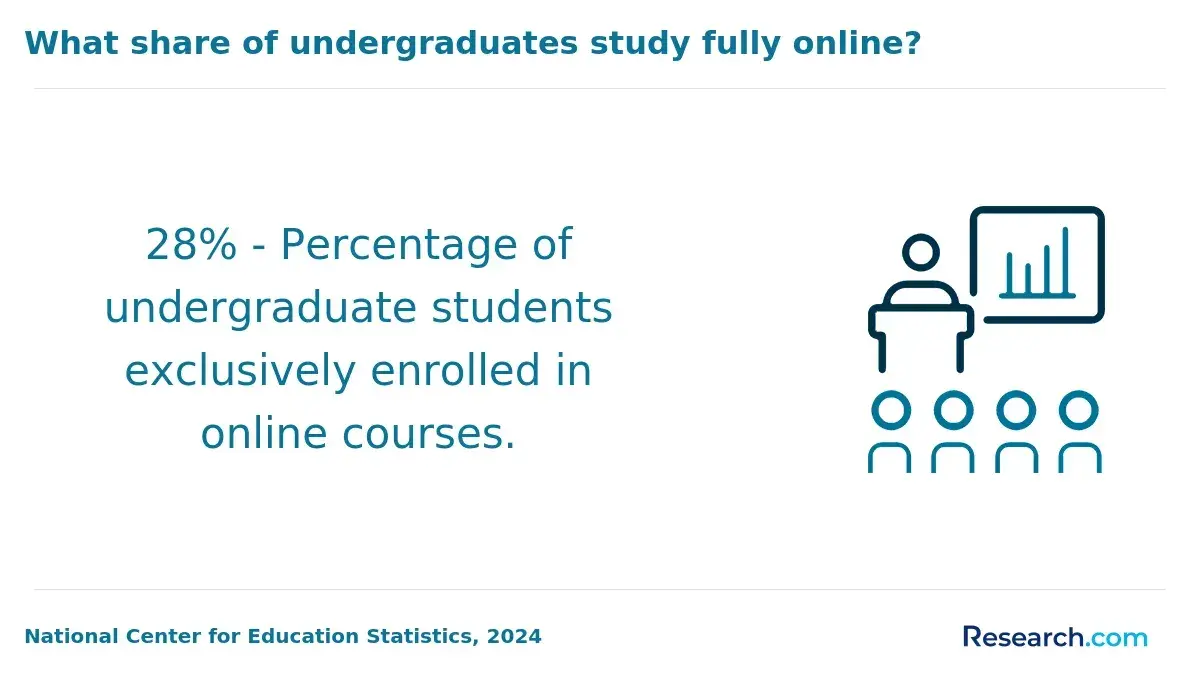
Are online TESOL & Multilingual Learners degrees as credible as traditional ones?
Online TESOL & Multilingual Learners degrees can be as credible as campus-based programs when they come from properly accredited institutions and include the academic and practical components employers expect. The delivery format matters less than the program’s accreditation, curriculum quality, supervised practice opportunities, faculty expertise, and alignment with licensure or employer requirements.
Both online and traditional programs usually require a minimum of 120 hours of certification and cover core areas such as linguistics, second language acquisition, instructional methods, assessment, and practical teaching experience. Many online programs now include virtual teaching practicums, synchronous class meetings, recorded teaching demonstrations, peer feedback, and interactive learning modules.
How employers usually evaluate online TESOL credentials
Employer acceptance of online TESOL & Multilingual Learners degrees has improved notably. In the U.S. and internationally, many employers focus on the institution’s accreditation, reputation, field experience, and whether the credential meets the role’s requirements. Graduates from accredited online programs are generally viewed as equally qualified as graduates from traditional programs when the academic standards are comparable.
For example, ESL teachers in the US typically earn between $40,000 and $65,000 annually regardless of degree format, with higher pay linked to advanced qualifications and experience. The degree format alone usually does not determine salary; location, employer type, union contracts, credentials, years of experience, and leadership responsibilities often matter more.
When an online program may not be enough
Students pursuing K-12 public school jobs should be especially careful. An online degree may be academically strong but still not lead to state licensure, endorsement, or required field placements. Before enrolling, confirm whether the program is approved for your intended state and whether it includes supervised teaching practice with multilingual learners.
How much does each type of TESOL & Multilingual Learners degree typically cost?
TESOL & Multilingual Learners program costs vary widely by degree level, public or private status, residency, delivery format, credit requirements, and fees. Tuition is only part of the budget; students should also account for books, technology, background checks, testing, transportation, practicum costs, and lost work time if the program requires daytime fieldwork.
| Credential type | Typical tuition range | Cost considerations |
| Associate Degree in TESOL & Multilingual Learners | $8,000 to $20,000 total at public institutions; up to $30,000 at private colleges | Often the lowest-cost entry point, especially for in-state students planning to transfer into a bachelor’s program. |
| Bachelor's Degree in TESOL & Multilingual Learners | $10,000 and $25,000 per year at public universities; $30,000 to $50,000 annually at private institutions | Costs depend heavily on residency, housing, transfer credits, and whether the program includes teacher preparation. |
| Graduate Certificate in TESOL & Multilingual Learners | $5,000 and $10,000 total | These programs typically require 12 to 15 credits and may be useful for educators adding specialized training. |
| Master's in TESOL & Multilingual Learners | $8,000 to $18,000 total at public universities; $20,000 to $46,000 at private institutions | Online options may reduce commuting or relocation costs; assistantships and employer reimbursement can help. |
| Doctoral Degree in TESOL & Multilingual Learners | $30,000 to over $60,000 for the entire program | Funding may come through research grants, teaching assistantships, fellowships, or institutional aid. |
Financial aid options may include federal financial aid, state grants, Pell Grants for eligible undergraduates, work-study programs, institutional scholarships, employer tuition reimbursement, graduate assistantships, federal loans, research grants, teaching assistantships, and fellowships. Graduate students should compare total program cost, not just per-credit tuition, because fees and required credits can change the final price significantly.
A graduate of a TESOL & Multilingual Learners degree program said careful planning made the cost manageable. She used scholarships, selected a hybrid program to reduce living expenses, and worked part-time while studying. She described the financial strain as challenging but worthwhile because the degree improved her career opportunities. Her experience points to a practical lesson: compare affordability, flexibility, and career value before committing to a program.
What jobs can you get with each type of TESOL & Multilingual Learners degree?
TESOL & Multilingual Learners careers depend strongly on degree level, licensure, teaching experience, and work setting. A certificate or associate degree may support entry-level or assistant roles, while a bachelor’s degree can lead to direct teaching in some settings. Master’s and doctoral degrees are more often associated with advanced instruction, administration, curriculum design, teacher education, research, and policy work.
- Associate Degree in TESOL & Multilingual Learners: Graduates typically work as ESL teaching assistants, paraprofessionals, language support specialists, or classroom aides in K-12 schools and community education settings. These roles usually involve supporting certified teachers, helping multilingual students practice English, assisting with classroom activities, and providing small-group support.
- Bachelor's Degree in TESOL & Multilingual Learners: A bachelor’s degree can prepare graduates for ESL/EFL teaching roles in private language schools, summer programs, tutoring organizations, online education, and some public school settings through alternative certification pathways. In public schools, a state teaching license or endorsement may be required. Entry-level salaries for these positions in the US can range from $40,000 to $55,000 annually.
- Master's Degree in TESOL & Multilingual Learners: Master’s graduates can pursue advanced teaching roles in universities, community colleges, adult education, international schools, and language institutes. They may also move into curriculum development, teacher training, assessment, academic supervision, or bilingual education program administration. Job titles may include curriculum specialist, ESL program coordinator, academic supervisor, teacher trainer, and director of bilingual education programs. Salaries for master's-level positions typically range from $55,000 to $80,000, with higher earnings possible in postsecondary education.
- Doctoral Degree (PhD/EdD) in TESOL & Multilingual Learners: Doctoral graduates may qualify for university faculty roles, research positions, senior administrative work, education policy roles, and consulting. Their responsibilities can include conducting research in second language acquisition, publishing academic work, mentoring teachers, evaluating programs, and advising institutions. Salaries usually exceed $80,000 per year in higher education institutions, and students comparing doctoral options can review the cheapest online phd programs in USA as part of their affordability research.
Before choosing a degree, look at job postings in your target location. Requirements can differ sharply between public schools, private language companies, universities, adult education providers, nonprofits, and international employers.
How do salaries differ by TESOL & Multilingual Learners degree type?
Salaries in TESOL & Multilingual Learners education vary by credential level, employer, location, licensure, union rules, experience, and job responsibilities. Higher degrees can improve earning potential, but they are most valuable when they match the role you want. For example, a master’s degree may help a K-12 teacher move on a salary schedule, while a doctoral degree is more relevant for research, faculty, or senior leadership roles.
- Associate Degree in TESOL & Multilingual Learners: Entry-level opportunities are generally limited and often involve instructional aide or support staff responsibilities. Salaries start around $30,000-$38,000 annually depending on location and work setting. Further education is usually needed for advancement into lead teaching or specialist roles.
- Bachelor's Degree in TESOL & Multilingual Learners: A bachelor’s degree can qualify graduates for full-time teaching positions, depending on licensure and employer requirements. Average starting salaries range from $41,500 to $50,300 per year in the U.S. Regions with higher costs of living, such as New York, may offer entry-level pay near $48,630. Additional certifications, endorsements, or graduate education can improve salary prospects.
- Master's Degree in TESOL & Multilingual Learners: A master’s degree can raise earning potential and expand access to specialist, administrative, and postsecondary roles. Starting salaries are roughly 8-10% higher than those with a bachelor's, averaging between $58,000 and $62,000. Experienced teachers or those working in high-paying areas can earn over $75,000. This degree also opens doors to curriculum development, administration, or postsecondary teaching roles with salaries ranging from $60,000 to $114,400 or more.
- Doctoral Degree (PhD/EdD) in TESOL & Multilingual Learners: Doctoral degrees are most often tied to academic, research, policy, and senior leadership careers. TESOL professors in the United States earn average salaries between $80,000 and $115,000, with higher salaries found at prestigious institutions or in large metropolitan areas.
Salary should be considered alongside total program cost and time to completion. Students comparing institutions may benefit from researching the best non profit accredited universities offering TESOL & Multilingual Learners programs so they can weigh accreditation, affordability, and career outcomes together.
Is there high demand for TESOL & Multilingual Learners degree holders in the job market?
Demand for TESOL & Multilingual Learners degree holders is strong in many education and community settings, but it is not uniform across every region or job type. Location, learner population, school funding, immigration patterns, employer budgets, and online learning demand all affect hiring.
In the United States, states like North Carolina, Florida, New York, Texas, and California show the highest employment levels for adult English as a Second Language (ESL) educators, reflecting large immigrant populations and economic activity. At the same time, projections indicate that some regions, particularly in the Midwest and South, may experience a decline in job openings by as much as 12.6% by 2032. This means students should research local labor markets rather than assuming the same opportunities exist everywhere.
Globally, demand remains robust in countries such as Cambodia and Colombia, where English competence increasingly correlates with economic opportunity. International opportunities may be attractive, but requirements vary by country, employer, visa rules, and contract type. A TESOL certificate may be acceptable for some employers, while others prefer or require a degree, teaching license, or prior experience.
Skills that can improve employability
- Digital teaching skills: Employers increasingly value experience with online instruction, learning management systems, video-based teaching, and digital assessment tools.
- Assessment and data literacy: Schools and programs need educators who can evaluate language progress and use data to adjust instruction.
- Business or industry-specific English: Corporate, workforce, and professional English programs often need instructors who can teach job-specific communication.
- Curriculum and edtech experience: Edtech companies and online programs may hire TESOL experts to design lessons, assessments, and learner platforms.
- Cultural responsiveness and advocacy: Educators who can support multilingual learners, families, and communities are especially valuable in schools and nonprofit settings.
Students who want the broadest set of options should choose programs that include practical teaching experience, technology integration, assessment training, and clear alignment with their intended employment setting.
What factors should you consider when picking a type of TESOL & Multilingual Learners degree?
The best TESOL & Multilingual Learners degree is the one that meets the requirements for your target job without adding unnecessary cost or time. Start with the role you want, then work backward to the credential, license, fieldwork, and specialization required.
- Career Goals: Entry-level teaching roles abroad or in private language schools may require only a 120-hour certificate, while public K-12 teaching generally requires state-approved licensure or endorsement. University, leadership, curriculum, and research roles usually require a master’s degree or doctorate.
- Licensure Requirements: If you want to teach in U.S. public schools, confirm whether the program leads to the correct state credential. A TESOL degree and a teaching license are not always the same thing.
- Time Commitment: Program length ranges from short certificate study to several years for bachelor’s, master’s, or doctoral programs. Consider whether you can manage the schedule alongside work, family, and field placement requirements.
- Earning Potential: Higher degree levels often lead to higher salaries, but the return depends on the job market and employer. Entry-level ESL teachers with certificates may earn $30,000-$40,000 annually, whereas advanced degrees can support higher-paying administrative, specialist, or postsecondary roles.
- Accreditation and Recognition: Choose a properly accredited institution and, when relevant, a state-approved educator preparation program. Accreditation affects employer acceptance, financial aid eligibility, transfer credit, and graduate school options.
- Mode of Study: Online programs offer flexibility, while onsite programs may provide easier access to in-person teaching practice and local networking. Hybrid programs can be a strong middle ground for working educators.
- Field Experience: Look for supervised practicum opportunities with multilingual learners. Real teaching practice is especially important for new educators and for students seeking licensure.
- Total Cost: Compare tuition, fees, commuting, housing, books, required tests, and lost income. The cheapest program is not always the best value if it does not meet credential requirements.
A practical way to decide is to collect three to five job postings you would want after graduation. Note the required degree, certification, license, experience, and skills. Then choose the program that matches those requirements most directly.
What TESOL & Multilingual Learners Graduates Say About Their Degree and Salary
- Ayesha: "Completing my master's in tesol & multilingual learners opened doors I hadn't imagined possible. The program's emphasis on applied linguistics and classroom techniques gave me the confidence to start teaching in diverse urban schools right away. I especially appreciate how the practical training prepared me for real challenges, like creating inclusive curricula that honor students' cultural backgrounds. This degree transformed my passion for languages into a meaningful career where I can truly impact young learners' lives."
- Carlos: "Reflecting on my journey through the tesol & multilingual learners certification, I see how it shaped not only my career but also my personal growth. The coursework challenged me to think critically about language acquisition theories and their ethical implications, which deepened my understanding beyond teaching strategies. Now, as an educator working with immigrant communities, I feel equipped to advocate for my students' needs and foster an environment where they feel seen and supported. This degree has been a vital part of my professional identity."
- Jin: "As a doctoral graduate in tesol & multilingual learners, I've had the unique opportunity to blend research with practice, advancing both my career and the field itself. The program's focus on bilingual education policy gave me the skills to consult on curriculum development at the district level, ensuring programs meet diverse student needs. It's rewarding to contribute to systemic improvements that enhance equity and access in education. This degree has challenged me intellectually and expanded my professional horizons beyond the classroom."
Other Things You Should Know About TESOL & Multilingual Learners Degree Programs & Salaries
In 2027, TESOL degrees such as Master's or Ph.D.s significantly influence salary outcomes. Higher degrees typically lead to better-paying roles, such as university-level teaching positions where salaries are more competitive compared to entry-level roles requiring only a bachelor's degree.
In 2027, a master's degree in TESOL or multilingual education is often required to secure higher-paying positions. These roles may include curriculum development, program management, or advanced teaching roles, contrasting with bachelor's degree holders who may have more limited earning potential.
References
- Career Growth Opportunities for TESOL Graduates | ✔️ ✔️ ✔️ ITTT https://www.teflonline.net/pillars/tesol-master-s-degree-guide/salary-potential-with-a-tesol-master-s-degree/career-growth-opportunities-for-tesol-graduates/
- Best TESOL Jobs https://www.alliant.edu/blog/best-tesol-jobs
- What Is TESOL & TESOL Certification? (Beginner’s Guide 2025) https://www.theteflacademy.com/tefl-guide/what-is-tesol-certification/
- What are the job prospects like for TESOL graduates? | ✔️ ✔️ ✔️ ITTT TESOL & TESOL https://www.tesolcourse.com/ai/what-are-the-job-prospects-like-for-tesol-graduates/
- Verifying that you are not a robot... https://teflhero.com/blog/tesol-certification-cost/
- Teaching English to Speakers of Other Languages (TESOL) Pre-Service MA https://www.ucl.ac.uk/prospective-students/graduate/taught-degrees/teaching-english-speakers-other-languages-tesol-pre-service-ma
- TESOL Certification Online | TESOL Master’s Degree Programs https://www.adelphi.edu/program/graduate/bilingual-tesol/
- Top 9 High Paying Jobs To Chase After Completing A Master's Degree In TESOL https://www.teflindia.com/tefl-blog/1959-Top-9-High-Paying-Jobs-To-Chase-After-Completing-A-Masters-Degree-In-TESOL-blog.php
- ‘Becoming and being online EFL teachers’: Teachers' professional identity in online pedagogy - ScienceDirect https://www.sciencedirect.com/science/article/pii/S2405844024131623
- EdM in TESOL Multilingual Learner Education https://www.bu.edu/wheelock/degree-program/teaching-english-to-speakers-of-other-languages-tesol/edm-in-tesol-multilingual-learner-education/


