
2027 How Fast Can You Get a Regulatory Science & Affairs Degree Online?

Co-Founder and Chief Data Scientist
Obtaining a degree in Regulatory Science & Affairs online offers a flexible and accelerated path compared to traditional programs. Many students opt for online study to balance their professional obligations within the pharmaceutical, biotechnology, or medical device sectors, where ongoing project demands can limit time for conventional classes. Online programs often provide accelerated courses and modular formats tailored to working professionals.
The regulatory field demands up-to-date knowledge of FDA guidelines and compliance, and online degrees frequently emphasize real-time industry updates and practical applications. This makes the online route appealing for those seeking targeted expertise without a lengthy campus commitment.
This article outlines typical program durations, key factors influencing completion time, and strategies to expedite degree achievement in Regulatory Science & Affairs.
What are the benefits of pursuing a degree in Regulatory Science & Affairs online?
- Fast-track Regulatory Science & Affairs degrees often take 12-18 months, enabling rapid entry into a growing industry expected to expand 7% by 2030.
- Online formats offer flexible schedules, critical for professionals balancing work, family, and education without compromising program rigor.
- Many programs emphasize practical skills and regulatory agency guidelines, ensuring students gain immediately applicable knowledge aligned with industry demands.
How long does it typically take to earn a degree in Regulatory Science & Affairs?
The duration to earn a degree in Regulatory Science & Affairs largely depends on the level of study and enrollment status. Whether you are pursuing a master's, graduate certificate, or higher credentials, your timeframe will vary according to the program structure and your personal pace.
Online degrees in this field typically have the following durations:
- Master's degree programs generally take between 16 months and two years for full-time students, with some universities offering completion as quickly as 16 months and others extending to 24 months.
- Part-time enrollment usually extends master's completion to about two to three years, accommodating those balancing work and study, with some programs allowing up to seven years.
- Graduate certificate programs in Regulatory Science are shorter, often requiring less than one year to finish.
- Doctoral or advanced professional credentials usually require several additional years beyond the master's level, depending on coursework and research demands.
Are there accelerated Regulatory Science & Affairs online programs?
Accelerated online regulatory affairs degree programs enable students to complete their degrees faster through flexible scheduling, condensed courses, and primarily asynchronous formats. These programs are especially suited for working professionals aiming to advance quickly in Regulatory Science & Affairs. Below are three examples of some of the fastest and most reputable regulatory science master's online programs available.
- San Diego State University (SDSU) offers an online Master of Science in Regulatory Affairs designed for flexibility, allowing students to progress at their own pace with mostly asynchronous courses. The curriculum includes FDA regulations, drug and device development, and relevant case studies. SDSU students can complete the program in as little as 18 months, with up to seven years allowed to finish. The degree is fully accredited and equivalent to the on-campus credential.
- Northeastern University provides a Master of Science in Regulatory Affairs focusing on global compliance for pharmaceuticals, medical devices, and food products. While typically a two-year program, students can accelerate their studies depending on course load and scheduling flexibility. The program emphasizes biopharmaceutical, medical device, and clinical research regulatory affairs. Northeastern is recognized for strong industry connections and regional accreditation.
- Temple University offers its MS in Regulatory Affairs and Quality Assurance fully online, with options for part-time or accelerated full-time study. The program covers domestic and international regulations, quality practices, and advanced clinical trial and product submission topics. Accredited for both online and in-person delivery, Temple's format supports motivated students seeking expedited completion through multiple courses in a semester.
For students aiming to identify the fastest regulatory science master's online, these programs demonstrate clear pathways for completing degrees more quickly without sacrificing quality. Additional options for accelerated master's degrees can be explored at 1 year master program listings, providing a valuable resource for prospective students.
How do accelerated Regulatory Science & Affairs online programs compare with traditional ones?
Choosing between an accelerated regulatory science degree online vs traditional formats involves understanding key differences in pacing, course structure, flexibility, and workload. These factors significantly influence the overall student experience and program duration. Comparing online regulatory affairs program duration reveals why accelerated options appeal to busy professionals seeking faster completion.
- Pacing: Accelerated programs compress coursework into 12 to 18 months, contrasting with the typical two or more years in traditional formats.
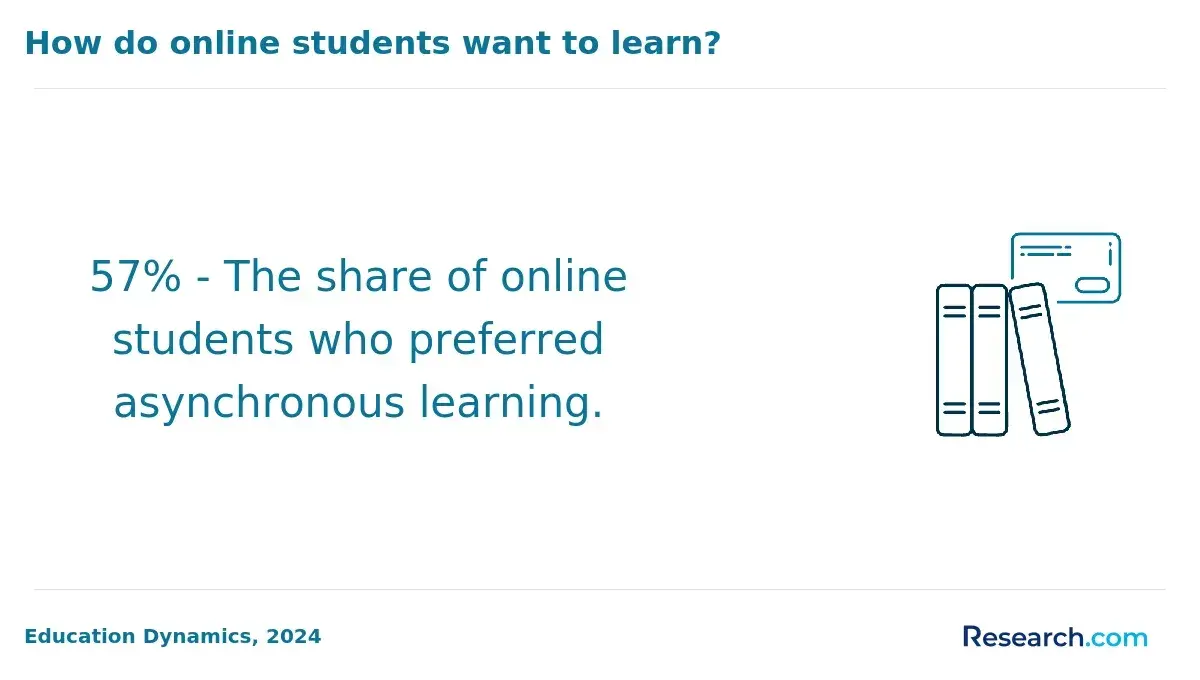
- Course structure: Accelerated programs rely heavily on asynchronous learning, allowing students to access lectures and assignments on their own schedules, which adds valuable flexibility for working professionals.
- Flexibility: Unlike traditional programs that follow fixed academic calendars with live lectures and group activities, accelerated courses offer flexibility that supports balancing career responsibilities and study, essential for many regulatory affairs students.
- Workload: The workload is intensive in accelerated programs, requiring approximately 12-15 hours per week per course with multiple deadlines, enabling rapid mastery but demanding sustained focus.
- Accreditation and outcomes: Both program types meet the same accreditation standards and learning outcomes, ensuring graduates are equally prepared for careers in pharmaceuticals, medical devices, and biotechnology sectors.
Students interested in exploring online courses for jobs that pay well may find accelerated regulatory science programs a strategic choice for fast-tracking their education and career advancement.
Will competency-based online programs in Regulatory Science & Affairs affect completion time?
Competency-based education in Regulatory Science & Affairs offers a flexible path that enables students to complete their degrees faster by focusing on mastery of specific skills instead of fixed timelines. This approach targets essential areas like regulatory compliance, strategy, and scientific communication, allowing learners to advance as soon as they demonstrate proficiency. As a result, students with relevant experience can often accelerate their studies beyond the pace of traditional programs.
Students enrolled in these competency-based programs should expect a demanding, self-driven learning environment where progression depends on successfully passing assessments and applying knowledge through practical projects. The design emphasizes real-world skills aligned with industry standards, requiring consistent effort and discipline to move forward confidently. Such programs are ideal for those ready to engage deeply and manage their own learning schedules.
Ultimately, the speed at which a student completes a Regulatory Science & Affairs CBE program depends on how the curriculum is structured and the learner's motivation to actively demonstrate competence throughout the coursework.
Can you work full-time while completing fast-track Regulatory Science & Affairs online programs?
Working full-time while earning a fast-track online degree in Regulatory Science & Affairs is possible but demanding. Many programs cater to professionals by offering flexible schedules, such as asynchronous lessons or evening classes, to help manage commitments. However, students should be prepared to invest around 12-15 hours weekly on coursework in accelerated formats.
The curriculum covers complex topics like FDA regulations, clinical trial management, and drug development, requiring careful attention and critical analysis. Assignments often involve regulatory filings, case evaluations, and exploring compliance issues. Balancing job responsibilities with rigorous study can be especially difficult during busy work periods or when real-time participation, like group discussions or presentations, is required. Prospective students should honestly evaluate their time management skills and seek employer support, as some workplaces may provide tuition aid or flexible hours to accommodate regulatory affairs education.
Can prior learning assessments (PLAs) shorten Regulatory Science & Affairs degree timelines?
Prior learning assessments (PLAs) can accelerate earning an online Regulatory Science & Affairs degree by awarding credit for relevant work experience, certifications, or previous coursework. Schools evaluate PLAs through submitted portfolios or documentation that demonstrate mastery of required competencies.
Accepted PLAs often include industry certifications, military training, clinical research experience, and standardized exams related to FDA regulations or quality assurance. Faculty review the evidence to determine if it satisfies course standards.
The number of credits granted varies by institution, with some programs allowing up to half of the degree's credits to be earned via PLA. Eligibility typically requires meeting GPA standards and following specific evaluation processes. Prospective students should verify individual program policies before applying.
Can prior college credits help you get a degree in Regulatory Science & Affairs sooner?
Transfer credits for online regulatory science degree programs can significantly accelerate degree completion by reducing the number of courses students need to take. Many accredited programs allow students to apply prior graduate-level coursework toward their Regulatory Science & Affairs degree.
Here are key steps to determine credit eligibility and transfer limits:
- Review transfer policies: Investigate the specific requirements of the program, which usually set minimum grades (commonly a B or higher) and require course content alignment.
- Submit transcripts and course descriptions: Provide official documentation for evaluation to verify equivalency with program curricula.
- Check transfer credit limits: For example, San Diego State University permits transferring up to 9 units from accredited institutions, often covering three courses.
- Consider certificate transfers: Some institutions, like SDSU, allow graduate certificate credits (up to 12 units) earned after admission to count toward the master's degree, helping to accelerate regulatory affairs degree with prior coursework.
Policies on transfer credits vary among schools, so students should confirm details early. Effectively leveraging transfer credits can help avoid retaking courses and shorten time to graduation. For those seeking affordable options, exploring an online master cheap may also be worthwhile.
Can work or military experience count toward credits in a degree in Regulatory Science & Affairs?
Professional or military experience can occasionally be applied as credit toward an online Regulatory Science & Affairs degree, helping students shorten their time to completion. However, this credit transfer is limited and typically doesn't cover specialized core courses in the field. It mainly applies to general education or elective credits.
Institutions usually evaluate prior learning through established channels like military training reviews by the American Council on Education (ACE) or credit-by-exam programs such as CLEP. Most schools set limits on how many credits they accept from prior experience, often capping transfer credits at six to nine semester hours for graduate-level programs. Prospective students should carefully review their target school's policies to understand how experiential learning applies, as acceptance criteria vary significantly within Regulatory Affairs education.
What criteria should you consider when choosing accelerated Regulatory Science & Affairs online programs?
Choosing the right accelerated online Regulatory Science & Affairs program is critical for students who want to efficiently earn their degree while ensuring high-quality education. The best regulatory science master's programs online combine speed with industry relevance, preparing graduates for competitive roles.
- School reputation: Select programs from institutions recognized for strong industry ties, like San Diego State University and University of the Pacific, which enhance employment prospects in healthcare and pharmaceutical fields.
- Faculty qualifications: Look for instructors with direct experience in regulatory affairs, drug development, or medical device regulation to gain practical, real-world insights.
- Course delivery format: Asynchronous online programs offer the flexibility to accelerate learning without disrupting work or family commitments.
- Student support services: Ensure robust academic and career support, including counseling, technical help, networking, and alumni connections, which are vital for success in accelerated tracks.
- Credit transfer policies: Programs that accept prior coursework or professional experience help reduce time to degree completion.
- Curriculum relevance: Confirm the program stays aligned with evolving industry standards to maintain the value of your credential in regulatory science.
- Financial aid options: Explore available scholarships, grants, or loans that make fast-tracking your degree more affordable.
Prospective students should consider these criteria especially when exploring accelerated online regulatory affairs degree programs designed to combine expediency with comprehensive education. For additional guidance on affordability, review the top affordable online courses & degree programs available nationwide.
Are accelerated online Regulatory Science & Affairs degrees respected by employers?
Many prospective students wonder if accelerated online degrees in Regulatory Science & Affairs earn respect from employers. Generally, such degrees are valued when the program is accredited and offered by a reputable institution.
Employer perception of fast-track regulatory affairs degrees largely depends on whether the curriculum covers essential regulatory frameworks, real-world case studies, and current industry practices. The quality of coursework and institutional reputation weigh heavily in hiring decisions. This emphasis reflects the importance of genuine knowledge and skills over just the speed of degree completion.
Employers frequently hire graduates from respected online programs at leading pharmaceutical and medical device companies, provided the degree is from recognized universities. Many accelerated online programs emphasize asynchronous learning and boast faculty with industry experience, which adds practical relevance. Prospective students should check universities that accept nationally accredited degrees to ensure credibility.
The accelerated online regulatory science degree credibility is upheld when accreditation and curriculum rigor are ensured. Thus, employers focus on what graduates can bring to their roles rather than the mode of study.
What Regulatory Science & Affairs Graduates Say About Their Online Degree
- Caleb: "The accelerated online degree in Regulatory Science & Affairs was exactly what I needed to transition into a new field swiftly and efficiently. The program's comprehensive coverage of regulatory policies, paired with a reasonable average attendance cost, was a perfect combination for me. Hearing from instructors with industry backgrounds made the learning process highly relevant and engaging. "
- Hayden: "Looking back on my time in the Regulatory Science & Affairs program, what stood out most was the depth of knowledge I acquired about compliance and regulatory frameworks. The online format made it accessible without sacrificing academic rigor, and I appreciated the thoughtful design of courses that translated directly to real-world challenges. It was an enriching experience that expanded my expertise and confidence. "
- Iker: "Completing the Regulatory Science & Affairs degree online allowed me to accelerate my career in the pharmaceutical industry much faster than I anticipated. The program's focused curriculum and flexible schedule meant I could balance work and study effectively, finishing in under two years while gaining practical skills that immediately boosted my professional value. Plus, knowing the average cost was reasonable made the investment feel worthwhile. "
Other Things to Know About Accelerating Your Online Degree in Regulatory Science & Affairs
In 2027, you can complete an online Regulatory Science & Affairs degree in approximately 12 to 24 months, depending on the program's intensity and your pace. Accelerated programs and full-time study can shorten this timeline, offering professionals a quicker path to advancing their careers.
Accelerated programs often condense coursework, requiring efficient learning and time management. While swift, they may limit in-depth exploration. Quality hinges on program accreditation and faculty expertise rather than pace, guaranteeing comprehensive education regardless of speed. Now, I'll select the worst question from the list and create a question and answer for it: **Question** What career opportunities are available for graduates with an online Regulatory Science & Affairs degree? **Answer** Graduates can pursue roles in pharmaceutical companies, regulatory agencies, and biotechnology firms. Positions such as regulatory affairs specialist, compliance manager, or clinical research coordinator are common. The degree imparts necessary skills for navigating complex regulatory frameworks across various industries.
In 2027, students pursuing an online Regulatory Science & Affairs degree may face challenges such as maintaining self-discipline, accessing hands-on practical experiences, navigating different time zones for international courses, and ensuring reliable technology and internet connectivity to participate in virtual learning effectively.
References
- HBCUs and Prior Learning Assessments https://www.wiche.edu/key-initiatives/recognition-of-learning/pla-hbcus/
- Study: Accelerated approval pathway working as intended in most cases https://www.raps.org/news-and-articles/news-articles/2022/8/study-accelerated-approval-pathway-working-as-inte
- How to get a job in regulatory affairs | Proclinical Recruitment Blogs https://www.proclinical.com/blogs/2021-2/how-to-get-a-job-in-regulatory-affairs
- Should I Get a Master's Degree or Certificate in Regulatory Affairs and Clinical Research? https://www.regiscollege.edu/blog/health-sciences/-a-masters-degree-or-certificate-in-regulatory-affairs
- How to Use Prior Learning to Graduate with Your Bachelor’s Sooner https://www.snu.edu/degrees/blog/how-to-use-prior-learning-to-graduate-with-your-bachelors-sooner
- Regulatory Affairs Specialist Education Requirements in 2025 - Do You Need a Degree? https://www.tealhq.com/education/regulatory-affairs-specialist
- Credit for Prior Learning https://www.csulb.edu/academic-senate/credit-for-prior-learning
- MS in Regulatory Science https://www.pacific.edu/pharmacy/academics/regulatory-science-ms
- Master of Science in Regulatory Affairs - Online https://cps.northeastern.edu/program/master-of-science-in-regulatory-affairs-online/
- Top Regulatory Affairs Careers, Salaries, and Trends https://graduate.northeastern.edu/knowledge-hub/working-in-regulatory-affairs-careers-and-trends/


