
2027 How to Become a Mining and Geological Engineer: Education, Salary, and Job Outlook

Co-Founder and Chief Data Scientist
Becoming a mining and geological engineer is a practical career decision for people who want to combine earth science, engineering design, fieldwork, safety, and environmental responsibility. The role is not limited to “digging minerals out of the ground.” Mining and geological engineers help determine whether a deposit can be developed, how extraction should be planned, how workers and surrounding communities can be protected, and how land and water impacts should be managed.
This guide explains the credentials, skills, career path, salary expectations, internship options, workplaces, challenges, and decision factors involved in entering the field. It is written for high school students comparing engineering majors, college students planning internships and licensure, and working professionals considering a move into mining, geological engineering, consulting, or resource development.
What are the benefits of becoming a mining and geological engineer?
- Mining and geological engineers earn an average annual salary of approximately $93,800 as of 2025, reflecting the specialized skills required in the industry.
- Employment in this field is projected to grow by 5% from 2023 to 2033, indicating steady demand for resource extraction and environmental management.
- A career in mining and geological engineering offers opportunities to work on innovative projects in natural resource development, combining technical expertise with environmental sustainability.
What credentials do you need to become a mining and geological engineer?
To become a mining and geological engineer, you typically need a relevant engineering degree, supervised work experience, and, for many higher-responsibility roles, professional licensure. The exact requirements can vary by employer and state, but the strongest pathway is built around accredited education, field experience, and a clear plan for the FE and PE exams.
- Bachelor's degree: The standard entry credential is a bachelor's degree in mining engineering, geological engineering, or a closely related field. An ABET-accredited program is especially important because it is commonly tied to licensure eligibility and employer confidence. Coursework usually covers geology, physics, mine design, safety, mathematics, mineral processing, geotechnical concepts, and engineering analysis.
- FE exam and Engineer in Training status: Many graduates take the Fundamentals of Engineering (FE) exam after completing their degree. Passing the exam can qualify you as an Engineer in Training (EIT) or Engineer Intern (EI), depending on the state. This status signals that you are on the professional licensure track.
- Work experience: Candidates generally need at least four years of relevant work experience before taking the Principles and Practice of Engineering (PE) exam. The most useful experience involves mine planning, site investigation, safety analysis, environmental compliance, geotechnical work, production support, or engineering design under appropriate supervision.
- Professional Engineer license: Passing the PE exam can lead to a Professional Engineer license. A PE license is especially valuable for engineers who approve designs, supervise projects, consult independently, manage public-facing work, or move into senior technical leadership. Requirements are widely recognized across most states, although specific state requirements may vary.
- Continuing education: Some states require ongoing education for license renewal. This matters in mining and geological engineering because safety rules, environmental standards, automation tools, and modeling practices continue to change.
- Advanced degrees: A master's or doctoral degree is not usually required for entry-level engineering roles, but it can help if you want to specialize in areas such as geotechnical engineering, mine safety, resource modeling, hydrology, environmental remediation, research, or university teaching.
- Professional development: Short courses, technical workshops, and industry association training can help you stay current with mine design software, regulatory expectations, sustainability practices, and new extraction technologies.
An associate degree alone is not usually enough to become a mining and geological engineer, but it can be a lower-cost starting point for students who plan to transfer into a bachelor's program. If you are comparing early college options, an accelerated associates degree may help you complete foundational coursework before pursuing the engineering credentials required for this field.
What skills do you need to have as a mining and geological engineer?
Mining and geological engineers need more than technical knowledge. They must interpret uncertain subsurface data, make decisions that affect worker safety and project costs, communicate with field crews and executives, and understand how engineering choices affect land, water, communities, and long-term operations.
Core technical and field skills
- Mathematical proficiency: You will use calculus, trigonometry, statistics, and engineering mathematics to estimate resources, evaluate mine geometry, model production scenarios, and compare extraction methods.
- Analytical thinking: Engineers must interpret geological samples, maps, drilling results, survey data, and field observations to decide whether a resource is viable and how it should be developed.
- Problem-solving: Mine sites change quickly. Equipment issues, unstable ground, water inflow, unexpected ore grades, ventilation concerns, and logistical delays require practical, timely decisions.
- Resource estimation and modeling: Estimating deposit size, grade, value, and extraction feasibility is central to mine planning. Strong modeling skills help engineers test scenarios before expensive field decisions are made.
- Geological mapping and surveying: Engineers need to understand subsurface conditions, rock structures, faults, groundwater behavior, and surface constraints. Surveying and mapping support safe and efficient design.
- Technical software proficiency: Familiarity with tools such as MICROMINE, Vulcan, ArcGIS, and MODFLOW can support modeling, mapping, simulation, water analysis, and resource planning.
- Knowledge of mining operations: You need to understand drilling, blasting, hauling, ventilation, ground control, processing, automation, maintenance, and equipment limitations to make realistic engineering recommendations.
- Environmental and safety awareness: Mining engineers must understand risk controls, impact assessments, reclamation planning, water management, waste handling, and safety systems. These are not secondary concerns; they shape project approval and daily operations.
- Drilling program design: Exploration and production drilling require careful planning, sampling, logging, quality control, and data interpretation to reduce uncertainty.
- Communication skills: Engineers prepare technical reports, explain risks, brief field teams, document compliance, and translate complex findings for managers, regulators, and other stakeholders.
- Physical fitness: Many roles involve site visits, field inspections, outdoor work, walking over uneven ground, and operating in remote or industrial environments. You do not need to be an athlete, but you must be able to work safely in demanding conditions.
Skills that separate strong candidates
Employers often look for engineers who can connect technical analysis with business and safety decisions. The most competitive candidates can explain not only what the data shows, but what action should be taken, what risks remain, and what trade-offs the organization must consider.
What is the typical career progression for a mining and geological engineer?
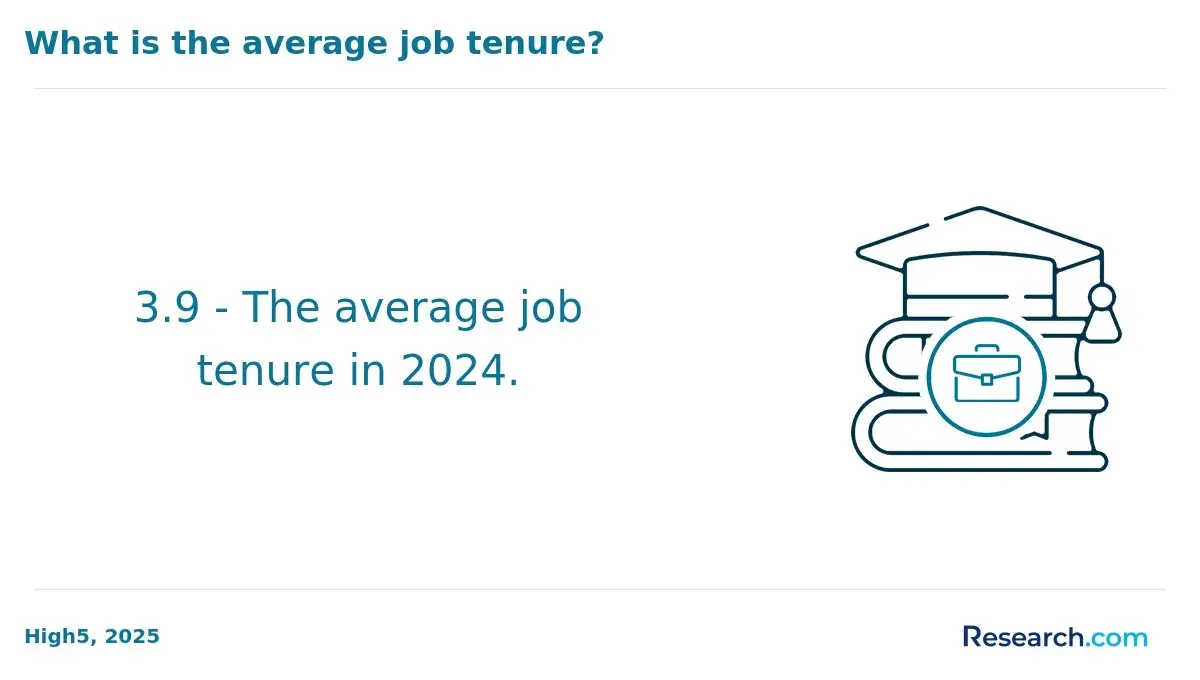
A mining and geological engineering career usually progresses from supervised technical work to independent project responsibility and, eventually, leadership over people, budgets, operations, or specialized technical decisions. Advancement depends on field experience, licensure, communication ability, and the type of organization you join.
- Entry-level roles: Common starting positions include Mine Engineer, Geological Engineer, or Field Geologist. In these jobs, professionals conduct surveys, collect and analyze geological data, assist with mine planning, prepare reports, support safety compliance, and learn how site operations work. This stage often builds foundational skills over two to four years.
- Mid-career positions: Roles such as Project Engineer, Senior Mine Geologist, or Mine Planner involve greater responsibility for mine design, production planning, operations coordination, cost analysis, regulatory documentation, and team communication. Some engineers begin specializing in environmental compliance, geotechnical engineering, hydrogeology, mineral exploration, or mine automation. Obtaining a Professional Engineer (PE) license is often crucial for advancement.
- Senior and executive roles: Experienced professionals may become Chief Mining Engineer, Mine Manager, or Director of Geological Services. These roles focus on strategic planning, budgeting, risk management, multidisciplinary leadership, stakeholder coordination, innovation, and long-term asset performance. Advanced degrees or specialized training can enhance prospects at this stage.
- Specialization or lateral moves: Mining and geological engineers can move into mineral processing, hydrogeology, consulting, research, oil and gas, project management, health and safety, corporate sustainability, land reclamation, or regulatory work. These paths can be attractive for engineers who want less site rotation, deeper technical specialization, or broader business responsibilities.
How to think about advancement
The fastest path is not always the best path. Early-career engineers should prioritize roles that build strong judgment: exposure to field conditions, safety systems, mine planning, data quality, and cross-functional teams. Senior roles require credibility, and that credibility usually comes from solving real site problems, not only from holding a job title.
How much can you earn as a mining and geological engineer?
Mining and geological engineering can offer strong earning potential, especially for engineers who gain field experience, develop scarce technical expertise, earn licensure, or move into leadership. However, pay varies by employer, industry sector, location, commodity market conditions, and the level of responsibility attached to the role.
As of May 2024, the average mining and geological engineer salary is approximately $101,020 annually, according to the U.S. Bureau of Labor Statistics. Salaries reported across various major databases range from about $84,880 to $104,000 per year, with top earners making $127,500 or more.
Entry-level positions generally start near $67,955, while experienced engineers, particularly those in leadership or specialized roles, earn significantly more.
What affects salary most?
- Experience level: Engineers who can independently manage design decisions, safety risks, production planning, or client deliverables usually command higher compensation than new graduates.
- Licensure: A Professional Engineer license can improve access to senior roles, consulting work, and positions involving responsibility for technical approvals.
- Specialization: Geotechnical engineering, mineral exploration, resource modeling, mine safety, automation, hydrogeology, and environmental compliance can raise earning potential when demand is strong.
- Industry sector: Pay can differ across mining companies, oil and gas extraction, engineering consulting, government agencies, and research-oriented employers.
- Location: Salary by state can vary because of regional demand, cost of living, mine activity, remote-site requirements, and competition for qualified engineers.
- Work arrangement: Some higher-paying roles may involve remote locations, rotational schedules, extensive travel, or demanding site responsibilities.
Students comparing education routes should avoid choosing the shortest or easiest path without checking transferability, accreditation, and long-term career requirements. If you are evaluating an easiest associate's degree or another early credential, consider how it fits into a bachelor's-level engineering plan and eventual licensure goals.
What internships can you apply for to gain experience as a mining and geological engineer?
Internships are one of the most important ways to test whether mining and geological engineering fits your interests. They also help you build site awareness, learn safety expectations, understand industry software, and make contacts before graduation. The best internship for you depends on whether you want exposure to active mine operations, consulting, environmental work, government oversight, or exploration.
- Mining corporations: Companies such as Kinross Gold Corporation and Barrick Gold provide structured summer internships at active mine sites both domestically and internationally. These internships may involve mine planning, geological surveying, safety protocols, production support, sampling, reporting, and exposure to current mining technologies.
- Government agencies: Agencies including state Departments of Transportation like PennDOT offer internships related to environmental assessment, geoenvironmental science, fieldwork, data analysis, regulatory compliance, and mining-related infrastructure projects. These roles can be useful for students interested in public-sector engineering, inspection, permitting, or land and water impacts.
- Consulting firms and industry organizations: Firms and organizations such as Fugro and Tectonic offer internship roles in geotechnical engineering, geological surveying, environmental monitoring, laboratory testing, engineering analysis, and project proposal preparation. Consulting internships are useful for students who want variety across multiple project types and clients.
How to choose a strong internship
- Look for roles that include field exposure, not only office support.
- Ask whether interns work with engineers, geologists, safety staff, surveyors, and operations teams.
- Prioritize internships that include real deliverables, such as maps, reports, sampling logs, planning support, or data analysis.
- Consider location and schedule carefully, especially if the role involves remote sites, travel, or rotational work.
- Keep a record of projects, software used, safety training, and measurable contributions for future resumes and interviews.
Students researching what are the highest paying bachelor degrees should also evaluate which programs provide access to co-ops, field camps, industry partnerships, and internship pipelines. In this field, practical experience can be as important as classroom performance.
How can you advance your career as a mining and geological engineer?
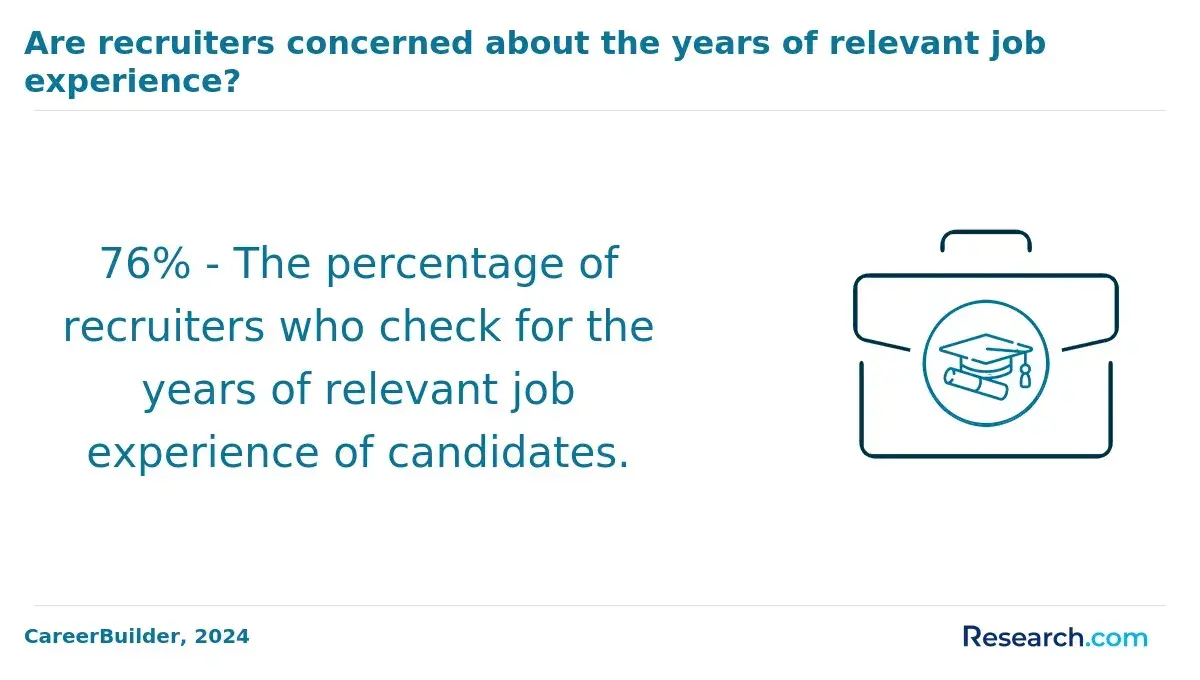
Career advancement in mining and geological engineering comes from combining technical credibility with leadership, judgment, and adaptability. Employers promote engineers who can solve complex site problems, communicate risk clearly, manage people and budgets, and keep operations aligned with safety and environmental expectations.
- Advanced education: A master's degree or specialized certifications in areas such as mine safety, environmental management, geotechnical engineering, resource modeling, or data-driven mine planning can strengthen your qualifications for senior technical or leadership roles.
- Technical proficiency: Staying current with industry tools such as Autodesk and Carlson Suite, as well as data analytics, digital mine planning, automation, and modeling software, can make you more valuable as operations become more technology-driven.
- Professional networking and mentorship: Industry organizations, technical conferences, alumni networks, and mentor relationships can expose you to job openings, project trends, regulatory changes, and practical lessons that are not always taught in school.
- Leadership and management skills: Engineers who can lead projects, manage budgets, resolve conflicts, train junior staff, and communicate across geology, operations, safety, finance, and executive teams are better positioned for management. Training in methods such as Lean or Six Sigma can add value when tied to measurable project improvements.
Career moves that can increase responsibility
If you want to move beyond an entry-level role, seek assignments that force you to own outcomes: planning a drilling program, improving a reporting workflow, supporting a permit submission, leading a safety review, managing a contractor, or presenting technical findings to decision-makers. Advancement often follows engineers who can be trusted with ambiguous, high-consequence problems.
Where can you work as a mining and geological engineer?
Mining and geological engineers work in settings that range from remote mine sites to consulting offices, government agencies, research labs, and corporate headquarters. The right workplace depends on whether you prefer field operations, design and analysis, regulatory work, research, or management.
- Major mining companies: Companies such as Freeport-McMoRan, Newmont Corporation, and Rio Tinto employ engineers to support mine design, safety protocols, resource development, production planning, equipment coordination, and operational efficiency.
- Oil and gas firms: Companies like ExxonMobil and Chevron may hire engineers for mineral exploration and extraction-related work in the energy sector.
- Engineering consulting firms: Firms including AECOM and Bechtel offer roles in mine planning, environmental compliance, geotechnical analysis, infrastructure development, project management, and client advisory work.
- Government agencies: Organizations such as the U.S. Bureau of Land Management, Department of Energy, and state mining authorities employ engineers to conduct surveys, evaluate regulatory compliance, review site conditions, support permitting, and manage land reclamation projects.
- Academic institutions: Universities and technical institutes provide opportunities in research, teaching, training, laboratory work, and technology development.
Field-based work versus office-based work
Many roles combine both. Field-based positions offer direct exposure to operations, geology, equipment, and safety systems, but they may involve travel, remote locations, weather exposure, and nonstandard schedules. Office-based roles may focus more on modeling, reporting, regulatory review, consulting deliverables, project management, or corporate planning. Early in your career, field exposure can be especially valuable because it helps you understand how engineering decisions perform in real conditions.
If you need flexibility while preparing for this career, compare programs carefully. Options at non profit accredited online colleges may help with general or prerequisite coursework, but engineering students should verify accreditation, lab requirements, transfer policies, and whether the program supports the path to licensure.
What challenges will you encounter as a mining and geological engineer?
Mining and geological engineering can be rewarding, but it is not a low-pressure career. Engineers in this field make decisions with safety, environmental, financial, and operational consequences. They also work with incomplete geological information, changing site conditions, and strict regulatory expectations.
- High workload intensity: Projects may require detailed planning, field supervision, data review, contractor coordination, and frequent communication across geology, operations, safety, environmental, and management teams. Engineers must also adapt to advanced modeling software and digital analysis tools used in decision-making.
- Emotional and ethical pressure: Engineering decisions can affect worker safety, local communities, environmental sustainability, and the financial viability of a project. Balancing production goals with responsible resource management can be stressful because errors may have serious consequences.
- Increasing industry competition: Demand for essential minerals driven by green energy initiatives has increased the need for innovation. Engineers must continue learning as automation and artificial intelligence influence planning, monitoring, modeling, and operational tasks.
- Evolving regulatory landscape: Stricter environmental regulations and volatile trade policies can complicate project approvals, site operations, reporting, and long-term planning. Engineers may need to understand requirements at multiple government levels.
- Workforce shifts and talent shortages: As veteran engineers retire, newer professionals may receive leadership responsibilities earlier than expected. This can create opportunities, but it also increases pressure to build judgment quickly.
Common mistake to avoid
Do not treat technical design, safety, and environmental compliance as separate concerns. In mining and geological engineering, they are connected. A plan that looks efficient on paper can fail if it ignores ground conditions, water behavior, worker exposure, permitting limits, or community impact.
What tips do you need to know to excel as a mining and geological engineer?
To excel as a mining and geological engineer, build strong fundamentals, seek practical experience early, and learn how to explain technical decisions clearly. The most effective engineers combine field judgment, analytical skill, safety awareness, and the ability to work with people from many disciplines.
- Develop proficiency in mathematics, geology, physics, and engineering technology so you can accurately assess mining sites and create effective extraction plans.
- Gain practical exposure through internships, cooperative education programs, field courses, research projects, or entry-level roles that place you close to real engineering problems.
- Learn the software used in mine planning, mapping, modeling, and data analysis, but do not rely on software without understanding the assumptions behind the output.
- Commit to lifelong learning through workshops, seminars, technical training, and industry events focused on automation, data analytics, sustainable mining methods, safety systems, and regulatory changes.
- Work toward a Professional Engineer (PE) license if your career goals involve senior responsibility, consulting, project approval, or technical leadership.
- Build a professional network by attending conferences, joining professional bodies, speaking with alumni, and seeking mentors who can explain both technical and career decisions.
- Ask for feedback from experienced engineers, geologists, safety professionals, and field supervisors. Their practical insight can help you avoid design assumptions that do not hold up on site.
- Strengthen communication, logical reasoning, and problem-solving skills. Many failures in complex projects come from unclear assumptions, poor documentation, or weak coordination across teams.
- Prioritize safety and sustainability. Responsible resource management is an ethical duty, a regulatory requirement, and a professional standard.
Best habits for early-career engineers
Document your work carefully, visit the field whenever possible, ask why decisions are made, and learn from near misses as well as successful projects. The engineers who advance fastest are often those who can connect data, field reality, safety, cost, and long-term consequences.
How do you know if becoming a mining and geological engineer is the right career choice for you?
Mining and geological engineering may be a strong fit if you enjoy applied science, outdoor or site-based problem-solving, technical analysis, and work that has visible real-world consequences. It may be a poor fit if you want a predictable desk job with minimal travel, low operational pressure, or little exposure to field conditions.
- Personality traits: Successful mining and geological engineers tend to be analytical, detail-oriented, dependable, resilient, and comfortable making decisions with incomplete information. Conscientiousness matters because small errors in data interpretation, reporting, or design can have large effects.
- Interests: This career fits people with investigative and realistic interests. You should enjoy earth science, engineering design, mathematics, practical systems, and solving problems that are constrained by physical conditions.
- Working conditions: The role can offer job security, independence, and meaningful responsibility, but it may also involve remote locations, travel, extended hours, field inspections, and changing site conditions.
- Work environment: Mining and geological engineers often move between structured office analysis and dynamic field settings. If you need routine, controlled workdays, the field-heavy side of this profession may be challenging.
- Skills needed to be a mining and geological engineer: You should be willing to build technical knowledge, problem-solving ability, communication skills, field adaptability, and a strong safety mindset.
Questions to ask yourself before choosing this path
- Do I enjoy geology, math, physics, and engineering enough to study them deeply?
- Am I willing to work at field sites or remote locations, at least early in my career?
- Can I handle decisions that affect safety, cost, environmental impact, and production?
- Do I want a career where technology, regulations, and market demand can change quickly?
- Would I prefer design, operations, consulting, government, research, or management?
If you are comparing engineering with hands-on technical careers, it can also help to research what are trade school jobs. Some students discover that a trade, technician, or operator pathway better matches their goals, while others use that comparison to confirm that engineering is the right long-term direction.
What Professionals Who Work as a Mining and Geological Engineer Say About Their Careers
Firsthand perspectives can help you understand the rewards and demands of this career beyond job descriptions. The comments below highlight common themes in the field: stability, technical challenge, continuous learning, and opportunities to move between field and office settings.
- Dwayne: "Choosing a career as a mining and geological engineer has provided me with remarkable job stability and a competitive salary that continues to grow with experience. The demand for skilled professionals in resource extraction is strong, which gives a great sense of security. I've found the financial rewards truly reflect the importance of our work in this critical industry."
- Collin: "The mining industry constantly presents unique challenges that push me to think creatively and adapt quickly in the field. From managing environmental impacts to optimizing extraction techniques, every project feels like a new adventure. This dynamic environment fuels my passion for continuous learning and innovation."
- Dakota: "The opportunities for professional development in mining and geological engineering are extensive, with many specialized training programs and pathways to leadership roles. I've been able to advance my career while deepening technical expertise, all while working in diverse settings from remote sites to corporate offices. It's a rewarding journey of growth and achievement."
Other Things You Should Know About Becoming a Mining and Geological Engineer
In 2027, the average salary for mining and geological engineers is anticipated to be around $95,000 per year. Salaries can vary based on factors such as experience, education, and geographic location. Engineers working in high-demand areas with advanced skills or leadership roles might earn more.
In 2027, mining and geological engineers typically work in varied environments such as mines, processing plants, or government offices. These can range from remote locations to urban settings depending on the project. Working conditions may include outdoor work and extensive travel.
Yes, mining and geological engineers regularly utilize specialized software for modeling, resource estimation, and mine design. Common tools include CAD (Computer-Aided Design) software, geographic information systems (GIS), and simulation programs that help optimize mining operations and improve safety. Staying proficient with these technologies is essential for modern engineering roles.
Several professional organizations provide resources, networking opportunities, and continuing education for mining and geological engineers. Notable associations include the Society for Mining, Metallurgy & Exploration (SME) and the American Institute of Mining, Metallurgical, and Petroleum Engineers (AIME). Membership can enhance career development and keep engineers updated on industry trends and standards.
References
- A Formula for Professional Career Advancement in the Mining Industry https://resource-erectors.com/career-advancement-in-the-mining-industry/
- How Mining Companies Attract Geology & Engineering Students https://tpd.com/blog/how-mining-companies-can-attract-geology-engineering-students-for-summer-field-work/
- Geological engineers: Salary, career path, job outlook, education and more - RaiseMe https://www.raise.me/careers/architecture-and-engineering/mining-and-geological-engineers/geological-engineers/
- Internship Programs - Career Center https://www.mines.edu/careers/mines-employer-internship-programs/
- Mining / Geological Engineer Careers | Earth & Environment Sector Occupation Profile | CareersPortal https://careersportal.ie/careers/detail.php
- 8 things you did not know about Mining and Petroleum Engineering | Minerals and Energy Resources Engineering - UNSW Sydney https://www.unsw.edu.au/engineering/our-schools/minerals-and-energy-resources-engineering/about-us/careers-in-minerals-and-energy-resources/8-things-you-did-not-know-about-mining-and-petroleum-engineering
- What are the biggest challenges facing mining engineers today? - Mining Doc https://www.miningdoc.tech/question/what-are-the-biggest-challenges-facing-mining-engineers-today/


