
2027 Are Online Forensic Accounting Degrees Respected by Employers?

Co-Founder and Chief Data Scientist
An online forensic accounting degree can be respected by employers, but not automatically. Hiring managers usually look past the delivery format and ask more practical questions: Is the school accredited? Is the accounting curriculum rigorous? Did the student complete applied fraud, audit, analytics, or investigation work? Does the candidate have relevant experience or certifications?
That distinction matters because online programs now serve working adults, career changers, military learners, and accounting professionals who cannot pause their careers for a campus program. Recent data shows that 68% of employers now view online degrees as credible when earned from accredited institutions. In forensic accounting, credibility depends less on whether classes were online and more on whether the program can prove academic quality, employer relevance, and career preparation.
This guide explains how employers evaluate online forensic accounting degrees, which accreditors matter, how reputation and certifications affect hiring, whether online graduates can compete for salary and promotion opportunities, and what trends may shape employer trust in the years ahead.
Key Benefits of Online Forensic Accounting Degrees Respected by Employers
- Employers increasingly recognize online forensic accounting degrees from accredited institutions as equivalent to traditional degrees, with a 2025 study showing 82% of hiring managers valuing the skills gained over the mode of study.
- Graduates develop critical, analytical, and investigative skills essential for detecting fraud and financial crimes, which 85% of employers consider vital for forensic accounting roles.
- Obtaining an online forensic accounting degree can lead to improved career outcomes, including a 12% higher average salary and faster job placement compared to those without specialized forensic credentials.
Which Accrediting Bodies Make an Online Forensic Accounting Degree Legitimate?
Accreditation is the first credibility test for an online forensic accounting degree. Employers, certification bodies, graduate schools, and federal financial aid systems use accreditation as evidence that a college or program meets recognized academic standards. A degree from an unaccredited or poorly recognized institution can limit transfer credits, certification options, tuition aid, and employer confidence.
Prospective students should review accreditation at two levels: the institution as a whole and, when available, the business or accounting program specifically.
Regional Accreditation
Regional accreditation is often the strongest baseline signal of institutional legitimacy. It is granted by one of seven regional commissions, including the Higher Learning Commission (HLC), Middle States Commission on Higher Education (MSCHE), and Southern Association of Colleges and Schools Commission on Colleges (SACSCOC). For many employers, a regionally accredited college is easier to trust because it has gone through broad academic quality review.
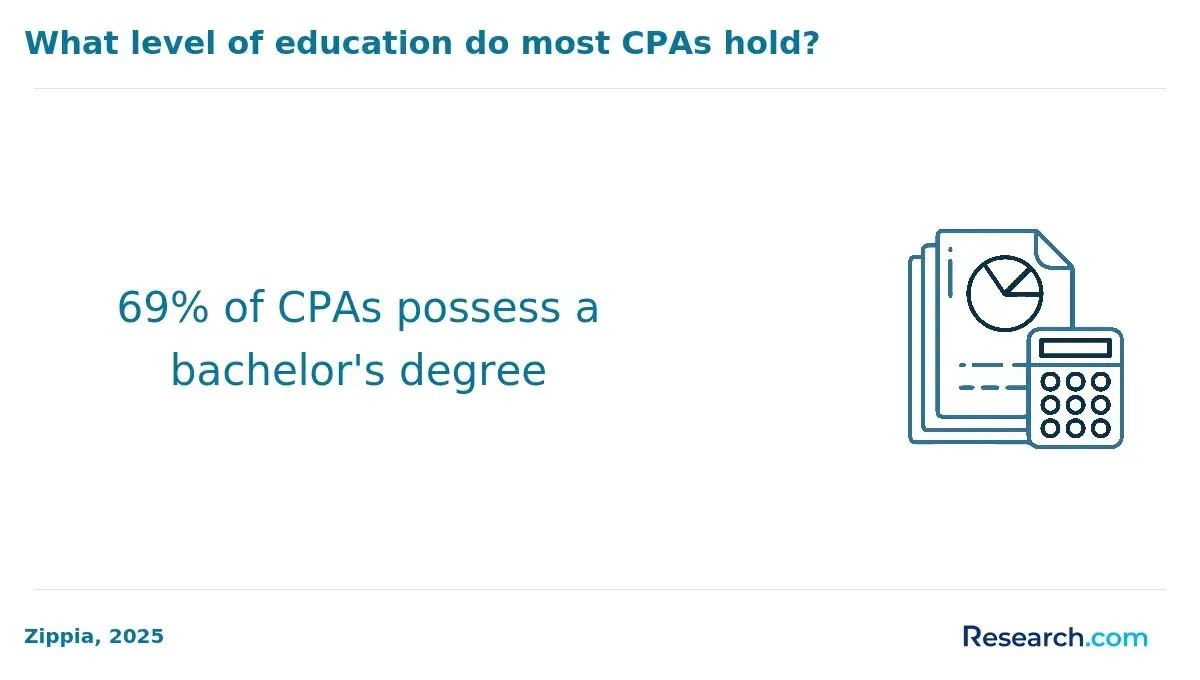
Regional accreditation also matters for practical reasons. It can improve the likelihood that credits transfer, support eligibility for federal financial aid, and satisfy common requirements for graduate study or professional pathways. Students who may later pursue a master's degree, CPA eligibility, or another accounting credential should treat regional accreditation as a nonnegotiable starting point.
National Accreditation
National accreditation is more common among career-focused, vocational, and technical institutions. Agencies such as the Accrediting Commission of Career Schools and Colleges (ACCSC) may recognize schools that meet baseline quality requirements for workforce-oriented education.
However, students should be cautious. Nationally accredited credits may not transfer as easily to regionally accredited colleges, and some employers or graduate programs may prefer candidates from regionally accredited institutions. A nationally accredited program may still be legitimate, but students should confirm how the credential will be viewed by target employers, state boards, and future schools before enrolling.
Programmatic Accreditation
Programmatic accreditation evaluates a specific business, accounting, or related academic unit. In forensic accounting, relevant accreditors include the Accreditation Council for Business Schools and Programs accounting accreditation (ACBSP) and the Association to Advance Collegiate Schools of Business (AACSB). These accreditations indicate that a business or accounting program has been reviewed against discipline-specific standards.
Programmatic accreditation is especially useful when comparing otherwise similar online degrees. It can signal stronger faculty oversight, more structured accounting curricula, and better alignment with professional expectations. It may also support preparation for credentials such as Certified Public Accountant (CPA) or Certified Fraud Examiner (CFE), although certification and licensure eligibility can depend on state rules, course credits, experience, and exam requirements.
If speed or cost is part of your decision, do not let convenience replace due diligence. Students comparing quick degree programs should still verify institutional and programmatic accreditation, and those focused on tuition should compare options such as an affordable online accounting degree only after confirming that the school is properly recognized.
Does University Reputation Affect Employer Views of Online Forensic Accounting Degrees?
Yes. University reputation can influence how quickly an employer trusts an online forensic accounting degree, especially when the employer is unfamiliar with the candidate. A recognized university with a strong accounting department, clear accreditation, and successful alumni gives hiring managers fewer reasons to question the credential.
Reputation is not only about prestige. Employers often look for signs that a program has serious academic standards and real industry relevance. For example, accredited online forensic accounting programs like those at the University of Alabama at Birmingham, which hold AACSB accreditation, tend to receive stronger employer confidence because the accreditation and institutional profile support the degree's credibility.
What Makes a University's Reputation Useful to Employers?
- Recognized accreditation: Accreditation from bodies such as the Higher Learning Commission helps employers verify that the institution meets external standards.
- Accounting faculty strength: Faculty with audit, fraud examination, litigation support, tax, or compliance experience can make coursework more relevant to forensic accounting work.
- Alumni outcomes: Graduates who move into respected roles in accounting, auditing, investigation, compliance, or financial examination strengthen employer trust in the program.
- Industry connections: Partnerships with firms, agencies, professional associations, or internship providers can help online students show experience beyond coursework.
- Clear program identity: Employers value programs that specify what students learn, including fraud detection, financial analysis, audit evidence, ethics, and investigative reporting.
Still, reputation does not replace competence. A candidate from a lesser-known accredited school can compete well by presenting strong work samples, internship experience, certification progress, and technical skills. Likewise, a candidate from a respected university can weaken their case if they cannot explain forensic accounting methods, analyze financial records, or communicate findings clearly.
For students considering graduate study, an easy masters program should not be evaluated only by workload or admissions convenience. The better question is whether the program has credible accreditation, relevant accounting coursework, and enough applied training to help you defend the value of the degree in an interview.
Do Employers Treat Online and On-Campus Forensic Accounting Degrees Equally?
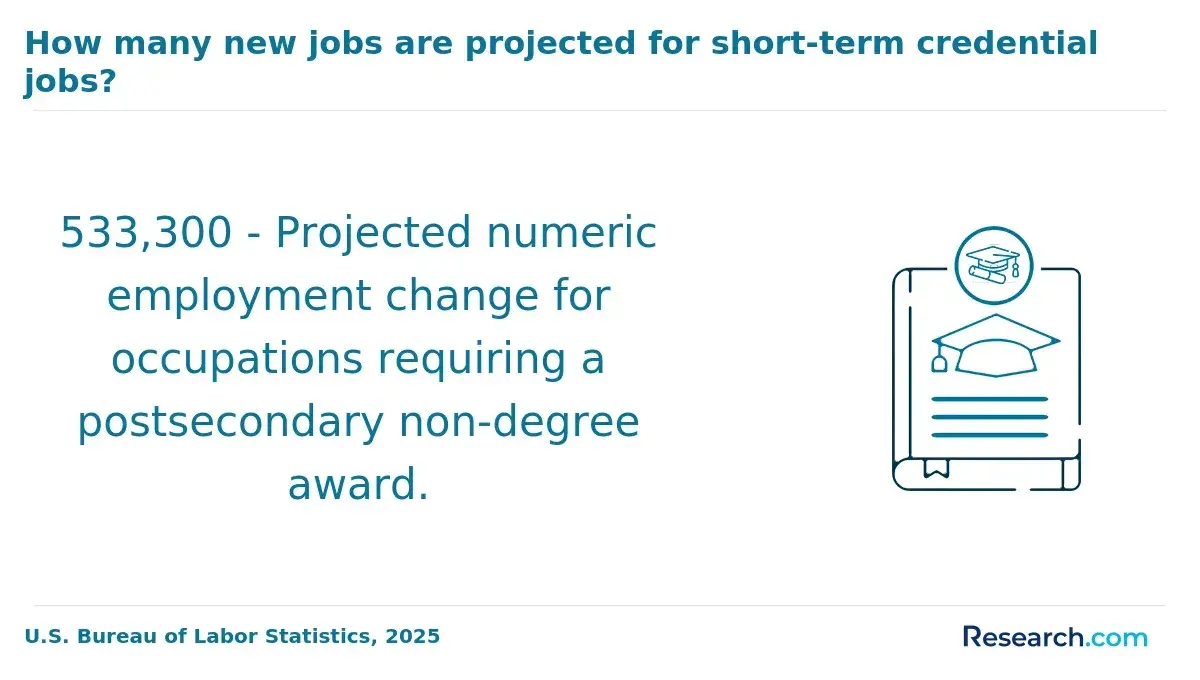
Many employers now treat online and on-campus forensic accounting degrees similarly when the online degree comes from an accredited, reputable institution. The degree format is usually less important than the evidence behind it: program quality, accounting rigor, fraud investigation training, communication ability, and relevant experience.
Employer acceptance has improved as established universities have expanded online programs and as remote work, digital audits, and virtual collaboration have become more common in professional settings. Forensic accounting also relies heavily on document review, data analysis, digital evidence, and written reporting, which can be taught effectively online when the program is well designed.
Where Online and On-Campus Degrees Are Most Likely to Be Treated Equally
- The institution is accredited: Regionally accredited schools generally carry more trust than unknown or unaccredited providers.
- The transcript does not signal a weaker curriculum: Employers want to see accounting, auditing, fraud, ethics, data analysis, and legal environment coursework.
- The student completed applied work: Internships, case projects, capstones, audit simulations, or fraud examination exercises help prove job readiness.
- The candidate communicates well: Forensic accountants must explain findings to managers, attorneys, regulators, clients, or investigators.
- The candidate has relevant credentials: CPA, CFE, or other professional certification progress can reduce concerns about degree format.
Some employers may still prefer campus degrees, especially in highly traditional firms, elite recruiting pipelines, or roles where the school brand heavily influences screening. Larger firms may also rely on established campus recruiting relationships. Smaller firms and public-sector employers may focus more on skills, experience, and credential fit.
Online students can strengthen their position by making the format almost irrelevant. List the accredited institution clearly on your resume, emphasize forensic accounting projects and tools, pursue internships or volunteer tax/audit experience where possible, and be prepared to discuss how online learning strengthened your self-management, documentation, and remote collaboration skills.
Do Employers Trust Online Forensic Accounting Degrees from AI-powered Virtual Classrooms?
Employers may trust online forensic accounting degrees from AI-powered virtual classrooms when the technology supports rigorous instruction rather than replacing academic quality. AI features can improve learning, but they do not make a weak program credible. Accreditation, faculty oversight, assessment integrity, and applied accounting training still matter most.
AI technologies such as adaptive learning platforms, virtual simulations, and AI-powered tutors can add value when used responsibly. Adaptive systems can help students focus on weak areas. Virtual simulations can expose learners to fraud scenarios, transaction patterns, evidence trails, and investigative decision-making. AI tutors can provide additional explanations outside regular class hours. These tools can make an online program more interactive and practice-oriented.
The employer case is stronger when AI is tied directly to forensic accounting skills. Many organizations themselves use AI-driven analytics for fraud detection, risk assessment, compliance review, and transaction monitoring. Graduates who can explain how they used analytics tools, evaluated exceptions, documented findings, and understood limitations may be more attractive than candidates who only completed traditional lectures.
At the same time, employers may question AI-heavy programs if assessment methods are unclear. Concerns can include academic dishonesty, limited instructor interaction, overreliance on automated feedback, or lack of transparency in how student performance is measured. Programs can reduce skepticism through proctored exams, faculty-graded case work, documented learning outcomes, and verified projects.
Surveys show that more than 60% of US finance and accounting firms consider online degrees credible for entry-level and mid-career roles, especially when programs include robust AI-enabled coursework. That credibility is strongest when AI is one part of a broader, accredited curriculum that includes accounting principles, audit evidence, fraud schemes, ethics, legal concepts, and professional communication.
What Skills Do employers Value from Online Forensic Accounting Graduates?
Employers value online forensic accounting graduates who can turn accounting knowledge into defensible investigative work. A degree may get a resume reviewed, but skills determine whether a candidate can succeed in fraud examination, audit support, compliance, litigation assistance, insurance investigation, or financial analysis.
The strongest candidates show both technical accounting ability and professional judgment. They know how to review records, identify irregularities, explain findings, preserve confidentiality, and communicate without overstating conclusions.
- Investigative skills: Employers want graduates who can examine ledgers, invoices, bank records, payroll activity, vendor files, and supporting documentation to identify patterns that may indicate fraud or error. Strong candidates know how to document each step, not just reach a conclusion.
- Financial analysis: Forensic accounting requires the ability to interpret financial statements, ratios, reconciliations, tax records, and transaction histories. Graduates should be able to distinguish unusual activity from normal business variation.
- Audit and evidence judgment: Employers value candidates who understand materiality, sampling, internal controls, audit trails, and the difference between suspicion and supportable evidence.
- Technological literacy: Digital records are central to modern financial investigations. Graduates should be comfortable with spreadsheets, databases, accounting systems, data visualization, and the basics of cyber-related financial offenses such as identity theft.
- Ethical decision-making: Forensic accounting often involves sensitive information, legal exposure, and reputational risk. Employers need professionals who understand confidentiality, independence, conflicts of interest, and the importance of objective reporting.
- Written and verbal communication: A forensic accountant may need to prepare reports for managers, attorneys, regulators, insurers, or law enforcement. Clear writing and careful wording are essential because findings may be reviewed in disputes or legal proceedings.
- Professional persistence: Online programs can help students demonstrate self-discipline, time management, and independent problem-solving, especially when they complete demanding coursework while working.
Students who are not ready for a bachelor's or graduate program may first explore easy associate degrees, but they should confirm that any early coursework can support a later move into accounting, auditing, or forensic accounting studies.
Do Professional Certifications Help Validate Online Forensic Accounting Degrees?
Yes. Professional certifications can help validate an online forensic accounting degree because they provide an external measure of knowledge beyond the college transcript. For employers who are cautious about online education, a respected certification can show that the candidate has met industry-recognized standards.
Certifications are especially useful in forensic accounting because the field blends accounting, investigation, law, ethics, and fraud detection. A degree shows academic preparation; a certification can show professional focus and commitment.
- Certified Forensic Accountant (CFA) Credential: This certification provides a comprehensive understanding of forensic accounting, including fraud, litigation services, cybersecurity issues, and valuations. It can help validate a candidate's ability to handle complex forensic tasks and may support advancement in roles involving fraud detection and prevention.
- Certified Fraud Examiner (CFE) Certification: The CFE certification is widely associated with fraud investigation and detection. It can be especially helpful for graduates of online forensic accounting programs because it gives employers a recognizable signal that the candidate understands fraud schemes, investigative methods, and practical application.
- Programmatic Accreditation and Certifications: Programmatic accreditation is not itself a professional certification, but it can strengthen the degree's credibility. A program accredited by bodies such as the Accreditation Council for Business Schools and Programs may give employers more confidence when combined with a relevant certification.
Students should also verify requirements before committing to a certification path. Eligibility may depend on education, experience, exams, ethics standards, membership rules, continuing education, or jurisdiction-specific requirements. CPA-related pathways are especially state-dependent, so students should check the rules where they plan to work.
When I spoke with a professional who completed an online forensic accounting program, he said the Certified Fraud Examiner certification changed how employers responded to his background. Early in his search, some hiring managers questioned whether an online degree had enough practical depth.
After earning the CFE credential, he had a clearer way to demonstrate his expertise. He described the study process as demanding because he was balancing work with certification preparation, but passing the exam became a turning point: "It wasn't just about adding letters after my name, it was about proving I had the practical skills to succeed." For him, the certification improved employer confidence, expanded his career options, and made interviews more focused on his abilities than on the format of his degree.
Do Online Forensic Accounting Graduates Earn the Same Salaries as On-Campus Graduates?
Online forensic accounting graduates can earn salaries comparable to on-campus graduates when the degree is accredited, the candidate has relevant skills, and the employer recognizes the institution. Recent national data show no meaningful statistical difference caused by degree format alone. In practice, salary differences are more likely to come from experience, certifications, job title, employer type, location, and negotiation strength.
Forensic accounting employers usually pay for capability. A candidate who can support investigations, analyze financial records, use accounting technology, and communicate findings clearly is likely to compete well regardless of whether the degree was completed online or on campus.
- Accreditation and reputation of the program: Regionally accredited institutions are more likely to be treated consistently by employers. Graduates from well-known programs with strong accounting faculties generally face little to no salary disparity early or mid-career.
- Professional certifications and credentials: Certifications such as Certified Fraud Examiner (CFE) or Certified in Financial Forensics (CFF) can strengthen salary potential. These credentials may matter more in negotiation than whether coursework was online.
- Relevant experience and skill development: Internships, audit roles, accounting jobs, compliance work, claims analysis, or fraud-related projects can raise a graduate's market value. Experience helps employers connect the degree to immediate job performance.
- Employer perception and industry demand: The growing need for forensic accountants due to increased financial fraud has shifted many employers toward skills-based evaluation. This supports salary parity when online graduates can demonstrate readiness.
- Geographic location and job market: Earnings vary widely by region, employer size, industry, and local demand. Urban centers often offer higher pay, but competition and cost of living may also be higher.
Students who want competitive salary outcomes should compare tuition, accreditation, career support, and employer recognition before enrolling. Programs from accredited colleges online with no application payment may reduce upfront barriers, but applicants should still evaluate total cost, transfer policies, certification preparation, and graduate outcomes.
How Do Online Forensic Accounting Degrees Impact Career Growth and Promotions?
An online forensic accounting degree can support career growth when it helps a professional move from general accounting work into specialized roles involving fraud, audit, risk, compliance, litigation support, or financial investigation. It can also help working adults qualify for advancement without leaving their current jobs.
The degree is most useful when it fills a clear skill gap. For example, an accountant who already understands bookkeeping or financial reporting may use forensic accounting coursework to build investigation, fraud examination, internal controls, and evidence documentation skills. A compliance or insurance professional may use the degree to strengthen financial analysis and audit reasoning.
- Expanded career options: Graduates may qualify for roles such as forensic accountant, auditor, financial examiner, and accounting manager. These roles can exist in public accounting firms, corporations, insurance companies, legal support settings, government agencies, and consulting firms.
- Higher earning potential: Specialized education can support advancement into more complex roles. For instance, related positions such as financial examiners had a median annual income exceeding $87,000 as of 2025, with higher-level roles often requiring stronger credentials and experience.
- Specialized skill set: Coursework in fraud detection, auditing principles, business law, tax regulations, and financial analysis can prepare graduates for investigative or leadership assignments.
- Industry recognition and accreditation: Respected online programs with accreditations like AACSB can strengthen employer confidence, particularly when the candidate is seeking promotion or a role change.
- Flexibility for working professionals: Online study allows students to continue gaining work experience while completing the degree. That can make the credential more valuable because the learning is applied in real time.
- Preparation for professional certifications: Many online forensic accounting degrees include coursework relevant to CPA preparation or other credentials, though students must confirm certification and licensure requirements independently.
Promotion outcomes are not guaranteed by the degree alone. Employers usually look for evidence that the graduate has used new skills to improve audits, detect irregularities, reduce risk, document findings, or support investigations. Students should save strong projects, request measurable responsibilities at work, and connect coursework to performance reviews when appropriate.
When I spoke with a professional who pursued an online forensic accounting program, she explained that the degree helped her move into a senior investigator role within two years of graduation. The challenge was balancing work, family, and study, but she said the coursework gave her practical tools for analyzing complex fraud schemes and presenting findings more confidently.
She recalled, "The flexibility of the program allowed me to keep my job while developing skills that my employer recognized as valuable, which made my contributions stand out during performance reviews." Her experience shows why online programs can be effective for career advancement when the curriculum is rigorous and directly connected to the learner's current work.
What Companies Actively Hire Graduates from Online Forensic Accounting Programs?
Graduates from online forensic accounting programs can find opportunities across organizations that need fraud detection, audit support, regulatory compliance, claims analysis, financial investigations, and litigation-related accounting work. Employers are generally more concerned with accreditation, experience, technical ability, and professionalism than with the online format itself.
- Financial consulting firms: These firms may hire graduates for litigation support, fraud prevention, business valuation support, financial investigations, and dispute analysis. They value candidates who can analyze records, prepare clear documentation, and support client-facing teams.
- Public accounting and advisory firms: Accounting firms may need professionals for audit, forensic services, internal controls, fraud risk, and transaction review. Candidates with strong accounting fundamentals and certification progress may be more competitive.
- Government agencies: Regulatory, tax, enforcement, and oversight bodies may hire forensic accounting graduates for financial crime investigations, compliance monitoring, audit work, and public accountability roles.
- Insurance and risk management companies: These employers use forensic accounting skills to evaluate claims, identify suspicious financial activity, estimate losses, and reduce fraud exposure.
- Private investigation services: Firms that conduct financial inquiries may value graduates who can trace funds, review records, assist with expert reports, and support legal matters.
- Corporate compliance and internal audit departments: Companies in many industries need professionals who can test controls, review transactions, investigate misconduct allegations, and help prevent financial losses.
- Law firms and legal support organizations: Forensic accounting graduates may assist with damages analysis, asset tracing, divorce financial matters, bankruptcy issues, and white-collar crime cases.
For professionals exploring remote forensic accounting job opportunities, the best strategy is to match the degree to a target sector. A student interested in law firm work should emphasize litigation support and report writing; a candidate targeting insurance should show claims and loss analysis; a future government applicant should highlight compliance, audit, and regulatory coursework. Some candidates also consider a dual graduate degree when they want to combine forensic accounting with another field such as law, business, analytics, or public administration.
What Future Trends Will Shape Online Forensic Accounting Degrees' Credibility?
The credibility of online forensic accounting degrees will likely depend on how well programs prove student competence, protect academic integrity, and align with employer needs. Online delivery is no longer the main concern for many hiring managers. The bigger question is whether the program can show that graduates are prepared for real forensic accounting work.
- AI-driven learning validation: Artificial intelligence is changing both education and forensic accounting practice. Programs that use AI to strengthen assessment, detect academic dishonesty, and support verified skill development may gain employer trust. Programs that use AI without transparency may face more skepticism.
- Stronger online assessment standards: Employers will likely place more value on programs that use proctored exams, faculty-graded case studies, oral defenses, portfolio projects, and documented competencies. These methods help show that the student, not a tool or third party, completed the work.
- Global accreditation collaboration: Accrediting bodies are working together internationally to set unified standards for online education. Programs aligned with recognized benchmarks may find it easier to earn employer respect across regions and industries.
- Increased employer partnerships: Collaboration with professional organizations, including the AICPA and ACFE, can help programs align coursework with certification pathways, applied fraud investigation skills, and current industry expectations.
- Skill-based hiring and certification alignment: Employers are placing more emphasis on demonstrable expertise. Programs that map coursework to CPA, CFE, and other relevant credentials may help graduates communicate their readiness more clearly.
- Expanding career opportunities: As organizations continue to face fraud, cyber-enabled financial crime, regulatory pressure, and complex financial disputes, demand for professionals with forensic accounting skills may strengthen the value of reputable online programs.
The most credible future programs will not simply move lectures online. They will combine accreditation, applied casework, technology training, ethical reasoning, instructor feedback, and evidence-based assessment. Students should look for programs that can show how learning is verified and how graduates are prepared for the investigative realities of the field.
Here's What Graduates of Respected Online Forensic Accounting Programs Have to Say About Their Degree
- : "Completing my online forensic accounting degree opened doors I never thought possible. The flexibility to study while working allowed me to gain invaluable experience in real time, and now I'm employed at a top financial investigation firm. This degree gave me the technical expertise and confidence to handle complex fraud cases with precision. I feel empowered to make a real difference by uncovering financial crimes that affect communities. It's been a truly transformative journey. — Justin"
- : "When I decided to pursue an online forensic accounting degree, I was unsure if it would offer the same opportunities as traditional programs. However, finishing the course equipped me with specialized skills that distinguish me in the job market. I secured a position as a compliance analyst faster than I imagined, and the professional growth I've experienced is extraordinary. This degree not only advanced my career but also deepened my passion for using accounting to promote transparency and justice. It has been an inspiring experience that continues to fuel my ambition. — Maddie"
- : "Balancing family responsibilities while earning my online forensic accounting degree was challenging, but it was worth every effort. The program's focus on practical application prepared me well for real-world scenarios, leading to a promotion within six months of graduation. I now lead a team responsible for detecting financial irregularities in government agencies, contributing directly to community well-being. This degree expanded my professional network and opened doors to leadership roles I hadn't imagined. It's incredible how much this accomplishment has shaped my career and personal growth. — Clay"
Other Things You Should Know About Respectable Online Forensic Accounting Degree Programs
In 2027, many employers respect online forensic accounting degrees, especially when they are from accredited institutions. Endorsements from reputable schools, a relevant curriculum, and networking opportunities can enhance credibility. However, real-world experience and professional certifications, such as the Certified Fraud Examiner (CFE), significantly boost a graduate’s employability in the field.
In 2027, employers increasingly trust online forensic accounting degrees, especially from accredited programs. Accreditation ensures a program meets high-quality education standards and equips graduates with crucial skills. Nevertheless, each employer's perception can vary, often influenced by the program's reputation and a candidate's overall experience.
In 2027, online forensic accounting graduates can enhance their appeal to employers by gaining professional certifications such as the Certified Fraud Examiner (CFE) and participating in internships or real-world projects. These steps demonstrate practical knowledge and dedication beyond their degree.
References
- How Do Employers View an Online Accounting Degree? - Best Accounting Schools https://www.bestaccountingschools.net/faq/how-do-employers-view-an-online-accounting-degree/
- Forensic Accounting Degree Online https://www.snhu.edu/online-degrees/bachelors/bs-in-accounting/forensic-accounting-and-fraud-examination
- 4 Careers for Professionals With an MBA in Forensic Accounting https://onlinedegrees.murraystate.edu/programs/business/mba/forensic-accounting/careers-for-professionals/
- Is Forensic Accounting a Good Career? How to Join This Lucrative Field https://learn.neumann.edu/neuperspectives/is-forensic-accounting-a-good-career-how-to-join-this-lucrative-field
- Uncovering a Career in Forensic Accounting https://www.investopedia.com/articles/financial-careers/08/forensic-accounting-career.asp
- Fraud & Forensic Accounting Career Paths - MSU Denver https://www.msudenver.edu/fraud-forensic-accounting-career-paths/
- Forensic Accounting Career Overview | Accounting.com https://www.accounting.com/careers/forensic-accountant/
- Careers for MBA Forensic Accounting Students at UNCP https://online.uncp.edu/degrees/business/mba/forensic-accounting/careers-for-mba-forensic-accounting-graduates/
- Employer Perceptions of Online Accounting Degrees | Issues in Accounting Education | American Accounting Association https://publications.aaahq.org/iae/article/31/1/91/8002/Employer-Perceptions-of-Online-Accounting-Degrees
- Zippia. (2025, January 8). Certified public accountant education requirements. https://www.zippia.com/certified-public-accountant-jobs/education/


