
2027 How Long Does It Take to Earn an Online Education Degree?

Co-Founder and Chief Data Scientist
Online Education offers unparalleled convenience and flexibility, meeting the rising demand for remote learning options amid today's fast-paced lifestyle. According to the National Center for Education Statistics, over 35% of undergraduates opt for online courses, illustrating a significant shift toward accessible degree completion. Understanding how long does it take to earn an online Education degree is essential for planning purposes.
This article explores the average duration of these programs, key factors influencing completion time, and guidance on selecting a program length tailored to personal goals and schedules. It aims to empower readers to make informed, confident decisions about pursuing an online Education degree.
Key Benefits of Online Education Degree
- Most online education degrees can be completed in 2 to 4 years depending on whether students enroll full-time or part-time, offering flexibility to fit personal and professional schedules.
- Many programs provide accelerated options allowing completion in as little as 18 months, particularly for students with transfer credits or prior experience.
- The self-paced nature of online learning enables students to manage coursework around work or family, which helps maintain consistent progress without the constraints of traditional classroom hours.
What is the Average Completion Time for Online Education Programs?
The average time to complete online education degree programs varies depending on the level of study but generally aligns with traditional timelines while offering flexibility that can speed up or extend duration. To help prospective students understand how long does it take to earn an online teaching degree, here is a breakdown of typical completion times by degree level.
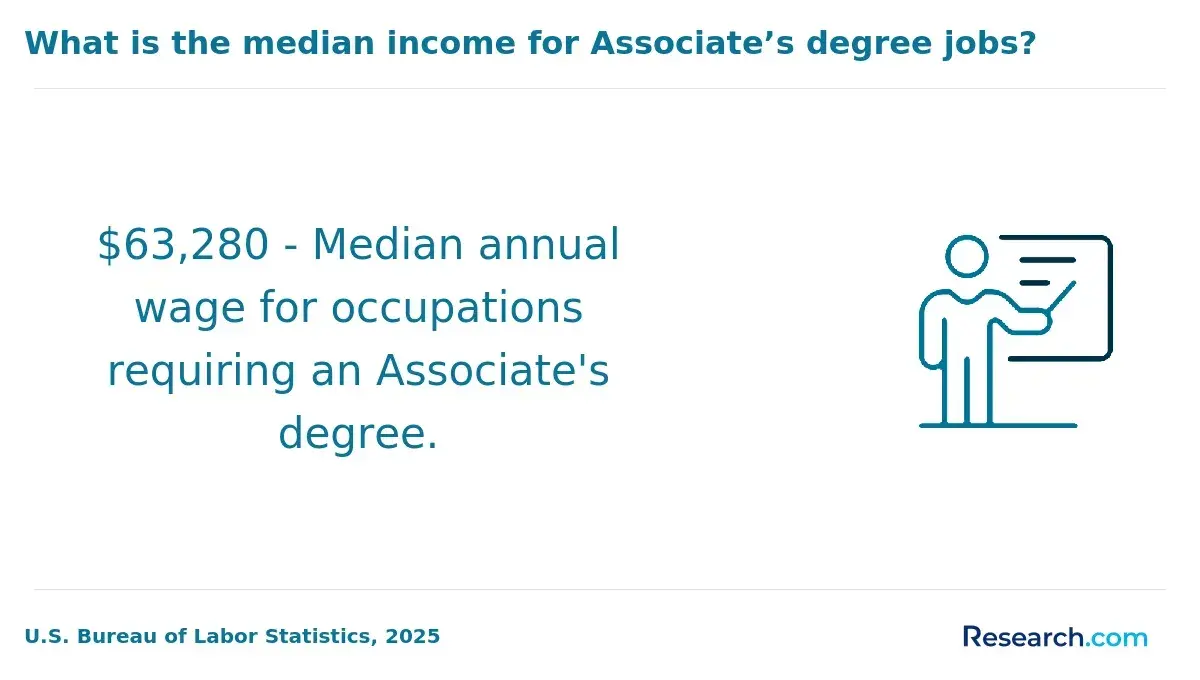
- Online Associate's in Education: These programs are usually completed in about two years by full-time students. They focus on foundational education courses and are ideal for those aiming for entry-level positions or seeking to transfer credits toward a bachelor's degree.
- Online Bachelor's in Education: Most students finish in approximately four years of full-time study, following the traditional campus schedule. However, some online learners accelerate progress through continuous enrollment or credit transfers, with certain competency-based programs enabling completion in as little as 2.5 years.
- Online Master's in Education: Typically completed within one to two years, these programs cater to professionals pursuing career advancement or teaching licensure. Many offer accelerated or self-paced options, making them suitable for experienced educators.
- Online Doctoral Programs in Education: Completion times range widely from three to six years, largely depending on research, dissertation work, and the student's pace within the program structure.
Overall, flexibility is a hallmark of online education, and understanding the average time to complete online education degree options can help students plan effectively. Those interested in shorter credentials might also explore certificates that make money as part of their academic or professional development journey.
What Factors Can Affect How Long It Takes to Earn an Online Education Degree?
Several key factors influence how long it takes to earn an online Education degree, affecting whether students graduate on time or experience delays. Understanding these can help prospective learners plan better and set realistic goals. The main variables shaping program length include the following:
- Enrollment Status (Full-Time vs. Part-Time): Full-time students often complete their degrees faster since they dedicate more hours weekly, while part-time learners must balance academic work with other commitments, resulting in extended program duration and lower completion rates.
- Clarity of Academic Goals: Students with well-defined educational objectives tend to stay motivated and focused, which supports timely progress. Conversely, unclear goals can slow learning pace due to indecision about courses and long-term plans.
- Time Management Skills: Effective time management skills for online Education students are crucial because online programs typically require self-paced study. Poor timing and scheduling habits can lead to procrastination, delays, or even dropout.
- Technological Proficiency: Comfort with learning platforms and digital tools facilitates smoother navigation through coursework, whereas lack of these skills can cause frustration and slow progress.
- Program Structure and Course Load: Students who take heavier course loads per term may graduate sooner but risk burnout and dropout, while lighter loads extend the timeline but may be more manageable.
- Student Support Systems: Access to advisors, tutoring, and peer groups helps maintain momentum, improving completion rates. Limited support often correlates with longer times to finish a degree.
- Personal Circumstances and External Commitments: Life events, work, and family responsibilities frequently interrupt studies, especially for adult learners, thereby elongating the time to degree completion.
For those navigating these factors, it can be helpful to explore programs specifically designed for flexibility; such insights are available at easiest phd resources that outline pathways suited to different student needs.
What Are the Different Types of Online Education Programs Available?
Online education programs offer a wide range of specializations and degree levels, giving students flexible options to advance their careers in teaching, administration, or education-related fields. These programs vary by focus and structure, making it important to understand the main types available. Below is an overview of the major online education programs for prospective students to consider.
These types represent common paths and concentrations designed to meet different career goals and timelines.
- Elementary Education: Bachelor's programs that prepare students to teach kindergarten through sixth grade, emphasizing curriculum design and teaching methods. Many include field experience and may allow qualified candidates to complete their degree in as little as two years.
- Secondary Education: Designed for future middle and high school educators, these programs focus on subject-specific pedagogy like English or science, blending core teaching theories with content expertise to prepare knowledgeable instructors for adolescent learners.
- Early Childhood Education: Programs targeting education from birth through kindergarten, stressing developmental psychology and strategies for teaching diverse learners, including children with learning disabilities. This specialization is key for those committed to early development.
- Special Education: Concentrates on training teachers to work effectively with students who have disabilities or developmental delays, offering specialized instructional and assessment skills. Doctoral options exist for leadership roles in this field.
- Educational Leadership and Administration: Master's and doctoral degrees that prepare professionals for administrative or leadership careers within schools and educational institutions, often structured for working adults with typical completion in two years at the master's level.
- Educational Studies: Broader programs designed for careers outside direct classroom teaching, including education policy, law, and advising. These explore systemic education issues and future challenges in the field.
How Many Credit Hours Are Required for an Online Education Degree?
Completing an online education degree typically requires a range of credit hours that varies based on the level of the degree and the specific program structure. Understanding these requirements can help prospective students plan effectively for their studies and completion timeline.
Below is a breakdown of the average credit hour requirements by degree level, highlighting how full-time or part-time enrollment and transfer credits can influence the duration of the program.
- Associate degree in education: This entry-level degree usually requires between 60 and 65 credit hours. Students studying full-time can often complete it within two years, while part-time students might need three years or more. Transfer credits from previous coursework can sometimes reduce the total credit hours needed.
- Bachelor's degree in education: Most online bachelor's degrees demand around 120 to 124 credit hours. Full-time students typically finish in four years, though those with transfer credits or a heavier course load may finish sooner. Part-time students will generally take longer to complete the program.
- Master's degree in education: Online master's programs generally require 30 to 36 credit hours. These degrees are usually designed for completion in about two years when studied full-time, but many part-time learners take three to four years. Acceptance of some transfer credits varies by institution.
- Doctoral degree in education (Ed.D. or Ph.D.): Doctoral programs often require at least 60 credit hours beyond the master's degree. Depending on research, dissertation demands, and enrollment status, completion may take anywhere from three to seven years.
A graduate of an online education degree I spoke with shared the emotional and logistical challenges they faced while completing about 130 credit hours across bachelor's and master's levels. They described balancing full-time employment, family commitments, and coursework deadlines as particularly demanding, especially when integrating new technology tools for online classes.
Despite moments of self-doubt, their structured pacing and occasional transfer credits helped manage stress. Reflecting on the experience, they emphasized how the flexibility of online learning empowered them to navigate credit requirements successfully while maintaining personal responsibilities, ultimately feeling rewarded by their perseverance and the supportive virtual community they found.
What Courses Are Included in a Standard Online Education Curriculum?
A standard online education curriculum typically includes a range of courses designed to build foundational knowledge, teaching skills, and specialized expertise in various aspects of education. These programs focus on preparing students for effective classroom instruction, student engagement, and potential leadership roles within educational settings.
Below are examples of core and specialized courses commonly found in most online education programs, each offering essential skills for future educators and education professionals:
- Foundations of Education: This course explores the history, philosophy, and societal role of education in the United States. Students learn how schools function within communities and how historical and social issues influence educational policy and practice.
- Educational Psychology & Development: Focused on understanding how students learn and grow, this course covers theories of motivation, cognition, and behavior. It equips future teachers to tailor instruction to diverse learning needs and promote positive classroom environments.
- Curriculum Development and Instructional Design: Students learn to design, implement, and evaluate effective curricula that align with educational standards. The course emphasizes adapting materials for various learning styles to create engaging and effective lesson plans.
- Classroom Management: This core subject teaches strategies to foster safe, inclusive, and productive learning spaces. Students gain practical skills in behavior management and conflict resolution vital for maintaining order and maximizing student learning.
- Assessment and Learner Performance: Students learn to develop, administer, and analyze assessments to guide instruction and support student growth, which aligns with national teaching standards focused on evidence-based learning.
- Lesson Planning: This course covers how to sequence and adapt lessons to achieve learning objectives. Effective lesson planning is crucial for daily teaching and long-term student success.
- Instructional Technology: Introducing digital tools and remote teaching strategies, this course prepares educators to integrate technology effectively into classroom instruction.
- Content Area Methods (e.g., Math, Science, English, Social Studies): Specialized courses help future teachers combine subject-matter knowledge with pedagogical strategies specific to their discipline, such as inquiry-based learning in science.
- Special Education: This course focuses on methods to support students with disabilities through individualized instruction and inclusive practices, preparing graduates to work in diverse educational settings.
- English Language Learning (ELL/ESL): Designed to prepare educators for multilingual classrooms, this specialization covers language acquisition, cultural competence, and teaching strategies for English learners.
- Practicum and Student Teaching: Most programs include supervised field experiences offering hands-on teaching practice, essential for teacher licensure and real-world classroom readiness.
How Often Do Online Education Programs Start During the Year?
Online education programs typically offer multiple start dates throughout the year, providing students with the flexibility to begin their studies when it best fits their personal and professional lives. This adaptability is especially beneficial for working adults and busy professionals who need to balance education with other commitments. The most common start schedules can be summarized as follows:
- Traditional Academic Calendar: Many programs follow the standard academic calendar, offering three main start dates: fall, spring, and summer. This schedule works well for students who prefer a predictable timeline and may be transitioning from a traditional classroom setting.
- Multiple Session Starts: Some universities provide five to six start dates annually, with options spaced throughout semesters and summer sessions. This setup allows students to enroll every few months, making it easier to juggle education alongside work or family responsibilities.
- Monthly or Quarterly Starts: Certain institutions allow students to start once a month or every quarter. These frequent start dates offer maximum flexibility, helping learners avoid long wait times between enrollment periods.
- Rolling Admissions: Especially common in graduate programs, rolling admissions let students apply and enroll at any time, with courses starting throughout the year. This option is ideal for professionals seeking to begin their studies without delays.
- Competency-Based and Self-Paced Programs: Some schools offer programs that start anytime or monthly and allow students to progress at their own pace. These are perfect for highly motivated learners aiming to accelerate completion or manage irregular schedules.
How Much Faster Can You Complete an Accelerated Online Education Degree?
Accelerated online education programs significantly shorten the time it takes to earn a degree compared to traditional, campus-based formats by offering flexible and condensed course structures. These programs harness several key features to help motivated students complete their education much faster.
Below are some common ways these programs enable quicker graduation:
- Shorter Course Terms: Courses are often scheduled in 5- to 8-week blocks instead of traditional 16-week semesters, allowing students to complete more classes per year. This rapid pacing helps students progress at nearly twice the speed toward their degrees.
- Year-Round Enrollment: Multiple start dates and continuous enrollment options across all seasons enable students to avoid long breaks. Studying during summer and winter sessions reduces downtime and accelerates degree completion.
- Transfer Credits: Many programs accept a large number of previously earned credits, sometimes up to 60-90 out of 120 total credits for a bachelor's degree. This recognition of past coursework can save students many months or even years.
- Competency-Based Learning: This model allows students to move quickly through material they already know by demonstrating mastery. It's ideal for fast learners, cutting down unnecessary repetition and shortening study time.
- Credit for Prior Learning: Programs commonly grant academic credits for professional experience, certifications, or military service, which helps eliminate redundant courses and shortens the educational timeline.
One graduate of an online accelerated education degree shared their experience of balancing a full-time job, family responsibilities, and intense 6-week course sessions. They described the initial shock of the fast pace and heavy workload but also felt a unique sense of accomplishment as each course finished quickly, providing constant motivation.
The support of online instructors and fellow students was essential, creating a virtual community that helped overcome moments of doubt and fatigue. This graduate emphasized how the program's structure demanded discipline but rewarded persistence with faster career advancement opportunities, making the challenge well worth the effort.
Does Finishing an Online Education Degree Faster Save You Money?
Completing an online education program more quickly can effectively reduce the overall costs associated with earning a degree. Accelerated program options and flexible course pacing allow students to save money with accelerated online education degree, as finishing faster leads to multiple financial benefits.
Below are key ways that speeding up your online education can lower expenses and improve financial outcomes:
- Lower Tuition Costs: Many online programs charge tuition based on credit hours or semesters, so completing your degree in fewer terms can significantly reduce total tuition paid. Additionally, some institutions offer credit for prior learning or experience, further shortening the time and money spent on education and helping students lower tuition costs by finishing online degree faster.
- Reduced Living Expenses: Online students usually avoid on-campus costs like dorm fees and meal plans. By completing their program sooner, they minimize living expenses such as housing, food, and transportation, which add up over multiple years, especially benefiting adult learners maintaining current living arrangements.
- Earlier Entry Into the Workforce: Graduating faster means students can start full-time careers sooner, increasing earning potential and decreasing opportunity costs. This earlier income stream helps offset education expenses and positively affects long-term financial stability.
- Less Time Off Work: The flexibility of many online programs allows students to maintain employment while studying. A shortened program duration lessens the need for unpaid leave or part-time work, helping students continue funding their education without losing wages.
- Eligibility for Employer Tuition Assistance: Working students who finish programs efficiently may benefit from employer tuition reimbursement programs, reducing out-of-pocket costs. This support rewards timely degree completion by helping professionals balance education and work commitments.
For learners interested in doctoral studies, some accelerated options like a phd program without dissertation offer alternative paths to speed completion and further save time and money.
How Soon Can Graduates Start Working After Earning Their Online Education Degree?
Graduates can typically start seeking employment as soon as they complete their online education degree and meet any required certification or licensure standards. The time frame for job placement after online education degree varies depending on factors like the graduate's specialization, regional demand, and prior experience in the field.
Many candidates secure interviews or job offers within weeks to a few months after graduation, especially in high-demand teaching areas. Those with existing classroom experience often find positions faster, sometimes even before graduating. Employers increasingly view online degrees as equivalent to in-person credentials, further supporting quick hiring processes.
Many online education programs allow students to gain relevant work experience, build professional networks, and complete internships while still studying. This flexibility helps students work as paraprofessionals or substitutes, enhancing their resumes and accelerating how quickly can you get hired with an online education degree.
Having practical experience alongside academic credentials gives graduates a strong advantage in the job market. Employers value candidates from accredited online programs who combine knowledge with real-world skills. Exploring the most popular online universities can also provide insights into programs that foster these valuable opportunities.
How Much Do Online Education Graduates Earn on Average?
Online Education graduates typically earn between $43,000 and $69,000 annually, depending on their role, experience, and additional qualifications. To provide a clearer picture of these earnings, here is a breakdown of average salaries by career level and specialization that highlights the progression opportunities in the field.
- Entry-Level Roles: Graduates starting as secondary school teachers often earn about $43,165 per year. Salaries at this level are influenced by licensure status, practical training completion, and the institution's reputation, offering a solid foundation for future growth.
- Mid-Career Professionals: With 5-10 years of experience, educators generally see salaries rise to around $54,867 annually. Continued education, professional development, and added responsibilities contribute to higher pay.
- Senior Teachers (10+ years): Experienced teachers earn roughly $60,085 per year, with pay increases linked to advanced certifications, leadership roles, and mentorship duties. Geographic location and district policies also play important roles in compensation.
- Specialized Positions: Teachers focusing on high-demand subjects like STEM fields typically earn about $54,000 annually. Additional certifications and specialized training can enhance both salary and job flexibility.
- With a Master's in Education: Holding an advanced degree, such as a master's often obtained online, can boost average salaries up to approximately $69,000. This credential also opens doors to administrative and leadership roles with higher pay, aligning with the Doctor of Education degree average salary in the US.
For those exploring affordable pathways to enter this field, considering the cheapest bachelors degree options available online can help minimize costs and start earning sooner, particularly in states like Ohio where the average salary for online education degree holders in Ohio remains competitive.
Here's What Graduates of Online Education Programs Have to Say About Their Degree
- Ayesha: "Completing my online education degree was a game changer for me. The flexibility allowed me to balance work and family while gaining the skills I needed to advance in my teaching career. I was able to immediately apply new strategies in my classroom, which made a real difference for my students' engagement. The program's strong focus on real-world application prepared me to excel in diverse educational settings. I'm proud of the positive impact I now have on young learners every day. "
- Marcus: "Going through an online education degree was both challenging and incredibly rewarding. It pushed me to develop strong time management and self-discipline skills, which I hadn't tapped into before. The community of peers and professors, though virtual, offered inspiring support and different perspectives that broadened my view of education's role in society. This experience deepened my passion for advocating educational equity and inclusion in underserved communities. I feel more equipped than ever to contribute to meaningful change. "
- Leilani: "As a professional looking to move up the ladder in school administration, earning my online education degree opened doors I didn't expect. Not only did it enhance my theoretical understanding, but it also sharpened my leadership and communication skills through practical assignments. The program's flexibility meant I could maintain my full-time job while studying, which was crucial for financial stability. Since graduating, I've stepped into a lead role where I influence curriculum design and teacher training, helping improve overall school performance. This degree has been vital for my career advancement and confidence in my work. "
Other Things You Should Know About Online Education Degree Programs
In 2027, earning an online education degree usually takes around two to four years for a bachelor's program, similar to traditional degrees. Part-time students or those in accelerated programs may experience different timelines. Most programs offer flexibility, allowing students to balance other commitments.
While coursework can often be finished online, practicum or student teaching typically requires in-person placement. Programs usually coordinate with local schools or organizations to provide supervised hands-on experience necessary for licensure and practical skill development.
Common challenges include managing time effectively, staying motivated without face-to-face support, and balancing coursework with work or family commitments. Technical issues and limited immediate feedback can also affect the learning process.
References
- Half of students don’t finish online degrees in eight years https://www.timeshighereducation.com/news/half-students-dont-finish-online-degrees-eight-years
- How Much Time Should an Online Course Really Take? | JWU Online https://online.jwu.edu/blog/how-much-time-should-online-course-really-take/
- Can You Get a Job with an Online Degree? Experts Weigh In https://www.rasmussen.edu/student-experience/college-life/can-you-get-a-job-with-an-online-degree/
- Is online college affordable? https://www.cmich.edu/blog/all-things-higher-ed/is-online-college-affordable
- Transferring College Credits is Hugely Beneficial! | UoPeople https://www.uopeople.edu/blog/do-college-credits-expire-your-guide-to-transfer-credits/
- Online Accelerated Teaching Degree at George Fox University https://www.georgefox.edu/education/bachelors-degree-completion/index.html


