
2027 Corrections Degree vs. Certificate: Which Should You Choose?

Co-Founder and Chief Data Scientist
Students and professionals face critical choices when deciding between earning a degree or a certificate in corrections. Both paths can enhance career prospects in law enforcement or rehabilitation, yet they differ in timeframe, depth of study, and costs. Degrees generally offer a broader education, while certificates focus on specific skills and quicker entry into the workforce.
In corrections, where the U.S. workforce demands practical skills and knowledge, understanding these differences is key. Approximately 70% of correctional officer roles prefer candidates with some formal education. This article will compare essential factors of each option, helping readers to select the right credential for their career ambitions and personal circumstances.
Key Points About Corrections Degree vs. Certificate Programs
- A corrections degree typically offers comprehensive knowledge and higher earning potential, with median salaries around $47,000, supporting long-term career advancement.
- Certificate programs focus on specific skills and faster completion times, ideal for immediate employment or career shifts within corrections.
- Degrees provide broader theoretical and leadership training, while certificates emphasize practical techniques, influencing professional growth and job roles.
What Are the Differences Between Corrections Degree and Certificate Programs?
While both corrections degree programs and certificate courses can open doors to meaningful careers in the criminal justice field, they vary significantly in structure, depth, and time commitment. Understanding these differences allows students to make informed decisions aligned with their career ambitions and available study time.
Here are key distinctions between corrections degrees and certificates:
- Career Advancement: Degrees typically provide a more comprehensive foundation, positioning graduates for higher-level roles and leadership opportunities. Certificates focus on specific skills and are ideal for those seeking quick entry or specialization.
- Depth of Learning: Degree programs cover a broad range of topics within corrections, including theory, policy, and practice, suited for learners wanting an in-depth understanding. Certificates tend to concentrate on practical skills and immediate application for working professionals.
- Time Commitment: Degrees require a longer study period, often involving general education courses alongside major requirements. Certificates can be completed relatively quickly, benefiting those who need expedited credentials.
- Flexibility: Certificate programs often provide more flexible scheduling and can be pursued part-time or online. Degree programs may follow a more rigid curriculum and timeline, aligning with traditional academic calendars.
How Long Does It Take to Complete a Corrections Degree vs. a Certificate Program?
Completion time is a key factor for students deciding between a corrections degree program length and how long to get a corrections certificate. Understanding the typical duration and flexibility helps candidates choose the right path based on their career goals and time availability.
- Typical Duration: Corrections certificate programs are designed for fast completion, typically taking about two semesters or one year of full-time study. In contrast, a corrections degree-often an associate degree-requires roughly two years, while a bachelor's typically takes four years.
- Flexibility: Certificates offer streamlined coursework focused on workforce entry and can often be accelerated with transfer credits or prior experience. Degrees include more general education and in-depth study; students may choose part-time options, extending completion to three or more years depending on their pace.
- Factors Affecting Timeline: Enrollment status strongly impacts the duration. Full-time students finish faster than part-time, and program structure influences workload. Both certificates and degrees can benefit from transfer credits and offer online or hybrid options for adaptable pacing.
Many students researching the fastest bachelors degree option will note that, while a certificate can provide a quicker route into corrections work, a degree offers deeper study crucial for advancement.
For those weighing how long to get a corrections certificate versus pursuing a full bachelor's degree, the decision often balances speed against depth of education.
Can You Complete a Corrections Degree or Certificate Entirely Online?
The rapid growth of online education has made it increasingly possible for students across the country to pursue corrections credentials remotely. Many institutions now offer fully online corrections certificate courses, including graduate certificates from Arizona State University, University of Central Florida, and Eastern Kentucky University. These programs typically allow students to complete coursework without any on-campus attendance.
However, not all options are exclusively online; some colleges, such as North Hennepin Community College, provide corrections certificates in hybrid or in-person formats. Similarly, online corrections degree programs in the US vary in delivery, with some requiring limited campus visits or hybrid models depending on the institution's design and state regulations.
When considering a fully online corrections certificate or degree, students should evaluate requirements beyond academics. Many fully online programs focus on theory and skills but may lack hands-on training, supervised internships, or licensure prerequisites needed for specific corrections careers. Those needing practical experience or internships must verify if these components are integrated or must be arranged independently.
Prospective students should choose their online format carefully, aligning with career goals, learning preferences, and local job market expectations. For those exploring further educational options, it may also be helpful to review the easiest associate degree to get as part of their planning process.
What Are the Admission Requirements for a Corrections Degree vs. a Certificate Program?
Admission requirements are an important consideration when deciding between pursuing a corrections degree or a certificate program. These criteria determine eligibility for enrollment and can affect both educational timelines and career advancement opportunities. Understanding these differences ensures that applicants select the path most aligned with their background and professional goals.
Below is a side-by-side comparison of the typical admission requirements for corrections degree admission requirements versus corrections certificate program requirements.
Admission Requirements for Corrections Degree Programs
- Educational Background: Most associate degree programs require a high school diploma or GED, while some bachelor's programs may also ask for standardized test scores like the SAT or ACT and a minimum GPA.
- Age Requirement: Applicants are generally required to be at least 18 years old, though some states or institutions may set the minimum age at 19 for specific corrections or probation officer tracks.
- Criminal Background: A clean criminal record is commonly required, with no felonies or serious misdemeanors, especially those involving violence or dishonesty.
- Application Materials: Submission typically includes transcripts and application forms; some bachelor's or graduate-level programs also request letters of recommendation or essays.
- Test Scores: Certain programs demand placement exams in math or writing, with preparatory coursework needed if scores do not meet standards.
Admission Requirements for Corrections Certificate Programs
- Educational Background: A high school diploma or GED is almost always required for entry-level corrections certificates.
- Age Requirement: Applicants must usually be at least 18 years old.
- Citizenship: U.S. citizenship is often necessary for most correctional officer certificates.
- Criminal Background: No felony convictions or serious misdemeanors are allowed, along with a requirement of good moral character and no dishonorable military discharge.
- Physical Examination: Some programs require a physical exam to verify fitness for officer duties.
- Background Investigation: A passing background check, often including fingerprinting, is mandatory.
- Basic Abilities Test: Certain states, such as Florida, mandate a passing score on a basic abilities test for certificate applicants.
While degree programs emphasize academic achievement and broader educational prerequisites, certificate programs focus more on legal, physical, and ethical qualifications for immediate employment in corrections roles.
For those interested in advanced educational routes or exploring affordable pathways, resources like cheap PhD options may also be worth considering in the long-term educational journey.
How Many Credits Do You Need to Complete a Corrections Degree vs. a Certificate?
Knowing the number of credits required to complete a corrections degree versus a certificate is essential for planning your educational path and managing your time effectively. Understanding these credit demands helps students set realistic goals for course completion and future career steps.
Here's a straightforward comparison of credit expectations for each option:
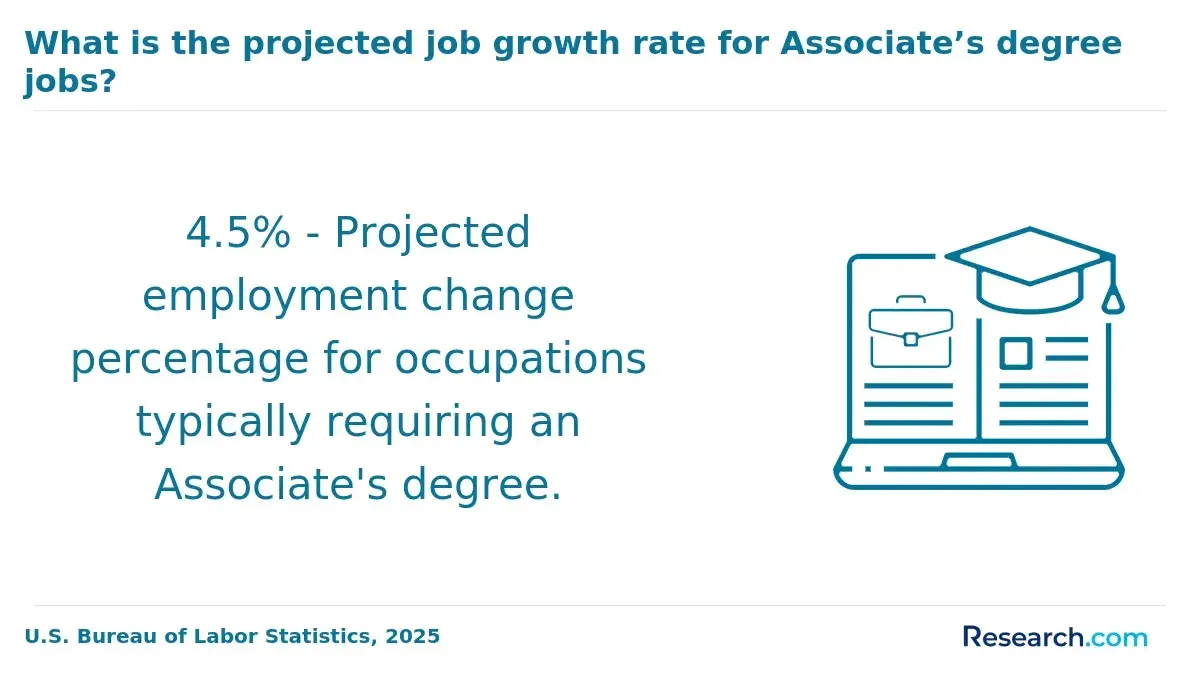
- Corrections degree: Typically requires between 60 and 120 credits, depending on whether the program is an associate or bachelor's degree, with courses covering both general education and specialized corrections topics.
- Corrections certificate: Generally requires 12 to 21 credits focused primarily on core corrections skills, often designed for shorter-term study or professional training.
What Is the Average Tuition for a Corrections Degree vs. a Certificate?
Tuition costs play a crucial role when choosing between a corrections degree and a certificate, as they significantly affect your overall financial commitment and future earning potential. Understanding the average tuition for Corrections degree programs versus certificate options can help guide your decision based on budget and career objectives.
Below is a comparison of typical tuition ranges and related factors to consider for each path.
Average Tuition for Corrections Degree Programs
- Tuition Range: Most four-year corrections bachelor's degrees cost between $10,000 and $26,000 per year, with public in-state tuition at the lower end and private or out-of-state tuition at the higher end.
- Public vs. Private: Public universities usually provide more affordable tuition, especially for residents, while private schools and out-of-state rates can significantly increase costs.
- Online vs. On-Campus: Tuition for online degree programs may be as low as $6,000 to $13,000 per year, whereas traditional on-campus programs often exceed $19,000 per year.
- Total Program Cost: Completing a bachelor's in corrections generally totals $40,000 to $100,000 depending on school and residency status.
- Additional Expenses: Fees, books, and fieldwork supplies add to overall costs and should be factored into budget planning.
Average Tuition for Corrections Certificate Programs
- Typical Tuition Range: Corrections certificate tuition and fees comparison shows the average total tuition is about $2,700 for the entire program.
- Program Length: Most certificate programs take less than 12 weeks, helping keep costs substantially lower than degree options.
- Institution Type: Community colleges and vocational schools commonly offer these certificates with generally lower tuition than universities.
- Online Options: Many certificates are available online, reducing expenses related to commuting or relocating.
- Additional Costs: Though tuition is low, students should also budget for registration fees, books, and materials, which are usually minimal compared to degree programs.
For prospective students, comparing the average tuition for a Corrections degree program with certificate alternatives reveals a significant cost difference that may influence enrollment decisions.
Those seeking flexible, affordable education may find value in exploring an online school that accepts FAFSA to help manage educational expenses.
Can You Transfer Certificate Credits Toward a Corrections Degree Later On?
Transferring certificate credits toward a corrections degree is often possible, but it depends on several factors. Individual schools have their own guidelines on which credits they accept, with institutional policies playing a major role. Credits from regionally accredited programs tend to transfer more readily, while those from non-accredited sources might not count.
Additionally, credit transfer usually applies only to courses that closely align with the degree curriculum, such as core corrections classes and relevant general education subjects.
Other important considerations include limits on how many credits can be transferred-commonly up to one-third of the total degree requirements-and minimum grade standards, often requiring at least a C to qualify. It's critical to confirm transfer options with admissions counselors before enrolling to avoid surprises later. Verifying these details upfront helps students make informed decisions and protect their educational investments. Being proactive about credit transfer can save time and money while streamlining the path toward a corrections degree.
Are Certificate Programs Accredited the Same Way as Corrections Degrees?
Corrections certificate programs and degree programs are not accredited through the same process, though both may be offered by accredited institutions. Degree programs, such as associate or bachelor's degrees in corrections, generally undergo institutional accreditation by recognized regional or national agencies, ensuring the entire school meets educational standards.
This formal accreditation impacts credit transfers, federal financial aid eligibility, and employer acceptance. Certificate programs tend to be shorter and more career-focused, often relying on the overall college or university accreditation rather than separate accreditation.
Occasionally, certificates might have approval from professional organizations or state boards, but these endorsements are less common and do not replace formal institutional accreditation.
Accreditation is important because it guarantees that the program adheres to quality standards valued in corrections and criminal justice fields. It supports credit transferability and is often a requirement for employers and licensing authorities. Accredited programs also qualify for federal student aid.
When researching programs, students should verify that the school has accreditation from agencies recognized by the U.S. Department of Education and check if there are additional professional affiliations tied to the specific certificate or degree. Confirming proper accreditation is essential for ensuring credentials are respected and will aid career advancement.
What Jobs Can You Get with a Corrections Degree vs. a Certificate?
Both corrections degrees and certificates offer pathways into the corrections field, though they prepare graduates for distinct types of roles and levels of responsibility. Understanding the career options tied to each credential can help clarify which is the best fit for your professional goals.
Below is a comparison of job opportunities available with a corrections degree versus a corrections certificate.
Jobs You Can Get with a Corrections Degree
- Correctional sergeant or supervisor: Oversees correctional officers, ensuring facility rules and safety protocols are followed within a correctional institution.
- Probation officer: Monitors individuals on probation, helping them comply with court-ordered conditions and providing support for rehabilitation.
- Parole officer: Manages parolees by supervising their transition from incarceration to community reintegration and reducing recidivism risk.
- Case manager: Coordinates resources and services for offenders, focusing on rehabilitation plans and addressing behavioral or social needs.
- Correctional treatment specialist: Develops and implements treatment programs aimed at reducing criminal behavior and assisting offender reintegration.
Jobs You Can Get with a Corrections Certificate
- Correctional officer: Maintains security and order within prisons or detention centers through direct supervision of inmates.
- Detention officer: Responsible for the custody and care of individuals in detention facilities, ensuring safety and compliance.
- Juvenile detention officer: Supervises minors in juvenile detention settings, focusing on safety and rehabilitation support.
- Probation or parole assistant: Supports probation and parole officers with administrative and supervision tasks to help manage offender caseloads.
- Security guard: Provides security services in various facilities, including correctional environments, by monitoring premises and preventing unauthorized activities.
What Is the Average Starting Salary for a Certificate vs. Corrections Degree Graduates?
Salary potential often varies notably between corrections certificate holders and degree graduates, influencing career choices in the corrections field. Understanding these differences is important for those comparing the average starting salary for corrections certificate holders with those who opt for a corrections degree.
A side-by-side comparison highlights the typical earnings and factors affecting pay for each educational pathway.
- Typical Salary Range: Corrections certificate graduates usually start with salaries between $37,500 and $49,999 annually, occupying roles like correctional officers or jailers.
- Degree Salary Advantage: Those with a corrections degree-commonly a bachelor's degree-often begin with higher salaries ranging from $50,000 to $74,999, qualifying for probation officer or supervisory positions.
- Influencing Factors: Experience, geographic location, and the employing agency (local, state, or federal) significantly affect starting salaries for both groups.
- Career Outlook: While entry-level certificate roles provide quicker workforce entry, degree holders tend to enjoy more career stability, advancement options, and broader opportunities.
- Education Impact: The degree pathway generally leads to higher starting salaries and expanded career options compared to the certificate route.
Choosing between a certificate and degree depends on career goals and timelines. Prospective students seeking a flexible option might explore programs from a nationally accredited online university to balance work and study while maximizing salary potential.
Here's What Graduates of Corrections Programs Say About Their Degree or Certificate
- Westin: "Choosing the corrections certificate program was the right fit for me because it offered a fast-paced learning experience that matched my busy schedule. I appreciated that the program was more affordable than a full degree, allowing me to gain practical skills quickly without a huge financial commitment. If you're eager to jumpstart a career in corrections and want a solid foundation without the extended time and cost of a degree, this is a great path. "
- Peter: "Completing a corrections degree was a transformative experience that went beyond just coursework; it deepened my understanding of the field and opened doors to advanced career opportunities. The degree took longer and required a bigger investment, but the comprehensive learning and credentials have been invaluable in my professional growth. When deciding between a certificate and a degree, it's crucial to consider how long you want to study and the type of career impact you aim for. "
- Emmett: "Pursuing both the corrections certificate and degree programs gave me a well-rounded perspective on the field. Starting with the certificate allowed me to quickly build foundational skills, while the degree program expanded my knowledge and enhanced my prospects. I found the investment in time and money worth it, especially knowing the degree typically costs significantly more but offers greater advancement potential. Balancing pace, cost, and career goals is key when choosing your educational route."
Other Things You Should Know About Corrections Degrees
In 2027, continuing education requirements vary by jurisdiction and employer. Corrections degree holders might not need additional credits if their program covered relevant topics. Certificate holders may be required to pursue further education to stay updated on legal and procedural changes in the field.
In 2027, a corrections certificate can enhance career advancement by providing foundational knowledge and skills. However, supervisory roles often prefer candidates with a degree due to their comprehensive understanding of administrative and managerial concepts, increasing the competitiveness of degree holders for such positions.
Work experience is important regardless of educational background, but it tends to carry more weight when paired with a degree. Candidates with a corrections degree and practical experience generally have a competitive edge in the job market, especially for specialized or higher-level roles. Certificates alone may qualify individuals for entry-level positions, but advancing typically requires a combination of education and experience.
References
- Certificate vs. Degree: Pros, Cons, and Career Outcomes | National University https://www.nu.edu/blog/certificate-vs-degree/
- Why You Need a Criminal Justice Certification - Mount Wachusett Community College https://mwcc.edu/blog/value-of-criminal-justice-certifications/
- Corrections Degree & Career Center | Criminal Justice Degree Schools https://www.criminaljusticedegreeschools.com/resources/corrections-degree-career-center/
- Corrections Certificate Program at EC3 https://www.ec3pa.org/pathways-to-careers-at-ec3pa/corrections
- Certificate vs. Diploma vs. Degree: What They Are & How They Differ https://potomac.edu/certificate-vs-diploma-vs-degree/
- Comparing Criminal Justice Degree Programs – Which is Right for You? https://www.ucumberlands.edu/blog/comparing-criminal-justice-degree-programs-which-right-you
- Transfer Credit Opportunities for Criminal Justice Professionals https://go.tiffin.edu/blog/transfer-credit-opportunities-for-criminal-justice-professionals/
- Bachelor’s in Criminal Justice Salary Guide| University of Bridgeport https://www.bridgeport.edu/news/bachelors-in-criminal-justice-salary-guide/
- Online Certificate Programs Vs. College Degrees https://www.washingtontech.edu/online-certificate-programs-vs-college-degrees/
- Certificate vs. degree programs: What's the difference? | edX https://www.edx.org/resources/what-is-the-difference-between-a-certificate-and-a-degree


