2027 Management Degree vs. Certificate: Which Should You Choose?

Co-Founder and Chief Data Scientist
Students and professionals today face crucial choices when deciding between earning a management degree or a certificate. Both credentials can boost career prospects but differ in duration, cost, and depth of study. For example, a degree often requires two to four years and offers comprehensive knowledge, while a certificate may take a few months and focus on specific skills.
Management degrees typically lead to broader career opportunities, with data showing graduates can earn up to 23% more than non-degree holders. Conversely, certificates provide quicker entry points for skill enhancement or career shifts. This article will compare their key differences to help readers select the best fit for their goals and lifestyle.
Key Points About Management Degree vs. Certificate Programs
- Management degrees offer comprehensive knowledge and higher salary potential, with graduates earning about 20% more on average than certificate holders.
- Certificates focus on specific skills and faster completion, ideal for professionals seeking targeted growth without long-term commitment.
- Degrees support broader professional growth and leadership roles, while certificates enhance specialized expertise, benefiting ongoing skill development and career shifts.
What Are the Differences Between Management Degree and Certificate Programs?
Both management degrees and certificate programs offer valuable pathways to enhance career prospects, yet they vary in several important aspects. Understanding these differences allows students to select the educational option aligning best with their professional goals and available time. Below is a comparison of key distinctions between management degree and certificate programs.
- Career Advancement: Degrees often provide a broader foundation and are typically preferred for leadership roles or positions requiring comprehensive business knowledge, benefiting those targeting long-term career growth. Certificates focus on specific skills or areas, ideal for professionals seeking quick upskilling or role changes without extensive commitment.
- Depth of Learning: Degree programs offer in-depth study covering theory, strategy, and practical applications, suited for students wanting a well-rounded understanding of management. Certificate programs are concise and targeted, perfect for learners aiming to gain expertise in a particular area.
- Time and Flexibility: Certificates usually require less time and offer greater flexibility, accommodating working professionals or those with limited availability. Degrees demand a more significant time investment and are better for individuals able to commit to a structured academic schedule.
- Recognition and Credentials: Management degrees are widely recognized in professional environments and can open doors to more advanced opportunities. Certificates provide evidence of specialized skills, valuable in fast-changing markets and specific industries.
How Long Does It Take to Complete a Management Degree vs. a Certificate Program?
Completion time is one of the most important factors for students deciding between a management degree vs. certificate. Understanding the typical duration and flexibility of each option helps learners align their educational goals with their schedules and career plans.
- Typical Duration: Most management bachelor's degrees take about four years of full-time study to complete, while master's degrees such as an MBA typically require around two years. In contrast, management certificate programs are much shorter, often designed for completion in a matter of weeks to a year. This difference highlights the varying time commitments involved with each option.
- Flexibility: The duration of business management degree programs can extend if pursued part-time or with flexible scheduling, sometimes lasting five years or more. Certificates often offer self-paced or part-time formats with evening or weekend classes that better accommodate working professionals, allowing some to finish in as little as three to twelve months.
- Factors Affecting Timeline: Program structure, such as online or hybrid formats, can accelerate certificate completion due to asynchronous coursework. Prior experience or transfer credits may also shorten the time needed to finish a degree. These elements influence how long to complete a management certificate or degree, depending on the individual's background and program choice.
For students interested in exploring accelerated options for a management degree, the best online accelerated bachelor's degree programs are a valuable resource to consider.
Can You Complete a Management Degree or Certificate Entirely Online?
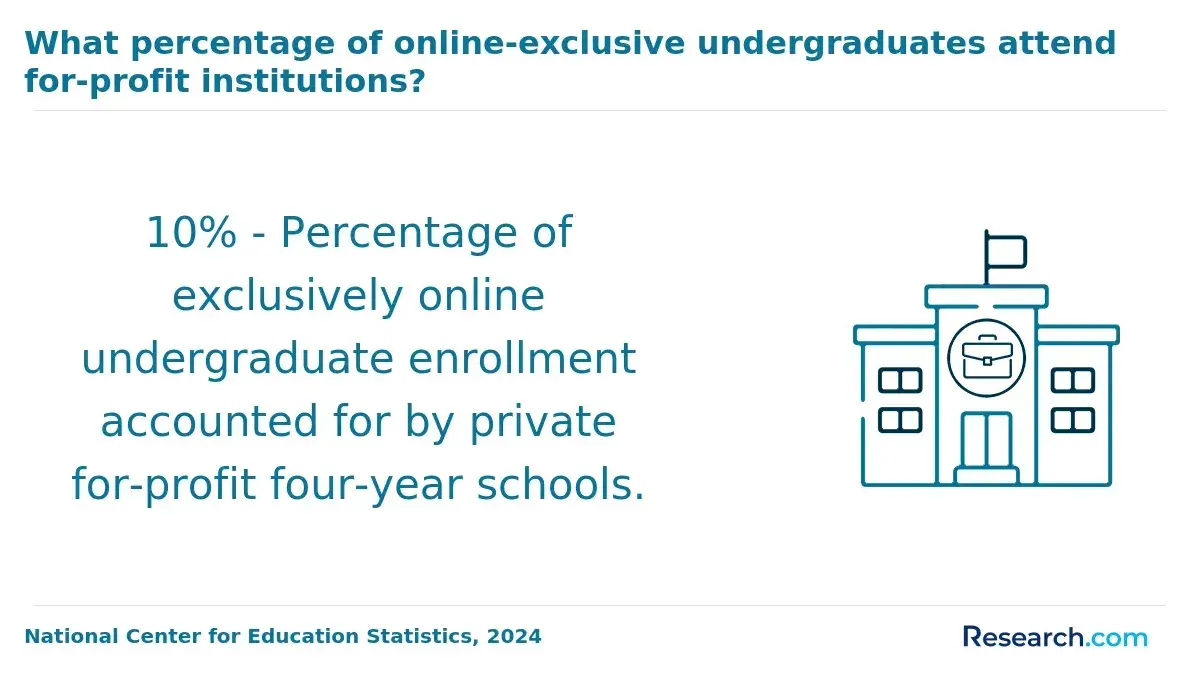
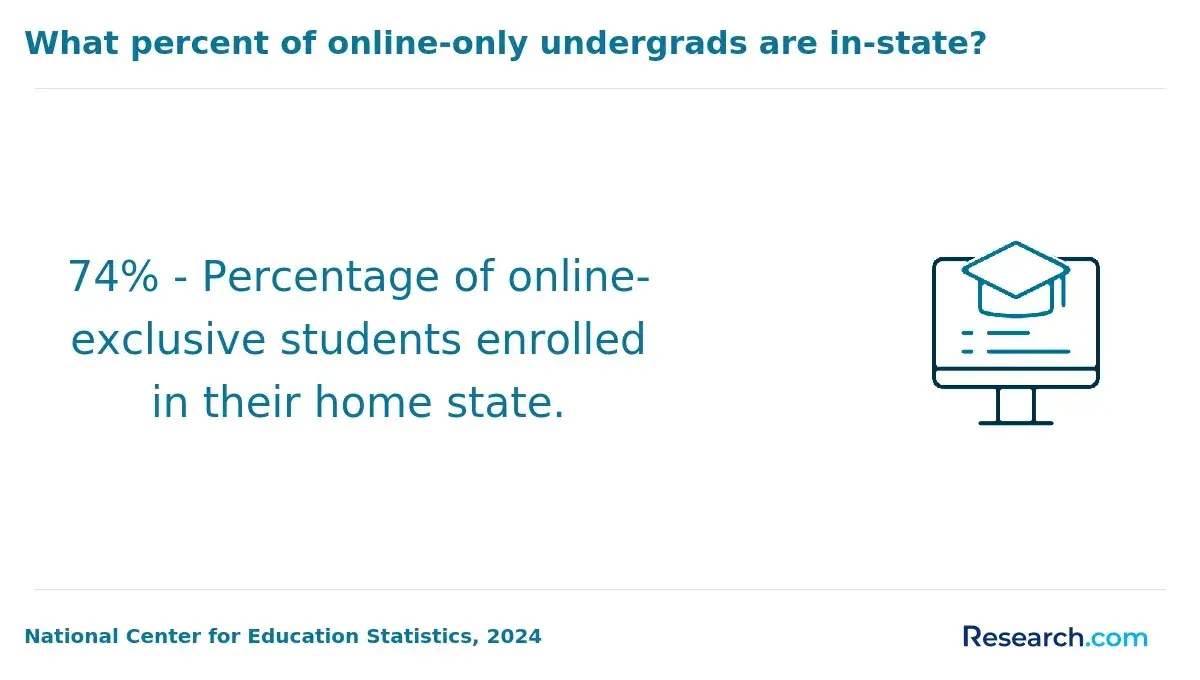
The expansion of online education has made it increasingly possible to earn both management degrees and certificates fully online. Many U.S. universities and accredited providers now offer bachelor's and master's degrees in management, as well as specialized management certificates, through remote learning platforms. Most management certificates are designed for flexible, self-paced online study and can be completed in weeks or months, often without any on-campus requirements. Similarly, a growing number of management degree programs-including MBAs-can be completed entirely online, offering asynchronous coursework and eliminating the need for physical attendance.
However, some degree programs may still include optional or required in-person elements, such as residencies, networking events, or proctored exams, so it is important to review each program's structure carefully. For details on an easy degree, consider these options when exploring an online management degree program.
When evaluating whether to complete a management certificate online or pursue a degree, factors like hands-on training, internships, or licensure requirements come into play. While management certificates typically focus on practical, job-ready skills that can be acquired completely online, certain degree programs may require internships or experiential components best done in person.
If state licensure is part of your career plan, confirm that the online program meets all regulatory standards. Your choice depends on your need for flexibility, professional goals, and preference for a purely online experience versus occasional face-to-face opportunities. Those seeking rapid upskilling often prefer to complete a management certificate online, while leadership roles may benefit from the broader curriculum and hybrid experiences of a degree.
What Are the Admission Requirements for a Management Degree vs. a Certificate Program?
Admission requirements play a crucial role in helping prospective students determine whether a management degree or certificate program suits their educational background and career objectives. Knowing these criteria helps assess eligibility and plan the best course of action for advancing your professional skills.
Below is a side-by-side comparison of typical admission requirements for management degree programs versus certificate programs in the United States.
Admission Requirements for Management Degree Programs
- Educational Background: Most bachelor's degree programs require a high school diploma or GED, while master's programs mandate a four-year accredited bachelor's degree or its equivalent. Some universities specify a minimum GPA, often ranging from 2.0 to 3.0.
- Transcripts: Official transcripts from previous schools are mandatory for both undergraduate and graduate admissions.
- Standardized Tests: Many programs are test-optional, but some undergraduate applicants may submit ACT or SAT scores. Graduate programs might require the GRE or GMAT, although this requirement is becoming less common.
- Prerequisite Courses: Certain schools require completion of pre-major or prerequisite courses with minimum passing grades prior to full admission into the management program.
- Additional Requirements: Essays, letters of recommendation, or interviews may be required, especially for competitive graduate management programs.
Admission Requirements for Management Certificate Programs
- Educational Background: Certificate programs generally have less demanding educational criteria, typically requiring only a high school diploma or GED. Some allow enrollment without prior college experience, making them accessible to working professionals or career changers.
- Transcripts: Submission of high school or highest completed education transcripts is usually required, but the verification process is less rigorous than for degree programs.
- Professional Experience: Some advanced or executive certificates may prefer or require relevant work experience.
- Standardized Tests: Most certificate programs rarely require standardized test scores for admission.
The differences in admission requirements for management degree programs and certificate program admission criteria in management reflect varying levels of academic rigor and flexibility. For those seeking affordable options to advance academically, programs such as a cheap PhD online can also be considered as part of long-term educational planning.
How Many Credits Do You Need to Complete a Management Degree vs. a Certificate?
Knowing the credit requirements for management programs enables students to effectively plan their education timelines and make informed decisions about their studies. Comparing the credit expectations for degree and certificate programs offers clarity on the commitment needed for each path.
Here is a summary of typical credit loads for management degree versus certificate programs:
- Management degree: Usually requires about 120 semester credits, which encompass general education, business core, and specialized management classes. Completion typically spans four years of full-time study.
- Management certificate: Demands significantly fewer credits, generally between 12 and 18, focusing on specific management skills without general education. These certificates can often be completed in a few months up to one year.
Students should evaluate their career objectives and time availability when choosing between a degree and a certificate in management. Understanding how credit requirements align with skill development and career advancement helps learners select the most practical and efficient path toward leadership and business success.
What Is the Average Tuition for a Management Degree vs. a Certificate?
Tuition costs are a crucial consideration for anyone deciding between pursuing a management degree or a certificate, as they impact both immediate affordability and long-term value. Comparing the average tuition ranges for each program type can help prospective students gauge their investment and choose the best pathway for their goals.
Below is a detailed comparison of the typical tuition costs associated with management degree programs versus certificate programs.
Average Tuition for Management Degree Programs
- Tuition Range: Bachelor's degrees in management at public US colleges generally range from $9,432 (in-state) to $26,918 (out-of-state) per year, while private institutions often exceed $40,000 annually, influencing the average cost of management degree in the US significantly.
- Program Duration: These degrees typically require four years of full-time study, resulting in total tuition costs between $37,728 and over $100,000 at public schools and higher amounts at private institutions.
- Influencing Factors: Costs vary depending on residency status, whether the school is public or private, and if courses are online or on-campus, all affecting the final price point.
- Graduate Degrees: Master's in management programs, such as MBAs, can be substantially more expensive, with tuition ranging from $30,000 to $120,000 or more at prestigious universities.
- Financial Aid: Degree programs usually provide access to federal and state financial aid, scholarships, and grants, which can lower the net cost for many students.
Average Tuition for Management Certificate Programs
- Tuition Range: Management certificate tuition comparison shows these programs typically cost between $1,000 and $6,000 total, making them a more affordable choice.
- Program Duration: Certificates usually last from a few months up to one year, designed for targeted, efficient learning.
- Institutional Variation: Costs tend to be lower at community colleges and public institutions, though certificates from more prestigious universities can approach the higher end of the cost range.
- Online vs. On-Campus: Online certificate options may provide additional savings through reduced fees and flexible pacing.
- Financial Aid: Traditional financial aid is less commonly available, but some programs offer payment plans, employer sponsorships, or scholarships for qualifying candidates.
For those balancing time and finances, 1-year PhD programs online Canada can be an alternative pathway to advanced credentials with a concise duration, complementing management education options.
Can You Transfer Certificate Credits Toward a Management Degree Later On?
Yes, certificate credits can often be transferred toward a management degree, but this depends greatly on individual institution policies. Transferability usually requires that the credits come from an accredited school and that the coursework aligns closely with degree requirements. Some universities allow a set number of graduate credits from certificates to count toward a master's degree, provided the grades meet or exceed a minimum standard, typically a B or higher. Undergraduate programs generally accept transferred credits with a grade of C or above. Accreditation and course relevance remain critical factors in determining eligibility for credit transfer.
Transfer limits are common, with schools capping the total transferable credits or the number of electives counted. Many institutions also enforce residency rules that require students to complete a specific portion of their degree on-site, often the last 30 to 60 credits. Confirming transfer policies directly with the admissions office or registrar before enrolling is essential, as acceptance of certificate credits can vary widely. Taking these precautions ensures that students make the most of their certificate investment when pursuing an advanced management degree.
Are Certificate Programs Accredited the Same Way as Management Degrees?
Certificate programs in management are not accredited in the same manner as management degree programs. Degree programs, such as bachelor's or MBA degrees, receive accreditation from recognized national or regional agencies like the Association to Advance Collegiate Schools of Business (AACSB). This accreditation ensures high academic standards, credit transferability, and wide employer recognition. In contrast, management certificate programs are often offered by universities, community colleges, or private organizations and may not be covered by the same formal institutional accreditation.
Some certificates might be accredited by industry-specific bodies-for example, project management certificates might be validated by the Project Management Institute (PMI)-but the process is less standardized compared to degree accreditation.
Accreditation is important because it guarantees educational quality, helps with transferring credits for further study, and increases the value of the credential in the job market. When reviewing programs, students should prioritize accreditation from reputable agencies relevant to the program type, transparency about the institution's accreditation status, and recognition by employers.
Checking these factors helps ensure that the credential holds credibility and supports career goals. It is crucial for students to verify both institutional and program-specific accreditation through recognized accrediting organizations before enrolling in any management program.
What Jobs Can You Get with a Management Degree vs. a Certificate?
Both management degrees and management certificates can open doors to new career opportunities, but they often prepare graduates for different roles and levels within organizations. Understanding the types of jobs each credential typically supports can help you decide which path aligns best with your goals. Below is a comparison of potential career options for those holding either credential.
Jobs You Can Get with a management degree
- General manager: Oversees daily business operations, coordinates departments, and ensures overall company performance.
- Operations manager: Manages production processes, optimizes workflows, and maintains quality standards in various industries.
- Project manager: Plans, executes, and closes projects while leading teams to meet goals on time and within budget.
- Human resources manager: Directs recruitment, employee relations, and compliance with labor regulations.
- Business analyst: Evaluates organizational processes to recommend strategic improvements and support decision-making.
- Executive or director-level roles: Provides high-level leadership, sets strategic direction, and influences company policies.
Jobs You Can Get with a management certificate
- Team leader: Guides and supports team members to achieve operational targets, often in retail or service environments.
- Assistant manager: Supports department managers in daily tasks and staff supervision to ensure smooth operations.
- Supervisor: Oversees frontline employees, monitors performance, and enforces company policies.
- Project coordinator: Assists project managers by organizing schedules, resources, and communications.
- Specialist roles: Focuses on specific functions such as marketing or operations to improve departmental efficiency.
- Entry-level management positions: Manages small teams or units in sectors like hospitality, retail, or administrative services.
What Is the Average Starting Salary for a Certificate vs. Management Degree Graduates?
Salary potential often varies significantly between management certificate holders and management degree graduates. Understanding these differences can help prospective students make informed educational choices.
A side-by-side comparison highlights the average starting salary for management degree holders in the US compared to certificate program graduates and their respective career prospects.
- Typical Salary Range: Graduates with a bachelor's degree in management or business administration typically start with salaries between $65,000 and $69,900. Entry-level management-specific roles usually offer around $65,000 annually, whereas certificate program graduate starting salary comparison shows earnings generally well below this range.
- Salary Growth Over Time: Management degree holders often see their salaries rise to approximately $108,600 within five years and $120,700 or more after ten years, reflecting expanded roles and responsibilities. Certificate programs usually lack this upward trajectory due to limited advancement pathways.
- Influencing Factors: Industry sector, employer size, geographic location, prior work experience, and professional networks all heavily impact earnings. Specialized certifications within management and continued education further enhance income potential.
- Career Outlook: Degree holders benefit from broader career paths, including supervisory positions and higher advancement opportunities, while certificate holders can enter the workforce quickly and at a lower educational cost, ideal for career changers or immediate employment needs.
- Weekly Earnings Comparison: According to U.S. Bureau of Labor Statistics data, associate's degree holders earn about $1,058 weekly, while those with bachelor's degrees average $1,493 weekly, resulting in an annual difference near $23,400.
For students considering further educational options, exploring programs at a dual degree university can provide additional pathways to enhance career prospects and salary potential.
Here's What Graduates of Management Programs Say About Their Degree or Certificate
- Apollo: "Choosing the management certificate program was perfect for my fast-paced lifestyle. The shorter duration allowed me to quickly gain essential skills without the heavier financial commitment typical of a degree, which on average costs significantly more. This program gave me practical knowledge to boost my career immediately; I highly recommend considering your career timeline and budget when deciding. "
- Aldo: "Pursuing a management degree was a comprehensive and transformative experience. The in-depth curriculum and extended learning period provided me with a strong theoretical foundation and leadership skills, crucial for advancing into higher management roles. Although the degree was more costly and time-consuming than a certificate, the long-term career impact and networking opportunities made it worthwhile. Choose based on how deep you want to dive into management concepts and your career ambitions. "
- Micah: "Completing both the management certificate and degree programs gave me a unique perspective on the benefits of each. The certificate offered a quick, affordable way to build foundational skills, while the degree allowed me to expand understanding and enhance my qualifications. For anyone weighing their options, consider the trade-offs in cost and time against your personal and professional goals. This combined path worked best for me. "
Other Things You Should Know About Management Degrees
To enroll in a management degree program in 2027, you typically need a high school diploma and may require standardized test scores. Certificate programs generally require professional experience or prior knowledge in management, without extensive academic prerequisites.
In 2027, management degrees generally hold more recognition from employers than certificates because they often indicate a deeper, comprehensive knowledge and commitment. However, certificates can be valued for their specialized focus and quicker acquisition time, making them attractive for targeted skills enhancement.
A management degree generally offers more comprehensive networking opportunities compared to a certificate program. Degree programs often span longer durations, allowing for deeper relationships with peers and faculty and often incorporate networking events, internships, and alumni networks.
References
- Certificates vs. Degrees: Which Is Better for Career Advancement? https://global.nmsu.edu/blog/general/certificates-vs-degrees-for-career-advancement/
- From Your Student Services Team IA03: What Is the Difference Between Accredited and Certified Courses? • Oxford Learning College https://www.oxfordcollege.ac/news/from-your-student-services-team-ia03-what-is-the-difference-between-accredited-and-certified-courses/
- The Differences Between Certificates, Credentials & Degrees https://diplomasafe.com/credential-vs-certificate/
- How Much Can You Make With a Business Management Degree? https://bachelors-completion.northeastern.edu/knowledge-hub/business-management-salary/
- Online Certificate Programs Vs. College Degrees https://www.washingtontech.edu/online-certificate-programs-vs-college-degrees/
- New Graduate Offerings Include Project Management Certificate and Online MBA Focus Areas https://www.isenberg.umass.edu/news/new-graduate-offerings-include-project-management-certificate-and-online-mba-focus-areas-4824
- The Value of a Professional Certificate | UVA SCPS https://www.scps.virginia.edu/news/value-professional-certificate
- Can I transfer credits from the 6 months Level 3 Diploma in Introduction to Management online to a degree program? https://www.lsib.co.uk/2022/answers.aspx
- Choosing a Business Graduate Certificate vs. a Degree | University of Wisconsin MBA Consortium - Online MBA Program https://www.wisconsinonlinemba.org/our-program/news/choosing-business-graduate-certificate-vs-degree/