
2027 Is a Surgical Tech Online Degree Worth It?

Co-Founder and Chief Data Scientist
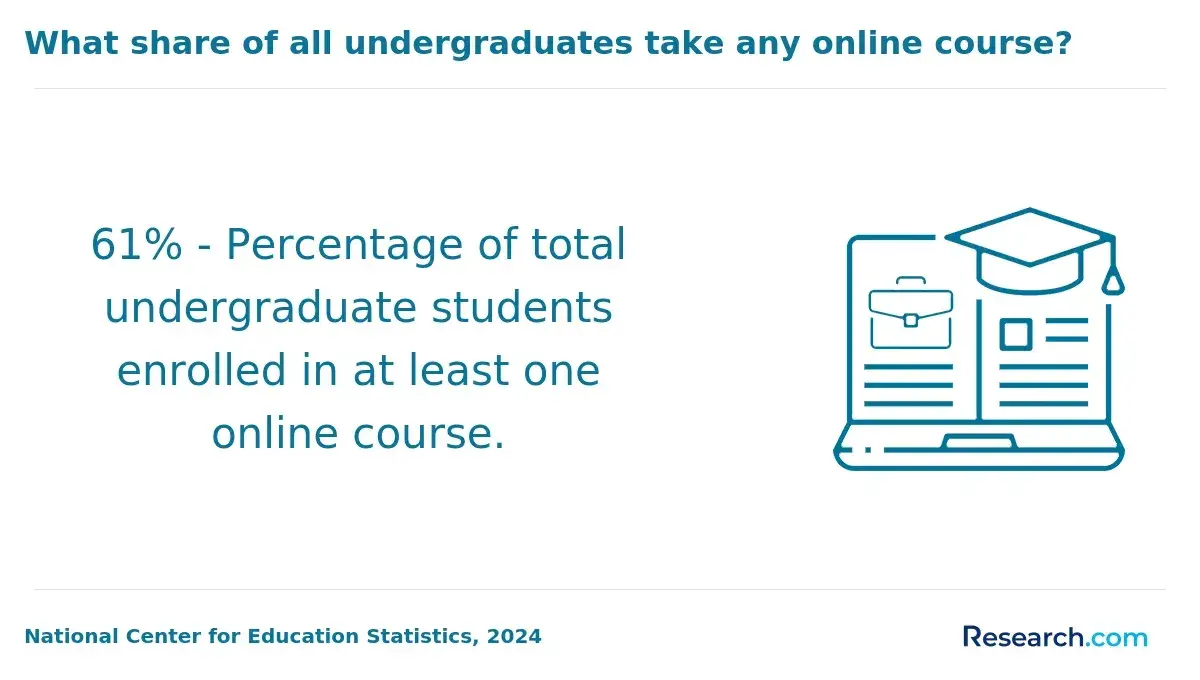
Online education continues to expand rapidly, with over 40% of U.S. college students taking at least one course online. This growth has driven interest in flexible healthcare programs like surgical tech degrees, which promise specialized training without the constraints of traditional classrooms. Surgical tech roles are expected to grow by 7% over the next decade, making online options appealing to many aspiring professionals.
This article explores whether an online surgical tech degree is worth pursuing by examining key factors such as program cost, flexibility, accreditation standards, job-market demand, and how employers view online credentials. Understanding these elements can help students make informed decisions about their education and career paths in healthcare support roles.
Key Benefits of Online Surgical Tech Degree
- Online surgical tech programs offer flexible schedules, allowing students to balance work and study, although hands-on clinical training is required in person for certification.
- Graduates enter a field with a projected 7% job growth through 2031, reflecting steady demand in healthcare settings nationwide.
- Accredited online degrees streamline entry into certification exams, enhancing long-term career advancement and higher earning potential compared to non-certified roles.
Who Should Choose an Online Surgical Tech Degree Program?
Online learning has become a convenient option for many students due to its adaptability and ease of access. This flexibility is especially valuable for people managing various personal and professional commitments. The following groups are particularly well-suited for pursuing an online surgical tech degree program:
- Working Adults: Those currently employed, whether within healthcare or other fields, find online programs ideal for advancing their education without leaving their jobs. The self-paced nature allows them to balance work and study effectively.
- Parents and Caregivers: Individuals with family responsibilities benefit from the ability to schedule coursework around caregiving duties, making it easier to continue education without sacrificing personal obligations.
- Rural or Remote Learners: Students residing far from traditional campuses can access quality training without the need to relocate, opening opportunities that might otherwise be unavailable.
- Career Changers: Those looking to enter the surgical tech field from other professions, especially with prior relevant experience or education, can smoothly transition using an online format that fits their unique schedules.
What Are the Pros and Cons of an Online Surgical Tech Degree?
Online surgical tech programs have grown in popularity due to their flexibility and ability to help students and working professionals advance in a high-demand healthcare field. These programs allow learners to balance education with other responsibilities while pursuing certification.
Pros of an Online Surgical Tech Degree
- Flexible Scheduling: Asynchronous learning lets students complete coursework on their own time, such as during nights or weekends, making it easier to juggle work and family commitments. This flexibility is a key benefit of online surgical tech degrees.
- Lower Costs: Online programs typically reduce tuition rates by eliminating the need for physical classrooms. Students also save on commuting and relocation expenses, with program costs ranging from $3,000 to $10,000 compared to higher in-person tuition.
- Accelerated Completion: Some accredited online options allow students to finish their training in as little as six months, enabling faster workforce entry and career advancement.
- Broader Peer Network: Online learners often connect with classmates nationwide, enriching their perspectives and understanding of different surgical environments, which enhances the benefits of online surgical tech programs.
Cons of an Online Surgical Tech Degree
- Limited Hands-On Practice: Although in-person clinical training is required, the simulated experiences offered online are less extensive than traditional settings. This may challenge students who thrive on hands-on learning in surgical tech.
- Requires High Self-Discipline: Success in online coursework demands strong motivation and time management skills, as students must independently meet deadlines and keep up with assignments.
- Potential Accreditation Concerns: Not all online surgical tech programs have proper accreditation, which can affect eligibility for certification and job opportunities. Verifying accreditation before enrolling is essential for students.
- Less Immediate Support: The virtual learning environment may delay feedback or assistance from instructors, posing difficulties for those needing extra help during their studies.
For those researching pathways into healthcare careers, surgical tech degrees rank among the best college degrees for employment. Understanding the benefits of online surgical tech programs and the drawbacks of online surgical tech degrees can help prospective students make informed decisions that suit their individual needs.
How Do AI-Enhanced Virtual Classrooms Work in Online Surgical Tech Programs?
AI technologies have become central to modern online education by making learning more engaging and personalized, especially in surgical tech programs. These advancements improve the learning experience by enabling immersive, interactive training that is critical for mastering surgical procedures.
Below are key features of AI-powered virtual surgical training that highlight how these innovations benefit students:
- Realistic Simulations: AI creates detailed virtual operating room environments where students can practice procedures safely, enhancing skill development without risk.
- Real-time Feedback: AI-powered systems monitor student performance during simulations, offering instant, actionable feedback on technique and decision-making, which accelerates learning and confidence.
- Collaborative Learning: Multiple students can engage together in a shared virtual operating room, supported by AI agents that provide targeted guidance and assess teamwork and communication skills.
- Personalized Assessment: AI evaluates performance data against expert standards, delivering customized feedback to identify strengths and areas needing improvement, ensuring consistent, high-quality support.
These AI-powered virtual classrooms exemplify how real-time feedback in online surgical tech programs enhances educational outcomes. For students seeking options for advanced education, exploring easiest masters programs is a practical step toward choosing suitable programs.
Breakdown of Private Fully Online Nonprofit Schools

What Technology Do You Need for an Online Surgical Tech Degree?
Having the right technology setup is essential for succeeding in modern online surgical tech programs, as all lectures, assignments, and communication rely heavily on digital tools. Ensuring you have the proper equipment not only supports learning but also enables smooth interaction with instructors and peers.
Below is a list of technology requirements for online surgical tech programs:
- Reliable Computer (desktop or laptop): A dependable device with an updated operating system and sufficient processing power is crucial for accessing course platforms, streaming video lectures, submitting assignments, and running specialized surgical simulation software. Smooth operation is key when working with multimedia content and virtual labs.
- High-Speed Internet Connection: A fast and stable internet connection is necessary for uninterrupted participation in live lectures, virtual labs, and online discussions. The internet connection needed for surgical tech online courses must prevent lag and connectivity issues that could cause missed instructions during critical interactive sessions.
- Webcam and Microphone: Most programs require active participation in video calls, virtual labs, or oral presentations. A high-quality webcam and microphone ensure clear communication during virtual skill evaluations and group collaborations.
- Headphones: Noise-canceling headphones help minimize distractions, allowing students to focus during lectures and exams, especially in shared or noisy environments.
- Learning Management System (LMS) Access: Programs use platforms like Canvas or Blackboard to organize materials and assignments. Familiarity with features such as discussion boards and submission tools helps students stay organized and meet deadlines efficiently.
- Specialized Software for Simulations: Some courses utilize surgical simulation and virtual anatomy tools. These allow practice of sterile techniques and instrument handling within a realistic virtual environment, reflecting hands-on experience.
- PDF Reader and Office Suite: Software like Adobe Reader and Microsoft Office or Google Workspace is essential for reading digital textbooks, creating reports, and working on group projects collaboratively.
Students who prepare thoroughly with these technology requirements for online surgical tech programs are better equipped to engage in interactive learning and real-time feedback.
For those interested in exploring advanced academic paths, there are doctorates without dissertation available, which can complement healthcare education trajectories.
How Long Does It Take to Finish an Online Surgical Tech in 2027?
Program length is a key factor for prospective surgical tech students because it affects how soon they can enter the workforce and manage other life responsibilities. Online program timelines vary widely due to differences in pacing, scheduling, and the structure of clinical requirements.
Below is a breakdown of typical completion timelines for online surgical tech programs:
- Accelerated Online Programs: Designed for rapid completion, these intensive options often span around 4 months, allowing motivated students to finish quickly. They usually include focused coursework and sometimes condense the clinical externship to fit a shorter timeframe.
- Self-Paced Learning: Many programs offer open access from 6 up to 12 months, enabling students to learn at their own speed. This flexibility suits those balancing work or family, permitting slower progression if needed.
- Externship Scheduling: After online coursework, students must complete a hands-on clinical externship typically lasting 4 to 10 months. The duration often depends on placement availability and student scheduling.
- Updated Online Formats: Modern programs feature mobile-friendly courses, personalized support, and flexible start dates, enhancing accessibility and helping students tailor their progress.
Can You Work Full-Time While Completing an Online Surgical Tech Degree?
Balancing full-time work while pursuing an online surgical tech degree is a common concern for many adult learners managing multiple responsibilities. Understanding the factors that influence this balancing act can help students plan effectively and set realistic expectations.
Several key elements impact the feasibility of working full-time during online surgical tech studies:
- Program pacing: Part-time options and classes scheduled during evenings or weekends allow students to maintain employment while progressing academically.
- Course format: Asynchronous courses offer flexibility to complete work anytime, unlike synchronous classes or mandatory in-person labs, which require fixed attendance.
- Workload demands: Clinical rotations and heavy study periods often necessitate reducing work hours or switching to flexible shifts to meet academic requirements.
- Employer support: Jobs with adaptable scheduling or understanding supervisors make it easier to juggle study and work responsibilities.
- Personal time management: Strong organizational habits are crucial to consistently allocate time for coursework, exams, and labs amid competing obligations.
When asked about her experience working full-time while enrolled in an online surgical tech program, a graduate described the journey as challenging yet rewarding. She shared how coordinating night shifts with clinical hours demanded meticulous planning and occasional sacrifices in social life.
"There were moments when exhaustion felt overwhelming," she recalled, "but staying motivated by my goal kept me pushing forward." Her supportive employer's willingness to adjust her schedule during exam weeks made a critical difference.
Ultimately, she emphasized that patience and adaptability were essential to successfully managing full-time work alongside her studies.
How Do Online Surgical Tech Degree Programs Help with Internships?
Internships are vital for acquiring the practical skills needed to excel as a surgical tech. They offer hands-on experience in sterile procedures, instrument use, and teamwork within clinical settings, which online learning alone cannot provide.
To help students successfully secure and complete these internships, online surgical tech programs implement several support strategies:
- Partnership Networks: Programs often collaborate with local hospitals and clinics to connect students directly to clinical sites, ensuring access to quality externships that meet certification requirements.
- Dedicated Internship Coordinators: Assigned coordinators assist students in locating placements, preparing for interviews, and managing all logistics, reducing the stress of arranging hands-on training.
- Career Services Support: Many programs offer resume reviews, interview preparation, and job search guidance, which enhance students' chances of obtaining and excelling in internships.
- Externship Tracking Tools: Online platforms help students monitor required clinical hours and case completions, maintaining oversight and accountability throughout the practicum.
- Mentorship Opportunities: Experienced surgical tech professionals provide guidance during internships, offering valuable insights and fostering professional growth within the surgical environment.
What Is the Average Tuition Cost of an Online Surgical Tech Program?
Knowing the tuition costs of an online surgical tech program is crucial for students planning their finances and assessing the investment needed. Understanding these expenses helps clarify the educational commitment ahead. Below is a breakdown of key tuition-related details prospective students should consider:
- Average Tuition Per Year: Community college programs usually charge between $2,000 and $10,000 annually, while private or for-profit schools may reach $19,000 per year. Some accelerated programs offer a one-time fee ranging from $2,900 to $4,000 for completion within 16 weeks to a year.
- Public vs. Private Institutions: Public colleges typically provide more affordable tuition, especially for in-state students, with total program costs around $4,000 to $12,000. Private and for-profit schools often carry higher price tags, sometimes exceeding $19,000 for the same certification.
- In-State vs. Out-of-State Tuition: In-state tuition at public colleges averages about $185 per credit hour, whereas out-of-state rates can surpass $400 per credit hour, often resulting in program costs between $6,500 and $12,500 or more.
- Additional Fees: Students should budget for books and supplies ($500-$2,000), certification exams ($200-$500), background checks, clinical supply costs, and occasionally technology fees. Some programs include these expenses in tuition, while others charge separately.
A student who recently enrolled in an online surgical tech program shared that managing tuition was initially overwhelming due to fluctuating fees and unclear cost breakdowns.
He noted, "It wasn't just about the tuition-figuring out books, exam fees, and clinical supplies took careful planning." Despite these challenges, he found the financial investment manageable by comparing various programs and choosing one with bundled fees to avoid surprises.
His experience highlights that while costs can vary, thorough research and budgeting ensure a clear path through the financial aspects of earning an online surgical tech credential.
What Is the Average Salary for Someone with an Online Surgical Tech Degree in 2027?
Understanding the average salary for online surgical tech degree graduates in 2025 is crucial when assessing whether this educational path aligns with your financial goals. Knowing potential earnings helps candidates make informed decisions about their investment in education and future careers.
Below are key salary insights that shed light on what graduates can expect in the job market:
- Average Entry-Level Salary: New surgical tech graduates typically earn around $59,000 annually. This reflects early-career positions where practical experience is still being built, but the demand for trained professionals supports competitive wages.
- Mid-Career and Certified Salaries: Certified surgical technologists (CSTs) earn higher wages, averaging $34.84 per hour compared to the general surgical technician rate of $22.66 per hour. Mid-career salaries rise to about $71,864 annually, with experience and certifications driving this increase.
- Salary by Industry and Specialization: Specialized roles, including CVOR (Cardiovascular Operating Room) surgical technologists, command premium wages. Travel positions in this specialization offer weekly salaries around $2,119, exceeding general travel surgical tech wages of $1,860.
- Salary by State and Location: Surgical technologist pay by state 2025 varies widely, with top-paying areas such as Wisconsin, Connecticut, and Massachusetts offering significant premiums, especially in travel roles. In some regions, top earners reach salaries up to $97,500 annually.
- Job Growth and Return on Investment: With program costs ranging from $2,900 to $19,000 and median salaries over $62,000, the return on investment is typically realized within a year of employment. The Bureau of Labor Statistics projects a steady 5% job growth through 2032, cementing the surgery tech field as a stable career choice.
For those curious about advancing further in healthcare education, exploring what is the shortest doctorate program can provide additional perspectives on career and salary growth opportunities in the medical field.
Which Industries Hire Graduates From Online Surgical Tech Programs?
Graduates with an online surgical tech degree benefit from a versatile credential that prepares them for diverse roles across multiple professional fields. The program's combination of theoretical knowledge and hands-on clinical experience equips students for work in a variety of healthcare environments.
Below is a detailed overview of industries that hire surgical technologists and the opportunities available within each.
- Hospitals: Over 70% of surgical technologists work in hospitals, including state, local, and private institutions. These settings provide exposure to a wide range of surgical specialties, such as neurosurgery and orthopedics, making them a primary employer of graduates whether trained online or traditionally.
- Outpatient Surgery Centers: These facilities specialize in scheduled, same-day procedures and often offer more predictable hours. Outpatient surgery centers hiring surgical tech graduates is a growing trend, driven by advances in minimally invasive surgeries and patient demand for quicker recoveries.
- Private Clinics and Physician Offices: Many surgical techs find roles in private surgical clinics, physician's offices, and dental clinics where minor surgical procedures are increasingly common. The flexibility and scope of the online surgical tech programs prepare graduates well for these settings.
- Employment Outlook: According to the Bureau of Labor Statistics, employment of surgical technologists is projected to grow 5% from 2024 to 2034, faster than average, leading to about 8,700 annual job openings. This growth is fueled by the aging population and technological advancements in surgery.
The flexibility of online education also allows students to balance training with other responsibilities, and many seek affordable online schools for working students to maximize learning outcomes without sacrificing work or family life.
What Graduates of Online Surgical Tech Programs Say About Their Degree
- Shai: "Pursuing my online surgical tech degree was a game-changer. The flexible pace allowed me to balance work and study without burnout, and the cost was far more manageable than traditional programs-saving me thousands. Now, I'm confident in my skills and ready to advance my career in healthcare."
- Chet: "Enrolling in an online surgical tech program gave me the tools and knowledge I needed, all while accommodating my busy schedule. Reflecting back, it was worth every penny, especially since the average cost was significantly less than on-campus alternatives. This experience has truly shaped my professional growth and opened doors I never expected."
- Jalen: "The structured yet self-driven nature of the online surgical tech curriculum made learning both efficient and engaging. Considering the affordability compared to in-person schools, this path was a logical choice that paid off through better career prospects and personal satisfaction. I recommend it to anyone serious about advancing in the medical field."
Other Things You Should Know About Surgical Tech Degrees
When evaluating online surgical tech programs, ensure they are accredited by bodies such as the Commission on Accreditation of Allied Health Education Programs (CAAHEP) or the Accrediting Bureau of Health Education Schools (ABHES). Accreditation ensures the program meets industry standards essential for certification and employment.
Yes, many online surgical tech degree programs offer financial aid options in 2026. These can include scholarships, grants, and federal student loans. It's essential to contact the financial aid office of your chosen program to explore specific eligibility requirements and application processes.
References
- How Long Does It Take to Become a Surgical Tech? (Answered) https://www.stepful.com/post/how-long-it-takes-to-become-a-surgical-tech
- Surgical Technology https://bismarckstate.edu/academics/programs/SurgicalTechnology/
- Surgical Technology https://carrington.edu/program/surgical-technology/
- Surgical Technology https://www.herzing.edu/healthcare/surgical-technology-degree
- Artificial intelligence in surgical practice: Truth beyond fancy covering - Turkish Journal of Surgery https://turkjsurg.com/articles/artificial-intelligence-in-surgical-practice-truth-beyond-fancy-covering/turkjsurg.2025.6797
- Surgical Technician Online Course https://cpage.sfsu.edu/surgical-tech
- Online Surgical Tech Programs - What You Need To Know Before Enrolling! https://preppy.org/online-surgical-tech-programs-what-you-need-to-know/
- Certified Surgical Technologist Programs: In-Person vs. Online CST Programs | Vivian Community Hub https://www.vivian.com/community/allied-health/certified-surgical-technologist-programs-in-person-vs-online-cst-programs/
- A narrative review of transforming surgical education with artificial intelligence: opportunities and challenges https://asj.amegroups.org/article/view/97081/html
- Ask a Question https://www.lonestar.edu/surgical-tech-requirements.htm


