
2027 Different Types of Communication Degrees and Their Salaries

Co-Founder and Chief Data Scientist
Demand for skilled professionals in communication continues to rise, driven by an increasingly interconnected global economy and digital media landscape. According to recent labor statistics, employment in communication-related roles is projected to grow faster than average over the next decade, reflecting expanding opportunities across diverse industries. Selecting the right educational path in communication is crucial for capitalizing on this growth and achieving strong career outcomes.
This article offers a detailed overview of the various types of communication degrees available and provides insight into the earning potential graduates can expect within each specialization, helping prospective students make informed decisions about their futures.
Key Points About Different Types of Communication Degrees and Their Salaries
- Individuals with an associate degree in communication typically enter entry-level roles such as social media coordinator or public relations assistant, earning an average starting salary around $35,000 to $45,000 annually, which is lower compared to higher degree holders but offers quicker access to the workforce.
- Bachelor's degree holders in communication report a median salary near $60,000 per year, with greater opportunities for career advancement in fields like corporate communications, marketing, and media relations, reflecting the higher demand for broader skill sets and deeper theoretical knowledge.
- Those with a master's degree in communication often achieve leadership positions or specialized roles such as communication director or strategic consultant, with median salaries rising above $80,000 annually, demonstrating stronger long-term growth potential and higher earning capacity in competitive markets.
What Are the Different Types of Communication Degrees Available?
Understanding the different types and levels of communication degrees is crucial for students to make informed decisions about their education and future careers. Each degree option caters to distinct career goals and educational backgrounds, offering tailored academic experiences that align with diverse interests and aspirations.
Here is an overview of the main types of communication degrees and what makes each unique, helping you explore the best fit for your ambitions while considering options such as accredited accelerated degree programs online.
- Associate Degree in Communication: Provides an introduction to communication theory and foundational skills in oral, written, and digital communication. Coursework typically covers public speaking, interpersonal communication, and media literacy to prepare students for basic communication roles.
- Bachelor's Degree in Communication: Offers a comprehensive foundation in communication theories and practices across various contexts, including journalism, public relations, advertising, and digital media. Emphasis is placed on critical thinking, research methods, and effective messaging strategies.
- Master's Degree in Communication: Focuses on advanced communication theory, research methodology, and specialized topics such as strategic communication or digital media. Coursework involves detailed analysis, professional writing, and collaborative projects to deepen expertise.
- Doctorate Degree in Communication: Emphasizes original research, scholarly inquiry, and theoretical development. Students engage in advanced coursework and produce new knowledge through dissertations and academic publications.
- Technical Communication Degree: Specializes in technical writing and digital communication for fields such as engineering and IT. Courses focus on organizational communication, technical research, and documentation standards emphasizing clarity and precision.
- Communication Education Degree: Explores the blend of communication and teaching. Coursework includes instructional strategies and methods to foster effective learning environments in communication education.
- Journalism & Media Degree: Centers on news reporting, media production, and the societal impact of mass media. Topics include journalistic writing, multimedia storytelling, and ethical standards.
- Public Relations Degree: Focuses on managing communication between organizations and audiences, covering crisis management, reputation building, and stakeholder engagement strategies.
- Digital Communication Degree: Examines communication across digital platforms and emerging technologies. Coursework covers digital storytelling, social media strategy, and audience analysis.
What Specializations Are Available in Communication Degrees?
Choosing a specialization in a communication degree is a vital step that helps students tailor their education to their specific interests and career aspirations. This focused approach not only directs the coursework but also enhances the practical skills and job opportunities available after graduation.
Below are some common Communication specializations, each designed to equip students with distinct skills and prepare them for various professional roles:
- Journalism And Mass Media: This specialization centers on developing proficiency in news writing, reporting, and multimedia storytelling. Graduates frequently work in print, digital, or broadcast journalism, as well as media production and editorial roles.
- Public Relations: Focused on managing public image and communication strategies, this path teaches campaign management, crisis communication, and stakeholder engagement. Career options include public relations specialist, communications manager, and corporate communication roles.
- Digital Communication: Emphasizing social media, digital strategy, and content creation, this specialization prepares students for careers as social media managers, digital strategists, and content creators, critical in today's internet-driven environment.
- Interpersonal And Organizational Communication: This area explores communication within teams and organizations, conflict resolution, and leadership. Graduates often pursue roles in human resources, management, training, and consulting.
- Health Communication: Dedicated to effectively delivering health information to the public, this specialization prepares students for healthcare marketing, patient advocacy, and positions within public health organizations.
- Technical Communication: Students learn to create detailed user guides, technical manuals, and documentation suited for complex products. This specialization is valuable in engineering, IT, and software development, where clear technical communication is essential.
For those considering the easiest degree to get online with practical outcomes, communication degrees with these specializations provide varied opportunities aligned with evolving job markets and salary potentials.
How Long Does It Take to Complete Each Type of Communication Degree?
Understanding the duration of communication degree programs is essential for students who want to effectively plan their educational journeys and career paths. Knowing how long each type of degree typically takes helps set realistic expectations and aids in managing time and financial commitments.
Below is an overview of common communication degree types and their usual completion times.
The following list presents the main communication degrees and insights into how long each generally takes to complete, including factors that might influence the timeline.
- Associate Degree in Communication: Typically completed in about two years, this degree offers foundational knowledge. Timelines may be shortened with transfer credits from prior coursework, or extended if taken part-time. Many community colleges provide accelerated and online options to accommodate different schedules.
- Bachelor's Degree in Communication: Usually a four-year program if attending full-time, though part-time enrollment or breaks can lengthen this period. Some students reduce time by transferring credits or completing summer courses. Online and accelerated bachelor's programs are increasingly available for greater flexibility.
- Master's in Communication: Generally takes one to two years of full-time study after earning a bachelor's degree. Part-time options may extend this to three or more years. Many universities offer online programs and accelerated tracks to help professionals advance more quickly.
- Doctorate in Communication: This advanced degree often requires three to six years, depending on research, dissertation progress, and enrollment status. Full-time study typically shortens time, while part-time or extensive research phases can extend it. Some programs offer hybrid or online coursework to support working students.
Are There Accelerated Communication Degree Programs?
Yes, accelerated communication degree programs are available in the United States, designed to shorten the time it takes to earn both undergraduate and graduate degrees. Typically offered as "4+1" or dual-degree formats, these programs allow students to complete a bachelor's and a master's degree in communication within approximately five years, rather than the six or more years required when pursued separately.
This acceleration is achieved by combining coursework from both degree levels and counting select graduate credits-often up to 12-toward the undergraduate requirements, reducing total credit hours and time to graduation. Common formats for these programs include condensed course schedules, year-round enrollment options, online classes, and the acceptance of transfer credits, all structured to maximize efficiency and flexibility for motivated students.
Students considering accelerated communication programs should be prepared for a demanding academic pace that requires strong time management and dedication. Eligibility criteria often include maintaining a minimum GPA-usually around 3.0 or higher-completing a specific number of undergraduate credits before advancing, and submitting an application that may call for recommendations and a personal statement.
Because these programs integrate graduate-level work early and progress rapidly, participants face a rigorous workload that can be challenging but rewarding for those committed to excelling. Graduates with advanced communication degrees from such programs often enter the workforce with competitive advantages, including prospects for higher salaries in fields like public relations and digital media.
When I spoke with a graduate of an accelerated communication degree program, he reflected on the intensity and unique rewards of his journey. He described the initial shock of balancing simultaneous undergraduate and graduate courses, saying, "The workload was overwhelming at first because you're constantly juggling higher-level assignments alongside foundational ones."
However, he also emphasized the sense of accomplishment that came with completing the program earlier than his peers, noting, "Knowing I graduated a year ahead gave me a confidence boost in the job market." Despite moments of stress and exhaustion, he valued the program's structure for pushing him to develop excellent organizational skills and resilience.
His experience highlights that while accelerated communication degrees demand a lot, the benefits can be significant for those ready to embrace the challenge.
Are Online Communication Degrees as Credible as Traditional Ones?
Online communication degree programs are held to the same rigorous academic standards as traditional, in-person programs. Many universities offer identical curricula, faculty, and accreditation processes for both formats, often overseen by leading accrediting organizations like the Accrediting Council for Education in Journalism and Mass Communication (ACEJMC).
Diplomas and transcripts usually do not indicate whether the degree was earned online or on campus, underscoring the parity in academic content and outcomes. Research published in peer-reviewed journals supports this equivalence, showing that learning outcomes for online students are often similar to or better than those of their traditional counterparts. In some cases, online students even outperform in-person students, particularly in business communication courses.
Trends indicate increasing employer acceptance of communication degrees earned online, especially when the institution is regionally accredited and well-regarded. A 2024 survey by the Babson Survey Research Group found that 77% of academic leaders believe online education outcomes match or exceed those of traditional classrooms.
Moreover, U.S. News & World Report highlights that employers rarely differentiate degrees based on delivery method if they come from reputable schools. Median annual wages for communication graduates hover around $66,240, reflecting the prestige of the school and the communication field rather than the format of study.
Ultimately, the credibility of a communication degree depends more on the institution's reputation and its accreditation status than on whether courses were completed online or in person.
How Much Does Each Type of Communication Degree Typically Cost?
Understanding tuition differences across communication degree levels is crucial for effective budgeting and long-term financial planning. Knowing what to expect in terms of costs helps students and families prepare financially and seek appropriate aid options.
To provide clarity, the following outlines the typical tuition ranges for each type of communication degree.
- Associate Degree in Communication: Tuition for associate programs at community colleges usually ranges from $3,000 to $8,000 per year for in-state students, with higher costs for out-of-state enrollees. Public institutions tend to be more affordable than private schools, and many students benefit from federal grants like Pell Grants or various state aid programs to help manage expenses.
- Bachelor's Degree in Communication: For bachelor's programs, average undergraduate tuition is about $10,195 annually for state residents and around $30,712 for out-of-state students at public universities. Online options typically charge between $300 and $500 per credit hour, with overall cost varying by required credits and residency status. Numerous scholarships, financial aid packages, and work-study programs are commonly accessible for both traditional and online learners.
- Master's in Communication: Graduate tuition can vary widely, with public schools averaging $10,890 per year for in-state residents and approximately $22,408 for out-of-state students. Some universities list total costs ranging from $32,000 to over $55,000 depending on residency and whether the program is on-campus or online. Private institutions and specialized master's programs may exceed $1,000 per credit, but graduate assistantships and scholarships are valuable resources to reduce net expenses.
- Doctoral Degree in Communication: Annual tuition for doctoral programs generally falls between $10,000 and $30,000, although many PhD candidates receive substantial funding including tuition waivers and stipends via assistantships. Despite this, the national average loan debt for doctoral graduates in communication can reach $126,512, underscoring the importance of exploring funding opportunities early.
When I asked a graduate of a communication degree program about her experience managing tuition costs, she reflected on balancing financial aid and personal discipline. She shared how scholarships and a part-time campus job significantly eased the burden, allowing her to stay focused on her studies without overwhelming debt.
"It wasn't just about finding the lowest tuition-it was about leveraging every aid opportunity to make the investment worthwhile," she said. Looking back, she considers strategic financial planning an integral part of her academic success, now translating into rewarding career opportunities that have justified every dollar spent.
What Jobs Can You Get with Each Type of Communication Degree?
The level of a communication degree significantly influences the range of career opportunities and the types of roles that graduates qualify for. Higher degree levels and specialized tracks provide access to more advanced positions, increased salaries, and leadership roles, while foundational degrees typically prepare students for entry-level jobs or further academic study.
Below is an overview of common jobs associated with each level of communication degree to help guide your career planning.
Here are typical career options based on the degree you obtain in communication:
- Associate Degree in Communication: Graduates with an associate degree often fill support roles such as customer service representative, administrative assistant, or sales associate. These positions involve assisting with information dissemination and supporting communication teams within business, nonprofit, or media environments. Many students choose to get an associates degree fast to quickly enter the workforce in these roles.
- Bachelor's Degree in Communication: This degree opens doors to entry-level and mid-level positions like public relations specialist, marketing coordinator, social media manager, copywriter, and journalist. Work settings may include media agencies, advertising firms, corporate communication departments, or nonprofits. According to the U.S. Bureau of Labor Statistics, public relations specialists earn a median annual salary of $67,440.
- Master's Degree in Communication: Master's graduates are prepared for advanced specialist and leadership roles such as communication director, media strategist, public affairs manager, and corporate trainer. These professionals manage teams and develop communication strategies in large organizations, government, or consulting firms. Directors of public relations at mid-career can earn close to $100,000 per year.
- Doctorate in Communication: A doctoral degree is geared toward academic and high-level research careers, including university professor, researcher, or consultant. Doctoral graduates typically teach at universities, conduct scholarly research, or advise organizations on complex communication issues.
- Specialized Communication Degrees: Programs focusing on areas like digital communication, health communication, or strategic communication prepare students for targeted roles such as health communication specialist, technical writer, or brand manager.
How Do Salaries Differ by Communication Degree Type?
Degree level often influences earning potential for those pursuing a career in communication, making it an important factor for students to consider when planning their education and future careers. Understanding how salaries vary by communication degree type can help students make informed decisions.
Below is a breakdown of typical salary ranges for each degree type, illustrating how education level impacts earning potential.
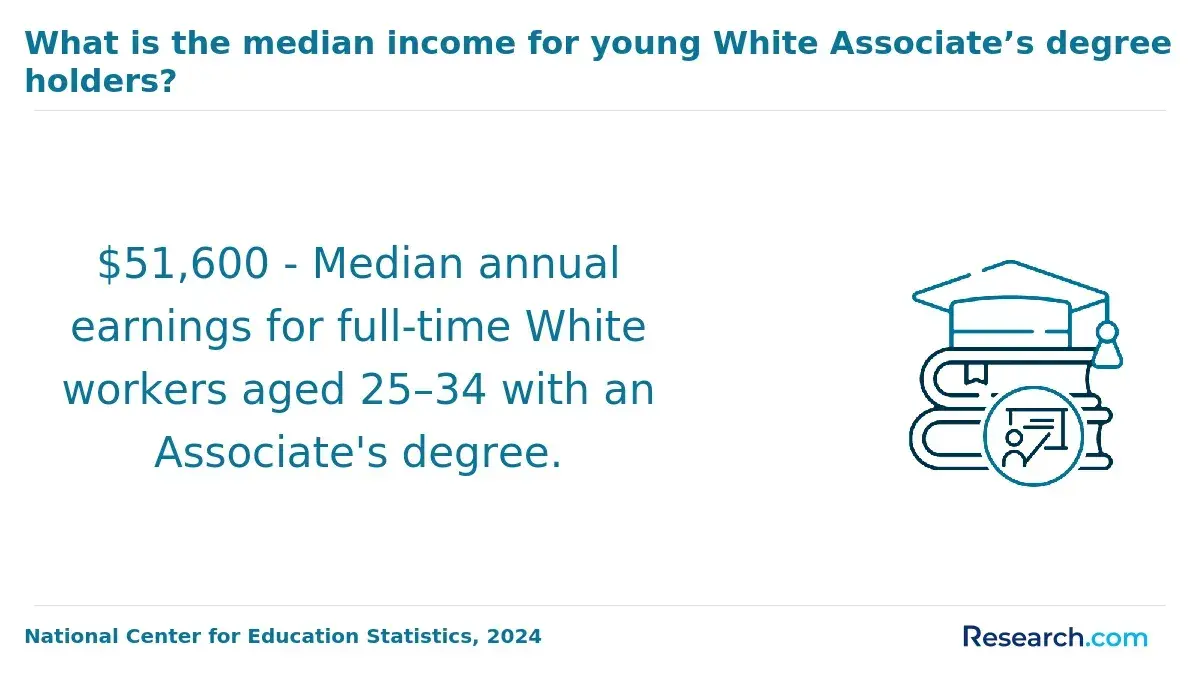
- Associate Degree in Communication: Graduates with an associate degree usually qualify for entry-level positions like administrative assistants or junior support roles in media, public relations, or marketing. Salaries tend to range from $31,000 to $50,000 annually, with limited opportunities for advancement compared to those holding higher degrees. Pay varies by employer and region, but higher-paying jobs often require at least a bachelor's degree.
- Bachelor's Degree in Communication: This degree is the most common entry point into professional roles within communication. The average starting salary for communication majors was $58,097 in 2023, according to recent data. Median annual wages hover around $65,000, with public relations specialists earning about $69,780. Industry, location, and job title significantly influence salary levels.
- Master's Degree in Communication: Holding a master's degree can open doors to advanced positions such as communication manager or director. Average salaries for communication managers range from $75,144 to $108,855, while public relations managers can earn up to $132,870. This degree often leads to higher long-term earning potential and access to managerial roles in larger organizations.
- Doctoral Degree (PhD) in Communication: A PhD typically leads to careers in academia or high-level research roles. Salaries vary widely but generally start around $80,000 for university professors, potentially exceeding $120,000 at research universities or with tenure. These roles often require significant experience and scholarly publications.
Those exploring communication degrees might find it useful to compare programs offered by top online schools to balance educational goals with earning potential.
Is There High Demand for Communication Degree Holders in the Job Market?
Demand for communication degree holders in the U.S. job market remains robust, driven by rapid advancements in emerging technologies such as artificial intelligence (AI), automation, and digital collaboration platforms. These developments are reshaping traditional communication roles and creating new opportunities in areas like public relations, corporate communications, social media management, and internal communications.
AI, for instance, is increasingly automating routine tasks, which shifts the focus toward skills that machines cannot easily replicate, including strategic planning, creativity, data analysis, and emotional intelligence. According to recent data, nearly half of businesses now integrate AI into customer conversations, noting that over 32% save significant time on repetitive tasks. This allows communication professionals to dedicate more effort to higher-value strategic activities. T
o thrive in this evolving landscape, graduates must be proficient not only in traditional communication but also in digital tools and platforms, as well as possess human-centered storytelling abilities that engage diverse audiences effectively. Students considering options can find a variety of offerings by reviewing online schools with national accreditation that emphasize these skill sets.
Workforce needs are also influenced by the growing prevalence of remote and hybrid work models, with projections indicating that nearly 60% of jobs will incorporate remote work components by 2024. This trend demands strong digital communication and self-management capabilities from professionals entering the field.
Regional differences affect the scope of communication roles available: metropolitan and tech-centric areas often offer specialized positions in corporate communications and digital media, while smaller markets may favor candidates who can handle diverse functions ranging from public relations to social media and graphic design.
Salary data reflect this variability, with public relations specialists earning a median annual salary of $67,440 and technical writers earning $79,960 as reported by the U.S. Bureau of Labor Statistics. Emerging roles in content strategy and digital media, particularly in technology-focused regions, frequently command even higher compensation.
Overall, the outlook for communication degree holders is positive, with sustained demand for professionals who combine strong communication, digital fluency, and analytical skills across a wide range of industries.
What Factors Should You Consider When Picking a Type of Communication Degree?
Choosing the right communication degree level is a critical decision because it directly impacts how well your education aligns with your career goals, financial considerations, and personal lifestyle. Making an informed choice ensures you invest time and resources wisely while positioning yourself for future success.
To help guide this decision, consider the following key factors:
- Career Goals: Different degree levels open up distinct career paths. Entry-level roles such as social media coordinator or junior public relations specialist often require only an associate or bachelor's degree, while advanced positions like communications director typically demand a master's degree. Aligning your degree with your desired role helps maximize both opportunities and earning potential.
- Time Commitment: Degree length varies significantly-associate degrees usually take two years, bachelor's four years, and master's an additional one to two years. Reflect on your readiness for extended study and how quickly you want to enter the workforce when choosing your program.
- Industry Demand: The communication field includes various sectors such as public relations, digital media, and technical writing, each with distinct expectations for educational background. Researching employer preferences in your target industry ensures you pursue the most valued degree level for your desired position.
- Personal Interests and Specializations: Many programs offer specializations like media communications or technical writing. Selecting a concentration aligned with your passions not only enhances job satisfaction but can also improve your prospects for advancement.
- Earning Potential: Generally, higher degree levels correlate with greater salaries. For example, bachelor's degree holders earned a median annual wage of around $62,000 in 2022, while those with master's degrees often earned over $80,000 in more advanced roles. Consider your financial goals when deciding which degree to pursue.
What Communication Graduates Say About Their Degree and Salary
- Cooper: "Completing my degree in organizational communication opened doors I hadn't imagined. The curriculum was deeply practical, preparing me to navigate complex workplace dynamics and lead teams effectively. I landed a role as a corporate communications specialist within months of graduating, and the skills I honed-like conflict resolution and strategic messaging-have been invaluable for advancing my career. More importantly, I appreciate how this degree pushed me to become a better listener and collaborator, which has enriched both my professional and personal relationships."
- Maria: "Finishing my degree in health communication was transformative on so many levels. It gave me the knowledge to educate communities about wellness and preventive care, which I'm passionate about. Working as a public health educator, I've been able to create programs that genuinely improve people's lives. The challenges of effectively communicating complex medical information only fueled my dedication to bridge the gap between science and everyday understanding. This degree empowered me to make a meaningful impact on underserved populations."
- Harry: "The experience of studying digital communication was exhilarating and set me on an exciting career path in social media management. The fast-paced, ever-changing nature of the field demanded I stay adaptable and creative, skills that my coursework emphasized through real-world projects. I also loved how the program nurtured a global perspective, preparing me to engage diverse audiences sensitively and strategically. My passion for storytelling has grown, and I feel confident leading campaigns that connect brands with their communities authentically."
Other Things You Should Know About Communication Degree Programs & Salaries
In 2027, starting salaries for communication degree graduates vary by industry. Public relations positions might start around $45,000, while roles in digital marketing or advertising could begin at $50,000 or more. Media and journalism may offer lower starting salaries, often between $35,000 and $40,000, reflecting industry conditions.
In 2027, internships and networking are crucial for boosting salary prospects for communication graduates. Internships provide real-world experience and industry contacts, enhancing employability. Networking expands professional connections, opening doors to higher-paying roles and career advancement opportunities in the communications field.
In 2027, communication bachelor's degree holders typically start with salaries around $50,000-$60,000 per year, while those with master's degrees can command higher wages, averaging $70,000-$85,000. Advanced degrees often offer specialization that increases employability and salary potential.
References
- Choosing a bachelor's in communication | edX https://www.edx.org/resources/how-to-choose-a-bachelors-in-communication
- 24 Top Jobs For Communications Majors https://topresume.com/career-advice/24-top-jobs-for-communications-majors
- Strategic Communication, B.A. Degree Completion https://web.uri.edu/online/programs/undergraduate/communication-studies/
- Cost of a Affordable Communications Degree https://und.edu/programs/communication-ba/cost.html
- Which Communications Degree is Right for You? https://www.dean.edu/news-events/dean-college-blog/story/which-communications-degree-is-right-for-you/
- Careers in Communication: What Can You Do With a Degree in Communications? https://www.mastersincommunications.com/features/careers-in-communication
- Are Online Degrees Respected and Credible? | Goodwin University https://www.goodwin.edu/enews/are-online-degrees-respected-credible/
- Top 10 Highest Paying Jobs with a Communications Degree 2026 | Nexford University https://www.nexford.edu/insights/highest-paying-jobs-with-communications-degree


