
2027 How to Become an Executive Director in Substance Abuse Treatment: Education, Salary, and Job Outlook

Co-Founder and Chief Data Scientist
Becoming an executive director in substance abuse treatment is a leadership decision as much as a career goal. The role sits at the intersection of clinical care, business operations, compliance, funding, staff leadership, and community trust. You are not only managing a treatment organization; you are accountable for whether people can access safe, ethical, evidence-informed recovery services.
This guide is for counselors, clinicians, healthcare administrators, social workers, and public health professionals who want to understand what it takes to move into senior addiction treatment leadership. It explains the credentials commonly expected, the skills that matter most, the career steps that typically lead to executive roles, and the salary, workplace, and lifestyle realities to consider before pursuing this path.
The requirements can vary by state, employer, funding source, and program type, so treat this as a practical planning guide rather than a universal licensing checklist. Use it to identify gaps in your education, experience, supervision background, and executive readiness.
What are the benefits of becoming an executive director in substance abuse treatment?
- Executive directors in substance abuse treatment earn a median salary of around $85,000, reflecting their critical leadership in managing programs and shaping recovery outcomes.
- Job growth for this role is projected at 5% through 2025, fueled by expanding awareness and funding for addiction services.
- Pursuing this career offers a unique blend of impactful leadership and stability within a vital, evolving healthcare sector driven by social progress.
What credentials do you need to become an executive director in substance abuse treatment?
Executive director roles in substance abuse treatment usually require a combination of graduate-level education, leadership experience, knowledge of addiction services, and familiarity with healthcare regulation. The exact requirements depend on the state, the treatment model, the payer mix, and whether the organization provides residential, outpatient, hospital-based, or community services.
In most cases, employers look for candidates who can prove two things: they understand the clinical realities of addiction treatment, and they can run a complex organization responsibly.
- Master's degree: A master's in health administration, public health, social work, counseling, psychology, or business administration with a healthcare focus is often the strongest academic preparation for executive leadership. It helps demonstrate readiness for budgeting, compliance, quality improvement, strategic planning, and staff oversight.
- Bachelor's degree: A bachelor's degree in a related field can support entry into the behavioral health field and may qualify you for earlier supervisory roles. However, a master's degree is often the credential that makes candidates more competitive for executive-level positions.
- Clinical licenses: Many executive directors come from licensed clinical backgrounds, such as LCSW (Licensed Clinical Social Worker), LPC (Licensed Professional Counselor), or LMFT (Licensed Marriage and Family Therapist). These licenses can be especially valuable in organizations where the executive director also supervises clinical leaders or participates in clinical governance.
- Specialized addiction credentials: Credentials such as CAC (Certified Addiction Counselor) or LCADC (Licensed Clinical Alcohol & Drug Counselor) can strengthen your credibility in addiction services. They show that you understand substance use disorders, treatment planning, ethics, relapse risk, and recovery support.
- State and funding requirements: Licensure requirements for substance abuse program directors vary widely by state and funding source. Some programs may require advanced degrees, national certifications, or clinical licenses, while others may place more weight on management experience, years in behavioral health, or knowledge of publicly funded treatment systems.
- Continuing education: Executive directors need current knowledge of addiction policy, evidence-based treatment, healthcare law, privacy rules, documentation expectations, reimbursement, and accreditation standards. Continuing education is not just a credentialing task; it is part of responsible leadership.
If you are still building your academic foundation, it can help to understand early degree options and timelines before planning for graduate study. For example, learning how fast can you get an associate's degree may be useful if you are mapping the first step toward a longer behavioral health or healthcare administration pathway.
What skills do you need to have as an executive director in substance abuse treatment?
An executive director in substance abuse treatment needs more than compassion and clinical awareness. The job requires the ability to lead people, protect patients, manage money, satisfy regulators, and keep programs financially and clinically sustainable.
The strongest candidates usually combine behavioral health knowledge with executive discipline. They can interpret treatment outcomes, make difficult staffing decisions, communicate with boards and funders, and still maintain a culture where clients and families are treated with dignity.
- Clinical operations management: You need to understand how assessment, admission, treatment planning, discharge, crisis response, medication-supported services, and continuing care fit together across different levels of care.
- Financial planning: Executive directors oversee budgets, monitor revenue and expenses, evaluate staffing costs, and make resource decisions that affect both access and quality.
- Regulatory compliance: The role requires careful attention to local, state, and federal requirements, as well as preparation for audits, payer reviews, licensing inspections, and accreditation assessments.
- Staff management: You must recruit, retain, supervise, and develop teams that may include counselors, social workers, nurses, peer specialists, physicians, case managers, administrative staff, and compliance personnel.
- Program development: Effective leaders build or improve programs based on patient needs, evidence-based practices, workforce capacity, and funding realities rather than trends alone.
- Data analytics: You should be able to use outcome metrics, patient feedback, utilization data, incident reports, and quality indicators to identify what is working and what needs improvement.
- Risk management: Substance abuse treatment settings can involve medical risk, psychiatric crises, relapse, overdose risk, safety concerns, and complex documentation issues. Executive directors need systems that reduce preventable harm.
- Patient engagement: Strong programs listen to clients and families, respond to barriers, and improve care delivery without compromising ethics or clinical standards.
- Community outreach: Executive directors often build relationships with courts, hospitals, schools, employers, public agencies, recovery organizations, and community partners.
- Advanced communication: You need to translate complex clinical, financial, and regulatory issues into clear decisions for boards, staff, funders, patients, and community stakeholders.
Skills that separate senior candidates from mid-level managers
Mid-level managers often focus on a program, team, or service line. Executive directors are responsible for the whole organization. That means they must balance competing priorities: access versus capacity, innovation versus compliance, staff support versus performance accountability, and mission versus financial sustainability.
| Skill area | Why it matters in executive leadership |
| Financial judgment | Helps keep services sustainable while protecting staffing, quality, and patient access. |
| Compliance leadership | Reduces legal, licensing, reimbursement, and accreditation risks. |
| Clinical credibility | Builds trust with treatment teams and supports safer program decisions. |
| Strategic communication | Aligns boards, staff, funders, referral partners, and community stakeholders. |
| Change management | Helps organizations adapt to policy shifts, workforce shortages, new care models, and funding changes. |
What is the typical career progression for an executive director in substance abuse treatment?
The path to executive director usually starts with direct service or program operations and gradually expands into supervision, budgeting, compliance, and organizational strategy. Few professionals move directly into this role without substantial experience in behavioral health, addiction treatment, or healthcare administration.
A common progression looks like this:
- Case manager or addiction counselor: Many professionals begin in direct care, spending 2-3 years building skills in assessment, treatment planning, documentation, patient engagement, and recovery support. A bachelor's degree and certifications may support entry into these roles.
- Program coordinator or clinical supervisor: After 3-5 years of experience, professionals may move into team leadership, scheduling, staff coaching, quality monitoring, and program implementation. A master's in health or business administration may become more important at this stage.
- Director of clinical services or behavioral health director: These roles often require 5-7 years of leadership experience and involve budgeting, compliance, outcome tracking, service design, and strategic initiatives. The average salary is around $122,353 annually.
- Executive director: After 10-15 years, experienced leaders may oversee an entire treatment organization or facility. This role carries broad responsibility for operations, staff, finances, compliance, partnerships, and outcomes, with earnings about $100,980 yearly and a projected 32% job growth over the next decade.
Career progression is not always linear. Some professionals move through clinical supervision, while others come from healthcare administration, nonprofit management, government programs, or behavioral health operations. Lateral moves into grant writing, regulatory compliance, quality improvement, policy development, healthcare administration, or community outreach leadership can also build the executive skills needed for senior roles.
The key is to accumulate evidence that you can lead beyond your original discipline. Hiring boards and senior executives typically want to see experience managing teams, budgets, risk, performance outcomes, and external relationships.
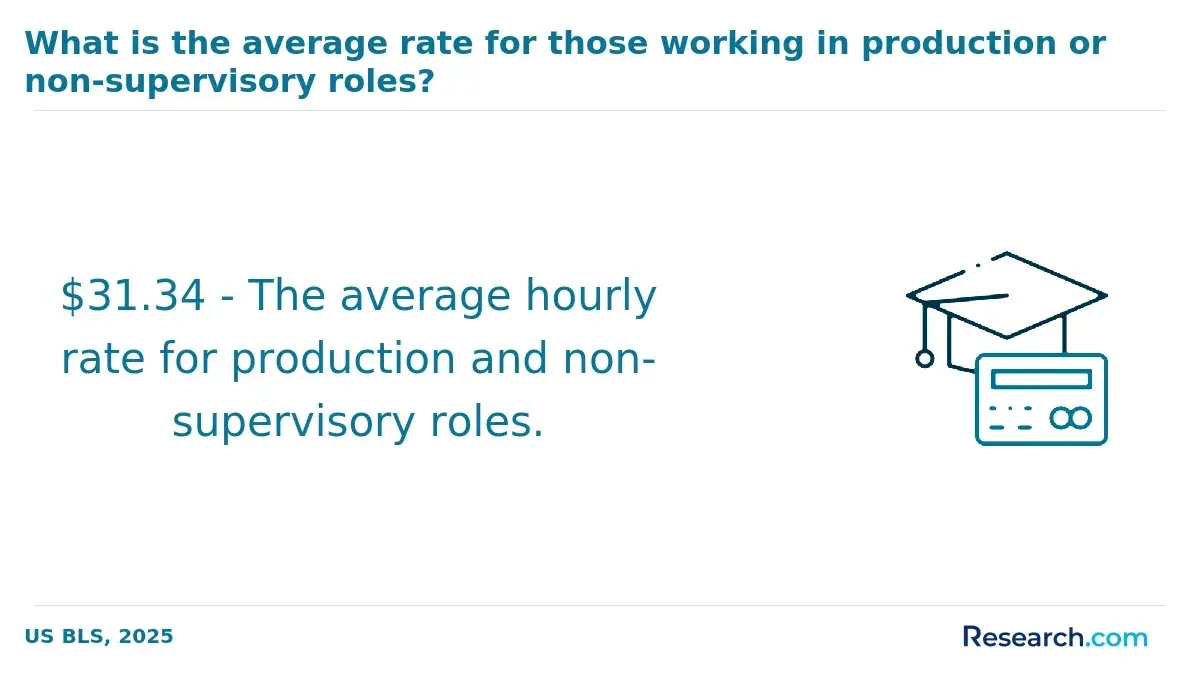
The table below shows weekly salary data based on a candidates educational attainment.
How much can you earn as an executive director in substance abuse treatment?
Executive director earnings in substance abuse treatment vary by location, organization size, service model, payer mix, credentials, and scope of responsibility. A director overseeing a small community outpatient program may have a very different compensation package from one leading a multi-site, hospital-affiliated, or residential treatment organization.
For 2025, the average pay for executive director in addiction treatment ranges between $101,800 and $132,000 nationally, with a midpoint near $119,500. That range can shift meaningfully based on regional labor markets and organizational complexity.
California illustrates how geography can affect compensation. Directors in California average around $153,390, and some top earners surpass $200,000 when leading large hospital-based programs.
What affects executive director pay?
- Experience: Seasoned leaders with a record of improving programs, managing audits, stabilizing budgets, and retaining staff are usually better positioned to negotiate higher compensation.
- Education: Advanced qualifications, including an MBA or clinical psychology doctorates, can strengthen salary potential, especially when paired with operational results.
- Clinical and addiction expertise: Specialized knowledge in dual-diagnosis care, trauma-informed care, or medication-assisted treatment (MAT) can make a candidate more valuable to employers serving complex populations.
- Organization type: Hospital-based and multi-site programs may offer higher salaries than smaller community organizations, but they may also involve greater regulatory, staffing, and financial complexity.
- Location: Salary levels are shaped by cost of living, workforce competition, state funding systems, and demand for behavioral health leadership.
If you are at the beginning of your educational path, exploring open admission colleges may help you identify accessible ways to start building relevant credentials before pursuing more advanced preparation.
When comparing salaries, look beyond the headline number. Review benefits, retirement contributions, professional development support, relocation expectations, on-call responsibilities, bonus eligibility, and whether the role includes oversight of multiple facilities or high-risk clinical services.
What internships can you apply for to gain experience as an executive director in substance abuse treatment?
You are unlikely to find an internship that places you directly in an executive director seat. Instead, the best internships for this career path expose you to the systems that executive directors eventually manage: clinical operations, public policy, compliance, program evaluation, funding, and community partnerships.
Look for internships, practicums, fellowships, or trainee roles that let you observe leadership decisions and contribute to real operational work.
- Government agencies: These opportunities can provide exposure to federal drug policy, public funding systems, strategic planning, and program administration. Some include stipends up to $7,500 and security clearances that reflect the seriousness of the work.
- Healthcare organizations and treatment facilities: Internships in treatment centers, behavioral health clinics, hospitals, and residential programs can build experience in clinical supervision support, program coordination, quality assurance, documentation systems, and facility operations.
- Community mental health organizations: Organizations such as Open Sky Community Services may offer hands-on training in trauma-informed care, behavioral supports, crisis intervention, and services for people with complex mental health and substance use needs.
How to choose the right internship
Prioritize settings where you can learn how decisions are made, not only how services are delivered. Ask whether interns can attend staff meetings, observe quality improvement work, help with reporting, support community outreach, or contribute to program evaluation. Those experiences are more relevant to future executive leadership than purely administrative tasks with little context.
For those searching specifically for substance abuse treatment executive director internships, the strongest options usually include exposure to leadership, compliance, finance, and treatment operations. Opportunities for substance abuse counselor intern jobs in Florida may also help candidates gain direct practice experience in a regional market with active behavioral health needs.
Aspiring leaders may also benefit from comparing undergraduate paths and long-term earning potential. Reviewing the most profitable bachelor's degrees can help you think strategically about the academic foundation you choose before moving into graduate study or clinical training.
How can you advance your career as an executive director in substance abuse treatment?
Career advancement in substance abuse treatment leadership depends on measurable results. Degrees and certifications matter, but senior leaders are judged by their ability to improve access, strengthen staff performance, maintain compliance, manage financial risk, and deliver responsible care.
If you are already in or near an executive director role, focus on building a leadership portfolio that shows both mission impact and operational competence.
- Continuing Education: Advanced study in behavioral health, public administration, healthcare administration, social work, business, or related disciplines can deepen your understanding of systems-level leadership and evidence-based treatment.
- Certification Programs: Credentials such as Certified Alcohol and Drug Counselor (CADC) or Certified Clinical Supervisor (CCS) can reinforce your commitment to addiction treatment standards and clinical supervision quality.
- Networking: Professional associations, state groups, national conferences, payer meetings, and interdisciplinary coalitions can connect you with mentors, referral partners, policy updates, and emerging care models.
- Mentorship: Seek mentorship from experienced executives who understand behavioral health finance, accreditation, community relations, and crisis leadership. As you gain experience, mentoring others can also strengthen your own leadership perspective.
Advancement moves that employers notice
- Lead a successful accreditation, licensing review, or corrective action process.
- Improve staff retention, supervision quality, or training systems.
- Launch or strengthen a service line tied to documented community need.
- Use data to improve outcomes, reduce risk, or improve patient experience.
- Build partnerships with hospitals, courts, schools, public agencies, or recovery organizations.
- Demonstrate responsible budget management without weakening clinical quality.
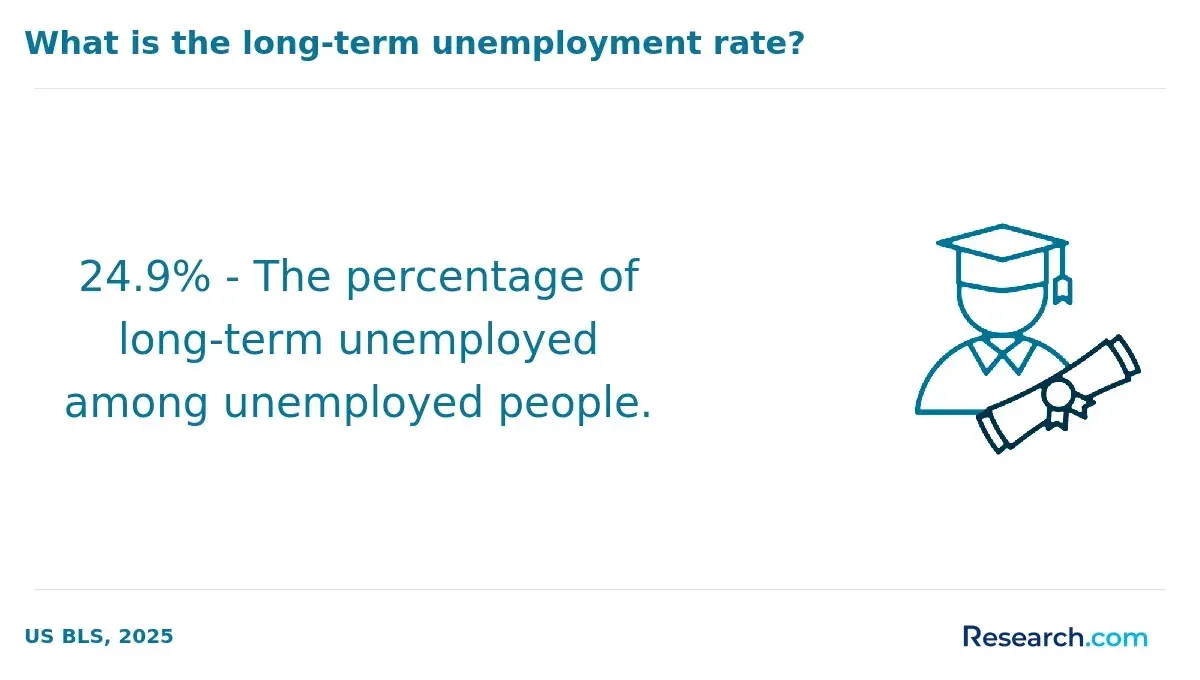
The following chart shows data from a recent survey of common workplace changes in 2025.
Where can you work as an executive director in substance abuse treatment?
Executive directors in substance abuse treatment can work in several types of organizations, each with different priorities, funding structures, and leadership demands. The best setting for you depends on whether you prefer clinical operations, nonprofit mission work, hospital systems, public administration, or education and research.
Opportunities for executive director addiction treatment jobs in California are especially visible because of the state's large healthcare market and ongoing demand for behavioral health services. However, roles exist across the country, particularly in communities affected by substance use and gaps in treatment access.
- Addiction Treatment Centers and Clinics: Organizations such as Pyramid Healthcare and Banyan Treatment Centers represent core employment settings. Executive directors may oversee detox, residential, partial hospitalization, intensive outpatient, outpatient, or recovery support services.
- Nonprofit and Community Organizations: Leading nonprofits such as Advent Group Ministries often involves a mix of executive management, advocacy, fundraising, community engagement, and services for underserved populations.
- Healthcare Systems and Hospitals: Hospital networks may integrate substance abuse treatment into broader behavioral health, emergency, primary care, or psychiatric services. These roles often require strong coordination across departments and payer systems.
- Government Agencies: Executive leaders may manage publicly funded programs within county health departments or federal entities such as the Department of Veterans Affairs. These roles can involve policy implementation, public accountability, and complex reporting requirements.
- Educational Institutions: University-based roles are less common but may combine treatment program leadership, workforce training, student services, research initiatives, and community partnerships.
How to compare job settings
| Work setting | What to evaluate before applying |
| Treatment center or clinic | Level of care, census expectations, staffing model, payer mix, clinical risk, and accreditation status. |
| Nonprofit organization | Fundraising responsibilities, grant stability, board expectations, community mission, and service population. |
| Hospital or health system | Integration with medical services, compliance infrastructure, administrative complexity, and reporting lines. |
| Government agency | Public funding rules, policy responsibilities, procurement processes, and political accountability. |
| Educational institution | Balance between service delivery, training, research, student support, and academic governance. |
Hybrid roles are also becoming more common, especially when organizations combine treatment services with outreach, prevention, housing support, telehealth, or integrated mental health care. For students exploring cost-conscious education routes into the field, researching the cheapest online colleges that accept fafsa can help identify affordable starting points.
What challenges will you encounter as an executive director in substance abuse treatment?
Executive directors in substance abuse treatment face challenges that are clinical, financial, regulatory, and emotional at the same time. A single decision can affect patient safety, staff morale, reimbursement, public reputation, and organizational survival.
The hardest part of the role is not simply managing problems; it is managing several urgent problems at once while protecting the mission of the program.
- Demand and Workforce Gaps: By 2025, shortages of psychiatrists and addiction specialists will make staffing a persistent challenge, particularly in underserved regions where burnout is common.
- Funding Flux: Coalitions call for consistent, AIDS-style funding, but current support depends on shifting federal budgets. Executive directors need grant-writing skill, financial discipline, and contingency planning as priorities change and crises such as stimulant overdoses emerge.
- Regulatory Maze: Combining mental health and substance use services can create complicated compliance responsibilities. Managed care changes may also add financial uncertainty and administrative burden.
- Emotional Weight: Leaders must support teams through relapse, loss, trauma exposure, stigma, and community misunderstanding while maintaining professional boundaries and operational stability.
- Innovation Imperative: Programs need to evaluate telehealth, AI tools, pharmacy-led methadone, tech-driven peer networks, and other emerging practices carefully, balancing access and innovation with ethics, evidence, privacy, and safety.
- Competitive Pressures: Executive directors compete for qualified staff, funding, referrals, and community trust. They must clearly explain their program's value to boards, payers, partners, and the public.
Common mistakes to avoid
- Expanding services before confirming staffing, funding, supervision, and compliance capacity.
- Treating accreditation or licensure as a paperwork task instead of a quality and safety system.
- Ignoring staff burnout until turnover harms patient care and program performance.
- Relying on mission language without tracking outcomes, access, financial stability, and patient experience.
- Adopting new technology without clear policies for privacy, documentation, ethics, and clinical oversight.
What tips do you need to know to excel as an executive director in substance abuse treatment?
To excel as an executive director in substance abuse treatment, you need to lead with both clarity and humility. The work demands business judgment, clinical respect, emotional steadiness, and the courage to make decisions that are ethical even when they are difficult.
- Sharpen Leadership & Communication: Set clear priorities, explain the reasons behind decisions, and translate clinical, financial, and compliance issues into practical action for staff and stakeholders.
- Expand Your Network: Build relationships with professional groups, conferences, digital communities, referral partners, public agencies, and other behavioral health leaders. Strong networks can support hiring, partnerships, advocacy, and problem-solving.
- Commit to Growth: Keep your knowledge current through advanced degrees, certifications, workshops, supervision training, and policy updates. Addiction treatment changes quickly, and outdated leadership can put programs at risk.
- Bridge Care and Business: Understand budgets, reimbursement, grant requirements, staffing ratios, compliance rules, and documentation standards. A treatment program cannot serve people well if it is financially unstable or poorly governed.
- Cultivate Emotional Strength: Build habits that protect your judgment under stress. Use supervision, peer consultation, time boundaries, and recovery-informed leadership practices to avoid burnout.
- Champion Innovation: Evaluate new treatment models and technologies thoughtfully. Innovation should improve access, safety, outcomes, or efficiency—not simply follow trends.
- Lead with Integrity: Be transparent about conflicts, mistakes, limits, and corrective actions. Trust is one of the most important assets in addiction treatment leadership.
Practical habits of effective executive directors
- Review key quality, staffing, financial, and safety indicators on a regular schedule.
- Spend time with frontline teams to understand operational reality, not just reports.
- Create a culture where staff can raise concerns before problems become crises.
- Document decisions carefully, especially those involving risk, compliance, or patient safety.
- Use patient and family feedback as part of continuous improvement.
How do you know if becoming an executive director in substance abuse treatment is the right career choice for you?
This career may be a strong fit if you care deeply about recovery services but also want responsibility for strategy, operations, people, and systems. Executive directors are not only helpers; they are decision-makers accountable for outcomes, budgets, compliance, culture, and community trust.
The role can be meaningful and stable, but it is not low-pressure. Before pursuing it, be honest about your tolerance for complexity, conflict, long-term responsibility, and emotionally difficult work.
- Emotional resilience: You need to carry organizational responsibility while supporting teams that face relapse, trauma, loss, stigma, and crisis. Flexibility and political awareness also matter because regulations and funding can shift.
- Leadership and communication skills: Executive director addiction treatment skills include decisiveness, problem-solving, staff motivation, ethical judgment, and the ability to keep people focused on human outcomes behind the data.
- Career motivation: This path may fit you if you are motivated by building systems that help people recover, not only by holding a senior title. You should find meaning in both mission work and management work.
- Lifestyle considerations: The job is demanding, with long hours and high accountability. It can also offer career stability and competitive salaries averaging $100,000 to $149,000 in 2025 depending on experience and location.
- Educational foundation: If you are starting from the beginning, exploring options like the cheapest bachelor degree online can help you identify an accessible academic path into behavioral health, social services, or healthcare administration.
Questions to ask yourself before pursuing this role
- Do I want to lead an organization, or do I mainly want to provide direct care?
- Can I make difficult staffing, budget, and compliance decisions while staying mission-focused?
- Am I willing to keep learning about healthcare law, funding, accreditation, and operations?
- Can I manage conflict with boards, funders, staff, families, and community partners?
- Do I have the resilience to lead through crises without becoming reactive or detached?
If your answer is yes to most of these questions, the executive director path may align well with your strengths. If you prefer direct clinical work and less organizational accountability, a senior clinical, supervision, training, or consulting role may be a better long-term fit.
What Professionals Who Work as an Executive Director in Substance Abuse Treatment Say About Their Careers
- Cesar: "Pursuing a career as an executive director in substance abuse treatment offers remarkable job stability due to the consistent demand for addiction services. I've seen firsthand how this role also provides strong salary potential as you gain experience, reflecting the critical nature of our work. The financial rewards combined with meaningful impact make this a fulfilling path."
- Corbin: "Working in this field presents unique challenges that require both resilience and adaptability. The complexity of cases keeps me constantly learning, and every day offers a new opportunity to innovate within treatment programs. This dynamic environment has greatly expanded my professional skills and deepened my commitment."
- Andre: "The opportunities for professional development as an executive director are impressive, particularly through specialized training programs and leadership workshops tailored to substance abuse treatment. This career path has allowed me to grow not only as a healthcare provider but also as an influential leader shaping community wellness initiatives. It's a rewarding journey for those passionate about making a difference."
Other Things You Should Know About Becoming an Executive Director in Substance Abuse Treatment
In 2027, certifications for an executive director in substance abuse treatment often include a Certified Addiction Counselor (CAC) or a Licensed Clinical Social Worker (LCSW). These credentials help verify expertise in managing and understanding addiction treatment programs.
Yes, executive directors must navigate a complex landscape of legal and ethical issues, including patient confidentiality under HIPAA, informed consent, and compliance with federal and state regulations pertaining to substance abuse treatment. They are responsible for establishing policies that ensure ethical treatment practices, protect patient rights, and maintain organizational integrity. Being well-versed in these areas is vital to avoid legal liabilities and foster trust within the community.
References
- Destiny Sober Living – Intervention and Long Term Care Recovery from Substance Abuse - Internships http://www.destinyhouse.biz/sober-living-home-internships
- Employment Listings: Substance Use Disorder Medical Director | Special Health Resources https://www.specialhealth.org/employment/323
- Alcohol and Drug Counselor Internship (Minnesota) - Health Sciences Education - Mayo Clinic College of Medicine & Science https://college.mayo.edu/academics/health-sciences-education/alcohol-and-drug-counselor-internship-minnesota/
- Executive Summary - Enhancing Motivation for Change in Substance Use Disorder Treatment - NCBI Bookshelf https://www.ncbi.nlm.nih.gov/books/NBK571061/
- What does a Behavioral Health Director do? Career Overview, Roles, Jobs | APOS https://careers.apos-society.org/career/behavioral-health-director
- N.J. Admin. Code § 8:111-1.8 - Qualifications and responsibilities of the director of substance abuse counseling services | State Regulations | US Law | LII / Legal Information Institute https://www.law.cornell.edu/regulations/new-jersey/N-J-A-C-8-111-1-8
- What Credentials Does a Behavioral Health CEO Need? https://www.jeridavis.com/what-credentials-does-a-behavioral-health-ceo-need/
- How To Become a Clinical Director in A Behavioral Health Care Facility https://www.therecoveryvillage.com/professionals/jobs/clinical-director/
- Is a Career in the Addiction Recovery Field Right For You? https://recovery.org/pro/articles/is-a-career-in-the-addiction-recovery-field-right-for-you/
- Addiction and leadership: How authentic and transformative leaders are emerging from the adversity of substance use disorder https://www.addictiontherjournal.com/articles/jatr-aid1022.php


