
2027 Is an Entrepreneurship Online Degree Worth It?

Co-Founder and Chief Data Scientist
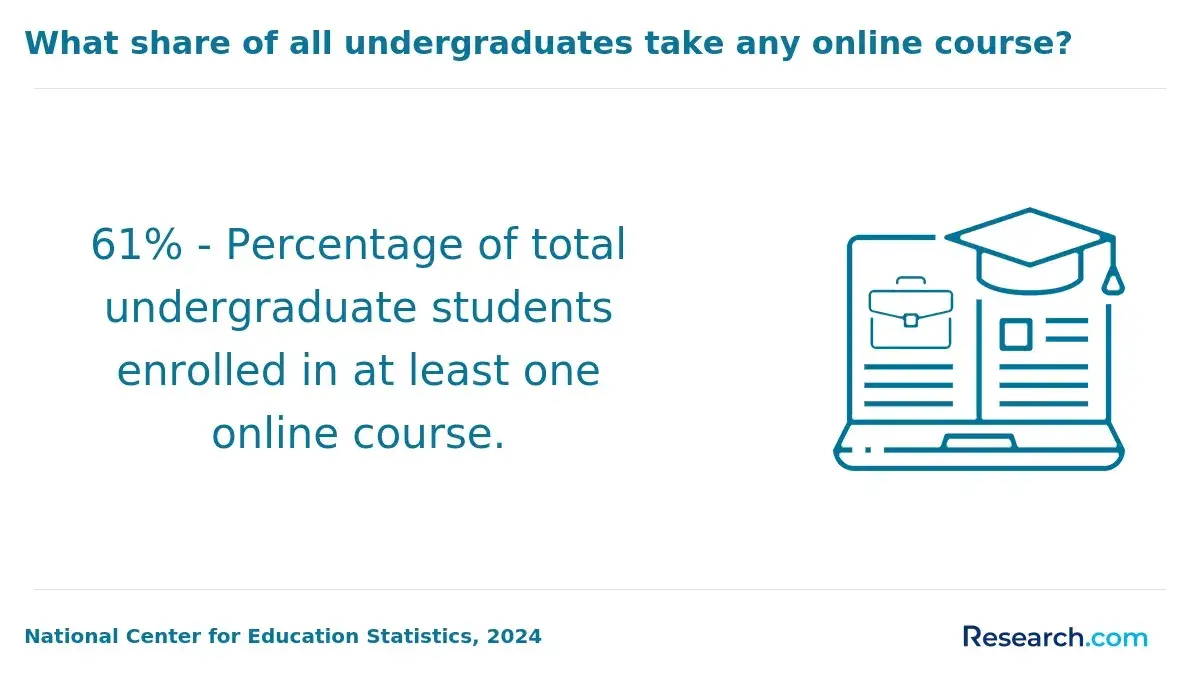
Online education has expanded rapidly, with over 6 million students enrolled in some form of online learning, making entrepreneurship degrees increasingly accessible. Many are attracted to online entrepreneurship programs for their flexibility and the promise of gaining skills to launch or grow a business in a competitive environment. This growth reflects a broader trend toward digital education in business disciplines.
This article will help students evaluate whether pursuing an online entrepreneurship degree is worth the investment by examining key factors such as cost, flexibility, accreditation, job-market trends, and how employers view these credentials. Understanding these elements is crucial for making an informed decision about this educational path.
Key Benefits of Online Entrepreneurship Degree
- Online entrepreneurship programs offer flexible schedules and self-paced learning, accommodating working professionals and diverse lifestyles without compromising academic rigor.
- Curricula emphasize practical skills like business planning, innovation, and funding, aligning closely with real-world startup and small business demands.
- Graduates report increased career adaptability and potential for higher earnings, with entrepreneurship fields growing 8% faster than average according to the U.S. Bureau of Labor Statistics.
Who Should Choose an Online Entrepreneurship Degree Program?
Online learning has become a valuable option for many students due to its ability to offer education anytime and anywhere, accommodating diverse personal and professional demands. This flexibility makes it especially attractive for those needing to balance studies with other commitments. The following groups are particularly well-suited for an online entrepreneurship degree program:
- Working Professionals: This group benefits by continuing their careers while gaining essential entrepreneurial skills, which can help launch a side venture or secure advancement within their current roles.
- Aspiring Business Owners: Individuals with entrepreneurial ambitions can immediately apply classroom knowledge to their own startups, often building businesses alongside their studies.
- Adult Learners and Career Changers: Those returning to education after a break or seeking to switch fields appreciate the self-paced, asynchronous structure that accommodates personal schedules and learning preferences.
- Self-Motivated Learners: Students who excel in independent environments thrive in online entrepreneurship programs, which require discipline and initiative to succeed without direct supervision.
Over half of online business students report that what they learn directly connects to their future careers, reinforcing the practical value of these programs.
What Are the Pros and Cons of an Online Entrepreneurship Degree?
Online entrepreneurship programs have surged in popularity as they offer flexibility and structured training for students and professionals aiming for career advancement. These programs enable learners to balance their studies with existing work or life commitments while gaining practical business skills.
Pros of an Online Entrepreneurship Degree
- Affordability and Financial Accessibility: Online entrepreneurship degrees typically cost around $42,000 for a four-year program, significantly less than the $68,000 average for in-person business degrees. Some colleges, like Columbia College, even provide scholarships specifically for online students, making education more attainable.
- Flexibility for Working Professionals: These programs remove commuting barriers and allow students to continue full-time jobs while studying. Accelerated options compress traditional programs into shorter sessions, such as 7-8 week courses, catering to busy schedules and enabling faster completion.
- Practical Skill Development and Networking: Core courses cover essential areas like accounting, strategic marketing, and digital marketing, directly useful for launching ventures. Increasingly, online learning includes interactive simulations and virtual collaboration tools that foster connections with mentors and peers worldwide.
- Strong Return on Investment: According to BestColleges' recent Online Education Trends Report, 94% of graduates believe their degrees deliver a positive ROI. Entrepreneurship graduates have a mean starting salary of $58,290, underscoring the economic benefits of this path.
Cons of an Online Entrepreneurship Degree
- Significant Financial and Time Investment: Earning a degree demands time and money which could otherwise be invested directly into launching a business. For those eager to start immediately, this opportunity cost may be considerable.
- Variable Real-World Experience: While some programs include internships and hands-on projects, exposure varies greatly. Classroom settings may not fully replicate real entrepreneurial challenges, limiting practical learning for some students.
- Limited Personal Interaction: Online formats may reduce individualized attention and create feelings of isolation. Such limitations could affect the quality of mentorship and depth of networking, vital components in entrepreneurship education.
- Technical and Accessibility Barriers: Issues like technical glitches or network problems can disrupt learning sessions. Moreover, many thriving entrepreneurs have succeeded without formal degrees, highlighting that multiple pathways exist.
For individuals considering a quick bachelor's degree online, especially in entrepreneurship, it is valuable to weigh these pros and cons carefully. These factors contribute significantly to the overall benefits of an online entrepreneurship degree and help determine if this educational avenue aligns with personal and professional goals.
How Do AI-Enhanced Virtual Classrooms Work in Online Entrepreneurship Programs?
AI technologies have become central to modern online education by making learning more interactive and tailored to individual needs. For entrepreneurship students, AI-powered virtual classrooms enhance engagement and deepen understanding through adaptive content and real-time feedback. The following list highlights key features that define personalized learning with AI in online entrepreneurship programs.
- Personalized learning paths: These adapt course material based on each student's progress and preferences, ensuring targeted skill development. If a student struggles with financial modeling, extra tutorials or exercises are immediately provided.
- AI-driven simulations: Real-world business scenarios, such as negotiations or crisis management, are recreated virtually, offering hands-on experience that prepares students for practical challenges.
- Immediate, automated feedback: AI evaluates business plan drafts, pitches, and assignments quickly, delivering precise suggestions that improve learning outcomes without delay.
- Virtual coaching and mentorship: AI agents guide students through projects by answering questions and offering support, fostering confidence and creativity regardless of location.
These advanced features ensure AI-powered virtual classrooms for entrepreneurship students promote dynamic collaboration and effective learning. For those exploring online degrees or certifications, knowing what certifications can i get online that pay well may also enhance career planning.
What Technology Do You Need for an Online Entrepreneurship Degree?
Having the right technology setup is essential for success in modern online entrepreneurship degree programs because nearly all coursework, collaboration, and project development occur digitally. A robust, reliable, and up-to-date technology kit enhances learning experiences and prepares students for real-world business challenges. Below is a list of key tools, equipment, and software students should prepare before enrolling in an online entrepreneurship program.
- Reliable Computer: A modern laptop or desktop with at least an Intel Core i7 or AMD Ryzen 7 processor, 16GB RAM (32GB recommended for multitasking), and a dedicated GPU like NVIDIA RTX 3070 is critical. These specifications support smooth multitasking, running business simulations, data analysis, and productivity software without lag, reflecting the required computer specifications for online entrepreneurship degree programs.
- High-Speed Internet: A broadband connection of at least 25 Mbps is necessary to attend live lectures, upload assignments, and collaborate efficiently on cloud platforms. Consistent connectivity prevents disruptions during team meetings or virtual presentations.
- Webcam and Microphone: Good audio-visual equipment is vital for clear communication in virtual networking events, group projects, and pitching business ideas, helping students develop strong business technology skills for entrepreneurship students.
- Productivity Software: Access to Microsoft Office 365 or Google Workspace allows creation of business plans, data spreadsheets, and pitch decks. These tools enable real-time collaboration and are industry standards throughout most entrepreneurship coursework.
- Cloud Storage: Services such as Google Drive or Dropbox ensure secure, accessible file management and sharing-essential for teamwork and backing up important projects.
- Specialized Business Tools: Software for accounting, project management (Trello, Asana), CRM systems (HubSpot), or analytics (Tableau) simulate real business environments and help sharpen necessary technical skills.
- Cybersecurity Software: Protecting sensitive data and intellectual property online is crucial, making antivirus and firewall solutions an important part of any student's technology toolkit.
Students interested in affordable options might explore cheap online master degree programs that support the technology standards needed for effective entrepreneurship learning.
How Long Does It Take to Finish an Online Entrepreneurship in 2027?
Program length is a key consideration for prospective students, as it affects how quickly they can finish their degree and start applying entrepreneurial skills. Online program timelines vary widely due to flexible scheduling, course intensity, and credit transfer policies. Below is a summary of the typical durations for earning an online entrepreneurship degree.
- Full-Time Online Track: This route usually takes about four years, mirroring traditional on-campus programs with roughly 120 credits required. Courses commonly last 14 to 16 weeks, though some schools offer shorter, intensive sessions to hasten progress.
- Part-Time Enrollment: Designed for those balancing work or family, this option extends degree completion beyond four years. Students can spread coursework out, study at their own pace, and take breaks, providing maximum schedule flexibility.
- Accelerated Programs: Some universities now provide accelerated pathways with condensed courses lasting 7 to 8 weeks each. These options enable highly motivated learners to finish their degree in less than four years by completing classes more rapidly.
- Transfer Credits and Prior Learning: Students bringing in college credits or completing relevant certifications may reduce their overall time in the program, potentially shortening the standard timeline significantly.
Can You Work Full-Time While Completing an Online Entrepreneurship Degree?
Balancing full-time work and online study is a frequent concern for prospective students who often juggle professional duties and personal obligations. Understanding various factors can help manage both commitments effectively while pursuing an online entrepreneurship degree. Below are key considerations that impact this balance:
- Program pacing: Flexible programs allow students to select a part-time or full-time load based on their availability, enabling smoother balance between work and study.
- Course format: Asynchronous classes offer freedom to complete work anytime, while synchronous sessions require fixed attendance, which may clash with work hours.
- Workload intensity: Planning ahead and tracking deadlines are vital since demanding assignments can overlap with job responsibilities.
- Employer support: Open communication with employers may lead to flexible scheduling or understanding during critical academic periods.
- Personal time management: Establishing clear routines, blocking dedicated study times, and setting boundaries help prevent burnout and maintain focus.
When asked about her experience, a student who worked full-time during her online entrepreneurship studies described juggling late-night assignments and weekend projects as challenging but rewarding. She emphasized how integrating coursework with her job enhanced her skills and kept her motivated.
"There were moments of exhaustion," she noted, "but planning my week carefully and having support both at work and home made it possible to succeed." Her story illustrates that with strong organization and commitment, working full-time while earning an online entrepreneurship degree is achievable.
How Do Online Entrepreneurship Degree Programs Help with Internships?
Internships are vital for gaining practical experience and preparing for a successful career in entrepreneurship. They enable students to apply academic knowledge to real-world challenges, sharpening essential skills and fostering professional connections. Online entrepreneurship degree programs use several strategies to support students in securing and completing these valuable experiences.
- Dedicated Internship Platforms: Many programs provide access to specialized job boards and platforms like Handshake, which list curated internship opportunities suited to entrepreneurship students.
- Partnerships with Startups: Programs often collaborate with startups and small businesses to create exclusive internship openings, offering hands-on roles in dynamic environments.
- Remote Internship Models: Flexible virtual internships allow students to participate from anywhere, fitting work around their schedules and expanding opportunity access.
- Mentorship and Career Coaching: Students receive guidance from experienced entrepreneurs and career advisors who help with goal setting, skill development, and navigating workplace challenges.
- Academic Integration: Internships are frequently tied to credit requirements or incentives, ensuring practical experience is embedded within the curriculum and tracked effectively.
What Is the Average Tuition Cost of an Online Entrepreneurship Program?
For students aiming to pursue an online entrepreneurship degree, understanding the full scope of tuition expenses is crucial for budgeting and long-term planning. Knowing how costs vary by institution type, residency, and credit load helps avoid unexpected financial burdens. Below are key details to consider when evaluating average tuition and fees for online entrepreneurship programs.
- Average Tuition for Bachelor's Degree: Total expenses for a four-year online entrepreneurship bachelor's degree generally approach $42,000, according to recent national education statistics covering business-related fields.
- Annual Tuition Range: Online bachelor's programs at public colleges typically cost between $4,500 and $13,000 per year, while private institutions can charge $12,000 to $30,000 annually, illustrating significant variation by school type.
- Cost Per Credit Hour: Public universities usually charge around $337 per online credit hour for in-state students, compared to about $516 at private colleges, directly impacting total tuition based on course loads.
- In-State vs. Out-of-State Rates: Out-of-state learners at public universities face notably higher fees, with average total tuition reaching over $59,000, while in-state students pay closer to $40,500.
- Additional Fees: Beyond tuition, students often encounter technology fees, charges for course materials, and sometimes higher rates specifically for fully online formats at select institutions, which can add to overall costs.
A student pursuing an online entrepreneurship degree shared how managing these expenses felt like navigating a complex puzzle. He explained that balancing his work schedule while researching scholarships and financial aid felt overwhelming at first. "I didn't realize how many extra fees there were beyond tuition," he said, noting that tech and material costs added unexpectedly.
Despite initial doubts, he appreciated the flexibility of his program and the opportunity to stretch payments over time, which made the investment manageable. Reflecting on his decision, he emphasized that understanding detailed costs early on was key to maintaining motivation and confidence throughout his studies.
What Is the Average Salary for Someone with an Online Entrepreneurship Degree in 2027?
Understanding potential earnings is critical when considering an online entrepreneurship program. Knowing what salary outcomes to expect can help students make informed decisions about their education investment. Below are key salary insights to consider for graduates in this field.
- Average Entry-Level Salary: Recent graduates with a bachelor's degree in entrepreneurship typically earn between $55,000 and $58,290 annually. These figures represent common starting roles such as business analyst, sales associate, or junior manager.
- Mid-Career Salary Growth: Mid-career professionals often see salaries rise to around $80,000. These increases reflect experience accumulation and greater responsibilities across various sectors.
- Salary by Industry: Earnings vary widely depending on the industry. Small-business owners average about $75,398 per year, although profits fluctuate based on market conditions, location, and business sector. Corporate roles like marketing managers or management analysts can command between $76,950 and $159,660, with innovation managers and executives frequently earning six-figure compensation packages.
- Regional Differences: Metropolitan areas and technology-focused industries tend to offer higher salaries, whereas rural regions and non-profit sectors typically provide lower pay, which impacts the average earnings entrepreneurship master's degree graduates might expect in different locations.
- Degree Level Impact: When comparing online entrepreneurship degree salary United States 2025 outcomes, graduate-level degrees usually afford higher earning potential, especially in leadership or specialized innovation roles.
Prospective students should carefully evaluate these salary benchmarks alongside tuition costs and debt expectations to decide if pursuing an online entrepreneurship degree is financially sound. For those seeking affordable education options, exploring schools with low tuition programs that accept fafsa can also improve return on investment.
Which Industries Hire Graduates From Online Entrepreneurship Programs?
An online entrepreneurship degree offers remarkable versatility, equipping graduates with practical business skills applicable across a wide range of professional fields. This foundation prepares them to succeed not only in startups but also within established companies seeking innovation and strategic leadership. Below is a detailed look at key industries hiring online entrepreneurship graduates and the opportunities they provide.
- Technology and IT: These sectors actively recruit entrepreneurship graduates for roles in management, sales, and business strategy. Individuals with this degree help manage financial operations, oversee budgets for product development, and analyze investment opportunities-critical capabilities as tech firms expand.
- Retail and E-commerce: Fast-moving markets require skills in supply chain optimization, pricing strategy, and online sales platform enhancement. Entrepreneurship graduates excel in driving growth and competitive differentiation in retail companies navigating shifting consumer trends.
- Finance and Banking: Employers value the analytical and strategic mindset fostered by entrepreneurship programs for roles in financial management, risk analysis, and business development within these sectors.
- Consulting: Major firms like McKinsey, Bain, and BCG consistently recruit professionals from business-focused backgrounds. Graduates with entrepreneurship degrees bring valuable expertise in innovation strategy and organizational growth to consulting projects.
- Healthcare, Manufacturing, and Media: These industries seek entrepreneurship graduates for operations management, innovation implementation, and business expansion roles, leveraging their ability to identify market opportunities and lead cross-functional teams effectively.
The broad applicability of this degree makes it one of the highest paying online certifications in terms of career flexibility and growth potential. For those evaluating the best jobs for online entrepreneurship degree holders, these industries represent significant employment avenues reflecting current labor market demands.
What Graduates of Online Entrepreneurship Programs Say About Their Degree
- River: "The decision to pursue an online entrepreneurship degree was driven by my need for convenience and efficiency, and it exceeded my expectations. Balancing life, work, and studies was manageable thanks to the program's flexible structure, while the cost remained modest compared to in-person alternatives. Ultimately, this degree accelerated my personal growth and opened doors to new professional opportunities."
- Colby: "Reflecting on my online entrepreneurship degree journey, I realize how vital the self-directed learning environment was for developing my critical thinking and business skills. The cost was reasonable, which removed financial barriers and let me focus entirely on mastering key concepts that boosted my career progression. This degree gave me confidence and concrete tools to lead innovative projects in my industry."
- Finley: "Pursuing an online entrepreneurship degree was a game-changer for me because I could learn at my own pace without sacrificing my full-time job. The comprehensive curriculum covered practical strategies that I immediately applied to my startup, and the average cost was surprisingly affordable compared to traditional programs. It truly offered flexibility and value that made every dollar well spent."
Other Things You Should Know About Entrepreneurship Degrees
Yes, many online entrepreneurship programs actively facilitate networking through virtual events, discussion forums, and collaborative projects. Some programs also encourage connections via alumni groups and mentorship programs. However, networking opportunities may require more proactive effort from students compared to traditional on-campus environments.
In 2027, employers increasingly recognize online entrepreneurship degrees, especially when they are issued by accredited institutions. The focus often shifts to skills gained and practical experience. A demonstrable portfolio and updated digital skills can significantly enhance a candidate's appeal, regardless of the degree format.
References
- Is an Online Degree a Smart Investment for Entrepreneurs https://www.robinwaite.com/blog/is-an-online-degree-a-smart-investment-for-entrepreneurs
- Online Masters Entrepreneurship https://warrington.ufl.edu/graduate/online-masters-entrepreneurship/
- Is a Degree in Entrepreneurship Worth it? | Nexford University https://www.nexford.edu/insights/is-a-degree-in-entrepreneurship-worth-it
- Entrepreneurship MBA Career and Salary Outlook | OnlineMBA https://www.onlinemba.com/mba-careers/entrepreneurship/
- The Value of Online Degrees for Aspiring Entrepreneurs https://theentrepreneur-times.com/the-value-of-online-degrees-for-aspiring-entrepreneurs/
- Generative artificial intelligence in entrepreneurship education enhances entrepreneurial intention through self-efficacy and university support - Scientific Reports https://www.nature.com/articles/s41598-025-09545-3
- Is Online College Business Degree Really Worth It? — Super Business Manager https://www.superbusinessmanager.com/is-online-college-business-degree-really-worth-it/


