
2027 Different Types of Software Development Degrees and Their Salaries

Co-Founder and Chief Data Scientist
The demand for skilled professionals in software development continues to surge as technology reshapes industries worldwide. Recent projections indicate that employment in this field is expected to grow significantly faster than the average for all occupations, reflecting robust opportunities and competitive salary potential. Navigating the diverse educational paths available is crucial for aspiring developers seeking to align their goals with market needs.
This article provides a clear overview of the various types of software development degrees and explores the earning prospects graduates can anticipate across these academic routes.
Key Points About Different Types of Software Development Degrees and Their Salaries
- Individuals with a bachelor's degree in software development typically earn a median salary of around $110,000 per year in the U.S., reflecting broader job opportunities and higher demand for this qualification compared to associate degrees.
- Associate degree holders in software development generally start with entry-level positions earning about $60,000 annually but can advance into higher-paying roles with experience and additional certification, though the ceiling remains lower than that for bachelor's or master's holders.
- Master's degree graduates often see a salary increase of 15% to 25% over bachelor's degree holders, with median earnings surpassing $130,000, driven by their advanced skills in management and specialized technologies which open doors to leadership and research roles.
What Are the Different Types of Software Development Degrees Available?
Understanding the different types and levels of software development degrees is important for students to select a program that aligns with their career goals and educational background. Each degree type offers unique approaches to learning and prepares students for various roles in the software industry.
Below is an outline of the main types of software development degrees and what makes each unique, helping you identify which path suits your interests and skills.
- Associate Degree in Software Development: This degree focuses on foundational programming skills, basic algorithms, and data structures. Coursework typically includes introductory computer science concepts and practical experience in popular programming languages, making it a solid start for entry-level technical roles or further education.
- Bachelor's Degree in Software Development: Offering broad coverage of software development principles, this program teaches programming, systems analysis, and data management. Students learn software engineering processes, project methodologies, and advanced coding techniques.
- Bachelor's Degree in Computer Science: Emphasizing theoretical and mathematical foundations, this degree covers algorithms, computational theory, and expansive computer systems knowledge. Key coursework includes discrete mathematics, artificial intelligence, and the design of complex systems.
- Bachelor's Degree in Software Engineering: Focused on practical aspects of the software lifecycle, this program covers system architecture, design methodologies, and collaborative development practices. Students are exposed to project management, software testing, UI/UX design, and requirements engineering.
- Master's Degree in Software Development: Aimed at deepening subject matter expertise, this degree involves advanced topics such as artificial intelligence, machine learning, software architecture, and information security. Coursework includes complex projects, research, and leadership preparation.
- Doctoral Degree in Software Engineering: This research-oriented degree concentrates on advanced system design, concurrent programming, and machine learning. It involves extensive original research contributing to both academic knowledge and practical advancements in software engineering.
For those considering a quicker start, exploring an online associate's degree in 6 months can be an efficient way to launch into software development studies.
What Specializations Are Available in Software Development Degrees?
Specialization plays a vital role when choosing a software development degree because it helps students focus their education on areas that best match their career goals and market demand. Aligning with a specialization can enhance skills in targeted fields, increasing job prospects and potential earnings.
Common software development specializations highlight key expertise areas and possible career paths, making it easier for students to decide which direction fits their ambitions. Below are several popular specializations students often pursue:
- Software Development in Artificial Intelligence: This specialization centers on creating intelligent systems that learn and make decisions. Key skills include machine learning, data analysis, and algorithm design, and graduates often become AI engineers, machine learning specialists, or data scientists.
- Software Development in Cybersecurity: Focused on protecting software and systems from security threats, this track emphasizes encryption, vulnerability assessment, and ethical hacking. Graduates commonly work as security analysts, application security engineers, or cybersecurity consultants.
- Software Development in Game Design: Concentrates on developing interactive entertainment through programming, graphics, and user experience design. Students gain expertise in game engines, animation, and storytelling, qualifying them for roles like game developer, level designer, or technical artist.
- Software Development in Data Science: Trains students to analyze large data sets using programming, statistics, and visualization tools. Skills such as big data management and predictive modeling prepare graduates for positions like data engineer, analytics developer, and business intelligence analyst.
- Software Development in Web and Mobile Applications: Focuses on designing and building applications for web browsers and mobile devices. This includes front-end and back-end development as well as cross-platform deployment, creating career opportunities as web developers, mobile app developers, or full-stack engineers.
- Software Development in Cloud Computing: Teaches how to build scalable, distributed applications on cloud platforms. Important topics include cloud architecture, DevOps, and continuous integration. Graduates often work as cloud engineers or solutions architects.
For students considering an easier entry point into this field, exploring the easiest associates degree programs in related disciplines can be a strategic first step toward specialization in software development.
How Long Does It Take to Complete Each Type of Software Development Degree?
Understanding the duration of software development programs is crucial for students as it helps them plan their education and career paths effectively. Knowing how long each degree typically takes allows for better scheduling of personal, financial, and professional commitments. Here is an overview of the main types of software development degrees and their average completion times.
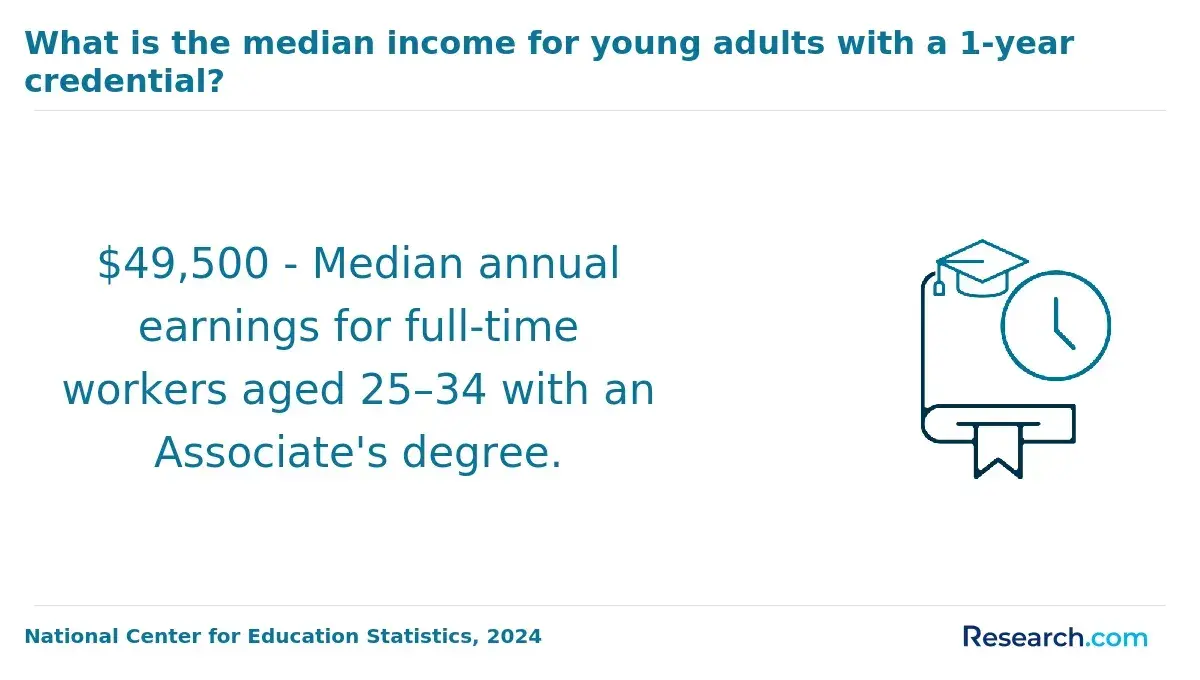
- Associate Degree in Software Development: This degree usually takes about two years to complete when attending full-time. Part-time study or transferring credits from previous coursework can extend or shorten this timeline. Many community colleges offer accelerated or online options, providing flexibility for working students.
- Bachelor's Degree in Software Development: Typically requiring four years of full-time study, this degree offers a comprehensive foundation in software development. Students who enter with AP credits or take summer classes may finish faster, while part-time enrollment can lengthen the duration. Online and hybrid programs are common, allowing for a customized pace.
- Master's in Software Development: These graduate programs generally take one to two years to complete, depending on whether the student attends full-time or part-time. Some accelerated programs allow completion in as little as one year, especially for students with relevant work experience. Online master's degrees are widely available, offering added convenience.
- Doctorate in Software Development: Earning a PhD typically requires three to five years beyond a master's degree. The time varies based on research progress and dissertation completion. Some programs offer part-time or flexible schedules, but this degree usually demands a significant time commitment.
Are There Accelerated Software Development Degree Programs?
Yes, there are accelerated software development degree programs available in the United States that allow students to complete their studies in a shorter time frame compared to traditional paths. These accelerated options often combine bachelor's and master's degrees, enabling learners to earn both within approximately five years instead of the usual six or more. The reduction in completion time is typically achieved through various formats, including condensed courses that last around 7 to 8 weeks instead of a standard 15-week semester, year-round schedules that include summer terms, and course sharing where certain classes fulfill requirements for both undergraduate and graduate programs. Additionally, some fully online programs use continuous, year-round class offerings to allow completion of a bachelor's degree in software development in as little as two and a half years. Such structures enable motivated students to move swiftly through their curriculum and enter the job market faster.
However, these accelerated programs come with important considerations. They demand a high level of workload intensity and commitment, often requiring students to maintain full-time study with little downtime between terms. Eligibility requirements can be strict, including minimum GPA thresholds and prerequisite coursework to ensure students are prepared for the fast pace. Applicants might also need to provide statements of purpose and consult with academic advisors to confirm they can successfully manage the demands. While the investment is rigorous, accelerated programs can save time and tuition costs and align well with the strong job market for software developers, who earn a median annual salary of $127,260. Prospective students should evaluate whether they can sustain the academic rigor alongside any professional or personal responsibilities they may have.
A graduate of an accelerated software development degree program I spoke with shared that while the journey was challenging, the intensity fostered a strong sense of discipline and focus. He described the experience as "a whirlwind of nonstop learning," noting that the condensed course format left little room for distractions but forced him to develop efficient time management skills quickly. He mentioned feeling both exhilarated and overwhelmed at times, especially during back-to-back terms without breaks, but also highlighted the supportive role of faculty advisors who regularly checked in to help him stay on track. Reflecting on the process, he said, "It wasn't easy, but knowing I was moving faster toward my career made every late night worth it." His story underscores how accelerated programs are well suited for individuals willing to embrace challenge and are eager to enter the workforce sooner with a robust software development education.
Are Online Software Development Degrees as Credible as Traditional Ones?
Online software development degrees have become recognized as credible alternatives to traditional on-campus programs, largely because many accredited institutions offer identical curricula, faculty, and assessment standards across both formats. Hybrid models that blend online coursework with in-person labs or internships help preserve the hands-on learning experience critical in software development education. Research from the U.S. Department of Education indicates that students in online learning environments often perform modestly better than their traditional classroom counterparts, demonstrating the effectiveness of well-designed virtual programs. This alignment in academic rigor ensures that online degrees meet the same quality benchmarks expected from conventional degree paths.
Employer acceptance of online software development degrees has seen significant growth in recent years. Surveys reveal that 61% of HR leaders regard online learning as equal or superior in quality to traditional education, and 71% are willing to hire candidates with online credentials. Importantly, 83% of business leaders value degrees from known institutions-whether online or on-campus-equally, while 58% emphasize the institution's reputation as a key factor in credential value. However, degrees from traditional "brick-and-mortar" universities enjoy higher acceptance rates (92%) compared to those from exclusively online schools (42%). Overall, the credibility of a software development degree depends more on the reputation and accreditation of the institution rather than the format in which the degree is delivered.
How Much Does Each Type of Software Development Degree Typically Cost?
Understanding the variations in tuition costs across different software development degree levels is essential for effective budgeting and long-term financial planning. These costs can differ widely depending on factors like degree type, institution, and delivery method. Below is an outline of the typical tuition ranges for each type of software development degree to help prospective students make informed decisions.
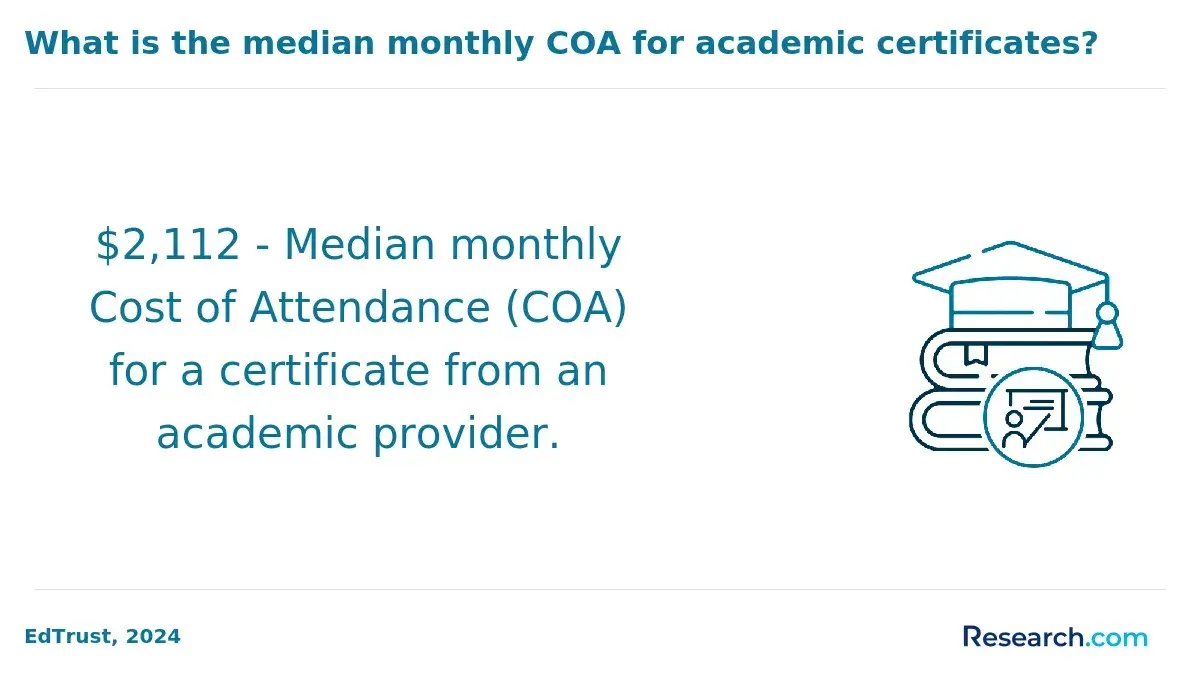
- Associate Degree in Software Development: Tuition typically ranges from $3,000 to $10,000 per year at public community colleges, with private institutions charging up to $20,000 annually. Costs often depend on whether a student is in-district or in-state, and many community colleges provide transfer pathways to bachelor's programs. Financial aid like federal Pell Grants, state grants, and scholarships are commonly accessible at this level.
- Bachelor's Degree in Software Development: The average yearly tuition for a bachelor's degree is around $27,675, although online options can be significantly cheaper. For instance, some online programs may charge between $4,770 and $17,220 annually. Public universities usually offer lower tuition for residents, while private schools tend to be costlier but may provide substantial merit-based scholarships and institutional aid.
- Master's in Software Development: Tuition costs for master's programs range approximately from $10,000 to $30,000 annually, influenced by the institution's prestige and program length. Many students benefit from flexible online formats that can reduce expenses, and financial support options include federal loans, graduate assistantships, and employer tuition reimbursements.
- Doctorate in Software Development: Doctoral programs are generally the most expensive, frequently surpassing $20,000 per year at private institutions. However, many PhD students receive tuition waivers, stipends, or assistantships for teaching and research, which substantially lower their effective costs.
When I spoke with a graduate of a software development degree program about her experience managing tuition costs, she shared insightful reflections. She recalled starting at a community college, which helped minimize her initial expenses, and then transferring to a public university where she found scholarships and part-time work that eased the financial burden.
"Balancing work and study was challenging," she said, "but the investment paid off when I landed a job with a competitive salary soon after graduation." Her story highlights how strategic planning and leveraging multiple financial aid options can make earning a software development degree more affordable and rewarding in the long term.
What Jobs Can You Get with Each Type of Software Development Degree?
The level of degree you earn in software development significantly influences the range of career opportunities and types of roles for which you qualify. Higher degrees often lead to more specialized, senior, or leadership positions, while entry-level degrees open pathways to foundational technical roles. Below is a summary of common jobs associated with each software development degree type to help guide your career planning.
- Associate degree in software development: Graduates typically work as web developers, junior software testers, or entry-level computer programmers. These roles focus on basic coding, building and maintaining websites, or assisting with software testing, often within small businesses or IT firms. The median annual wage for web developers was $78,580 in 2022.
- Bachelor's degree in software development or related fields: This degree usually serves as the standard entry point for software developers, software engineers, and application developers. Graduates design, build, and test software systems across industries like finance, healthcare, and technology. Other job titles include systems analyst, quality assurance engineer, and database administrator, with a median annual wage of $127,260 and a projected job growth of 25% from 2022 to 2032.
- Master's degree in software development or computer science: Advanced knowledge qualifies graduates for senior software engineer positions, solutions architect roles, or research scientist jobs. These positions often involve leading development teams, designing complex systems, or conducting research in fields such as artificial intelligence or cybersecurity within large tech companies or research institutions.
- Doctorate (Ph.D.) in software development or computer science: Ph.D. holders commonly become university faculty, lead research scientists, or principal engineers. Their work may focus on developing new software methodologies, advancing theoretical frameworks, or contributing to groundbreaking projects in academia, government, or industry labs. For those interested in pursuing further education, exploring the cheapest phd programs can be a practical step.
How Do Salaries Differ by Software Development Degree Type?
Degree level often influences earning potential in software development, with higher degrees generally leading to better starting salaries and greater long-term growth opportunities. Understanding these differences can help students make informed educational and career decisions. Below is an overview of typical salary ranges for each major software development degree type to provide clearer insight.
- Associate Degree in Software Development: Entry-level positions with an associate degree usually start between $50,000 and $70,000 annually. These roles typically involve junior or support tasks, and factors like geographic location and industry demand can affect pay. While long-term earning potential may be limited compared to higher degrees, gaining experience or transferring to a bachelor's program can improve prospects.
- Bachelor's Degree in Software Development or Computer Science: A bachelor's degree is often required for most software developer jobs, with a median salary around $133,080 as of May 2024. Starting salaries usually range from $95,000 to $105,000, rising quickly with experience. Higher-paying industries such as software publishing and finance, as well as tech hubs, can drive salaries upward.
- Master's Degree in Software Development or Related Field: Professionals with a master's degree frequently earn $10,000 to $20,000 more per year than those with a bachelor's degree. This degree can open doors to specialized roles and leadership positions, accelerating long-term salary growth, especially in competitive industries or large organizations.
- Doctoral Degree (PhD) in Software Development or Computer Science: PhD holders, although less common in industry, can command salaries exceeding $150,000 in research, academia, or specialized R&D roles. These positions are usually found in high-demand sectors or leading tech companies.
Salary ranges are also shaped by industry, company size, and specific skills, but the degree level remains a core determinant of earning power in this field. Students interested in pursuing quick degrees online that pay well can explore programs that balance education time and future earnings effectively by visiting quick degrees online that pay well.
Is There High Demand for Software Development Degree Holders in the Job Market?
There is a high demand for software development degree holders in the U.S. job market, driven by the rapid evolution of technology and increasing digital infrastructure investments. Emerging technologies such as artificial intelligence, machine learning, cybersecurity, and cloud computing play a significant role in shaping workforce needs. Employers seek candidates skilled in these areas to build scalable, efficient platforms and to integrate AI tools into business solutions. For example, AI-related roles have expanded three times faster than average jobs, experiencing a 38% increase since 2019. Regional differences also influence demand: while tech hubs like San Francisco and New York dominate opportunities, non-tech industries across the country are increasingly investing in digital transformation. This diversification broadens career prospects for graduates beyond traditional tech centers. Additionally, competitive salaries, especially for AI and cloud engineers, reflect the premium placed on specialized skills. For students exploring career paths, exploring certificate courses that pay well can complement a software development degree and boost employability.
The outlook for software development degree holders remains positive, with the U.S. Bureau of Labor Statistics projecting a 17% growth rate for software development roles from 2023 to 2033-much faster than the average for all occupations. This translates into approximately 327,900 new jobs over the decade. Key sectors fueling this growth include investment banking, industrial automation, and healthcare, all investing heavily in advanced technologies and digital transformation. As the market rewards adaptability and upskilling in emerging fields, graduates who combine technical expertise with strategic abilities are well-positioned to benefit. According to U.S. News & World Report, software developer ranks as the second best job in 2025, highlighting strong demand and salary potential for newcomers entering the workforce.
What Factors Should You Consider When Picking a Type of Software Development Degree?
Choosing the right software development degree level is a critical decision that directly impacts your educational journey, career opportunities, and long-term earnings. Aligning your degree choice with both your career goals and personal circumstances ensures you invest your time and resources wisely. Below are key factors to consider when evaluating which software development degree to pursue:
- Career Goals: The degree level influences the types of roles you qualify for in the software development field. Entry-level positions typically require a bachelor's degree, which over 70% of software developers hold. For leadership or specialized roles like software architect or engineering manager, pursuing a master's degree can offer an advantage.
- Time Commitment: An associate degree usually takes two years and enables access to some entry-level jobs but may limit career advancement. A bachelor's degree generally requires four years and is the industry standard, while a master's degree adds one to two years but can open doors to higher-paying and managerial positions.
- Salary Expectations: Higher degree levels often correspond with higher salaries. The median annual wage for software developers was $127,260 in 2022, with those holding master's degrees frequently earning toward the higher end of the pay scale.
- Specialization and Interests: Certain programs offer specialized tracks, such as artificial intelligence, cybersecurity, or data science. Selecting a degree with relevant concentrations helps build expertise aligned with your personal interests and market demand.
- Accreditation and Program Quality: Choosing an accredited program ensures that the curriculum meets industry standards and that your degree is respected by employers, which is vital for your job prospects and career growth.
What Software Development Graduates Say About Their Degree and Salary
- : "Completing my bachelor's degree in software development was a transformative experience that gave me both the technical skills and the confidence to enter the cybersecurity field. The curriculum's strong focus on real-world projects prepared me for complex problem-solving, and the supportive community of peers and professors helped me grow personally and professionally. Since graduating, I've secured a role with a fast-growing tech firm where continuous learning and career advancement are a daily reality. I'm proud to contribute to making digital environments safer for everyone. DeShawn"
- : "After earning my associate degree in software development, I quickly landed a junior developer position that I never imagined was possible so soon. The hands-on training and internship opportunities the program offered gave me a critical edge in understanding the industry's demands. Reflecting on this journey, I realize how much I've matured-not just as a coder, but as a collaborator and problem solver. It's fulfilling to see how my skills directly impact the success of our projects and help our team innovate. Ayesha"
- : "Pursuing a master's degree in software development opened doors to leadership roles that I hadn't anticipated early in my career. The advanced coursework challenged me to think strategically, while the emphasis on mentorship allowed me to give back by guiding aspiring developers from underrepresented communities. Balancing rigorous study with personal growth, I now feel equipped to drive meaningful change both in my company and the broader tech community. This degree has truly elevated my professional and personal impact. Carlos"
Other Things You Should Know About Software Development Degree Programs & Salaries
In 2027, various software development degrees like associate's, bachelor's, and master's degrees offer diverse salary prospects. Associate's degree holders earn between $60,000 and $80,000 annually. Bachelor's degree holders typically earn $75,000 to $95,000. Master's degree holders can command salaries ranging from $90,000 to $120,000.
While certifications can validate specific skills and knowledge, formal software development degrees are often more influential in salary negotiations in 2027. Employers typically view degrees as comprehensive indicators of a candidate's education and abilities, often leading to higher starting salaries compared to certifications alone.
References
- How Credible Are Online Degrees? And are they worth it? https://potomac.edu/are-online-degrees-taken-seriously-by-employers/
- Career Paths with a Bachelor’s Degree in Software Engineering | Gisma https://www.gisma.com/blog/career-paths-with-a-bachelors-degree-in-software-engineering
- How Many Years Does It Take To Study Software Engineering? - Proxify https://proxify.io/knowledge-base/developer-types/how-many-years-does-it-take-to-study-software-engineering
- What Jobs Can You Get with a Software Engineering Degree? https://www.wearedevelopers.com/en/magazine/398/software-engineering-careers
- Software Engineering Programs: Traditional vs. Online Education https://moldstud.com/articles/p-software-engineering-programs-traditional-vs-online-education
- African Leadership University (ALU) https://www.alueducation.com/types-of-software-engineering/
- The 11 Highest Paying Software Engineering Jobs in 2025 https://lemon.io/blog/highest-paying-software-engineering-jobs/
- How Much Does It Cost to Become a Software Engineer? https://www.springboard.com/blog/software-engineering/how-much-does-it-cost/
- Software engineering and software production » Applied Computer Science » | WSZiB Kraków https://www.wszib.edu.pl/en/studies/informatyka-stosowana-studia-magisterskie/software-engineer-i-produkcja-oprogramowania/
- How Much Does Software Development Cost? - Software Mind https://softwaremind.com/blog/how-much-does-software-development-cost-exactly/


