2027 Am I Eligible for a Machine Learning Degree Master's Program? Admission Checklist & Options

Co-Founder and Chief Data Scientist
Determining eligibility for a machine learning degree master's program can be challenging without clear guidance. Many applicants wonder if their undergraduate background, work experience, or academic achievements meet the often specific program requirements. With over 60% of admitted students holding degrees in STEM fields, and an increasing emphasis on programming proficiency, understanding these details is crucial. Additionally, competitive programs frequently expect GRE scores or relevant project portfolios. This article clarifies common eligibility criteria and explores various application pathways, helping prospective students assess their qualifications and navigate admission processes effectively.
Key Things to Know About Machine Learning Degree Master's Program Eligibility
- Applicants generally need a bachelor's degree in computer science, mathematics, engineering, or related STEM fields with strong foundations in programming and statistics.
- Relevant professional experience or research in data analysis, software development, or artificial intelligence can enhance admission prospects significantly.
- Some programs offer conditional admission or bridge courses for candidates from nontraditional backgrounds, expanding access beyond strict academic prerequisites.
What Are the Eligibility Requirements for a Machine Learning Master's Degree Program?
Eligibility requirements for machine learning master's programs are designed to confirm that candidates have the necessary academic preparation and foundational knowledge for graduate-level study. These programs tend to be highly selective; some top-tier institutions admit fewer than 20% of applicants. Key criteria typically focus on readiness across several important areas, as outlined below.
- Academic Background: Most programs prefer candidates holding a bachelor's degree in computer science, engineering, mathematics, or a closely related field to ensure a solid understanding of core concepts critical for success.
- Minimum GPA Expectations: A GPA around 3.0 on a 4.0 scale is commonly required, reflecting consistent academic performance and the ability to handle rigorous graduate coursework.
- Foundational Subject Knowledge: Familiarity with calculus, linear algebra, probability, statistics, and programming is essential, as machine learning heavily relies on these disciplines for algorithm and data model comprehension.
- Professional Readiness: Strong analytical thinking and problem-solving skills are key indicators that applicants can tackle research and real-world machine learning challenges effectively.
- Institutional Admission Standards: Admissions typically involve a formal review of transcripts and credentials, with competitive selection processes varying by institution.
Applicants interested in related fields might explore options such as a BCBA degree, which also emphasizes analytical and technical skills.
Prospective students should also review prerequisite coursework and standardized test requirements for machine learning master's admissions to confirm they meet all eligibility criteria.
What Prerequisite Courses Are Required for a Machine Learning Master's Degree?
Many machine learning master's programs expect applicants to have completed key undergraduate courses to prepare them for the rigorous graduate-level curriculum. According to a 2023 survey of data science programs, over 70% of machine learning master's degrees require students to show competency in foundational quantitative subjects. These prerequisites are essential to ensure students possess the skills needed for advanced study. The core academic preparation typically includes the following courses:
- Calculus: Provides essential skills in understanding continuous change and optimization, crucial for algorithms involving gradients and learning models.
- Linear Algebra: Equips students with knowledge about vectors, matrices, and transformations, fundamental for representing and manipulating large data sets and neural networks.
- Probability and Statistics: Offers a basis for understanding data distributions and uncertainty, which is central to many machine learning techniques.
- Programming: Often focused on languages like Python or Java, this course ensures practical experience with coding and software development, necessary for implementing models.
- Discrete Mathematics: Covers logic, set theory, and combinatorics, helping students grasp the theoretical underpinnings of algorithms and computational complexity.
Prospective students often search for machine learning prerequisite courses for master's programs to confirm they meet the required coursework for machine learning master's admission. Having a strong background in computer science, mathematics, and statistics is critical. Additionally, those interested might explore certificate programs online that can supplement their preparation or fill gaps in prerequisite knowledge.
Do Machine Learning Master's Programs Require GRE or GMAT Scores?
Historically, GRE or GMAT scores have been a standard tool to gauge a candidate's preparedness for graduate studies, including those in machine learning master's programs. Today, about 40% of graduate programs have moved to test-optional policies, signaling significant variation in how these scores are factored into admissions. Several important aspects shape the role standardized tests play in admissions decisions:
- Test-Optional Policies: A growing number of programs do not require GRE or GMAT scores but allow applicants to submit them if they believe it strengthens their profile.
- Academic Readiness Evaluation: Scores are useful for comparing candidates from different academic backgrounds, offering a standardized metric to assess aptitude.
- Program Competitiveness: More selective programs often place greater emphasis on strong test results as an indicator of potential success.
- Alternative Evaluation Methods: Many schools focus more heavily on GPA, research experience, and recommendations, especially when scores are unavailable or not submitted.
- Application Strengthening: For applicants with borderline qualifications, high GRE or GMAT scores can enhance the overall appeal of their application.
One professional who recently earned a machine learning master's degree shared his experience regarding standardized testing requirements. He recalled feeling uncertain about whether to invest time in preparing for the GRE, as program guidelines were not always clear. Ultimately, he chose to submit strong test scores to bolster his application, describing it as "a strategic decision that helped offset some weaker areas in my academic record." He also noted the relief of applying to schools that offered flexibility, which reduced the stress of a high-stakes exam requirement. This firsthand insight highlights how prospective students must weigh program policies and personal strengths when deciding on submitting GRE or GMAT scores.
What Kind of Work Experience Is Required in Machine Learning Master's Programs?
Many master's programs in machine learning view relevant professional experience as a strong sign of an applicant's preparedness and dedication to the field. Research indicates that nearly 60% of admitted students have at least two years of related work experience, which often deepens their practical skills and understanding. This makes work experience requirements for machine learning master's programs a crucial factor when assessing candidates. Common types of valued professional experience include:
- Data Analysis and Data Science: Handling large datasets and using statistical techniques helps applicants develop essential skills for implementing and evaluating machine learning models.
- Software Development: Experience in programming languages like Python, Java, or R, along with software engineering know-how, supports the ability to build and optimize machine learning applications.
- Research Projects: Engagement in AI, statistics, or computer science research demonstrates critical thinking and innovation, traits that graduate programs highly regard.
- Internships at AI/Tech Firms: Practical work involving machine learning solutions or AI tools offers hands-on experience closely related to graduate coursework and industry demands.
- Applied Mathematics and Statistical Modeling: Applying mathematical theories and models to solve real-world problems shows an analytical aptitude important for graduate-level machine learning studies.
Applicants aiming for advanced study may also benefit from exploring various options at online business schools, which can provide complementary skills useful for career growth.
What Documents Are Required for a Machine Learning Master's Degree Application?
Graduate schools generally require a comprehensive collection of academic and supplementary documents to properly evaluate candidates for a machine learning master's degree program. These materials offer insight into an applicant's educational background, motivations, and readiness for advanced study. The main items commonly requested include the following:
- Official Transcripts: Detailed academic records from previous institutions that demonstrate your proficiency in relevant subjects like mathematics and computer science. Admissions use these to confirm your foundational knowledge and ability to handle graduate-level coursework.
- Statement of Purpose (SOP): A personal essay outlining your career aspirations, interest in machine learning, and how the program aligns with your goals. This helps the committee understand your passion and the unique experiences that drive your application.
- Letters of Recommendation: Endorsements from professors or professional supervisors that provide external validation of your skills, work ethic, and potential to succeed in graduate studies. They give a broader perspective of your capabilities.
- Resume or Curriculum Vitae (CV): A summary of your academic achievements, projects, internships, and relevant technical expertise. This document highlights your practical experience and accomplishments beyond grades.
- Application Form and Fee: The official form collects essential personal and academic details, while the accompanying fee covers administrative processing. Both are necessary steps to have your application reviewed.
When I spoke with a prospective graduate student preparing to enroll in a machine learning program, she described the process as both "challenging and eye-opening." She shared that gathering strong letters of recommendation required careful communication with former professors to ensure they could speak to her abilities comprehensively. The statement of purpose, she explained, became a vital opportunity to "tell my story and connect past experiences with future ambitions." While the documentation demands were strict, she found the effort rewarding, saying it gave her "confidence that I was presenting the best version of myself" to the admissions committee.
When Should I Start Preparing My Machine Learning Master's Application?
Beginning the preparation process well ahead of deadlines is essential for applicants targeting master's programs in machine learning, as it helps maintain focus and improves chances of acceptance. Thoughtful planning allows candidates to address important tasks methodically. The following stages outline an effective timeline to manage your application journey.
- 12-18 Months Before Applying: Investigate various programs thoroughly and examine each one's admission criteria. Identify any areas where you need to complete prerequisite courses to strengthen your background before applying.
- 6-12 Months Before Applying: Start composing your personal statements and updating your resume. If standardized tests are required, begin preparing, and reach out to potential recommenders early to ensure they have ample time to write detailed and supportive letters.
- 3-6 Months Before Application Deadlines: Polish and finalize all your application materials, double-check each school's specific submission procedures, and submit your applications punctually. Keep an eye out for additional requests such as interviews or supplementary documents.
Do Universities Offer Conditional Admission for Machine Learning Master's Programs?
Conditional admission serves as a flexible entry pathway offered by some universities to applicants who do not fully satisfy the standard criteria for graduate programs, including those focused on machine learning. Approximately 15% of graduate programs nationwide implement conditional admission to broaden access for students demonstrating promise despite academic shortfalls. Below are five essential aspects explaining how conditional admission functions within machine learning master's programs.
- Eligibility For Conditional Admission: Applicants who narrowly miss academic benchmarks such as specific GPA thresholds or prerequisite coursework may be considered for conditional admission rather than outright rejection, allowing them to begin their studies while addressing deficiencies.
- Common Conditions: Typical requirements include completing missing prerequisite courses in areas like computer science, mathematics, or statistics, or demonstrating academic improvement during an initial probationary period defined by the institution.
- Timelines: Conditions generally must be fulfilled within the first semester or academic year. If the candidate meets the stipulated requirements within this timeframe, they transition to full admission status.
- Benefits For Applicants: This policy offers students a valuable second chance to access program resources, prove their capability in foundational knowledge areas, and establish a track record that supports ongoing success in the machine learning curriculum.
- Program-Specific Variations: Admission policies vary widely by school and program. Some limit the number of conditional seats or enforce stricter academic conditions, so reviewing each program's detailed guidelines is crucial before applying.
Are Admission Requirements Different for Online Machine Learning Master's Programs?
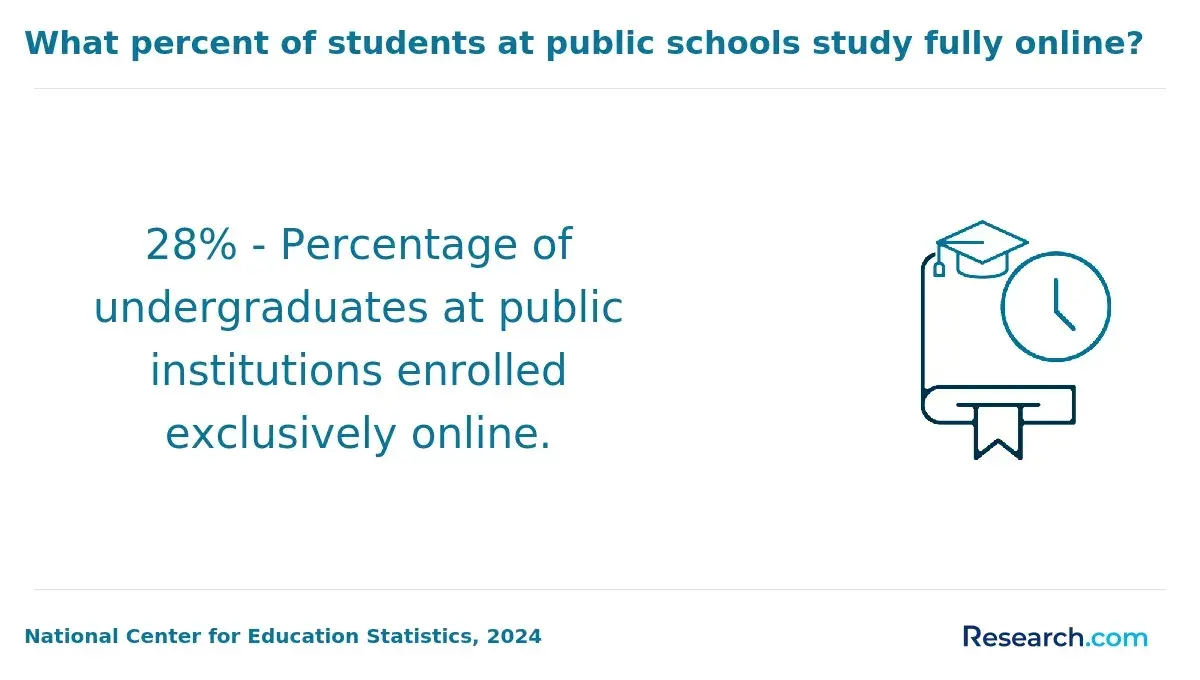
Admission criteria for online machine learning master's programs generally reflect those of traditional on-campus programs in academic rigor, but some variations exist to address the needs of remote learners. Notably, data from the National Center for Education Statistics shows nearly 70% of online graduate programs waived standardized test requirements by 2023, highlighting increasing flexibility in admissions.
Here are key points outlining how online machine learning master's program eligibility criteria and application processes may differ or align with on-campus options:
- Prerequisite Flexibility: Online programs often offer greater flexibility regarding prior academic backgrounds. Applicants with diverse educational or professional experiences may qualify if they complete foundational courses or possess relevant certifications.
- Professional Experience: Work experience can weigh more significantly in online admissions, as many candidates are working professionals seeking to upskill without interrupting their careers.
- Standardized Test Policies: Many online programs waive GRE or GMAT requirements to reduce barriers, although this is not universally applied across all institutions.
- Documentation Procedures: Online applications typically require additional digital identity verification and secure transcript submissions to ensure authenticity and prevent fraud.
- Technological Readiness: Applicants must demonstrate access to reliable internet, compatible devices, and basic technical skills to effectively participate in synchronous or asynchronous coursework.
Prospective students considering an online machine learning master's program should assess whether their qualifications meet these criteria and understand the application options available to them. For those weighing different pathways in higher education, exploring a fastest associates degree may also provide a practical stepping stone toward advanced degrees.
What Are the Eligibility Requirements for International Students Applying to a Machine Learning Master's Program?
International students applying to a machine learning master's program in the US must meet general admission standards as well as additional criteria concerning language proficiency, credential recognition, and eligibility to study in the country. These factors ensure that applicants are academically prepared and can successfully navigate the challenges of studying abroad.
Common requirements typically include the following key areas:
- English Language Proficiency: Demonstrating strong command of English through standardized tests such as TOEFL or IELTS is usually mandatory. This ensures that international students can handle coursework and actively participate in academic discussions.
- Academic Credential Evaluation: Institutions require transcripts and degrees to be evaluated, verifying that the applicant's prior education corresponds to a US bachelor's degree in relevant fields like computer science, mathematics, or engineering. Proper credential evaluation is critical for admission eligibility.
- Visa Eligibility: Prospective students need to secure an F-1 student visa by enrolling in a SEVP-certified institution and providing evidence of compliance with visa regulations. Visa approval is essential for legally studying in the US and pursuing graduate degrees in machine learning.
- Financial Documentation: Proof of adequate funding to cover tuition, living expenses, and related costs must be submitted. This often involves bank statements or affidavits of support to verify that students can sustain themselves during the entire program period.
- Program-Specific Prerequisites: Many programs expect a solid background in programming, calculus, linear algebra, and statistics. Requirements may also include GRE scores or documented research experience in areas linked to machine learning to strengthen an application.
International students exploring advanced degrees should consider options like accelerated MFT programs that may offer different pathways. Meeting the eligibility requirements for international students applying to a machine learning master's program in the US enables stronger candidacy for these competitive opportunities. This knowledge supports informed decisions regarding admission criteria for non-US applicants to machine learning graduate degrees.
What Mistakes Should I Avoid When Applying to Machine Learning Master's Programs?
Awareness of frequent application errors can greatly improve your submission's quality and boost your chances at selective machine learning master's programs. Studies reveal nearly 40% of applications face early rejection due to preventable mistakes. Below are crucial pitfalls to avoid that often undermine candidates' prospects.
- Incomplete Materials: Failing to provide all required transcripts, recommendations, or test results usually triggers automatic disqualification. Applicants should meticulously verify their document checklist before submitting to prevent delays or denial.
- Ignoring Program-Specific Needs: Each program may request distinct prerequisites or essays. Overlooking these details can give the impression of poor preparation and weaken your candidacy.
- Generic Personal Statements: Impersonal or copied essays fail to convey commitment or tailored goals. Craft a narrative linking your experience and aspirations to the program's strengths to stand out.
- Missed Deadlines: Late submission of applications or supporting materials often leads to exclusion, regardless of merit. Implement multiple reminders well ahead of due dates to stay on track.
- Unclear Academic or Career Objectives: Admissions committees seek applicants with well-defined goals aligned to machine learning. Explicitly connecting your background to future plans demonstrates motivation and focus.
What Graduates Say About Machine Learning Degree Master's Program Eligibility
- Augustus: "I chose a Machine Learning master's degree because I was fascinated by how AI can transform industries. The program took me just under two years to complete, balancing full-time work alongside my studies. Navigating the prerequisite math requirements was tough, but breaking down the coursework into manageable modules kept me motivated throughout."
- Antonio: "Reflecting on my experience, pursuing a Machine Learning master's was driven by my passion for data-driven decision-making. The eligibility requirements involved intensive programming backgrounds that I needed to strengthen, which was initially daunting. Despite these challenges, completing the degree in eighteen months greatly expanded my career opportunities."
- Julian: "From a professional point of view, I selected a Machine Learning master's to deepen my expertise in AI applications within business environments. It required me about two and a half years to fulfill all the program's requirements due to a part-time schedule. Overcoming the technical prerequisites, especially in statistics, was challenging but ultimately rewarding."
Other Things You Should Know About Machine Learning Degrees
Yes, having work experience in related fields such as data analysis, software development, or artificial intelligence can enhance your application. It demonstrates practical knowledge and familiarity with the concepts underlying machine learning, which some programs consider favorably during admissions. However, it usually supplements rather than replaces academic qualifications.
Not all machine learning master's programs strictly require a computer science background, but most expect a foundation in programming, mathematics, and statistics. Some programs accept applicants from diverse quantitative disciplines such as engineering, physics, or mathematics, provided they can demonstrate proficiency in relevant skills through coursework or exams.
In 2027, interviews may form part of the admission process for machine learning master's programs. Not all institutions require them, but some use interviews to assess applicants' communication skills and motivation. It's important to check the specific requirements of each program you're interested in.
Having publications can significantly enhance your chances, as it demonstrates research capability and a deep interest in the field. While not mandatory, it can set you apart from other applicants by highlighting your commitment and expertise in machine learning.
References
- Conditional Admission-Prerequisites https://vancouver.nyit.edu/academics/degrees/master-of-cybersecurity-ms/admission-requirements/conditional-admission-prerequisites/
- 12 Mistakes Learners Make When Getting Started with Machine Learning https://apxml.com/posts/common-machine-learning-mistakes-beginners
- No GRE Master's in AI Programs - MastersInAI.org https://www.mastersinai.org/degrees/no-gre-ai-programs/
- Artificial Intelligence (AI) Master's Degree Programs That Don't Require the GRE - AI Degrees Online https://aidegreesonline.com/degrees/masters/ai-programs-no-gre/
- Machine Learning MSc https://www.ucl.ac.uk/prospective-students/graduate/taught-degrees/machine-learning-msc
- Top 10 Mistakes Candidates Make When Applying for Machine-Learning Jobs—And How to Avoid Them https://machinelearningjobs.co.uk/career-advice/top-10-mistakes-candidates-make-when-applying-for-machine-learning-jobs
- When to Apply for Graduate School | Month-by-Month Timeline https://www.scribbr.com/graduate-school/when-to-apply/
- MS-AI Online Curriculum and Degree Requirements https://www.colorado.edu/cs/academics/online-programs/ms-artificial-intelligence-coursera/ms-ai-online-curriculum-and-degree
- How an Online Master’s in AI Can Prepare You for the Future of Tech https://www.ucumberlands.edu/blog/how-online-masters-ai-can-prepare-you-future-tech
- Checking your browser https://www.kaggle.com/general/572616