2026 Animal Science Master's Programs With Practicum Placement Support

Co-Founder and Chief Data Scientist
Deciding on a master's program in animal science often hinges on practicum placement quality, a factor frequently overlooked in admissions materials. The processes used to match students with supervisors and sites profoundly influence hands-on learning and career readiness. Recent data from the National Center for Education Statistics highlights a 17% increase in graduate enrollment of adult learners seeking flexible pathways-indicative of a broader shift toward accommodating diverse backgrounds and career transitions.
For those balancing geographic or professional constraints, understanding how programs ensure accredited placements, qualified supervision, and contingency plans offers critical insight beyond surface-level program claims.
Key Things to Know About Animal Science Master's Programs With Practicum Placement Support
- Practicum placement matching often prioritizes site diversity to expose students to varied livestock systems, but this can limit employer geographic options, challenging students seeking local industry roles and affecting timely workforce entry.
- Supervisors' qualifications influence employer perception of graduate readiness, as industry demand increasingly favors mentors with active research or applied extension roles, signaling practical experience over academic rank alone.
- Programs maintaining strict accreditation compliance often embed contingency plans for placement disruptions, yet these safeguards may extend program timelines and costs, impacting adult learners balancing career and study commitments.
What Are Animal Science Master's Programs With Practicum Placement Support?
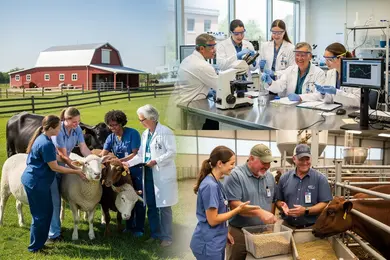
Master's-level practicum placements in animal science represent a rigorous, academically integrated experience markedly distinct from internships or informal fieldwork. These practicums are intentionally designed as structured, credit-bearing components within graduate curricula, calibrated to meet both educational outcomes and professional standards. Contrast this with programs that leave placement procurement to students-those with practicum placement assistance actively facilitate matching students to vetted sites, a critical advantage for individuals lacking robust professional networks or residing outside key agricultural hubs. For example, a career changer in a rural setting may find meaningful field engagement impossible without institutional support connecting them to appropriate farms or research facilities.
Programs offering practicum placement assistance distinguish themselves by several operational features that significantly impact graduate readiness and employability in animal science sectors.
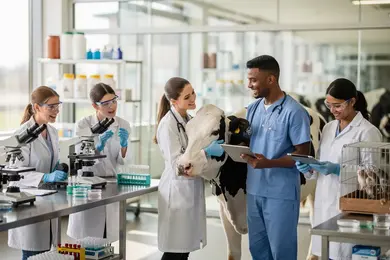
- Structured Supervision: Students are paired with experienced supervisors who offer formal mentorship, ongoing evaluation, and feedback aligned with degree competencies and industry expectations.
- Curricular Integration: The practicum is seamlessly embedded within coursework, ensuring clearly defined learning objectives and assessments tied to academic credit rather than ancillary or volunteer status.
- Placement Support: Institutions proactively manage site identification and student placement matching, reducing barriers that arise from geographic or network constraints common in animal science graduate programs with practicum placement support.
- Access and Equity: These programs address disparities faced by remote learners or those transitioning fields by leveraging partnerships and standardized quality criteria, aiming to provide equitable and relevant real-world experiences.
- Quality Assurance: Ongoing oversight ensures that placements comply with accreditation regulations and industry benchmarks, with contingency measures to address potential site issues that could compromise learning outcomes.
This article will dissect these critical elements to guide prospective students in selecting animal science master's programs with practicum placement support, focusing on programmatic nuances that influence career trajectory and practical engagement rather than admission marketing claims.
Those looking for the best alternatives to an animal science career should explore the various biology degree jobs.
Why Is Practicum Placement Support Critical in Animal Science Master's Programs?
Practicum placement support is a decisive factor that differentiates master's programs in animal science by shaping how effectively students translate academic knowledge into applied skills. Students who fail to secure well-aligned, supervised practicum sites risk entering the workforce with gaps that undermine both licensure prospects and employer confidence, especially when transitioning from unrelated fields or remote areas.
Structured practicum placement is essential, as many licensing boards and professional bodies impose explicit standards requiring documented, supervised field experiences to validate competencies. Absent institutional facilitation, students frequently encounter site selection delays, sites mismatched to their specialization, poor supervision quality, and ultimately, jeopardized credentialing. Programs with robust partnerships streamline these processes, offering assurances that practicum experiences comply with accreditation criteria and professional expectations.
- Placement Risks: Leaving site selection solely to students often results in significant delays, particularly pronounced for those outside urban centers, which can extend program duration and inflate costs.
- Site Mismatch: Without coordinated matching, practicum assignments can misalign with student goals, restricting relevant skill acquisition and reducing immediate postgraduation employability.
- Supervision Quality: Accredited programs mandate supervisors meet professional standards, a safeguard lacking when supervision arrangements are left to students, risking substandard mentorship and unreliable performance evaluations.
- Credentialing Implications: Regulatory authorities frequently require practicum documentation from approved partners to issue professional credentials, making unverified experiences potentially disqualifying.
- Accreditation Compliance: Accrediting agencies emphasize formalized site partnerships and verified training conditions to uphold consistent educational quality across programs.
- Professional Readiness: The calibre of practicum experiences decisively impacts graduates' workforce readiness, affecting confidence, adaptability across diverse settings, and employer perceptions.

How Do Animal Science Master's Programs Structure Their Practicum Components?
Practicum components in animal science master's programs are pivotal for bridging academic theory and real-world skills, but their structure can significantly impact student accessibility and professional readiness. For instance, working professionals balancing family duties may find intensive block placements challenging, while sequential practica spread over semesters might extend program duration beyond practical limits. Understanding these structural trade-offs is essential, especially for those evaluating how animal science master's programs organize practicum placements in line with their personal and career constraints.
Key structural considerations include:
- Timing: Practicums are typically positioned in the latter half of the master's program, ensuring students have acquired foundational knowledge before engaging in applied work, which aligns with typical workforce expectations for preparedness.
- Credit Hours: Programs usually allocate between three to six credit hours for practicum components, balancing academic rigor with the practical time commitments needed to develop industry-relevant competencies.
- Delivery Models: Three common formats exist-sequential practica across multiple semesters offering extended immersion, intensive block placements condensing experience into short periods, and concurrent placements running simultaneously with coursework. Each model affects students differently, particularly those with complex schedules or those in rural areas with limited access to placement sites.
- Integration and Flexibility: Programs that offer adaptable scheduling and diverse site partnerships enhance accessibility for nontraditional students. Assessing how practicum supervision is coordinated helps illuminate the quality and practical relevance of field experiences.
Evaluating these factors in combination with how animal science master's practicum supervision and site selection process are managed can distinguish robust field placement infrastructure from minimal support. For more insight into accelerated pathways integrating practical training with formal credentials, consider exploring the LPN fast track program, which illustrates alternative models of condensed professional preparation relevant for healthcare-adjacent fields.
What Qualifications Do Students Need to Qualify for Animal Science Practicum Placement Assistance?
Securing practicum placement assistance in animal science master's programs hinges on meeting specific academic and professional standards that directly influence a student's eligibility and placement quality. These prerequisites balance safeguarding the institutions and host sites with ensuring students arrive prepared for the practical demands encountered in field and laboratory environments. Overlooking or underestimating these criteria can delay or even derail placement opportunities, particularly given strict timelines tied to course sequencing and regulatory compliance.
GPA Threshold: Most programs enforce a minimum cumulative GPA-commonly near 3.0-reflecting baseline academic readiness necessary for the rigors of applied scientific practice.
Prerequisite Coursework: Completion of foundational topics like animal biology and physiology ensures students possess relevant technical knowledge, which is essential before engaging in supervised, often complex tasks related to animal care and research.
Background Check Clearance: Criminal record vetting protects vulnerable populations and research confidentiality, a non-negotiable requirement reinforcing trust between universities, placement sites, and regulatory bodies.
Immunizations and Health Documentation: Because practicum settings may expose students and animals to zoonotic diseases, up-to-date immunizations and health screenings are mandatory safeguards for all parties involved.
Professional Liability Insurance: Enrollment in liability coverage manages legal risk, signaling responsibility and professionalism-attributes valued by host organizations offering placements.
These conditions are not arbitrary hurdles but essential building blocks supporting institutional partnerships and compliance with evolving legal and ethical standards. Early engagement with programs to acquire detailed timelines for fulfilling each criterion-ideally before or at enrollment-enables strategic course and health planning, reducing the risk of missed practicums or disqualification.
One graduate described the real-world challenges of aligning these qualifications: during a rolling admissions cycle, they delayed finalizing immunization records, uncertain if the program required them immediately. This hesitation resulted in a last-minute scramble to meet deadlines, nearly losing a coveted placement. Their experience underscores the importance of proactive communication with program advisors and early preparation, especially when juggling professional responsibilities alongside academic commitments.
Which Types of Practicum Sites Are Commonly Used in Animal Science Master's Programs?
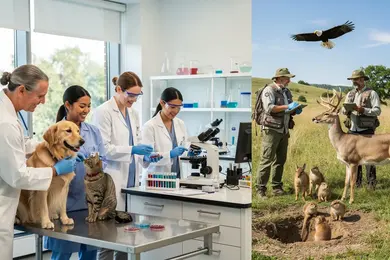
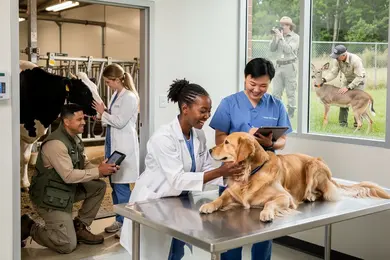
The choice of practicum site in animal science master's programs critically shapes the development of skills and professional orientation, with each setting presenting distinct learning environments and workforce implications. For instance, placements in hospitals immerse students in intensive clinical care, honing diagnostic and decision-making skills essential for high-stakes veterinary roles.
- Hospitals: Exposure to complex cases and advanced technology refines acute clinical competencies but demands adaptability under pressure.
- Outpatient Clinics: These sites emphasize routine health management and preventative care, fostering client communication skills and chronic condition monitoring useful in community-based practice.
- Schools and Universities: Engagement with teaching, laboratory research, or animal husbandry develops scientific communication and strengthens theoretical-practical integration, aligning with academic or research career paths.
- Community Agencies and Nonprofit Organizations: These placements offer experience in animal welfare advocacy and managing diverse populations, essential for roles requiring cross-disciplinary collaboration and public outreach.
- Government Offices: Students learn about regulatory frameworks and policy implementation, preparing for positions involving large-scale program coordination.
- Private Practices: Hands-on clinical experience paired with business operations insight supports entrepreneurial competencies needed for solo or small-group veterinary work.
- Corporate or Workplace Environments: Industry placements emphasize product development and regulatory affairs, sharpening skills relevant to commercial and biotechnological sectors.
The practicum context influences not only technical skill acquisition but also exposure to specific animal populations and professional cultures. Students must evaluate how each site type aligns with their career objectives to ensure the practicum contributes meaningful, employable expertise. Prospective students should investigate how programs distribute practicum placements and clarify to what extent they can select or influence their placement, as this mismatch can limit practical learning and networking opportunities vital for postgraduation success.

How Do Animal Science Programs Match Students With Appropriate Practicum Placements?
Matching students with appropriate practicum sites is a nuanced process that directly impacts the practical value of an animal science master's degree. Programs that rely on a centralized model take full control of placement assignments, which can streamline logistics but limit student choice. Alternatively, hybrid approaches invite students to express site preferences from a vetted list, allowing more alignment with their career focus but requiring programs to balance feasibility constraints. For example, a student seeking experience in livestock management may face fewer placement options in remote regions, affecting how programs weigh geographic proximity against specialization needs.
Key factors influencing placement decisions include:
- Geographic Proximity: Distance affects travel logistics and cost, often restricting options for those outside urban centers. This challenge can be a critical consideration for rural students relying on programs with extended site networks.
- Student Interests: Aligning placements with a student's chosen focus-such as nutrition, research, or animal welfare-enhances relevant skill development but narrows site availability.
- Site Availability: Limited slots and fluctuating capacities at practicum sites require programs to manage demand actively, sometimes using waitlists or alternate placements.
- Supervision Capacity: The presence of qualified mentors is essential for meaningful learning; sites with limited oversight may be excluded despite geographic convenience.
- Accreditation Alignment: Placements must comply with accreditation standards to uphold the credential's integrity and workforce credibility.
Prospective candidates should clarify how far in advance placements are arranged, the extent of their input in site selection, and contingency plans if preferred locations are unavailable. These questions help navigate the practical realities of student practicum placement coordination in animal science programs and support informed decision-making.
For those considering complementary pathways, resources such as a biology degree online may offer relevant connections to related fields.
What Is the Role of Field Supervisors and Faculty Liaisons in Animal Science Practicum Programs?
Supervision quality in animal science practicum programs can decisively shape the skill set students leave with and their preparedness for professional roles. Unlike faculty liaisons, who maintain academic oversight, field supervisors provide hands-on guidance in work environments, making their qualifications and engagement pivotal. For example, a student placed at a rural veterinary clinic might rely heavily on an experienced field supervisor's practical expertise, while the faculty liaison ensures the practicum aligns with degree requirements. The differing responsibilities create an essential balance between applied learning and academic rigor.
- Field Supervisors: Industry professionals directly managing daily tasks, requiring relevant licensure or specialized credentials and often several years of practical experience to mentor students effectively.
- Faculty Liaisons: Academics who connect the student with the practicum site, monitor progress through site visits or regular updates, and intervene when placement challenges arise.
- Minimum Qualifications: Typically include active professional licensure approved by governing boards and a minimum of three to five years' experience in the animal science specialty to ensure credible mentorship and safety.
- Supervision Impact: Variance in supervisor involvement can cause significant differences in skill acquisition; inconsistent or underqualified supervision risks leaving students unprepared for workforce demands.
- Communication Protocols: Prospective students should rigorously evaluate how faculty liaisons maintain contact during the practicum, the frequency of oversight visits, and established procedures for addressing conflicts or inadequate supervision.
One graduate recounted navigating rolling admissions while waiting for practicum placement clarity. Delays in confirming a qualified field supervisor at an off-campus site caused considerable uncertainty, compelling a pause before committing to a program. This graduate emphasized that early, transparent communication with faculty liaisons was critical to avoid entering a practicum with unclear supervision standards, ultimately influencing their choice to accept an alternative program where oversight roles were more clearly defined and promptly communicated.
How Do Animal Science Programs Support Students Who Face Challenges Securing a Practicum Site?
Programs that merely list practicum sites without robust support leave many master's students in animal science vulnerable to placement failures that can delay graduation or limit employability. Those who struggle to secure or complete a practicum often face geographic scarcity, credential processing delays, or personal hardships that demand active, coordinated interventions rather than passive site directories. Recent enrollment trends show a growing preference for programs offering explicit practicum support, reflecting an understanding that early and transparent matching processes reduce last-minute site disruptions that compromise skill acquisition. This practical infrastructure includes a dedicated practicum coordinator and documented contingency protocols that minimize downtime and ensure accreditation compliance.
- Geographic Scarcity: Programs serving rural or less accessible regions maintain regularly updated, vetted databases of diverse practicum sites, moving beyond large farms and research institutions to include smaller, community-focused operations to expand placement options.
- Competitive Demand: With multiple programs vying for limited sites, proactive coordinators manage transparent assignment systems, negotiate site-sharing agreements, and initiate early matching cycles, critical since delays reduce placement availability and affect student progression.
- Credential and Clearance Delays: Streamlined administrative support with clear checklists and proactive reminders accelerates processing of health clearances and background checks, which employers often require before site access.
- Mid-Placement Site Failures: Well-documented contingency plans enable fast reassignment, preventing skill gaps that can adversely impact a student's employability or program accreditation.
- Personal Hardships: Confidential communication channels provide tailored assistance including timeline adjustments, remote project options, and mental health support for students facing unexpected challenges.
Students with employment restrictions, specialized career goals, or those in rural areas should rigorously inquire about these practicum site placement support for animal science master's students before selecting a program. Understanding coordinator availability, contingency planning, and site diversity informs decisions that directly affect employability prospects and degree completion.
For career changers moving from allied fields, such as nursing or health sciences, exploring parallels with acute care nurse practitioner programs highlights how structured practicum support translates into workforce readiness across disciplines.
What Accreditation Standards Govern Practicum Requirements in Animal Science Master's Programs?
Accreditation standards governing practicum requirements in animal science master's programs directly influence graduate readiness and employability by setting benchmarks that ensure meaningful, supervised field experience. For example, graduates applying for licensure or advanced study may face credential verification challenges if practicum placements were not conducted under recognized accreditation conditions. Understanding these standards helps students evaluate how well programs facilitate real-world skill development through structured practicum support.
- Regional Institutional Accreditors: These accreditors, like the Higher Learning Commission or Southern Association of Colleges and Schools, assess overall academic quality and require that practicum components be integrated into the curriculum with sufficient supervision. However, they rarely specify detailed practicum standards unique to animal science master's programs.
- Professional Accreditation Agencies: While no universal national accreditor exists exclusively for animal science, organizations such as the American Society of Animal Science recommend practicum guidelines that include site approval protocols, defined minimum hours-typically between 200 and 400-and student-to-supervisor ratios of around 10:1, emphasizing individualized mentorship.
- Programmatic or Specialty Accrediting Bodies: For specialized tracks linked to veterinary or agricultural sciences, entities like the Association of American Veterinary Medical Colleges require stricter practicum supervision ratios, documented learning objectives, approved site diversity, and contingency plans to address placement disruptions.
Compliance with these accreditation standards matters beyond program quality; licensing boards, employers, and advanced degree programs often confirm that practicum experiences meet recognized criteria before accepting credentials, underscoring the practical consequences of accreditation adherence for career progression. Prospective students should request written confirmation of current accreditation status and review specific practicum requirements with admissions offices before committing. This due diligence is particularly important for individuals balancing geographic constraints or transitioning from adjacent fields, as it clarifies program support for placements and supervision essential to their success.
Those exploring flexible educational pathways can also compare these accreditation factors when considering accredited online MPH programs easy to get into that offer practicum support, helping to contextualize animal science master's program options within broader professional preparation standards.
How Do Online and Hybrid Animal Science Master's Programs Handle Practicum Placement Support?
Online and hybrid animal science master's programs encounter a distinct operational challenge: securing valid practicum placements for students scattered across diverse jurisdictions. The necessity of locally approved supervisors and compliant site agreements is non-negotiable, yet students residing in different states face widely varying regulatory requirements and practical obstacles. This geographic fragmentation forces programs to adopt tailored solutions, each carrying tradeoffs that impact the quality and accessibility of field experience-an essential component employers scrutinize when evaluating graduates.
- Nationally Networked Site Databases: Programs often rely on extensive, pre-approved networks of practicum sites to expedite placements. While this system benefits students near major hubs or well-represented regions, it struggles to address specialized placements or support those in remote areas without nearby approved supervisors.
- State-Specific Placement Coordinators: Assigning coordinators for individual states enhances oversight and licensing compliance, fostering stronger relationships with local supervisors. This model demands considerable program resources and may limit scalability, but it often results in smoother authorization processes and better-aligned practicum experiences for students.
- Partnerships With Multi-Site Organizations: Aligning with institutions that operate nationally can standardize supervision but risks concentration of opportunities in urban centers, potentially sidelining rural students who face fewer local options.
- Student-Identified Site Approval Workflows: Allowing students to propose sites introduces flexibility and personal agency but shifts the burden of finding qualified supervisors onto the student, which can delay placements or reduce site quality if local contacts are lacking.
- Licensing and Accreditation Complexities: Candidates must evaluate if placement sites meet state-specific licensure criteria, as variations can affect the long-term portability of their credential and restrict certain career paths, particularly in states with stringent regulations or limited reciprocity.
- Support for Rural or Underserved Students: Programs vary widely in formalized assistance available; committed ones provide targeted frameworks to overcome rural constraints, which is critical given the rising demand for qualified professionals beyond metropolitan areas.
Prospective students should inquire about the number and geographic distribution of successful placements a program has coordinated, especially across states exhibiting differing supervision standards. Understanding these operational details aids in assessing whether a program's field placement infrastructure aligns with one's location and career goals, especially as employer expectations increasingly favor graduates with verified, compliant practicum experience.
What Graduates Say About Animal Science Master's Programs With Practicum Placement Support
- Marjorie: "Balancing a full-time job while enrolled in the animal science master's program was a real challenge, but the practicum placement made the difference when I had to decide whether to continue or pause my education. Choosing a program with strong industry connections gave me an internship that ended up securing me a position in a research facility shortly after graduation. However, I quickly learned that employers valued hands-on portfolio work over just the degree, so I spent extra time developing that during my placement."
- Douglas: "After switching careers from business to animal science, I faced a tight budget and limited time to upskill, which made choosing a program with practicum support essential. Opting for one with flexible remote internship opportunities allowed me to gain relevant experience without relocating. Although the starting salary was lower than I hoped, the practical skills I acquired opened doors to advanced certifications I'm pursuing while working, which I believe will help with future advancement."
- Ethel: "The decision to enroll in an animal science master's program with an embedded practicum was driven by my desire to enter the workforce quickly despite being a fresh graduate. The internship I secured through the practicum was competitive, and I saw firsthand how employers prioritize demonstrated skills and completed projects over just degrees or licenses. While I enjoy the flexibility of my current role, I recognize that without licensure, salary growth will have its limits, so I'm already planning my next steps carefully."
Other Things You Should Know About Animal Science Degrees
Students should inquire about how placements are sourced, the diversity and relevance of practicum sites, and the qualifications of on-site supervisors since these factors directly influence learning quality and professional networking. Programs with a centralized, transparent matching system that aligns student interests with employer needs typically provide better outcomes than those relying on self-placed or minimal support models. Additionally, asking about contingency plans for site availability and support for students in remote areas helps anticipate challenges that can delay graduation or reduce practicum value.
Practicum placements serve not only as learning experiences but also as pivotal networking and career-launching opportunities. Students who select programs with robust placement offices that actively facilitate employer introductions and feedback loops tend to secure stronger job offers post-graduation. Prioritizing programs that integrate reflective assessments and employer evaluations helps students tailor their skills to market demand, making the practicum a strategic stepping stone rather than a mere academic requirement.
Practicum hour requirements vary significantly but generally range from 120 to 300 hours, reflecting differences in program rigor and accreditation standards. Candidates need to understand that higher hour requirements usually mean deeper, hands-on engagement, which can be more demanding but better prepare them for complex roles in animal health, management, or research. Conversely, programs with fewer practicum hours may offer more flexibility but risk limiting the practical experience that employers prioritize, especially in competitive job markets.
Public universities often have broader partnerships with government agencies and large-scale agricultural operations, offering diverse and sometimes more affordable practicum options but potentially less individualized placement support due to larger student bodies. Private universities may provide more tailored and actively managed practicum experiences, emphasizing niche industry connections or specialized research projects, albeit sometimes at a higher cost. Prospective students should weigh whether they prefer volume and variety of placements or personalized matching and consider how each model aligns with their career goals and financial capacity.
References
- Animal Science - Warsaw University of Life Sciences https://www.sggw.edu.pl/en/kierunki-sggw/animal-science/
- Contact Us https://nias.gov.ng/accreditation-curriculum/
- Animal Science major: University of Hohenheim https://www.uni-hohenheim.de/en/agricultural-sciences-masters-major-animalscience
- Animal Science Skills (Animal Care) - Cork College of FET - Douglas Street Campus https://douglasstreetcampus.ie/our-courses/applied-sciences/animal-science-skills-animal-care/
- Field - Become a supervisor https://socialwork.ucalgary.ca/field-education/become-field-instructor
- Vol.56 - Num 2, June 2012 https://nactaarchives.org/index.php/vol56-num-2-june-2012/1973-elements-and-analysis-of-an-internship-program-in-animal-science
- ASPCA Internship in Applied Animal Welfare Research https://www.aspca.org/about-us/careers/aspca-internship-applied-animal-welfare-research
- Best Educational Programs: VETERINARY MEDICINE https://hedclub.com/en/library/Best_Educational_Programs_137
- Animal Science Internships Abroad - Animal Health & Care https://www.ceastudyabroad.com/job-description/animal-sciences
- MSc in Animal Production Management https://ww.studyinpoland.pl/en/programme