
2027 Art History Degree Careers That Do Not Require Graduate School

Co-Founder and Chief Data Scientist
Newly graduated with an art history degree, a recent graduate surveys the job market and finds that while museum curators and university lecturers typically require graduate degrees, there are viable entry-level roles such as gallery assistants, art appraisers, and cultural heritage technicians that welcome bachelor's degree holders. According to the National Center for Education Statistics, only about 30% of art history graduates pursue advanced degrees, reflecting a substantial proportion seeking immediate employment opportunities. This article explores which art history career paths do not require graduate school yet offer strong long-term employability and growth potential.
Key Things to Know About the Art History Careers That Do Not Require Graduate School
- Many art history careers allow direct workforce entry with a bachelor's degree, particularly in galleries, museums, and cultural institutions offering entry-level roles.
- Employers often prioritize practical skills and relevant internships over graduate credentials, shaping accessible hiring practices for bachelor's-level candidates.
- Internships, certifications, and hands-on experience frequently outweigh advanced degrees in securing jobs, supporting meaningful long-term career growth without graduate school.
What Career Paths Can You Pursue with a Art History Degree Without Graduate School?
Many holders of a bachelor's degree in art history enter the workforce immediately, finding roles across varied industries that leverage their cultural literacy and organizational skills. Approximately 60% of art history bachelor's degree holders secure employment within a year without pursuing graduate school, reflecting strong hiring trends for bachelor's-level candidates in entry-level art history jobs without a master's degree. Opportunities will differ depending on the role and current industry demand.
Here are some career paths accessible directly after earning a bachelor's degree in art history:
- Museum Technician or Assistant: These positions focus on managing collections and supporting exhibit preparation. The roles emphasize practical experience and knowledge in art history, which bachelor's programs provide, making them accessible without graduate study.
- Gallery Coordinator: Graduates support gallery operations by organizing exhibitions and liaising with artists. The foundational art history education equips them with the necessary context and communication skills valued for these entry-level opportunities.
- Art Appraiser Assistant: This role involves assisting with artwork valuation and provenance research. Bachelor's-level expertise supplies relevant historical knowledge essential for entry-level positions without requiring advanced certification.
- Educational Program Coordinator: Cultural institutions rely on graduates to develop tours and workshops. A broad understanding of art history and effective communication fostered at the bachelor's level suits these roles well.
- Editorial or Publishing Assistant: Art magazines and publishing houses seek graduates for research and content development roles. Bachelor's degree holders are valued for their subject matter familiarity, supporting hiring into these positions without graduate school.
Those pursuing the cheapest easiest online degree options can also consider art history as a versatile major that supports many of these entry fields, making it a practical choice for students focused on immediate employability after undergraduate study.
What Are the Highest-Paying Jobs for Art History Degree Graduates Without a Graduate Degree?
Graduates holding a bachelor's degree in art history can find well-paying careers without pursuing graduate studies, especially in positions where employers prioritize practical knowledge and bachelor's-level qualifications. According to the U.S. Bureau of Labor Statistics, median salaries for these roles typically range between $50,000 and $90,000 annually, reflecting strong market demand and specialized skill sets.
Below are some higher-paying career paths available to art history graduates at the bachelor's level:
- Art Appraiser: Professionals in this role evaluate artwork for collectors, insurance firms, and auction houses. High pay results from the direct financial impact of precise valuations on expensive transactions and the need for expertise and meticulous attention to detail.
- Museum Curator Assistant: Supporting senior curators, assistants handle collection care and exhibit organization. These positions offer competitive salaries because they play a vital role in cultural preservation and public engagement within museums and galleries.
- Art Dealer or Sales Representative: Sales experts in the art market leverage their extensive art history knowledge to authenticate artworks and facilitate sales. Their ability to connect buyers and sellers often leads to significant commissions and bonuses that enhance earning potential.
- Cultural Resource Management Specialist: CRM specialists focus on preserving historic sites and artifacts. Many positions require only a bachelor's degree and provide strong compensation due to the critical legal and cultural importance of their work.
- Art Conservation Technician: Supporting conservators, these technicians specialize in protective restoration techniques for valuable artworks. Their specialized material knowledge and role in safeguarding cultural heritage contribute to competitive salaries.
What Skills Do You Gain from a Art History Degree That Employers Value?
Art history degree programs foster a variety of transferable skills highly sought after by employers, especially in roles that do not require graduate degrees. A 2023 survey by the National Association of Colleges and Employers found that over 85% of employers prioritize abilities like communication, critical thinking, and problem-solving when hiring recent graduates. These skills provide a solid foundation for workplace success across many industries.
Below are some key skills cultivated through art history studies that employers find valuable:
- Critical Analysis: Students develop the ability to carefully evaluate artworks and historical contexts, which enhances their capacity to assess information and solve problems logically. This analytical mindset is essential for making well-informed decisions and interpreting trends in professional settings.
- Research Proficiency: Rigorous study involves investigating diverse sources and synthesizing complex data. This experience equips graduates to collect and manage information accurately-a critical asset in roles like administration and marketing.
- Effective Communication: Crafting structured arguments and presenting nuanced ideas improves both written and verbal communication skills. These competencies are valued in many entry-level positions that require clear reporting and collaboration.
- Attention to Detail: Examining artworks closely trains students to be meticulous and organized, traits that translate well to tasks needing precision, such as project management or quality control.
- Cultural Competency: Exposure to global artistic traditions fosters adaptability and understanding of diverse perspectives, supporting inclusive teamwork and customer interactions.
A graduate with an art history degree shared how their honed research and communication skills helped them navigate their first job in nonprofit outreach, remarking that "translating complex information into engaging stories was challenging at first but quickly became my strongest asset when connecting with community partners."
What Entry-Level Jobs Can Art History Graduates Get with No Experience?
Many art history graduates secure entry-level positions soon after completing their bachelor's degree, even without prior professional experience. Employers frequently design these roles to welcome recent graduates, enabling them to start their careers without graduate school or an extensive job history. Research shows that about 60% of art history degree holders find work within a year in jobs that do not require advanced degrees.
Below are several common roles that align well with entry points for art history graduates in the workforce:
- Museum Technician Roles: These positions offer structured opportunities for graduates to engage in cataloging, artifact care, and collection management. Employers often provide training that supports early development and suits candidates seeking no experience jobs for art history majors.
- Gallery Assistant Positions: Art galleries usually hire recent graduates to assist with exhibitions and client interaction. These roles leverage the academic background of candidates while prioritizing enthusiasm and adaptability, emphasizing art history bachelor degree job opportunities.
- Archivist Assistant Jobs: Organizing and preserving archival materials is accessible to entry-level hires who can apply research skills gained during their studies. This pathway is common among art history entry-level roles hiring recent graduates.
- Art Education Aides: Schools and community programs sometimes recruit graduates to support educational outreach, focusing on communication abilities rather than prior work experience. This reflects employer expectations for art history bachelor graduates in early career art history positions no experience required.
Graduates interested in expanding their qualifications may consider pursuing an online MLIS, which can open additional career pathways beyond initial art history job openings for new graduates.
What Certifications and Short Courses Can Boost Art History Careers Without Graduate School?
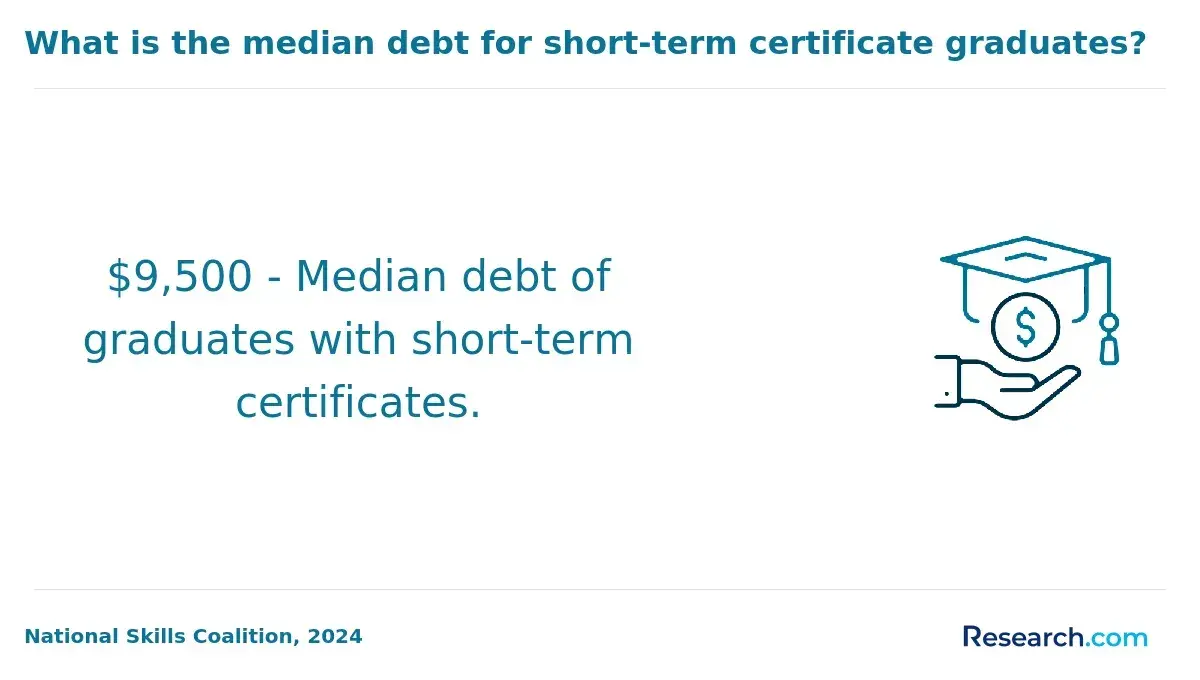
Certifications and short courses provide art history graduates with practical skills that increase their competitiveness in the job market, especially for those who opt out of graduate studies. These focused credentials help bridge the gap between academic knowledge and the demands of cultural sector employers, boosting career progression. A recent study showed that 67% of cultural employers prioritize candidates with such specialized training when hiring.
The following credentials are particularly valuable for enhancing employability:
- Museum Studies Certificate: Offers insight into the core functions of museums, such as collection management and exhibition planning, which equips graduates for roles in curation and education without further academic training.
- Art Conservation Training: Teaches techniques essential for preserving artworks, opening doors to technical positions in conservation and galleries that require hands-on expertise.
- Digital Archiving Courses: Focus on managing and digitizing collections, addressing the growing need for digital skills in cultural organizations and improving candidates' technical proficiency.
- Grant Writing Workshops: Develop skills in securing funding for arts initiatives, an asset for roles in nonprofit and cultural sectors that require financial resourcefulness.
- Art Market Certification: Provides understanding of art valuation and sales processes, beneficial for careers tied to galleries, auctions, and art trade.
One professional with an art history degree shared how completing a museum studies certificate was transformative. Initially hesitant due to balancing work and study, they found the curriculum hands-on and directly applicable to daily museum tasks. The program's clear focus on practical skills enhanced their confidence and made them a more appealing candidate for a coveted fellowship. They noted, "It wasn't just theory; it was about what museums really need," highlighting how the certification expanded career possibilities without requiring graduate school.
Which Industries Hire Art History Graduates Without Graduate Degrees?
Employment prospects for art history graduates without graduate degrees differ widely by industry. Some sectors are notably receptive to bachelor's-level candidates due to broad workforce requirements and diverse role availability. Nearly half of art history bachelor's degree holders secure jobs within museums, galleries, and cultural organizations without pursuing advanced education.
Several industries stand out for their openness to graduates without graduate credentials:
- Museums and Cultural Institutions: These entities often recruit for various support roles like curatorial assistants or visitor services, relying on a steady influx of bachelor's-level staff to manage exhibitions and programs.
- Art Galleries and Auction Houses: Many entry-level positions in sales, cataloging, and client relations are available to graduates, especially in organizations focusing on commerce and sales operations.
- Publishing and Media: Editorial and research roles in art-focused magazines, websites, and catalogs frequently prioritize knowledge and writing skills over advanced degrees, welcoming recent art history graduates.
- Arts Administration and Nonprofits: Nonprofit organizations demand project management and outreach support, roles commonly filled by bachelor's holders whose communication abilities are valued.
- Education and Outreach: While formal teaching usually requires certification, many cultural centers and community programs hire graduates for assistant and facilitator roles due to ongoing program needs.
What Freelance, Remote, and Non-Traditional Careers Are Available for Art History Graduates?
Non-traditional career structures create more accessible pathways for art history graduates by reducing reliance on formal workplace settings and traditional employment models. Digital and independent work formats allow individuals to gain experience and contribute meaningfully without pursuing graduate-level education. According to a Gallup report, around 45% of U.S. workers engage in some form of remote work, a trend that increasingly benefits graduates with bachelor's degrees in art history and related fields.
The following outlines key freelance, remote, and project-based opportunities that provide flexible entry routes for art history graduates:
- Distributed Research and Content Creation: Many cultural institutions and digital platforms seek contributors who conduct research or develop specialized content remotely. This independent work is often coordinated via digital collaboration tools, enabling participation from various locations.
- Digital Curation and Virtual Exhibitions: With the rise of online collections and virtual museums, freelancers curate and interpret artworks while managing digital assets. This role leverages technology and remote teamwork, removing geographic barriers.
- Project-Based Consulting and Writing: Freelance consulting for galleries, auction houses, or educational programming involves flexible contracts focused on research, provenance, or content creation. Writing for art publications and blogs also offers remote, task-specific engagements.
- Online Education and Tutoring: E-learning platforms enable art history graduates to teach and tutor remotely, offering courses or personalized instruction without requiring classroom presence or advanced degrees.
- Digital Marketing and Social Media for Art Institutions: Art history experts contribute to managing online engagement and content creation, combining subject knowledge with digital outreach while working independently.
How Can You Build a Career Without Graduate School Using a Art History Degree?
Many art history graduates begin building careers by entering the workforce directly after earning a bachelor's degree, taking advantage of entry-level roles that provide practical experience and workplace exposure. Approximately 70% of art history bachelor's degree holders find employment within a few years without pursuing advanced degrees, reflecting the demand for versatile skills in cultural institutions, galleries, and related sectors. Early career momentum often depends on internships or assistant positions that help develop industry-specific competencies and build professional networks, setting the stage for future advancement in the field of how to build a career without graduate school using an art history degree.
Long-term growth without graduate school typically comes from progressing within organizations and expanding job responsibilities over time. Career development emphasizes ongoing professional engagement, mentorship, and applied learning rather than formal education, allowing graduates to take on evolving roles across museums, education, publishing, and arts administration. This pathway highlights how progression can result from experience and adaptability, varying by position and organizational needs. For those considering further education options, resources like the easiest MSW to get into may offer insights into accessible graduate programs relevant to career growth in related fields.
What Are the Pros and Cons of Skipping Graduate School for Art History Careers?
The decision to skip graduate school is a common pathway for many art history majors seeking to enter the workforce earlier. This choice can speed up initial employment but may affect long-term career development depending on one's professional goals. Statistics show that about 60% of art history graduates without an advanced degree find employment within a year, though earnings tend to be lower compared to those with master's degrees.
Consider these key pros and cons of skipping graduate school:
- Early Workforce Entry: Graduates can begin gaining practical experience and earning income sooner, avoiding the opportunity costs and debt associated with advanced degrees.
- Flexibility in Career Exploration: Without the commitment to graduate studies, there's more room to explore various roles and industries, including galleries, nonprofits, and community projects.
- Long-Term Progression Limits: Certain elite institutions and specialized positions often require a master's degree, which may restrict advancement opportunities over time.
- Networking and Specialization: Graduate programs offer access to specialized knowledge and professional networks that can be valuable in competitive sectors.
Careers with an art history degree without graduate school remain viable, especially in smaller or less formalized organizations. For those balancing education with other responsibilities, exploring degrees for moms going back to school can be a helpful resource when considering timing and format of further education. Understanding the advantages and disadvantages of skipping graduate school for art history careers supports informed decision-making aligned with individual aspirations and market realities.
What Are the Real-World Career Outcomes and Job Market Trends for Art History Graduates?
Graduates with a bachelor's degree in art history entering the workforce without further graduate education typically encounter a competitive job market characterized by varied opportunities and salary ranges. Broad employment patterns show that roles accessible to these graduates often include positions in cultural institutions, retail arts, and educational support, with typical salaries spanning approximately $35,000 to $55,000 annually. Labor market participation trends indicate some concentration in entry-level or support roles, reflecting moderate barriers to entry across many positions. Those tracking art history bachelor's degree job placement trends find that success often depends on adaptability and acquiring complementary skills to stand out.
Job market outcomes for art history graduates without graduate school differ widely based on sector and role type, shaped by broader economic and cultural factors rather than a single career path. While harder-to-enter careers may offer higher pay, exceptions exist where competitive public sector roles might not align with this trend. Opportunities span nonprofit museums, commercial galleries, and private collections, with compensation influenced by institutional budgets and geographic factors. Prospective students interested in advanced interdisciplinary training may also explore MLIS programs, which can diversify career outcomes within related fields.
What Graduates Say About Art History Careers Even Without Pursuing Graduate School
- Romeo: "Graduating with a degree in art history gave me a unique advantage when stepping into the workforce. I found that the analytical and research skills I developed translated well to roles in marketing and content creation. Reflecting on my early career, I appreciate how my education allowed me to approach problems creatively while grounding my decisions in solid historical context."
- Aidan: "As an art history graduate who chose not to pursue graduate studies, I found that my degree opened doors in museum administration and nonprofit organizations. The ability to communicate complex ideas clearly was often cited by employers as a strength in my applications. Looking back, I believe the degree offered me a versatile foundation that prepared me for diverse early career challenges."
- Luke: "Starting my career without going to grad school, I was initially unsure how valuable an art history degree would be outside academia. However, I discovered that it equipped me with critical thinking and cultural awareness skills that are highly valued in the corporate world. I often tell friends that my degree gave me a distinctive perspective that sets me apart in any professional setting."
Other Things You Should Know About Art History Degrees
In 2027, art history graduates without a graduate degree can pursue careers in museum education roles. Many museums offer entry-level positions or educational programs where they can develop their skills and advance their careers by engaging visitors and planning educational activities.
Art history graduates can pursue careers in art criticism, journalism, and writing without graduate degrees by building strong portfolios and gaining experience through internships or freelance work. Success depends on developing clear analytical skills and an ability to communicate art concepts to broad audiences. Networking with galleries and publications also helps establish a foothold in the field.
Networking is crucial for finding job opportunities and mentorship in art history fields without graduate school. Attending gallery openings, lectures, and industry events can connect graduates with professionals who may offer guidance or job leads. Strong relationships often lead to unpaid internships or volunteer roles that provide valuable experience and increase employability.
Internships provide hands-on experience and help graduates understand the practical operations of art institutions and galleries. They often serve as stepping stones to permanent positions. Even unpaid internships can be worthwhile as they expand professional networks and enhance résumés, making candidates more competitive in the job market.
References
- What Can You Do With an Art History Degree? https://willamette.edu/academics/college/art-history/career-options
- Telecommuting Art Jobs https://www.virtualvocations.com/q-telecommuting-art-jobs.html
- Remote Entry Level Artist Jobs | Working Nomads https://www.workingnomads.com/remote-entry-level-artist-jobs
- 15 Useful Skills You Learn As An Art History Major https://www.businessinsider.com/art-history-major-skills-2014-2
- Careers for Art History Majors: 15 Jobs That Use Your Degree | Extern https://www.extern.com/post/careers-for-art-history-majors-guide
- Jobs and Opportunities - For Art History https://forarthistory.org.uk/jobs/
- The Art Institute https://www.theartinstitute.co.uk/us/en/blog-art-history-graduates-1
- 9 Jobs You Can Get With an Art History Degree (and the Skills You Can Take to Any Role) | The Muse https://www.themuse.com/advice/art-history-major-degree-jobs
- Art Careers: Everywhere an Art Degree Can Take You in 2025 | Sessions College https://www.sessions.edu/notes-on-design/art-careers-everywhere-an-art-degree-can-take-you-in-2025/
- Certificate Program in World Art History https://smithsonianassociates.org/ticketing/certificate/world-art-history/


