
2027 Best Applied Psychology Degrees for Working Adults

Co-Founder and Chief Data Scientist
Working adults often struggle to find flexible education options that complement their demanding schedules while advancing their careers in fields like human resources or organizational development. Applied psychology degrees offer practical knowledge to improve workplace dynamics and employee well-being, yet many programs overlook working professionals' needs. According to the U. S. Bureau of Labor Statistics, employment in psychology-related workplace roles is projected to grow 8% from 2021 to 2031, highlighting rising demand.
This article explores the best applied psychology degrees designed specifically for adults balancing full-time work, focusing on program flexibility, accreditation, and career outcomes to guide informed decisions.
Key Things to Know About Applied Psychology Degrees for Working Adults
- Many applied psychology programs offer flexible online or hybrid formats, allowing working adults to balance professional and academic commitments without relocating or disrupting work schedules.
- Accelerated degree options enable faster completion, with some programs allowing students to finish in as little as 18 months, catering to career advancement needs.
- Employers often value applied psychology skills for improving workplace dynamics, with 70% of graduates reporting increased job performance and promotion opportunities within two years.
What Are the Best Applied Psychology Degrees for Working Adults?
The definition of the best applied psychology degrees for working adults varies widely depending on schedule flexibility, career alignment, and return on investment. Programs that accommodate full-time employment through online education and part-time enrollment are increasingly popular among adult learners balancing multiple responsibilities. These features allow professionals to gain relevant skills without pausing their careers.
Here are some applied psychology degree options well-suited for working adults:
- Industrial-Organizational Psychology: Focused on employee behavior and productivity, this specialization offers practical training in leadership and organizational development. Its flexible formats support career advancement in human resources and management roles.
- Health Psychology: Ideal for those interested in healthcare or wellness, these programs often provide online courses covering stress management and behavioral medicine. They allow working adults to apply psychological knowledge directly to health settings.
- Forensic Psychology: Combining psychology with the criminal justice system, this track frequently offers evening or weekend classes, enabling learners to pursue careers related to law enforcement without disrupting their work schedules.
- Educational Psychology: Designed for professionals in education or training, this degree emphasizes learning theories and instructional design through asynchronous learning, fitting well with busy lifestyles.
For those seeking flexible and accelerated paths, exploring online edd programs can reveal options that efficiently balance education and employment. These pathways reflect the growing demand for the top online applied psychology programs for professionals who need adaptable learning environments.
What Are the Admission Requirements for Working Adults in Applied Psychology Degree Programs?
Admission requirements for working adults pursuing applied psychology degrees often differ from those for traditional students due to the need to balance full-time employment and other responsibilities. Nearly 40% of graduate students in the U.S. are enrolled part-time, underscoring the importance of flexible program structures that accommodate adult learners. For those wondering how to apply to applied psychology degree programs as a working professional, understanding these tailored admission criteria is essential.
Common admission considerations for working adults include:
- Prior work experience: Many programs value relevant professional experience as a substitute or complement to academic credentials, recognizing the practical skills adult learners bring to the table.
- GPA expectations: A minimum undergraduate GPA is typically required, though some schools may offer waivers or use holistic review processes that consider the applicant's full background.
- Standardized test waivers: To reduce barriers for working professionals, GRE or other standardized tests are often waived in applied psychology admissions.
- Professional recommendations: Letters from employers or colleagues are frequently requested to demonstrate applied skills, work ethic, and readiness for graduate studies.
- Flexibility: Admissions may prioritize candidates seeking part-time or online study options, accommodating work schedules and personal commitments.
Those interested in pursuing accredited, adaptable options can explore cacrep accredited online masters counseling programs, which are designed to support career advancement while managing professional responsibilities.
What Coursework Is Required in Applied Psychology Degree Programs for Working Adults?
Applied psychology degree coursework for working adults is designed to balance career relevance, practical skills, and flexible learning to accommodate full-time employment. Recent data shows approximately 60% of adult learners in applied psychology programs enroll part-time, highlighting the importance of adaptable course schedules and formats.
Common required classes in applied psychology programs include the following areas:
- Industrial-Organizational Psychology: Focuses on workplace behavior, leadership, and organizational development, equipping students with tools to enhance employee productivity and improve management practices in various industries.
- Cognitive and Behavioral Psychology: Covers mental processes and behavior modification techniques that are vital for careers in counseling, human resources, and training roles.
- Research Methods and Statistics: Develops skills to design studies, analyze data, and assess psychological theories, essential for evidence-based decision-making in professional settings.
- Ethics in Psychology: Teaches professional standards and ethical dilemmas, ensuring students adhere to legal and moral guidelines across different career paths.
- Human Development and Lifespan Psychology: Examines psychological changes across life stages, supporting professionals in education, healthcare, and social services sectors.
These courses collectively support career advancement by emphasizing applicable knowledge and flexibility tailored to working adults' schedules. Adult learners interested in career transitions may also explore specialized fields offered through accredited marriage and family therapy programs online for further professional development.
How Long Does It Take to Complete a Applied Psychology Degree While Working?
The time it takes for working adults to earn an applied psychology degree varies widely due to individual circumstances and program structures. On average, adults balancing work finish their undergraduate degrees in about 4.5 years, which is longer than the typical four-year path taken by full-time students.
Several key factors shape the duration of degree completion for working professionals:
- Program Format: Many adult learners choose online, evening, or weekend classes to accommodate their work schedules. While these flexible options help manage responsibilities, they can also extend the overall timeline compared to full-time, on-campus programs.
- Course Load: Taking fewer courses each term reduces weekly demands but often increases the number of semesters needed to graduate, slowing progress.
- Prior Credits: Transfer credits from previous coursework or professional certifications can significantly decrease the time required to finish the degree by fulfilling core requirements early.
- Work Schedule: Demanding or irregular hours may force students to adopt a slower pace to maintain a healthy work-life balance and prevent burnout.
- Accelerated Options: Some programs grant credit for prior experience or offer fast-track courses, enabling motivated learners to complete their degrees more quickly.
When asked about his experience, a professional who completed an applied psychology degree online while working shared, "Balancing work and study was overwhelming at times. I often stayed up late to keep up with assignments after long workdays." He added that building strong time-management skills was crucial and that the flexibility of asynchronous classes made the challenge manageable. "It wasn't easy, but the sense of accomplishment at graduation made every sacrifice worthwhile."
How Much Does a Applied Psychology Degree Cost for Working Adults?
Cost plays a significant role for working adults pursuing an applied psychology degree, as balancing education expenses with other financial responsibilities can be challenging. About 60% of adult learners enroll part-time, which emphasizes the importance of affordable, flexible program options for this group.
The total cost of an applied psychology degree depends on several key factors:
- Tuition per credit: Rates differ widely between public and private institutions, with public schools generally offering lower in-state tuition. This variation can substantially affect overall program costs.
- Program length: Accelerated programs reduce time enrolled but may increase semester intensity. Part-time schedules extend program duration, impacting cumulative expenses.
- Additional fees: Fees for technology, labs, or registration often add to tuition, particularly in online or hybrid formats, increasing the total financial commitment.
- Textbooks and materials: Required readings and supplies frequently represent a considerable out-of-pocket cost beyond tuition and fees, which students need to budget for accordingly.
- Format (online vs. on-campus): Online programs can lower costs related to commuting and housing but sometimes include separate fees. On-campus programs might have different expense profiles depending on location and resources.
Cost-saving opportunities such as employer tuition reimbursement, scholarships, and federal financial aid can help reduce expenses and make completion more attainable for working adults.
What Financial Aid Options Are Available for Working Adults in Applied Psychology Degree Programs?
Balancing work, education, and personal life can create financial pressure for adults pursuing an Applied Psychology degree, making access to affordable funding solutions vital. Various financial aid options exist to help ease these burdens and support continued academic progress.
Here are some key financial aid resources often available to working adults:
- Federal Financial Aid: This includes grants, loans, and work-study opportunities through FAFSA. Eligibility typically depends on income, enrollment status, and accreditation of the program, providing essential support for many students.
- Employer Tuition Assistance: Many companies offer tuition reimbursement or sponsorship programs to encourage employee development. These benefits usually require the coursework to be relevant to the job and may involve certain service commitments after completion.
- Scholarships for Adult Learners: Scholarships specifically designed for adults returning to school can provide financial relief. These awards take into account factors like career goals, life experience, and sometimes academic merit.
- Grants: Unlike loans, grants do not need to be repaid and are often awarded based on financial need or specific criteria such as academic performance or demographics. Both state and federal sources offer grant opportunities.
- Payment Plans and Tax Benefits: Many institutions offer flexible installment plans to reduce upfront costs. Additionally, tax credits like the Lifetime Learning Credit can help lessen the overall financial strain.
When I asked a working professional who recently completed her Applied Psychology degree about her financial aid experience, she reflected on the challenges of juggling full-time work and studies. "I had to carefully navigate the paperwork and deadlines for federal aid while coordinating with my employer's tuition assistance program," she explained. She appreciated how combining multiple aid sources helped make the degree financially feasible without accumulating overwhelming debt. "The payment plan was a lifesaver," she noted, "allowing me to focus on learning rather than worry constantly about money." Her story underscores how a strategic approach to available aid can transform the educational journey for adult learners balancing busy lives.
What Support Services Help Working Adults Succeed in a Applied Psychology Program?
Balancing coursework with work and personal life presents distinct challenges for adults pursuing an applied psychology degree. Institutional support services play a vital role in helping these students maintain focus, manage their time effectively, and progress toward graduation.
- Academic Advising: Tailored advising helps students choose courses aligned with their career goals and availability, minimizing overload while ensuring relevant content. This guidance streamlines their academic path and reduces confusion over requirements.
- Flexible Scheduling: Offering classes during evenings, weekends, or online accommodates students' work commitments, allowing them to continue employment while advancing their education. This flexibility helps prevent conflicts that could delay degree completion.
- Online Learning Support: Access to technical assistance and virtual study groups aids students in utilizing digital platforms confidently. Such resources foster connection and engagement despite remote learning environments.
- Career Services: Services like internship coordination, resume feedback, and job search coaching support students' professional development alongside their studies, enabling seamless career advancement.
- Mental Health Resources: Counseling and stress relief programs provide essential emotional support, helping students cope with the pressures of balancing multiple responsibilities and maintaining well-being throughout their studies.
Are Applied Psychology Degrees for Working Adults Accredited?
Accreditation signifies that an independent agency has reviewed an applied psychology program or school and confirmed it meets established academic standards. This validation ensures curriculum quality, which is crucial for working adults who need relevant and rigorous coursework. Employers often prefer candidates with degrees from accredited programs, making accreditation a key factor in professional credibility. Additionally, only accredited programs qualify students for federal financial aid and certain scholarships, helping adult learners manage education costs. Nearly 40% of graduate students today are aged 30 or older, underscoring the demand for flexible, accredited degrees that accommodate working professionals.
The long-term benefits of accreditation extend beyond graduation. Credits earned through accredited applied psychology programs are more likely to transfer between schools, supporting continued education or specialization. Accreditation also plays a central role in meeting requirements for professional licenses or certifications necessary in psychology-related fields. Furthermore, holding an accredited degree enhances career advancement opportunities by signaling to employers a commitment to academic and professional standards, making it a vital consideration for adult learners balancing work and study.
Does a Applied Psychology Degree Increase Salary for Working Adults?
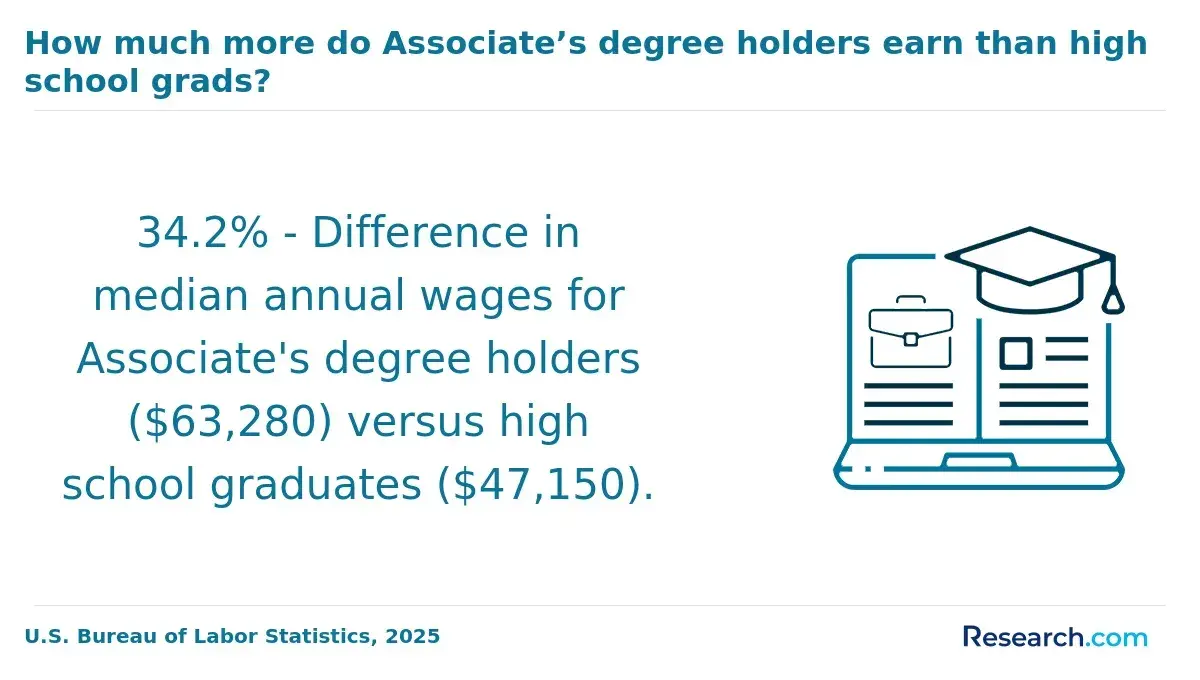
Salary growth is a key motivator for working professionals pursuing an applied psychology degree, as it can open doors to higher-paying roles. Typical salaries for adults with this degree range from about $45,000 in entry-level positions to $90,000 or more for specialized or senior roles.
- Industry Demand: Sectors like healthcare, business, and mental health services often offer higher compensation for applied psychology skills due to strong demand. Professionals in these industries may see greater salary increases compared to those in less competitive fields.
- Role Advancement: Holding an applied psychology degree can qualify individuals for supervisory, leadership, or specialist roles that come with increased pay. Career advancement opportunities often hinge on obtaining relevant academic credentials combined with professional experience.
- Employer Policies: Different organizations vary in how they value academic degrees within their pay structures. Some employers provide significant raises or bonuses based on educational attainment, while others may place more emphasis on performance or tenure.
- Years of Experience: Salary growth is often maximized when an applied psychology degree is paired with substantial work experience. This combination demonstrates practical skills and theoretical knowledge that employers reward.
- Specialization: Focusing on areas such as clinical psychology, organizational behavior, or counseling can enhance earning potential. Specialties aligned with high-demand career paths may offer more lucrative salary prospects.
Career advancement with an applied psychology degree depends on strategic planning as well as industry context. For working adults, earning this degree while maintaining employment provides flexible pathways to improve income. Additionally, exploring online phd programs in organizational leadership can offer further options for those aiming to boost salaries and leadership roles in their fields.
What Jobs Can Working adults Get With a Applied Psychology Degree?
An applied psychology degree helps working adults qualify for higher-level, specialized, or leadership roles rather than remaining limited to entry-level positions. This qualification equips professionals with advanced knowledge of psychological principles and practical skills necessary for career growth.
Several career advancement opportunities are common for experienced professionals with this degree, including:
- Industrial-Organizational Psychologist: This role focuses on enhancing workplace productivity and employee satisfaction by applying psychological concepts to hiring, training, and organizational development, representing a move into strategic leadership.
- Human Factors Specialist: Specialists in this field analyze human interaction with systems and products to improve safety and efficiency, leveraging applied psychology to design more user-centric environments and technologies.
- Behavioral Health Program Manager: Managing mental health and wellness programs requires blending psychological expertise with leadership skills to run initiatives that support community or organizational health.
- Training and Development Manager: These managers develop employee learning programs grounded in psychological principles to boost performance and retention, illustrating advancement into influential training roles.
- Research Analyst in Social Sciences: This position involves leading data-driven research projects applying psychological research methodologies to inform policy or business strategies, ideal for professionals seeking analytical leadership.
For working adults seeking career opportunities with applied psychology degree credentials, the program's flexible design makes it possible to balance full-time employment while gaining skills that lead to more advanced positions. Those exploring jobs for working adults with applied psychology degree benefits may consider fast online degrees to efficiently accelerate their career progression.
What Graduates Say About Their Applied Psychology Degrees for Working Adults
- Denise: "Choosing an online applied psychology degree was a game-changer for me while balancing a full-time job. The program's affordability, around $15,000 on average, made it feasible without the stress of overwhelming debt. Completing the degree has opened doors to leadership roles in HR, pushing my career to new heights."
- Audrey: "After years in the corporate world, I decided to enroll part-time in an applied psychology program to deepen my understanding of workplace dynamics. The cost was reasonable for the value, considering I could continue working. This experience gave me a fresh perspective that truly enhanced my professional consulting work."
- Gilbert: "Being a working professional, I initially worried about the cost and time commitment of pursuing an applied psychology degree online, which averaged close to $15,000. Yet, the flexible schedule made it manageable. Graduating boosted my confidence and qualified me for advanced roles in employee wellbeing and organizational development."
Other Things You Should Know About Applied Psychology Degrees
In 2027, many universities offer applied psychology programs with flexible credit transfer policies for working adults. Top programs like those at Southern New Hampshire University and Liberty University accept a significant number of transfer credits, easing the path for adult learners to complete their degrees efficiently.
In 2027, top applied psychology programs offering flexible learning for working adults include Arizona State University, Purdue Global, and Southern New Hampshire University. These schools provide part-time, online, and hybrid courses designed to fit into busy work schedules, making higher education more accessible for professionals.
Yes, many applied psychology programs are designed with working adults in mind and offer fully online or hybrid formats. These formats provide flexibility, allowing students to access coursework and lectures at convenient times. Choosing programs with asynchronous options and strong online support can enhance the learning experience for busy professionals.
References
- Best Masters in Applied Psychology Degrees Updated for 2026 https://www.psychologydegrees.org/programs/masters/applied-psychology
- Top 5 Highest-Paying Psychology Careers - Rivier Academics https://www.rivier.edu/academics/online/resources/program-resources/top-5-highest-paying-psychology-careers-rivier-university/
- including pyschology on your cao https://careersportal.ie/news/including-pyschology-on-your-cao
- Frequently Asked Questions https://www.uregina.ca/arts/psychology/psyc-faq.html
- 2025 Best Master’s in Applied Psychology Programs - Online, Low Cost, & Quick Options https://www.counselingpsychology.org/psychology/degrees/applied-psychology/masters/
- Career options in psychology | BPS https://www.bps.org.uk/career-options-in-psychology
- Home https://www.husson.edu/online/blog/2023/12/benefits-of-earning-masters-in-psychology
- Applied Psychology (Mental Health) | University College Cork https://www.ucc.ie/en/ckd39/
- Applied psychology professional training programmes https://www.nes.scot.nhs.uk/our-work/applied-psychology-professional-training-programmes/
- Higher Education https://www.apaservices.org/advocacy/issues/higher-education


