
2027 Best Career Pivot Options for People With a Child Development Degree

Co-Founder and Chief Data Scientist
Many professionals with a child development degree face uncertainty when their initial career goals no longer align with financial needs or personal fulfillment. Navigating this transition can be daunting. Transferable skills such as communication, observational analysis, and program coordination unlock entry-level roles in healthcare, education technology, and social services, with these sectors growing by 12% annually.
Strategic credential upgrades, like certifications in early intervention or special education, enhance marketability. Effective networking and resume reframing are critical to highlight relevant competencies that appeal to new employers. This article explores actionable career pivot strategies, credential options, and growth sectors to guide child development graduates towards sustainable career success.
Key Things to Know About the Best Career Pivot Options for People With a Child Development Degree
- Transferable skills such as communication, empathy, and behavioral analysis enable pivoting into roles in healthcare, education technology, or social services sectors projected to grow by 15% through 2030.
- Entry-level roles like family support specialist or early intervention assistant offer accessible pivot points; supplementing credentials with certifications in counseling or special education improves hiring prospects.
- Networking through professional associations and reframing resumes to highlight developmental expertise broadens opportunities-evidence shows targeted career shifts yield 20% higher salary growth over five years.
What Career Pivot Options Are Available to People With a Child Development Degree?
Career pivoting is increasingly recognized as a strategic and professionally valid choice as workers seek financial growth and personal fulfillment amid evolving labor markets. Data from the Bureau of Labor Statistics reveals that the average worker changes jobs and even fields several times throughout their career. Research by the National Association of Colleges and Employers and LinkedIn Workforce Insights highlights that graduates with broad-based degrees, such as child development, possess transferable skills that support flexible career trajectories.
A child development degree is especially versatile, integrating knowledge of human growth, psychology, education, and communication, competencies prized across many professional sectors. Common career pivot options for child development degree holders include:
- Education and Training: Utilizing expertise in learning theories and developmental stages to transition into roles such as curriculum developers, educational coordinators, or corporate trainers.
- Healthcare and Support Services: Moving into healthcare administration, social work, or behavioral health counseling by leveraging understanding of psychosocial care across age groups.
- Human Resources and Organizational Development: Applying interpersonal skills and knowledge of human behavior to talent acquisition, employee engagement, and workplace training.
- Public Policy and Advocacy: Influencing early childhood education policies and family services programs by combining content knowledge with research and advocacy skills.
- Marketing and Communication: Engaging in marketing roles focused on family or educational products, drawing on demographic insights and communication strategies.
This overview offers a structured lens through which child development graduates can consider alternative careers with a child development degree-emphasizing how to leverage transferable competencies, credential enhancements, and resume reframing. It is important to approach a pivot with deliberate planning grounded in labor market evidence rather than reactionary shifts.
For those exploring nursing as a career change, researching RN to BSN programs with no clinicals can also demonstrate the variety of professional pathways available.
Which Industries Outside the Traditional Child Development Field Hire Child Development Degree Holders?
Graduates with a child development degree possess versatile skills that extend far beyond traditional education and childcare roles, opening doors across diverse industries. High hiring volumes come from sectors such as healthcare, social services, and nonprofit organizations, sectors where child development competencies are valued for understanding child behavior and family dynamics.
- Healthcare: Hospitals, pediatric clinics, and mental health facilities particularly value child development graduates in roles supporting developmental screenings, patient education, and family counseling programs. While this credential is recognized especially in developmental therapy and patient advocacy, transitioning here often requires supplementing clinical knowledge. This industry offers strong career opportunities for child development graduates in healthcare and social services.
- Social Services: Agencies specializing in family welfare, foster care, and community outreach commonly employ child development degree holders for case management, program coordination, and advocacy. The degree's focus on family systems is a widely accepted background, although practical experience is often equally important.
- Nonprofit Organizations: Many nonprofits, especially those focused on youth services, education access, and public health, engage graduates for program development, grant writing, and volunteer coordination. The foundation in child and family systems is crucial here, but employers often expect operational and communications skills to be well-developed.
- Research and Policy: Academic institutions, think tanks, and government agencies frequently recruit child development graduates as research assistants and policy analysts addressing early childhood education, child welfare, and family health. Credentials paired with data analysis and report writing skills give candidates an edge.
- Corporate Sector: Companies producing child-focused products such as toys, educational software, and media hire graduates for user experience research, product testing, and marketing. Translating child development insights into market strategies is essential, often necessitating extra business or marketing training.
- Human Resources and Training: Corporate and educational organizations increasingly tap child development graduates for employee training, organizational development, and diversity initiatives related to family-friendly workplace policies. Recognizing the degree here depends on communicating transferable skills effectively.
- Technology and E-Learning: The rise of digital education platforms fuels demand for curriculum designers, content developers, and UX researchers with child development knowledge. While technical competencies are also needed, this sector is open to diverse educational backgrounds.
Pivoting to a new industry while remaining in familiar functions, such as research, operations, or communications, is usually less credential-intensive than changing functional roles entirely. This strategic distinction helps career changers leverage their child development background effectively.
Informational interviews with professionals already working in your target industries serve as a vital tool for gathering employer expectations and building a personalized list of conforming organizations and roles aligned with your competencies. Those exploring career options might also consider credential enhancement or sector-specific training, for example, supplementing child development expertise with clinical or business skills.
For those interested in flexible learning paths, exploring the cheapest online NP programs offers an example of how additional healthcare credentials can expand career opportunities.
What Transferable Skills Does a Child Development Degree Provide for Career Changers?
A degree program equips career changers with a versatile set of analytical, research, and problem-solving skills that can be applied across a wide range of industries. It also develops competencies in data interpretation, critical thinking, and professional communication.
- Communication: Child development programs advance verbal and written communication skills through research presentations and teamwork, preparing graduates for roles in public relations and corporate training where conveying complex ideas clearly is vital.
- Empathy and Interpersonal Sensitivity: Knowledge of developmental and emotional processes sharpens the ability to engage thoughtfully with others, assets in counseling, social work, and customer service positions demanding emotional intelligence.
- Research and Data Analysis: Emphasis on qualitative and quantitative methods enables graduates to transfer skills to market research, UX research, policy evaluation, and consulting by interpreting human-centered data to inform decisions.
- Problem-Solving: Tackling developmental challenges cultivates creative thinking and critical analysis, useful in project management, educational technology, and program assessment roles that seek innovative approaches.
- Organizational Skills: Managing cases and educational plans fosters strong time management and coordination abilities applicable to administrative, event planning, and healthcare coordination careers.
- Collaboration and Teamwork: Training alongside multidisciplinary professionals builds a cooperative mindset that suits corporate teams, nonprofit leadership, and interdisciplinary research environments.
- Cultural Competency: Exposure to diverse cultures encourages inclusive practices, serving well in diversity consulting, community outreach, and international development.
Graduates should actively inventory their transferable skills by reviewing academic projects, internships, and volunteer work, mapping them directly to prospective industry requirements. This process avoids leaving assumptions about employers' recognition of their capabilities. Learning to communicate these competencies effectively is itself a strategic skill, with upcoming guidance on resume reframing and networking designed to translate child development expertise into employer-relevant language.
Reflecting on his career pivot, a professional who graduated with a child development degree shared how initial uncertainty about the degree's versatility gave way to confidence as he identified transferable skills. He explained, "It wasn't easy at first-I had to dig through every project and internship to pinpoint what I really brought to the table beyond childcare.
Framing those experiences for corporate roles took trial and error, but gradually, I saw how my ability to analyze behavior and collaborate across teams was exactly what employers needed. The key was learning how to tell that story clearly." This experience underscores the importance of intentional skill articulation in successful career transitions.
How Do Employers in Adjacent Fields Evaluate a Child Development Degree During Hiring?
Employers in adjacent fields typically evaluate a crime analysis degree based on how well its skills and training align with their specific job requirements. They often focus on the candidate’s analytical abilities, practical experience, and transferable competencies rather than the degree title alone.
- Credential Translation: Hiring managers unfamiliar with child development degrees often struggle to gauge their direct applicability. This challenge, known as credential translation, requires candidates to clarify how their skills support employer needs. Graduates improve perception by emphasizing transferable skills like research, data analysis, communication, and program management on resumes, supplementing these with portfolios showcasing relevant projects and cover letters that explicitly link their academic experience to job criteria. This approach aids employers in cross-sector evaluations and supports more accurate recognition of graduate potential.
- Degree Type and Institution: Employer perceptions vary by degree level-associate, bachelor's, or master's-and institutional prestige particularly influences larger organizations' screening processes. Smaller and mid-sized companies tend to prioritize demonstrated competencies and practical experience over pedigree. Applicants aware of this dynamic can enhance outcomes by targeting firms accordingly, tailoring applications to emphasize job-relevant skills rather than solely academic credentials.
- GPA and Relevance: While a solid GPA bolsters credibility during early screening, many recruiters weigh it alongside how directly education and experience align with job responsibilities. This is especially true for technical or specialized roles, where the relevance of the degree outweighs academic scores. Highlighting applicable coursework and hands-on skills proves critical to overcoming generic impressions and establishing fit.
- Implicit Bias: Some hiring managers may unconsciously undervalue child development degrees in roles traditionally filled by other fields, an implicit bias that can hinder cross-disciplinary hiring. Graduates should counter this by presenting certifications, internships, or endorsements, alongside strategic employer research and networking to demonstrate readiness for sector-specific demands.
- Employer Targeting: Focusing on employers with track records of cross-disciplinary hires-identifiable through LinkedIn alumni data and employee spotlights-provides a stronger entry point for career pivots. Building evidence of cross-sector skills early helps graduates expand opportunities beyond conventional child development roles. Additionally, exploring credentials like medical coding certification can further diversify qualifications and appeal to broader industries.
What Entry-Level Pivot Roles Are Most Accessible to Child Development Degree Graduates?
Career pivoters with a child development degree often find entry points across functions such as operations, communications, data analysis, policy, sales, and product management roles accessible across various industries. Each role leverages specialized knowledge and transferable skills acquired during their studies, allowing faster progression compared to candidates lacking such relevant backgrounds.
- Operations Coordinator: Organizes program logistics, manages team calendars, streamlines processes, and monitors compliance to ensure smooth operations. The role requires strong organizational skills, multitasking, foundational project management, and interpersonal communication, typically reporting to operations managers or directors in education or nonprofit settings. Expertise in developmental milestones and program evaluation supports effective management of child-focused initiatives.
- Communications Assistant: Creates written content, manages social media platforms, supports community outreach, and assists with brand communication. This role requires strong writing and editing skills, creativity, and knowledge of audience engagement strategies, typically reporting to communications managers or directors. Understanding audience needs, especially families and educators, enhances message targeting and outreach effectiveness.
- Data Analyst (Entry-Level): Compiles data, prepares reports, performs basic statistical analysis, and supports research initiatives. The role requires spreadsheet proficiency, quantitative skills, attention to detail, and critical thinking, typically reporting to senior analysts or research managers. Familiarity with developmental assessments and longitudinal data improves interpretation and insight generation.
- Policy Assistant: Assists with policy research, drafts briefs, manages stakeholder communications, and tracks legislative developments. This role requires analytical writing, research skills, project coordination, and stakeholder engagement, typically reporting to policy analysts or government affairs leaders. Knowledge of early childhood education systems strengthens evidence-based analysis and advocacy.
- Sales Support Representative: Supports client relationships, prepares sales materials, and facilitates product demonstrations. The role requires communication skills, customer service, organization, and familiarity with CRM tools, typically reporting to sales managers or account executives. Understanding educational products and family needs improves credibility and client engagement.
- Product Coordinator: Supports product development by coordinating cross-functional efforts, collecting user feedback, and tracking progress. The role requires project management, communication, problem-solving, and stakeholder coordination, typically reporting to product managers or directors. Familiarity with child-centered design principles helps ensure products align with developmental needs and user expectations.
Data from salary surveys and occupational statistics show child development graduates typically advance to mid-level roles within three to five years, an accelerated path aided by relevant internships or certifications. Their deep understanding of developmental science, stakeholder communication, and applied research methods often gives them an edge over peers without related credentials, reducing the need to "start over" completely.
Choosing the right entry-level pivot should weigh four critical factors: how well competencies align with job duties, salary potential, pace of advancement, and fit with long-term career goals. Prioritizing roles as strategic stepping stones rather than fallback options helps graduates maximize their degree's value and build purposeful career trajectories.
Reflecting on her own experience, one professional who built her career after earning a child development degree shared how initial doubts about starting anew were eased by recognizing transferable skills. She described the challenge of translating academic knowledge into business language but found success by focusing on roles that aligned with her organizational and communication strengths.
With deliberate applications and networking, progress felt deliberate rather than accidental. Her story underscores that thoughtful selection and persistence turn entry-level pivots into valuable launchpads rather than setbacks.
What Are the Highest-Paying Career Pivot Options for People With a Child Development Degree?
Graduates with a child development degree often find that pivoting into certain industries can significantly increase their earning potential beyond the typical $35,000 to $50,000 early-career range seen in traditional child development roles. Mid-career salaries in core child development fields generally peak near $60,000 to $70,000, but switching sectors with stronger profit models can multiply those figures.
- Financial Services: Positions like financial analyst, client advisor, or corporate trainer start above $70,000 early on and can exceed $110,000 mid-career. High profit margins and bonus incentives drive substantial compensation. Pivoting successfully often means gaining certifications such as CFA or CFP and building quantitative skills.
- Management Consulting: Entry-level consultants typically earn over $80,000, while experienced consultants and project managers can command $120,000 to $160,000+. Transferable skills in analysis, communication, and project leadership are highly valued. Preparation requires advanced business credentials and networking efforts.
- Enterprise Technology: Roles like product manager or UX researcher leverage child development expertise in user-centric design, with starting salaries from $75,000 to $95,000 and growth above $130,000. Equity options and bonuses add significant value beyond base pay. Additional tech training, such as software or data skills, is commonly necessary.
- High-Growth Startups: Early roles in operations or instructional design offer variable pay but often include equity stakes that may appreciate substantially in the long term. These positions suit risk-tolerant individuals willing to invest in dynamic environments. Success depends on active networking and specific skill acquisition.
Disparities in compensation relate directly to each industry's economic structure, finance, and consulting deliver measurable revenue impacts and commissions, while public sector and nonprofit roles are limited by funding constraints. Besides base salary, total compensation encompasses bonuses, equity, retirement benefits, healthcare, professional development funding, and flexible work options.
Comparing offers requires fluency in these multilayered packages rather than focusing only on salary figures. Higher compensation pathways usually demand upfront investment in credentials, such as graduate degrees or certifications, along with significant time for preparation and relationship building. Prospective career pivoters should evaluate whether potential salary gains justify these costs and deliberate over opportunity costs realistically, aligning ambitions with feasible career transition plans.
Which High-Growth Sectors Are Actively Recruiting Professionals With a Child Development Background?
Professionals with a child development background have unique advantages in several high-growth sectors where their expertise aligns closely with industry needs. The Bureau of Labor Statistics, LinkedIn Emerging Jobs reports, and the World Economic Forum identify key fields expanding well beyond traditional education roles, opening new pathways that leverage child development competencies in innovative ways.
- Healthcare and Behavioral Health: The surge in pediatric care and mental health services requires specialists who understand developmental milestones and therapeutic approaches. Graduates can contribute to patient-centered care teams, early intervention, and family program design, translating developmental expertise into healthcare outcomes.
- Educational Technology (EdTech): As digital learning tools proliferate, knowledge of cognitive and social growth supports the development of age-appropriate content and interactive platforms. Child development skills enable collaboration with tech teams to create effective educational apps tailored for developmental stages.
- Social Services and Nonprofit Organizations: Expanding child welfare initiatives demand professionals with empathy and developmental science knowledge to design, evaluate, and implement impactful social programs addressing childhood adversity and family support.
- Corporate Learning and Human Resources: Workforce development increasingly integrates developmental psychology to enhance training, well-being, and family-friendly policies. Child development experts inform program design that supports employee growth and work-life balance.
- Public Policy and Advocacy: Policymakers need evidence-based analysis related to early childhood education and health equity. Professionals with child development backgrounds offer critical insights that shape legislation and promote systemic benefits for children and families.
- Media and Content Production: Demand for developmentally appropriate children's programming and digital content grows, child development knowledge ensures materials support healthy learning and engagement across age groups.
- Technology in Early Childhood Assessment: Emerging digital tools for developmental monitoring require professionals who can bridge child behavior expertise with software development, ensuring assessments are accurate and meaningful.
Pivoting into these sectors often means targeting rapidly growing organizations that favor demonstrated competencies and adaptability over formal credentials. Child development graduates should highlight transferable skills, such as developmental psychology, research, and empathy, on résumés and through networking in relevant industry groups.
This strategy enhances access to non-traditional entry points while balancing opportunity against potential volatility inherent in emerging fields. Assessing personal risk tolerance alongside long-term career goals is essential when entering these dynamic markets.
How Does Earning a Graduate Certificate Help Child Development Degree Holders Pivot Successfully?
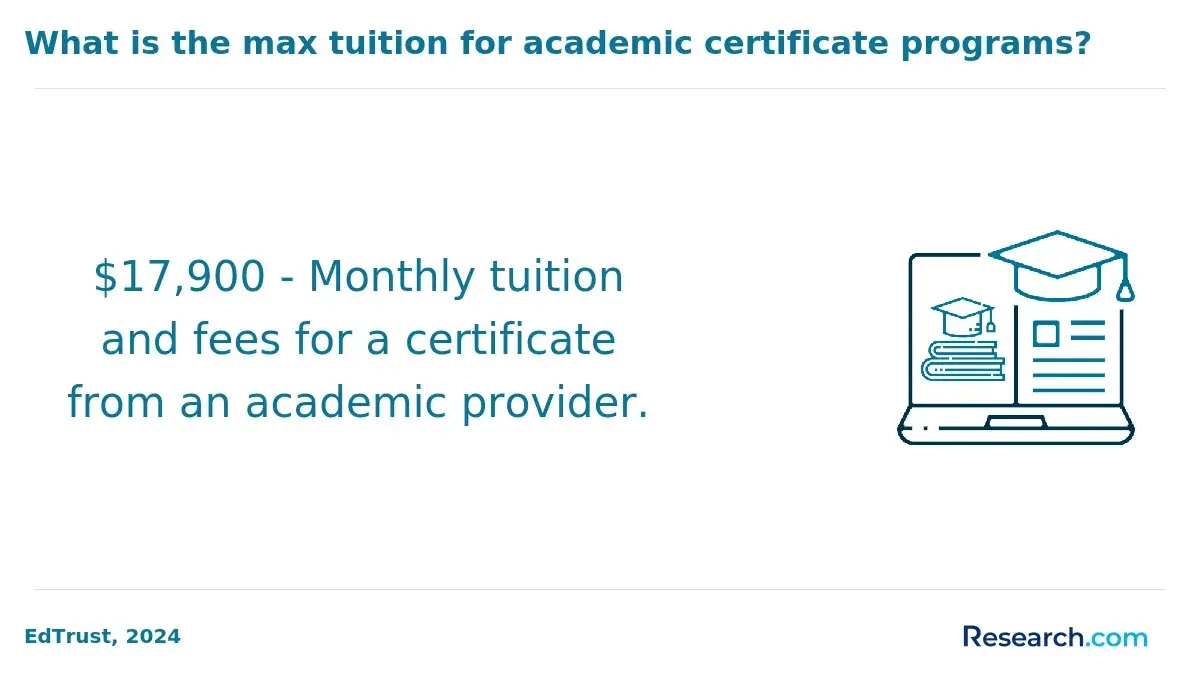
Graduate certificates provide an efficient path for child development degree holders seeking a career pivot, offering targeted skills without the extended time and cost commitments of full degree programs. According to the National Center for Education Statistics, these certificates generally require less than one year of study and are significantly less expensive than master's degrees. This reflects a key benefit of graduate certificates for child development degree holders looking to pivot quickly.
- Time Commitment: Typically composed of three to six courses, graduate certificates can be completed within 6 to 12 months, much faster than the two years commonly needed for master's programs. This allows career changers to upskill promptly while continuing employment or job searching.
- Cost Efficiency: Significantly more affordable, certificates often cost only a fraction of degree programs. This cost-effectiveness supports professionals balancing budgets and career goals, a crucial factor when considering how a graduate certificate accelerates career pivots in child development.
- Career Signal Value: While not as prestigious as degrees, certificates demonstrate specialized competencies valued by employers in areas like project management, UX research, and nonprofit leadership. However, credential inflation means value can vary; certificates accredited by bodies such as the Project Management Institute or the Data Science Council of America tend to have stronger market credibility.
- Common Certificate Areas: Child development graduates often pursue certificates in data analytics, public health, project management, UX research, nonprofit management, or financial analysis. Labor market data indicate certificates in project management and data analytics frequently lead to salary increases averaging 10-15%, reflecting strong demand.
- Evaluating Certificate Programs: Prospective students should carefully assess accreditation, employer recognition, alumni outcomes, and the cost-benefit ratio before enrolling. For some, exploring related credentials like a health information technology degree may also provide promising pivot options.
Recent data reveal that nearly 40% of mid-career changers consider graduate certificates essential for successful field transitions, underscoring their rising importance for child development graduates pursuing flexibility and higher compensation in diverse sectors.
What Role Do Professional Certifications Play in Validating a Child Development Career Pivot?
Academic credentials, like a child development degree, provide foundational knowledge but often lack signals of specialized, practical skills necessary for career pivots into diverse fields. Professional certifications serve as targeted labor market signals-verifiable proof of job-ready competencies recognized by employers beyond academic backgrounds.
For graduates validating career transitions with child development credentials, these certifications offer tangible evidence of current expertise, which can be a decisive competitive advantage or, in some roles, a less influential factor depending on the industry and hiring standards. Key certifications relevant for child development graduates pivoting to related or new sectors include:
- Project Management Professional (PMP): Requires 35 hours of project management education, documented experience, a 4-hour exam, and costs about $555. Valued in education administration, nonprofit program management, and corporate environments.
- Certified Analytics Professional (CAP): Needs a bachelor's degree plus analytics experience, a 3-hour exam with fees of roughly $495-$695, ideal for data-driven decision-making roles.
- SHRM Certified Professional (SHRM-CP): Demands HR-related experience, passing a 4-hour exam costing about $400, useful for entry to mid-level HR positions focused on families and children.
- Salesforce Administrator: No prerequisites, but requires exam preparation for a 105-minute test, costing around $200; key for client management and database roles.
- Certified Child Life Specialist (CCLS): Requires a child-related degree, clinical hours, and an exam; costs vary, mainly for pediatric healthcare roles.
To ensure certification investments align with career objectives, it is essential to research the target field by scanning job postings, analyzing LinkedIn profiles of seasoned professionals, and conducting informational interviews with hiring managers. This approach helps identify which credentials truly influence hiring decisions rather than relying on assumptions, a critical strategy for professional certifications for child development career pivots.
Planners should sequence certifications within their pivot timeline by starting preparation early and listing in-progress credentials on resumes and interviews using terms like "PMP Candidate" or "Certification in progress" to demonstrate ongoing professional development. For those exploring healthcare pathways related to child development, exploring options such as accelerated nursing programs can further expand career opportunities.
How Can Child Development Degree Holders Leverage Freelance or Contract Work to Break Into a New Field?
Freelance and contract work offers child development graduates a practical route to build relevant experience and expand professional networks while pivoting careers. In 2024, approximately 45% of the U.S. workforce engaged in freelancing or gig work, highlighting its growing significance as a rapid career accelerator. Entry-level pivoters can explore roles such as content development, research assistance, data analysis, virtual assistance, communications consulting, and project coordination.
Content developers can create educational resources that highlight specialized knowledge, while research assistants gain methodological skills applicable across multiple fields. Virtual assistants and project coordinators leverage organizational and communication strengths that employers value. Effective freelancing begins with selecting platforms where demand aligns with one's capabilities and strategically packaging services that emphasize the child development credential as a unique asset.
Early-stage freelancers often set competitive rates below market averages to build client trust, gradually increasing prices with proven performance. Building a portfolio from freelance work involves thoroughly documenting deliverables, client feedback, and measurable results. It's essential to evaluate financial stability and risk tolerance before committing, since freelance opportunities are limited in sectors such as government or highly regulated industries.
- Accessible Roles: Content creation, research support, data analysis, virtual assistance, communications consulting, and project coordination enable entry-level career pivots.
- Credential Differentiation: Highlighting child development expertise builds client trust and stands out in competitive freelance markets.
- Platform Selection: Choosing niche-friendly gig sites and designing tailored service packages boosts early-stage freelancer visibility.
- Portfolio Development: Documented projects and testimonials convert freelance work into compelling job application assets.
- Financial Assessment: Freelance-first pivots require understanding income volatility and sector freelancing feasibility.
What Networking Strategies Are Most Effective for Child Development Graduates Pursuing a Career Change?
Intentional networking is a vital strategy for child development graduates seeking to pivot careers. Research from Harvard Business Review and MIT Sloan Management Review shows that weak ties and referral hiring significantly boost job placement success. As career changers often start without an established network in their new field, cultivating targeted connections can bridge this gap effectively.
- Alumni Network Activation: Locate graduates from your child development program who have transitioned into your desired industry. Initiate contact with personalized messages referencing your shared background, and request brief guidance or insights on their career journey.
- Professional Association Entry: Join industry-specific associations to gain access to practitioners, events, and mentorships. Engage actively in webinars, conferences, and meetups instead of passively attending.
- Informational Interview Campaigns: Arrange concise 15-20 minute conversations with professionals to explore required roles and skills. Use clear outreach phrases like, "I'm transitioning from child development to [target field] and would appreciate your perspective on this shift."
- LinkedIn Strategic Connection-Building: Personalize connection requests by explaining mutual interests and reasons for connecting. Follow up with thoughtful messages-share relevant insights, comment on their posts, or ask targeted questions rather than requesting jobs directly.
- Community of Practice Engagement: Actively participate in specialized forums, discussion groups, and local communities related to your new career. Regular, meaningful contributions build credibility and foster genuine relationships beyond traditional networking events.
Networking anxieties, including imposter syndrome, fear of rejection, uncertainty about what to say, and discomfort with self-promotion, can be eased by preparing simple conversation scripts. For example, introduce yourself at events by saying, "Hi, I'm [Name], with a child development background, eager to learn about opportunities in [field]. How did you start?"
For LinkedIn, try, "I admire your work in [field] and am exploring a career transition from child development. May we connect so I can learn from your experience?" Creating a regular networking routine strengthens progress, aim for measurable weekly goals, such as three informational interviews or five new connections, and track these in a spreadsheet or app.
This approach ensures networking remains a proactive, ongoing career-building practice rather than a last-minute job search tactic. According to LinkedIn's recent report, 85% of jobs are filled through networking, highlighting the critical role of deliberate relationship-building for career changers in child development and related fields.
What Graduates Say About the Best Career Pivot Options for People With a Child Development Degree
- Kaysen: "Graduating with a child development degree has opened doors I never knew existed, especially in high-growth sectors like early childhood education, technology, and family support services. The key pivot I discovered was leveraging my transferable competencies, communication, empathy, and conflict resolution, to transition smoothly into program coordination roles. I also found that investing in credential strategies, such as obtaining specialized certifications, considerably boosted my marketability and confidence."
- Jalen: "Looking back on my journey with a child development background, I realize how crucial networking approaches were to advancing my career. Attending community events and online forums tailored to education professionals allowed me to uncover accessible entry-level pivot roles in nonprofit organizations and educational policy. Reframing my resume to highlight quantitative impacts, like program participation rates or grant successes, helped me stand out in competitive applications."
- Beau: "From a professional standpoint, a child development degree is a versatile foundation that can lead to rewarding long-term career outcomes in diverse fields such as healthcare administration and special education advocacy. What really made the difference for me was focusing on credential strategies specific to these industries, which enabled a smoother transition. I've also learned the value of emphasizing transferable competencies, like data analysis and team leadership, to prospective employers outside traditional child-focused roles."
Other Things You Should Know About Child Development Degrees
Child development degree holders should emphasize transferable skills such as communication, observation, and assessment on their resumes. Highlighting experience in program development, data analysis, and working collaboratively with diverse teams can attract employers outside traditional child-focused roles. Tailoring keywords to match the target industry, like educational technology, social services, or human resources, helps demonstrate relevant expertise.
Graduate programs provide specialized credentials that validate expertise in new fields while leveraging foundational child development knowledge. Options like social work, educational leadership, counseling, or public health refine skills and increase employability in target industries. These programs also expand professional networks and offer internships that facilitate smoother transitions.
In 2027, a successful career pivot for child development graduates typically spans about 6 to 12 months. This period includes assessing transferable skills, networking in the new field, acquiring additional certifications if necessary, and gaining relevant experience through internships or volunteer opportunities. The timeline varies based on individual circumstances and the complexity of the new career path.
References
- Networking in Early Education: How to Connect and Why It Matters https://www.gowriensw.com.au/careers-blog/the-benefits-of-networking-in-early-education-how-to-connect-and-why-it-matters
- Top 10 Rewarding Careers With a Child Development Degree - Early Learning Indiana https://earlylearningin.org/10-rewarding-child-development-careers/
- Elevate Your Early Years Practice: The Vital Role of Continuous Professional Development (CPD) - Z PD - Your Trusted Partner in Professional Training and Consultancy https://www.zenpd.com/elevate-your-early-years-practice-the-vital-role-of-continuous-professional-development-cpd/
- WHAT - Translation in Polish - bab.la https://en.bab.la/dictionary/english-polish/what
- Transferable Skills For A Career Change To Early Childhood Education https://practicaloutcomes.edu.au/transferable-skills-career-change/
- What - Translation into Polish - examples English | Reverso Context https://context.reverso.net/translation/english-polish/What
- Revision to Determination of Degree in the Field https://ncchildcare.ncdhhs.gov/Whats-New/revision-to-determination-of-degree-in-the-field
- 5 Ways a Graduate Certificate in Education Keeps Your Career Moving https://www.acer.org/my/news/article/5-ways-a-graduate-certificate-of-education-keeps-your-career-moving


