
2027 Best Career Pivot Options for People With a Substance Abuse Counseling Degree

Co-Founder and Chief Data Scientist
Many individuals holding a substance abuse counseling degree face uncertainty when considering career pivots-whether due to limited advancement opportunities, burnout, or shifting personal goals. With 17% of counseling professionals reporting a desire to change fields within five years, understanding how to leverage counseling skills effectively is crucial. Transferable competencies like active listening, crisis intervention, and behavioral analysis open doors to roles in social services, healthcare administration, and corporate wellness.
Credential enhancement and strategic networking further ease entry into these high-growth sectors. This article explores practical pathways, credential strategies, resume refinement, and networking approaches to guide purposeful career transitions for substance abuse counseling graduates.
Key Things to Know About the Best Career Pivot Options for People With a Substance Abuse Counseling Degree
- Transferable skills-such as empathy, crisis intervention, and case management-enable pivots into social work, healthcare administration, or community outreach roles in expanding sectors like behavioral health and telemedicine.
- Entry-level positions in mental health technician roles or addiction prevention programs offer accessible transitions; earning credentials like Certified Addiction Counselor increases employability and salary potential.
- Effective networking and resume reframing that highlight counseling expertise-rather than just treatment focus-can unlock opportunities in education, policy advocacy, and corporate wellness initiatives with stronger long-term career growth.
What Career Pivot Options Are Available to People With a Substance Abuse Counseling Degree?
Career pivoting has become an increasingly accepted and strategic move in today's evolving job market. According to data from the Bureau of Labor Statistics, workers now frequently shift roles and industries several times during their careers.
Insights from the National Association of Colleges and Employers and LinkedIn Workforce Analytics reveal that transferable skills-such as communication, critical thinking, and problem-solving-have grown essential across many sectors. A substance abuse counseling degree stands out as a particularly versatile credential because it combines interpersonal skills, behavioral health knowledge, and crisis management abilities. These core competencies create multiple avenues well beyond traditional counseling positions.
The landscape of alternative career paths with a substance abuse counseling degree is broad, reflecting the degree's interdisciplinary training. Graduates leverage clinical expertise and social science foundations to access a variety of roles. The most common career pivot options for substance abuse counseling degree holders include:
- Behavioral Health and Social Services: Shifting to roles like mental health counseling, case management, or social work-fields where counseling skills apply directly and certifications often align.
- Healthcare Administration: Using knowledge of healthcare systems to enter roles such as program coordination or patient advocacy, emphasizing organizational and communication abilities.
- Education and Training: Transitioning into prevention program development, workshop delivery, or academic advising, leveraging expertise to influence community health education.
- Human Resources and Organizational Development: Applying counseling techniques to employee wellness, conflict resolution, and talent management within HR departments.
- Public Policy and Advocacy: Engaging in non-profit or government sectors to work on substance use policies, program development, or mental health advocacy.
Each of these pivot options builds on foundational skills like empathy, ethical judgment, and interdisciplinary collaboration-competencies gained through substance abuse counseling programs. Pursuing targeted certifications or gaining experience can further open doors. For those exploring options like medical coding classes, complementary skills can broaden opportunities in healthcare administration.
This guide to career pivot options with a substance abuse counseling degree aims to provide readers at every stage-whether recent graduates, mid-career professionals, or prospective students-with strategies for credential enhancement, networking, and effective resume reframing. Far from a limiting credential, your substance abuse counseling degree can be a strategic asset empowering diverse and fulfilling career pathways.
Which Industries Outside the Traditional Substance Abuse Counseling Field Hire Substance Abuse Counseling Degree Holders?
Graduates with a substance abuse counseling degree frequently find career opportunities beyond traditional clinical paths-several industries hire these professionals for their expertise in behavioral health, communication, and crisis intervention. These skills translate well into a variety of roles and sectors that demand strong interpersonal and analytic abilities.
- Behavioral Health and Social Services: This sector is the most directly aligned with the degree, employing graduates as case managers, program coordinators, and community outreach specialists. Hiring managers here highly value the credential and often consider it essential.
- Healthcare Administration: Although not front-line clinical roles, organizations in this sector look for graduates in patient advocacy, care coordination, and health education. The substance abuse counseling credential is recognized but usually paired with additional health administration knowledge. Those considering a pivot may explore further credentials such as a masters in healthcare management to strengthen their positioning.
- Criminal Justice and Corrections: Correctional facilities and probation services hire graduates for rehabilitation programming, offender monitoring, and reentry planning. These roles require adaptability to the corrections environment while leveraging counseling skills.
- Education and Training: Schools, colleges, and corporate training programs hire for substance abuse prevention education, student support, and wellness initiatives. Graduates must effectively translate clinical counseling skills into educational and communication-focused functions.
- Nonprofit and Advocacy Organizations: Many nonprofits addressing mental health, homelessness, and youth services value graduates for outreach, grant writing, and program development, focusing on behavioral health expertise backed by practical experience.
- Research and Policy Analysis: Some graduates transition to roles in clinical research support, data collection, and addiction policy analysis. While this requires gaining additional research skills, the degree lays a strong foundational understanding.
- Human Resources and Employee Assistance Programs (EAP): As workplace wellness grows, employers seek counseling graduates to manage confidential support services and wellness initiatives, emphasizing communication and organizational capabilities.
When substance abuse counseling degree holders consider industry-switching-such as moving into healthcare administration or education-they often retain familiar counseling functions, reducing the need for extensive new credentials. In contrast, shifting to research or policy demands complementary qualifications beyond the degree itself.
Strategically, conducting informational interviews with substance abuse counseling professionals already established in adjacent industries sharpens target employer lists and informs credential positioning, making career pivots more deliberate and successful. These approaches are essential for navigating career flexibility, especially for those exploring substance abuse counseling degree holders career opportunities outside healthcare.
What Transferable Skills Does a Substance Abuse Counseling Degree Provide for Career Changers?
Communicating competencies effectively is an additional skill. Framing your expertise in language tailored to new industries enhances your appeal to hiring managers. Future discussions will address resume reframing and networking to help transform your counseling background into compelling narratives for career pivots.
Active Listening: Graduates develop the ability to fully focus on and engage with clients, a skill essential beyond counseling-in education, customer service, and healthcare roles where clear communication fosters positive outcomes.
Empathy and Emotional Intelligence: Training enhances understanding of others' emotions and self-regulation, enabling success in human resources, social work, and client management by building meaningful relationships across diverse groups.
Critical Thinking and Problem Solving: Analyzing behavioral complexities prepares graduates to assess challenges and implement solutions, applicable in policy analysis, consulting, and project management sectors demanding informed decision-making.
Crisis Intervention and De-escalation Techniques: Experience handling urgent situations equips individuals for emergency response, law enforcement support, and mental health advocacy, where rapid, calm judgments are vital.
Case Management and Documentation: Detailed record-keeping and coordination skills transfer well to administrative, healthcare coordination, and compliance roles that require accuracy and thoroughness.
Cultural Competency: Ability to work across diverse populations supports careers in community outreach, education, and corporate or nonprofit diversity initiatives that value inclusivity.
Qualitative Research Skills: Collecting and interpreting data positions graduates for roles in user experience research, market studies, and program evaluations demanding nuanced analysis.
Ethical Decision-Making: Commitment to professional ethics informs leadership, social service administration, and education policy roles emphasizing values-driven actions.
Conduct a personal inventory of your competencies-examine coursework, internships, and projects to identify concrete examples of these skills. Thorough reflection aids in mapping how your counseling experience applies to other fields rather than expecting employers to infer the connections.
One professional who completed a substance abuse counseling degree shared that the biggest challenge was recognizing how his counseling training could open doors outside traditional therapy roles. "Initially, I struggled to see how skills like empathy or crisis management would fit tech or nonprofit jobs," he explained. Through meticulous review of his internship experiences and academic projects, he identified specific competencies valuable across industries. "Learning to articulate these in resumes and interviews was tough but empowering," he recalled, highlighting how intentional skill translation reshaped his career path and boosted his confidence in pursuing diverse opportunities.
How Do Employers in Adjacent Fields Evaluate a Substance Abuse Counseling Degree During Hiring?
Some hiring personnel may instinctively undervalue substance abuse counseling credentials, favoring traditional disciplinary backgrounds. Applicants should actively counteract this by researching employers, building networks that provide endorsements, and presenting portfolios or work samples showcasing relevant competencies rather than passively relying on credential recognition. Here are some pointers:
- Degree Alignment: Employers assessing how employers assess substance abuse counseling degrees in hiring emphasize credentials closely tied to essential job functions. A substance abuse counseling degree gains value when applicants demonstrate interpersonal, assessment, and intervention skills that relate directly to employer needs-even in career pivots.
- Institution and GPA: Prestige influences hiring mainly for entry-level positions at large firms, while smaller and mid-size companies prioritize relevant experience. GPA is more scrutinized during early career phases but declines in weight as practical skills become evident in applicants.
- Credential Translation: Hiring managers unfamiliar with a substance abuse counseling credential rely on candidates to translate their skills effectively. Graduates enhance positive credential translation by tailoring resumes and cover letters to spotlight transferable abilities such as crisis management, client communication, and thorough documentation aligned with job requirements.
- Target Employer Strategies: Focusing on employers with established cross-disciplinary hiring histories improves pivot success. Tools like LinkedIn alumni searches and company spotlights help identify these organizations, enabling candidates to create early-career evidence of versatility. Prospective students and career changers may also find pathways through fields related to medical billing and coding online schools, which emphasize transferable administrative and clinical documentation skills relevant to their backgrounds.
What Entry-Level Pivot Roles Are Most Accessible to Substance Abuse Counseling Degree Graduates?
Career pivots using a substance abuse counseling degree commonly lead to several functional entry points across various sectors. These roles leverage counseling training while offering diverse pathways beyond traditional clinical jobs. Operations coordinator positions involve managing schedules, supporting organizational workflows, and ensuring service continuity. Graduates excel here due to their skills in case management, ethical decision-making, and client-focused perspectives-often reporting to operations managers in healthcare or social service settings.
- Community Outreach Specialist:
- Builds connections with stakeholders, plans events, and delivers educational programs to increase awareness.
- Requires communication finesse, cultural competence, and motivational skills developed through counseling education.
- Reports to communications or program directors mainly in nonprofit and public health sectors.
- Counseling background accelerates trust and rapport-building within communities.
- Data Analyst Assistant:
- Gathers and interprets data on client outcomes and program performance.
- Demands analytical thinking, attention to detail, and understanding of behavioral patterns.
- Typically reports to data or research managers in healthcare or policy research organizations.
- Training in assessment and outcome measurement helps graduates catch on more quickly.
- Policy Support Associate:
- Supports policy research, brief writing, and monitoring regulations affecting behavioral health.
- Needs strong research skills, critical thinking, and effective written communication.
- Reports to policy analysts or program managers in government or advocacy groups.
- Counseling knowledge of ethical frameworks adds context for meaningful policy contributions.
- Sales Representative (Healthcare Products):
- Markets behavioral health products to clinical and counseling facilities.
- Requires interpersonal aptitude, product familiarity, and empathetic client engagement.
- Answers to sales managers or business development leaders in pharmaceutical or medical supply firms.
- Understanding client treatment challenges enhances tailored sales approaches.
- Product Support Specialist:
- Responds to customer inquiries, offers training, and works with product teams to improve behavioral health software.
- Combines technical skills, clear communication, and client-centered service.
- Reports to product or customer success managers.
- Counseling training fosters patience and insight, improving user support effectiveness.
Data from sources like NACE and BLS show that graduates with relevant internships often advance from entry-level to mid-career roles within three to five years-faster than peers lacking behavioral science expertise. This progression owes much to their credible interpersonal skills, ethical sensitivity, and applied knowledge, which build trust and responsibility quickly.
When choosing an entry-level pivot, graduates should assess competency fit, salary prospects, promotion speed, and alignment with long-term goals. Selecting roles that capitalize on counseling strengths and offer clear advancement paths ensures a deliberate, strategic career transition rather than settling for convenience.
Reflecting on her journey, a professional who built her career after earning a substance abuse counseling degree shared that initially shifting fields felt daunting. She recalled moments of uncertainty-wondering if her skills would translate and fearing she was starting at square one.
Yet, leveraging her counseling experience to communicate empathetically and think critically became invaluable. She used internships to gain sector-specific knowledge and reframed her resume to highlight transferable skills, which employers appreciated. Her advice emphasizes patience and persistence, underscoring that aligning roles with one's core competencies makes the pivot smoother and ultimately rewarding.
What Are the Highest-Paying Career Pivot Options for People With a Substance Abuse Counseling Degree?
Graduates with a substance abuse counseling degree often find that traditional roles-such as nonprofit or government counseling positions-offer median early-career salaries around $40,000 to $50,000. Shifting to sectors like financial services, management consulting, enterprise technology, or high-growth startups can substantially increase earning potential by leveraging counseling skills alongside new credentials and experience.
- Financial Services: Positions in financial advising, corporate wellness management, or employee assistance programs start typically between $70,000 and $80,000 early on and can exceed $100,000 mid-career. Bonuses and profit-sharing add significant value in this profit-driven industry.
- Management Consulting: Consulting roles specializing in healthcare or behavioral health see early salaries of $85,000 to $95,000, with mid-career earnings often surpassing $120,000. Compensation frequently includes bonuses, equity, and travel benefits.
- Enterprise Technology: Jobs such as user experience research or health tech implementation command starting salaries of $75,000 to $90,000, rising beyond $120,000 with equity and perks like flexible work and professional development.
- High-Growth Startups: Careers in mental health apps or telehealth companies often begin around $70,000 base salary, with equity and bonuses forming a large share of compensation, rewarding risk tolerance and networking skills with six-figure potential.
These compensation disparities stem from structural differences-profit incentives and scalable business models in private sectors versus budget-constrained nonprofit and government roles. Evaluating offers requires analyzing total compensation packages, which may include salary, bonuses, equity, retirement plans, health coverage, and remote work policies rather than base pay alone.
For those planning pivots, investing in certifications, expanding skills, and building professional networks are crucial but require time and resources. Weighing these costs honestly against the potential financial returns ensures realistic career transitions. Success depends on balancing ambition with the comprehensive demands of entering higher-paying industries beyond counseling's traditional scope.
Which High-Growth Sectors Are Actively Recruiting Professionals With a Substance Abuse Counseling Background?
Professionals trained in substance abuse counseling bring a valuable set of interpersonal, assessment, and behavioral management skills that align with several rapidly expanding industry sectors. These sectors-identified through BLS occupational demand projections, LinkedIn Emerging Jobs data, and World Economic Forum reports-offer practical entry points by leveraging counseling competencies beyond traditional roles.
- Behavioral Health and Telemedicine: The surge in telehealth services creates demand for counselors skilled in virtual substance abuse treatment and mental health crisis intervention. Substance abuse counseling expertise directly supports patient engagement and regulatory compliance in telemedicine platforms.
- Healthcare and Integrated Care Systems: Integrated behavioral health models incorporate substance abuse counselors to manage co-occurring disorders, providing openings in care coordination, case management, and patient advocacy within multidisciplinary teams.
- Criminal Justice and Rehabilitation Services: Increased focus on reducing recidivism drives growth in probation, correctional treatment programs, and reentry support. Counseling professionals' behavioral intervention skills are critical to relapse prevention initiatives in these settings.
- Workplace Wellness and Employee Assistance Programs (EAPs): Companies expanding EAPs seek counselors adept in confidential assessments and brief interventions to enhance substance use prevention and mental health support for employees, attracting substance abuse counseling talent.
- Educational and Community Outreach Programs: Schools, nonprofits, and community health centers growing their prevention efforts require counselors familiar with motivational interviewing and family systems to lead youth outreach and peer support initiatives.
- Technology-Driven Behavioral Health Startups: Emerging addiction recovery and mental fitness apps rely on counselors to inform clinical content, provide user support, and guide validation efforts, favoring adaptable candidates with strong client engagement skills.
- Public Health and Policy Advocacy: Public health agencies and advocacy organizations value counselors' frontline insights for designing prevention campaigns, analyzing community data, and liaising with stakeholders to shape substance abuse policies.
Professionals transitioning into these growth sectors should target employers actively expanding talent pipelines-organizations that prioritize demonstrated skills and learning agility often welcome career-changers with substance abuse counseling backgrounds. This strategy helps balance opportunity volume against career fit and compensation expectations, recognizing that growth sectors may involve greater job volatility than established industries.
How Does Earning a Graduate Certificate Help Substance Abuse Counseling Degree Holders Pivot Successfully?
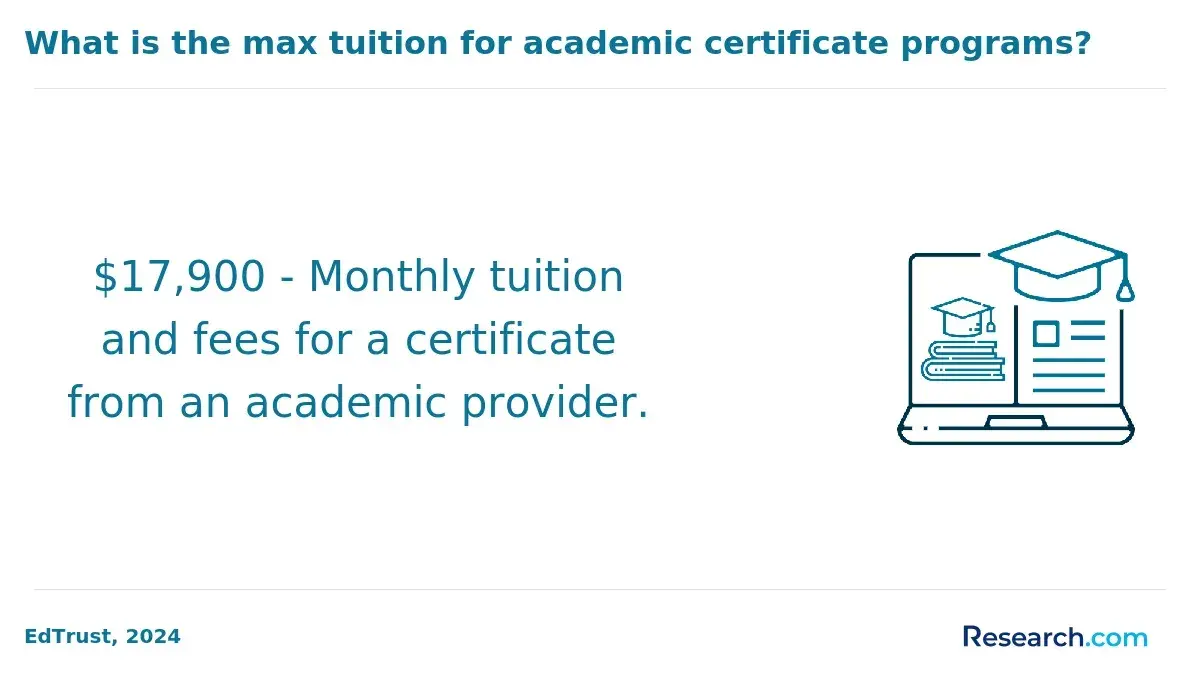
Graduate certificates offer substance abuse counseling degree holders a targeted path to enhance career pivot success with less time and lower cost than full degree programs. According to data from the National Center for Education Statistics (NCES), these certificates typically require under a year to complete and cost significantly less than master's or doctoral degrees. This makes them a practical credential strategy for professionals aiming to quickly build skills that complement their counseling background and boost resume appeal when transitioning careers.
- Program Characteristics: Unlike degrees, graduate certificates concentrate on specific skills and applied knowledge, providing practical training without the breadth or academic weight of a full degree. The American Council on Education highlights that certificates must be aligned with current market demands to genuinely enhance credentialing for substance abuse counseling career transitions.
- Appropriate Use Cases: Certificates are ideal for those needing to meet job requirements or pivot into related fields without restarting their education. Popular certificate categories sought by career-changing substance abuse counseling graduates include public health, project management, data analytics, nonprofit management, and financial analysis. For example, public health certificates can yield about an 8% salary premium in relevant roles, while project management certificates equip candidates with leadership skills valued broadly. However, certificates may hold less value in fields requiring full degrees or specific licensure.
- Evaluating Certificate Value: With credential inflation prevalent, it is essential to assess certificate programs based on accreditation, employer recognition, alumni hiring success, and cost-benefit balance before enrolling.
Recent research finds that 42% of mid-career professionals pursue graduate certificates specifically to enable career changes-underscoring certificates' growing role in professional mobility.
Substance abuse counseling graduates exploring credential options may also consider a health information technology associate degree online to further expand their career pathways in healthcare and technology sectors.
What Role Do Professional Certifications Play in Validating a Substance Abuse Counseling Career Pivot?
Professional certifications serve a distinct and complementary role alongside academic credentials when pivoting from a substance abuse counseling career. Unlike degrees-which primarily demonstrate foundational knowledge and educational attainment-certifications act as targeted labor market signals. They communicate to employers that candidates possess specific, job-relevant skills validated by an industry-recognized authority.
This differentiation matters especially in non-substance abuse counseling fields, where certification can distinguish a candidate amid a competitive applicant pool. Substance abuse counseling graduates pursuing credential validation strategies for substance abuse counseling pivot should recognize how certifications demonstrate competence beyond academic qualifications.
Certifications provide a meaningful competitive advantage when closely aligned with the pivot role's core competencies. Conversely, if a certification is peripheral or unfamiliar in the targeted industry, it may not materially improve hiring outcomes. Prioritize certifications acknowledged in adjacent sectors to maximize impact.
- Project Management Professional (PMP): Requires 35 hours of project management education and 4,500-7,500 hours leading projects, plus passing a rigorous exam. Preparation takes 3-6 months and costs $405 to $555. PMP is highly valued in roles like project manager or operations coordinator across healthcare, nonprofits, and corporate settings.
- Certified Analytics Professional (CAP): Requires a bachelor's degree, relevant experience, and passing a data analytics exam. Preparation spans 3-4 months with a $495 exam fee. CAP fits those moving toward data analysis roles in healthcare systems or social services organizations.
- SHRM-CP (Society for Human Resource Management - Certified Professional): Focused on HR roles; involves preparatory coursework and a competency-based exam, with roughly 3 months prep and fees near $300-$400. It's prized by HR departments in nonprofits and healthcare.
- Salesforce Administrator: Demonstrates proficiency in Salesforce platform management, required by many nonprofit and social impact employers. Exam fees are about $200 with 2-3 months preparation. Ideal for roles in donor management or client tracking systems.
To evaluate certification relevance, systematically scan job postings for your target pivot role-note recurring certifications. Review LinkedIn profiles of established professionals to identify commonly held credentials. Informational interviews provide invaluable insight into employer preferences and how certifications affect hiring decisions.
Plan certification pursuit strategically within your overall pivot timeline. Early preparation signals commitment; list in-progress certifications on your resume and discuss them in interviews to highlight ongoing professional development. This approach reinforces your pivot narrative and adaptability to prospective employers. Additionally, exploring flexible educational options-such as the 1 year PMHNP program-can complement certifications to broaden career pathways.
How Can Substance Abuse Counseling Degree Holders Leverage Freelance or Contract Work to Break Into a New Field?
Freelance, contract, and project-based work offer a dynamic pathway for substance abuse counseling degree holders seeking career pivots outside traditional roles. The gig economy-having expanded by more than 15% recently-provides fertile ground to translate counseling skills into marketable services. Early-stage pivoters often find opportunities in Content Development, producing articles and training materials that underscore communication strength and sector knowledge.
Research and Data Analysis roles capitalize on behavioral health insights to conduct data collection or qualitative studies, bolstering analytical capabilities valued across industries. In Virtual Assistance and Project Coordination, managing schedules and outreach demonstrates organizational aptitude transferable to diverse professional settings. Freelance Communications Consulting enables crafting targeted messaging, emphasizing understanding of client needs and counseling principles.
Starting a freelance career requires strategic platform selection-balancing specialized or broad marketplaces-and clear service packaging with defined deliverables. New freelancers commonly set conservative rates to build credibility and gather client references, ensuring work translates into a professional portfolio. Positioning a substance abuse counseling degree as a credential highlights soft skills like empathy, confidentiality, and compliance knowledge, enhancing market credibility.
Pursuing freelance-first pivots demands realistic financial and risk assessments, as income can be uneven and some sectors such as regulated or government roles lack meaningful freelance options. Sectors like health communication and nonprofit organizations offer more accessible freelance avenues. For those with adequate financial runway, freelancing accelerates career shifts by demonstrating cross-sector competencies and producing tangible outcomes attractive to full-time employers.
What Networking Strategies Are Most Effective for Substance Abuse Counseling Graduates Pursuing a Career Change?
For those with a Substance Abuse Counseling degree seeking a career change, intentional networking is essential-research from Harvard Business Review and MIT Sloan Management Review emphasizes the power of weak ties, or connections beyond immediate circles, as the main driver of job placement. Career pivoters especially benefit from reaching outside existing professional networks, which are often limited in their new fields.
- Alumni Network Activation: Identify alumni from your Substance Abuse Counseling program who have transitioned successfully. Reach out with targeted questions about how they started and advice for breaking in.
- Professional Association Entry: Join associations related to your intended career. Attend events and engage in committees or volunteer roles to deepen involvement and discover job leads.
- Informational Interview Campaigns: Schedule brief interviews with professionals in your desired roles. Use clear messaging like, "I'm exploring a career shift from Substance Abuse Counseling and would appreciate 15 minutes to learn from your experience."
- LinkedIn Strategic Connection-Building: Approach connections with personalized messages highlighting shared interests or alumni ties. Engage genuinely with their posts before requesting conversations to build trust.
- Community of Practice Engagement: Engage consistently in online forums, discussion groups, or meetups aligned to your target career to demonstrate commitment and gain referrals.
Networking anxiety-imposter syndrome, fear of rejection, or discomfort with self-promotion-is common. Using conversation starters based on curiosity and mutual learning can ease tension. For example, opening with "I'm inspired by your work and curious about your career path" sets a respectful tone.
Developing a regular networking routine-setting weekly outreach goals, scheduling dedicated time, and tracking contacts-can transform networking from a reactive chore into a sustainable career strategy. According to a 2023 LinkedIn report, 85% of jobs are filled through networking, underscoring its vital role for Substance Abuse Counseling graduates pivoting into new professions.
What Graduates Say About the Best Career Pivot Options for People With a Substance Abuse Counseling Degree
- Azai: "Graduating with a degree in substance abuse counseling opened my eyes to the range of accessible entry-level roles-like case management and recovery coaching-that serve as great stepping stones. I found reframing my resume to highlight transferable competencies such as crisis intervention and empathetic communication really boosted my job prospects. For anyone considering a pivot, focusing on high-growth sectors like mental health services can offer long-term career stability and fulfillment."
- Russell: "Reflecting on my journey after earning my substance abuse counseling degree, I realize that strategic credentialing was key to unlocking new career pathways. Adding certifications in trauma-informed care expanded my opportunities beyond traditional counseling roles into community outreach programs. Networking consistently-especially through professional associations-created invaluable connections that guided my shift into program development within the healthcare sector."
- Christian: "My experience with a substance abuse counseling degree taught me that long-term career outcomes depend heavily on how you position your skills. I took time to reshape my resume so it emphasized both my counseling expertise and data-driven program evaluation capabilities, which impressed employers in public health organizations. Exploring accessible pivot roles like behavioral health technician allowed me to build relevant experience while aiming for roles in expanding fields like integrated care."
Other Things You Should Know About Substance Abuse Counseling Degrees
Substance abuse counseling degree holders should emphasize transferable skills such as client assessment, crisis intervention, and case management when reframing their resumes. Highlighting experience with behavioral health, communication, and interdisciplinary collaboration can appeal to a broader range of employers outside traditional counseling roles. Tailoring language to align with the target industry-such as emphasizing data analysis for healthcare administration or coaching skills for human resources-improves visibility to hiring managers.
Career pivots for substance abuse counseling graduates typically unfold over several months to a year, depending on the complexity of the new role and additional credential requirements. Early stages involve research, skill assessment, and targeted learning, while later phases focus on networking and applying for suitable positions. Those pursuing graduate education may extend the timeline by one to two years but gain valuable credentials for advanced roles.
After a successful pivot, substance abuse counseling degree holders often find improved job stability, higher earning potential, and expanded professional autonomy. Many transition into sectors like healthcare management, nonprofit leadership, or human resources-fields that value their understanding of behavioral health and client dynamics. Long-term outcomes also include increased opportunities for advancement and specialization within newly adopted roles.
References
- The Addiction Counselor: A Profession In High Demand https://sobercollege.com/addiction-blog/the-addiction-counselor-a-profession-in-high-demand/
- Addiction Professional Credentialing: The Need for National Standards https://www.naadac.org/addiction-professional-credentialing-the-need-for-national-standards
- Counselor / Clinician https://careersofsubstance.org/your-career/career-paths/counselor-clinician
- The Impact of DOT SAP Substance Abuse Evaluations on Employment https://dotsap.center/blog/the-impact-of-dot-sap-substance-abuse-evaluations-on-employment/
- 8 Ways a Substance Abuse Counselor Certification Can Boost Your Career - Laitinen Academy https://laitinenacademy.com/8-ways-a-substance-abuse-counselor-certification-can-boost-your-career/
- What Do Substance Abuse & Addictions Counselors Do? https://www.psychology.org/careers/substance-abuse-addiction-counseling/
- Jobs With The Highest Addiction Rates https://www.addictioncenter.com/community/jobs-highest-addiction-rates/
- Substance Abuse Counselor - Alternative Careers and Similar Jobs (Updated for 2026) https://resumeworded.com/career-profiles/substance-abuse-counselor-career-profile
- Professions With the Highest Rates of Substance Abuse https://unionfirst.net/blog/professions-with-the-highest-rates-of-substance-abuse-and-addiction/
- Career Paths in Addiction Recovery Support: 2026 Guide | Pinnacle Detox & Recovery https://pinnaclerecovery.org/career-paths-in-addiction-recovery-support/


