
2027 Best Entrepreneurship Degrees for Working Adults

Co-Founder and Chief Data Scientist
Balancing a full-time job with advancing entrepreneurial skills can overwhelm many working adults. Nearly 45% of U. S. adult learners report time constraints as a primary barrier to pursuing higher education in entrepreneurship. This gap limits career growth and delays business launch plans. Many seek flexible, accredited programs designed for real-world application without sacrificing current employment.
Understanding the best entrepreneurship degrees tailored for working adults can bridge this divide. This article examines programs that accommodate busy schedules, provide practical knowledge, and enhance career prospects, helping readers make informed decisions to advance their entrepreneurial ambitions.
Key Things to Know About Entrepreneurship Degrees for Working Adults
- Entrepreneurship degrees often offer flexible scheduling with online or hybrid formats, enabling working adults to balance studies alongside professional responsibilities effectively.
- Programs emphasize employer relevance by integrating real-world projects and networking opportunities, increasing graduates' potential for career advancement and business success.
- Many institutions provide accelerated pacing and dedicated support services, such as career coaching and mentorship, specifically designed to meet the needs of working professionals.
What Are the Best Entrepreneurship Degrees for Working Adults?
The best entrepreneurship degrees for working adults vary according to factors like schedule flexibility, career alignment, and return on investment. A notable trend is the rise of online and hybrid entrepreneurship programs, which allow part-time enrollment and self-paced study essential for balancing full-time jobs and family commitments. These programs increasingly focus on practical skills and real-world applications, meeting the needs of professionals seeking immediate career benefits.
Here are some well-suited entrepreneurship degree options for employed students:
- General Entrepreneurship Degree: Provides broad knowledge on launching and managing businesses, often through flexible online or evening classes designed to fit busy work schedules.
- Social Entrepreneurship: Concentrates on sustainable business models that address social challenges, aligning with growing employer interest in impact-driven ventures and offering practical, mission-driven coursework.
- Technology Entrepreneurship: Ideal for professionals in tech sectors, blending innovation management with core business principles and adaptable pacing to complement technical careers.
- Small Business Management: Emphasizes operational and financial skills critical for small business owners, typically delivered in formats that support working adults through hands-on, practical learning.
- Corporate Entrepreneurship: Prepares students to cultivate innovation within established companies, often featuring coursework closely aligned with current job functions for seamless application of new skills.
Working professionals looking for top accredited entrepreneurship programs for professionals should prioritize options that blend flexibility with career relevance. For those interested, exploring flexible msw online programs can offer insight into effective online education models adaptable to entrepreneurship studies as well.
What Are the Admission Requirements for Working Adults in Entrepreneurship Degree Programs?
Admission requirements for working adults pursuing entrepreneurship degree programs often differ from those for traditional students to accommodate professional commitments and varied backgrounds. With about 40% of graduate students in the U.S. enrolled part-time, programs increasingly emphasize flexibility and practical experience over purely academic metrics. This trend reflects the growing demand for accessible education formats tailored to adult learners balancing career and study.
To better understand the best admission requirements for working adults entrepreneurship programs, below are some common criteria and considerations:
- Prior Work Experience: Many programs place significant value on several years of professional experience. This practical background can sometimes offset lower academic performance by demonstrating real-world business skills.
- GPA Expectations: Admissions committees may adopt flexible GPA thresholds or offer provisional admission to adult learners who show potential despite past academic challenges.
- Standardized Test Waivers: To ease barriers, GRE or GMAT score requirements are often waived for working professionals, acknowledging their diverse experiences and busy schedules.
- Professional Recommendations: Letters from supervisors or colleagues are frequently requested to highlight leadership qualities, workplace achievements, and entrepreneurial potential.
- Flexible Scheduling: Programs typically support part-time enrollment and online learning options, catering to adult learners who must juggle education with full-time employment.
For those considering pathways in related fields, finding the cheapest online engineering degree options can similarly support career advancement alongside flexible learning. Overall, entrepreneurship degree admissions criteria for adult learners increasingly reflect the need to balance professional demands with educational goals.
What Coursework Is Required in Entrepreneurship Degree Programs for Working Adults?
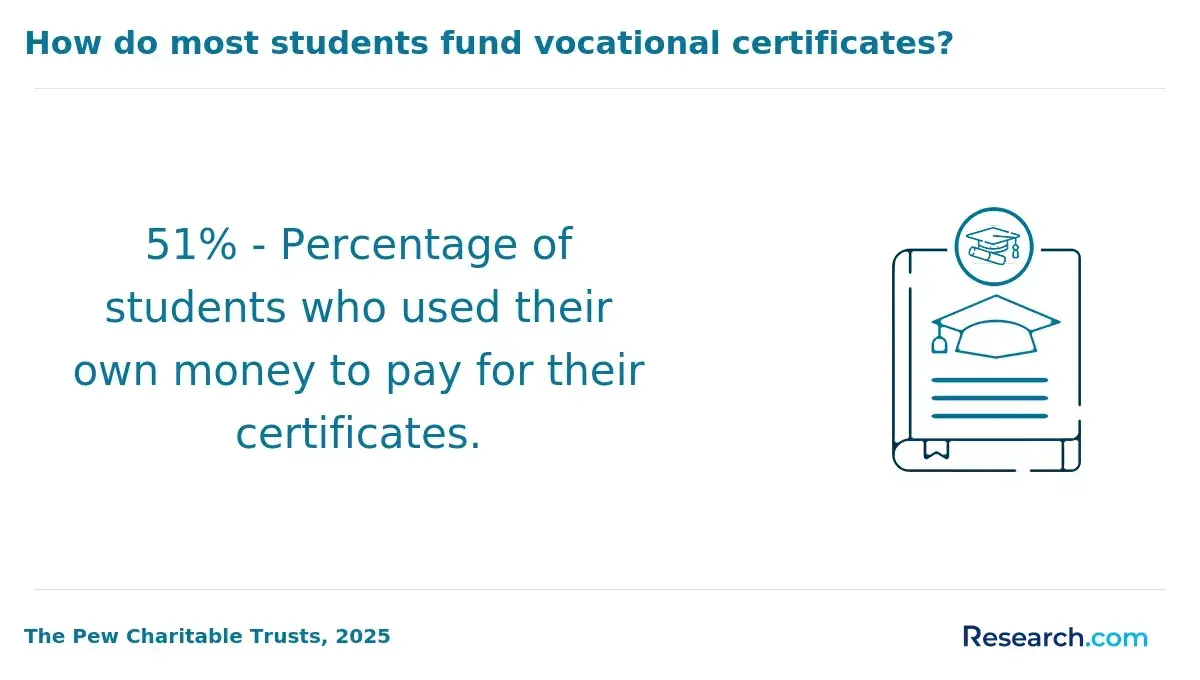
Entrepreneurship degree programs for working professionals are carefully designed to balance career relevance, practical skills, and flexible learning options. These programs often include online and asynchronous formats that accommodate full-time employment and family responsibilities. Enrollment of adult learners in entrepreneurship programs has risen by over 20% in recent years, highlighting strong demand for accessible, skill-based education.
Common coursework areas in entrepreneurship degree coursework for working professionals typically include:
- Business Planning and Strategy: This course emphasizes creating detailed business plans, goal setting, and identifying target markets, essential for launching or expanding ventures while managing a busy schedule.
- Financial Management: Covers key financial skills such as budgeting, forecasting, and raising capital, enabling adult learners to sustain and grow business operations effectively.
- Marketing and Sales: Teaches customer research and sales techniques that help build and maintain a loyal client base, critical for entrepreneurial success.
- Innovation and Product Development: Encourages creativity and the design of new products or services, which helps professionals stay competitive in dynamic markets.
- Operations and Leadership: Focuses on managing daily activities and leading teams, supporting career advancement in both entrepreneurial ventures and corporate roles.
For adult learners exploring accredited and flexible entrepreneurship programs, it may be helpful to compare options alongside other degrees like the mlis, highlighting the value of practical, career-aligned coursework in today's evolving job market.
How Long Does It Take to Complete a Entrepreneurship Degree While Working?
Completion time for an entrepreneurship degree varies significantly for working adults due to balancing job responsibilities and academic demands. Data shows that the average duration ranges from four to six years for those managing full-time work alongside their studies, which is notably longer than the typical two to four years for full-time students. Several key aspects influence how long it may take to earn this degree.
Factors affecting duration include:
- Program Format: Flexible designs like online or part-time classes accommodate work schedules but often extend the overall timeline.
- Course Load: Opting for fewer courses each semester to avoid overload tends to increase the total time needed to graduate.
- Prior Credits: Students who can transfer existing credits may finish sooner by reducing required coursework.
- Work Schedule: Jobs with rigid hours or heavy workloads can make study progress slower, lengthening degree completion.
- Accelerated Options: Participating in intensive sessions or fast-track programs can help trim down completion time.
A professional who completed an online entrepreneurship degree while working shared that managing deadlines and work pressures required meticulous planning and occasional sacrifices in personal time. He mentioned, "Balancing my job and studies wasn't easy-there were moments of doubt and exhaustion." However, having access to recorded lectures and flexible deadlines helped him maintain steady progress. Reflecting on the experience, he emphasized that patience and perseverance were key, noting, "It wasn't just about finishing fast but learning effectively while juggling responsibilities."
How Much Does a Entrepreneurship Degree Cost for Working Adults?
For working adults juggling full-time jobs, the expense of an Entrepreneurship degree is a significant concern. Part-time enrollment in these programs has grown by nearly 15% in recent years, highlighting the need for affordable, flexible education options. Several elements impact the overall cost for adult learners pursuing this path.
Key factors affecting total expenses include:
- Tuition Per Credit: Charges vary widely depending on the institution, residency status, and whether courses are taken online or in person. Tuition is typically calculated per credit hour, influencing the affordability for part-time students.
- Program Duration: The total number of required credits and the length of study greatly affect the final cost. Extended programs, especially when spread out part-time, generally lead to higher cumulative expenses.
- Additional Fees: Beyond tuition, students may face costs like technology fees, lab charges, and graduation-related expenses that add to the financial burden.
- Learning Materials: Required textbooks and course resources can be costly, sometimes reaching into the thousands over the entire program.
- Format of Study: Online courses often provide lower tuition rates and eliminate commuting or relocation costs, making them attractive to working adults balancing multiple responsibilities.
Financial aid options, including employer tuition assistance and scholarships, are essential tools that can help reduce these expenses and increase accessibility for adult students.
What Financial Aid Options Are Available for Working Adults in Entrepreneurship Degree Programs?
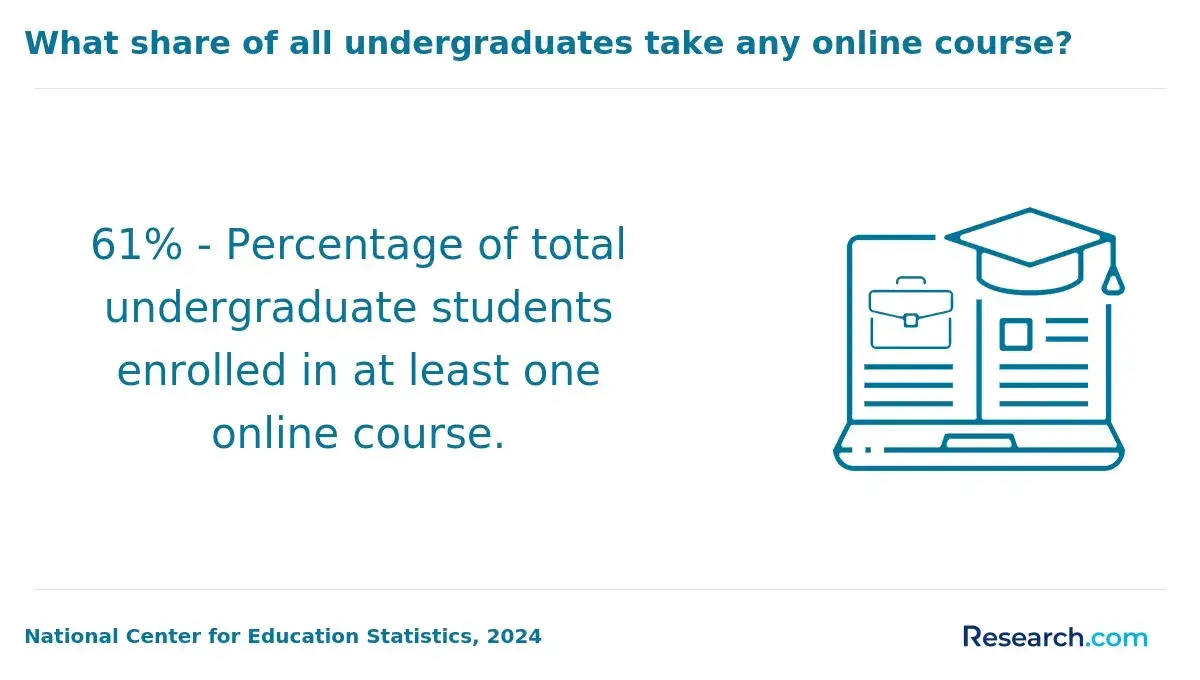
Financial aid is essential for working adults pursuing entrepreneurship degrees, as these individuals often navigate the challenges of full-time jobs, education, and family life simultaneously. Financial support can alleviate monetary stress and make continuing education more attainable.
Common financial aid opportunities available to these students include the following:
- Federal Financial Aid: This option comprises government-backed grants and low-interest loans, typically awarded based on the FAFSA. Qualification hinges on factors like income and enrollment status, providing crucial support for many adult learners.
- Employer Tuition Assistance: Numerous employers offer reimbursement or tuition help programs to encourage staff development. These benefits generally come with conditions such as maintaining specified grades or continued employment for a certain period.
- Scholarships for Adult Learners: Designed specifically for non-traditional students, these scholarships consider merit, financial need, or professional history to support adults balancing education with other responsibilities.
- Grants: Offered by various government bodies and private organizations, grants provide need-based funding without the requirement of repayment, easing the financial load on adult students.
- Flexible Payment Plans: Many institutions offer options that allow tuition to be paid in manageable installments, helping students spread costs over time rather than facing lump-sum payments.
A professional who completed an entrepreneurship degree while working shared her experience when asked about the financial aid options available. She recalled how juggling work and family commitments made upfront tuition payments nearly impossible. By enrolling in a flexible payment plan, she was able to ease immediate financial pressure and focus on her studies. Additionally, she mentioned that employer tuition assistance was vital in her journey; the process of applying required persistence and careful documentation, but the eventual reimbursement lifted a significant burden. Reflecting on her path, she noted, "Knowing that I had multiple avenues for financial support transformed what felt like an overwhelming challenge into a manageable and rewarding experience."
What Support Services Help Working Adults Succeed in a Entrepreneurship Program?
Working adults enrolled in entrepreneurship degree programs often face the challenge of balancing coursework with full-time jobs and personal commitments. Access to effective institutional support services is essential to help them manage these demands and maintain steady academic progress.
- Academic Advising: Offers tailored guidance to help students plan their courses strategically around their work and life schedules, promoting timely completion of their degree.
- Flexible Scheduling: Provides options such as evening, weekend, or online classes that accommodate busy professional and family lives without sacrificing the quality of education.
- Online Learning Support: Helps students navigate digital platforms and access course materials remotely, making it easier to stay engaged and complete assignments amid a hectic routine.
- Career Services: Connects students with mentorship, internships, and job opportunities that align with their entrepreneurship goals, enhancing practical experience and professional growth.
- Mental Health Resources: Supplies tools and counseling to manage stress and maintain well-being, which is vital to balancing academic demands alongside personal and professional responsibilities.
Are Entrepreneurship Degrees for Working Adults Accredited?
Accreditation for entrepreneurship programs signifies that they meet established standards of educational quality, curriculum rigor, and faculty expertise. For working adults, earning a degree from an accredited program ensures its recognition by employers, enhancing professional credibility. Accreditation also plays a key role in determining access to federal financial aid, which can help reduce the cost of returning to school. With nearly 40% of graduate students now adult learners, there is increased demand for flexible, reputable programs designed to accommodate busy schedules.
The long-term benefits of accreditation include smoother credit transfer if students decide to pursue further education, which can save time and money. Many business certifications or licenses require degrees from accredited institutions, ensuring that learners are eligible for professional credentials. Furthermore, employers often prefer candidates with accredited degrees, which can facilitate career growth and lead to higher earnings. These factors collectively enhance the lasting value and trustworthiness of an entrepreneurship degree for adult professionals.
Does a Entrepreneurship Degree Increase Salary for Working Adults?
Salary growth is a primary motivation for working professionals pursuing an Entrepreneurship degree, with typical earnings ranging from $50,000 to $100,000 annually depending on experience and job function. This degree equips learners with essential skills that foster career advancement and business leadership, which supports increased earning potential.
- Industry Demand: Fields that emphasize innovation and startup growth tend to offer greater financial rewards for those holding an Entrepreneurship degree. Sectors with robust entrepreneurial activity value these skills more highly, influencing salary increases.
- Role Advancement: Earning an Entrepreneurship degree often qualifies professionals for leadership and strategic roles, which come with higher pay scales. Career advancement is a key way the degree impacts income.
- Employer Policies: Companies differ in how they incentivize education through promotions or salary bonuses, affecting how much an Entrepreneurship degree translates into pay raises. Supportive employer policies can magnify salary growth.
- Years of Experience: The combination of an Entrepreneurship degree with substantial professional experience usually leads to better compensation. Tenure in a relevant field helps maximize the degree's impact on salary.
- Specialization: Focusing on particular areas within entrepreneurship, such as technology ventures or social enterprises, can influence earning potential. Specialized knowledge may open doors to higher-paying opportunities.
For working adults seeking flexibility, accredited programs that fit around full-time employment are essential. Many find value in pursuing an accelerated bachelor's degree online to balance education and work. This approach supports entrepreneurship degree salary growth for working adults while enhancing career options.
Ultimately, the impact of an entrepreneurship degree on career advancement depends on strategic alignment with professional goals and market dynamics, making it a potentially powerful tool for boosting long-term earnings.
What Jobs Can Working adults Get With a Entrepreneurship Degree?
An entrepreneurship degree can elevate working adults into higher-level, specialized, or leadership roles by equipping them with advanced skills in business strategy, innovation, and management rather than limiting them to entry-level positions. This education enables experienced professionals to pursue career advancement opportunities that emphasize strategic decision-making and organizational growth.
Below are some of the high-paying entrepreneurship jobs for working adults that reflect this upward mobility:
- Business Development Manager: This role involves identifying new growth opportunities and forming strategic partnerships. The degree provides essential skills in negotiation and market analysis, preparing professionals to drive business expansion and revenue increases.
- Innovation Consultant: These consultants guide companies through creative problem-solving and new product development. Deep knowledge of entrepreneurial processes allows them to inspire and implement innovative business solutions.
- Product Manager: Product Managers oversee the full lifecycle of products, from concept to launch, using project management and market research expertise gained in entrepreneurship programs to ensure competitive success.
- Startup Advisor or Mentor: Experienced graduates often transition into mentorship roles, applying their entrepreneurial insights to advise emerging businesses on strategy and operations, reflecting leadership advancement.
- Small Business Owner or CEO: Many leverage their degree to lead or establish businesses, managing all aspects from financial planning to organizational leadership learned through their studies.
Working adults seeking flexible, accredited entrepreneurship degree programs can find options tailored to fit full-time employment schedules. For those exploring affordable educational paths, resources such as cheapest online colleges that accept fafsa can help identify cost-effective institutions. The variety of career opportunities with entrepreneurship degree credentials makes this credential a valuable investment for career growth and financial advancement.
What Graduates Say About Their Entrepreneurship Degrees for Working Adults
- Finley: "Choosing to enroll in an online entrepreneurship degree while working full-time was a game-changer for me. The flexibility allowed me to balance work and study without sacrificing income, and at an average cost of around $20,000, it was a worthwhile investment that didn't break the bank. Since graduating, I've launched my own startup, and the practical knowledge gained has been invaluable. "
- Colby: "As someone who wanted to advance professionally without leaving my job, the part-time entrepreneurship program seemed like the perfect fit. It was honestly challenging to juggle everything, but the cost hovered around $18,000, making it more accessible than I expected. Completing the degree gave me a fresh perspective on business strategy and improved my decision-making skills in my current role. "
- River: "I opted for a part-time entrepreneurship degree because it offered the chance to gain real-world skills while maintaining steady employment. The price was reasonable, especially considering the long-term benefits, roughly $22,000 in total. Finishing the program professionalized my approach to business development and opened doors for leadership positions within my company. "
Other Things You Should Know About Entrepreneurship Degrees
For 2027, entrepreneurship degree programs offer various flexible scheduling options, such as online courses, evening classes, and accelerated programs. These are designed to accommodate the busy schedules of working adults, ensuring they can balance their work and academic commitments effectively.
Prior work experience is not typically necessary to enroll in an entrepreneurship degree program. However, practical experience can be advantageous, providing real-world context to theoretical learning. Many programs in 2027 offer courses that integrate practical business scenarios, allowing students to apply concepts effectively, whether they are novices or seasoned professionals.
References
- Job Opportunities for People With Entrepreneurship Degrees https://www.americanexpress.com/en-us/business/trends-and-insights/articles/8-jobs-you-can-get-with-an-entrepreneurship-degree/
- Business Degrees Frequently Asked Questions (FAQ) https://www.coursera.org/articles/business-degrees-faq
- Getting Help From Colleges and Universities | Education https://www.entrepreneur.com/growing-a-business/getting-help-from-colleges-and-universities-education/78872
- Woolf | Globally Recognized Accredited Degrees Online https://woolf.university/
- Jobs With A Bachelor's Degree in Entrepreneurship | All Bachelor Degrees https://allbachelordegrees.com/degrees/business-management/entrepreneurship/8-jobs-you-can-get-with-an-entrepreneurship-degree/
- Adult Education Entrepreneurship Institute | COABE https://www.coabe.org/entrepreneurship-institute
- 10 Best Degrees for Entrepreneurs | What to Study if you Want to Launch your Own Business https://www.collegeconsensus.com/degrees/best-degrees-entrepreneurs/
- 16 free and paid entrepreneurship courses aspiring founders can take online | Fortune Education https://fortune.com/education/articles/entrepreneurship-courses/
- Free support to start a business | Enterprise programme https://www.kingstrust.org.uk/how-we-can-help/support-starting-business
- Go From Zero: Freelance and Business Start-Up https://www.bathspa.ac.uk/students/careers/startup-or-freelance/


