2027 Best Healthcare Management Master's Specializations for Career Growth

Co-Founder and Chief Data Scientist
The healthcare sector faces accelerating shifts in technology, regulation, and workforce demands that reshape leadership roles and skill requirements. Specializations within healthcare management do not yield uniform career trajectories; some align more closely with emerging priorities like data-driven decision-making, regulatory compliance, or integrated care coordination.
Employers increasingly seek professionals capable of navigating complex systems transformation while meeting evolving quality and safety standards. Career growth in this field extends beyond advancement to include strategic influence, cross-organizational mobility, and resilience amidst industry disruption.
Selecting a master's specialization requires careful analysis of labor market needs, credential relevance, and the changing nature of work to maximize long-term professional positioning.
Key Benefits of the Best Healthcare Management Master's Specializations for Career Growth
- Specializations emphasizing health informatics require extra technical training, often extending program duration-candidates must weigh deeper expertise against delayed workforce reentry.
- Employers favor graduates with strategic financial acumen; programs integrating budget management align with evolving demands for multifaceted leadership roles in health systems.
- According to a 2024 workforce study, 62% of health orgs prioritize candidates with operational analytics skills, influencing part-time students' curriculum choices to maximize employment competitiveness.
Which Healthcare Management Master's Specializations Offer the Best Career Growth?
Choosing a specialization within a healthcare management master's program shapes long-term career trajectories by influencing leadership access, adaptability to changing healthcare demands, and the development of transferable skills.
Career growth outcomes hinge on selecting concentrations that align closely with evolving industry needs and provide clear pathways to elevated responsibility and cross-sector mobility.
- Health Informatics: This specialization drives career momentum by merging clinical insight with technology proficiency, addressing the critical industry trend of healthcare digitization. Graduates in this area benefit from rapid promotion potential and command higher-tier strategic roles managing electronic health records and data analytics.
- Healthcare Policy and Administration: Professionals skilled in regulatory frameworks and policy navigation position themselves to influence organizational and systemic healthcare delivery. This specialization fosters leadership roles within large health systems and government sectors, where understanding reimbursement models and policy impact directly supports upward mobility amid ongoing healthcare reform.
- Finance and Healthcare Economics: Expertise in budgeting, financial reporting, and economic evaluation equips managers for executive roles such as CFO or fiscal directors. As escalating healthcare costs demand more efficient resource allocation, those with financial acumen are critical in sustaining organizational viability, creating opportunities for advancement into senior leadership with broad operational influence.
- Clinical Operations Management: While more institution-specific, specializing in clinical operations develops operational leadership skills essential for managing complex healthcare delivery environments. This track benefits professionals targeting roles focused on improving care quality and day-to-day performance but may require strategic cross-training to expand mobility and long-term growth.
Aligning specialization with these strategic career factors is vital for mastering the best healthcare management master's specializations for career advancement.
For those balancing practical career progress with academic choices, evaluating how each concentration supports leadership readiness and adaptability equips students and professionals to navigate a competitive, evolving healthcare labor market effectively.
Those interested in broader healthcare-related pathways can find value in exploring nursing programs online, which may complement or diversify their management expertise.
Which Healthcare Management Master's Specializations Are Most In Demand?
Demand for healthcare management master's specializations fluctuates across sectors, shaped by ongoing technological advancements, shifting economic factors, and evolving organizational priorities. Recognizing which specializations align with these dynamic market forces provides prospective students and professionals a more actionable basis for their educational investments.
- Health Informatics: The rapid adoption of electronic health records and digital care platforms creates a strong need for managers who combine clinical insight with data analytics and IT expertise. Employers prioritize graduates who can facilitate interoperability, data security, and workflow optimization amid expanding health IT investments.
- Population Health Management: This specialization intersects with public health, insurance, and integrated healthcare delivery, focusing on improving outcomes at scale through chronic disease management and addressing social determinants.
- Financial Management and Healthcare Economics: With rising healthcare costs and complex payment models, managerial roles requiring budgeting acumen, reimbursement strategy, and financial forecasting remain critical. Professionals skilled in financial stewardship often access leadership tracks, particularly in executive positions that demand strategic resource allocation and economic sustainability.
- Clinical Management and Health Policy: Although these paths offer specialized expertise relevant to care coordination and regulatory compliance, they tend to cater to narrower employer niches or require supplementary credentials. This specialization may suit those targeting specific clinical environments or public sector roles but generally offers less labor market flexibility.
- Cross-Functional Specializations: Programs that blend technology proficiency, data literacy, and financial understanding meet the evolving demands for adaptable leaders capable of managing multifaceted healthcare systems. Employers increasingly value candidates who can navigate intersecting operational domains amid rapid sector transformation.
What Skills Are Developed in Different Healthcare Management Master's Specializations?
The selection of a healthcare management master's specialization steers the development of targeted skill sets that distinctly influence professional effectiveness and career advancement.
Different tracks cultivate unique blends of technical mastery, strategic insight, leadership, and applied expertise, shaping graduates' readiness for varied roles and their adaptability to sector demands.
- Healthcare Policy and Administration: This specialization hones strategic thinking related to regulatory frameworks and policy compliance, preparing graduates to navigate complex government and institutional rules.
- Healthcare Informatics: Focusing on data systems and technology integration, this track develops competencies in managing electronic health records, analytics platforms, and digital security protocols. Graduates translate technical knowledge into improving patient outcomes and operational efficiency.
- Financial Management in Healthcare: Emphasizing budgeting, revenue cycle management, and financial analysis, this specialization builds skills critical for controlling costs and optimizing resource allocation. Professionals trained here are often sought for roles requiring precise fiscal oversight amid tightening healthcare budgets and evolving reimbursement models.
- Quality and Patient Safety: This area concentrates on implementing quality assurance processes, risk reduction, and regulatory compliance to enhance care standards. Graduates develop a keen eye for process improvement and evidence-based evaluation.
- Strategic Leadership and Organizational Development: Offering training in change management, team leadership, and organizational behavior, this specialization equips healthcare managers to lead complex institutions through transformation.
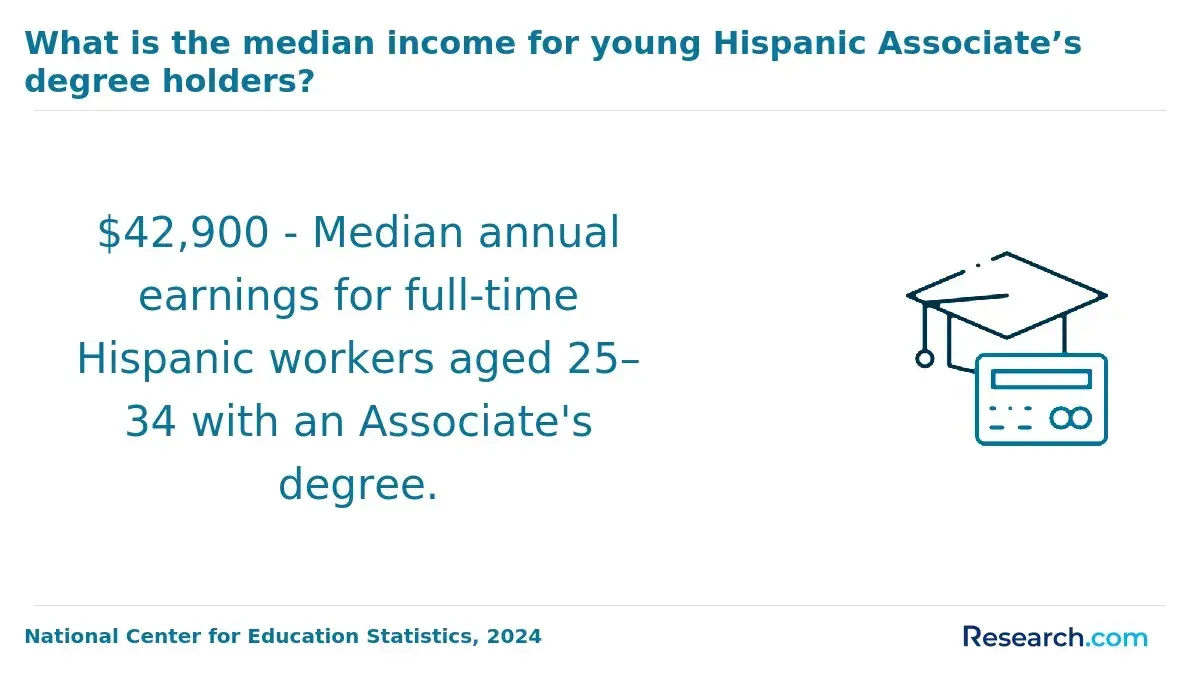
According to recent findings from the National Center for Education Statistics (2024), graduates from healthcare management master's programs demonstrate a notable 25% higher proficiency in strategic leadership and data-based decision-making compared to peers without graduate education, underscoring the significance of specialization-aligned skills in workforce readiness.
One graduate recalled navigating the rolling admissions cycle for a healthcare informatics specialization. Initially hesitant due to a late application submission, they weighed the risks of delaying enrollment against the advantage of securing a spot in a competitive program.
After careful timing aligned with an unexpected job-related pause, the candidate submitted materials just before the deadline and received prompt acceptance. This strategic patience, informed by understanding admissions windows and personal commitments, proved vital for balancing career transitions with educational goals.
Which Healthcare Management Master's Specializations Require Professional Licensure?
Professional licensure operates as a critical structural boundary shaping the selection of healthcare management master's specializations. While many specializations do not formally require licensure, those that do tend to intersect with regulated clinical or compliance roles, imposing distinct curriculum and career pathway constraints.
Understanding these licensure dynamics is essential for navigating professional gatekeeping and labor market entry within healthcare management specializations with licensure requirements.
- Nursing Administration: This specialization commonly mandates holding a Registered Nurse (RN) license prior to or during graduate study. Licensure ensures the candidate possesses foundational clinical expertise necessary for leadership roles that integrate patient care and administrative oversight.
- Clinical Informatics: Licensure requirements typically hinge on whether the pathway bridges healthcare IT with direct clinical practice, making existing clinical licensure-such as RN or medical technologist certification-a prerequisite.
- Healthcare Compliance and Risk Management: Although traditional licensure is not universally required, certifications like Certified in Healthcare Compliance (CHC) increasingly function as de facto professional credentials. These certifications address regulatory oversight demands and ethical obligations in healthcare organizations.
- Healthcare Policy and Finance: These specializations rarely require formal licensure, reflecting their distance from direct clinical intervention. However, voluntary certifications may bolster professional credibility and career mobility.
According to recent labor market analytics from the Bureau of Labor Statistics, fields requiring clinical licensure within healthcare administration tend to report higher median wages and more structured promotion ladders, underscoring the economic implications of professional licensure.
For those weighing specialization options, licensure not only conditions program curriculum but also acts as a determinant of long-term career flexibility and advancement potential. Prospective students should assess the tradeoffs between the added time and cost of meeting licensing requisites against the differentiated career opportunities offered.
Advisors and students exploring healthcare management programs may also consider consulting fast track programs, which sometimes offer streamlined pathways that integrate licensure preparation with graduate coursework, shortening the overall timeline to eligibility and employment in regulated roles.
Which Healthcare Management Master's Specializations Are Best for Career Changers?
For professionals shifting careers into healthcare management, selecting a master's specialization serves as a pivotal factor in easing the transition. The ideal specializations reduce redundant retraining by leveraging existing skills while opening viable pathways into healthcare roles where demand and employer preference converge.
- Health Informatics: This specialization fits those with backgrounds in IT, engineering, or data analysis because it capitalizes on existing technical skills related to data systems and digital workflows. Employers highly value candidates who can navigate electronic health records and analytical platforms.
- Healthcare Policy and Administration: Individuals with experience in law, public policy, or social sciences find this path conducive due to overlapping knowledge of regulatory processes and systemic frameworks. This specialization supports career changers aiming for roles influencing compliance, policy implementation, and strategic health reform.
- Operational Leadership: Those coming from business, finance, or management fields benefit by applying leadership, budgeting, and strategic planning skills directly to healthcare delivery systems. While this route demands acclimation to healthcare-specific challenges, the core competencies align well with mid-level management roles that emphasize operational efficiency within medical settings.
- Clinical Project Management: For professionals with project coordination or quality assurance experience, this specialization translates transferable skills toward managing clinical trials, healthcare initiatives, or compliance projects.
Choosing a specialization that aligns well with previous experience not only minimizes training time but also enhances credibility with employers seeking candidates who balance healthcare knowledge with proven technical or managerial skills.
Many employers prefer hybrid expertise where candidates bring domain-relevant competencies alongside core healthcare understanding, facilitating smoother integration and faster professional advancement.
One career changer enrolled in a healthcare management master's program found herself navigating the timing uncertainties endemic to rolling admissions. Initially hesitant, she delayed application decisions waiting for clarity on specialization availability that matched her background in finance.
Her cautious approach allowed for tailored preparation, though it compressed her study timeline once admitted. She reflected later that early engagement with program advisors about specialization fit could have mitigated the compressed schedule, highlighting how strategic timing and insight into program offerings are critical for career changers balancing transition readiness against admission cycles.
Which Online Healthcare Management Master's Specializations Support Career Growth Most Effectively?
Online healthcare management master's specializations can serve as strategic accelerators for career growth, particularly for professionals balancing education with work. The effectiveness of each specialization hinges on its alignment with shifting industry priorities and the extent to which it fosters advancement in increasingly digital and hybrid healthcare environments.
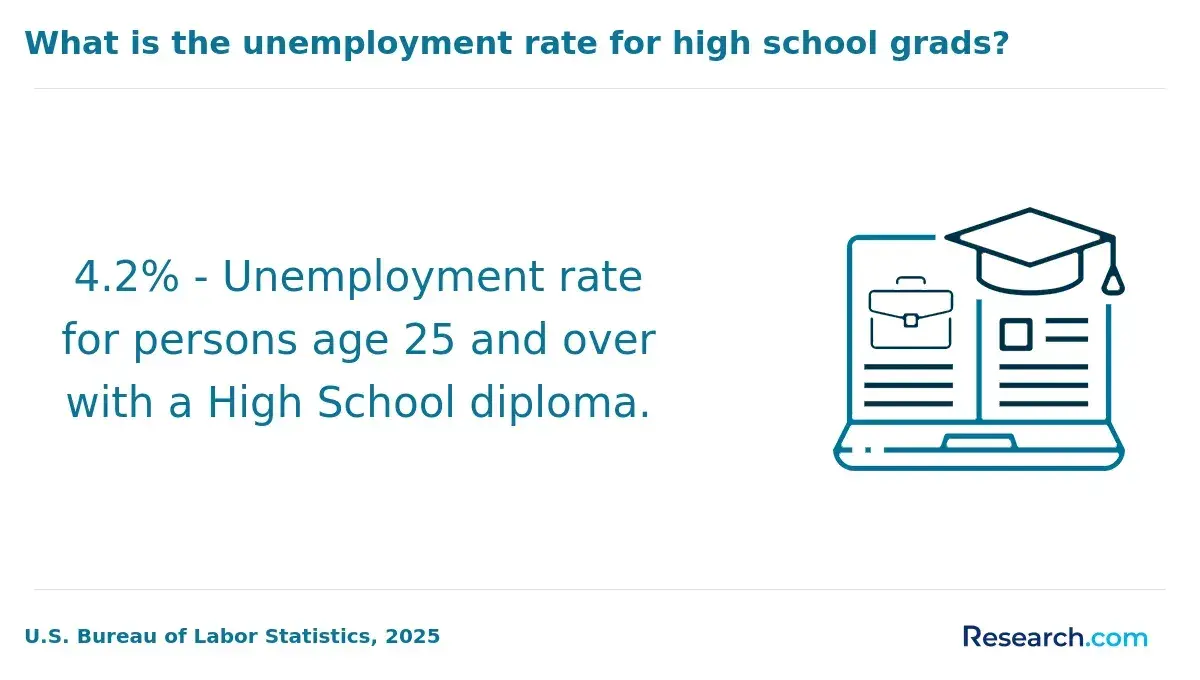
- Health Informatics: This specialization capitalizes on the healthcare sector's data-driven transformation. Mastery of electronic health records and analytics translates into immediate workplace applicability, enhancing visibility among employers who value data fluency for improving operational efficiency. The U.S. Bureau of Labor Statistics projects a 28% growth for healthcare informatics roles over the next decade.
- Healthcare Policy and Administration: Graduates gain expertise in navigating complex regulatory frameworks and reimbursement systems, skills critical for executive roles that influence institutional strategy. This specialization's value is grounded in its preparation for policy-driven leadership.
- Healthcare Quality and Patient Safety: Focused on continual quality improvement and risk mitigation, this track suits professionals aiming for senior management positions responsible for compliance and patient outcomes. The ability to implement evidence-based improvements directly correlates with increased professional responsibility.
- Healthcare Finance and Economics: Though less commonly emphasized in some programs, proficiency in financial management and economic evaluation equips graduates to influence budgeting, resource allocation, and cost-control strategies. This financial acumen is critical in healthcare systems facing economic pressures.
- Strategic Leadership in Healthcare Organizations: Preparing students for executive-level challenges, this specialization fosters skills in change management, team leadership, and cross-functional collaboration vital for navigating the complexities of modern healthcare.
Choosing the best healthcare management master's concentrations for career advancement requires weighing these specializations against one's professional context and goals. Online delivery often enhances scalability of skills and networks, yet success depends on immediate applicability and employer recognition of specialized competencies.
For those exploring related advanced degrees, options like the best online DNP program without clinical requirements may additionally offer pathways to broaden clinical leadership without interrupting professional momentum.
What Healthcare Management Master's Concentrations Lead to Management Careers?
Advancement into management within healthcare organizations depends heavily on the type of expertise and decision-making authority developed through a master's concentration. Different healthcare management specializations build distinct leadership capabilities, shaping how professionals gain influence, operational command, and strategic responsibility.
Rather than purely credential-focused, management progress is tied to the ability to navigate cross-functional challenges and lead critical organizational functions.
- Health Informatics: This concentration cultivates analytical and technological leadership by integrating data systems into patient care and operational workflows. Professionals develop skills that enable them to oversee information technology projects and interpret complex data for strategic decision-making.
- Healthcare Finance: Specializing in finance equips professionals with expertise in budgeting, reimbursement mechanisms, and economic planning, which directly correlates with control over resource allocation.
- Health Policy and Regulatory Affairs: Focused on navigating complex regulatory environments and government relations, this concentration prepares individuals to influence compliance strategies and shape organizational policy.
- Quality Improvement and Patient Safety: Emphasizing operational leadership, this area develops capabilities in program management and outcomes assessment essential for enhancing care standards. Graduates often ascend to roles that require oversight of clinical protocols and accreditation processes, blending frontline operational insight with organizational quality assurance leadership.
How Does Earning Potential Vary by Healthcare Management Master's Specialization?
Earning potential in healthcare management master's specializations shows significant variation, influenced by the particular area of focus and its alignment with current industry demands.
Data from recent sources such as the U.S. Bureau of Labor Statistics and Glassdoor Economic Research indicate that median annual salaries for healthcare informatics specialists approach $120,000, reflecting the premium placed on advanced technical skills and data-driven decision-making.
In contrast, more general healthcare management roles often report median salaries closer to $90,000, while specializations like human resources or healthcare policy typically start lower but provide steady, incremental salary growth. These figures illustrate that earning potential is closely tied to the specialization's relevance to pressing healthcare challenges such as digital transformation and cost control.
The underlying drivers of these salary disparities hinge on several interrelated factors. Specializations that require complex technological expertise or certifications-such as healthcare informatics-benefit from a scarcity of qualified professionals capable of implementing systems that improve patient outcomes and operational efficiency.
Roles with direct influence over financial management or regulatory compliance tend to command higher salaries due to their critical impact on organizational revenue and risk mitigation.
Conversely, areas focused on policy or human capital management, while essential, often involve more standardized skill sets and less direct fiscal accountability, which translates into comparatively lower initial compensation. The leadership responsibilities associated with managing cross-functional teams and integrating strategic initiatives also contribute to higher pay in specialized tracks.
Long-term salary progression in healthcare management is not always proportional to starting pay. While technical specializations may offer substantial entry-level compensation, administrative or policy-focused paths often provide broader leadership opportunities that can lead to higher earnings over time.
Career advancement in these areas depends heavily on cultivating soft skills, regulatory expertise, and operational knowledge that support sustained organizational growth. As the healthcare landscape evolves, professionals who combine technical aptitude with strategic leadership will likely experience the most robust salary growth, underscoring the need for continued development beyond initial credentialing.
What Mistakes Do Students Make When Selecting a Specialization?
Selecting a master's specialization in healthcare management is a strategic career decision that requires looking beyond immediate appeal or short-term financial gains. Many students fall into common pitfalls by prioritizing perceived prestige or salary at entry-level stages without assessing how the specialization aligns with long-term career trajectories and evolving industry demands.
Understanding these mistakes can help students adopt a more nuanced framework for choosing a specialization that supports sustained professional growth.
- Overemphasis on Short-Term Salary Prospects: Students often focus on initial salary offers without considering job stability, growth potential, or the risk of saturation in certain specializations. This can lead to early dissatisfaction as rapidly changing healthcare policies and technologies shift employer demand. Evaluating salary should be balanced with long-term employability and skill adaptability.
- Ignoring Personal Strengths and Technical Requirements: A healthcare management specialization like health informatics demands advanced technical skills which not all candidates possess or want to develop. Choosing without realistically assessing one's aptitude can result in poor performance and stalled career progress. Individuals should honestly evaluate their competencies against specialization requirements to maintain professional satisfaction and advancement.
- Neglecting Labor Market and Geographic Variations: Students frequently overlook how job availability differs by region and healthcare sector, affecting specialization viability. Without factoring in geographic demand and institutional employer preferences, graduates may face limited job opportunities despite strong credentials. Researching workforce trends ensures alignment between specialization and market realities.
- Underestimating Industry Certification and Credentialing: Some administration-focused specializations emphasize licensure or additional certifications for advancement. Assuming a master's credential alone suffices can delay promotions or limit roles. Awareness of certification pathways and their importance in employer evaluations should influence specialization choice.
- Following Outdated Trends or Peer Influence: Many students select specializations based on past market perceptions or peer recommendations rather than current data on healthcare sector evolution. This disconnect undermines strategic planning and limits long-term career growth. Engaging with up-to-date labor market analyses is essential to avoid misaligned specialization choices.
- Overlooking Interdisciplinary Skill Integration: Failing to build complementary expertise in areas like policy, analytics, or finance restricts career flexibility and advancement. The most sustainable career paths in healthcare management often require an interdisciplinary approach that adapts to shifting organizational needs.
A 2024 study by the National Center for Education Statistics found that nearly 38% of graduate students in healthcare fields reported regret or confusion about their specialization choice within two years of graduation. This underscores the importance of integrating employability data, personal capabilities, and industry foresight when selecting a specialization.
For students navigating this complex decision, consulting resources such as the best BCBA programs can also provide insights into specialized healthcare education pathways that align with career goals.
Focusing on the best healthcare management master's specializations for career growth requires moving beyond common mistakes in selecting healthcare management specialization toward understanding workforce needs and credentials that support long-term advancement.
How Can Students Align Specialization Choices With Long-Term Career Plans?
Students seeking to align specialization choices within a healthcare management master's program with long-term career plans must approach this decision as a strategic, multi-year career investment rather than a short-term academic preference.
Analyzing current and projected industry trends, such as the accelerating demand for health informatics expertise noted in the 2024 American Hospital Association Workforce Report, helps clarify which specializations offer sustainable career trajectories.
Evaluating required competencies for diverse pathways-including operational leadership, clinical administration, or policy development-enables students to identify the specialization best suited to their professional aspirations.
This structured assessment is essential in healthcare management master's specialization decisions with career goals to ensure skill sets and networks remain relevant as industry demands evolve over time.
Actionable frameworks for this alignment include mapping specialization outcomes to specific target roles and rigorously assessing the portability of developed skills across various healthcare sectors and geographic markets.
Equally important is considering how a chosen specialization supports progression into senior leadership or advanced technical positions, rather than focusing solely on initial job placement or short-lived demand spikes.
Misalignment risks often arise when decisions emphasize immediate interest without integrating long-term workforce dynamics or employer expectations, which can limit advancement potential. Prospective students should therefore incorporate insights from employer job descriptions, industry mentorship, and emerging skill requirements into their planning.
For those exploring bridges into healthcare professions from unrelated backgrounds, resources such as best online RN programs for non nurses can complement broader career planning considerations related to healthcare management master's specialization choices with career goals.
What Graduates Say About the Best Healthcare Management Master's Specializations for Career Growth
- Otto: "After finishing my master's degree with a specialization in healthcare management, I quickly realized that employers were less focused on my academic credentials and more interested in my portfolio of internships and certifications. While the degree opened doors, I had to actively cultivate practical experience to compete for leadership roles, especially given the competitive nature of the healthcare sector. Navigating the job market taught me that theoretical knowledge alone won't suffice; you need tangible, applied skills to advance."
- Colsen: "Choosing healthcare management was a strategic move to pivot into a field where I could leverage my background in business while still impacting patient care systems. Post-graduation, I encountered some salary growth limitations unless I pursued licensure, which I opted not to do for flexibility's sake. This decision led me to remote management roles that prioritize operational efficiency and team leadership over clinical credentials, highlighting how the specialization affords multiple career paths beyond traditional clinical tracks."
- Isaiah: "I appreciated how the healthcare management specialization prepared me for the realities of hiring practices, where experience often outweighs licenses, especially in non-clinical administrative positions. The program accelerated my entry into the workforce, but I also faced challenges competing with candidates holding more direct clinical experience. Over time, I've learned that ongoing certifications and networking within healthcare organizations are essential to overcome these initial hiring obstacles and grow my career pragmatically."
Other Things You Should Know About Healthcare Management Degrees
Employers frequently look for professionals with both functional versatility and specialized expertise, but industry sectors differ on which is more valuable. Highly specialized tracks-such as health informatics or regulatory compliance-may limit early career mobility but provide a competitive edge in niche roles, often with clearer promotion pathways in those fields.
Broader healthcare management tracks tend to produce versatile graduates suited for generalist leadership roles, which may require additional on-the-job training before advancing. When deciding, students should weigh whether immediate job placement in a specialized role outweighs longer-term adaptability across healthcare settings.
Accreditation ensures a program meets industry standards, but in specialized healthcare management fields, the expertise of faculty directly shapes practical learning and networking opportunities. Programs with faculty active in cutting-edge research or industry leadership tend to offer more relevant case studies, internships, and professional connections critical for career growth.
Lack of specialized faculty may result in outdated curricula or limited insight into emerging sector challenges-reducing graduate employability. Prioritizing programs with recognized accreditation and faculty who actively engage with current healthcare challenges maximizes practical knowledge and credibility with employers.
While growth sectors like digital health or population health management promise expanding job markets, these areas also rise and fall with technology adoption rates and policy shifts, posing risks. Specializations with broader applicability, such as healthcare administration or quality improvement, offer steady demand across many facility types and geographic areas, providing safer long-term options.
For students seeking career resilience, it is generally advisable to balance specialization choice by assessing both near-term growth prospects and the versatility to pivot roles or industries as healthcare landscapes evolve.
References
- Best Online Master’s Program in Healthcare Management: 2025 Edition https://www.onlinemastersdegrees.org/best-programs/healthcare-management/
- Top 25 Graduate Healthcare Management Degrees | Best MHA Programs https://www.healthcare-management-degree.net/best/top-graduate-healthcare-management-degrees/
- Exploring Specializations in Healthcare Management for a Rewarding Career https://www.asiapacific.edu/blog/mba/exploring-specializations-in-healthcare-management-for-a-rewarding-career/
- Online master’s in healthcare | Advance your career https://www.edx.org/masters/healthcare
- Top In-Demand Specializations in Healthcare Leadership https://www.ishm.co.in/blog/top-in-demand-specializations-in-healthcare-leadership/
- Health Administration Master's Programs | PublicHealthOnline.org https://www.publichealthonline.org/healthcare-administration/masters-degree-programs/
- Aligning Levels of Instruction with Goals and the Needs of Students (ALIGNS): Varied Approaches, Common Principles https://riseprogramme.org/publications/aligning-levels-instruction-goals-and-needs-students-aligns-varied-approaches-common.html
- Setting Long-Term Goals for Students - Mackler Associates https://mackleradvantage.com/setting-long-term-goals-for-students/
- Ranking of the Best Masters, MS & MBA 2025 https://www.best-masters.com/master-health-management-ranking.html
- Future Plans Personal and Career Goals Alignment https://hrbrain.ai/blog/future-plans-personal-and-career-goals-alignment/