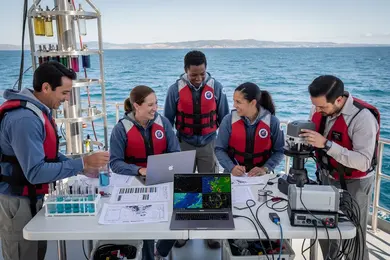
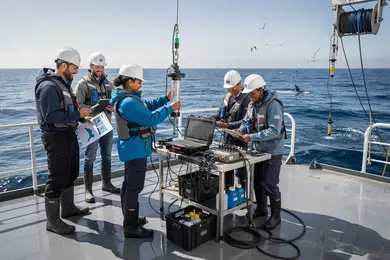
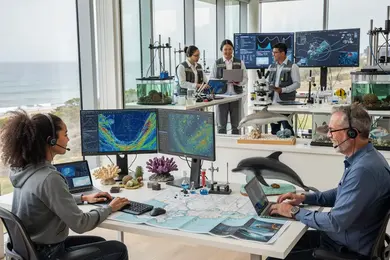
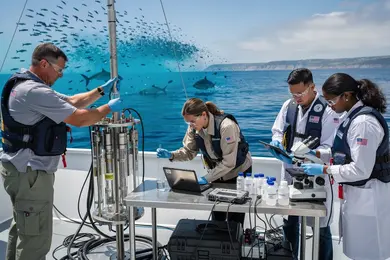
2027 Best Marine Science Master's Specializations for Career Growth

Co-Founder and Chief Data Scientist
The landscape of marine science careers is shifting, driven by technological innovations, regulatory changes, and evolving ecological challenges. Master's specializations now influence professional trajectories beyond foundational knowledge, shaping the specific skills that meet employer demands for interdisciplinary expertise, data proficiency, and policy navigation.
Workforce shortages in areas like marine technology and environmental compliance have heightened the value of targeted credentials. Meanwhile, rising emphasis on leadership and governance roles means degree holders must assess specializations for their potential to unlock broader organizational responsibilities and influence.
This analysis explores which marine science master's tracks best align with dynamic industry imperatives and sustained career advancement.
Key Benefits of the Best Marine Science Master's Specializations for Career Growth
- Specializing deeply narrows research scope, enhancing expertise but limiting versatility; thus, candidates must weigh specialization's value against potential challenges in adapting to broader marine science roles.
- Employers increasingly favor specialized skills in climate impact modeling; aligning specializations with emergent workforce demands significantly improves employability, as 68% of marine science employers prioritize niche experience in 2024 surveys.
- Part-time master's programs balance costly fieldwork time commitments with career continuity, yet extended program durations may delay access to senior roles, emphasizing strategic scheduling in professional advancement.
Which Marine Science Master's Specializations Offer the Best Career Growth?
Choosing a specialization in marine science is fundamentally a long-term career strategy tied to how well it aligns with shifting industry demands, leadership pathways, and the cultivation of transferable skills.
Career growth depends not just on entry-level opportunities but also on advancement velocity, sector adaptability, and the capacity to leverage emerging interdisciplinary areas within the field.
- Marine Biotechnology: Driving innovation in pharmaceuticals, biofuels, and environmental applications, this specialization offers scalable skill sets rooted in cutting-edge research and commercialization.
- Marine Policy and Resource Management: Positioned at the intersection of science, law, and governance, this specialization fosters leadership potential by preparing graduates for roles that influence regulatory frameworks and conservation strategies.
- Marine Geosciences: Focusing on geology and geophysics relevant to offshore energy and environmental hazard evaluation, this specialization supports career progression through operational leadership within infrastructure development and disaster resilience projects.
- Data Science and Remote Sensing in Marine Science: As large-scale ocean data collection becomes standard, specialization in spatial analysis, machine learning, and autonomous systems forms a technical foundation that is highly adaptable across sectors.
Prospective students aiming to focus their studies on the best marine science master's specializations for career advancement should weigh how each option facilitates access to leadership ladders, interdisciplinary work, and emerging market segments.
These dimensions collectively shape long-term earnings and professional responsibility growth, far beyond initial job placement.
For individuals considering intersectional health-related marine fields or accelerated pathways, programs such as accelerated DNP programs highlight the importance of pragmatic curriculum choices in securing timely entry into senior roles across related environmental and health sectors.
Which Marine Science Master's Specializations Are Most In Demand?
Demand for marine science master's specializations reflects shifting industry priorities, technological advances, and regulatory pressures rather than fixed hierarchies. Variations in employer needs across government, private sector, and nonprofits highlight the importance of aligning skillsets with emerging environmental challenges, digital tools, and policy frameworks.
- Marine Ecology and Conservation: As climate change intensifies and biodiversity loss accelerates, expertise in ecosystem evaluation and sustainable management becomes crucial. Graduates who can navigate complex environmental policies and support conservation initiatives find opportunities in government and NGOs.
- Physical Oceanography: This specialization's value is anchored in its role supporting climate modeling and maritime safety through data analytics and remote sensing. Agencies deploying advanced monitoring technologies prioritize candidates who can interpret large datasets to inform hazard assessments.
- Marine Biotechnology: The intersection of molecular biology and marine resources is expanding, propelled by biopharmaceutical innovation and environmental remediation demands. However, success in this field requires interdisciplinary agility, including biochemistry and genetics.
- Fisheries Science and Management: Persistent overfishing and global food security concerns sustain demand for specialists who balance ecological sustainability with economic viability. Roles often engage with international regulatory agencies and consultancy.
- Marine Spatial Planning and Policy: As offshore industries, conservation, and shipping compete for ocean space, expertise in legal frameworks, spatial data, and stakeholder negotiation is increasingly sought after.
What Skills Are Developed in Different Marine Science Master's Specializations?
Choosing a marine science master's specialization directly shapes the technical and professional skills a student cultivates, which in turn impacts job readiness and career progression.
Each specialization aligns with distinct industry demands and workplace roles, fostering competencies that influence how graduates perform in analytical, managerial, or field-based positions over time.
- Marine Ecology: This specialization hones skills in ecosystem analysis, species interaction modeling, and habitat conservation strategies. Graduates typically develop a strong ability to conduct field research, synthesize environmental data, and influence policy decisions.
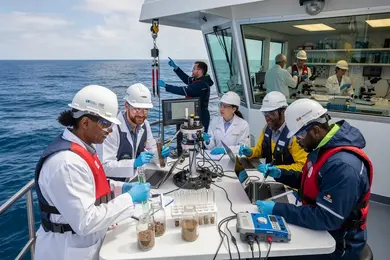
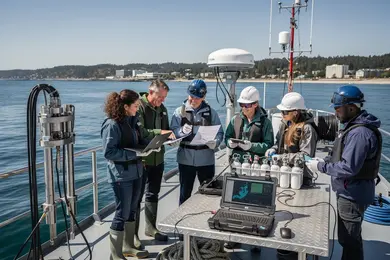
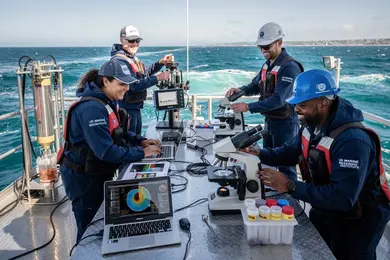
- Ocean Technology: Focused on instrumentation, data acquisition, and remote sensing technologies, this track develops problem-solving abilities relevant to designing and managing marine monitoring systems. It prepares students for technical roles in oceanographic instrument development and operational support.
- Coastal Resource Management: Students in this area cultivate skills in stakeholder engagement, regulatory frameworks, and sustainable resource planning. These capabilities translate into leadership and project management roles addressing coastal zone challenges.
- Marine Chemistry and Biogeochemistry: This specialization emphasizes lab techniques, chemical analysis of marine processes, and modeling biogeochemical cycles. Graduates develop precision in interpreting complex datasets.
- Marine Policy and Governance: Developing expertise in legal frameworks, policy analysis, and international marine agreements, this track equips students to influence marine resource legislation and governance structures.
A 2024 National Oceanic and Atmospheric Administration report observed that part-time marine science programs supporting diverse specializations increasingly emphasize linking technical mastery with applied career skills, aligning graduate capabilities with evolving sector needs.
One graduate pursuing marine ecology recalled hesitating during the rolling admissions process due to a delay in receiving official transcripts from their previous institution.
Balancing full-time work, they strategically submitted other application materials early and maintained frequent correspondence with admissions staff, mindful that any postponement could impact placement within their preferred cohort.
The experience underscored the importance of proactive timelines and preparedness in navigating application uncertainties to secure entry into a specialization-aligned program.
Employer Confidence in Online vs. In-Person Degree Skills, Global 2024

Which Marine Science Master's Specializations Require Professional Licensure?
Professional licensure acts as a significant limiting factor for specialization choice within marine science master's programs. While many specializations do not mandate formal certification, those that do tend to correspond with careers regulated by government agencies or industry standards where oversight and public accountability are paramount.
Marine Environmental Consulting and Resource Management typically require licensure due to the regulatory intersection this specialization has with environmental laws and public safety standards. Holding credentials like a Professional Engineer (PE) license or Certified Environmental Professional (CEP) is often essential to legally execute environmental impact assessments and enforce compliance.
Marine Fisheries Science presents a mixed landscape wherein research-focused positions usually do not require licensure, but roles tied to commercial fisheries management or aquaculture supervision often necessitate state or federal certification.
Ocean Engineering and Marine Geosciences demand professional licensure for practitioners involved in critical infrastructure development, underwater robotics, or hydrographic surveying. The PE license is a common prerequisite, reflecting the potential risks these activities pose to navigation safety and marine ecosystems.
Pure Marine Biology and Oceanography generally do not require professional certification since these fields emphasize academic research rather than regulated practice. Instead, career advancement hinges on advanced degrees, publications, and funded projects, highlighting a professional trajectory less constrained by licensure but more dependent on scholarly output and research networks.
Data from the U.S. Bureau of Labor Statistics in 2024 indicates that environmental scientists and specialists holding professional certifications earn on average 15% higher salaries than non-certified counterparts, underscoring the tangible career benefits of licensure in certain marine science roles.
Given the regulatory demands tied to these credentials, students assessing marine science master's licensure requirements must weigh the added time, cost, and examination hurdles against enhanced eligibility for regulated and higher-responsibility positions.
Understanding these tradeoffs enables candidates to align specialization choice with realistic career expectations and labor market conditions.
For professionals seeking insights on career viability and credential trends beyond marine science, it may be worthwhile to explore related analyses such as is medical coding a dying career to understand how licensure and certification shape workforce dynamics across fields.
Which Marine Science Master's Specializations Are Best for Career Changers?
Selecting a specialization in marine science is a pivotal step for career changers, as it dictates how effectively they can leverage prior skills while entering a new field. The optimal paths reduce the gap between existing competencies and industry demands, enhancing access to roles aligned with entry or transitional career stages.
Specializations aligned with interdisciplinary and applied skill sets offer clearer pathways compared to deeply technical options that risk prolonging skill acquisition periods.
- Marine Policy and Resource Management: This specialization taps into transferable expertise across business, law, and social sciences by focusing on regulatory frameworks, stakeholder engagement, and sustainable resource use. Its interdisciplinary nature attracts government and nonprofit employers who value hybrid skill sets, making it a common route for professionals shifting from unrelated sectors.
- Environmental Monitoring and GIS Analytics: For those with backgrounds in IT, geography, or environmental science, this area offers practical, technology-driven skills like spatial analysis and remote sensing. It aligns well with the increasing data-centric approaches to climate and coastal research.
- Marine Molecular Biology and Physical Oceanography: These fields generally require extensive prior laboratory or scientific research knowledge, posing significant challenges for newcomers. The steep learning curves and reliance on specialized methodologies limit immediate job opportunities.
- Marine Conservation Science: Bridging ecological expertise with social and policy dimensions, this specialization offers actionable skills for managing marine biodiversity and protected areas. It tends to be more accessible for candidates with environmental or social science backgrounds and supports roles that emphasize applied science combined with community consultation.
One student transitioning from a corporate finance role shared that applying during a rolling admissions cycle was a calculated risk. They delayed submitting their marine science master's application to gather stronger references aligned with policy-oriented specializations, aware that late materials might slow decision timelines.
This uncertainty added pressure but underscored the importance of strategic preparation in targeting relevant specializations rather than rushing to meet arbitrary deadlines. Ultimately, the deliberate timing aided a stronger application aligned with their transferable skills and career goals.
Which Online Marine Science Master's Specializations Support Career Growth Most Effectively?
Online marine science master's specializations can serve as strategic tools for accelerating career growth, particularly for working professionals balancing employment with further education.
The effectiveness of these specializations depends largely on how well they align with evolving industry demands and support upward mobility in increasingly digital and hybrid work environments.
- Oceanography: This specialization offers strong career growth by integrating interdisciplinary environmental data analysis with climate modeling, skills highly valued in government agencies and research institutions. Its practical emphasis on physical and chemical ocean processes allows professionals to engage immediately in applied projects.
- Marine Ecology: Focused on biodiversity and ecosystem management, marine ecology equips graduates for roles that increasingly demand data-driven conservation strategies accessible via remote sensing and digital collaboration platforms.
- Marine Resource Management: Bridging science with policy and economics, this specialization fosters interdisciplinary skills crucial for regulatory affairs and resource planning roles. Its curriculum's emphasis on applied management in fisheries and offshore energy supports scalable skills ideal for cross-sector leadership.
- Marine Biotechnology and Underwater Robotics: These niche fields provide growth opportunities primarily when complemented by additional certifications or technical proficiencies, especially in coding and engineering.
Choice of specialization should also consider immediate applicability of skills in remote or hybrid settings, as well as employer expectations for digital fluency—factors increasingly shaping career trajectories.
Prospective students aiming for public sector leadership, applied research innovation, or private industry roles would benefit from focusing on programs that integrate real-world experience, networking platforms, and technical competencies, similarly emphasized in the selection of a high-quality marine science program as for an online exercise science degree.
What Marine Science Master's Concentrations Lead to Management Careers?
Achieving management roles in marine science is less about holding a degree alone and more about accruing leadership experience that involves strategic decision-making, resource coordination, and stakeholder interaction.
Various master's concentrations build distinct forms of leadership capital, meaning some specializations more effectively position graduates for management advancement by developing operational insight and organizational influence.
- Marine Resource and Coastal Zone Management: This concentration combines ecological knowledge with regulatory and economic frameworks, strengthening graduates' capacity to manage multi-disciplinary teams and navigate complex stakeholder environments.
- Marine Policy and Ocean Governance: Focused on policy analysis, regulatory processes, and negotiation, this path builds expertise in organizational leadership within government agencies and NGOs. It fosters a strategic mindset oriented toward socio-economic and environmental tradeoffs.
- Applied Research Leadership and Science Communication: Concentrations in this area develop the ability to coordinate scientific teams, secure funding streams, and translate complex data into actionable plans. The skill set enhances upward mobility by bridging science with administration, contributing to decision-making in research direction and resource allocation.
- Environmental Economics and Management: Programs emphasizing economic evaluation of marine resources cultivate analytical abilities critical for cost-benefit assessments and strategic investment decisions. Graduates often engage with cross-sector collaboration and financial oversight.
How Does Earning Potential Vary by Marine Science Master's Specialization?
Earning potential across marine science master's specializations varies considerably, reflecting the distinct demands and economic drivers of each field.
According to data synthesized from the U.S. Bureau of Labor Statistics and Payscale integrating 2024 figures, graduates focusing on marine engineering or ocean technology typically report starting salaries near $75,000, significantly higher than the approximately $60,000 often seen for marine biology or conservation-focused roles.
Specializations in marine geophysics or oceanographic data analysis also show median salaries 15-25% above conservation areas, driven by their proximity to industries prioritizing applied sciences and technical expertise.
These figures underscore that earning outcomes are closely tied not just to the subject matter but to the industry ecosystems graduates enter and the tangible skills they bring to bear.
The structural reasons behind these disparities involve a combination of skill scarcity, industry revenue models, and organizational impact requirements.
Roles with a heavy engineering and technical focus are in demand from industries such as offshore energy, naval architecture, and maritime infrastructure where revenue generation and regulatory compliance create ongoing pressure for highly specialized competencies.
In contrast, research-heavy specializations dependent on cyclical grant funding or academic appointments tend to have more limited salary growth and fewer leadership pathways with significant financial upside.
Additionally, interdisciplinary skills combining data science and marine research elevate earning potential by bridging traditional marine biology with emerging technology-driven sectors, matching evolving employer expectations for innovation and operational leadership.
Long-term salary trajectories also merit close consideration. Although marine engineering starts with higher median salaries, advancement often hinges on continued skill deepening, project management experience, and leadership responsibilities that influence organizational outcomes in profit-driven sectors.
Conversely, marine science specializations oriented toward policy, ecology, or conservation may offer slower initial salary growth but can yield meaningful opportunities in governmental or nonprofit leadership, particularly with niche regulatory expertise.
Understanding how compensation aligns with evolving workforce needs and roles beyond entry-level is critical, as the highest starting salary does not automatically predict the strongest career earnings, especially when considering varying paths to professional responsibility and sector-specific demand shifts.
What Mistakes Do Students Make When Selecting a Specialization?
Choosing a marine science specialization during a master's program is a strategic career decision that should extend beyond personal interest or immediate appeal.
Most common mistakes occur when students focus on short-term factors, like curiosity or perceived ease, without fully assessing how these choices align with evolving labor market demands and long-term career sustainability.
- Overemphasis on Personal Interest Versus Job Market Trends: Students often prioritize their passion for a narrow field without evaluating projected employment growth or demand, which varies widely across marine science sectors.
- Ignoring the Need for Applied, Interdisciplinary Skills: A focus on theoretical knowledge without integrating practical competencies like GIS, data analytics, or technical applications reduces graduates' attractiveness to employers.
- Lack of Focus on Career Adaptability and Long-Term Growth: Specializing too narrowly-such as in coral reef ecology or polar marine systems-may restrict career flexibility if funding or environmental conditions shift.
- Insufficient Mentorship and Industry Insight Before Choosing: Fewer than 40% of master's students report engaging meaningfully with mentors or industry professionals when selecting specializations, leading to misaligned expectations of career paths, salary levels, and advancement opportunities. Seeking early guidance aids in making informed decisions that align with workforce realities.
These pitfalls reflect underlying assumptions that often undervalue market data, technical skill demands, and long-term versatility.
Students who avoid these errors by incorporating labor market interpretation and realistic career strategy into their decision-making framework position themselves better for professional growth and satisfaction within marine science. Awareness of relevant certification or licensure pathways further refines specialization choices.
For individuals navigating specialization selection errors in marine science master's programs, understanding practical skill requirements, market trends, and mentor insights is crucial.
This informed approach parallels considerations in related fields where credentials impact earning potential, such as those discussed in research on CPC salary and career paths.
How Can Students Align Specialization Choices With Long-Term Career Plans?
Aligning a master's specialization in marine science with long-term career planning requires a forward-looking assessment of industry trends, essential competencies, and typical career pathways within the sector.
Students should treat specialization choices as a multi-year strategy rather than a short-term academic decision, integrating current labor market signals with projections of skill demand and growth areas.
For example, fields such as oceanography and marine ecosystem management show projected growth of about 10% over the next decade, indicating competitive yet expanding opportunities.
Incorporating a clear understanding of which specializations support advancement into desired roles-whether in research, policy, environmental consultancy, or maritime resource management-helps to optimize employability and career trajectory over time, which is a core consideration in aligning marine science master's specializations with career goals.
Practically, students can use structured frameworks to map specialization outcomes onto specific job roles and evaluate how transferable the skills acquired are to other sectors or geographic regions. Considering how a specialization prepares graduates for leadership or advanced technical positions is critical, as not all focus areas yield the same pathways to increased professional responsibility.
Common pitfalls include selecting specializations based on short-term industry demand spikes or personal interest without factoring in shifting workforce needs and long-term adaptability.
Integrating experiential opportunities, such as internships supported by programs with strong industry or governmental partnerships, further enhances practical readiness, as seen in a recent National Science Foundation report where 69% of master's graduates completing internships secured faster employment.
Those weighing specialization options might also benefit from comparing their choices with diverse career supports found at accredited online colleges for drug and alcohol counseling to better understand transferable skills across related environmental and healthcare sectors.
What Graduates Say About the Best Marine Science Master's Specializations for Career Growth
- Louie: "After completing my master's degree with a focus on marine science, I quickly realized that employers valued hands-on experience more than just academic credentials. Internships and a strong portfolio showcasing fieldwork were crucial when I applied for research positions. Although the licensure wasn't a strict requirement, obtaining additional certifications helped me stand out and secure a role that offers some remote flexibility-something I didn't expect in this traditionally field-heavy discipline."
- Zamir: "The transition into the workforce after grad school was eye-opening. While my marine science specialization certainly opened doors, I faced stiff competition for government job openings that required specialized licensure. I decided to pivot towards environmental consulting, where quicker entry into the workforce and practical experience mattered more. Salary growth has been steady but somewhat capped without additional qualifications, so I'm considering whether to pursue professional licensure down the line."
- Matthew: "Marine science gave me the technical foundation, but what really propelled my career was networking and showcasing real-world projects during my master's. Many employers prioritize portfolios and prior internships over degrees alone. One challenge was balancing the desire for advancement with the reality that some senior roles demand licensure, which is a lengthy process. Still, I've found roles that offer steady career growth and meaningful work in coastal resource management, which aligns well with my goals."
Other Things You Should Know About Marine Science Degrees
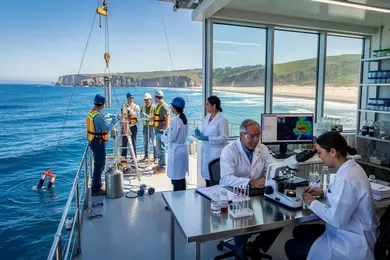
When choosing a marine science master's specialization, assess how each program integrates leading research with hands-on fieldwork opportunities. Prioritize programs that align with your career goals, whether it be academic advancement or practical application in marine industries.
Marine science specializations that incorporate interdisciplinary courses, combining elements like policy, economics, or technology, generally offer broader career pathways but may come at the cost of less technical depth in any one area. This broader knowledge can be advantageous in roles requiring collaboration across sectors or in leadership positions where understanding varied perspectives is crucial.
However, employers seeking highly specialized technical expertise might prefer candidates with narrower but deeper mastery. For students aiming at flexible career options or transition into emerging cross-sector roles, prioritizing interdisciplinary study can be strategically valuable.
Shorter master's programs concentrated on coursework typically allow students to enter the workforce faster and may include applied projects that enhance practical skills. However, these programs might limit opportunities for deep specialization or original research, which are often valued for advanced scientific or policy roles.
In contrast, thesis-driven specializations require a significant time investment and self-directed research but develop skills in critical thinking and innovation, fostering stronger qualifications for PhD programs or research-intensive careers. Students should align their choice with their career goals and willingness to commit time to research autonomy.
Programs with strong ties to marine science employers, government agencies, and research institutions usually facilitate internships, co-op placements, and networking opportunities that significantly boost job prospects. Specializations embedded within universities or regions known for marine research often provide better direct access to marine industry partners.
Choosing a specialization without solid industry engagement can limit exposure to real-world problems and hinder career entry, especially in competitive fields. Prioritizing programs that actively connect students with employers is advisable for those seeking smoother transitions into marine science careers.
References
- Study Marine Science - Experience, Job Opportunities, Salary + Survey https://jobtensor.com/uk/Studies/Marine-Science
- Aligning Student Goals with Academic Opportunities https://www.liaisonedu.com/resources/blog/aligning-student-goals-with-academic-opportunities-for-greater-community-college-student-engagement/
- 10 careers you can have with a Marine Science degree - SAMS UHI Student Blog https://blog.sams.ac.uk/10-careers-you-can-have-with-a-marine-science-degree/
- Setting Long-Term Goals for Students - Mackler Associates https://mackleradvantage.com/setting-long-term-goals-for-students/
- Top 10 Highest Paying Marine Biology Jobs 2025 (Inc Salaries) | Nexford University https://www.nexford.edu/insights/highest-paying-marine-biology-jobs
- Exploring New Skills and Careers in the Ocean Industry https://www.oceanologyinternational.com/london/en-gb/blog/articles/skills-and-careers-in-the-ocean-industry.html
- 5 steps to an aligned internationalised curriculum https://www.eaie.org/resource/aligned-internationalised-curriculum.html
- The Role of Student Planners in Long-Term Curriculum Development - Penstripe https://penstripe.co.uk/blog/the-role-of-student-planners-in-long-term-curriculum-development/
- Top 5 Master Programs in Marine Sciences • Blue-Jobs • The online platform to find a job in marine sciences https://blue-jobs.com/2024/06/12/top-5-master-programs-in-marine-sciences/