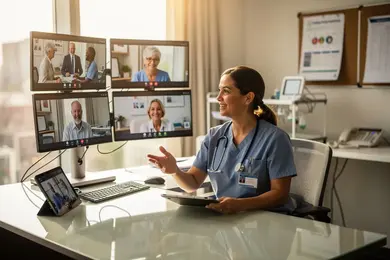
2027 Best Online Clinical Nurse Leader Degrees for Jobs

Co-Founder and Chief Data Scientist
Choosing the best online clinical nurse leader degree can be daunting-program quality varies widely, impacting licensure, employability, and long-term career success. Accreditation standards and curriculum rigor often determine whether graduates meet evolving healthcare industry demands. Additionally, costs must be balanced against realistic career outcomes-return on investment matters since 45% of nursing professionals report dissatisfaction with poorly chosen educational paths. Practical experience requirements and robust student support infrastructure also influence readiness for leadership roles. This article examines top online clinical nurse leader degrees through a data-driven lens, guiding readers in selecting programs that align with their goals and maximize value in competitive job markets.
Key Things to Know About the Best Online Clinical Nurse Leader Degrees for Jobs
- Accreditation ensures programs meet rigorous standards-CCNE or ACEN accreditation is vital for clinical nurse leader degrees, impacting licensure and employer recognition.
- Curriculum rigor blends leadership theory with clinical practice, often requiring interdisciplinary courses and evidence-based project work to prepare graduates for advanced roles.
- Cost and return on investment vary widely-graduates typically see a 15-20% salary increase within two years, justifying expenses when programs offer strong career placement support.
What Is a Clinical Nurse Leader Degree, and What Can It Do for Your Career?
A clinical nurse leader degree prepares nurses to take on a specialized leadership role dedicated to improving patient care outcomes and the efficiency of healthcare delivery systems. The American Association of Colleges of Nursing (AACN) defines a clinical nurse leader as a master's-prepared nurse who manages care coordination at the microsystem level, within specific patient care units or teams, while implementing evidence-based practices and quality improvement strategies.
This role uniquely blends advanced clinical expertise with leadership skills and systems thinking to enhance patient safety, workflow effectiveness, and satisfaction. Key foundational domains in clinical nurse leader education include:
- Clinical Expertise: Emphasizing advanced assessment and intervention skills.
- Leadership and Collaboration: Focusing on team coordination and interprofessional communication.
- Quality and Safety Science: Applying data-driven methods for process improvement.
- Health Informatics, leveraging technology for better outcomes.
- Policy and Ethics: Covering healthcare regulations and ethical decision-making.
Unlike nurse practitioners or nurse managers, clinical nurse leaders prioritize systemic improvements and frontline team leadership rather than independent diagnosis or broad administrative roles. These programs range from associate and bachelor's degrees introducing nurse leadership concepts to master's and doctoral degrees fostering advanced practice, research, and policy expertise.
Online clinical nurse leader degrees offer flexible access for working adults, veterans, and career changers seeking advanced credentials for leadership growth. This article explores the best online programs using evidence-based criteria including accreditation, curriculum rigor, cost-effectiveness, career outcomes, hands-on learning requirements, and student support-critical factors for maximizing career advancement outcomes seen in quality clinical nurse leader degree program outcomes and career opportunities.
Prospective students interested in good nursing schools with high acceptance rates will find this guide particularly helpful for identifying programs that balance accessibility with excellence.
How Do Online Clinical Nurse Leader Degree Programs Compare to Traditional Campus Programs?
When evaluating how online clinical nurse leader degree programs differ from traditional campus programs, accreditation and educational rigor remain consistent across both formats. Accredited programs ensure curriculum depth through courses in leadership, health policy, and evidence-based practice-aligned with national competencies-so students receive equally demanding academic experiences.
- Curriculum Depth and Rigor: Both online and campus programs maintain comparable academic standards, with no significant differences impacting educational quality.
- Faculty Qualifications: Experienced faculty with strong clinical and academic credentials teach in both settings. Online courses often utilize instructors with extensive leadership experience who may teach across formats.
- Student-Faculty Interaction: While campus students benefit from face-to-face engagement, top online programs enable equivalent personalized support via advanced learning management systems, live sessions, and virtual office hours.
- Peer Collaboration: On-campus cohorts encourage natural networking, but online programs foster community through cohort models, discussion forums, and group projects, though some may find virtual collaboration less immediate.
- Clinical or Practicum Requirements: Hands-on experience is mandatory in both formats. Online students arrange local clinical placements approved by institutions, often supplemented by hybrid residencies or intensives to reinforce skills.
- Employer Perception: Employer surveys suggest equal respect for clinical nurse leader degrees earned online or on-campus when programs are accredited and reputable, emphasizing graduate competencies over delivery method.
- Structural Advantages for Learners: Online clinical nurse leader degrees offer flexibility ideal for working adults balancing jobs and family, caregivers needing adaptable schedules, remote students lacking campus access, and military veterans leveraging education benefits who require mobility.
- Limitations and Solutions: Reduced in-person interaction and potential technology barriers are mitigated through hybrid residencies, cohort-based learning, and strong tech support, preserving program quality.
Choosing the best online clinical nurse leader program involves examining these factors alongside cost and return on investment. For prospective students comparing programs, comprehensive resources are available-such as masters in health administration guides-that highlight affordable, accredited options maximizing career outcomes.
This evidence-based assessment provides a framework for decision-making that aligns with diverse learner needs and professional goals while maintaining rigorous standards across delivery formats.
What Are the Accreditation Standards That Define a Reputable Online Clinical Nurse Leader Degree?
Accreditation plays a crucial role in evaluating online clinical nurse leader programs-both employers and graduate schools prioritize it to ensure educational quality. Regional accreditation assesses the entire institution, while programmatic accreditation zeroes in on nursing programs specifically, ensuring they meet the standards necessary for professional practice.
- Regional Accreditors: These bodies evaluate colleges and universities as a whole. The main six in the U.S. include the Higher Learning Commission (HLC), Middle States Commission on Higher Education (MSCHE), New England Commission of Higher Education (NECHE), Southern Association of Colleges and Schools Commission on Colleges (SACSCOC), Western Association of Schools and Colleges (WASC), and Northwest Commission on Colleges and Universities (NWCCU). Regional accreditation generally ensures wide acceptance of degrees across the country.
- Programmatic Accreditors: For nursing degrees, the Commission on Collegiate Nursing Education (CCNE) is the most recognized authority. It evaluates clinical nurse leader programs to confirm their alignment with industry expectations and prepares students for certification and licensure. The Accreditation Commission for Education in Nursing (ACEN) also holds significant weight in accrediting nursing education.
Choosing a program without proper accreditation can create serious challenges-including difficulties obtaining licensure, barriers to transferring credits to other institutions, and diminished recognition from employers, which impacts job prospects.
- Prospective students can verify accreditation status through the U.S. Department of Education's database of accredited postsecondary institutions and programs.
- The Council for Higher Education Accreditation (CHEA) also maintains a reliable directory of approved accreditors and accredited schools.
Accreditation should be a non-negotiable criterion when selecting an online clinical nurse leader program-no matter how appealing the price or convenience might appear.
Which Types of Clinical Nurse Leader Degrees Are Available Online-Bachelor's, Master's, or Doctoral?
IPEDS data reveal median completion times from 1.5 to 2.5 years for bachelor's and master's programs and 3 to 4 years for doctorates. Completion rates improve in programs offering robust student support and applied learning experiences.
- Associate Degrees: Designed primarily for entry-level students or those seeking foundational nursing credentials, these programs emphasize essential nursing skills rather than specialized clinical nurse leader training. Typically, they require a high school diploma and take about two years, serving as a stepping stone toward advanced online clinical nurse leader degree types.
- Bachelor's Completion Programs: Tailored for registered nurses or those holding associate degrees, these online programs provide a pathway to a Bachelor of Science in Nursing (BSN), enhancing leadership and clinical competencies vital to CNL roles. Duration usually spans 1.5 to 2 years, depending on transfer credits, making them a practical option for working nurses pursuing advancement.
- Master's Degrees: The Master of Science in Nursing (MSN) with a clinical nurse leader focus is the primary credential for national CNL certification. Applicants generally need a BSN and active RN licensure. These accelerated programs-lasting about 18 to 24 months-concentrate on leadership, evidence-based care, and healthcare systems, supporting higher salary potential and increased responsibilities.
- Doctoral Programs: Online Doctor of Nursing Practice (DNP) or PhD clinical leadership tracks prepare experienced nurses for executive, policy, or academic roles. These paths require an MSN or a BSN-to-DNP route and typically extend 3 to 4 years, catering to professionals aiming for senior leadership positions.
- Post-Baccalaureate Certificates: Offering stackable credentials for RNs with bachelor's degrees, these online certificate programs boost leadership skills within a year and often allow credits to apply toward master's degrees.
- Career and Salary Insights: Advanced degrees correlate with elevated leadership duties and earnings-master's graduates usually enjoy significantly higher salaries than bachelor's-level peers, while doctoral holders often reach top-tier executive or faculty roles.
- Prerequisites and Target Students: Associate and bachelor's completion programs suit newcomers or working professionals expanding clinical and leadership abilities. Master's and doctoral levels demand prior nursing education and licensure, targeting those pursuing advanced clinical nurse leader expertise.
- Stackable Credentials: Flexible pathways allow students to progress from certificates to bachelor's and master's degrees with transferable credits, accommodating working adults' schedules and growth goals.
For those evaluating career options, understanding the medical coding job outlook alongside nursing leadership tracks can provide a comprehensive view of healthcare opportunities.
What Is the Typical Cost of an Online Clinical Nurse Leader Degree, and How Can You Finance It?
The cost of pursuing an online clinical nurse leader degree varies widely based on factors like institution type and residency status. Public in-state tuition typically offers the most affordable rates, with total program costs ranging from $15,000 to $30,000. Out-of-state students attending public universities often face steeper expenses-usually between $25,000 and $45,000-due to additional non-resident fees. Private nonprofit schools generally charge between $35,000 and $60,000, though many provide significant financial aid opportunities.
For-profit institutions exhibit more variability, sometimes exceeding $50,000, but it's essential to consider accreditation and student outcomes carefully in these cases. Besides tuition, students should budget for extra costs such as technology fees, course materials, and occasional on-campus visits or clinical residencies, which may add several hundred to a few thousand dollars.
- Federal Aid: Key sources include Pell Grants-offered to undergraduate students demonstrating financial need that do not require repayment-and federal student loans. Subsidized loans feature lower interest rates and deferred payments for eligible students, while unsubsidized loans accrue interest immediately regardless of income. Veterans or active-duty service members can often apply GI Bill benefits to cover tuition and fees, frequently combining these with other financial assistance.
- Scholarships: Targeted awards are available from nursing organizations, state workforce programs aimed at healthcare professionals, and merit-based scholarships provided by many colleges.
- Total Cost Assessment: It's advisable to calculate the entire program expense rather than focusing solely on per-credit tuition. Tools like the College Scorecard's net price calculator help estimate true out-of-pocket costs after aid, facilitating a more informed program comparison.
How Long Does It Take to Complete an Online Clinical Nurse Leader Degree Program?
Program length for online clinical nurse leader degrees varies by level and individual circumstances. Associate's degrees often require about 2 years of full-time study, while bachelor's degrees typically take 3 to 4 years. Master's programs usually range from 1.5 to 3 years based on the student's prior education and whether the format is accelerated. Doctoral programs generally need 3 to 5 years, shaped by research demands and clinical hours.
- Enrollment Status: Full-time enrollment leads to quicker completion, whereas part-time students-balancing work or family-tend to extend timelines. Many institutions provide flexible part-time options catering to working adults.
- Transfer Credits and Prior Learning: Acceptance of transfer credits, military training, or professional certifications can notably shorten degree duration. Prior learning assessments enable students to bypass certain requirements when recognized.
- Program Format: Competency-based and accelerated programs allow students to progress according to personal pace rather than fixed semesters. Year-round enrollment options further expedite completion.
- Time Limits and Financial Aid: Programs usually enforce minimum and maximum completion windows, commonly between 3 to 6 years. Students exceeding these limits risk losing financial aid due to satisfactory academic progress policies.
- Average Completion Times: Actual student data indicates that master's degrees are often completed in about 2 years and bachelor's degrees in around 4 years-reflecting realistic part-time engagement and life commitments.
- Program Examples: Several online programs tailor accelerated master's tracks with intensive coursework and PLA credits aimed at working professionals seeking faster degree completion.
These factors provide a framework for estimating timelines and selecting online clinical nurse leader degrees aligned with both career objectives and personal responsibilities.
What Core Curriculum and Coursework Should a Quality Online Clinical Nurse Leader Program Include?
High-quality online Clinical Nurse Leader programs align their curricula with standards from accrediting bodies such as the Commission on Collegiate Nursing Education (CCNE) and the American Association of Colleges of Nursing (AACN). These programs prioritize rigor and relevance, ensuring students acquire the core knowledge and skills needed in today's healthcare environment.
- Foundational Courses: Key subjects include advanced pathophysiology, pharmacology, and health assessment, laying a robust clinical foundation essential for nurse leaders.
- Leadership and Management: Coursework focuses on healthcare systems leadership, interdisciplinary team coordination, quality improvement initiatives, and patient safety protocols.
- Evidence-Based Practice: Students gain competency in research methods and data analysis, enabling implementation of evidence-based interventions and influencing healthcare policy.
- Population Health and Informatics: Curricula integrate community health perspectives and healthcare informatics to reflect evolving care delivery models.
- Capstone or Integrative Experience: Programs culminate with a practicum or capstone project where students apply learned theory through real-world clinical leadership challenges, often guided by experienced mentors.
Graduates are expected to demonstrate critical thinking, clinical judgment, effective communication, and system redesign capabilities-skills highly valued by employers aiming to improve patient outcomes and operational efficiency. Leading programs maintain currency by engaging advisory boards of nursing executives and clinical experts, alongside regular curriculum reviews every two to three years to incorporate new regulations, technologies, and best practices.
Prospective students should request detailed documentation such as sample course sequences, syllabi, and competency maps rather than relying solely on promotional materials. This transparency enables thorough evaluation of curriculum quality, sequencing, and alignment with personal career goals.
Demand for Clinical Nurse Leaders is projected to grow approximately 12% over the next decade, underscoring the increasing importance of leadership roles in coordinated patient care and healthcare system transformation.
Which Online Clinical Nurse Leader Programs Offer the Best Return on Investment for Working Adults?
Choosing the right online clinical nurse leader program requires a careful evaluation of return on investment (ROI) that extends beyond tuition alone. Programs should be assessed by comparing costs to graduate employment rates, median salaries at six and ten years post-enrollment, and loan default rates.
This approach helps working adults identify degrees that deliver lasting financial and career benefits, especially when seeking top accredited online clinical nurse leader degrees with career advancement outcomes.
- Cost Efficiency: Public universities offering competitive in-state tuition stand out as high-value options. These institutions balance affordability with strong accreditation and rigorous curricula, reducing debt burdens while maintaining program quality.
- Employment Outcomes: Schools with high employment rates within six months post-graduation illustrate effective industry connections. Graduates from these programs often qualify for employer tuition reimbursement-significantly boosting ROI.
- Salary Potential: Evaluating median earnings at multiple points post-enrollment reveals which programs enable graduates to grow their income relative to initial costs, helping students recoup educational investments faster.
- Financial Support: Scholarships and institutional aid, coupled with in-state reciprocity agreements, greatly enhance affordability and accessibility for working adults, expanding opportunities for career progress.
- Loan Default Rates: Low default rates indicate that graduates sustain manageable debt and complete programs successfully, often supported by strong advising, practical experience requirements, and flexible scheduling.
- Program-Specific Outcomes: Beyond institutional prestige, factors like graduation rates, licensure pass rates, and employer networks are essential indicators of a program's career readiness and placement strength.
When comparing options, working adults can also benefit from exploring related fields such as a medical assistant course online that offers financial aid, broadening pathways into healthcare leadership roles. This comprehensive review framework equips prospective students to evaluate which online clinical nurse leader programs align best with their career ambitions and financial realities.
What Admissions Requirements Do the Top Online Clinical Nurse Leader Programs Typically Require?
Top online clinical nurse leader programs typically require several admissions criteria to ensure candidates are prepared for graduate-level coursework challenges. These standards vary widely between open-enrollment community colleges and selective research universities but share common elements that applicants should understand before applying.
- Minimum GPA: Most competitive programs expect a minimum undergraduate GPA around 3.0 on a 4.0 scale. Programs may accept lower GPAs if candidates demonstrate strong professional experience or additional qualifications.
- Standardized Tests: While many schools have adopted test-optional policies for GRE or MAT exams reflecting recent admissions trends, some selective research universities still require these scores for full consideration.
- Letters of Recommendation: Applicants generally submit two or three letters from nursing supervisors, faculty, or professional colleagues who can speak to clinical skills, leadership potential, and academic readiness.
- Personal Statement or Essay: A focused statement outlining career goals, leadership philosophy, and motivation for pursuing a clinical nurse leader degree is standard, allowing programs to assess communication skills and program fit.
- Professional Experience: At least one to two years of clinical nursing experience is commonly required. Experience in leadership or quality improvement roles significantly bolsters applications.
- Prerequisite Coursework: Applicants without a nursing background or whose undergraduate degree is unrelated may need to complete prerequisite courses in anatomy, physiology, microbiology, and statistics before beginning core graduate classes.
Admissions requirements vary significantly, especially between community college options and master's programs at research universities. Prospective students should assess their credentials fittingly-working adults with established clinical experience often target selective universities, while those pursuing a career change might opt for programs that include foundational coursework. These distinctions are crucial for individuals seeking a clinical nurse leader degree who want programs aligned with their professional background and goals.
Given shifting admissions policies-particularly around test options and prerequisites-applicants pursuing online clinical nurse leader program admission criteria are encouraged to contact admissions advisors at their programs of interest to obtain the latest information. For working adults and career changers comparing costs and pathways, exploring resources such as the cheapest BSN to MSN online options can provide valuable insight.
What Career Paths and Job Titles Are Available to Online Clinical Nurse Leader Degree Graduates?
Graduates of online clinical nurse leader degree programs can explore a wide spectrum of roles across healthcare settings-ranging from entry-level positions to advanced leadership and specialist careers. Entry-level graduates usually step into roles such as care coordinators or nurse supervisors in hospitals and outpatient facilities, where they oversee patient care teams and ensure quality standards are maintained.
- Quality Improvement Specialist: Many find opportunities focused on enhancing healthcare delivery by analyzing clinical workflows and implementing initiatives aimed at better patient outcomes.
- Healthcare Management: With accrued experience, graduates may progress to nurse manager or director positions, overseeing budgeting, staffing, and compliance to support efficient clinical operations.
- Clinical Research: Some graduates contribute to biomedical studies or clinical trials, often requiring further certification or graduate education to qualify as research coordinators or assistant investigators.
- Education and Training: Roles as nurse educators or clinical instructors allow graduates to develop curricula and lead training programs that enhance nursing skills and promote evidence-based practices.
- Advanced Practice Preparation: The degree frequently serves as a foundation for nurses aspiring to become nurse practitioners, clinical nurse specialists, or nurse anesthetists, which demands additional graduate-level study.
- Career Pivot Opportunities: Professionals from healthcare administration, social services, or military nursing can leverage this degree to transition into clinical nurse leader roles by augmenting their expertise with targeted certifications or hands-on experience.
- Five- to Ten-Year Progression: Over time, graduates tend to advance toward middle and senior management, with roles such as nurse administrator, chief nursing officer, or healthcare consultant becoming attainable. Lateral career paths into health informatics or policy analysis also emerge with further training.
This diverse range highlights the clinical nurse leader degree's adaptability to evolving healthcare demands, offering a solid platform for those aiming to impact patient care quality while pursuing varied leadership trajectories across multiple healthcare environments.
What Is the Salary Outlook for Professionals with an Online Clinical Nurse Leader Degree?
The median salary for professionals with an online clinical nurse leader degree is approximately $104,000 per year, with the average often exceeding this figure depending on work environment and responsibilities. Salaries vary notably based on education-those with master's degrees generally earn more than bachelor's holders, especially if they hold advanced certifications or doctoral degrees.
- Experience: Early-career clinical nurse leaders typically start near the median wage but see consistent salary growth after five to ten years, particularly when leading larger teams or managing administrative duties.
- Industry Sector: Hospitals and large health systems offer the highest compensation. Outpatient centers and specialty practices provide moderate wages. Academic and research organizations usually have lower pay but may compensate with benefits like tuition reimbursement and flexible schedules.
- Geographic Market: Urban regions and states with higher living costs-such as California, New York, and Massachusetts-tend to pay significantly more. Smaller or rural areas often offer lower base salaries but may provide incentives like loan forgiveness or signing bonuses.
- Specialization: Clinical nurse leaders focused on critical care, informatics, or healthcare quality management often command salary premiums due to higher demand.
- Certifications: Professional credentials-such as the CNL certification from the American Association of Colleges of Nursing or qualifications in healthcare quality-can meaningfully boost earnings. Online graduates can earn these certifications after degree completion by passing exams and maintaining continuing education.
- Salary Outlook: Projections suggest steady wage growth driven by healthcare expansion and rising leadership needs over the coming decade.
- Data Verification: Candidates should regularly consult updated government and industry salary reports, since compensation figures can fluctuate with economic and market changes.
What Graduates Say About the Best Online Clinical Nurse Leader Degrees for Jobs
- Azai: "Choosing a program with strong accreditation standards gave me confidence that my degree would be respected by employers - and it truly paid off when I started job hunting. The curriculum rigor challenged me but prepared me thoroughly for real-world leadership roles in nursing. I can honestly say the investment was worth every penny for the career boost I received."
- Russell: "Reflecting on my experience, the practical experience requirements were the highlight of my education - they provided essential hands-on skills that online learning alone couldn't offer. I appreciated the well-structured student support infrastructure, which made balancing work and studies manageable. This combination made the program one of the best online clinical nurse leader degrees for job readiness."
- Christian: "Professionally, I value how the program's robust curriculum rigor prepared me to face complex healthcare scenarios confidently. The focus on career outcomes was clear from the start, with many alumni securing leadership roles soon after graduation. The cost and return on investment aligned perfectly with my goals, making the decision to enroll straightforward and rewarding."
Other Things You Should Know About Clinical Nurse Leader Degrees
The best online clinical nurse leader programs develop advanced skills in care coordination, quality improvement, and clinical outcomes management. Graduates learn to lead interdisciplinary teams, apply evidence-based practices, and use healthcare technologies effectively. These competencies prepare them to improve patient safety and support healthcare system efficiency.
Online clinical nurse leader programs typically require hands-on practicum experiences that must be completed in healthcare settings near the student's residence. The university often assists with placement, ensuring the clinical sites meet accreditation standards and provide relevant learning opportunities. These real-world experiences are crucial for applying leadership concepts in patient care environments.
When choosing an online clinical nurse leader degree program, avoid overlooking accreditation status, which can impact licensure eligibility. Ensure the program offers robust clinical placements and aligns with your career goals. Also, be cautious of programs with minimal student-faculty interaction or inadequate support services, which can affect your learning experience.
References
- MSN Nursing Leadership: Clinical Nurse Leader (CNL) for RNs Admissions https://www.rushu.rush.edu/college-nursing/programs-admissions/online-clinical-nurse-leader-program-rns-msn/clinical-nurse-leader-admissions-guidelines
- What is a Clinical Nurse Leader (CNL)? https://www.allnursingschools.com/specialties/clinical-nurse-leader/
- CNL Certification https://www.aacnnursing.org/our-initiatives/education-practice/clinical-nurse-leader/cnl-certification
- How to Become a Clinical Nurse Leader | NursingEducation https://nursingeducation.org/careers/clinical-nurse-leader/how-to-become/
- MSN-Clinical Nurse Leader (CNL) Specialization Online Program | SHU https://onlineprograms.sacredheart.edu/programs/masters-nursing/clinical-nurse-leader-specialization/
- What w języku angielskim https://www.ang.pl/blog/slowo-what-w-angielskim
- Online Clinical Nurse Leader Programs - CNL Degrees https://www.nursingcolleges.com/programs/clinical-nurse-leader
- How Does an Online MSN Compare to a Traditional On-Campus MSN Program? https://www.bestmasterofscienceinnursing.com/faq/online-msn-compare-traditional-oncampus-msn-program/