2027 Best Online Criminal Justice Degrees for Jobs

Co-Founder and Chief Data Scientist
Choosing the best online criminal justice degree involves more than convenience-it demands scrutiny of accreditation, curriculum rigor, and practical training components. Students often face programs that appear affordable yet offer limited career outcomes or lack robust student support. According to the Bureau of Labor Statistics, employment of police and detectives is projected to grow 7% from 2022 to 2032, highlighting the importance of selecting programs with strong return on investment.
This article evaluates online criminal justice degrees across key factors relevant to working adults and career changers-helping readers discern high-value options that align with their professional goals.
Key Things to Know About the Best Online Criminal Justice Degrees for Jobs
- Accreditation ensures programs meet rigorous standards-graduates from accredited online criminal justice degrees report 15% higher job placement rates within six months of completion.
- Curriculum rigor impacts skill acquisition-top programs integrate theory with real-world case studies, enhancing analytical and decision-making abilities crucial for career advancement.
- Cost and return on investment vary widely-affordable programs combined with strong alumni networks lead to superior mid-career salary growth and reduced student debt burden.
What Is a Criminal Justice Degree, and What Can It Do for Your Career?
A criminal justice degree provides essential knowledge and skills related to the justice system, including law enforcement, courts, and corrections. Professional organizations such as the American Society of Criminology define criminal justice as a field focused on understanding the causes of crime, prevention strategies, legal procedures, and the societal effects of criminal behavior. This discipline blends theoretical frameworks with practical competencies, such as criminology theories, legal studies, ethics, investigative techniques, and offender rehabilitation strategies-distinct from related fields like sociology or forensic science by emphasizing the policies and structures that uphold public safety and social order.
The academic credentials in criminal justice range widely to suit career ambitions:
- Associate's Degree: Supports entry-level roles in law enforcement, corrections, or security.
- Bachelor's Degree: The most common path, leading to careers as police officers, probation officers, or crime analysts.
- Master's Degree: Focused on leadership, research, or specialization in areas such as criminal psychology or policy analysis.
- Doctoral Degree: Emphasizes research, teaching, and high-level consultancy in criminal justice and criminology.
Online criminal justice degree programs offer flexible options-especially helpful for working adults balancing career and personal commitments. These flexible criminal justice degree programs for working adults provide an opportunity to advance skills and credentials without sacrificing existing responsibilities. This article offers a data-driven guide that evaluates programs by accreditation, curriculum rigor, cost and return on investment, career outcomes, practical experience components, and student support.
Military veterans and professionals seeking advanced credentials will also find valuable insights here, supporting informed decisions that lead to career advancement. For those comparing options outside criminal justice, consider exploring the best online master's in artificial intelligence for an alternative high-demand field.
How Do Online Criminal Justice Degree Programs Compare to Traditional Campus Programs?
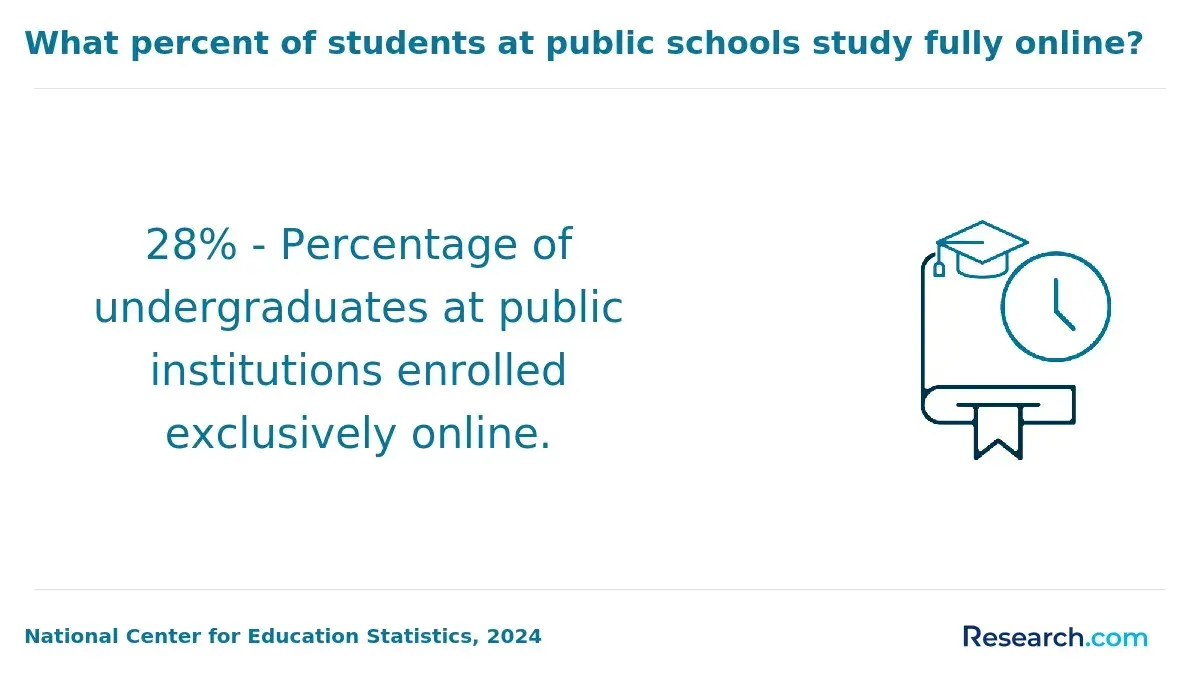
Accreditation standards for both online criminal justice degrees versus traditional programs typically align, with top online programs holding regional and specialized criminal justice accreditation to ensure academic rigor. Curriculum depth and rigor remain comparable-well-established online offerings cover law enforcement, corrections, courts, and criminology with learning outcomes closely matching those of campus programs. Differences mainly arise in delivery methods rather than content quality.
Faculty Qualifications: Leading online programs retain professors with doctoral degrees and practical criminal justice experience, mirroring campus faculty credentials. These instructors often engage in current research, enhancing educational relevance.
Student-Faculty Interaction: Though lacking in-person contact, many online formats foster communication through video conferencing, discussion boards, and virtual office hours. While some students note slightly less instructor accessibility, cohort models help build community and sustained engagement.
Peer Collaboration: Campus programs facilitate spontaneous interaction naturally, but online degrees increasingly incorporate group projects, live sessions, and forums to encourage teamwork, addressing collaboration limitations.
Clinical or Practicum Requirements: Hands-on experience remains vital-online programs typically partner with local agencies or require brief campus residencies to meet internships and practicum expectations, ensuring practical skill development.
Employer Perception: Employer surveys and graduate outcomes demonstrate growing acceptance of online criminal justice graduates from accredited institutions, showing comparable job placement rates to campus alumni, especially when combined with relevant field experience.
Structural Advantages: Online delivery uniquely benefits working adults, military veterans, caregivers, and remote learners by offering flexible schedules and eliminating commuting-making education more accessible without sacrificing quality. These advantages are especially relevant when comparing differences between online and campus criminal justice education.
Limitations and Responses: Challenges such as reduced social interaction and technology hurdles are addressed by leading programs through hybrid formats, mandatory on-campus intensives, and advanced learning platforms, which reinforce community and practical learning.
Prospective students may also explore related fields, such as an online accelerated psychology degree, for complementary knowledge in criminal justice careers.
What Are the Accreditation Standards That Define a Reputable Online Criminal Justice Degree?
Accreditation remains a critical factor when selecting an online criminal justice program-signaling that a school meets recognized academic quality standards important to employers and graduate schools. Two main forms of accreditation carry the most influence:
- Regional Accreditation: This represents the highest institutional standard, assessing the college or university as a whole. Trusted regional accreditors include the Higher Learning Commission (HLC), Middle States Commission on Higher Education (MSCHE), and Southern Association of Colleges and Schools Commission on Colleges (SACSCOC). Degrees from these institutions tend to have broad acceptance for jobs and advanced study.
- Programmatic Accreditation: Criminal justice programs may also seek validation from specialized organizations like the Academy of Criminal Justice Sciences (ACJS), which ensures that curriculum and outcomes align with professional norms within the field-adding a layer of credibility prized by employers.
Attending an unaccredited or poorly accredited online criminal justice program can significantly obstruct career trajectories. Graduates might struggle to obtain licensure or certifications critical in many criminal justice roles. Transferring credits becomes challenging or impossible, reducing educational flexibility. Additionally, employers often regard unaccredited degrees with suspicion, limiting employment prospects and diminishing return on educational investment.
Prospective students should confirm accreditation status by consulting the U.S. Department of Education's database of recognized institutions and programs along with the Council for Higher Education Accreditation (CHEA) directory. Checking both sources helps safeguard against diploma mills and substandard offerings.
Above all, accreditation should be a firm prerequisite when weighing options-regardless of tuition costs or program convenience-ensuring a legitimate credential, stronger career outcomes, and future academic mobility.
Reflecting on these standards, a professional who completed an online criminal justice degree shared, "Navigating the accreditation landscape was daunting at first-I remember double-checking every school's credentials to avoid wasting time and money. Once I found a regionally accredited program with ACJS approval, I felt more confident about my investment. There were moments of doubt-especially balancing work, family, and studies-but knowing my degree held recognized value made all the difference when I applied for jobs and advanced training."
Which Types of Criminal Justice Degrees Are Available Online-Bachelor's, Master's, or Doctoral?
Associate's Degree: Serving as a fast-track entry, these two-year programs require a high school diploma and prepare students for foundational roles like correctional officers and police aides, typically offering lower salary potential but immediate workforce entry. They also build a base for advanced studies.
Bachelor's Degree: Generally completed within four years, although many bachelor's criminal justice degree programs online allow credits to transfer or accelerate progress-especially for working adults with associate degrees. These programs open doors to supervisory and analytical positions with better pay, often expecting applicants to hold a high school diploma and occasionally prior college coursework.
Master's Degree: Targeting professionals aiming for leadership or niche expertise, these 1.5 to 2-year online programs require a bachelor's degree and often attract veterans and working adults. Curriculum focuses on advanced criminology, policy, and administration, leading to managerial or federal agency roles with significant salary growth.
Doctoral Degree: The highest academic credential, requiring a master's, spans 3-6 years and suits individuals pursuing research, policy development, or academia. These programs demand substantial commitment and have lower completion rates owing to their intensity.
Post-Baccalaureate Certificates: Offering specialized skills in areas like cybercrime or forensic analysis, these short-term options enhance expertise without a full degree, ideal for credential stacking strategies.
Stackable Credentials: Some programs provide flexible pathways where credits earned from certificates apply toward bachelor's degrees, and bachelor's credits toward master's degrees-enabling efficient progression without redundant coursework.
Enrollment and Completion: IPEDS data reveal that associate and bachelor's programs experience higher enrollment and graduation rates versus graduate-level programs. Online formats improve accessibility but show varied completion rates influenced by curriculum design and student support quality. For adults balancing education with other commitments, these factors are vital in selecting a program.
For those exploring options beyond criminal justice, consider reviewing MSW programs online as a complementary path in social services and public safety.
What Is the Typical Cost of an Online Criminal Justice Degree, and How Can You Finance It?
Tuition Ranges: Costs for an online criminal justice degree vary based on the institution type. Public universities charge the least for in-state students-generally from $5,000 to $15,000 for a bachelor's degree. Out-of-state tuition at public schools tends to be higher, between $15,000 and $30,000, reflecting non-resident fees. Private nonprofit colleges usually have tuition fees from $20,000 to $45,000, while for-profit schools often exceed $30,000.
- Additional Fees: Besides tuition, students should plan for technology fees, online platform charges, and course materials. Certain programs require occasional on-campus residencies or boot camps, which can lead to travel and lodging expenses.
- Federal Aid: Most students qualify for federal assistance. The Pell Grant offers need-based support that does not need repayment. Federal loans come in subsidized forms-where interest is deferred during school attendance-and unsubsidized, which accrue interest immediately. Veterans may utilize the GI Bill, which covers tuition and sometimes living costs.
- Scholarship Opportunities: Targeted scholarships are available from professional groups like the Academy of Criminal Justice Sciences and from state workforce entities. Many schools also provide merit-based scholarships to reward academic achievement.
- Total Cost Evaluation: Focusing on per-credit prices alone can be misleading. Prospective students should calculate the full expense, including fees, materials, and travel related to any on-site requirements.
- Net Price Calculator: The College Scorecard website hosts a tool that estimates actual net costs after aid, helping students compare programs based on personalized financial situations.
A professional who launched her career through an online criminal justice degree reflected on costs and financing: "Initially, I underestimated how many hidden expenses there would be beyond tuition-technology fees and the occasional travel for required residencies added up quickly." She appreciated the importance of calculating total costs early in her search and found federal aid options critical to managing expenses. Using net price calculators helped her choose a program that balanced quality and affordability. She described the process as challenging but ultimately rewarding, emphasizing that thorough financial planning made all the difference in completing her degree without undue stress."
How Long Does It Take to Complete an Online Criminal Justice Degree Program?
Degree Levels: Associate's degrees in criminal justice usually span about two years of full-time study, while bachelor's programs often require four years. Master's degrees typically last between 18 months and three years, and doctoral programs may take from three to six years due to their advanced research demands.
Enrollment Status: Students studying full-time generally complete their degrees faster than those enrolled part-time, who often balance coursework with work or family obligations, extending their program duration.
Transfer Credits: Receiving credit for prior college coursework can significantly shorten the path to graduation. Many programs-especially those accommodating military veterans or experienced professionals-offer generous credit transfer policies.
Accelerated and Year-Round Formats: Several online criminal justice programs provide accelerated tracks or continuous enrollment throughout the year, enabling students to progress more quickly by bypassing traditional semester breaks.
Competency-Based and Pace-Based Options: Some institutions use competency-based models that allow learners to advance upon mastery rather than seat time, benefiting motivated students familiar with the material.
Prior Learning Assessment (PLA): Academic credit awarded for relevant work experience or training can reduce both time and cost to degree completion for eligible students.
Program Length Restrictions: Most programs enforce minimum and maximum timelines for completion. Exceeding maximum durations risks financial aid ineligibility due to satisfactory academic progress (SAP) standards mandated by federal and institutional policies.
Realistic Time-to-Completion: Data from accredited online criminal justice programs indicate many students-especially part-time learners-take longer than advertised to graduate, underscoring the importance of planning around individual circumstances rather than promotional timelines.
What Core Curriculum and Coursework Should a Quality Online Criminal Justice Program Include?
Accredited online criminal justice programs align with standards from organizations like the Academy of Criminal Justice Sciences and the American Society of Criminology to ensure comprehensive preparation for the field. High-quality curricula emphasize a strong balance of theoretical frameworks, practical skills, and ethical training crucial to effective career development.
- Core Discipline Areas: Foundational courses typically cover criminology, criminal law, corrections, policing, and juvenile justice to provide essential knowledge of the justice system's structure and operations.
- Research and Analysis: Students gain proficiency in quantitative and qualitative research methods, enabling them to interpret crime data and implement evidence-based strategies in practice.
- Capstone or Integrative Experience: Programs include internships, practicum, or culminating projects that integrate learning and demonstrate real-world competence.
- Competency Areas and Outcomes: Graduates demonstrate ethical decision-making, critical thinking, communication skills, and cultural competency. Measurable outcomes include assessing legal issues, formulating policy recommendations, and utilizing digital crime prevention technologies.
- Curriculum Currency and Industry Alignment: Leading programs engage advisory boards of criminal justice professionals and review curricula every 3-5 years to incorporate emerging trends like cybercrime, criminal justice technology, and policing reforms.
- Student Guidance Recommendations: Prospective students should request sample course sequences, syllabi, and learning outcomes maps from programs to verify curriculum depth beyond marketing content.
Employment for criminal justice professionals is projected to grow 6% through 2031, according to the Bureau of Labor Statistics. Choosing a program with rigorous curriculum standards and practical experiences is vital for adapting to evolving professional demands and advancing in this dynamic career field.
Which Online Criminal Justice Programs Offer the Best Return on Investment for Working Adults?
Assessing the return on investment of top online criminal justice degree programs involves careful comparison of program costs with employment rates and post-graduation salary outcomes. Public universities with competitive tuition and established employer networks often deliver the best ROI for working adults and career changers, balancing affordability with strong industry recognition and accreditation.
- Cost Efficiency: Public institutions frequently offer in-state tuition discounts or reciprocity agreements, significantly reducing expenses for many students pursuing top-value online criminal justice degrees for working adults.
- Employment Outcomes: Leading online criminal justice degrees achieve high employment rates within a year of graduation, reflecting curricula designed to meet the evolving needs of the job market and effective career services.
- Median Salaries: Graduates tend to enjoy competitive median earnings at six and ten years post-enrollment, a crucial indicator of sustained financial benefit beyond initial placement in the criminal justice field.
- Loan Default Rates: Low loan default rates at several reputable public universities highlight the sustainable value of these programs, showing graduates' ability to manage educational debt successfully.
- Employer Tuition Reimbursement: Many working adults enhance ROI through employer tuition assistance programs that can offset a substantial portion of education costs, making this an essential factor when evaluating net expenses.
- Scholarship Opportunities: Targeted scholarships for adult learners, veterans, and professionals returning to education improve affordability, helping reduce reliance on loans and supporting career advancement.
- Program-Specific Data: Rather than focusing solely on general institutional rankings, prospective students should evaluate outcome data-such as retention rates, job placement in criminal justice careers, and alumni feedback to determine program quality.
When exploring the best online criminal justice degree programs for career advancement, it is important to analyze how each program's cost aligns with graduates' long-term earning potential and career trajectories-especially for working adults balancing multiple responsibilities. Additionally, prospective students can benefit from reviewing similar fields; for example, resources on the best online paralegal programs may offer insights into accelerated paths and tuition strategies useful across legal and criminal justice disciplines.
What Admissions Requirements Do the Top Online Criminal Justice Programs Typically Require?
Admissions requirements for competitive online criminal justice programs vary widely-yet most share core elements that help applicants navigate the process. For undergraduate degrees at community colleges or open-enrollment schools, acceptance standards typically include a high school diploma or GED and minimal prerequisite coursework, with few requiring standardized test scores.
More selective bachelor's and master's programs at regionally accredited research universities impose higher expectations. Typical admissions components include the following:
- Minimum GPA: Graduate programs frequently require a minimum undergraduate GPA between 3.0 and 3.5 on a 4.0 scale, although some may accept slightly lower GPAs if offset by strong professional experience or academic achievements.
- Standardized Tests: While many graduate programs have embraced test-optional policies-especially for applicants with relevant work experience or prior degrees-others still expect GRE or GMAT scores. Prospective students should confirm each program's policy, as requirements can shift across admissions cycles.
- Letters of Recommendation: Typically, graduate applicants submit two to three letters from professors or supervisors attesting to their capabilities. Undergraduate programs less often require recommendations but accept them to strengthen applications.
- Personal Statement: Applicants usually write an essay outlining their motivations, career goals, and relevant experiences, offering admissions committees insight into communication skills and commitment.
- Professional Experience: Some master's programs prefer candidates with work experience in law enforcement, corrections, or social services, though many admit students without prior experience.
- Prerequisite Coursework: Those lacking a criminal justice or related social science background may need foundational courses-such as Introduction to Criminal Justice or Criminal Law-completed before or alongside the program.
Admissions standards correspond strongly with program tier and degree level-from inclusive community colleges to rigorous research universities. Applicants should honestly assess their qualifications against typical requirements to identify programs where they will be most competitive.
Because policies on test requirements and prerequisites can change frequently, contacting admissions advisors for the latest information is essential. This approach helps applicants tailor their preparation strategically, maximizing success in the selection process for top online criminal justice programs.
Working adults and recent graduates can also find valuable insights by reviewing online colleges that offer affordable, accredited options to fit diverse needs and budgets.
What Career Paths and Job Titles Are Available to Online Criminal Justice Degree Graduates?
Graduates of online Criminal Justice degree programs can pursue a broad spectrum of careers across sectors such as law enforcement, public safety, legal services, and human services. Entry-level roles-often suited for those with a bachelor's degree-include:
- Law Enforcement Officer: Positions like police officer, sheriff's deputy, or state trooper focused on crime prevention and community safety.
- Correctional Officer: Supervising inmates and maintaining security within jails and prisons.
- Security Specialist: Protecting assets through risk assessments and implementing security protocols in both public and private sectors.
- Probation and Parole Officer: Monitoring offenders' compliance with court conditions while supporting their reintegration.
For those pursuing advanced studies or additional certifications, higher-level opportunities arise that require leadership, expertise, or research skills:
- Criminal Justice Manager: Roles such as police chief or corrections superintendent that involve administrative oversight and strategic planning.
- Forensic Analyst: Specialists analyzing physical evidence who collaborate with legal and law enforcement professionals, often needing scientific training.
- Policy Analyst and Researcher: Positions assessing justice programs, influencing policies, and studying crime trends within governmental or nonprofit organizations.
- Clinical and Social Service Roles: Including victim advocates and rehabilitation counselors, typically requiring social work credentials or additional certifications.
A degree in Criminal Justice often enables career shifts for professionals from fields like psychology, sociology, or military service. By acquiring relevant certifications-such as cybersecurity or investigative methods-individuals can transition into specialized criminal justice roles.
Career advancement within five to ten years frequently involves promotions or lateral moves to broaden skills-examples include patrol officers progressing to detective or community liaison, and correctional officers specializing in programming or security technology.
Graduates find employment across local, state, and federal government agencies; private security firms; nonprofits focused on reform; and consulting roles advising on policy development-offering a diverse and dynamic professional landscape.
What Is the Salary Outlook for Professionals with an Online Criminal Justice Degree?
Median Salaries: Starting roles such as police officers and correctional officers typically earn between $40,000 and $50,000 annually. More specialized positions-including forensic analysts, probation officers, and federal agents-tend to command salaries ranging from $55,000 to $75,000. Management and legal specialist roles requiring bachelor's or master's degrees can surpass $80,000 per year.
- Degree Level:
- Bachelor's degree holders often access supervisory or investigative duties with comparatively higher salaries than those with associate degrees.
- Advanced degrees and certifications open pathways to leadership, policy development, and analytical roles-some offering six-figure incomes.
- Experience Impact: Income typically rises by 15-30% after five or more years of experience, especially for those in leadership or administrative positions.
- Industry Differences:
- Public sector pay scales, including local, state, and federal law enforcement, are generally more structured but sometimes lower than private security, cybersecurity, or corporate compliance careers.
- Highly technical fields like forensic science and cybercrime investigation usually yield higher earnings due to specialized expertise.
- Geographic Influence: Metropolitan areas and high-cost regions such as Washington D.C., California, and New York offer elevated salaries, whereas rural and smaller markets present lower compensation.
- Certification Premiums: Credentials like Certified Protection Professional (CPP) and Certified Criminal Justice Specialist (CCJS) can boost pay by 10-20%. Online graduates can pursue these certifications through accredited programs or industry bodies to accelerate salary growth.
- Future Outlook: Salary prospects remain stable to moderately increasing-especially in cybersecurity, homeland security, and forensic analysis-owing to expanding technological demands and public safety priorities.
- Data Verification: Prospective students and graduates should regularly consult updated BLS and industry salary resources tailored to their chosen specialization and location instead of relying on static figures.
What Graduates Say About the Best Online Criminal Justice Degrees for Jobs
- Emiliano: "Choosing an online criminal justice degree accredited by reputable organizations gave me confidence in the value of my diploma-employers recognize it immediately. The curriculum's rigor really pushed me beyond basic theory, integrating real-world scenarios that prepared me well for career challenges. Plus, the return on investment was undeniable; my starting salary made every late night worth it."
- Jared: "I appreciated programs that required practical experience because they offered a genuine glimpse into the field-no amount of textbook knowledge can replace hands-on learning. The support infrastructure for students was impressive-advisors, career services, and tech help were always just a call away, which eased my online journey tremendously. Reflecting back, this foundation was crucial for landing my first role in law enforcement."
- Amir: "From a professional standpoint, the best online criminal justice degrees balance cost with quality without sacrificing academic depth. The curriculum challenged me intellectually while staying relevant to current justice system trends and practices-this was essential to my development. It's clear that graduates of programs meeting these standards stand out in the job market."
Other Things You Should Know About Criminal Justice Degrees
The best online criminal justice programs develop critical thinking, ethical reasoning, and analytical skills necessary for real-world challenges. Graduates also gain a solid understanding of the legal system, law enforcement practices, and criminal behavior theories. Communication and problem-solving skills are emphasized to prepare students for effective collaboration in professional environments.
Online criminal justice programs typically require students to complete an in-person internship or practicum at a local agency or organization. These placements provide hands-on experience that aligns with career goals. Programs often assist with placement by partnering with law enforcement, courts, or community agencies to ensure relevant practical exposure.
Top online programs offer academic advising, career counseling, and technical support tailored to remote learners. Many provide virtual networking events, mentorship programs, and access to alumni networks in the criminal justice field. These resources help students build professional connections and access job opportunities after graduation.
References
- Criminal Justice Salary - How Much Can I Make With a Criminal Justice Degree? - Grace Christian University https://gracechristian.edu/blog/criminal-justice-salary/
- Online Criminal Justice Degree Tuition https://www.pennfoster.edu/programs/legal/criminal-justice-bachelors-degree/tuition
- Accreditation for Criminal Justice Colleges and Universities https://criminaljusticeonlineblog.com/10/accreditation-for-criminal-justice-colleges-and-universities/
- Return on Investment for a College Degree in Criminal Justice ROI or a College Degree in Criminal Justice https://www.criminaljusticeprograms.com/articles/return-on-investment-for-a-college-degree-in-criminal-justice/
- Fastest Way to Finish a Criminal Justice Degree Online https://www.collegetransitions.com/blog/fastest-way-to-finish-a-criminal-justice-degree-online/
- On-Campus vs. Online Law Enforcement Programs: Pros and Cons https://golawenforcement.com/articles/on-campus-vs-online-law-enforcement-programs-which-one-is-for-you/
- Earn An Online Criminal Justice Degree | OEDb.org https://www.oedb.org/rankings/online-criminal-justice-programs/
- How to Get a Criminal Justice Degree Online - Top Criminal Justice Schools https://www.top-criminal-justice-schools.net/degrees/how-to-get-a-criminal-justice-degree-online/
- 25 Jobs You Can Get With A Criminal Justice Degree https://www.criminaljusticedegreeschools.com/careers/best-criminal-justice-jobs/
- Most Affordable Online Criminal Justice Degrees https://www.affordablecollegesonline.org/degrees/criminal-justice-programs/