2027 Best Online Health Services Degrees for Jobs

Co-Founder and Chief Data Scientist
Choosing an online health services degree that ensures strong career prospects can be daunting-programs vary widely in accreditation, curriculum quality, costs, and practical experience opportunities. With over 30% of online health services graduates facing challenges in securing relevant employment within a year, understanding these factors is critical for maximizing return on investment. Prospective students must also consider student support services that aid in career placement and academic success. This article examines leading online health services degrees through data-backed analysis of accreditation standards, curriculum rigor, career outcomes, and essential support systems, helping readers make well-informed decisions aligned with their professional goals.
Key Things to Know About the Best Online Health Services Degrees for Jobs
- Accreditation ensures a degree meets quality and industry standards-89% of employers prefer candidates from regionally accredited health services programs.
- Curriculum rigor directly impacts skill development-top programs balance theory with practice to boost readiness in evolving healthcare environments.
- Cost and return on investment matter-graduates from affordable online degrees report 25% higher job placement rates within six months post-completion.
What Is a Health Services Degree, and What Can It Do for Your Career?
A health services degree bridges healthcare, business, policy, and technology-preparing students for management, organization, and delivery roles within healthcare systems. This interdisciplinary field, as defined by accredited universities and professional bodies like the American Health Information Management Association, focuses on administrative and operational aspects rather than direct patient care, differentiating it from clinical programs such as nursing or medicine.
Key areas emphasized in health services programs include:
- Foundational Knowledge: Healthcare systems, medical terminology, ethics, and health law form the baseline understanding.
- Theoretical Frameworks: Coursework covers healthcare policy, economics, organizational behavior, and quality improvement models.
- Applied Competencies: Practical skills like data analysis, health informatics, leadership, and project management tailored for healthcare settings.
Health services degree credentials span several academic levels, each targeting different career outcomes:
- Associate's Degrees: Entry-level roles such as medical office administration and health records technician positions.
- Bachelor's Degrees: Broader leadership roles including healthcare coordinator or department supervisor.
- Master's Degrees: Advanced opportunities in health policy, executive management, or specialized fields like health informatics.
- Doctoral Degrees: Focused on research, high-level healthcare administration, or academic careers.
This article offers a data-informed guide to the best online health services degree programs for career advancement-equipping prospective students with a clear decision-making framework based on accreditation, curriculum rigor, cost efficiency, career outcomes, practical experience, and student support. For those interested in accelerated options, an excellent resource is the accelerated medical assistant program overview found on research.com.
How Do Online Health Services Degree Programs Compare to Traditional Campus Programs?
The comparison between online health services degree programs and traditional campus-based programs reveals critical distinctions important to career-focused students. Accredited programs-whether online or in person-uphold rigorous curriculum standards aligned with regional and national accreditation bodies, ensuring comprehensive knowledge in healthcare management, policy, and informatics.
- Curriculum Depth and Rigor: Both formats offer robust coursework designed to meet industry expectations. Leading online programs match the academic breadth of campus degrees and often include interactive multimedia and real-life case studies to deepen understanding.
- Faculty Qualifications: Faculty in accredited online programs possess credentials and professional experience on par with campus instructors, many holding doctoral degrees to deliver high-quality education.
- Student-Faculty Interaction: While campus students benefit from face-to-face contact, online learners engage through live video sessions, active discussion boards, and scheduled virtual office hours, maintaining strong connections with faculty.
- Peer Collaboration: Online programs increasingly emphasize cohort-based learning and group projects via collaboration platforms-building community despite geographic distance.
- Clinical and Practicum Requirements: Practical experience is essential; most online programs coordinate local clinical placements or practicums that satisfy hands-on requirements comparable to traditional programs.
- Employer Perception: Surveys confirm employers value accredited online degrees equivalently to campus degrees, provided graduates demonstrate relevant skills and practical experience-reflecting growing acceptance of online credentials in the health services field.
These online health services degree programs versus traditional campus programs comparison particularly benefits working adults, military veterans, caregivers, and residents of rural or underserved areas-groups often constrained by rigid campus schedules. Such learners gain the flexibility to advance careers alongside personal responsibilities without compromising educational quality.
Certain online program challenges include less spontaneous interaction and potential isolation. However, leading institutions address these issues through innovative technology, cohort models, and short on-campus residency sessions that enhance engagement and outcomes.
For students aiming to progress from an MSN to a DNP program, selecting the right online health services degree can be pivotal. Comprehensive resources like the MSN to DNP program guide offer valuable insights on affordability and quality to help inform these decisions.
What Are the Accreditation Standards That Define a Reputable Online Health Services Degree?
Accreditation plays a crucial role in ensuring the quality and credibility of online health services degrees. Regional accreditors-recognized for overseeing entire institutions-hold considerable prestige with employers and graduate programs in the U.S. Major examples include:
- Middle States Commission on Higher Education (MSCHE): Known for its oversight in the mid-Atlantic.
- Southern Association of Colleges and Schools Commission on Colleges (SACSCOC): Covering southern states with rigorous standards.
- Higher Learning Commission (HLC): Serving institutions across the central U.S..
- New England Commission of Higher Education (NECHE): Upholding quality in New England institutions.
In addition to these, program-specific accreditors further validate specialized aspects of health services education. Among the most respected are:
- Commission on Accreditation of Healthcare Management Education (CAHME): Targets graduate healthcare management programs.
- Accreditation Council for Education in Nutrition and Dietetics (ACEND): Focused on nutrition and dietetics tracks.
- Commission on Accreditation of Allied Health Education Programs (CAAHEP): Overseeing numerous allied health disciplines.
Attending a program lacking proper accreditation can create significant obstacles-ranging from difficulties obtaining professional licensure to challenges in transferring credits and diminished recognition by employers or grad schools. Many employers specifically require degrees from regionally accredited schools when considering candidates for employment or advancement.
Prospective students should confirm accreditation through trusted tools like the U.S. Department of Education's Database of Accredited Postsecondary Institutions and Programs or the Council for Higher Education Accreditation (CHEA) directory. These resources enable verification of both institutional and programmatic accreditation, helping to avoid misrepresented credentials.
Treating accreditation as a mandatory standard helps protect your educational investment and ensures your degree holds value in the job market and beyond.
Which Types of Health Services Degrees Are Available Online-Bachelor's, Master's, or Doctoral?
According to IPEDS, typical durations are two years for associates, 18-24 months for bachelor's completion, 18-36 months for master's, and over four years for doctorates. Fully online delivery expands access but requires strong self-motivation. Completion rates improve when programs integrate hands-on experience and robust guidance.
- Associate's Degrees: Serving as an accessible starting point, these programs typically require a high school diploma and span about two years. They equip students with essential skills for entry-level healthcare administration roles. Online formats with strong support often yield higher completion rates.
- Bachelor's Completion Programs: Designed for students with previous college credits or an associate's degree, these typically take 1 to 2 years. Targeted at working adults, military veterans, and career changers, they open doors to mid-level management and policy roles, often resulting in higher salaries. These programs are a common pathway for those pursuing bachelor's and master's degrees in health services online.
- Master's Degrees: Built for those with bachelor's degrees, these 1.5 to 3-year programs emphasize leadership, advanced management, and health policy. Graduates often secure administrative or specialist roles with improved compensation. Many institutions offer stackable credentials that allow credits from certificates or bachelor's programs to count toward the master's.
- Doctoral Programs: These terminal degrees usually require a master's and focus on executive leadership, policy research, and academia. Duration ranges from 3 to 6 years. Ideal for experienced professionals aiming at senior leadership, these rigorous programs have lower completion rates. Online doctoral programs in health services administration reflect this trend.
- Post-Baccalaureate Certificates: Short, specialized credentials designed for professionals seeking skill enhancements without committing to a full degree. These often stack toward bachelor's or master's degrees, providing flexible advancement options.
- Prerequisites and Target Students: Programs demand varying entry requirements-from high school diplomas for associate degrees to prior degrees for graduate levels. Flexible credit transfers and pacing benefit working adults and veterans. Accredited programs with practical experience and advising yield better completion and career results.
For those interested in a shorter pathway, a 9 month LPN program may offer a practical entry point into healthcare support roles.
What Is the Typical Cost of an Online Health Services Degree, and How Can You Finance It?
Costs vary by institution type. Public in-state universities charge roughly $5,000 to $15,000 annually, while public out-of-state rates often run twice as high. Private nonprofit schools typically cost between $15,000 and $30,000 per year, and for-profit institutions tend to be on the upper end of that scale, though quality can fluctuate.
- Additional Expenses: Students should factor in technology fees, course materials, and sometimes travel for on-campus residencies or hands-on practicums, which some programs require despite their online delivery.
- Federal Aid: Pell Grants offer non-repayable support to qualifying students, effectively lowering tuition burdens. Federal student loans come in subsidized and unsubsidized forms, often with more favorable interest rates and repayment terms than private loans. Veterans and active military members may access financial assistance through the GI Bill, applicable to tuition and related educational costs.
- Scholarships: Targeted scholarships for health services students are offered by healthcare professional organizations, state workforce initiatives, and institutions awarding merit-based aid. Eligibility and award amounts vary, so early investigation is crucial.
- Cost Calculation: Evaluating overall affordability requires looking beyond per-credit prices-total program expenses include all fees and required on-site activities. Using tools like the College Scorecard's net price calculator lets students estimate final out-of-pocket costs after aid, enabling comparisons grounded in realistic financial expectations.
How Long Does It Take to Complete an Online Health Services Degree Program?
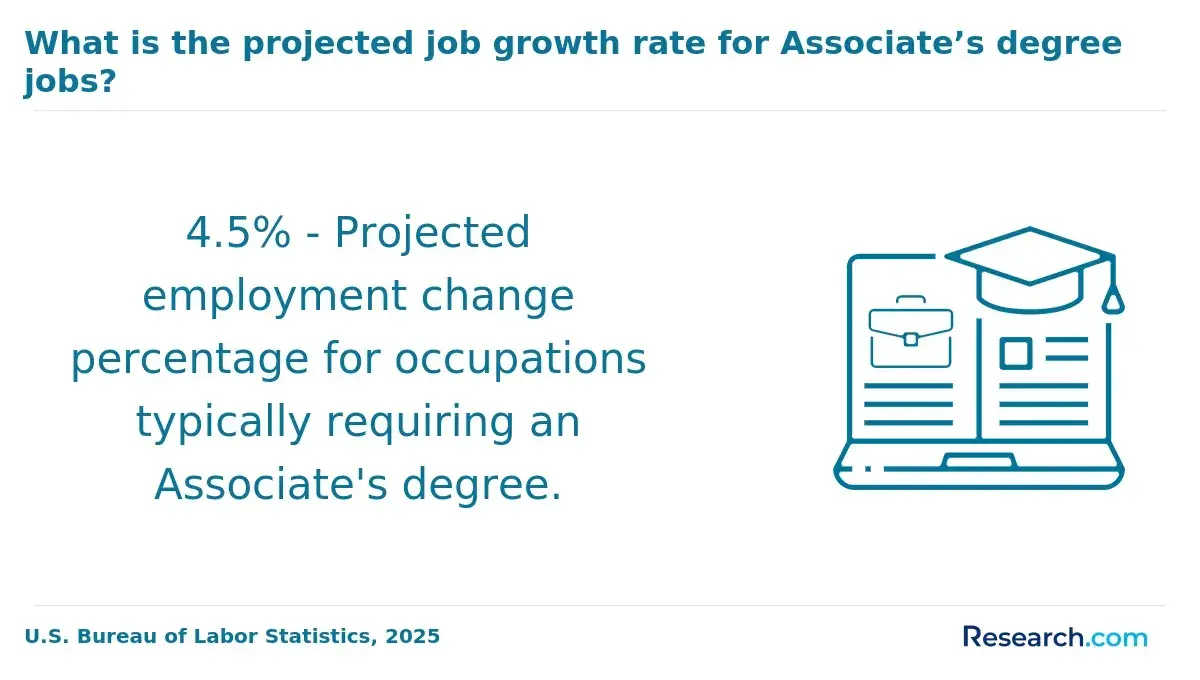
Online health services degree programs vary widely in duration depending on factors like degree level, enrollment status, and program design. Associate's degrees generally take about two years full-time, preparing students for entry-level roles, while bachelor's degrees usually require four years and provide more comprehensive training.
Master's degrees typically span 18 to 36 months, focusing on advanced skills and leadership, and doctoral programs demand extensive research, lasting anywhere from three to six years.
- Degree Level: Each level demands different time commitments and outcomes, with doctoral programs offering flexible part-time options that can extend completion timelines.
- Enrollment Status: Full-time students often complete programs within the expected timeframes, whereas part-time learners extend their studies to balance work and family responsibilities, benefiting from greater flexibility.
- Transfer Credits and Prior Learning: Many programs reduce time-to-degree by accepting transfer credits or awarding prior learning assessment (PLA) for relevant professional experience, a significant advantage for working adults and veterans.
- Program Formats and Acceleration: Accelerated tracks, year-round enrollment, and competency-based progression models allow motivated students to finish sooner by moving through curriculum based on demonstrated mastery rather than fixed semesters.
- Minimum and Maximum Lengths: Institutions set policies on how quickly or slowly students must progress, with maximum time limits often tied to maintaining financial aid eligibility under satisfactory academic progress (SAP) rules.
- Average Time to Completion: Actual completion data from accredited online health services programs indicate many students-especially part-timers-take longer than advertised, highlighting the importance of setting realistic expectations and planning accordingly.
What Core Curriculum and Coursework Should a Quality Online Health Services Program Include?
Quality online health services programs build their core curriculum around foundational knowledge and practical skills essential to succeed in this dynamic field. According to standards set by accrediting bodies like the Commission on Accreditation of Healthcare Management Education (CAHME) and guidance from the American Health Information Management Association (AHIMA), rigorous programs blend theory, applied learning, and integrative experiences.
- Core Courses: These generally include health care systems and policy, medical terminology, health informatics, health care law and ethics, financial management, epidemiology, and quality improvement methods.
- Required Sequences: Programs emphasize structured sequences that build from foundational topics-such as basic health care delivery and administration-to advanced areas like data analytics, population health management, and health care technology integration.
- Capstone and Integrative Learning: High-quality programs integrate a culminating capstone project or practicum allowing students to apply their learning to real-world challenges, developing problem-solving and leadership skills prized by employers.
- Competency Areas and Outcomes: Graduates should demonstrate proficiency in communication, critical thinking, data interpretation, regulatory compliance, and ethical decision-making. These competencies translate into career-ready abilities like managing health care operations, ensuring patient data security, and improving care quality through evidence-based methods.
- Curriculum Currency: Leading programs maintain relevance by engaging industry advisory boards, conducting regular curriculum reviews on a 2- to 3-year cycle, and integrating emerging trends such as telehealth, value-based care models, and digital health tools.
- Consumer Advice: Prospective students should request detailed course sequences, syllabi, and outcomes maps from programs they consider-rather than relying on marketing materials alone-to ensure alignment between educational content and career goals.
Employment in health services occupations is projected to grow 16% from 2021 to 2031-much faster than average-highlighting the importance of selecting programs that equip graduates with current skills to meet evolving workforce demands.
Which Online Health Services Programs Offer the Best Return on Investment for Working Adults?
Programs at public universities often offer the best return on investment for working adults pursuing online health services degrees-combining lower tuition costs with strong employer networks that help graduates secure well-paying roles. Identifying top accredited online health services programs with high career earnings in the US means focusing on specific data points that truly reflect value over time.
- Program Cost: Competitive in-state tuition rates and cross-state reciprocity agreements are common at leading public institutions, helping to lower expenses for students balancing careers and studies. Employer tuition reimbursement can further reduce out-of-pocket costs, making these programs accessible to working adults seeking career advancement.
- Employment Outcomes: Graduates of these programs tend to find jobs in health services management and administration within six months of completion, demonstrating curricula aligned with industry needs. Lower loan default rates often signal that alumni earn stable incomes sufficient to manage educational debt effectively.
- Median Earnings: An essential factor in evaluating return on investment is median salary data at six and ten years post-enrollment. Reliable programs provide transparent, program-level earnings that help prospective students weigh long-term benefits. This focus encourages decision-making grounded in future career growth rather than initial prestige or broad institutional rankings.
- Scholarships and Financial Aid: Many online health services programs actively promote scholarships targeted to adult learners, further enhancing affordability and ROI. Robust student support-including career services and financial counseling-also contributes to lower default rates and better outcomes.
Instead of relying solely on institutional rankings, evaluating detailed employment, graduation, and earnings data at the program level delivers a clearer picture of the real-world value. Working adults should carefully assess how each program addresses practical experience requirements and supports career-focused goals.
An example of expanding your educational options includes exploring an online biology degree as part of interdisciplinary healthcare studies or workforce development.
What Admissions Requirements Do the Top Online Health Services Programs Typically Require?
Admissions requirements for competitive online health services programs differ widely-shaped by institutional selectivity and degree level-but several core criteria remain consistent across most rigorous graduate programs. Typically, a minimum undergraduate GPA of about 3.0 on a 4.0 scale is expected to indicate academic preparedness.
However, some schools allow flexibility if other application components are strong, which is important to consider when researching typical admissions requirements for health services degrees.
- Standardized Tests: Many graduate programs now emphasize test-optional admissions, no longer requiring GRE or similar exams. Still, more selective research universities might request GRE scores, especially if the applicant's GPA falls below their average. Prospective students should verify each program's current testing policy due to frequent changes.
- Letters of Recommendation: Usually, two or three letters are required-preferably from academic professors, employers, or professional mentors able to attest to the applicant's qualifications, work ethic, and potential success in health services.
- Personal Statement: A well-written statement of purpose is almost always necessary, giving applicants the chance to present their career goals, motivations, relevant experience, and alignment with the program's offerings.
- Professional Experience: While some programs require healthcare-related experience, others also value internships, volunteer work, or jobs in health settings-particularly for applicants changing careers.
- Prerequisite Coursework: Applicants lacking health services backgrounds often must complete foundational classes-such as anatomy, statistics, or healthcare management-before or early during the program. Many institutions offer these prerequisites online or via bridge programs.
Admissions standards vary notably across tiers-from open-enrollment community colleges requiring only a high school diploma to highly selective master's programs at research universities demanding stronger academic and professional credentials. Applicants should assess their GPA, experience, and readiness to determine where they fit best within the competitive landscape of online health services program admission criteria.
Since policies can change regularly-especially concerning test requirements and prerequisites-it's advisable to consult admissions advisors directly. Working adults seeking advanced credentials may also explore specialized tracks such as accelerated MSN psychiatric np programs for focused career advancement opportunities.
What Career Paths and Job Titles Are Available to Online Health Services Degree Graduates?
Graduates of online health services degree programs find employment in a broad range of roles across healthcare administration, policy, and support functions-positions that span hospitals, clinics, insurance firms, government agencies, and nonprofit organizations. Entry-level jobs for those with bachelor's degrees typically involve operational tasks and data management that support clinical and administrative workflows.
- Administrative Coordinator: Handles scheduling, patient records, and daily facility operations within healthcare settings.
- Health Information Technician: Focuses on medical coding, billing, and maintaining electronic health records with an emphasis on accuracy and compliance.
- Patient Services Representative: Acts as a liaison between patients and providers, managing appointments and insurance coordination.
- Health Program Specialist: Assists in organizing community health projects or internal programs by managing logistics and collecting data.
- Healthcare Manager: With several years of experience, often advances to overseeing departments, managing budgets, and supervising staff-frequently requiring certifications such as Certified Professional in Healthcare Quality (CPHQ).
- Clinical Research Coordinator: Typically a graduate-level role involving the design and oversight of clinical trials to support medical research.
- Health Policy Analyst: Evaluates and proposes improvements to healthcare policies, generally demanding advanced degrees.
- Quality Improvement Consultant: Develops strategies to enhance healthcare delivery and patient safety, often requiring specialized post-graduate training.
- Health Services Educator or Trainer: Transitions into instructional roles within healthcare organizations after accumulating relevant practical experience.
The degree also opens doors for career changers-professionals with backgrounds in business or social work can enter health services through targeted certifications or extra coursework. This allows for flexibility and adaptability across administration, policy, and clinical support sectors.
Over a typical five- to ten-year trajectory, graduates often move from operational positions into leadership roles overseeing complex health systems or influencing health policy. Lateral shifts within the industry are common and enable individuals to realign their careers with evolving personal interests and market trends, underscoring the degree's role as a foundation for diverse career advancement.
What Is the Salary Outlook for Professionals with an Online Health Services Degree?
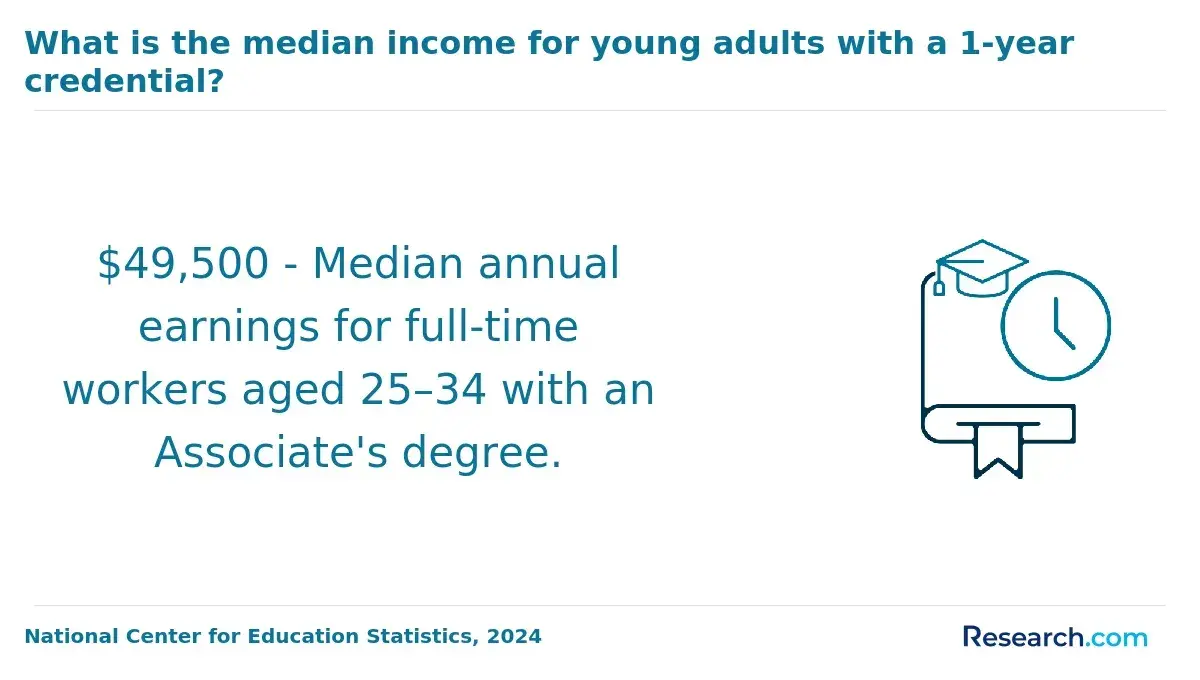
Compensation for professionals with an online health services degree varies widely based on degree level, experience, industry, location, and specialization. Entry-level roles for those with an associate degree often start around a median wage of $45,000 annually. Graduates holding bachelor's or master's degrees typically see salaries ranging from $60,000 to over $90,000, especially in leadership or specialized positions.
- Degree Level: Higher academic credentials generally correspond to higher pay. Bachelor's degree holders tend to earn 20-30% more than those with an associate degree. Advanced degrees, such as a master's in health administration or public health, often lead to salaries exceeding $90,000 depending on role and employer.
- Years of Experience: Salaries often increase significantly during the first 5-10 years, with mid-career professionals typically earning 40-50% higher wages than entry-level counterparts.
- Industry Sector: Hospital systems and government agencies usually offer higher compensation compared to smaller clinics or nonprofit organizations.
- Geographic Market: Metropolitan areas with concentrated healthcare facilities generally pay 15-25% more than rural regions.
- Specialization: Areas like healthcare informatics, compliance, and financial management frequently provide salary advantages over generalist health services roles.
- Professional Certifications: Credentials such as Certified Professional in Healthcare Quality (CPHQ), Certified Health Care Administrator (CHCA), and Fellow of the American College of Healthcare Executives (FACHE) deliver measurable salary boosts. Online students can attain these certifications through accredited organizations while working, accelerating career growth and leadership opportunities.
- Salary Projections: The health services field is projected to grow by approximately 15% over the next decade, which should contribute to steady wage increases.
- Data Verification: Because wage data fluctuate over time, individuals should regularly check updated BLS and industry salary surveys instead of relying on fixed historical figures.
What Graduates Say About the Best Online Health Services Degrees for Jobs
- Jaime: "Choosing an online health services degree was a big decision for me-especially given the varied accreditation standards out there. The program I selected met rigorous accreditation criteria, which gave me confidence that my education would be respected by employers. Plus, the curriculum rigor really challenged me to think critically about healthcare systems-something I hadn't experienced before."
- Enzo: "Reflecting on my time in the program, the cost and return on investment stood out as the most important factors. The degree was affordable but didn't skim on quality-delivering practical experience requirements that prepared me well for real-world challenges. This balance made it easier to stay motivated, knowing I was gaining skills with genuine career outcomes ahead."
- Rowan: "What really impressed me was the student support infrastructure-the advisors and mentors were always there to help me navigate the toughest parts of the curriculum. It made such a difference during times of stress and helped me focus on the career outcomes I wanted. Their guidance ensured I got the practical experience requirements finished on time and with confidence."
Other Things You Should Know About Health Services Degrees
The best online health services programs focus on developing a blend of technical knowledge and soft skills. Graduates gain competencies in health care management, policy analysis, data interpretation, and patient advocacy. Programs also emphasize communication and leadership capabilities essential to navigating complex health care environments and improving service delivery outcomes.
Employers generally value online health services degrees equally when earned from accredited institutions with rigorous curricula. Many recognize that online formats can offer flexibility for working adults without compromising educational quality. However, reputation and program accreditation remain key factors-degrees from well-established schools are often favored regardless of delivery method.
Top online health services programs offer robust support services including academic advising, career counseling, and technical assistance. They often facilitate virtual networking through online forums, webinars, and alumni connections. Such resources help students build professional relationships and gain guidance crucial for career advancement in the health services field.
References
- How Much Can I Make With an Online Bachelor's of Public Health? - MPH Online https://www.mphonline.org/salary-bachelors-public-health/
- Top 5 Online Healthcare Courses You Can Take | learndirect https://www.learndirect.com/blog/top-5-online-healthcare-courses-that-lead-to-exciting-careers
- The Admissions Handbook: An Online Guide for Allied Health Students https://www.edumed.org/resources/healthcare-admissions-student-handbook/
- Online Health Services Administration Degree | Explore Your Options https://www.learnhowtobecome.org/best-online-bachelors-in-health-services-degree-programs/
- Complete Your Health Sciences Degree Online: California Programs for Working Adults https://www.scuhs.edu/bshs-article-geo/complete-your-health-sciences-degree-online-california-programs-for-working-adults/
- 15 Best Online Bachelor's Degrees in Health Services 2019 - Healthcare Administration Degree Programs https://www.healthcare-administration-degree.net/best-online-bachelors-degrees-in-health-services/
- Best Safe and Low Risk Investments in Malaysia 2025 https://www.stashaway.my/r/best-safe-low-risk-investments-malaysia
- Telehealth Accreditation Program | URAC https://www.urac.org/accreditation-cert/telehealth-accreditation/
- What to Finance in Health and at What Price? - Syracuse University | College Parent Central https://collegeparentcentral.com/syr/online-courses/what-to-finance-in-health-and-at-what-price/2090442353