2027 Best Sport Psychology Master's Specializations for Career Growth

Co-Founder and Chief Data Scientist
The landscape of sport psychology is rapidly evolving, driven by shifting employer demands, regulatory changes, and technological integration in athletic performance and mental health services. Not all master's specializations cultivate the same career trajectories; some align better with emerging roles in performance analytics, clinical practice, or leadership within sports organizations.
Workforce shortages in applied mental health roles and heightened emphasis on interdisciplinary competence increasingly shape hiring priorities. Career growth in sport psychology encompasses more than advancement; it includes influence over program development, credential relevance amid new certification standards, and adaptability in a sector facing ongoing transformation.
Key Benefits of the Best Sport Psychology Master's Specializations for Career Growth
- Specializing in sport psychology often requires balancing part-time study with work, which may extend completion time but allows steady income and integration of theory into ongoing professional roles.
- According to 2024 workforce data, employers increasingly value demonstrated applied experience alongside degrees, so programs emphasizing internships directly impact employability more than purely academic tracks.
- Rising demand for mental performance experts in sports highlights a strategic advantage for graduates; however, limited access to credentialing can delay full practitioner status, affecting initial job market entry.
Which Sport Psychology Master's Specializations Offer the Best Career Growth?
Choosing a sport psychology master's specialization should be viewed as a strategic decision that shapes long-term career trajectory rather than a simple academic preference.
Career growth outcomes hinge on how effectively a specialization aligns with evolving industry demands, offers leadership pathways, and cultivates transferable skills that enhance versatility across roles and sectors.
- Clinical Sport Psychology: This specialization is pivotal for securing licensure and practicing as a clinical psychologist, which broadens employment settings beyond athletics into healthcare, rehabilitation, and private practice.
- Performance Enhancement and Mental Skills Training: Professionals develop targeted interventions to elevate athlete and team performance, fitting into athletic departments, professional franchises, and wellness programs.
- Organizational and Leadership Development in Sports: Emphasizing team dynamics, leadership psychology, and sports administration, this specialization cultivates managerial competencies crucial for ascending to senior consultant, administrative, or coaching-of-coaches roles.
- Applied Research and Data Analytics in Sport Psychology: Increasingly, programs that incorporate quantitative skills related to behavioral data and performance metrics prepare graduates for evidence-based decision-making roles.
Among these paths, clinical sport psychology and performance enhancement specializations align most directly with significant labor market expansion and salary growth, according to employment surveys by the Association for Applied Sport Psychology.
Professionals anchored in these areas report higher job stability, partly due to licensure pathways and versatile applied skillsets. Those weighing specialization options should assess how each aligns with their desired career mobility and leadership ambitions over time.
For individuals exploring growth-minded pathways that integrate clinical and applied knowledge with flexible career options, additional advanced study such as MSN to DNP online programs may further enhance leadership credentials within integrated healthcare and sports performance settings.
Which Sport Psychology Master's Specializations Are Most In Demand?
Demand for sport psychology master's specializations fluctuates across sectors, driven by technological advances, evolving economic factors, and shifting employer expectations.
Rather than a fixed hierarchy, labor market needs reflect how specializations align with practical application, interdisciplinary skill sets, and emerging workforce trends in mental health and performance support.
- Applied Sport Psychology: This specialization remains central due to its focus on real-world implementation with athletes and teams. Employers in professional and collegiate sports increasingly seek practitioners skilled in evidence-based interventions that enhance athlete resilience and measurable performance outcomes.
- Counseling-Integrated Sport Psychology: Blending sport psychology with mental health counseling addresses a critical gap in holistic athlete care. Professionals who can meet licensing requirements and navigate psychological disorders like anxiety and depression are in greater demand.
- Technology-Driven Performance Assessment: Specializations centered on wearable technology, biofeedback, and neuroperformance respond to growing employer interest in data-informed approaches. This niche spans traditional sports and emerging fields such as esports.
- Cross-Disciplinary Collaboration and Applied Research: While theory-heavy avenues with limited direct application often confine graduates to academia, those who leverage research skills to support interdisciplinary teams experience better employability. Demand favors candidates who translate theoretical knowledge into actionable strategies.
What Skills Are Developed in Different Sport Psychology Master's Specializations?
Choosing a Sport Psychology master's specialization shapes the technical and applied skill sets students acquire, which profoundly affects their professional readiness and career mobility.
Each specialization cultivates unique competencies, ranging from assessment and intervention to research or leadership, that align with distinct workplace roles and influence advancement opportunities within a fragmented labor market.
- Clinical Sport Psychology: Focused on mental health assessment and therapeutic intervention, this specialization trains graduates to handle psychological disorders and emotional challenges in athletes. Skills developed here emphasize clinical evaluation, diagnosis, and evidence-based treatment.
- Performance Enhancement: This track hones expertise in designing mental skills training tailored to optimize athlete performance under pressure. Graduates gain applied competencies in cognitive-behavioral techniques, resilience building, and motivation enhancement that translate into direct work with coaches and teams.
- Research and Measurement: Emphasizing quantitative and qualitative research methods, this specialization develops skills in experiment design, data analysis, and evidence synthesis. Graduates become adept at contributing to scientific knowledge and informing practical interventions through rigorous study.
- Consultation and Leadership: This area cultivates competencies in multidisciplinary collaboration, program development, and organizational psychology within sport contexts. Graduates learn to lead initiatives, manage stakeholder relationships, and influence systemic change, skills valued in athletic administration, sport governance, and health promotion.
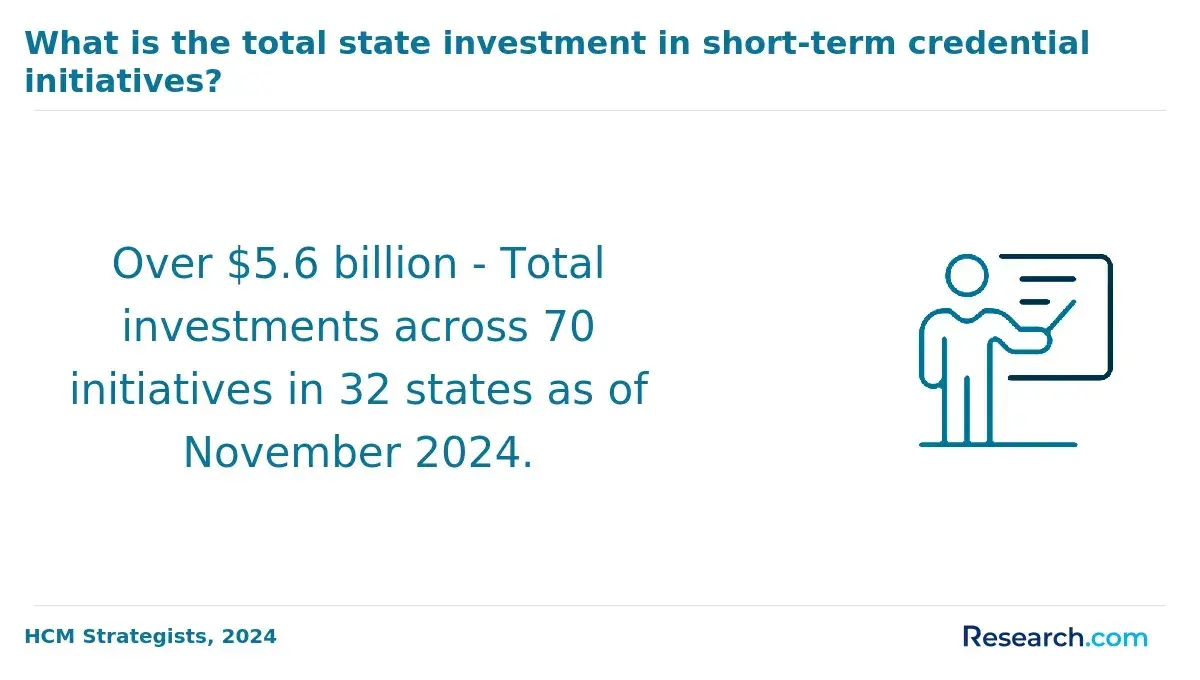
According to recent findings from the American Psychological Association in 2024, approximately 78% of graduates across sport psychology master's programs report confidence in applying their specialized skills effectively within diverse athletic environments, reinforcing the importance of carefully matching specialization choice to long-term career goals.
A graduate from a clinical sport psychology specialization recalled her admissions process as particularly challenging due to rolling deadlines. She hesitated to finalize her application until securing recommendation letters but faced uncertainty as slots filled faster than anticipated.
Ultimately, she submitted materials just days before the final acceptance round, reflecting on how strategic timing and proactive communication during admissions were crucial to avoiding costly delays.
Her experience highlights how navigating program entry windows demands careful planning-an often overlooked but critical skill for prospective students balancing competing commitments.
Employer Confidence in Online vs. In-Person Degree Skills, Global 2024

Which Sport Psychology Master's Specializations Require Professional Licensure?
Professional licensure acts as a defining framework within sport psychology master's specializations, directly influencing program focus and graduate eligibility for distinct career paths.
While not every specialization requires licensure, those that do typically funnel students into regulated roles with strict compliance standards and explicit scopes of practice.
Understanding sport psychology licensure requirements by specialization clarifies the operational and regulatory considerations shaping educational and professional trajectories.
- Clinical and Counseling Psychology Specializations: These tracks almost always require state licensure because they prepare graduates for direct clinical intervention in mental health, including assessment and treatment of psychological conditions tied to athletic performance.
- Performance Enhancement and Coaching Psychology: These specializations generally do not require licensure since they emphasize mental skills training, motivation, and resilience rather than clinical diagnosis or therapy. Instead, students may pursue certifications, which provide industry credibility without the extensive regulatory burden.
- Applied Sport Psychology with a Focus on Research: Programs centered on research and assessment skills usually do not trigger licensure requirements because they do not involve clinical practice. Graduates contribute through study design, data analysis, or program evaluation in athletic contexts, often operating in academic or organizational settings.
- Health Psychology Related to Sports: Some health psychology pathways tied to sport demand licensure due to overlap with clinical practices addressing mental and physical health comorbidities in athletes. Licensure frameworks ensure practitioners meet standards for diagnosis and therapeutic intervention.
Licensure's influence extends beyond credential validation; it significantly molds specialization selection and program design within sport psychology master's degrees by aligning academic requirements with professional standards.
According to recent workforce analyses, a growing demand across healthcare systems for licensed mental health professionals in sport contexts reinforces the value of licensure-focused specializations for those targeting regulated clinical careers.
Conversely, students prioritizing agile entry and applied performance roles must navigate the tradeoffs between licensure obligations and certification pathways carefully.
For those seeking to compare varying credential impacts on career advancement within mental health and sport domains, resources for education comparable to medical billing and coding online schools demonstrate how licensing versus certification contours influence both curricular design and employment outcomes.
Which Sport Psychology Master's Specializations Are Best for Career Changers?
Selecting the right master's specialization in sport psychology is pivotal for career changers aiming to swiftly bridge prior expertise with new industry expectations. The most effective pathways reduce redundant training while optimizing access to roles that recognize hybrid skills and adaptable competencies.
Understanding how each specialization aligns with transferable experience is essential for minimizing transition friction and positioning for meaningful employment.
- Applied Sport Psychology: This specialization is particularly advantageous for individuals with backgrounds in coaching, counseling, or healthcare. It builds practical competence in athlete-focused interventions such as mental skills training and performance counseling, enabling career changers to leverage existing interpersonal and clinical skills directly.
- Performance Enhancement and Mental Resilience Training: Professionals transitioning from rehabilitation, physical therapy, or fitness coaching benefit from this specialization's emphasis on optimizing athlete output through psychological strategies.
- Social and Cultural Sport Psychology: For those coming from social work, education, or community health, this area supports engagement with diversity, inclusion, and athlete wellbeing beyond competitive results. It positions career changers to fill critical roles that prioritize advocacy, program development, and holistic support systems.
- Research-Intensive Specializations: Although academically rigorous and foundational for clinical practice, purely research-driven tracks present longer timelines and increased credentialing demands. Career changers without prior research experience or clinical credentials may encounter delayed workforce entry and additional qualification hurdles.
According to a 2024 American Psychological Association analysis, graduates from applied and performance-focused masters report approximately 35% higher employment rates within two years compared to their peers pursuing theoretical or research-dominant specializations.
This statistic illustrates employer preference for candidates who can demonstrate direct application of psychological principles in athlete-centric environments.
One career changer shared how timing and preparedness shaped their decision-making during a rolling admissions process. Initially hesitant to commit without clear program outcomes, they tracked several specialization offerings while strengthening relevant credentials.
When an applied sport psychology specialization opened enrollment late in the cycle, the urgency to secure a spot prompted rapid supplemental training and a targeted application. This pragmatic approach-balancing patience with readiness-ultimately aligned prior counseling experience with program emphases, easing the transition despite initial uncertainty about pathway suitability.
Which Online Sport Psychology Master's Specializations Support Career Growth Most Effectively?
Online sport psychology master's specializations serve as strategic tools for accelerating professional growth, particularly for working professionals aiming to balance education with current roles.
Their effectiveness hinges on how well each program aligns with shifting industry demands and fosters upward mobility within increasingly digital and hybrid work environments.
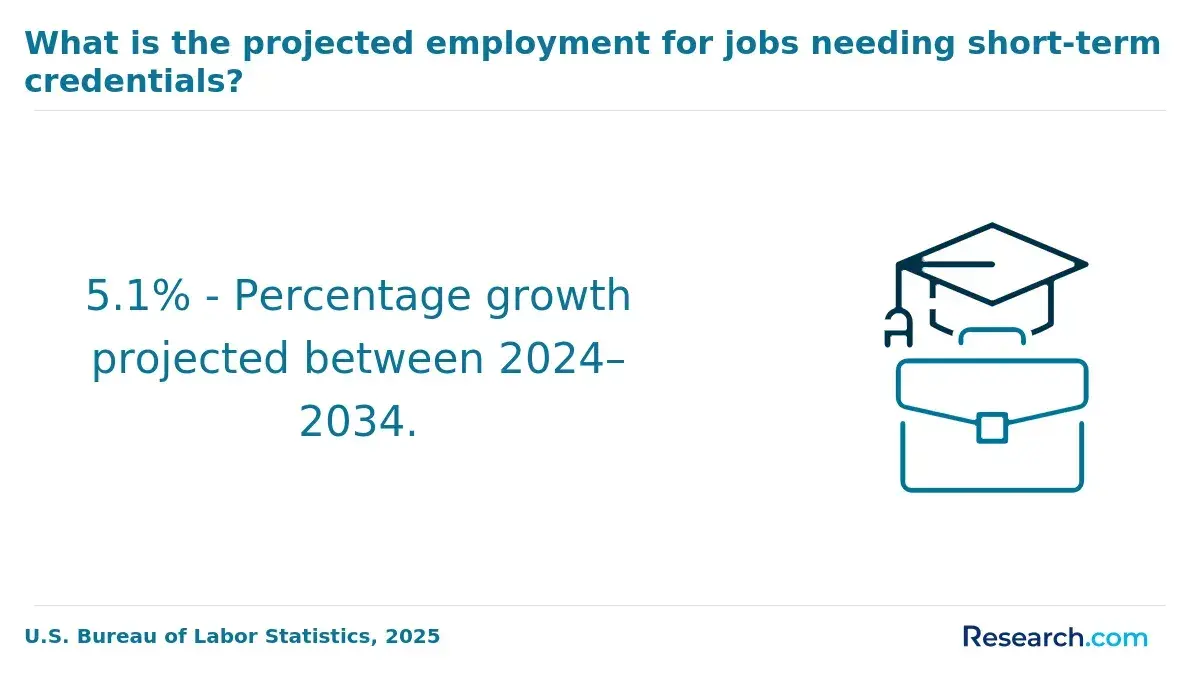
- Performance Enhancement: This specialization's focus on mental skills training, motivation, and resilience provides practical, immediately applicable competencies for roles in coaching and athlete development. The Bureau of Labor Statistics 2024 Workforce Report highlights a 12% growth rate for careers that blend these skills with team dynamics.
- Clinical Sport Psychology: Combining mental health counseling with athletic contexts, this specialization addresses the rising organizational emphasis on holistic wellness for athletes. As the Association for Applied Sport Psychology notes, clinicians with competencies in anxiety, trauma, and depression management are increasingly sought after, especially in integrated healthcare systems.
- Applied Research and Data Analytics: Skillsets in data interpretation and evidence-based program development empower graduates to meet employer demands for measurable impact in academic, governmental, and professional sports organizations. A 2024 National Sports Science Workforce Study found a 15% salary premium for professionals skilled in analytics.
- Digital Sport Psychology Integration: With remote and hybrid work models becoming standard, specializations emphasizing digital tools for assessment, virtual coaching, and online intervention design enhance adaptability and collaboration readiness.
Additionally, professionals interested in expanding their qualifications may benefit from exploring pathways similar to a medical assistant to LPN bridge program. These programs demonstrate how stacked credentials can support career advancement, greater job mobility, and access to a wider range of healthcare roles.
What Sport Psychology Master's Concentrations Lead to Management Careers?
Management roles in sport psychology rarely result solely from completing a master's degree; they develop through increasingly complex responsibilities in decision-making and strategic oversight.
Different master's concentrations cultivate distinct leadership capital, making some specializations more effective in positioning graduates for management advancement within athletic or wellness organizations.
- Sport Psychology with Leadership and Organizational Behavior: This concentration develops expertise in team dynamics, leadership models, and management practices specifically tailored to sport contexts. Graduates gain skills in navigating organizational structures and influencing group performance, which enhances their readiness for supervisory roles.
- Sport Psychology and Sports Administration or Business: Integrating psychological training with business fundamentals such as budgeting, marketing, and program management equips graduates to manage operations in sports settings effectively.
- Applied Sport Psychology in High-Performance Settings: Concentrations that emphasize applied psychology along with certifications or coursework in athlete development or performance coordination prepare students for director-level responsibilities.
- Leadership-Centered Sport Psychology with Organizational Psychology: Specializations blending sport psychology theory with organizational psychology principles enhance an individual's ability to align psychological practices with broader institutional goals.
Conversely, concentrations focusing primarily on clinical or counseling skill sets tend not to provide the managerial readiness valued by employers seeking candidates for leadership roles.
These tracks typically deepen individual athlete support but lack exposure to strategic decision-making or administrative functions that drive promotion potential in sport organizations.
How Does Earning Potential Vary by Sport Psychology Master's Specialization?
Earning potential across sport psychology master's specializations reflects the distinct roles, settings, and required credentials that shape compensation patterns. Clinical sport psychologists, drawing on licensure and mental health expertise, often see median salaries approaching $85,000 annually, as reported by Payscale's 2024 data, reflecting their integration within healthcare and therapy sectors.
In contrast, practitioners focused on performance enhancement or applied sport psychology tend to earn between $55,000 and $65,000, with compensation influenced by employer type and the scope of consulting or private practice opportunities.
Academic and research-oriented roles typically start lower, near $50,000, but provide stability and potential for progression into tenure-track positions with higher earnings over time.
These salary disparities track closely with workforce dynamics such as regulatory barriers, specialized skill scarcity, and organizational impact. Higher compensation in clinical pathways stems from the licensure requirements that restrict entry, as well as the clinical responsibilities that carry significant legal and ethical accountability.
Applied and performance specialists, while essential to athlete development, often operate in environments with less stringent credentialing and experience more variable income tied to contract funding or consulting demand.
Research and academia emphasize methodological skill and long-term knowledge production, but typically involve less direct revenue generation, which suppresses initial pay despite offering advancement through scholarship and institutional leadership.
Long-term earnings trajectories further complicate the picture, since higher starting salaries in clinical settings do not always guarantee the greatest lifetime income or leadership opportunity.
Applied specialists who diversify income streams through workshops, consulting, or private clients may see more flexible growth, while research-focused professionals can leverage tenure and institutional roles for sustained salary increases.
Understanding these nuances enables candidates to weigh immediate financial incentives against potential for broader career development, evolving industry standards, and changing market demands in sport psychology.
What Mistakes Do Students Make When Selecting a Specialization?
Selecting a sport psychology master's specialization is a strategic career decision that extends well beyond personal interest or short-term appeal. Many students focus on immediate factors such as perceived prestige or salary potential, often neglecting critical long-term implications for employability, professional growth, and role flexibility.
The most common mistakes stem from this narrow approach, which can hinder sustainable advancement and weaken alignment with evolving industry needs.
- Choosing Based on Trendiness Instead of Practical Fit: Students often gravitate toward popular or "hot" specializations without thoroughly assessing labor market demand or compatibility with their strengths. This misalignment can lead to limited job opportunities and slow career progression, especially when market trends shift.
- Prioritizing Academic Prestige Over Applied Skills: Emphasizing program reputation rather than hands-on experience undermines readiness for real-world roles. Employers increasingly expect graduates who demonstrate applied competencies, making practical training crucial for securing performance-enhancement or clinical positions.
- Ignoring Job Market Forecasts and Employer Demand: Failure to analyze industry data leads to specialization in fields with limited growth, such as narrow youth sports areas lacking interdisciplinary integration. Specializations that combine sport psychology with data analytics or rehabilitation psychology tend to offer stronger job security and advancement potential.
- Overlooking Certification and Licensing Prerequisites: Neglecting to anticipate the specific credentialing pathways tied to certain specializations can create costly delays and barriers to higher-level roles. Evaluating licensure requirements early supports more informed decision-making and smoother professional transitions.
- Misunderstanding Career Pathways and Long-Term Industry Changes: Some students underestimate how their specialization aligns with broader healthcare or sports systems evolving rapidly due to technological advances and shifting employer expectations. This oversight may restrict future flexibility and salary growth.
A 2024 report from the National Association of Sport Psychology Professionals found that nearly 38% of graduates discovered their chosen specialization mismatched the demands of their intended career roles, resulting in delayed career progression.
These data reinforce the need for students to incorporate labor market interpretation and long-term strategic planning when selecting a specialization.
For those exploring interdisciplinary options or seeking programs with strong applied components, reviewing accredited pathways such as programs listed among BACB accredited schools can be insightful.
By understanding common mistakes in sport psychology specialization selection and evaluating fields through a career lens, students can better position themselves for sustainable success and professional satisfaction over time.
How Can Students Align Specialization Choices With Long-Term Career Plans?
Aligning specialization choices with long-term career plans in sport psychology requires more than personal interest; it demands rigorous analysis of industry trends, required competencies, and established career progression pathways.
Students must evaluate how specialization areas correspond with evolving workforce demands and leadership opportunities within their target sectors.
Data from a 2024 occupational outlook highlights that graduates with specialized applied sport psychology skills are significantly more likely to secure advanced roles, reinforcing the need to treat specialization selection as a strategic, multi-year career investment rather than a short-term academic decision.
This approach encourages anticipation of shifts within sports, wellness, and healthcare industries to sustain employability and professional growth over time.
Students can apply decision frameworks that map their chosen specialization outcomes to specific job roles, focusing on skill portability and potential for leadership or advanced technical responsibilities.
Evaluating how specialized competencies translate across various employment settings, such as collegiate athletics, clinical environments, or elite sports teams, helps mitigate risks tied to transient demand spikes or narrowly focused interest areas.
For those seeking guidance on educational pathways offering practical licensure and industry credibility, a growing number of programs, including APA accredited PsyD programs, provide structured preparation aligned with rigorous career outcomes.
This strategic lens aligns with the best sport psychology specializations for career advancement and effective strategies to match sport psychology degrees with career goals.
What Graduates Say About the Best Sport Psychology Master's Specializations for Career Growth
- Taylor: "After completing my master's with a specialization in sport psychology, I quickly realized that employers in this niche often prioritize hands-on experience and certifications over just licensure. Building a portfolio through internships was crucial, and while licensure opened some doors, my practical skills ultimately mattered more in securing a remote role with flexible hours. It's a competitive field, but having a diverse experience base paid off."
- Cruz: "I was prepared to face some hurdles after graduation, especially since many higher-level positions required licensure I didn't have yet. However, focusing on the sport psychology specialization allowed me to pivot towards wellness coaching within athletic organizations, a role that valued my specific knowledge even without full licensure. This path offered decent salary growth but meant slower advancement if I wanted to move into clinical positions."
- Luka: "In the initial job hunt, I noticed that practical work in sport psychology internships heavily influenced hiring decisions; many employers seemed skeptical if you lacked experience despite your degree. Navigating this meant accepting entry-level roles that didn't fully use my skills but offered workforce entry speed and remote work options. Over time, this approach has helped me build a credible track record that I can leverage for future advancement."
Other Things You Should Know About Sport Psychology Degrees
Internship opportunities in 2027 sport psychology master's programs provide hands-on experience, enhancing practical skills crucial for career growth. Selecting a program offering diverse internships in athletic settings and mental health clinics can significantly bolster career prospects in various sport psychology fields.
This depends greatly on your career goals, as research-heavy specializations often prepare students for academic, consulting, or policy roles, but may not be ideal for direct client work. Specializations emphasizing clinical application typically involve more practical skill-building, licensing preparation, and client interaction training. For those aiming to work directly with athletes or teams, clinical and applied-focused paths usually offer clearer routes to employment and professional growth.
Smaller cohorts often provide more personalized mentorship, which can enhance networking and practical training, particularly beneficial in applied specializations requiring close faculty guidance. Conversely, programs with larger cohorts might offer broader peer learning but risk less faculty availability. Evaluating faculty backgrounds is vital; specialization programs led by faculty with active applied practice and professional connections generally improve job placement opportunities.
Broader interdisciplinary programs can enhance adaptability by exposing students to related fields like kinesiology, counseling, or performance science, which employers may value for integrated team environments. However, highly focused sport psychology tracks provide deeper expertise in specific interventions, often favored in specialized clinical or elite sport settings. If career advancement within competitive sport teams is the goal, a focused specialization may hold more weight; for roles in broader wellness or academic contexts, interdisciplinary options could be more advantageous.
References
- Top 10 Sports Psychology Masters Degree Courses In The UK & Europe https://www.postgrad.com/blog/Top-10-Sports-Psychology-Masters-Degree-Courses-In-Europe/
- How to Find the Right Sport Psychology Supervisor: A Step-by-Step Guide for HCPC and BPS Candidates https://www.drpaulmccarthy.com/post/how-to-find-the-right-sport-psychology-supervisor-a-step-by-step-guide-for-hcpc-and-bps-candidates
- The Nine Mental Skills of Successful Athletes https://www.sportpsych.org/nine-mental-skills-overview
- Online Sports Psychology Degree Programs | Psychology.org https://www.psychology.org/online-degrees/sports-psychology/
- Setting Long-Term Goals for Students - Mackler Associates https://mackleradvantage.com/setting-long-term-goals-for-students/
- 5 benefits of choosing sports psychology as a career - Athletics Weekly https://athleticsweekly.com/aw-promotion/5-benefits-of-choosing-sports-psychology-as-a-career-1039968793/
- Sport and Exercise Section: Students - Canadian Psychological Association https://cpa.ca/sections/sportandexercise/students/
- Long-Term Goals for Students: A Complete Guide to Success - Sunbeam World School 1 https://sunbeamworldschool.com/blog/long-term-goals-for-students/
- 10 Steps to Build Personalized Learning Plans https://www.upskillist.com/blog/10-steps-to-build-personalized-learning-plans/
- APA Sport Psychology Proficiency https://www.apadivisions.org/division-47/about/sport-proficiency