2027 Can a Health Communication Degree Lead to Remote Jobs?

Co-Founder and Chief Data Scientist
The rise of distributed teams has reshaped the Health Communication workforce, with 47% of professionals in this field engaging in remote work arrangements as of early 2024, according to the U. S. Bureau of Labor Statistics.
Health Communication degrees develop essential proficiencies in tools like electronic health record systems, content management platforms, and telehealth communication software, equipping graduates for the operational demands of remote roles.
Coursework often incorporates digital simulations and collaborative project models aligned with industry standards such as Agile and SCRUM, enhancing readiness for virtual environments. This article examines how these elements influence remote job viability and guides readers in assessing alignment with their career aspirations.
Key Points About Health Communication Degrees That Lead to Remote Jobs
- Remote roles such as digital health educator, telehealth coordinator, and medical writer leverage health communication skills, but securing these positions often requires specialized certifications and portfolio development, reflecting a tradeoff in time investment versus job accessibility.
- The Bureau of Labor Statistics projects growth in health education jobs, indicating employer demand for remote-ready communication professionals; however, candidates lacking direct healthcare experience may face competitive barriers despite telework expansion.
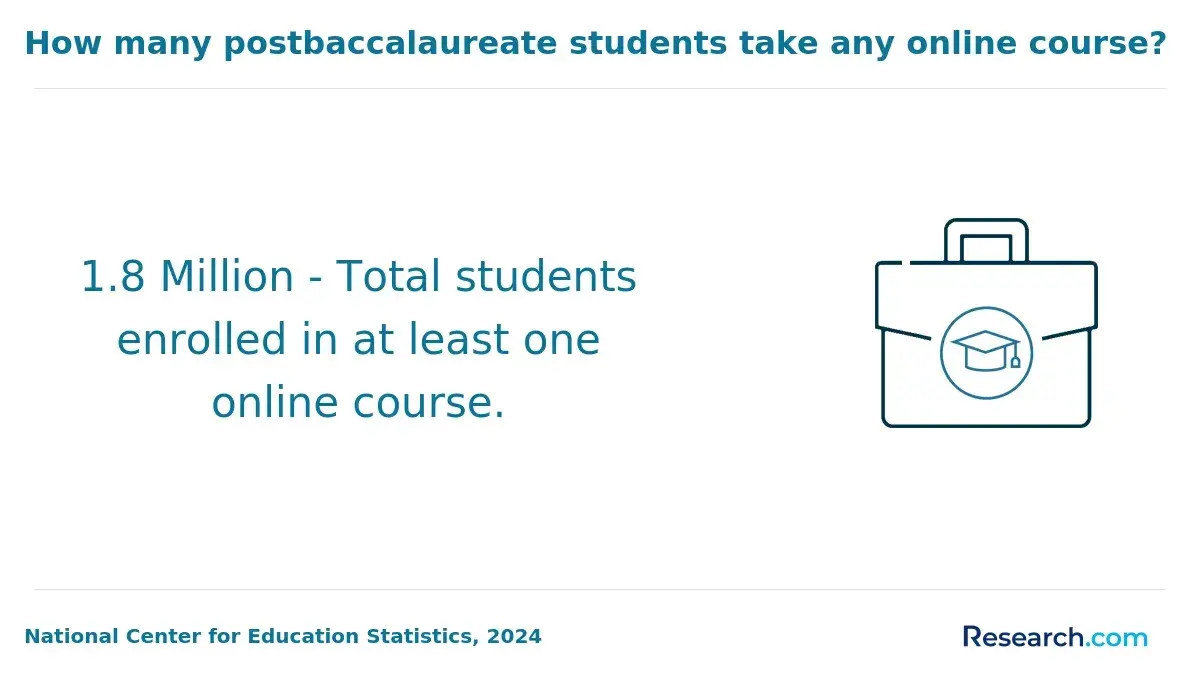
- With online health communication program enrollment increasing by 12% annually according to recent NCES data, adult learners benefit from flexible education options, yet delayed credential completion can limit early career advancements in fast-evolving digital health sectors.
Is it possible for Health Communication graduates to work remotely?
Health communication graduates can find remote and hybrid job options, though these vary significantly by role and employer.
Positions focused on digital content creation, data analysis, and online public health campaigns are more likely to accommodate flexible work arrangements. Organizations prioritizing virtual outreach and digital platforms tend to offer greater remote opportunities, reflecting a shift toward decentralized communication workflows.
However, roles requiring direct community engagement or clinical interaction usually demand on-site presence, limiting remote possibilities.
Employers in nonprofit, governmental, and health technology sectors are often more open to remote models, emphasizing the necessity for candidates to demonstrate strong digital literacy and remote collaboration capabilities. Practical experience with remote communication tools and networking within these sectors can meaningfully enhance prospects for off-site work.
The reality is a nuanced balance: remote roles exist but are concentrated in specific niches where physical presence is not essential. Graduates must assess their targeted positions and employers for remote flexibility rather than expecting full remote availability across all health communication fields.
What are the typical entry-level remote positions for new Health Communication graduates?
Entry-level remote positions are accessible to health communication graduates, particularly as employers increasingly support hybrid and fully remote structures in communication-focused roles. The nature of these jobs generally aligns with digital content development, data handling, and virtual coordination.
Below are five typical remote roles suited to recent graduates in health communication.
- Health Content Writer:This role centers on producing educational articles, blog entries, and social media posts related to health topics. It suits remote work well since tasks primarily involve written communication and research, requiring only digital collaboration and deadline management.
- Health Outreach Coordinator: Coordinators drive health campaigns by organizing virtual events and managing communications via email and social media. The job's reliance on online tools and digital partnerships supports hybrid or fully remote arrangements.
- Health Data Analyst Assistant: Assistants help senior analysts interpret survey results and campaign feedback, working with software and cloud databases. Because data analysis functions largely online, this position accommodates remote work with occasional virtual team meetings.
- Public Health Communication Assistant: This support role involves drafting updates, managing newsletters, and facilitating media relations. Given the emphasis on communication and coordination, tasks are typically performed remotely when information flow remains clear and timely.
- Digital Health Marketing Coordinator: Coordinators in this area manage online outreach efforts, track engagement metrics, and refine digital marketing materials. Activities centered on digital platforms and analytics tools naturally align with remote employment setups.
While these remote entry-level health communication jobs offer flexibility, candidates must demonstrate strong self-management and proficiency with virtual collaboration technologies to meet employer expectations.
Navigating decentralized environments requires an ability to prioritize tasks independently and communicate clearly across digital channels. For graduates evaluating remote career opportunities, these realities are vital to consider alongside the roles' functional demands.
If you are also curious about costs associated with related healthcare administration fields, how much does it cost to become a medical billing and coding is a useful resource for comparison.
Are there senior-level remote positions for Health Communication professionals?
Senior-level remote positions do exist for health communication professionals, but entry into these roles typically follows significant experience and demonstrated leadership in the field. These high-level remote health communication career opportunities reflect an industry preference for candidates who combine strategic insight with digital fluency.
Below are five common examples of senior roles often suited to remote or hybrid formats.
- Health Communication Director: This role involves overseeing cross-platform communication campaigns and requires strong strategic planning and team leadership skills. It is well-suited to remote work because much of the coordination and outreach involves virtual interaction with geographically diverse healthcare groups.
- Digital Health Content Strategist: Focused on the development and management of digital content, this role leverages digital tools extensively. Remote work fits naturally here, enabling collaboration with content creators and health experts without requiring physical presence.
- Public Health Communications Manager: Responsible for managing public health messages and crisis responses, this position benefits from remote arrangements that allow swift media coordination and stakeholder engagement through virtual platforms.
- Patient Engagement Lead: This position designs strategies to enhance patient education and interaction via digital channels. The hybrid or remote format is effective given the emphasis on data analysis, outreach campaign management, and virtual communication with healthcare practitioners and patients.
- Healthcare Marketing Executive: Charged with directing marketing initiatives for healthcare products or services, this role often requires alignment with sales and product teams across different locations, making remote collaboration tools essential.
Positions in senior health communication roles emphasize strategic oversight and stakeholder engagement skills, which align well with flexible work environments. Although occasional on-site presence may be needed, companies increasingly recognize that remote senior roles can enhance talent access and operational adaptability.
For those assessing pathways to such positions, evaluating programs and opportunities through the lens of practical digital skills and leadership experience is critical.
Prospective professionals might also explore healthcare education options such as nursing schools that do not require entrance exam as complementary to building multi-disciplinary expertise relevant to evolving healthcare communication demands.
Which industries hire the most remote workers with Health Communication degrees?
Remote roles for health communication graduates span several key industries, each offering distinct opportunities aligned with their operational needs and communication demands.
The following sectors are notable for employing the largest numbers of remote professionals with health communication expertise.
- Healthcare and Public Health: Remote work is prevalent in health education, telehealth services, and patient engagement roles, where digital outreach and content creation are central. While some positions require in-person involvement, many organizations prioritize virtual communication strategies manageable offsite.
- Pharmaceuticals: This sector frequently hires remote specialists to develop educational resources, assist with market research, and maintain provider communications. Regulatory requirements sometimes necessitate office presence, but many health communication functions offer flexibility for distributed teams.
- Nonprofit and Advocacy: Organizations focusing on public health campaigns often operate with remote teams to broaden geographic reach and manage digital messaging. These roles emphasize behavioral change communication and require adaptability to diverse audiences through virtual platforms.
- Digital Health and Technology: Companies in this field design user-focused digital tools requiring expertise in UX writing, content strategy, and messaging. Fully distributed teams are common, making remote work the norm for health communication specialists here.
- Academic Research and Consulting: Grant writing, program evaluation, and translating complex health data are critical tasks often handled remotely. While some collaboration may occur onsite, much of the detailed communication work lends itself well to virtual execution.
How do salaries differ for remote vs on-site roles in Health Communication?
Salary gaps between remote and on-site roles in health communication often reflect company pay policies and job requirements. Remote positions typically offer slightly lower average salaries, as many employers adjust pay based on geographic cost of living differences.
This geographic pay tiering leads to regional salary variation, where remote workers in lower-cost areas may receive reduced compensation compared to on-site colleagues in higher-cost locations.
Exceptions arise for specialized jobs in health communication, such as digital health strategists or crisis communicators, where demand outweighs supply. These niche roles often command remote salaries comparable to those offered on-site.
However, at entry and mid-levels, competition for remote jobs can compress wages, while on-site roles sometimes pay more to offset commute and location constraints. Understanding these pay structures provides a clearer perspective for health communication graduates weighing remote opportunities against traditional on-site roles, especially as they explore flexible learning paths through options like a self paced online college.
What are the common challenges of working remotely with a Health Communication degree?
Remote work in health communication entails specific operational challenges that extend beyond typical telework concerns. The following points highlight key obstacles professionals often face and strategies to mitigate them.
- Complex cross-time-zone coordination: Managing collaboration across diverse schedules can delay project timelines and cause information gaps. Health communication specialists must leverage asynchronous tools and establish clear communication protocols to maintain workflow consistency.
- Heightened data security demands: Handling sensitive patient information remotely requires strict adherence to privacy regulations and advanced cybersecurity measures. Without robust infrastructure, remote setups risk breaches, so professionals should advocate for secure platforms and ongoing compliance training.
- Proximity bias affecting visibility: Remote employees frequently receive less recognition compared to in-office peers, impacting performance assessments and project involvement. To counter this, health communication workers need proactive communication of their contributions and increased engagement in virtual meetings.
- Fragmented digital collaboration: Remote campaigns often suffer from reduced spontaneous interactions, leading to slower decision-making and a rise in errors. Developing strong digital literacy and fostering team rapport through deliberate virtual engagement can offset these limitations.
- Managing nuanced communication challenges: The absence of in-person cues complicates interpreting tone and intent, risking miscommunication, especially when conveying sensitive health information. Professionals benefit from clear, concise messaging and confirming understanding regularly.
A health communication professional who graduated from an online bachelor's program shared that navigating digital workflows was initially overwhelming. He described frequent frustrations with delayed responses that stalled project phases and how securing compliance with data privacy required persistent coordination with IT departments.
He noted, "It's not just about sending the message; it's about ensuring the message is received and protected." The subtle disconnect of virtual interactions often demanded additional effort to build trust among remote teams, making relationship management a continuous, deliberate process rather than a natural routine.
This experience underscored for him the necessity of balancing technical competencies with adaptive communication strategies to succeed remotely in this field.
Are there certifications that can improve remote hiring outcomes for Health Communication graduates?
Certifications can significantly influence remote hiring outcomes for health communication graduates by validating specialized competencies aligned with virtual work demands. Several credentials stand out for their relevance and utility in improving candidates' prospects.
Below are five notable certifications that align well with the practical needs of remote roles in health communication.
- Certified Health Education Specialist (CHES): This certification focuses on essential health education knowledge and communication skills, critical for telehealth and digital health promotion. It requires candidates to meet specific education and experience criteria and pass an exam administered by the National Commission for Health Education Credentialing.
- Accredited Public Health Professional (CPH): Emphasizing foundational public health principles, this credential from the National Board of Public Health Examiners boosts credibility for remote positions that blend public health and communication. Applicants must demonstrate relevant work experience and successfully complete a competency exam.
- Health Communication Certification: Offered by the National Board of Public Health Examiners, this targets competencies directly tied to communicating complex health information across digital channels, enhancing readiness for remote roles focused on strategic messaging and audience engagement.
- Social Media Strategist Certification: Designed for healthcare communication professionals, this certification builds expertise in managing healthcare-related social media platforms, a growing area for remote job opportunities. It often requires practical experience and knowledge of digital marketing principles in health contexts.
- Project Management Professional (PMP): While broader than health communication alone, the PMP credential from the Project Management Institute is valuable when paired with sector-specific experience. It supports remote work where coordination and oversight of dispersed teams are central.
Health communication certifications for remote jobs incorporate foundational public health knowledge and digital communication skills that employers increasingly demand. Those interested in further education might explore doctorate in health administration programs to expand leadership qualifications and improve remote work options in healthcare management.
How can Health Communication degree students increase the chances of landing remote roles?
Health communication degree remote job search strategies require targeted efforts that align with the operational realities of remote work settings. Candidates stand out by demonstrating tangible evidence of effective communication in virtual environments, which is a core employer expectation for these roles.
Below are actionable approaches that can bolster a graduate's prospects for securing remote positions in this competitive field.
- Develop a Remote-Focused Digital Portfolio: Showcase projects that illustrate your capability to manage and communicate within remote teams. Include case studies and deliverables that highlight clarity, organization, and adaptation to asynchronous workflows, which employers prioritize when assessing candidates for remote health communication roles.
- Engage with Specialized Remote Job Platforms: Using remote-first boards and niche professional slack groups focused on health communication ensures access to employers explicitly recruiting for remote talent. This direct access helps bypass general job markets and increases relevance to your expertise.
- Master Asynchronous Communication Dynamics: Remote roles frequently involve asynchronous trial tasks that simulate real work conditions. Building skills in crafting concise, timely responses without supervisory oversight can differentiate you and reflect your readiness for independent remote work.
- Highlight Self-Driven Project Experience: Demonstrating initiatives taken independently in prior projects signals your capacity for self-management. This trait is highly valued remotely, where direct oversight is minimal and accountability relies on personal discipline and clear communication.
- Investigate Relevant Degree Paths for Remote Suitability: Understanding program outcomes related to remote work applicability is crucial. For example, exploring the fastest online master's in healthcare administration can provide insights into accelerated pathways that align closely with remote healthcare communication demands and employer expectations.
How do remote Health Communication roles impact long-term career trajectory and promotions?
Remote health communication roles reshape career progression by shifting focus from physical presence to measurable performance and digital engagement. Unlike traditional office jobs, promotions in distributed settings often depend on clear output metrics such as project delivery, communication quality, and virtual leadership rather than informal visibility.
Supervisors track contributions through asynchronous tools like project management software and collaborative documents, reducing reliance on daily in-person interactions. Advancing remotely requires consistent, proactive communication to keep stakeholders aligned and updated without spontaneous office check-ins.
Employees must excel in digital collaboration, taking initiative in virtual teams to demonstrate leadership and influence. Frequent, structured feedback exchanges become critical to clarify expectations and signal readiness for increased responsibility.
Building relationships beyond assigned duties poses challenges without physical networking opportunities. Remote workers who volunteer for high-impact projects and maintain intentional contact with mentors and cross-functional colleagues are more likely to overcome this limitation.
Sustaining a visible value proposition in virtual environments demands deliberate effort to balance asynchronous work rhythms with strategic engagement.
Ultimately, the absence of traditional workplace cues and social interaction means remote health communication professionals must rely heavily on documented achievements and transparent communication to navigate career trajectories and secure promotions within healthcare organizations.
Is a remote career in Health Communication sustainable for the next decade?
Remote positions in health communication show resilience as digital tools and infrastructure evolve, supporting flexible work models within healthcare systems.
Advanced technologies such as AI-driven personalization and data analytics are increasingly integral to roles focused on tailoring health messaging, making remote collaboration a practical norm rather than an exception. Yet, sustaining remote work depends heavily on professionals' ability to navigate these tools and integrate virtual teamwork efficiently.
Despite technology enablers, many organizations still expect occasional in-person interaction to strengthen professional relationships and trust, reflecting a hybrid reality rather than a fully detached remote environment.
Furthermore, successful remote health communication workers must demonstrate strong self-discipline and digital literacy. Shifts in healthcare priorities or economic downturns could tighten budgets, potentially limiting remote opportunities to those combining technical skills with effective communication strategies that justify their virtual presence.
Maintaining long-term viability in this field will require continuous upskilling in emerging platforms, adaptability to organizational changes, and proactive networking to bridge distance gaps and sustain career momentum.
When asked, a health communication professional who graduated from an online bachelor's program described the transition to full-time remote work as "gradually challenging." He noted the steep learning curve around mastering complex digital tools while balancing autonomy with collaboration.
"Remote work wasn't just about video calls; it demanded building trust without face-to-face cues," he said, emphasizing that occasional office visits helped maintain team cohesion. He expressed cautious optimism about remote sustainability but stressed that staying relevant means constantly upgrading skills and actively reaching out to colleagues to avoid professional isolation.
What Graduates Say About Health Communication Degrees That Lead to Remote Jobs
- Frances: "After completing my degree in health communication, I quickly realized that having a strong portfolio showcasing my internship work was crucial for landing a remote job. Employers in this field often focus more on practical experience and proven skills than on licensure, especially for communication roles. Working remotely now, I appreciate the flexibility but have also noticed that advancement can be slower without additional certifications."
- Kyro: "My health communication background gave me the foundation to pivot into a remote role supporting public health campaigns. The ability to collaborate virtually across different time zones was a significant adjustment, but it also opened opportunities that wouldn't have been available locally. One insight I gained is that while salary growth is somewhat capped without clinical credentials, the faster entry into the workforce and the chance to build diverse experience early on proved invaluable."
- Lily: "Securing a remote position right after graduating with a health communication degree was competitive, mostly because many positions require real-world experience, not just academic credentials. I focused on gaining certifications and freelance projects to differentiate myself. Now that I'm working remotely, the biggest challenge is managing client expectations across multiple platforms, but this role has helped me appreciate the practical side of healthcare messaging beyond theory."
Other Things You Should Know About Health Communication Degrees
A fully online degree can offer direct experience with remote collaboration tools and self-directed learning-skills highly valued in virtual workplaces. However, hybrid or in-person programs might provide richer networking opportunities and face-to-face mentorship, which can be crucial for building connections that lead to remote job referrals. If securing a remote position quickly is the priority, an online program with strong digital engagement components should be favored, while those valuing traditional networking might accept the slower path offered by in-person formats.
Employers increasingly expect remote health communication professionals to deliver clear, concise, and culturally sensitive content with faster turnaround due to dispersed teams and digital workflows. This often translates into heavier workloads with tight deadlines, requiring candidates to be adept in multiple communication channels simultaneously. Understanding this tradeoff is critical: while flexibility is a benefit of remote work, it often comes with the expectation of higher self-management and responsiveness, which can blur work-life boundaries if not carefully managed.
Yes, programs that embed interdisciplinary collaboration-connecting health communication students with peers in public health, data science, or technology-better prepare graduates for the cross-functional nature of remote health projects. Employers value applicants who can navigate diverse teams virtually and translate complex health information across disciplines effectively. Prioritizing such programs enhances both adaptability and employability in remote roles where isolated disciplinary expertise is less valuable than integrative teamwork skills.
References
- Healthcare Careers of the Future What’s Next? - MedicsPro https://www.medicspro.com/blog/healthcare-careers-of-the-future-what-s-next
- 5 Remote Work Communication Challenges | Calamari https://www.calamari.io/blog/communication-in-remote-work-5-difficulties-and-how-to-overcome-them
- Healthcare Communications - Hanson Search https://www.hansonsearch.com/job-category/healthcare/
- Can You Work Remotely in Healthcare? 5 Careers Where It’s Possible | Rasmussen University https://www.rasmussen.edu/degrees/health-sciences/blog/can-you-work-remotely-in-healthcare/
- Onsite vs Remote vs Hybrid Jobs: Salary, Pros & Cons | Blog https://www.ttecjobs.com/en/onsite-vs-remote-vs-hybrid-jobs-salary-differences-pros-and-cons
- In-Office vs Remote Pay Trends https://madisondavis.com/in-office-vs-remote-pay-trends/
- 15 Common Challenges of Remote Work and How to Overcome Them | South https://www.hireinsouth.com/post/15-common-challenges-of-remote-work-and-how-to-overcome-them
- Remote Health Promotion Jobs with a Public Health Degree- CW https://www.cw.edu/blog/remote-health-promotion-jobs-available-with-a-public-health-bachelors-degree/