2027 Can a History Degree Lead to Remote Jobs?

Co-Founder and Chief Data Scientist
The landscape of remote work is increasingly accessible to those holding History degrees, as many programs integrate skills like digital archiving, data visualization, and Geographic Information Systems (GIS) software, tools vital for contemporary research and project management. Practical training often involves working with industry-standard platforms such as ArcGIS or NVivo, which mirror remote collaboration environments used by cultural institutions and research firms.
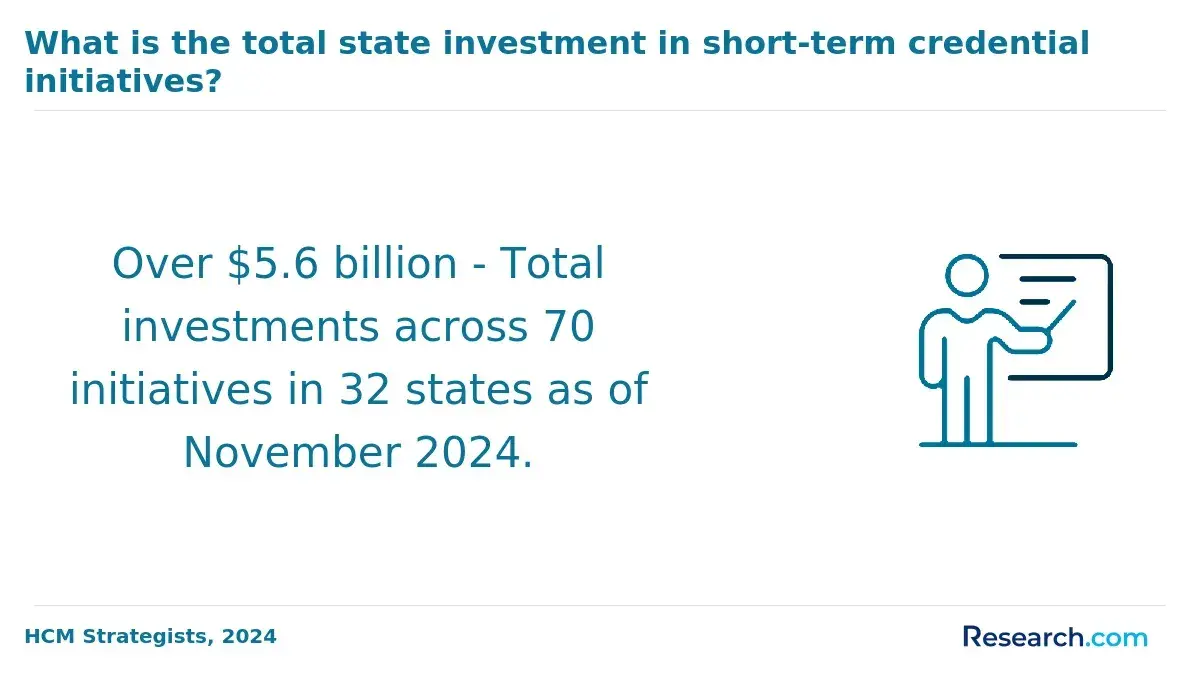
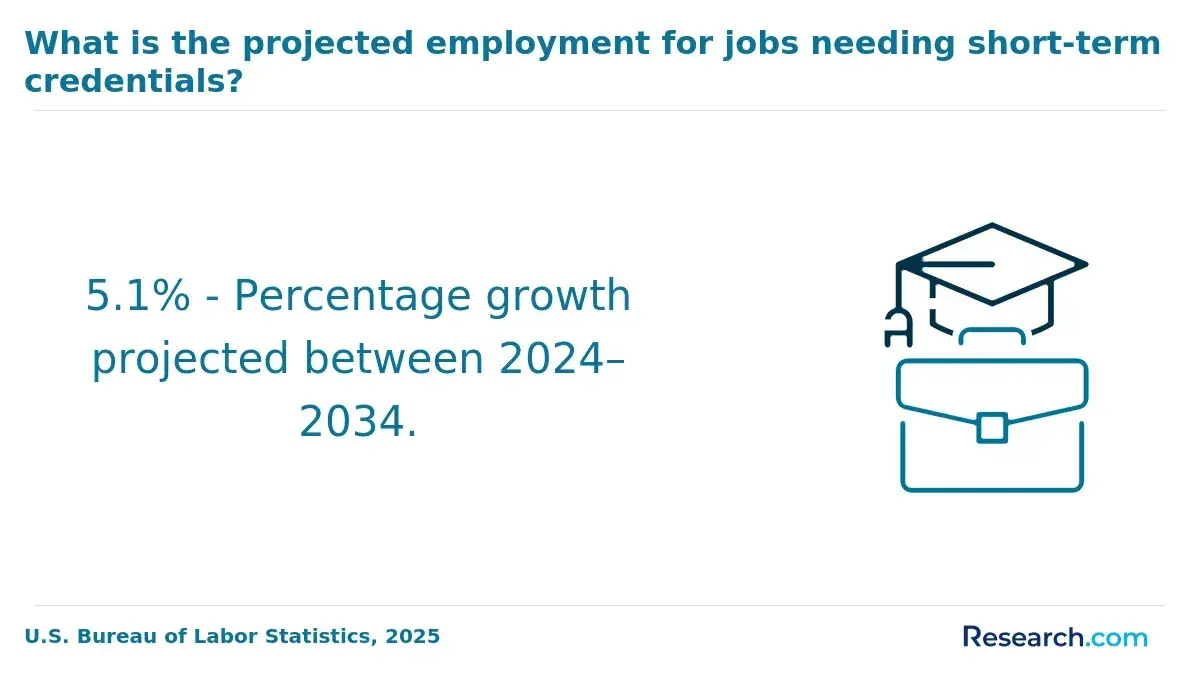
According to the U.S. Bureau of Labor Statistics, nearly 18% of History-related occupations now report remote or hybrid options, reflecting a shift toward distributed team workflows that demand strong digital fluency and independent project delivery. This article examines how History graduates can leverage these competencies to pursue remote roles and evaluates whether these opportunities align with diverse career ambitions in the field.
Key Points About History Degrees That Lead to Remote Jobs
- Remote careers in archives, research, and content strategy value history graduates' analytical skills; however, securing these roles often requires additional certification in digital tools, creating a timing and cost tradeoff.
- Employment growth in remote Heritage and research sectors is moderate, reflecting employer preference for candidates with practical experience alongside historical knowledge, impacting long-term career mobility.
- Rising enrollment in online History courses, reported by the National Center for Education Statistics in 2024, shows wider access but demands cautious scheduling to balance work and immersive internships crucial for remote job readiness.
Is it possible for History graduates to work remotely?
Remote work options for history graduates remain limited compared to fields with broader digital integration, but notable exceptions exist. Positions centered on research, writing, and consulting have adapted better to remote or hybrid formats, especially within cultural organizations, digital archives, and media accuracy consulting. Employers in these areas often expect strong self-direction and proficiency with remote collaboration tools.
While many roles in museums, archives, and education still require onsite presence due to the nature of the work, digital transformation is gradually expanding opportunities for remote involvement. Graduates with skills in content creation, data management for historical databases, and online research can find roles that blend flexibility with specialized expertise. Success in these positions hinges on aligning professional interests with roles that accommodate virtual or hybrid structures.
What are the typical entry-level remote positions for new History graduates?
Entry-level remote roles are accessible to new history graduates, particularly for those who can leverage strong research, writing, and analytical skills. These positions often allow for flexible schedules and remote settings due to the independent nature of the tasks.
Below are five typical remote positions suited to early-career history degree holders that illustrate why this field aligns with remote work capabilities.
- Research Assistant: This role involves gathering and synthesizing data for academic or policy research, typically within universities, think tanks, or cultural organizations. The job supports remote work since much of the information is accessible via digital archives, databases, and scholarly repositories.
- Content Writer or Editor (Historical Topics): Many history graduates enter writing or editing roles for educational platforms, nonprofit organizations, or publications. These positions are conducive to remote work as writing, editing, and fact-checking can be completed independently with virtual collaboration tools.
- Digital Archivist or Cataloger: Organizing, classifying, and annotating digitized historical records for museums or libraries can often be conducted remotely. Access to digital collections and archival software allows historians to maintain and update records without being onsite.
- Online Curriculum Developer: Designing educational content such as lesson plans or quizzes for virtual learning environments fits well with remote work. Collaboration usually happens through shared digital documents and video conferencing, minimizing the need for physical presence.
- Social Media Assistant for Historical Organizations: Managing and curating social media outreach for museums or historical nonprofits is increasingly conducted remotely. This role focuses on digital marketing strategies and public engagement through social channels and event promotion.
Positions targeting remote entry-level jobs for history graduates typically emphasize self-motivation and effective communication, given the virtual work environment. Graduates should focus on opportunities that match their analytical strengths and attention to detail while accommodating the practicalities of remote collaboration.
For further insight into educational pathways relevant to flexible study and career options, exploring resources on most affordable online doctoral programs may be worthwhile.
Are there senior-level remote positions for History professionals?
Senior-level remote history job opportunities are available but generally favor professionals with extensive expertise and leadership capabilities rather than new graduates. These advanced remote positions typically involve independent project management or strategic oversight, aligning with the growing demand for autonomous, digitally enabled roles.
Below are five examples of senior positions suited for history graduates seeking remote or hybrid work arrangements:
- Historical Research Director: This role centers on overseeing complex research initiatives for universities, nonprofits, and publishers. Remote work fits well since the position depends heavily on accessing digital archives, managing online databases, and coordinating collaborative efforts with researchers around the world.
- Museum Curator (Senior Level): Senior curatorial jobs often blend remote tasks such as digital cataloging, virtual exhibit design, and grant proposal development with occasional onsite work. Hybrid models are common due to the need for periodic artifact handling and direct institutional engagement.
- Senior Archivist: These professionals focus on administering digital records and metadata systems, ensuring preservation and retrieval accuracy. While some physical archive visits may be necessary, most duties involve remote document management and system oversight.
- Historical Consultant for Media and Legal Firms: Consultants in this area verify historical accuracy for media productions and legal cases. Their work generally involves detailed document analysis and report drafting that can be effectively completed remotely, complemented by occasional virtual meetings.
- Program Manager for Heritage Organizations: Managers coordinate educational or preservation projects, align stakeholders, and direct outreach initiatives. Remote communication tools and dispersed teams make these leadership roles feasible to perform outside traditional workplaces.
Success in senior remote history roles depends on proficiency with digital source materials and virtual team leadership, combined with strong organizational skills. While some travel or onsite interaction remains integral for collaboration or artifact access, embracing technology is vital.
For those considering advanced remote positions, cultivating these competencies enhances employability within this niche segment. Candidates looking to complement their history expertise with practical skills may explore best online counseling degrees as an example of how targeted online education can expand career versatility.
Which industries hire the most remote workers with History degrees?
Remote opportunities for history graduates span several sectors that value flexible work arrangements alongside specialized knowledge. Below are five key industries that employ the largest numbers of remote workers with history degrees, reflecting practical roles that leverage historical expertise.
- Education: Remote roles in education often focus on online tutoring, curriculum design, and instructional content creation. History graduates contribute to digital learning materials and virtual classrooms, enabling access to diverse student populations without geographic constraints.
- Technology: The tech sector offers positions in digital archiving, data curation, and content management systems. History-trained professionals help organize and contextualize large datasets, supporting distributed teams and remote collaborators across the industry.
- Government and Public Sector: Remote or hybrid positions in research, policy analysis, or cultural resource management are available, though often contingent on agency priorities. These roles rely on nuanced historical insights to guide decision-making and heritage preservation efforts.
- Publishing and Media: Writers, editors, and fact-checkers with history backgrounds engage in producing digital content for magazines, websites, and documentaries. Increased demand for online media supports extensive remote collaboration in these creative roles.
- Nonprofit Organizations: Grant writing, research, and program development for nonprofits frequently accommodate remote historians. Flexible work structures help these organizations manage constrained budgets while benefiting from specialized historical expertise.
Success in these industries often depends on developing proficiency with digital tools, project management, and effective communication, as employers expect history graduates to work independently and adapt within hybrid or fully remote teams.
How do salaries differ for remote vs on-site roles in History?
The difference in average pay between remote and on-site roles in history-related careers in North America often reflects geographic pay adjustments. Many employers reduce remote salaries by 5% to 15%, linked to local cost-of-living considerations rather than job content. This tiered compensation system recognizes the tangible savings employers achieve with remote staff, but results in a consistent pay gap compared to on-site positions.
Some specialized remote roles, especially those requiring niche expertise like digital archiving or history data analysis, may command salaries near or above on-site levels due to the scarcity of qualified talent. Uniform pay regardless of location is rare and typically found in federal or nonprofit sectors rather than in typical private employers.
For history graduates weighing options, understanding average pay differences between remote and on-site history careers in North America helps clarify the financial realities of remote work in this field. Remote positions can offer reasonable alternatives, but students should carefully assess job responsibilities alongside pay.
Those interested in combining historical insight with technical skills might explore opportunities linked to data roles, including considerations of advanced education paths such as an online master's data science, which can open access to better-compensated remote jobs intersecting with history and data analytics.
What are the common challenges of working remotely with a History degree?
Remote work in history-related fields demands navigating specific operational obstacles linked to the discipline's reliance on physical archives and collaborative interpretation. Below are five main challenges that history graduates commonly face when working remotely, with strategies to address them.
- Restricted access to archival materials: Many valuable sources remain housed in institutions requiring on-site access or secure credentials, limiting immediate availability for remote historians. Professionals can mitigate delays by developing relationships with librarians or utilizing digitization requests when possible.
- Complicated remote collaboration: Discussing nuanced historical interpretations often suffers without face-to-face dialogue, slowing decision-making and increasing the risk of miscommunication. Structured virtual meetings with clear agendas and comprehensive documentation help preserve the depth of discourse needed.
- Proximity bias impacts visibility: Organizations frequently rate in-person presence higher during evaluations, which can disadvantage remote history workers lacking spontaneous interactions. Proactively scheduling regular check-ins and showcasing work outcomes can counteract this bias.
- Heightened information security demands: Handling sensitive or copyrighted historical data remotely introduces risks, especially when IT infrastructure is inconsistent. Strict adherence to data protection protocols and advocating for robust organizational IT support are crucial safeguards.
- Delays in project progression: Access restrictions and limited informal communication often slow research timelines and workflow continuity. Setting realistic milestones and anticipating these slowdowns helps maintain project momentum.
A history professional who completed an online bachelor's program shared that adapting to remote work meant confronting unpredictability in accessing primary documents, often requiring time-consuming coordination with archives. He noted the emotional toll of working in isolation during complex projects: "Without immediate feedback or casual conversations, you second-guess interpretations more."
Scheduling consistent virtual meetings became essential to maintain engagement and reduce misunderstandings. Additionally, he highlighted concerns over digital security measures, explaining, "Sometimes I felt the tech side wasn't prepared for the sensitivity of historical files, which made me cautious about every transfer or download." His experience underscores the need for both technical readiness and deliberate communication when leveraging a history degree for remote roles.
Are there certifications that can improve remote hiring outcomes for History graduates?
Certifications can play a critical role in enhancing remote job prospects for history graduates by validating skills that extend beyond academic knowledge. The following certifications offer practical benefits tailored to the unique demands of remote work in history-related fields.
- Certified Archivist: Offered by the Academy of Certified Archivists, this credential verifies expertise in managing and preserving historical records. It is highly regarded by remote employers in archives and libraries, requiring a combination of professional experience and passing a comprehensive exam.
- Project Management Professional (PMP): This widely recognized certification demonstrates the ability to effectively lead and coordinate remote projects, a valuable skill in virtual historical research or cultural heritage organizations. Candidates must meet experience thresholds and clear a rigorous exam.
- Digital Archives Specialist: Provided by the Society of American Archivists, it focuses on digital preservation and managing online historical assets. This certification helps candidates adapt to the growing prevalence of digital content in remote history roles, typically requiring completion of specialized coursework.
- Genealogical Research Certificate: Targeting the niche of genealogical and cultural heritage research, this credential aids those seeking remote positions involving family history and records analysis. It usually entails coursework and demonstration of research proficiency.
- Records Management Certification: This verifies skill in organizing and maintaining complex document systems relevant to historical institutions. The credential is favored by remote employers who prioritize systematic records control and compliance with international standards.
Employers increasingly expect history graduates to combine these certifications with adaptability and digital communication proficiency to succeed in virtual environments. Aligning with standards from bodies like the International Council on Archives and ISO 15489 also helps signal professional reliability. Prospective remote workers should carefully weigh certifications' practical value versus niche appeal to optimize employability.
For those interested in related career pathways, exploring an online hospitality degree can sometimes offer transferable skills applicable to project and records management roles in cultural sectors.
How can History degree students increase the chances of landing remote roles?
Securing remote roles with a history degree requires strategic adjustments to align with employer expectations and the operational demands of distributed work. Below are practical tactics that history degree remote job opportunities seekers can adopt to improve their viability for remote positions.
- Building a focused professional portfolio: Developing a portfolio that highlights research expertise, critical thinking, and synthesis of complex data demonstrates readiness for remote assignments that often require independent, in-depth analysis.
- Using specialized remote job platforms: Engaging with remote-first job boards and professional communities that cater to history and humanities fields allows candidates to tap into niche opportunities not listed on general sites, connecting history graduates with roles suited for flexible, remote work.
- Demonstrating asynchronous work skills: Employers value candidates who can manage tasks without constant supervision, so preparing for assessments like timed research briefs or annotated bibliographies can showcase effective self-management critical in remote settings.
- Enhancing digital communication abilities: Proficiency in clear email writing, virtual presentations, and collaboration tools such as Slack or Trello signals the capacity to function efficiently in distributed teams, which is indispensable for remote historians.
- Networking through academic digital platforms: Participating in professional Slack groups or digital scholarly networks offers access to job leads, peer advice, and employer connections that prioritize remote history-related roles, providing a meaningful edge in competitive markets.
For history graduates exploring remote work options, it's important to combine these strategies with continuous skill development and awareness of sector-specific trends. While remote roles in history are specialized, integrating such targeted approaches improves employability and long-term adaptability in this evolving job landscape.
For comparative insights on advanced degree routes in related fields, consider reviewing child psychology master's programs as an example of how practical educational pathways influence remote job accessibility.
How do remote History roles impact long-term career trajectory and promotions?
Remote history roles shape career progression differently from on-site positions due to the lack of face-to-face interaction. In these roles, supervisors assess leadership through measurable outputs such as project delivery, research accuracy, and problem-solving demonstrated via digital workstreams instead of informal office interactions. This shift can enhance evaluation objectivity but limits spontaneous mentorship and networking opportunities that often drive promotions in traditional settings.
Remote historians must compensate for distance by maintaining visibility through deliberate communication, such as frequent virtual updates and active participation in collaborative initiatives. Cultivating proficiency with communication technologies and clear documentation practices becomes essential for demonstrating reliability and initiative.
Without physical proximity, trust and relationship-building require sustained effort across multiple platforms to influence broader organizational dynamics that affect career advancement. The remote model also demands flexibility to engage in occasional on-site activities or hybrid roles when possible, to preserve critical interpersonal connections.
Navigating this balance is necessary as many institutions still prioritize relational knowledge when considering promotions. Ultimately, career growth in remote history roles hinges on adapting leadership demonstration methods and fostering a strong digital presence while strategically bridging gaps that arise from geographic separation.
Is a remote career in History sustainable for the next decade?
Sustaining a remote career in history depends heavily on the evolving interface between technology and employer expectations. Digital tools such as AI-driven analysis, advanced archival databases, and virtual collaboration software have expanded the scope for historians to work remotely, enabling access to and interpretation of historical data without physical presence.
Yet, the availability of fully remote roles remains uneven, particularly within traditional academic and cultural institutions that often rely on in-person collaboration and fluctuating public or grant funding. Freelance and consulting avenues present more consistent remote options, but these come with the need for proactive networking and self-management to secure projects.
Employers increasingly prioritize candidates who demonstrate both strong digital literacy and the ability to manage independent workflows while contributing to virtual teams. Economic pressures and institutional conservatism may restrict growth in remote positions, meaning historians who embrace upskilling in technology alongside building professional networks are better positioned to sustain their careers remotely over the next decade.
The author recently spoke with a history professional who completed an online bachelor's degree and navigated early career challenges in remote settings. He described the process as "a constant balance between mastering digital tools and proving credibility through virtual networking."
Remote work offered flexibility but required "more initiative than expected" to find suitable roles, especially outside academia. He emphasized that sustaining this career path "depends on staying adaptable and visible in a crowded digital space," noting that continuous learning and outreach were essential to long-term viability.
What Graduates Say About History Degrees That Lead to Remote Jobs
- Taylor: "After earning my degree in history, I realized that remote roles within museums and archives often value hands-on experience and digital portfolios more than traditional licensure. My degree helped me build a strong contextual understanding, which I highlighted in my applications alongside online internships, ultimately landing a remote curator assistant position. Working remotely has allowed me to focus deeply on research without the usual office distractions, but I've noticed that advancement can be slower without networking opportunities in person."
- Cruz: "I chose history because I was fascinated by cultural studies, and after graduation, I pivoted towards remote work as a content developer for a historical education platform. Employers in this space often prioritize demonstrated skills through certifications and project work, so I invested in a few digital humanities courses alongside my degree. Remote work grants me flexibility, but competing with candidates who have more niche technical credentials can be tough, so continuous learning is essential to stay relevant."
- Luka: "Landing a remote role in the history sector required me to reconsider traditional career paths like academia or museums, especially since many of those roles are location-bound. My history degree gave me critical analysis skills that translated well into a remote research analyst role focused on policy development. The hiring process emphasized practical experience and writing samples over formal qualifications. Remote work suits me, but I remain cautious about salary ceilings and fewer mentorship opportunities compared to in-person roles."
Other Things You Should Know About History Degrees
Employers hiring for remote history-related roles often prioritize demonstrated skills and relevant experience over the prestige of the issuing institution. However, attending an accredited program with a strong academic reputation can open doors, particularly for roles that require proven research capabilities or advanced critical thinking. Prospective students should weigh the potential networking benefits and curricular rigor of highly regarded programs against more affordable or flexible alternatives, as the latter may still provide sufficient training if supplemented by targeted skill-building.
Specializing in niche areas like digital history, archival science, or cultural history often enhances employability in remote settings by aligning with specific employer needs, such as managing digital collections or conducting focused research projects. However, hyper-specialization can also limit job options if demand in that subfield is narrow. Students should consider combining specialization with broader methodological skills to maintain flexibility, ensuring they are not boxed in if remote opportunities in their niche fluctuate.
While advanced degrees can deepen expertise and open specialized remote roles, they often come with significant time and financial investments that delay workforce entry. Some employers value demonstrated professional experience or portfolios over additional credentials, especially in digital or content-driven roles. Candidates should critically assess whether immediate work experience, possibly through internships or freelance projects, aligns better with their remote career goals than committing to graduate studies without clear linkage to job requirements.
References
- Remote history jobs that actually pay well https://employedhistorian.com/history-major/remote-history-jobs/
- Managing Career Paths for Remote and Hybrid Employees https://au.frontiersoftware.com/whitepapers/managing-career-paths-remote-and-hybrid-employees
- 25 Best history degree jobs in remote (Hiring Now!) | Workopolis https://www.workopolis.com/search
- Remote History Jobs | Working Nomads https://www.workingnomads.com/remote-history-jobs
- Professional & Career Resources - AHA https://www.historians.org/community-careers/professional-career-resources/
- The Job Search (Outside Academia) I | Canadian Historical Association | Société historique du Canada https://cha-shc.ca/publications/employing-history-a-guide-to-graduate-school-and-navigating-the-job-market/the-job-search-outside-academia-i/
- 26 High-Earning Remote Job Certifications for 2026 https://www.tealhq.com/post/remote-job-certifications
- Remote Work Challenges & Solutions | Hire Overseas Guide https://www.hireoverseas.com/blogs/remote-work-challenges
- Remote Jobs vs Onsite Pay Comparison Guide 2025 Pro https://aciano.net/blog/remote-onsite-pay/