2027 Can You Get a Healthcare Innovation Degree Master's Without a Related Bachelor's Degree?

Co-Founder and Chief Data Scientist
Imagine an experienced nurse aiming to pivot into a healthcare innovation master's program without a related bachelor's degree. Many programs traditionally emphasize prior healthcare or technology backgrounds, causing uncertainty for career changers. Recent data shows that 38% of online healthcare innovation master's students come from unrelated fields, highlighting growing accessibility yet persistent admission challenges.
This article examines typical admissions criteria, including prerequisite courses and professional experience requirements, focusing on options available for non-traditional applicants. It offers practical guidance on overcoming academic hurdles and selecting the best program formats to help prospective students successfully transition into healthcare innovation careers.
Key Benefits of Getting a Healthcare Innovation Degree Master's Without a Related Bachelor's Degree
- Healthcare innovation master's programs offer flexibility for career changers and interdisciplinary professionals, with many allowing admission based on professional experience rather than solely on related undergraduate degrees.
- These degrees accelerate skill acquisition by focusing on applied healthcare technologies, policy, and management, enabling students to rapidly enter emerging healthcare sectors.
- Students gain access to global networking opportunities through diverse cohorts and industry partnerships, enhancing career prospects in the increasingly interconnected healthcare innovation field.
What is a healthcare innovation master's degree, and what does it cover?
A healthcare innovation master's degree typically spans one to two years of full-time study, focusing on advancing knowledge and skills to improve healthcare delivery through new technologies and management strategies. The curriculum emphasizes core competencies such as healthcare technology assessment, data analytics, process improvement, leadership, and policy formulation.
Students explore digital health solutions, healthcare entrepreneurship, regulatory environments, user-centered design, and emerging technology integration, including artificial intelligence and telemedicine.
This healthcare innovation master's degree curriculum also highlights specializations such as health informatics and data science, medical device development, healthcare management and leadership, health policy and regulatory affairs, and implementation science with quality improvement. Graduates often pursue roles as project managers, innovation consultants, or policy advisors, contributing to transforming healthcare organizations by applying innovative practices.
Compared to professional certificates, this master's degree offers a more comprehensive, research-informed education, while it is less intensive than doctoral programs that emphasize original research and academic scholarship. For prospective students, including career changers without a related bachelor's degree, some programs offer bridge pathways or professional formats that accommodate diverse academic backgrounds.
Those interested in flexible study formats may consider related options such as an RN to BSN with no clinicals program, which illustrate how alternative routes enable advanced nursing education. Overall, understanding the healthcare innovation graduate programs overview helps applicants assess prerequisites, program features, and suitable pathways.
Is a related bachelor's degree typically required for a healthcare innovation master's program?
Prospective students considering a healthcare innovation master's degree often wonder about related bachelor's degree requirements for healthcare innovation master's programs. Admission standards vary widely, influencing who can successfully enter these graduate programs.
- Definition of "Related" Bachelor's Degree: A related degree often includes coursework in healthcare, technology, business, or scientific fields that provide essential foundational knowledge for healthcare innovation. This may mean exact discipline alignment or simply having strong analytical or quantitative skills relevant to the field.
- Strict Prerequisite Programs: Certain universities maintain strict admission criteria, requiring degrees in fields like nursing, public health, or biomedical engineering. These requirements ensure students possess a specific technical background, a policy common in research-driven or specialized healthcare innovation programs.
- Flexible and Holistic Admissions: Many programs, especially online or professional formats, consider applicants from diverse academic paths. Factors such as work experience, motivation, and quantitative aptitude supplement or sometimes replace direct related undergraduate degrees. In fact, around 40% of healthcare innovation master's programs accept students without related bachelor's degrees, widening access for career changers.
- Role of Professional Experience and Prerequisites: For applicants lacking a related undergraduate degree, relevant job experience or prerequisite courses-often offered as bridge classes-can strengthen applications and prepare students academically.
- Challenges and Expectations: Students entering without a related background may encounter a steeper initial learning curve but can leverage interdisciplinary insights. Programs generally provide support to help such students adjust to technical coursework and succeed.
Students exploring options should also consider financial aid opportunities, accreditation status, and career outcomes of various programs. For individuals seeking good nursing schools with high acceptance rates, understanding these factors alongside admission requirements is key to a strategic educational pathway.
What alternative academic backgrounds are commonly accepted for healthcare innovation master's programs?
Prospective students often wonder which undergraduate majors can qualify them for a healthcare innovation master's program, especially if they lack a direct background in the field. Understanding which degrees are accepted helps applicants present their credentials effectively and meet admission criteria.
- STEM Majors: Fields like computer science, engineering, mathematics, and information technology are frequently recognized for their strong analytical and technical foundations, which align well with the technology-driven nature of healthcare innovation.
- Social Sciences: Disciplines such as psychology, sociology, public health, and economics provide crucial insights into human behavior, healthcare systems, and policy-elements essential to healthcare innovation's interdisciplinary approach.
- Business and Management: Degrees in business administration or healthcare management are valued for their emphasis on organizational strategy and operational understanding, which are key in navigating healthcare environments.
- Relevance Evaluation: Admissions committees often assess prior coursework, standardized test results, and work experience to determine an applicant's readiness. Some programs require completion of prerequisite classes to address knowledge gaps.
- Application Focus: Candidates should emphasize their transferable skills and relevant experience, tailoring their applications to highlight projects or roles that demonstrate their ability to succeed in healthcare innovation.
A professional who pursued an online healthcare innovation master's degree to shift careers reflected on the process: "Coming from a business background, I initially worried about lacking technical expertise. The program was challenging, but prerequisite courses helped bridge my knowledge. Highlighting my management experience in the application seemed to resonate with the admissions team.
It wasn't just about what I studied, but how I could apply those skills in healthcare." This perspective illustrates how diverse academic histories can successfully translate into a healthcare innovation graduate program, provided applicants approach their applications strategically and remain committed to adapting along the way.
What prerequisite courses are usually needed before enrolling in a healthcare innovation master's without a healthcare innovation bachelor's?
Before starting a healthcare innovation master's degree, applicants without a related undergraduate background often need to complete prerequisite coursework to build essential foundational knowledge. These courses ensure all students can engage fully with advanced topics and succeed academically.
- Typical Prerequisite Courses: Common required classes include introductory biology, healthcare systems overview, statistics, and sometimes healthcare technology or informatics. These subjects deliver crucial insights into medical principles, healthcare environments, and data analysis.
- Where to Fulfill Requirements: Students may complete prerequisites at community colleges, accredited online platforms, or through post-baccalaureate certificate programs, offering flexibility for those pursuing a healthcare innovation master's prerequisite courses on a non-traditional path.
- Verification of Completion: Programs often ask for official transcripts to confirm coursework completion. Some schools may also require detailed syllabi or permit competency exams, especially if prerequisite courses were taken informally or outside traditional settings.
- Handling Deficiencies Post-Admission: If gaps are found after acceptance, additional coursework might be necessary before advancing. Certain programs provide conditional admission or bridge courses to assist students in catching up.
- Early Advisor Engagement: Consulting program advisors before applying helps clarify prerequisite needs, suggests accredited providers, and reveals specific policies, ensuring applicants avoid unexpected obstacles.
Those preparing to pursue a healthcare innovation master's degree can also explore related pathways, including an online nurse practitioner program, to understand various route options.
What is the minimum GPA requirement for a healthcare innovation master's program?
Applicants aiming for a healthcare innovation master's program without a directly related bachelor's degree often face distinct GPA expectations that influence their admission prospects. Understanding these benchmarks helps candidates tailor their approach to meet varied institutional standards.
- Typical Minimum GPA Requirements: Most programs expect an undergraduate GPA near 3.0 on a 4.0 scale as a baseline, though some elite institutions may require higher academic standing. Conversely, certain professional or fully online programs demonstrate greater leniency depending on other application strengths.
- Differentiated Standards by Academic Background: Candidates with unrelated bachelor's degrees frequently encounter stricter GPA cutoffs or need to supplement their academic record with prerequisite courses or relevant work experience to offset gaps in formal healthcare innovation training.
- Holistic Assessment of Academic Performance: Admissions committees often consider upward trends in GPA, recent advanced coursework, or significant professional accomplishments, recognizing potential beyond a low cumulative GPA.
- Enhancing Applications with Low GPA: Applicants may bolster their candidacy by pursuing post-baccalaureate classes, gathering strong recommendations from healthcare or innovation mentors, or preparing for additional standardized testing if requested.
- Recent Flexibility Trends: Approximately 30% of healthcare innovation master's programs have relaxed strict GPA requirements over the last five years, reflecting a broader commitment to evaluating applicants' diverse experiences.
A professional who transitioned careers by completing an online healthcare innovation master's program shared her experience navigating GPA requirements. She recalled feeling anxious about her undergraduate GPA, which was below some program cutoffs, but found that highlighting her growing project management expertise and completing targeted prerequisite courses helped her application stand out.
"The process demanded persistence and extra preparation," she noted, "but the admissions team appreciated the comprehensive story behind my numbers." Her journey underscored that demonstrating growth and relevant skill development can often outweigh traditional GPA measures in this dynamic field.
How important are standardized test scores (GRE/GMAT) when applying to a healthcare innovation master's program without a related degree?
Applicants to healthcare innovation master's programs who lack a related bachelor's degree often wonder how GRE or GMAT scores impact admissions decisions. These scores can serve as an important indicator of academic preparedness, especially when an applicant's undergraduate studies are outside healthcare innovation.
- Shift Toward Test-Optional Admissions: Many programs now adopt test-optional or test-flexible policies, which ease the pressure on applicants without recent GRE or GMAT experience. Though submitting scores isn't always required, providing strong results can still enhance an application.
- Demonstrating Academic Strength: High GRE or GMAT scores showcase analytical thinking, quantitative skills, and verbal reasoning. For candidates from unrelated fields, this offers a way to highlight their capability to handle rigorous graduate coursework.
- Target Score Ranges: Competitive applicants often aim for scores in the 60th percentile or above. Researching specific programs' published averages helps set realistic goals to meet or exceed.
- Effective Test Prep Strategies: Utilizing official prep materials, targeted online courses, and practice exams can improve performance. Emphasizing math and analytical writing sections is particularly helpful for healthcare innovation aspirants.
- Holistic Review Process: Admissions committees evaluate more than test scores, placing significant weight on professional experience, personal essays, and letters of recommendation. Balancing test preparation with strengthening these areas is crucial for non-traditional applicants.
Does professional experience substitute for a healthcare innovation bachelor's degree in master's admissions?
For prospective students applying to a healthcare innovation master's degree without a directly related bachelor's degree, professional experience plays a critical role in admissions decisions. Many programs acknowledge that relevant work experience can substitute for some or all undergraduate prerequisites, especially when it demonstrates leadership and innovation within the healthcare sector.
- Value of Relevant Professional Experience: Admissions committees prioritize candidates with backgrounds in healthcare settings, health technology, project management, or policy analysis. Experience in hospitals, healthcare startups, or medical device companies provides practical insights applicable to healthcare innovation.
- Documentation and Presentation: Applicants should submit detailed resumes and cover letters highlighting specific projects, leadership roles, and measurable results. Clearly connecting past work to innovation and problem-solving in healthcare strengthens the application.
- Letters of Recommendation: Strong endorsements from employers or supervisors that attest to the applicant's skills, innovative mindset, and preparedness for graduate study enhance credibility and reinforce readiness for rigorous coursework.
- Program Policies on Experience: Several healthcare innovation programs explicitly state that professional experience may fulfill foundational course requirements or replace certain admissions criteria, easing access for non-traditional candidates.
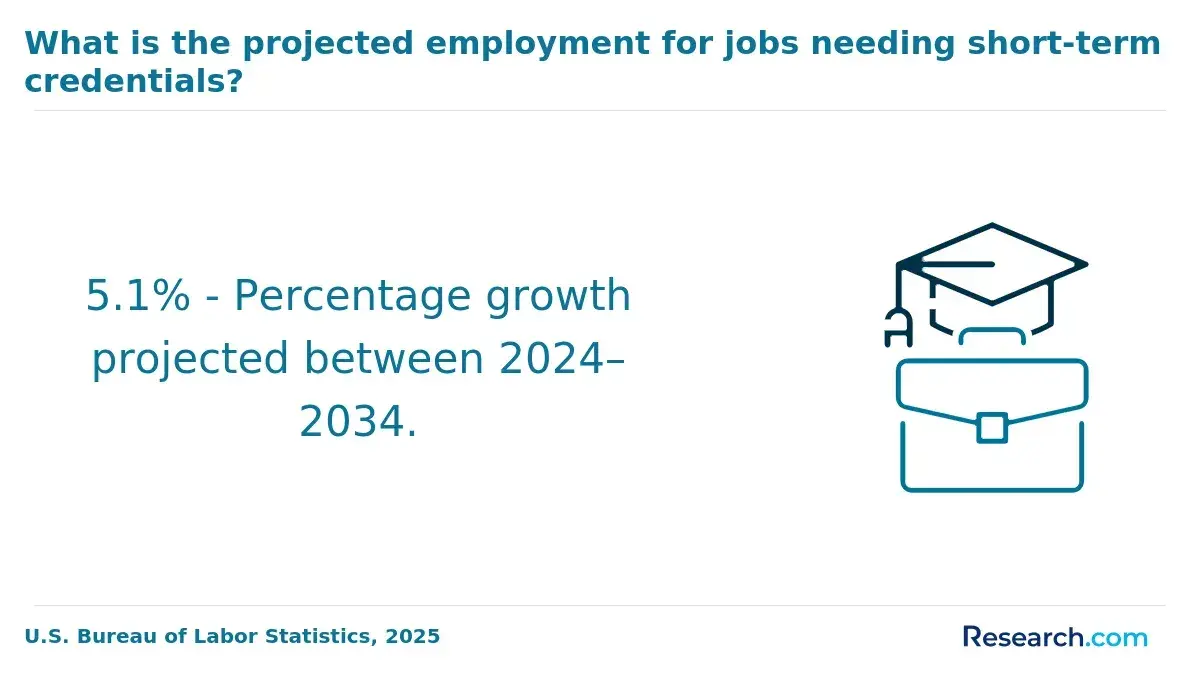
- Market Demand for Credentials: According to the Bureau of Labor Statistics, employment in healthcare-related innovation roles is projected to grow 15% from 2022 to 2032, highlighting the increasing value of advanced degrees backed by relevant experience.
What does the application process look like for non-traditional healthcare innovation master's applicants?
Applicants to healthcare innovation master's programs without a directly related bachelor's degree face distinct challenges throughout the admissions process. Successfully navigating these steps requires targeted research and strategic preparation to demonstrate readiness and fit for the field despite a non-traditional background.
- Researching Program Flexibility: Many healthcare innovation master's programs recognize diverse academic pathways and may offer bridge courses or prerequisite classes to address knowledge gaps. Seeking out programs with clear policies for non-traditional applicants increases the likelihood of admission.
- Supplemental Materials: Candidates often must submit portfolios, writing samples, or competency statements that highlight relevant skills or experience outside formal healthcare coursework. These materials help admissions committees evaluate practical ability and motivation beyond academic transcripts.
- Crafting the Personal Statement: The statement of purpose should clearly articulate career goals within healthcare innovation and connect prior experiences to those objectives. Emphasizing transferable skills and a genuine passion for the field can strengthen the application significantly.
- Timeline and Checklist: Starting research at least 9 to 12 months before enrollment allows time for prerequisite completion, material preparation, and potentially standardized test registration. Key application components include gathering transcripts, securing recommendation letters, preparing supplemental documents, and practicing for interviews.
- Professional Experience and Standardized Tests: Relevant work experience can compensate for a lack of a healthcare-related degree, and some programs require GRE scores or other standardized tests. Early understanding of these prerequisites assists applicants in preparing efficiently.
A 2023 survey found nearly 35% of healthcare innovation master's programs admit students without a directly related bachelor's degree, often contingent on completing supplementary coursework tailored to bridge academic gaps.
For prospective students considering application strategies for non-traditional healthcare innovation graduate students, understanding these admissions components forms the foundation for success. Additionally, those exploring advanced degrees may consider pursuing an online doctorate in nursing to complement their expertise and enhance career opportunities.
Which types of healthcare innovation master's programs are more flexible for non-traditional students?
Prospective master's degree students without a healthcare innovation bachelor's degree often seek program formats that offer flexibility and accessibility. Understanding whether professional, research-focused, or online healthcare innovation master's programs best accommodate diverse academic backgrounds can guide applicants with unrelated undergraduate degrees.
- Professional Programs With Bridge Coursework: Many professional healthcare innovation master's programs include foundational or bridge courses early in the curriculum. This approach supports students lacking prior healthcare innovation training, enabling them to acquire essential knowledge quickly.
- Online and Part-Time Formats: Online healthcare innovation master's degrees for career changers often include part-time enrollment options and preparatory tracks such as certificate programs or boot camps. These formats are designed to build skills for graduate-level study, making them especially welcoming to non-traditional candidates.
- Research-Focused Programs Require Strong Foundations: Research-intensive programs typically expect prior academic experience in healthcare or related sciences. Non-traditional students must often complete prerequisite coursework or demonstrate relevant experience for admission.
- Certificate and Accelerated Pathways: Several universities offer certificates or accelerated tracks that serve as stepping stones into master's degrees. These pathways help applicants strengthen their credentials and improve career opportunities.
- Evaluating Flexibility and Outcomes: Prospective students should carefully review admission criteria, consult academic advisors, and connect with alumni to assess program accessibility. According to recent projections, healthcare innovation master's degree holders can expect median annual earnings around $90,000, highlighting strong financial incentives in this field.
Students exploring options may also benefit from financial resources like financial aid for medical billing and coding to offset costs while pursuing their degrees.
How do bridge programs or preparatory courses help non-healthcare innovation graduates qualify for a master's?
Students aiming for a healthcare innovation master's degree without a directly related bachelor's background often turn to bridge programs, post-baccalaureate certificates, or preparatory courses. These pathways address essential knowledge gaps and strengthen applications, enhancing admission chances in this competitive field.
- Purpose and Structure of Bridge Programs: Designed for those lacking foundational healthcare innovation coursework, these programs cover critical subjects like healthcare systems, informatics, and innovation methodologies. They serve as a prerequisite step that readies students for the interdisciplinary demands of graduate study.
- Institutions Offering Bridge Pathways: Universities such as Northeastern and the University of Michigan provide formal post-baccalaureate or bridge programs that align closely with master's degree requirements. These pathways often integrate with the admissions process to streamline progression.
- Duration, Costs, and Academic Expectations: Typically between six months and one year, these programs demand significant time and financial investment, often ranging from a few thousand to over ten thousand dollars. The intensity mirrors undergraduate rigor, but the payoff includes improved preparedness and a competitive edge.
- Evaluating Program Quality: Seek programs affiliated with accredited institutions offering clear advancement routes, detailed curricula, and strong faculty credentials. Accreditation and graduate outcomes are key markers of program credibility.
- Incorporating Bridge Programs Into Academic Plans: Candidates should critically assess their qualifications and career aims, selecting bridge courses that complement their intended master's focus. Early enrollment can facilitate smoother transitions and lessen later academic challenges.
How can non-healthcare innovation graduates strengthen their application for a healthcare innovation master's program?
For applicants holding bachelor's degrees outside healthcare innovation, enhancing an application requires demonstrating relevant knowledge and genuine enthusiasm. Admissions committees appreciate evidence that candidates can bridge educational gaps and actively prepare for graduate study in the field.
- Engage in Self-Directed Learning: Completing MOOCs, certifications, or online courses related to healthcare innovation highlights initiative and foundational understanding. Clearly listing these achievements in your resume and portfolio conveys dedication to mastering essential concepts.
- Develop Independent Projects: Pursuing hands-on projects or research in healthcare innovation areas offers proof of practical skills and problem-solving capabilities. Summarize these experiences with concise outcomes to emphasize your applied knowledge and commitment.
- Compose a Strong Personal Statement: Craft a narrative that explains your career goals, how your unique background enriches your perspective, and the concrete steps you've taken to prepare for this specialized graduate program. A compelling statement can help offset the absence of formal education in healthcare innovation.
- Secure Persuasive Recommendations: Obtain letters from professionals or academics who can verify your relevant skills, motivation, and fit for graduate study. Endorsements that speak to your work ethic and interdisciplinary strengths carry significant weight.
- Network and Seek Feedback: Connect with current students, faculty, or admissions staff through events and sessions. Request constructive input on your application materials to maximize clarity and impact before submission.
What Graduates Say About Getting Their Healthcare Innovation Degree Master's Without a Related Bachelor's Degree
- Charles: "I chose the healthcare innovation master's program despite lacking a related bachelor's degree because I wanted to pivot my career toward a rapidly evolving field with meaningful impact. Navigating the admission requirements was surprisingly straightforward, and the program valued my diverse background as a strength rather than a limitation. This degree opened doors for me in healthcare startups where creativity and cross-disciplinary skills are essential."
- Flynn: "Exploring the healthcare innovation master's program was initially daunting since my undergraduate degree was in a completely different discipline. However, the supportive admissions team clarified the prerequisites and emphasized my professional experience, which encouraged me to apply. Since graduating, I've transitioned into a strategic role that blends technology and patient care, making me grateful I took the leap without hesitation."
- Anthony: "What attracted me to the healthcare innovation master's program was the chance to contribute to healthcare transformation without the typical academic background. The admissions process was thorough but fair, requiring me to demonstrate my passion and adaptability. Overall, the program profoundly accelerated my career, allowing me to lead projects that integrate clinical insight with innovative solutions."
Other Things You Should Know About Healthcare Innovation Degrees
Non-traditional students entering healthcare innovation master's programs often face a steep learning curve due to limited prior exposure to healthcare systems and technologies. They may need to acquire foundational knowledge in areas like medical terminology, healthcare policy, and data management alongside their specialized courses. Balancing prerequisite coursework while keeping up with advanced topics can be demanding. Additionally, students without a healthcare background might initially struggle with interdisciplinary communication and applying innovation frameworks in clinical environments.
In 2027, healthcare innovation master's programs generally welcome students with various academic backgrounds. Admission requirements often focus more on relevant skills and experience rather than specific undergraduate degrees. Prospective students can enhance their eligibility by highlighting any transferable skills or industry-related experience they possess.
Online healthcare innovation master's programs often provide more flexible admission criteria to accommodate students from diverse academic backgrounds. Many programs offer bridge courses or foundational modules specifically designed to bring non-healthcare students up to speed. The asynchronous format can benefit career changers who need to balance studies with professional or personal commitments. However, applicants should verify whether online programs require prior healthcare experience or related undergraduate coursework before enrolling.
Accreditation and program reputation often influence the strictness of admission criteria in healthcare innovation master's programs. Highly ranked or well-accredited programs may have more competitive entry requirements, prioritizing applicants with relevant degrees or substantial professional experience. Programs with specialized accreditation from recognized healthcare or technology bodies might require specific prerequisites. Conversely, less selective or newly established programs may welcome applicants with varied backgrounds, placing more emphasis on motivation and potential than on prior healthcare credentials.
References
- Special Masters Program With Linkage to Med School https://www.medschoolcoach.com/special-masters-program-linkage-to-med-school/
- Unlock Your Potential in Healthcare Innovation - Apply to the new Master's programme "Managing Digital Transformation in the Health Sector" | Global Health Connector https://globalhealthconnector.com/news/unlock-your-potential-in-healthcare-innovation-apply-to-the-new-masters-programme-managing-digital-transformation-in-the-health-sector/
- What You Can Do with an MHCI Degree https://improvinghealthcare.mehp.upenn.edu/programs/master-health-care-innovation/what-you-can-do-mhci-degree
- Medical Innovation and Enterprise BSc https://www.ucl.ac.uk/prospective-students/undergraduate/degrees/medical-innovation-and-enterprise-bsc
- Integrated Master's Program in Healthcare Innovation | The University of Alabama at Birmingham https://www.uabintl.com/en/courses/integrated-master-s-program-in-healthcare-innovation
- Master's Degree http://bestt.eve-evolving-education.eu/training/masters-degree
- How to Stand Out as a Non-Traditional Applicant in the Med School Admissions Process https://www.acceptmed.com/blog/how-to-stand-out-as-a-non-traditional-applicant-in-the-med-school-admissions-process
- Does job experience matter for graduate school admission? https://academia.stackexchange.com/questions/42192/does-job-experience-matter-for-graduate-school-admission
- Msse https://massivebio.com/msse-bio/
- Bridge Courses for Non-Science Students: Your Path Forward https://www.alfabetaglobal.com/blogs/bridge-courses-for-non-science-students-options-for-management-and-humanities