2027 Can You Study Gerontology and Aging Master's Programs Part-Time? Options & Duration

Co-Founder and Chief Data Scientist
Enrollment trends reveal that graduate students pursuing gerontology and aging master's programs often navigate complex trade-offs between academic progression and external responsibilities. Institutional variations in part-time offerings affect not only program length but also course sequencing, cohort integration, practicum scheduling, and research expectations.
These structural factors influence how students manage workload alongside employer demands, licensure prerequisites, and family obligations. According to 2024 data from the National Center for Education Statistics, part-time graduate enrollment patterns increasingly reflect these multifaceted considerations rather than simple flexibility preferences.
Understanding program-specific nuances is essential for aligning educational pathways with career objectives and completion timelines. This article examines these practical dynamics in detail.
Key Benefits of Studying Gerontology and Aging Master's Programs Part-Time
- Part-time study extends program duration, often doubling time to completion, which may delay entry into advanced roles but allows balancing intensive work schedules without career interruption.
- The 2024 workforce trend shows employers increasingly value practical aging care skills over degree speed, favoring candidates demonstrating steady, continuous professional development.
- Online part-time formats reduce upfront financial pressure and accommodate varying income streams, yet students should plan for sustained tuition costs over a longer timeline, affecting total investment.
Can You Study a Gerontology and Aging Master's Program Part-Time?
Part-time study in gerontology and aging master's programs is most viable for students who can strategically navigate program structures that accommodate phased course sequencing and flexible scheduling.
The feasibility largely depends on whether curricula allow reduced course loads without hindering access to key experiential requirements such as internships, practicums, or capstone projects, which are often integral to gerontology disciplines.
Students balancing work, family, or community responsibilities benefit when programs explicitly support staggered timelines and asynchronous learning formats.
However, the practicality of part-time enrollment varies significantly across gerontology and aging subfields, particularly where clinical hours, research commitments, or certification prerequisites impose rigid timelines and sequencing constraints common in applied health and social policy domains.
The tradeoffs of part-time study extend beyond a slower pace and longer time-to-completion. Many programs can dilute immersive cohort experiences, which limits networking and peer collaboration crucial for developing sector-specific skills and professional relationships in aging services.
Moreover, while flexibility may offer immediate relief in workload management, it can complicate timely career progression as employers increasingly emphasize not only credential attainment but also up-to-date competencies and project experience.
Graduates extending their studies may face challenges aligning with rapidly evolving industry standards or funding cycles that favor prompt degree completion.
According to the National Center for Education Statistics, about 40% of master's seekers nationwide enroll part-time, highlighting the prevalence of this approach but also underscoring the need to weigh its long-term implications carefully within the gerontology and aging field.
Working professionals actively employed in healthcare, social services, or policy sectors are often the primary beneficiaries of flexible gerontology and aging graduate study options, as they can directly apply academic learning to current roles without sacrificing income or job stability.
Career changers or those with significant caregiving obligations may also find part-time paths advantageous to manage competing demands while progressively building domain expertise.
Nevertheless, prospective students must critically evaluate whether part-time enrollment supports timely progression through necessary practical engagements or whether it inadvertently delays essential experiential learning.
Those seeking accelerated entry or advancement in aging-related careers should consider how extended study duration might affect access to emerging certifications or professional opportunities compared to full-time pathways.
For those prioritizing program flexibility without sacrificing rigor, investigating programs with clear part-time frameworks and support structures remains essential to maximize the balance of academic achievement and vocational relevance, especially against a backdrop of increasing demand across healthcare systems and aging populations.
Part-time study may also be thoughtfully contrasted with other education options such as fast medical assistant programs where accelerated credentialing offers different tradeoffs in time investment and workforce entry.
How Long Does It Take to Complete a Part-Time Gerontology and Aging Master's Degree?
Part-time gerontology and aging master's programs generally span between two and four years, though completion timelines vary widely depending on how students pace their enrollment and the structure of their chosen program.
Unlike the roughly two-year commitment typical of full-time study, part-time learners often carry lighter credit loads each semester, extending their academic journey.
A 2024 national survey highlights that students in part-time social science master's programs, which include gerontology and aging, average around 3.1 years to graduate. This variability reflects institutional scheduling and the student's ability to balance program demands with external commitments.
Several factors influence whether part-time completion moves closer to the shorter or longer end of this spectrum. Course sequencing and availability play major roles, especially when prerequisite chains or limited scheduling reduce flexibility.
Programs requiring internships or practicums may stretch timelines if placements are competitive or unpaid, as working students must juggle these experiences alongside full-time employment. Additionally, summer courses and accelerated modules can shorten duration for motivated students, but not all institutions consistently offer these options.
External pressures such as family responsibilities or unpredictable work hours often cause students to pause or reduce their course load, further extending completion time.
Choosing a longer part-time pathway entails weighing the benefits of sustained learning and work integration against delayed degree conferral and financial implications. Extended timelines may allow for deeper assimilation of practical skills valued by employers in aging services, but they can also affect the timing of career transitions or wage growth tied to credentialing.
Prospective students must assess these tradeoffs carefully, recognizing that flexibility often comes with the cost of a protracted academic timeline and potential shifts in industry needs over time.
One part-time student described navigating the program's rolling admissions with some uncertainty.
"They kept encouraging me to apply early, but I wasn't ready financially or professionally to commit. After several months weighing my options, I finally submitted my application in the fall—I was relieved when I was accepted quickly, but I knew the clock for finishing my degree would start ticking soon. Balancing work and family already meant planning semesters ahead, and the admissions delay added a layer of pressure I hadn't anticipated."
How Are Part-Time Gerontology and Aging Master's Courses Structured?
Part-time gerontology and aging master's programs are intentionally structured to balance flexibility with academic rigor, recognizing that students often juggle employment and caregiving alongside study. Variations in program design significantly influence how learners manage workload, engage with material, and apply knowledge in professional settings.
- Extended Pacing and Credit Distribution: These programs typically extend over three to five years instead of the usual two, spreading credit requirements across more semesters. This alleviates weekly coursework intensity, making it manageable for working adults but demands sustained motivation to avoid lagging and maintain steady progress.
- Hybrid Learning Formats: Courses often combine asynchronous online lectures with scheduled live virtual or occasional in-person seminars. This blended model offers flexibility in accessing content while preserving interactive opportunities essential for discussion and networking, addressing the common tradeoff between convenience and deep engagement.
- Adjusted Academic Milestones: Students must meet similar academic standards as full-time peers, including capstones or theses, but deadlines and exam schedules are extended. This structure supports diverse life commitments but requires advanced planning skills to navigate longer timelines without losing momentum.
- Modulated Course Loads: Typical semester credit loads fall between 6 and 9 hours, roughly half that of full-time paths, reducing immediate overload but lengthening time to credential completion. This offers work-study balance yet may prolong entry into advanced roles reliant on degree completion.
- Flexible Enrollment and Practical Integration: Many programs facilitate rolling admissions or multiple start dates annually, improving access for non-traditional students. Internships or fieldwork placements are often localized or employer-facilitated to minimize disruption, enhancing real-world application without excessive logistical challenges.
According to a 2024 report by the National Center for Education Statistics, around 62% of part-time graduate students favor hybrid learning setups for their adaptability, underscoring the critical role of flexible structures in supporting adult learners' success in gerontology and aging disciplines.
Can Students Work Full-Time While Earning a Part-Time Gerontology and Aging Master's Degree?
Balancing full-time work while enrolled in part-time gerontology and aging master's programs is achievable primarily when the program's design accommodates professional schedules. Asynchronous course formats, predictable semester timelines, and flexible assignment deadlines reduce the friction students face when combining employment and study.
Prior experience in related fields can further ease the learning curve, allowing students to integrate academic concepts without excessive catch-up time.
According to recent data from the National Center for Education Statistics, nearly 45% of part-time graduate students maintain full-time employment, reflecting the widespread viability of this approach for those who plan carefully and select programs with flexible structures.
Despite these facilitating factors, real-world tradeoffs are significant. Cognitive overload often arises as students juggle workplace demands and 15 to 20 hours per week on coursework, which may slow degree completion and limit engagement in professional networking opportunities.
The dual commitment can also increase stress and risk burnout, particularly when job responsibilities conflict with academic deadlines or practicum requirements.
Students balancing full-time employment and a gerontology and aging graduate degree should realistically assess institutional support and workplace flexibility, as underestimating these challenges can jeopardize both academic success and job performance.
For those seeking options, programs such as nursing school with no entrance exam may provide alternative pathways with reduced entry barriers.
Which Universities Offer the Best Part-Time Gerontology and Aging Master's Programs?
Choosing a part-time gerontology and aging master's program requires evaluating how well an institution aligns with your specific career stage, time constraints, and professional goals, rather than simply selecting a "best" school.
The quality of program structure, faculty expertise, and applied learning opportunities directly influences long-term employability and skill development critical in aging-related industries.
Given that part-time online options have expanded by 18% recently, making data-driven distinctions can clarify which programs truly support career mobility in this evolving field.
- Curriculum Relevance and Adaptability: Programs that continuously update their content to reflect emerging trends in aging populations and healthcare technologies better prepare students for current workforce demands. A curriculum integrated with interdisciplinary perspectives, such as public health and policy, enhances versatility, enabling graduates to respond effectively to diverse professional contexts.
- Faculty Expertise and Industry Engagement: Schools with faculty actively involved in research and policy contribute insights that enrich academic rigor and practical relevance. This engagement connects students to cutting-edge developments and potential networking channels that elevate employability within specialized aging-service sectors.
- Flexible Pacing and Delivery Methods: Asynchronous course options and adaptable credit loads (e.g., 6-12 credits per semester) are vital for working adults balancing employment and family commitments. This flexibility supports sustained progress without sacrificing academic quality or practical exposure.
- Access to Applied Learning and Practicums: Virtual internships, capstone projects, or fieldwork embedded in the program provide hands-on experience critical for translating theory into actionable skills. Such opportunities often differentiate graduates in competitive job markets by demonstrating applied competence.
- Accreditation and Professional Alignment: Accreditation status and alignment with recognized certifications in aging services management or clinical gerontology ensure program credibility. These elements are often prerequisites for employer recognition and eligibility for certain roles or advanced licensures.
- Alumni Outcomes and Career Services: Robust alumni networks and proactive career support indicate stronger institutional commitment to graduate success. Tracking graduation rates and employment outcomes, particularly for part-time cohorts, offers tangible metrics for program efficacy and market acceptance.
A graduate who pursued a part-time master's in gerontology recalls navigating the rolling admissions cycle with some uncertainty. After submitting applications early, they faced delayed responses from programs juggling multiple cohorts. This led to hesitation about committing to one school while balancing a full-time job.
Ultimately, the graduate chose a program after learning it offered flexible course schedules and a dedicated advisor for part-time students—factors that eased their transition and supported steady progress despite initial admissions ambiguities. This experience underscores the value of strategic timing and preparedness when entering part-time gerontology programs.
How Much Does a Part-Time Gerontology and Aging Master's Degree Cost?
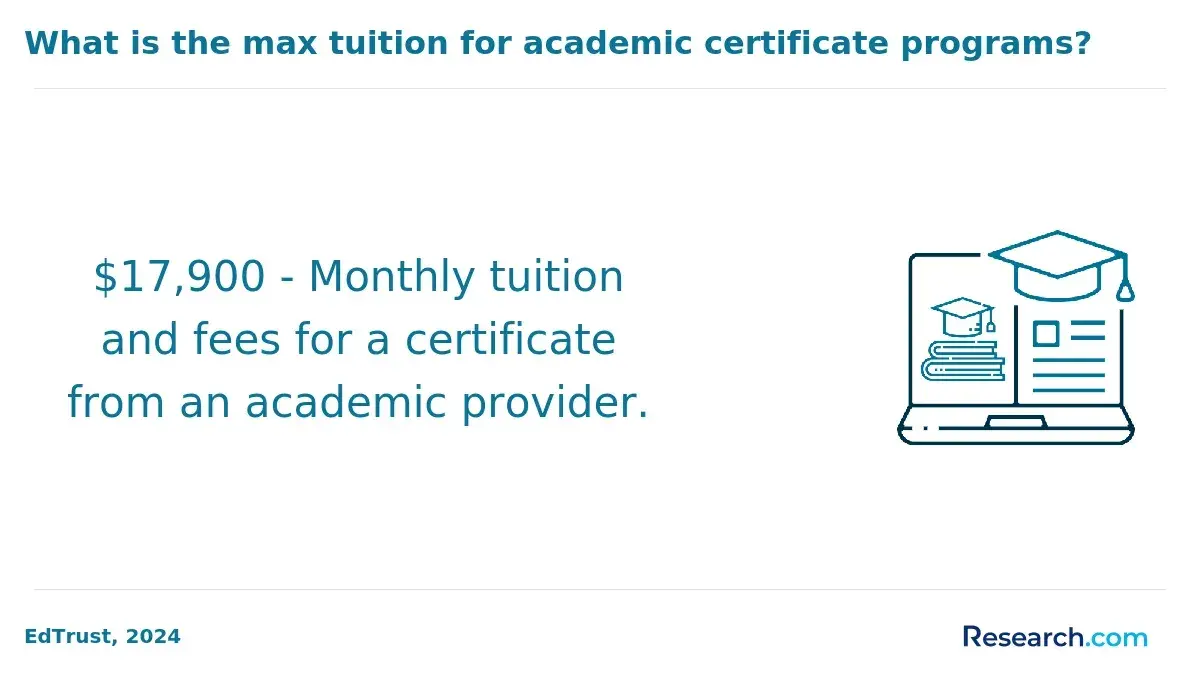
Part-time gerontology and aging master's programs typically charge tuition based on credit hours, with total costs at public universities averaging between $15,000 and $30,000. Private institutions often command higher fees, sometimes exceeding $40,000, reflecting institutional prestige and resource availability.
This structure aligns with data from sources such as the U.S. National Center for Education Statistics and recent university disclosures, which show tuition per credit can range from $500 to $1,200 depending on the program's selectivity and delivery mode. These figures underscore the need for prospective students to review detailed financial information rather than rely on headline tuition sums.
Cost variations stem from multiple factors, including residency status, program reputation, and delivery format. Online options may reduce certain campus-related expenses but could include specialized technology fees that affect overall pricing.
Given that part-time enrollment extends program duration, students often face incremental annual costs that accumulate beyond standard full-time timelines. These longer periods can increase total out-of-pocket spending even though tuition is paid incrementally.
An understanding of these dynamics is essential for evaluating affordable part-time gerontology and aging graduate programs, especially when balancing educational investment with ongoing professional responsibilities.
Financially, spreading tuition over multiple years often allows working professionals to manage expenses alongside income, but it may also expose students to inflation and shifting institutional policies on tuition rates or financial aid availability.
Employer tuition assistance or reimbursement programs can significantly offset these costs in some fields, making part-time study more accessible. This tradeoff between flexibility and total cost is a critical consideration for those weighing part-time enrollment.
Students should also explore specialized pathways and related credentials, such as shortest post master's PMHNP online programs, that might complement their gerontology degree with timely professional qualification.
Do Programs Help Arrange Flexible Clinical Placements for Part-Time Students?
Part-time gerontology and aging programs typically facilitate clinical placements through established partnerships with healthcare providers, community organizations, and long-term care facilities.
These partnerships create distributed placement networks, enabling institutions to offer varied scheduling options such as evening, weekend, or extended-duration shifts that better align with students' work and family commitments.
Many programs implement coordinated scheduling systems designed to accommodate incremental practicum hours over longer periods, reflecting an understanding of part-time learners' complex time constraints.
However, the level of scheduling flexibility is largely contingent on program resources and the structural framework of the curriculum, influencing how effectively placements can be adapted to individual circumstances.
Despite these accommodations, part-time students often face constraints like limited availability of placement sites, fixed minimum hour requirements, and geographic boundaries that restrict where clinical experiences can take place.
Coordination between employers, educational institutions, and clinical supervisors can be challenging, especially when practicum timelines must comply with strict accreditation or licensing standards.
While many programs emphasize flexible clinical arrangements, in reality, scheduling may still be rigid to preserve the scope and quality of skill development, resulting in extended completion times or inconvenient hours for some students.
According to recent data from the National Center for Education Statistics, about 62% of part-time graduate students in health-related fields experience some form of schedule accommodation, underscoring the variability across programs.
Students aiming to optimize their clinical placement experience should prioritize early engagement with program coordinators and potential employers to identify opportunities for workplace-based placements or sites with adaptable scheduling policies.
Selecting gerontology and aging programs with robust clinical networks and proven track records in supporting part-time students can also improve placement feasibility.
These strategic approaches help manage the tradeoffs between necessary clinical hours and personal or professional responsibilities, ultimately influencing timely progression and alignment with long-term career objectives in aging services or research.
What Challenges Do Students Face in Part-Time Gerontology and Aging Master's Programs?
Part-time study in gerontology and aging master's programs offers important flexibility but introduces distinctive pressures that differ notably from full-time enrollment. These challenges reflect how program design, intensity of coursework, and students' overlapping professional and personal commitments interact to shape the learning experience and progression.
- Time Management Constraints: Balancing coursework with work and family often forces students to partition attention and energy, complicating consistent academic engagement. This fragmentation can delay knowledge acquisition and weaken integration of complex concepts critical for advanced roles in aging services.
- Extended Time-to-Completion: Part-time enrollment typically lengthens the duration of study, which can erode academic momentum and foster periods of waning motivation. According to the 2024 National Center for Education Statistics, over 60% of part-time graduate students identify time limitations as the top hurdle to finishing their degrees, underscoring this issue's prevalence.
- Reduced Access to Networking and Resources: Limited physical presence on campus restricts opportunities for peer interaction, mentorship, and exposure to professional networks essential for career development. This isolation may hinder access to critical practicum placements and on-site seminars that enrich applied understanding.
- Challenges Integrating Theory and Practice: Fewer course loads each semester may translate to limited practicum or internship availability, reducing hands-on experience vital for roles that demand practical skills with older adult populations. This disconnect can adversely affect employability and readiness for complex caregiving or policy positions.
- Employer Support Limitations: Although some employers support advanced education, many do not provide flexible schedules or financial assistance for part-time graduate study in this field. The resulting financial and scheduling pressures add to student stress, especially for those in frontline care roles with inflexible hours.
Which Careers Benefit Most From Part-Time Graduate Education?
Part-time graduate education in gerontology and aging serves as a strategic accelerator in careers where experience, credentialing, and ongoing skill development closely interplay. Its greatest value appears in fields where balancing work responsibilities with education promotes immediate application of learning and positions professionals for higher roles or salary increments without sacrificing current employment.
- Healthcare Administrators in Elder Care: These professionals leverage part-time master's programs to deepen population-specific knowledge crucial for managing aging services. The U.S. Bureau of Labor Statistics projects a 22% growth in healthcare management roles related to aging through 2034, reflecting rising demand. Part-time study allows administrators to integrate academic insights directly into operational improvements and leadership development while maintaining full-time roles.
- Social Workers Specializing in Aging: Part-time graduate programs provide social workers the flexibility to continue managing caseloads while enhancing specialized skills in gerontological social work. This pathway aligns with many employers' expectations for advanced credentials to qualify for promotions or salary increases, supporting client outcomes without service disruption.
- Policy Analysts and Advocates Focused on Aging Legislation: Practical relevance of part-time studies in this area stems from the ability to incorporate evolving policy trends and legislative changes in real-time academic work. This enhances an analyst's capacity to influence aging-related regulations effectively and maintain professional advancement within governmental or nonprofit organizations.
- Care Coordinators and Program Managers: Those overseeing aging services programs use part-time education to fill skill gaps in program evaluation, grant writing, and evidence-based practice, critical for career progression. Balancing work and study facilitates application of newly acquired competencies to improve service delivery and organizational outcomes.
Overall, part-time master's programs stand out as tailored solutions for those targeting careers heavily influenced by experiential learning and credential-driven advancement in aging fields. They offer a structure that accommodates employment continuity while ensuring the curricular content directly informs workplace challenges. For professionals considering roles that intersect with aging populations, including those exploring autopsy technician jobs, understanding how to balance education and practical demands is critical to informed decision-making.
What Factors Matter Most When Comparing Program Flexibility?
Flexibility in part-time gerontology and aging master's programs is a multi-faceted concept that extends beyond simple scheduling options. Different program designs create varying degrees of adaptability, which directly influence student workload management, pacing, and the ability to maintain employment while studying.
Understanding these dimensions is essential for prospective students balancing work and part-time gerontology graduate programs to make informed decisions aligned with their personal and professional constraints.
- Course Scheduling Structure: Programs with fixed weekly synchronous classes limit real-time flexibility, whereas those offering asynchronous content allow students to manage learning around work and family duties. This structural difference impacts how students allocate time and maintain consistency in study habits.
- Delivery Mode (Asynchronous vs. Synchronous): Asynchronous coursework supports autonomy and better accommodates irregular schedules but demands strong self-discipline and time management. Synchronous sessions can provide immediate engagement but may conflict with job hours, reducing feasibility for working professionals.
- Credit Load Adaptability: The ability to adjust credit hours each term or enroll part-time helps students balance their workload, potentially extending time-to-completion but avoiding burnout. Programs with rigid credit requirements often force difficult tradeoffs between speed and sustainability.
- Pacing Options and Program Duration: Accelerated tracks appeal to students seeking quicker credentialing, yet may limit the time available to assimilate complex gerontology concepts. Conversely, extended timelines improve flexibility but may delay entry into advanced roles.
- Practicum and Internship Scheduling: Practical experience integration is critical for employability, yet inflexible practicum timelines can disrupt work schedules. Programs that coordinate fieldwork with working students' availability enhance real-world applicability without sacrificing program progression.
- Administrative Support and Responsiveness: Efficient academic advising and timely communication facilitate adjustments in course loads or scheduling, which are vital for students navigating employment changes or personal demands.
According to a 2024 report from the National Center for Education Statistics, 62% of graduate students prefer programs with asynchronous coursework, underscoring the demand for structural flexibility that aligns with ongoing professional and family obligations.
Ultimately, part-time gerontology and aging master's programs that thoughtfully balance these elements enable students to maintain career continuity and progress without compromising learning outcomes.
Those evaluating options should consider how each factor affects not just scheduling convenience, but long-term employability and practical skill acquisition within an increasingly competitive and evolving job market.
Prospective students may also find it useful to review related fields when assessing program structures, such as ABSN programs with high acceptance rates, which similarly require balancing rigorous coursework with professional duties.
What Graduates Say About Studying Gerontology and Aging Master's Programs Part-Time
- Conrad: "Completing the part-time gerontology and aging master's program allowed me to transition into a consulting role focused on elder care facilities. I quickly learned that in hiring, employers were less interested in licensure and more focused on the portfolio of specific project experience and internships. Navigating this reality helped me prioritize assignments that directly enhanced my practical skills, which ultimately opened doors faster than expected."
- Walker: "The flexible format of my program was a huge asset, especially because I was balancing work and family. Post-graduation, I found that many employers valued my hands-on experience and certifications over traditional licensure, which was reassuring. However, I also realized salary progression in non-licensed roles can be slower, so I've been weighing the trade-offs of pursuing additional credentials versus leveraging remote work options to maintain flexibility."
- Joseph: "After finishing my master's in gerontology and aging part-time, I faced stiff competition for clinical positions that required licensure, which I didn't have. I pivoted towards research and community outreach instead, where my applied knowledge and networking paid off. The program underscored the importance of aligning career goals with the practical hiring realities and highlighted how advancing without licensure often means embracing alternative pathways within the field."
Other Things You Should Know About Gerontology and Aging Degrees
Part-time students often face reduced access to in-person networking events and cohort interactions compared to full-time peers, which can limit spontaneous connections with faculty and classmates. Programs that offer virtual engagement or weekend intensives can mitigate this but may still not replicate the full immersion experience. For those prioritizing professional networking as a core career strategy, it's important to assess whether a program's part-time format provides robust opportunities beyond standard coursework, as weaker networking can slow early career advancement in fields closely tied to community and agency relationships.
Employers often view part-time master's degrees favorably due to the demonstration of strong time management and persistence, especially if students maintain employment simultaneously. However, when candidates are compared against full-time graduates with potentially more intensive practicum or research experiences, part-time students may need to proactively highlight how their balanced approach yielded applied skills on the job. For applicants targeting competitive research or clinical roles, supplementing the part-time degree with targeted internships or certifications can help offset perceptions that part-time study may lack depth.
While part-time study spreads the academic workload over a longer period, it does not necessarily reduce total effort; students must maintain consistent engagement, often juggling assignments alongside unpredictable job or family demands. This can lead to a protracted low-level stress rather than short-term intensity typical of full-time study. Candidates need to realistically evaluate their capacity to sustain motivation and quality output over multiple years, prioritizing programs known for clear deadlines and strong academic advising to avoid burnout and academic delays.
In 2027, program accreditation remains crucial; it ensures the program meets industry standards and provides quality education. Curriculum relevance is also important, as it ensures the coursework aligns with current trends and practices in gerontology, enhancing employability upon graduation.
References
- What Can I Do With a Master's in Gerontology? Careers & Salaries https://www.mhaonline.com/faq/careers-with-masters-in-gerontology
- MSW Programs in Geriatric Social Work (Gerontology and Aging) - Online and Campus https://www.masterofsocialwork.com/faqs/msw-programs-geriatric-social-work
- Gerontology careers: What can you do with a master’s degree? | University of Idaho https://www.uidaho.edu/newsroom/gerontology-degree-careers
- Gerontology Practice - Atlantic Technological University https://www.atu.ie/courses/master-of-science-gerontology-practice-blended-part-time
- Part-Time Postgraduate Courses in Gerontology - 9 Courses https://www.postgrad.com/courses/gerontology/all/part-time/
- Geriatric Medicine MSc https://www.diploma-msc.com/p/msc-in-geriatric-medicine
- All about the master’s degree in Gerontology https://graduateguide.com/all-about-the-masters-degree-in-gerontology/
- What Can You Do With a Degree in Gerontology? - Gerontology at FranU https://gerontologyatfranu.com/what-can-you-do-with-a-degree-in-gerontology/
- MSc Gerontology and Global Ageing (Online) | Find a course | University of Stirling https://www.stir.ac.uk/courses/pg-taught/gerontology-global-ageing-online/
- Developing and Evaluating an Educational Program on Aging in the High School Curriculum https://www.scirp.org/journal/paperinformation