2027 Can You Study Kinesiology Master's Programs Part-Time? Options & Duration

Co-Founder and Chief Data Scientist
Enrollment trends in graduate kinesiology programs reflect increasing demand for flexible pacing, yet part-time study presents complex structural and professional challenges. Variations in program design impact course sequencing, practicum scheduling, and cohort integration, often extending completion timelines beyond nominal durations.
Balancing licensure requirements and employer expectations requires careful evaluation of workload and clinical commitments. Financial constraints and family responsibilities further complicate time management and academic progression.
Understanding institutional differences in part-time options, such as research opportunities and student support availability, shapes realistic decisions about feasibility and long-term career outcomes. This article examines part-time kinesiology master's programs through a practical, decision-focused lens.
Key Benefits of Studying Kinesiology Master's Programs Part-Time
- Part-time online kinesiology programs often extend total duration by 25-40%, necessitating sustained engagement that may limit rapid career pivots but enable deeper skill integration over time.
- Employers increasingly value practical experience plus credentials; part-time study allows for maintaining current roles, which supports continuous professional relevance but may delay obtaining promotions tied to advanced degrees.
- Cost spreading through part-time enrollment can ease financial burden, yet accumulating longer fees and fewer scholarship options requires careful budgeting aligned with long-term career ROI.
Can You Study a Kinesiology Master's Program Part-Time?
Part-time study in a kinesiology master's program is most viable when students carefully assess program structure and their own capacity to manage extended academic commitments. Programs with flexible scheduling, clearly articulated course sequencing, and offerings that accommodate working professionals tend to support part-time students better.
However, the feasibility fluctuates significantly across kinesiology disciplines, particularly when coursework involves project-based assignments, clinical experiences, internships, or research benchmarks tied to strict timelines.
Students balancing employment, family, or other obligations need to confirm that these demands align with the program's scheduling, as some specialized certifications or licensure pathways may have compressed or intensive requirements incompatible with part-time pacing.
Choosing part-time enrollment carries inherent tradeoffs beyond schedule flexibility, chiefly the extended time-to-completion, which can range from three to four years compared to typical full-time durations. This may diminish networking opportunities and slow the rate of skill acquisition critical to staying current in evolving kinesiology fields.
Employers often appreciate the ongoing professional experience part-time students bring, yet delayed graduation can complicate career advancement, especially in fast-changing sectors requiring continuous upskilling.
The practical benefit of spreading coursework must be weighed against potential challenges such as shifting industry standards or evolving employer expectations, which can undermine the initial advantages of gradual study.
Part-time kinesiology graduate programs with flexible scheduling tend to serve working professionals and those with significant personal responsibilities best, allowing continued income and practical application of skills during study.
For career changers or individuals without strong external support systems, however, the prolonged duration may hamper momentum and integration into relevant professional networks.
Additionally, some students might find that full-time enrollment better meets their need for concentrated learning and faster transition into advanced roles.
Prospective students should also explore financial implications and eligibility nuances, as part-time status can affect access to certain aid or visa sponsorships. Those seeking alternative or complementary pathways might compare options like RN to BSN online programs without clinicals for tailored flexibility alongside their kinesiology education plans.
How Long Does It Take to Complete a Part-Time Kinesiology Master's Degree?
Part-time kinesiology master's programs generally span three to five years, though the exact timeline can fluctuate widely based on how intensively students enroll and how each program structures its curriculum.
Unlike full-time tracks commonly completed in about two years, part-time paths are designed to accommodate external commitments, often requiring students to take half or fewer of the usual course credits each semester.
According to 2024 data from the National Center for Education Statistics, the average time for part-time completion in health sciences master's programs, including kinesiology, is approximately 4.2 years, which reflects the balancing act between academic progress and other responsibilities.
The variation in duration often stems from institutional factors such as course scheduling, prerequisite sequencing, and experiential components like internships or thesis projects, which can introduce unavoidable delays if not offered frequently or flexibly.
Programs that mandate on-campus attendance during limited hours further restrict pacing options for working students.
Concurrently, personal circumstances—especially holding a full-time job—significantly shape how quickly students can move through required credits, sometimes necessitating semester breaks or reduced course loads to manage workload, which lengthens overall time to degree.
Extending the study period offers greater flexibility but also carries strategic tradeoffs. A protracted timeline may risk skill atrophy or outdated knowledge in a field responsive to evolving research and practice standards, while simultaneously delaying earnings growth tied to credential attainment.
Financial costs accrue beyond tuition as well, including opportunity costs related to postponed career moves or promotions. Prospective students must therefore critically assess how extended part-time study aligns with their professional timelines and capacity for sustained focus within kinesiology's steadily advancing discipline.
One part-time kinesiology student recounted hesitating to apply while navigating rolling admissions, unsure if waiting would better align with work project cycles and family demands. The admissions office's flexible deadlines allowed multiple submission attempts, which provided relief but also introduced stress as decision times were unpredictable.
Ultimately, the student opted for an earlier application despite incomplete prerequisite coursework to lock in a start date, then planned to complete remaining requirements through summer classes, illustrating how timing uncertainties can necessitate adaptive planning and underscore the non-linear nature of part-time degree progression.

How Are Part-Time Kinesiology Master's Courses Structured?
Part-time kinesiology master's programs are structured to balance academic rigor with the need for flexibility, catering to students who juggle professional and personal responsibilities. Variations in pacing, instructional methods, and workload distribution across institutions have direct implications for how students engage with material, maintain progress, and develop competencies.
- Extended Timeline and Reduced Course Load: Programs often stretch to three or more years, allowing students to take fewer courses per term-typically one or two instead of a full-time load. This pacing reduces burnout risk and supports deeper comprehension but demands sustained commitment over a longer period, potentially delaying career milestones requiring advanced credentials.
- Hybrid and Online Delivery Models: Many part-time kinesiology tracks combine asynchronous content with scheduled live sessions, balancing convenience with interactive engagement. This format enables integration with work schedules but can challenge students who struggle with self-directed learning or need more consistent peer collaboration.
- Modular Curriculum Design: Breaking content into smaller, focused segments helps students absorb material incrementally, which supports retention and application in professional contexts. However, the compartmentalization may limit holistic integration unless students proactively connect concepts across courses.
- Academic Support Adaptations: Faculty often maintain high expectations but may offer virtual office hours and deadline flexibility. Such supports accommodate diverse schedules yet require students to exercise strong time-management and self-advocacy skills to access resources effectively.
- Impact on Professional Trajectory: Part-time study enables ongoing employment, preserving income and work experience, which many employers value. Conversely, prolonged completion time may restrict immediate access to specialized roles that prioritize faster credential attainment or full-time study backgrounds.
- Prevalence of Online Formats: According to the National Center for Education Statistics in 2024, over 60% of part-time graduate students in health and human performance fields engage in hybrid or fully online formats, reflecting a broader shift toward flexible learning models designed to accommodate working professionals.
Can Students Work Full-Time While Earning a Part-Time Kinesiology Master's Degree?
Maintaining full-time employment while enrolled in a part-time kinesiology master's program is possible when the program offers flexible course structures such as asynchronous online classes or predictable evening and weekend schedules. Prior professional experience in related fields can reduce the learning curve, enabling students to integrate new knowledge more efficiently.
According to the National Center for Education Statistics, around 40% of part-time graduate students balance full-time work, showing that managing both roles is a common but deliberate choice. Programs labeled as flexible kinesiology graduate programs for working professionals often incorporate these adaptable formats to help meet employment demands without sacrificing curricular rigor.
However, students should weigh the practical challenges inherent to this balance. The combination of intensive coursework, clinical practicum requirements, and work responsibilities can lead to cognitive overload, decreasing academic performance or workplace focus.
Networking and peer engagement opportunities tend to be limited with part-time schedules, potentially affecting long-term professional growth. The extended duration—often three or more years instead of two—also means slower career milestones and increased risk of burnout, especially if employers do not provide supportive flexibility.
Those considering this path will benefit from reviewing options like fast track career programs to better align educational timelines with personal and professional priorities.
Which Universities Offer the Best Part-Time Kinesiology Master's Programs?
Selecting a part-time online kinesiology master's program is a multifaceted decision that extends beyond institutional prestige. The "best" program aligns with a student's professional stage, time availability, and specific career aspirations, directly influencing employability, skill development, and earning potential over time.
- Curriculum Design and Relevance: Programs with curricula grounded in evidence-based practice and current industry standards provide students with applicable knowledge critical for workplace readiness. Inclusion of research methods and applied skill-building ensures graduates can navigate evolving health science environments effectively, supporting long-term career growth.
- Faculty Expertise and Industry Engagement: Faculty actively involved in research or professional practice bridge theory with real-world application. This connection often translates into richer mentorship, networking opportunities, and curricula that reflect emerging trends, thus enhancing graduate competitiveness in a crowded job market.
- Flexibility of Pacing and Course Delivery: Programs offering asynchronous coursework and extended completion timelines accommodate working professionals managing family or employment obligations. This flexibility is essential for maintaining academic progress without undue delay, which correlates with higher retention and timely degree attainment.
- Access to Applied Learning Opportunities: Integration of virtual labs, supervised practicums, or internships allows students to translate theoretical knowledge into practical skills. Such experiences are vital in kinesiology careers, where hands-on competency strongly influences employment outcomes and professional credibility.
- Accreditation and Program Recognition: Accreditation from recognized bodies validates program quality and can significantly affect licensure eligibility, employer perception, and postgraduate opportunities. Choosing accredited programs decreases the risk of investing time and resources in credentials that may lack industry acceptance.
- Alumni Outcomes and Career Support Services: Programs providing transparent graduate success data-such as licensure pass rates and job placement-and offering career counseling contribute to smoother transitions into the workforce. This support mitigates common barriers faced by part-time students juggling multiple responsibilities.
A recent graduate recounted hesitating during the rolling admissions cycle, weighing application timing against current workload spikes. They delayed submitting for several weeks, uncertain whether deferring entry would provide better preparation or risk losing a spot.
Ultimately, the ability to enroll anytime within a broad window eased pressure, but the period of uncertainty underscored the value of clear admissions guidance and flexible start dates in managing life's unpredictability for part-time candidates.
How Much Does a Part-Time Kinesiology Master's Degree Cost?
Part-time kinesiology master's programs typically charge tuition by the credit hour, with rates ranging from approximately $400 to over $1,200 per credit based on data from educational and workforce sources.
Public universities often offer in-state tuition between $400 and $700 per credit, while private or out-of-state students may encounter higher costs, sometimes exceeding $1,000 per credit. These tuition rates mean that a program requiring 30 to 40 credit hours can cost between $12,000 and $48,000 in total.
This reflects not only institutional pricing policies but also the flexibility part-time students have in pacing their studies, which affects cumulative expenses and budgeting considerations for those seeking affordable kinesiology graduate programs in the US.
Tuition cost differences stem from several structural factors. Credit-hour billing inherently makes estimating total expenses challenging without clear planning around program length and course load per term. Geographic residency status influences pricing in many public institutions, while some schools offer flat rates irrespective of residency, benefitting students who reside remotely.
Delivery format is another significant variable; many online kinesiology master's degrees may offer competitive pricing compared to traditional campus models due to lower facility overhead, though this is not consistent across all programs.
Pursing a part-time pathway can extend degree completion from two up to six years, which inflates total tuition exposure and ancillary costs such as fees and books over time.
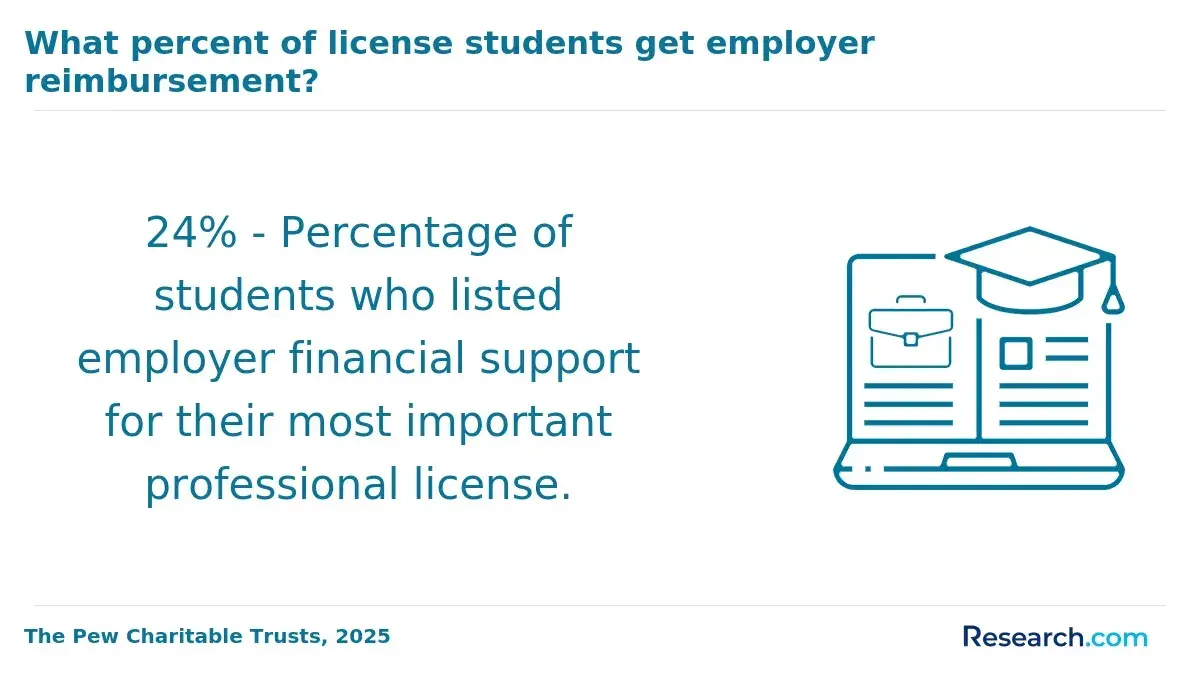
Spreading tuition payments across multiple years reduces immediate financial pressure but can delay return on investment, especially for working professionals balancing family and employment. On the other hand, some employers provide tuition assistance or reimbursement, which partially offsets costs in relevant kinesiology-related fields.
For prospective students weighing options, it's critical to align tuition investment with expected career outcomes rather than focusing solely on sticker price. Those interested in accelerated or alternative healthcare degrees may also explore links to the fastest online master's in healthcare administration as a point of comparison in affordability and program length.
Do Programs Help Arrange Flexible Clinical Placements for Part-Time Students?
Programs supporting part-time kinesiology students typically establish formal partnerships with healthcare providers, rehabilitation centers, and sports organizations to offer diverse clinical placement options. These collaborations often result in distributed placement networks, enabling students to access sites nearer to their homes or workplaces.
Institutions that successfully accommodate part-time schedules also implement structured timelines that allow students to extend practicum hours over months or even years, rather than mandating continuous full-time clinical blocks.
However, the availability and extent of such flexibility heavily depend on the school's resources and how its kinesiology curriculum integrates practicum requirements.
Despite these mechanisms, practical constraints frequently limit true scheduling freedom. Many clinical sites impose minimum hour requirements, maintain fixed shift schedules, or lack the capacity to absorb students outside conventional business hours.
Geographic limitations and competition for placements further restrict flexibility, especially in specialized subspecialties like physical rehabilitation or sports performance. Accreditation and licensing standards usually demand comparable clinical experience and competency irrespective of enrollment status, which can lengthen completion timeframes for part-time learners.
Consequently, flexibility sometimes exists more in form than in substance, with students needing to navigate complex coordination challenges between academic programs, clinical sites, and employers.
To optimize clinical placement outcomes, prospective part-time kinesiology students should plan ahead, engaging early with program placement coordinators and exploring employer-based clinical opportunities when possible. Selecting programs with established pipelines of clinical partners and transparent practicum timelines can reduce uncertainty and logistical burdens.
Being proactive in matching placement availability with work and personal commitments is critical, as delayed or inadequate placements can impact licensure eligibility and workforce readiness.
The 2024 data from the Council on Academic Kinesiology Programs indicates that around two-thirds of accredited programs offer some form of flexible clinical arrangements, but individual student experiences vary widely based on these strategic considerations.
What Challenges Do Students Face in Part-Time Kinesiology Master's Programs?
Part-time study in kinesiology master's programs offers flexibility but introduces complex academic and professional pressures distinct from full-time enrollment. These challenges hinge on program design, coursework demands, and the student's juggling of work and personal responsibilities, often intensifying stress and prolonging completion timelines.
According to a 2024 report by the National Center for Education Statistics, about 62% of part-time graduate students experience greater time management stress than full-time peers.
- Time Management Constraints: Part-time students frequently balance employment and family obligations alongside rigorous coursework, severely restricting available study time. This compression can reduce the depth and consistency of learning needed in a discipline reliant on progressive knowledge acquisition.
- Extended Program Duration: The fragmented nature of part-time schedules often stretches expected completion from two years to three or four, delaying entry into higher-level professional roles and creating potential financial strain due to prolonged tuition and living costs.
- Limited Hands-On Learning and Networking: Kinesiology's emphasis on practical, in-person lab work and clinical practice is harder to coordinate around part-time commitments, reducing skill application opportunities and direct interaction with faculty and peers vital for professional connections.
- Academic Momentum Disruption: Inconsistent study periods disrupt cognitive continuity needed for mastering complex concepts and methodologies, leading to variability in academic performance and increased risk of attrition.
- Financial Barriers: Part-time students often have less access to funding and employer tuition assistance, shifting more costs to personal resources over an extended enrollment period, complicating budget planning.
Which Careers Benefit Most From Part-Time Graduate Education?
Part-time graduate education in kinesiology serves as a strategic accelerator for careers where practical experience, professional credentialing, and ongoing skill development closely influence advancement.
Its greatest value lies in roles where employees must balance workplace demands with the need to update competencies, making part-time kinesiology master's programs for working professionals an effective mechanism for sustained career progression without interrupting employment.
- Physical Therapists: With a projected 19% growth rate through 2032 according to the U.S. Bureau of Labor Statistics, physical therapists benefit from part-time study by continuously enhancing clinical expertise without taking career breaks. This enables them to meet evolving patient care standards and qualify for higher-paying positions through incremental credential upgrades.
- Strength and Conditioning Coaches: Part-time graduate kinesiology education helps coaches working with collegiate and professional athletes stay current with evidence-based methodologies crucial for certification and employer expectations. This ongoing education directly informs day-to-day coaching practice and supports gradual promotion opportunities aligned with team success and athlete outcomes.
- Ergonomists and Workplace Wellness Specialists: Balancing work and study, many ergonomics professionals leverage part-time programs to incorporate new injury prevention strategies into corporate or clinical settings. A 2024 survey by the American College of Occupational and Environmental Medicine found that 63% of these professionals pursue graduate education part-time, underscoring its role in skill application without career disruption.
- Rehabilitation Specialists and Exercise Physiologists: These professionals face variable workloads combining patient care and program development. Part-time study provides the flexible schedule needed to integrate advanced kinesiology concepts into daily practice, supporting both clinical effectiveness and eligibility for supervisory or research roles.
These careers exemplify how part-time kinesiology master's programs for working professionals can facilitate skill development and credential attainment in environments where continuous employer-required upskilling and practical competence intersect.
For those balancing work alongside professional development in other healthcare-related fields, exploring cheap psych NP programs may offer similarly accessible pathways to advanced qualifications.
What Factors Matter Most When Comparing Program Flexibility?
Flexibility in part-time kinesiology master's programs is a multi-faceted quality that extends beyond simple scheduling options. The true adaptability of a program depends on how its structure, delivery methods, and administrative policies align with the varied demands of students balancing work and study in kinesiology graduate programs.
Assessing flexibility accurately requires understanding how these components affect pacing, time-to-completion, and the ability to maintain career continuity while achieving learning outcomes.
- Course Scheduling Structure: Programs that offer multiple start dates and modular course arrangements enable students to plan their semesters around employment, family, and other commitments. Rigid semester systems often force students into fixed timelines, increasing the risk of burnout or extended graduation periods.
- Asynchronous vs. Synchronous Delivery: While synchronous sessions can foster interaction, asynchronous formats provide critical scheduling autonomy, allowing students to engage with material when most convenient. A 2024 National Center for Education Statistics report found 67% of graduate students prioritized this flexibility in program selection.
- Credit Load Adaptability: The option to vary credit loads per term accommodates fluctuations in a student's external responsibilities. Programs requiring fixed credit progression can inadvertently reduce accessibility and increase stress for working professionals.
- Pacing and Pause/Resume Policies: The ability to pause enrollment without penalty and later resume studies preserves momentum for those facing unexpected personal or job-related disruptions, ultimately reducing dropout rates.
- Experiential Components: Internship or practicum requirements may limit scheduling flexibility unless programs provide part-time or evening options that integrate seamlessly with employment, impacting real-world skill development and employability.
- Administrative Responsiveness: Efficient support systems that promptly address scheduling conflicts, credit transfers, and enrollment changes are essential. Slow administrative processes compound stressors affecting students balancing work and study in kinesiology graduate programs.
When weighing these factors, prospective students should also consider the curriculum's specialization relevance and hands-on training for career alignment. Students seeking flexible options may look simultaneously at offerings like a bachelors degree in sociology online for comparative scheduling insights across disciplines, recognizing the broader trends in flexible graduate education.
What Graduates Say About Studying Kinesiology Master's Programs Part-Time
- Bryson: "Completing my part-time kinesiology master's taught me that employers often value hands-on experience over formal certifications. Even with my degree, I had to build a strong portfolio and seek internships to actually get hired. It's a competitive field where demonstrating practical skills often trumps just having the credential."
- Tripp: "I appreciated the flexibility of the program since I was working full-time, and it allowed me to pivot into remote wellness coaching roles faster than I expected. However, I noticed the salary growth has its limits without additional licensure or specialized certifications. It's a solid path if you're looking for practical ways to enter the workforce quickly, but advancement might require extra steps."
- Joshua: "After graduation, I realized many employers prioritize certification and specific experience over the degree itself, which made the job hunt tougher than anticipated. I had to strategically pursue internships and continued education to compete for clinical positions. The program was rigorous, but navigating the hiring realities meant adapting beyond academics was key."
Other Things You Should Know About Kinesiology Degrees
In 2027, part-time kinesiology master's students often have equal access to research opportunities as full-time students. However, balancing commitments might limit the time available for extensive research involvement, potentially affecting the depth of their research experience.
Networking opportunities tend to be fewer and less spontaneous for part-time students due to fewer on-campus interactions and staggered class attendance. This can hinder relationship-building with faculty and peers, which are crucial for internships, job referrals, and mentorship in kinesiology fields. Prioritizing programs with online communities, scheduled professional events, or cohort models designed for part-time learners can help mitigate these challenges and improve career outcomes.
Employers may perceive part-time kinesiology graduates as balancing significant external commitments, which can be a double-edged sword: it may indicate strong time management and dedication but also raise concerns about less immersive training. Graduates should be prepared to highlight how part-time study enhanced their practical experience or work-integrated learning. Selecting programs with strong applied components or clinical partnerships accessible to part-time students can improve employer confidence in candidate readiness.
Extending a kinesiology master's program over more years can reduce short-term stress but delay qualification and related salary increases or promotions. For professionals in fields where credential timing directly influences advancement, a faster full-time program might be more beneficial despite the intensified workload. However, if current job flexibility or family responsibilities are paramount, carefully choosing a part-time option with clear milestones can maintain career growth momentum without overwhelming personal resources.
References
- Kinesiology - MKin - Course https://grad.ucalgary.ca/future-students/graduate/discover-opportunities/explore-programs/kinesiology-mkin-course
- What Can I Do in My Career With a Master’s in Kinesiology? https://www.pointloma.edu/resources/health-sciences/what-can-i-do-my-career-masters-kinesiology
- MSc in Kinesiology https://kinesiology.ucalgary.ca/current-students/graduates/msc-kinesiology
- Best Masters in Kinesiology Degree Programs Online for 2026 https://www.kinesiologydegrees.org/programs/degree/masters
- For Career-Driven Master's Students, a Flexible Program is Essential https://paloaltou.edu/resources/blog/career-driven-masters-students-flexible-program-essential
- Is It Easy To Work While Studying For Your Masters? | Lendwise.com https://lendwise.com/blog/is-it-easy-to-work-while-studying-for-your-masters/
- The challenges of the part-time student http://fionasaunders.co.uk/the-challenges-of-the-part-time-student/
- Is kinesiology right for you? https://www.atsu.edu/college-of-graduate-health-studies/academics/master-of-science-in-kinesiology/is-kinesiology-right-for-you
- Kinesiology Online Master's: See & Compare Top Programs https://www.edumed.org/online-schools/kinesiology-degrees/masters/