2027 Care Coordination Degree Programs You Can Start Without Meeting All Requirements

Co-Founder and Chief Data Scientist
Many prospective students face barriers to entering care coordination degree programs-whether due to GPA shortfalls, incomplete prerequisites, or career gaps. These obstacles often delay or prevent enrollment. Yet institutions increasingly offer conditional admission policies that allow early entry based on bridge courses, foundational coursework, or alternative credential evaluations.
Such flexible pathways help diverse learners start their education sooner while meeting essential academic benchmarks. Notably, the median salary for care coordinators in the U. S. exceeds $65,000 annually, reflecting solid ROI across healthcare settings and regions. This article examines these admission options and support systems to guide readers through viable routes into care coordination programs.
Key Things to Know About Care Coordination Degree Programs You Can Start Without Meeting All Requirements
- Conditional admission allows students to enroll in care coordination degree programs while completing prerequisite courses-offering a clear timeline and performance benchmarks for full acceptance.
- Bridge and foundational courses provide tailored academic support-helping students with incomplete transcripts or low GPAs build essential skills before advancing to core coursework.
- Alternative credential reviews evaluate professional experience and non-traditional learning-enabling adult learners and career changers to qualify for early enrollment despite gaps in formal education.
What Is the Minimum GPA Requirement for a Care Coordination Degree Program?
The minimum GPA requirement for care coordination degree programs varies widely across institutions due to differences in selectivity and admission policies. Selective universities tend to require higher thresholds-typically between 3.0 and 3.5-reflecting their competitive admissions and rigorous curriculum. Moderately competitive schools generally set minimum GPAs closer to 2.5 or 2.75, attempting to balance academic readiness with accessibility. Open-admission colleges may accept applicants with GPAs as low as 2.0, promoting broader access for diverse learners and accommodating career changers or adult learners.
Programs also evaluate applicants' academic records holistically. Factors that may influence the assessment include:
- Grade Trends: An upward improvement in GPA over time can weigh positively, showing growth despite earlier struggles.
- Course Rigor: A lower GPA in challenging courses could be favored over a higher GPA from less demanding classes.
- Grade Replacement Policies: Some institutions permit retaking courses to raise GPA prior to or during admission evaluation.
Applicants whose GPA falls below a program's official minimum should first contact admissions counselors to discuss their options. These may include requesting a holistic review that values professional experience and other credentials or exploring conditional admission pathways that require meeting specific performance benchmarks while enrolled. Those interested in accelerated entry may also find related resources on accelerated certified medical assistant programs.
Next, institutions explicitly supporting students facing academic deficiencies by providing bridge courses and foundational support will be examined. These policies enable early enrollment before fully meeting traditional requirements, helping students build toward full academic standing.
Which Care Coordination Programs Accept Applicants on Academic Probation or With Academic Deficiencies?
Several degree programs in care coordination offer conditional admission for students with academic probation records or transcript deficiencies, recognizing that prior academic struggles do not eliminate the possibility of success. These programs typically require maintaining a certain GPA during a limited credit-hour probationary period, combined with close advisor supervision to guide students toward academic improvement.
- Midwestern State University-Undergraduate care coordination: This regionally accredited program allows students on academic probation conditional admission with a required 2.0 GPA in the first 12 credit hours. Students are restricted to 12 credits during this period. Advisor oversight includes biweekly check-ins and tailored academic coaching.
- Coastal State College-Associate degree in care coordination: Applicants with academic deficiencies enter on provisional status, expected to maintain a 2.5 GPA during the first semester while enrolled in no more than 9 credits. Students must attend monthly meetings with advisors to address challenges and develop strategies.
- Great Lakes University-Bachelor's in care coordination: Conditional admission requires a 2.25 GPA over 15 credits initially, supplemented by bridge courses to close prerequisite gaps. Advisor support includes academic reviews every four weeks and access to tutoring services.
- Southern Regional College-Online care coordination certificate: This program offers conditional acceptance for return-to-education students, mandating a 2.0 GPA in the first term and limiting enrollment to 6 credits until benchmarks are reached. Virtual advisor meetings occur biweekly, focusing on time management and study skills.
- Northwest Technical Institute-Care coordination diploma: Entry on a conditional track demands a 2.3 GPA in 10 core credits. Advisors create intervention plans and provide quarterly progress reports.
Policies on academic deficiency for care coordination degree admission vary widely-not only among institutions but also between undergraduate and graduate tracks. Prospective students should confirm current conditional admission prerequisites directly with admissions offices.
Applying to care coordination programs accepting students on academic probation is not a dead end. Crafting a strong personal statement and securing solid references significantly improve admission prospects by demonstrating motivation and readiness for academic challenges.
For students exploring educational opportunities with a mixed academic record, considering a nursing degree online program might provide additional flexibility and options to progress toward healthcare careers.
How Do Conditional Admission and Provisional Enrollment Work for Care Coordination Degree Seekers?
Conditional admission is granted with clear academic or prerequisite requirements-like maintaining a minimum GPA or completing foundational courses within a set timeframe. Typically, students must fulfill these conditions by submitting transcripts, test scores, or relevant work experience. Success leads to full program status, allowing enrollment in advanced care coordination classes; failure may result in dismissal or an extended conditional period but generally avoids immediate expulsion.
Provisional enrollment, by contrast, is a temporary, unclassified status for students whose application materials are incomplete. These students may face restrictions, such as limited access to upper-level courses, until full documentation is verified. If all criteria are met, provisional enrollees transition to formal admission; otherwise, their status is reviewed and possibly revoked.
Typical Conditions
- Academic Benchmarks: Maintain required GPA, often 2.5 or above, in initial coursework.
- Course Completion: Complete prerequisite and foundational courses within one to two semesters.
- Documentation: Submit necessary transcripts, test scores, or certification proof by deadlines.
Students benefit from understanding exactly what triggers these statuses, how frequently progress reviews occur, and who decides on full admission. Asking these questions during admissions meetings supports planning and sets clear expectations.
What Alternative Admission Pathways Are Available for Care Coordination Programs When Prerequisites Are Not Met?
Care coordination programs are often designed for students coming from nursing, social work, or allied health backgrounds, so many schools provide alternative admission pathways when applicants do not fully meet prerequisite requirements. These pathways help students build the necessary foundational skills without having to delay their entire academic plan.
- Portfolio Review: Many associate and bachelor's care coordination programs offer this path to recognize practical skills and experiences instead of traditional prerequisite completion. Applicants submit comprehensive portfolios including work histories, certifications, and reflective summaries of care coordination competencies. Typical documentation comprises supervisor recommendations, verification of volunteer or paid care coordination roles, and records of continuing education efforts. Schools adopting this method require trained admissions committees or faculty panels to assess experiential learning with rigor and fairness.
- Demonstrated Professional Experience: Tailored for adult learners and career changers, some programs accept detailed employment records as substitutes for standard prerequisites. Key elements include thorough job descriptions, performance appraisals, and proof of responsibilities matching care coordination tasks. These offerings often rely on formal policies through continuing education departments and may use interviews or competency evaluations to verify qualifications.
- Prior Learning Assessment (PLA) Credit: Community colleges and universities frequently grant academic credit for knowledge gained outside traditional classrooms-via prior work, military service, or self-study-to meet foundational course needs. Applicants provide artifacts like certifications, employer attestations, and occasionally complete challenge exams. Effective use of PLA demands clear institutional guidelines and staff adept at evaluating non-traditional learning.
- Placement Testing: When prerequisite coursework is incomplete, certificate or diploma care coordination programs with modular designs may permit placement exams to confirm mastery of essential topics. Students submit official test results, and schools maintain standardized assessments supported by academic advisors who assist with appropriate course selection.
Since conditional acceptance pathways in care coordination education often remain under-publicized, prospective students should directly contact program directors or department chairs. These faculty leaders can explain informal accommodation options, bridge courses, and performance benchmarks that support early enrollment.
Relying solely on centralized admissions offices may delay valuable clarifications about eligibility timelines and academic obligations that govern successful progression through alternative admission options for care coordination programs. For adult learners or others evaluating flexible entry routes, exploring additional resources like online self paced college courses can provide helpful preparatory opportunities.
Which Care Coordination Programs Allow Students to Begin While Completing Remaining Prerequisites Concurrently?
Some care coordination programs let students enroll in core degree courses while finishing unmet prerequisite classes at the same time-an option called concurrent or co-requisite enrollment. This differs from conditional admission, which simply allows entry under certain restrictions but may not permit simultaneous prerequisite coursework.
Concurrent enrollment typically pairs foundational subjects-like statistics, research methods, or healthcare basics-with a first-semester care coordination core class. It's common in programs serving transfer students, adult learners, or career changers managing multiple obligations.
Students considering this path should recognize that balancing prerequisite and core courses often means a heavier academic workload requiring careful planning and strong time management. The added demands can affect study schedules and performance, so self-discipline is essential to meet all academic benchmarks.
To find out if a care coordination program offers concurrent enrollment, students should:
- Review Course Catalog: Look for specific policies about co-requisites or concurrent enrollment that explain eligibility and course sequencing.
- Consult Academic Advisors: Get advice on program rules, support options, and how such enrollment has worked for others.
- Request Degree Audits: Verify remaining prerequisites and whether they can be taken alongside core courses before registering.
Successful management of this dual-track approach often involves:
- Time Blocking: Dedicate specific weekly slots separately for prerequisites and core coursework.
- Prioritization: Identify tougher subjects early and seek tutoring or group study to avoid falling behind.
- Self-Care: Take breaks and maintain health to sustain focus and prevent burnout.
How Do Community College Partnerships Help Students Enter Care Coordination Programs Without Full Qualifications?
Community college partnerships offer essential routes for students lacking full admission credentials to start care coordination coursework early and eventually transfer to bachelor's or graduate programs. Structured agreements like 2+2 articulation plans let students complete foundational courses at two-year institutions before seamlessly continuing advanced study.
- 2+2 Articulation Agreements: These formal deals between community colleges and four-year schools ensure credit transfer for prerequisite and general education courses, helping students avoid duplication and maintain steady progress toward care coordination majors.
- Dual-Enrollment Arrangements: High school or non-traditional students can simultaneously take community college classes-demonstrating readiness and gaining foundational knowledge even when initial GPA requirements aren't met.
- Community College Pathway Programs: Designed to build core skills such as healthcare terminology, patient advocacy, and communication, these tracks prepare learners for higher-level coursework and enhance transfer application strength.
- Valued Coursework for Transfer: Prerequisite completion, GPA improvement through repeated or additional courses, and demonstrated competency in key areas are highly regarded by admissions committees reviewing transfer applications from non-traditional or conditionally admitted students.
- Transfer Agreement Identification: Students should consult target program websites or admissions offices to verify existing articulation agreements. If none are available, exploring course equivalencies or customized transfer plans can still enable credit acceptance.
- Flexible Transfer Evaluations: Community college coursework is often assessed more leniently than freshman admission, offering students additional opportunities to prove academic capability.
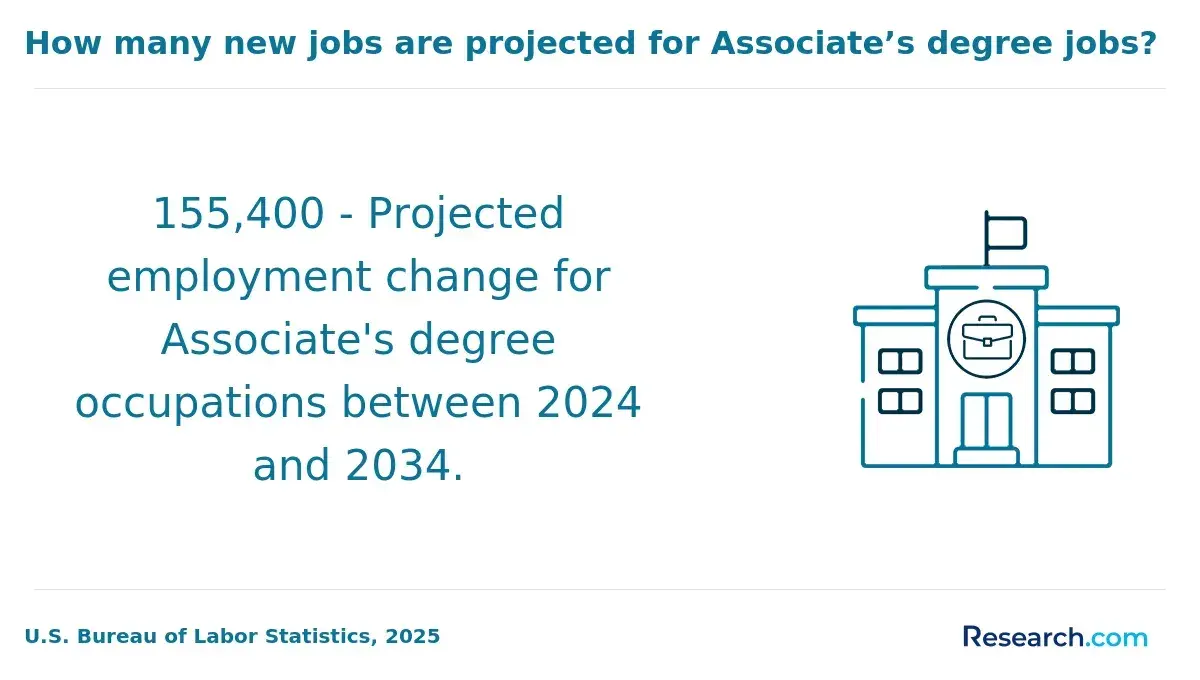
In 2023, data showed that over 60% of care coordination degree graduates began their education at community colleges-highlighting the growing role of these pathways in expanding access to the field.
What Role Do Personal Statements and Letters of Recommendation Play in Gaining Care Coordination Program Access Without Meeting All Requirements?
When GPA, test scores, or prerequisites fall short, personal statements and letters of recommendation offer crucial opportunities to demonstrate readiness for a care coordination degree program. These documents allow applicants to present a fuller, nuanced story-showing qualities that quantitative metrics alone cannot capture.
A compelling personal statement for conditionally admitted applicants includes a candid yet forward-looking explanation of academic setbacks. It should detail challenges faced and lessons learned, highlighting how these experiences foster resilience and motivation for rigorous study. Applicants must clearly articulate how their prior work, volunteer, or life experiences align with and prepare them for the demands of care coordination programs. Finally, it's essential to explain why the chosen program is the right fit based on its curriculum, faculty, or career pathways.
Letters of recommendation carry the most weight when written by supervisors or professionals with direct knowledge of the applicant's intellectual abilities and achievements. Admissions committees typically reject generic character references in favor of insights into potential success within complex healthcare or academic environments.
Key points to emphasize when preparing these materials include:
- Candor: Honestly acknowledging setbacks while focusing on growth and future plans.
- Experience: Highlighting relevant professional or volunteer roles that demonstrate preparedness.
- Fit: Explaining why the specific care coordination program suits the applicant's goals and needs.
- Recommender Credibility: Choosing recommenders familiar with the applicant's professional or academic capacities rather than general acquaintances.
Which Care Coordination Programs Offer Bridge or Foundational Courses That Replace Unmet Admission Requirements?
Many care coordination programs with bridge courses for admission recognize that applicants may not initially meet all prerequisite requirements. These flexible options help students advance without delaying full enrollment excessively.
- Non-Credit Boot Camps: Typically offered by community colleges or universities, these short-term programs focus on core topics like medical terminology and healthcare basics. Although non-credit, successful completion is certified and accepted by admissions offices to fulfill prerequisites. Boot camps are affordable but do not shorten the total degree timeline, requiring students to complete the entire program afterward.
- Post-Baccalaureate Preparatory Sequences: Available mainly at four-year institutions with graduate care coordination programs, these credit-bearing courses serve students who already hold a bachelor's degree but lack specific entry requirements. Appearing on transcripts, such courses may count for elective credits and slightly reduce degree duration. However, they involve higher costs and longer study periods than boot camps, often qualifying the student for financial aid.
- Certificate-Level Prerequisite Bundles: Some technical schools and online universities offer these bundled prerequisite courses as a certificate program designed explicitly for care coordination admissions. Completion grants a formal credential and satisfies entry criteria, allowing conditional admission. Students typically progress into the full program after one to two semesters, but costs vary widely by institution and delivery mode.
- Self-Paced Online Remediation Modules: Increasingly popular at public and private schools, these modules let applicants learn prerequisite material at their own rate. Completion is validated by online assessments, although transcript credit is not always granted. This option suits adult learners or career changers balancing other responsibilities but may extend enrollment time. Pricing tends to be moderate and can be charged per module.
Because foundational care coordination courses to meet admission requirements often remain unlisted in main program materials, prospective students should proactively request detailed information on bridge options when speaking to admissions representatives. For those juggling urgency and finances, comparing these pathways is vital. For instance, exploring programs like 1 year radiology tech programs online may provide insight into accelerated or affordable healthcare education models relevant to your goals.
How Does Work Experience or Professional Background Substitute for Academic Requirements in Care Coordination Programs?
Work experience can serve as a significant substitute for academic requirements in care coordination programs that use holistic admission reviews. Relevant hands-on experience often demonstrates readiness and skills more convincingly than traditional academic credentials, particularly for applicants who did not meet GPA thresholds, community college transfer students still completing prerequisites, adult learners returning after a break, or career changers with strong but incomplete transcripts.
- Relevant Experience: Admissions look for work directly related to care coordination or healthcare, including case management, patient advocacy, healthcare administration, or community health roles.
- Industry Certifications: Credentials like Certified Case Manager (CCM) validate expertise and demonstrate commitment to the field.
- Leadership Roles: Supervisory or management positions within healthcare highlight capacity to handle complex care coordination challenges.
- Professional Contributions: Published articles, presentations, or conference participation show engagement with current care coordination practices.
- Volunteer Work: Community service or healthcare nonprofit involvement that includes patient navigation or resource coordination offers practical proof of skills.
Applicants should craft a professional resume tailored to academic audiences that clearly details roles and accomplishments relevant to care coordination. Admissions committees may require supporting documents like job descriptions, certificates, or professional portfolios. Securing strong references is key-seek letters from supervisors or colleagues who can speak specifically to your professional competence rather than academic achievement.
While professional background qualifications for conditional admission in care coordination degrees can be compelling, verify with programs whether they formally review non-academic credentials before investing effort. This avoids surprises and helps focus application strategies effectively.
For those exploring flexible pathways to nursing advancement, consider researching most affordable MSN programs that offer bridge options supporting students who are still meeting prerequisites or academic standards.
What Financial Aid and Scholarship Options Are Available to Conditionally Admitted Care Coordination Students?
Conditionally admitted Care Coordination students can still access a range of financial aid and scholarship opportunities, although eligibility may depend on whether they are enrolled in credit-bearing, degree-seeking coursework while completing admission requirements. Many institutions structure their aid policies to support students progressing through foundational or prerequisite phases of the program.
- Federal Aid: Students admitted conditionally into care coordination programs may qualify for federal financial aid such as Pell Grants and Direct Loans if they enroll at least half-time. Maintaining satisfactory academic progress during conditional enrollment is essential to continue receiving aid beyond the initial period.
- Institutional Scholarships: Many colleges offer scholarships tailored to non-traditional or provisionally admitted students. These awards often consider work experience, motivation to return to school, or demonstrated potential, rather than relying solely on traditional GPA requirements.
- Private Scholarships: Private organizations sometimes provide funding specifically for adult learners, career changers, or those with interrupted academic histories. These scholarships typically require detailed applications outlining the student's conditional admission status and future educational goals.
- Alternative Credential Options: Some programs include bridge or foundational courses that, when completed successfully during conditional enrollment, can grant access to additional aid, like institutional grants designed for early-stage learners.
- Academic Expectations: Conditional admission ties directly to performance benchmarks. Failure to meet these can risk enrollment status and aid eligibility, so tracking academic progress is crucial.
- Planning Advice: Before enrolling conditionally, students should consult both the financial aid office and their academic advisor. Understanding how aid packages and enrollment status interact helps avoid unexpected tuition charges and ensures financial and academic plans align.
How Do Online Care Coordination Programs Compare to Campus-Based Programs in Admission Flexibility?
Online Care Coordination programs are generally more flexible in admissions than campus-based programs, especially for working professionals who need adaptable entry points and the ability to complete prerequisites alongside early coursework. Both formats maintain academic rigor, but they differ in how rigidly they enforce entry timing, prerequisites, and enrollment structure.
- Admission Flexibility: Online care coordination programs-primarily those at large public universities or for-profit colleges-often offer more accessible entry options than traditional campus programs. These options may include prerequisite waivers, conditional admission, or bridge courses, enabling students who have not met all standards to start their degree pathways sooner. Campus-based programs generally require full prerequisite completion before enrollment, reflecting stricter academic policies.
- Prerequisite Waivers and Conditional Enrollment: Many online care coordination programs allow completion of foundational coursework alongside degree classes, benefiting adult learners, career changers, or transfer students with incomplete transcripts. Campus options typically provide fewer such accommodations, expecting all prerequisites to be finished in advance.
- Support Infrastructure: Conditioned admission in online programs demands careful consideration of available resources. Academic advising may rely primarily on virtual communication and can vary in frequency and responsiveness. Tutoring services differ significantly-some institutions offer comprehensive online tutoring, while others provide limited support. Disability services and mental health support exist but vary widely, often influenced by program size and delivery method.
- Accreditation and Degree Outcomes: Regardless of entry flexibility, reputable online care coordination programs maintain accreditation standards equal to campus programs. Faculty credentials, graduation rates, and employment outcomes should be scrutinized to confirm that admission leniency does not compromise academic quality.
What Graduates Say About Care Coordination Degree Programs You Can Start Without Meeting All Requirements
- Otis: "Starting the care coordination program without meeting every prerequisite felt daunting at first-but the clear academic obligations helped me stay focused and organized. The timeline expectations were realistic, giving me enough room to adjust while pushing me to maintain momentum. What stood out most was the emphasis on performance benchmarks-I knew that keeping up with those was essential to continue in good standing, which motivated me to consistently do my best."
- Ronan: "Reflecting on my journey through the care coordination degree, I appreciate how the program welcomed students conditionally yet set firm standards from the outset. The academic obligations-while challenging-were manageable with discipline, and the timeline expectations created a steady rhythm for progress. It became clear that meeting the designated performance benchmarks was more than just a requirement; it was a vital part of building the confidence and skills needed for success."
- Brooks: "I approached the care coordination degree with a professional mindset, knowing conditional admission meant I had to be intentional about meeting every academic obligation. The timeline expectations ensured I remained accountable without feeling overwhelmed, and the performance benchmarks acted as a clear metric of my growth. This structure ultimately reinforced my commitment-helping me transition from a tentative start to a confident completion."
Other Things You Should Know About Care Coordination Degrees
Admission policies for care coordination degree programs are influenced by accrediting bodies such as the Commission on Accreditation of Healthcare Management Education (CAHME) and regional accreditors like the Higher Learning Commission. These organizations set standards for curriculum quality and student readiness, which institutions interpret with varying degrees of flexibility. Programs often balance adherence to these standards with institutional policies that allow conditional admission, bridge courses, or competency-based assessments to accommodate students who do not yet meet all traditional entry requirements.
Programs typically provide academic advising, tutoring, and mentoring designed to help conditionally admitted students bridge knowledge gaps. Many schools offer access to learning resource centers and specialized workshops on study skills or time management. Some also assign success coaches who monitor progress and assist with meeting performance benchmarks necessary to transition from provisional status to full admission.
References
- Care Coordination https://www.universitysettlement.org/programs/mental-health-wellness/care-coordination/
- Bridge To Care https://fundamental.health/bridge-to-care/
- NHS England » Workforce development framework for care co-ordinators https://www.england.nhs.uk/long-read/workforce-development-framework-for-care-co-ordinators/
- Letters of Recommendation - why are they an important part of your application? - Milestone College Prep https://milestonecollegeprep.com/letters-of-recommendation-2/
- Medical University of GdaÅsk https://admission.mug.edu.pl/34207.html
- Entry Pathways & Alternative Pathways to Curtin University https://www.curtin.edu.au/study/applying/pathways/
- Arizona State University - Bachelor of Science in Health Care Coordination Online https://www.onlineeducation.com/healthcare/schools/asu-online-bs-health-care-coordination
- Essentials of Patient Care Coordination | Free Online Course | Alison https://alison.com/course/essentials-of-patient-care-coordination
- What Is Conditional Admission? How Does It Work? https://blog.prepscholar.com/what-is-conditional-admission
- Online Nursing Prerequisites: Complete Guide & Cost Savings | StraighterLine https://straighterline.com/blog/which-online-nursing-prerequisites-should-you-take-online