2027 Career Paths with a Construction Management Master's Degree Explained

Co-Founder and Chief Data Scientist
The career landscape for professionals with a construction management master's degree is shifting as employers increasingly prioritize leadership skills, analytical problem-solving, and specialized technical knowledge tailored to complex project environments. Advanced programs develop expertise in areas such as regulatory compliance, digital project delivery tools, sustainable building practices, and risk management, positioning graduates for roles that span operational oversight to strategic planning. Notably, a 2024 report by the National Center for Education Statistics highlights a 15% rise in adult enrollment in part-time graduate programs, reflecting demand for flexible pathways accommodating working professionals aiming to expand cross-functional responsibilities. This article examines diverse career paths tied to a construction management master's degree to guide readers in assessing alignment with their long-term goals.
Key Things to Know About Career Paths With a Construction Management Master's Degree
- Master's degrees in construction management often lead to senior leadership roles, as the curriculum's focus on project controls and risk assessment aligns with employer demands for experienced managers who navigate complex builds.
- Industry growth projections signal rising demand for specialized skills in sustainability and digital workflows, making graduates with these focused competencies more competitive but requiring ongoing upskilling to avoid obsolescence.
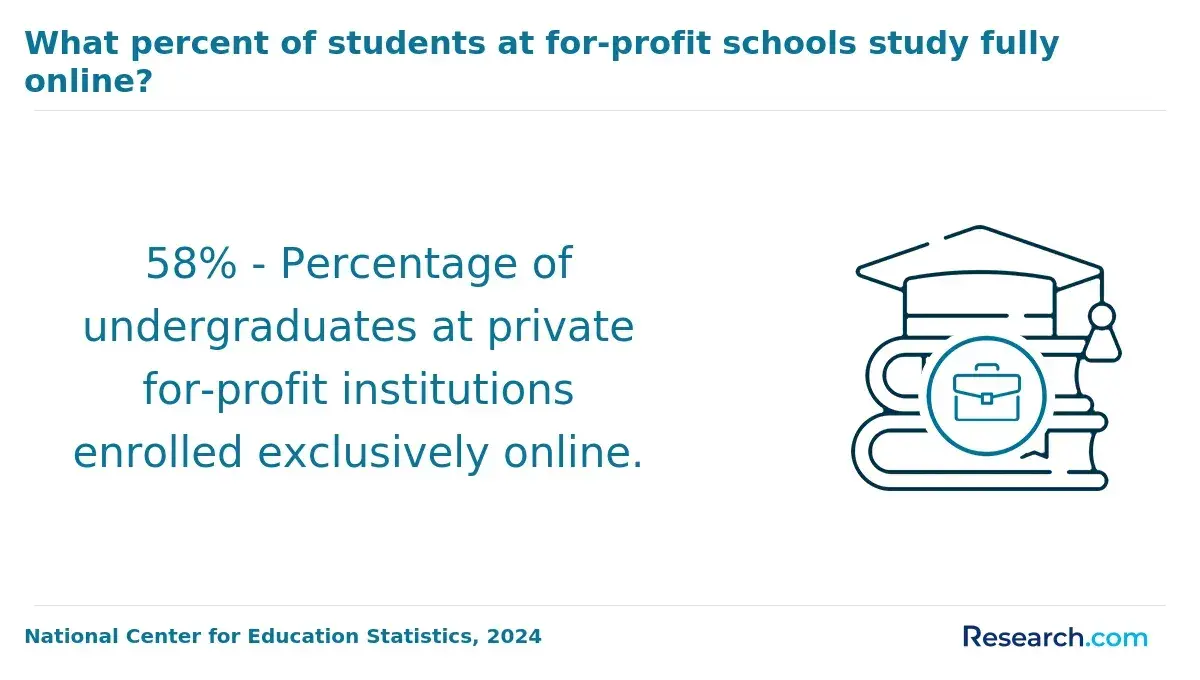
- While online construction management programs increase accessibility for working professionals, data from the National Center for Education Statistics shows adult enrollment still favors hybrid formats, reflecting a tradeoff between flexibility and hands-on experiential learning.
What Can You Do With a Construction Management Master's Degree?
Advanced degrees in construction management significantly influence the scope and scale of career options, with choices that either deepen specialization or broaden leadership roles. Selecting a path often hinges on balancing technical expertise, managerial responsibility, and sector-specific demands-each choice shaping how professionals navigate industry expectations and salary trajectories.
- Senior Project Leadership: Graduates often secure roles as project managers or construction superintendents where managing intricate timelines, budgets, and multidisciplinary teams is critical. These positions demand both strategic oversight and hands-on problem-solving, positioning professionals to influence project outcomes directly and command higher compensation.
- Specialized Consulting: A master's degree equips professionals to enter consulting fields such as sustainability or risk management. This pathway typically involves applying advanced analytical skills to advise firms on compliance and efficiency, appealing to those seeking roles with flexible project portfolios and diverse industry exposure.
- Executive Management: With experience, degree holders frequently move into executive roles like director of construction or chief operations officer. Such positions require broad cross-functional leadership and long-term planning capabilities, making a master's degree a valuable credential to meet employer expectations for strategic decision-making.
- Public Sector and Infrastructure: The degree also opens doors in government agencies and public works, where oversight of regulatory compliance and infrastructure projects is prioritized. These roles often provide stability and the chance to impact community development, but may come with tradeoffs in compensation compared to private sector equivalents.
- Technology Integration Specialist: Increasingly, construction management graduates leverage their skills to drive smart construction technologies and digital transformation efforts. This niche is growing rapidly as firms adopt new tools for efficiency and sustainability, offering early movers competitive advantage and opportunities in emerging fields.
What Are the Highest-Paying Careers With a Construction Management Master's Degree?
Compensation for professionals holding a master's degree in construction management heavily depends on the interplay between leadership scope, technical proficiency, and sector-specific demands. Those who ascend to roles combining strategic oversight with specialized expertise often unlock the highest salary brackets, though this trajectory typically requires several years of targeted industry experience.
For example, opting for executive-level positions may offer substantially greater earnings but entails navigating complex regulatory and financial landscapes that demand advanced negotiation and management skills.
- Construction Project Manager: This role represents a common high-earning career for master's graduates due to the responsibility of overseeing large-scale projects from inception to completion. Senior project managers benefit from direct accountability for budgets and timelines, with salaries reflecting their critical role in coordinating multidisciplinary teams and negotiating contracts.
- Construction Executive or Director of Construction: These positions offer the upper echelon of compensation because they involve supervising entire portfolios or regional operations within large firms. Success here depends on deep knowledge of regulatory compliance, finance, and risk management, in addition to proven leadership experience, making the master's degree a valuable but not sole qualifier for advancement.
- Risk Manager in Construction: Specializing in identifying and mitigating project risks, particularly in sectors such as infrastructure or oil and gas, this career commands premium salaries based on the complexity and scale of projects handled. Master's degree holders who combine quantitative risk assessment skills with industry insight can influence project viability and cost control.
- Construction Estimator: Estimators focused on large government or industrial contracts leverage detailed market and technical knowledge to produce precise budget forecasts. Their compensation reflects the demand for accuracy and foresight, which directly impacts project funding and profitability.
The premium salaries associated with these roles reflect not just educational attainment but a synthesis of experience, sector conditions, and leadership capacity. Geographic market variations and specialization in emerging technologies or sustainable practices further influence earning potential within these career paths.
Which Industries Hire Graduates With a Construction Management Master's Degree?
Graduates with a master's degree in construction management often find that employer demand and role expectations differ markedly across sectors due to the distinct operational challenges and regulatory frameworks involved. For example, construction and engineering firms typically require hands-on project lifecycle oversight, where technical knowledge of scheduling, cost control, and compliance governs daily decisions.
In contrast, infrastructure and transportation projects lean heavily on navigating public-sector procurement processes and extensive stakeholder coordination, demanding stronger skills in risk mitigation and regulatory interpretation. Meanwhile, real estate development merges strategic market analysis with sustainability integration, shifting the manager's role toward aligning construction outcomes with financing and environmental goals.
These sectoral differences affect not just job functions but also compensation levels and career advancement prospects, with consulting services often privileging flexible, client-facing expertise while energy sector positions demand specialized knowledge of evolving environmental and engineering standards.
Specialization within construction management profoundly influences employability and career trajectory, as employers weigh professional certifications and demonstrated experience against the complexity of projects and organizational structures. Graduates targeting industrial and manufacturing facilities must balance safety compliance with minimizing operational downtime, a contrast to roles in consulting that emphasize auditing and process optimization across diverse client needs.
The variation in work environments-from office-based coordination in real estate to field-intensive supervision in civil infrastructure-further shapes skill development and leadership styles. Moreover, geographic and economic factors can alter demand patterns, pushing some graduates to prioritize sectors with stable investment flows, such as transportation or renewable energy, over more volatile residential construction markets.
These factors underscore the necessity of aligning educational specialization and experience with targeted industry demands to maximize long-term professional impact.
What Is the Job Outlook for Careers Requiring a Construction Management Master's Degree?
The construction management job outlook in the United States remains favorable, driven by ongoing urbanization, infrastructure renewal, and rising demand for energy-efficient buildings. Employment growth is expected to outpace the average for all occupations, supported by the complexity of modern construction projects requiring advanced oversight. Professionals with master's degrees are positioned to fill specialized roles involving project finance, risk mitigation, and contract negotiation, distinguishing themselves in a competitive labor market where practical experience complements academic credentials.
However, demand can vary by region and industry segment, with urban centers typically offering more opportunities, while economic cycles and regulatory changes influence hiring stability and salary negotiation leverage.
Future career growth for construction management master's graduates depends heavily on their ability to navigate evolving technologies and stricter environmental compliance standards, which necessitate sophisticated management skills. Those combining a graduate degree with strong practical background may access leadership roles offering better compensation, but the return on investment requires balancing cost, time, and local market saturation.
A strategic approach to acquiring credentials, such as seeking the cheapest online engineering degree options for foundational skills, can enhance prospects. Long-term demand reflects industry expansion and regulatory pressures, though candidates must also manage rising employer expectations for communication and problem-solving under stress to maintain career resilience.
What Entry-Level and Advanced Jobs Can You Get With a Construction Management Master's Degree?
Graduates with a master's degree in construction management often enter the workforce in roles that emphasize practical oversight and coordination, such as assistant project manager, construction estimator, or field engineer. These positions typically require managing timelines, budgets, and compliance on construction sites, grounding professionals in the operational realities of the field. However, the direct transition into advanced roles depends heavily on prior experience and industry sector; some may need several years in intermediate roles to build the leadership and technical competencies required for larger responsibilities.
Employers weigh a candidate's combination of degree credentials, hands-on experience, and certifications when determining readiness for elevated positions, highlighting the necessity of strategic career planning beyond degree completion.
Advanced construction management roles-like senior project manager, director of construction, or executive leadership-demand broader decision-making authority, comprehensive risk management skills, and fluency with emerging technologies such as Building Information Modeling (BIM). These positions also involve navigating complex contracts and integrating sustainability practices, often requiring professionals to oversee multiple projects and cross-disciplinary teams.
According to 2024 labor forecasts, an 11% growth in management roles reflects this expanding need for such expertise. Graduates who combine their degree with targeted specializations and certifications can accelerate their advancement, but variability across employers means some sectors may value practical experience more than academic credentials. This creates a tradeoff where the degree enhances long-term leadership viability but does not guarantee immediate senior-level placement in every context.
Can a Construction Management Master's Degree Help You Change Careers?
A master's degree in construction management can function as a strategic lever for professionals aiming to reposition themselves in new sectors, but its effectiveness depends heavily on prior experience and sector-specific demand. For example, individuals transitioning from architecture or engineering often accelerate entry into leadership or specialized technical roles by leveraging both core domain knowledge and construction-specific expertise gained through graduate programs.
Employers tend to value the combination of this specialized knowledge with demonstrable skills such as budgeting or risk analysis, which helps applicants overcome skepticism about their career pivots. That said, candidates moving from unrelated fields may face entry-level repositioning and salary adjustments, especially in regions where professional licensure or contractor certifications are prerequisites, thus tempering immediate returns on the educational investment.
Tuition for construction management programs with rolling admissions typically ranges between $12,000 and $40,000, representing a significant cost that requires careful alignment with long-term career gain projections.
Networking opportunities and applied learning components embedded in construction management master's programs serve as crucial enablers for career changers. Internships, practicums, and cohort-based collaboration establish industry connections and mentorship pipelines that often influence recruitment outcomes more than the degree alone.
However, recruiters often scrutinize transitions closely, prioritizing candidates who present a credible bridge between prior expertise and construction management competencies. This makes strategic specialization important, especially in fields such as infrastructure development or real estate construction oversight. Career transitioning via construction management demands navigating complex credentialing and industry expectations, with long-term mobility hinging on integrating transferable skills with graduate-level knowledge.
Those considering such a pathway should also explore complementary credentials or alternatives like pursuing an MBA without GMAT or GRE to enhance their market adaptability. Career change opportunities with a construction management master's degree will ultimately be shaped by how well candidates leverage these factors in concert with evolving labor-market realities.
What Leadership and Management Roles Can You Pursue With a Construction Management Master's Degree?
Achieving a master's degree in construction management positions graduates for complex leadership roles that go beyond mere project supervision, demanding strategic oversight across budgets, compliance, and operational execution. Leadership trajectories differ notably by sector: for instance, public sector roles often require navigating stringent regulatory frameworks and coordinating with multiple government stakeholders, while private industry leaders must balance resource allocation with client relations and agile team management.
The path from early coordinator roles to senior operational leadership typically hinges on accumulated experience with multi-project oversight and financial accountability. Notably, a growing share of employers in 2024 prioritize candidates who can integrate emerging technologies and foster cross-functional collaboration, reflecting evolving sector demands that influence promotability and compensation progression.
The variance in leadership roles also reflects differing organizational structures and specialization. Some managers advance by deepening technical expertise in safety, cost estimation, or contracting, retaining team-specific authority rather than broad operational control. Others transition into generalist executive roles requiring oversight of diverse disciplines and strategic alignment with corporate goals.
This dual track creates tradeoffs; professionals aiming for higher salaries and broader influence often accept increased complexity and stakeholder scrutiny, while those focused on specialization may find leadership confined to their niche. Such practical considerations affect promotion eligibility and supervisory expectations, with employers weighing mastery of regulatory knowledge alongside proven negotiation and coordination skills.
What Skills Do Employers Expect From Graduates With a Construction Management Master's Degree?
Graduates with a construction management master's degree face employer expectations that extend well beyond technical know-how, demanding a sophisticated blend of software proficiency, analytical judgment, and leadership acumen. Mastery of project scheduling tools like Primavera P6 and MS Project, combined with Building Information Modeling (BIM) expertise, is essential for navigating complex timelines and budgets, especially in high-stakes projects where delays can cost millions.
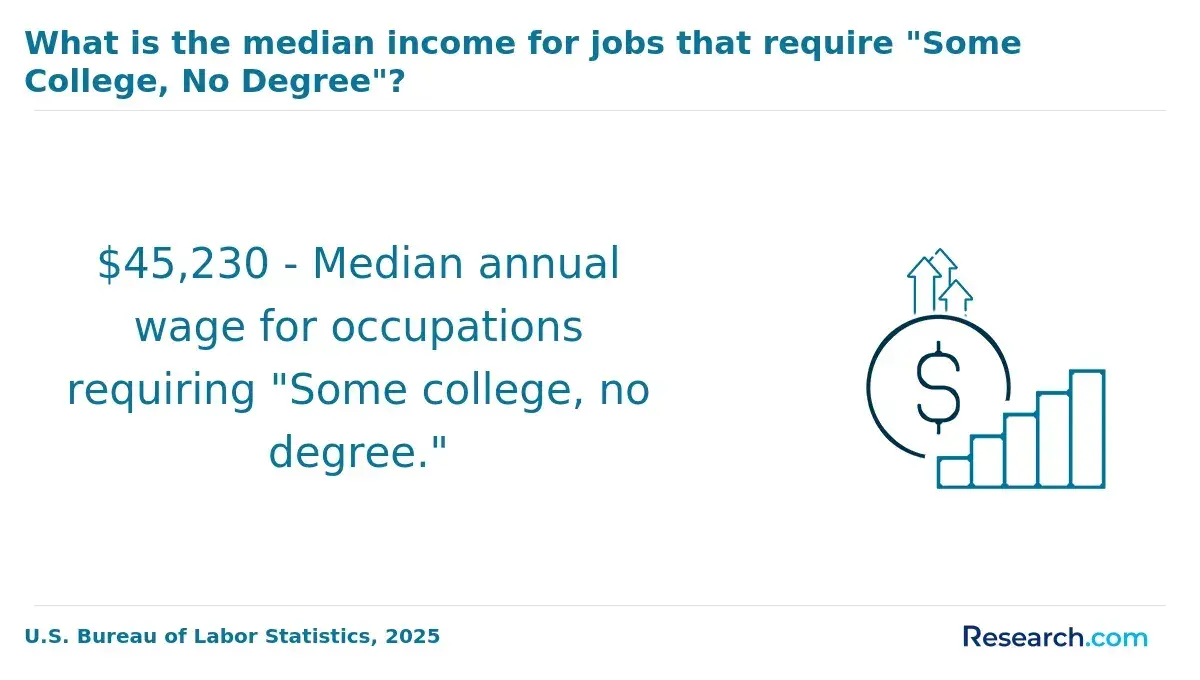
Employers increasingly test candidates through scenario-based assessments that replicate workflow coordination and risk mitigation challenges to verify applied skills. Those who fail to integrate these tools effectively may struggle to secure roles with significant operational responsibility or competitive salaries, which commonly range from $70,000 to over $110,000 depending on industry and seniority.
Beyond technical capabilities, employers prioritize nuanced analytical skills for assessing risks related to material costs, labor logistics, and regulatory compliance, often under real-world constraints that shift project parameters dynamically. Leadership expectations focus on managing interdisciplinary teams and subcontractors while enforcing safety and contract requirements, with hands-on internships or capstone experiences serving as critical evaluative benchmarks.
Effective communication, including translating complex technical details into clear language for stakeholders, directly affects client satisfaction and project success, influencing hiring decisions and promotion potential across commercial and infrastructure sectors.
Industry variation matters: commercial roles emphasize cost control and compliance rigor, whereas infrastructure demands expertise in environmental factors and strategic planning, creating distinct career pathways and salary differentials within the construction management field.
Are Remote and Flexible Careers Available With a Construction Management Master's Degree?
Remote and flexible careers in construction management are inherently constrained by the hybrid nature of many roles, which require both on-site presence and strategic oversight. Positions emphasizing project planning, budgeting, and regulatory compliance are more amenable to remote or hybrid models, supported by digital collaboration tools like BIM software and cloud-based platforms.
However, these roles still often demand periodic site visits to sustain stakeholder relationships and ensure operational accuracy. For professionals pursuing flexible job opportunities with a construction management master's degree, this means evaluating tradeoffs such as reduced on-site visibility that can impact career advancement and negotiating productivity expectations in virtual environments.
Supervisory and client-facing roles, including construction foremen and safety officers, typically require consistent physical attendance, limiting remote flexibility. Industry factors also play a critical role; for example, firms focused on design-build or consulting tend to offer more adaptable schedules compared to commercial and infrastructure sectors where onsite management is prioritized.
Mid-career professionals and consultants with established networks are better positioned to secure hybrid or contract-based roles, while entry-level practitioners gain foundational experience primarily through in-person engagement.
Notably, enrollment data from 2024 indicate a growing share of students seeking part-time or online formats aligned with their work schedules, similar to trends seen in the rise of associate degree online programs, reflecting workforce demand for flexible educational pathways supporting construction management careers.
What Certifications or Licenses Complement a Construction Management Master's Degree?
Licenses and certifications serve complementary yet distinct functions that significantly shape career trajectories for graduates holding a master's degree in construction management. Licensed credentials, such as the contractor's license or Professional Engineer (PE) designation, are often mandatory in regulated markets or public-sector roles, where legal authority to approve designs or manage public projects is strictly enforced. Without these licenses, professionals may face restricted job scopes or exclusion from bidding on government contracts, reinforcing the operational necessity of licensure in certain regions or specializations.
Conversely, certifications like the Certified Construction Manager (CCM) or Project Management Professional (PMP) are widely recognized by private employers as indicators of advanced project delivery skills, risk management expertise, and leadership capacity, often influencing hiring decisions and salary differentiation without legal requisites. This dynamic creates a distinct tradeoff: licenses guarantee regulatory compliance and access to specific work, while certifications enhance marketability and leadership credibility across diverse sectors.
The demand for construction management certification programs in the United States reflects these workforce realities, where mid-career professionals frequently pursue certifications to specialize in areas such as cost estimation or safety compliance, thereby aligning technical competency with industry expectations. Employers engaged in complex commercial or infrastructure projects increasingly prefer candidates with proven certifications to mitigate project risks and assure client trust, yet not all credentials hold equal value across every employer or industry segment.
For those considering licensed construction project manager requirements, understanding regional regulations and employer preferences is critical, as navigating this landscape impacts eligibility for lucrative or senior roles. While maintaining certifications often entails ongoing education and fees, the return can include expanded job eligibility and improved negotiation leverage.
For professionals weighing options, balancing a master's degree with carefully selected certifications or licenses-rather than relying solely on academic credentials-yields the most resilient career outcomes. Prospective students should also consider the cost of computer science degree when evaluating investment in complementary credentials, given the growing role of digital skills in construction management technologies.
What Graduates Say About Career Opportunities With a Construction Management Master's Degree
- Axton: "Balancing a full-time job and family commitments meant I chose a part-time construction management master's program to fit my schedule. I was cautious about the workload but decided on a program that emphasized real-world internships rather than just coursework. This approach helped me secure a summer internship that directly led to a project coordinator role, although I found that without a professional license, advancement in salary was slower than I expected."
- Jaime: "After shifting careers from civil engineering, I was pressed for time and funds, so I opted for an accelerated construction management program with a strong portfolio development focus. I prioritized programs known for employer connections over traditional licensure paths because I learned that many hiring managers valued practical experience more. The portfolio I built during the program landed me a position with a firm that offers considerable remote work flexibility, easing the transition into a new field."
- Roman: "I entered the master's program with a goal of advancing into senior project management, but the intense workload forced me to reconsider my timeline and drop out for a semester. I chose to focus on certifications and hands-on experience during that break, knowing many employers prioritize that over degrees alone. Upon returning, I leveraged my improved skill set and networking to land a role where actual site experience was essential, though I realized competing for certain high-level roles still often requires licensure or additional credentials."
Other Things You Should Know About Construction Management Degrees
In 2027, employers typically expect graduates with a master's in construction management to possess strong project management skills, familiarity with the latest technology in construction, and an understanding of sustainable building practices. Meeting these expectations can significantly increase the practical value of the degree, enhancing job prospects and career advancement.
Full-time enrollment generally allows for faster completion and deeper immersion in coursework and networking but demands a significant time commitment that can disrupt ongoing employment. Part-time programs enable professionals to maintain work while studying, which can alleviate financial pressure but may extend time to degree and limit participation in cohort-driven experiences or internships. Carefully consider your current job flexibility and long-term career objectives; part-time study might slow momentum in skill acquisition, potentially affecting opportunities in highly competitive job markets.
Many employers seek candidates with a combination of formal education and demonstrable project experience, so a master's degree alone often does not guarantee leverage in hiring or promotions. Graduates from programs integrating internships, applied projects, or collaboration with industry partners typically meet these employer expectations more effectively. Consequently, prospective students should examine how their prospective programs facilitate industry connections and hands-on learning to avoid the degree becoming a theoretical credential with limited practical advantage.
Specializing in areas like sustainable construction, BIM, or risk management can make graduates highly attractive for niche employers but may narrow opportunities if market demands shift or if you seek lateral moves. Broad-based programs without strict specialization maintain flexibility but might dilute depth, potentially reducing competitiveness for specialized roles. Prioritize specialization only if you have a clear career trajectory and relevant market demand; otherwise, a generalist approach offers more adaptability in fluctuating construction sectors.
References
- Master Construction Management and Engineering https://www.tue.nl/en/education/graduate-school/master-construction-management-and-engineering
- Which are the universities that I can apply with low GPA for masters in construction management in USA? https://mentr-me.com/question/which-are-the-universities-that-i-can-apply-with-low-gpa-for-masters-in-construction-management-in-usa
- How can I improve my skills in construction project management without formal courses? https://www.umu.com/ask/q11122301573853745919
- MSc Construction Management https://www.ube.ac.uk/postgraduate/construction-management/
- The Ultimate Guide to Construction Management: Strategies for Success - We Are Ease https://weareease.com/the-ultimate-guide-to-construction-management-strategies-for-success/
- Master Construction Project Management: 6 Proven Strategies https://www.werxapp.com/blog/master_construction_project_management/
- Navigating Construction Management Studies: Tips for Future Professionals - BUILD Magazine https://www.build-review.com/navigating-construction-management-studies-tips-for-future-professionals/
- Top 10 Benefits of a Construction Management Degree and What You Can Do With It - NewSchool of Architecture & Design https://newschoolarch.edu/top-10-benefits-of-a-construction-management-degree-and-what-you-can-do-with-it/
- 10 Key strategies for effective construction management in 2025 https://www.fieldwire.com/blog/strategies-effective-construction-management/
- Construction Management (M.S.) https://www.gradcollege.txst.edu/programs/construction-management.html